

The 5 Interview Mistakes That Cost You the Job
What's silently killing your chances — and what top candidates do instead. Delivered instantly to your inbox.
No spam. Unsubscribe anytime. Privacy Policy & Terms
- Why "I'm a hard worker" destroys your chances
- What interviewers decide in the first 90 seconds
- How to handle tough questions with confidence
- The salary mistake almost every candidate makes
How to Stop Overthinking After a Job Interview
After a job interview, it’s common to find yourself trapped in a cycle of overthinking. You might replay every question in your head, analyze your responses, and worry about what the hiring manager thought of you. This tendency can be frustrating and counterproductive. Here are some strategies to help you stop overthinking and regain your peace of mind.
Practice Mindfulness
One effective strategy for calming your mind post-interview is practicing mindfulness. This technique allows you to focus on the present moment rather than dwelling on past events. You can try the following:
- Breathing Exercises: Take deep breaths in and out. Count your breaths to keep your mind focused.
- Meditation: Spend just 5 to 10 minutes in a quiet space, focusing on your breathing or a simple mantra.
- Grounding Techniques: Engage your five senses by describing what you can see, touch, hear, smell, and taste around you.
Engage in Physical Activity
Physical activity can be a great way to clear your mind. Exercise helps release endorphins, which can boost your mood and decrease feelings of anxiety. Here are some ways to incorporate physical activity into your routine after an interview:
- Go for a Walk: A brisk walk can help you escape your thoughts and connect with your surroundings.
- Join a Fitness Class: Group activities can be distracting and encourage a sense of community.
- Try Yoga: This combines physical movement with mental focus, perfect for calming an overactive mind.
Limit Information Intake
After an interview, resist the urge to search for feedback or read up on potential questions you’ve missed. Consuming too much information can fuel your overthinking. Instead:
- Set a Time Limit: Allow yourself a specific amount of time to think about the interview. Once the time is up, move on to another activity.
- Turn Off Notifications: Silence any job alerts or messages that may lead you back to job-related anxieties.
Talk to Someone
Sometimes, sharing your thoughts can ease your mind. Talk to a friend or family member about your interview experience. Here are some benefits:
- Gaining New Perspectives: Others may see details you haven’t considered, offering a calming viewpoint.
- Receiving Support: A listening ear can provide emotional relief and reassurance.
Shift Your Focus
Redirecting your thoughts can be instrumental in overcoming overthinking. Here’s how you can focus your energy on positive actions:
- Plan Your Next Steps: Think about what other opportunities you want to pursue, whether it’s exploring different companies or updating your resume.
- Engage in Hobbies: Immerse yourself in activities you enjoy, like reading, painting, or cooking.
Practice Self-Compassion
Be kind to yourself after the interview. Chances are, you did your best under the circumstances, and worrying won’t change the outcome. Reaffirm this to yourself:
- You prepared well and gave it your all.
- Interviews are as much about fit for both you and the employer.
- Every experience is a learning opportunity for your future pursuits.
If you find yourself spiraling into overthinking again, you might want to consider professional help. Therapy or counseling can be effective in working through anxiety related to job searches and interviews. Resources like Psychology Today can help you find a qualified therapist in your area.
Remember that it’s normal to feel anxious after a job interview, but with the right strategies, you can minimize this feeling. Embrace the future with an open heart and a clear mind!
The Impact of Self-Doubt on Job Performance
Self-doubt can quietly creep into your mind, especially when it comes to your job performance. It can manifest in various ways, affecting not only how you perceive your abilities but also how you carry out your daily tasks. Understanding the impact self-doubt can have on your work is crucial for anyone looking to excel in their career.
visit The Job Interview System for Job Seekers on Gumroad. A practical guide built for people who are serious about landing the job they want. For more interview guides, career tips, and job search resources, visit the Love PDF Guides home page.
Understanding Self-Doubt
Self-doubt is when individuals question their abilities, skills, and overall worth. This emotional turmoil can stem from various sources:
- Negative past experiences
- Comparison with colleagues
- High personal or external expectations
- Fear of judgment or criticism
These factors contribute to a constant cycle of second-guessing that can significantly diminish an employee’s confidence level.
Effects on Job Performance
Self-doubt not only affects your mental well-being but can also lead to tangible declines in job performance. Here are some specific areas where self-doubt can take its toll:
- Decision Making: When you doubt yourself, it becomes harder to make decisions. This uncertainty can lead to missed opportunities or poor choices that affect projects and overall productivity.
- Creativity: Self-doubt may stifle your creative thinking. When you are constantly worried about how your ideas will be received, you’re less likely to speak up in meetings or contribute to brainstorming sessions.
- Team Dynamics: A lack of confidence can affect team interactions. Colleagues may perceive you as less competent, leading to a lack of trust and collaboration.
- Performance Anxiety: High self-doubt can lead to anxiety, which makes it difficult to perform well under pressure. This can hinder your ability to meet deadlines or achieve goals.
Overcoming Self-Doubt
While self-doubt can be detrimental, there are effective strategies to overcome it and improve job performance:
- Seek Feedback: Constructive criticism from colleagues can offer a fresh perspective and highlight areas for improvement.
- Set Realistic Goals: Establish achievable objectives. Break larger tasks into smaller, manageable steps to help build confidence through accomplishment.
- Practice Self-Compassion: Be kind to yourself when facing challenges. Acknowledge that everyone has setbacks, and use them as learning opportunities rather than sources of shame.
- Visualize Success: Spend a few moments each day visualizing successful outcomes for projects or tasks. This positive reinforcement can help shift your mindset.
Long-term Strategies to Maintain Confidence
Building a consistent level of confidence requires ongoing effort. Here are some long-term strategies:
- Continuous Learning: Invest in your skills through training or professional development. Knowledge enhances competence and reduces feelings of inadequacy.
- Build a Support Network: Surround yourself with mentors and peers who can provide support and encouragement. Engaging with people who have been in your shoes can help normalize feelings of self-doubt.
- Mindfulness Practices: Engage in mindfulness techniques such as meditation or journaling. These practices can help you stay grounded and manage negative thoughts.
Finding Resources
If you’re looking for more insights into overcoming self-doubt in the workplace, several resources are available:
- For professional guidance, visit Psychology Today.
- To explore workshops and tools, check Mindful for mindfulness techniques.
- For articles on professional growth, browse Forbes.
Understanding the impact of self-doubt on your job performance is crucial. By actively taking steps to overcome self-doubt and building confidence, you can enhance both your individual performance and contribute positively to your team.
Strategies for Building Confidence in Job Interviews
Job interviews can often feel daunting, and many people struggle with anxious thoughts about their performance. Fortunately, there are effective strategies to build your confidence before and during the interview process. Implementing these techniques can help you present your best self and increase your chances of landing the job.
Understand the Job Description
Before preparing for your interview, take the time to thoroughly read the job description. Knowing what the employer is looking for can help you tailor your responses to showcase how your skills align with their needs. To help with this, consider the following:
visit The Job Interview System for Job Seekers on Gumroad. A practical guide built for people who are serious about landing the job they want. For more interview guides, career tips, and job search resources, visit the Love PDF Guides home page.
- Highlight Key Skills: Identify the skills and qualifications that are most important to the position.
- Match Accomplishments: Think of examples from your past work experience that demonstrate these skills in action.
- Use Keywords: Incorporate terminology from the job description into your answers to show you understand the role.
Practice Makes Perfect
Rehearsing your responses can help you feel more prepared and reduce anxiety. Here are some practical ways to practice:
- Mock Interviews: Arrange a mock interview with a friend or mentor. This will provide real-time feedback and simulate the interview experience.
- Record Yourself: Use your phone or a camera to record your practice sessions. This allows you to review your body language and speech.
- Common Questions: Prepare answers for common interview questions, such as “Tell me about yourself” or “What are your strengths?”
Focus on Positive Visualization
Visualization is a powerful technique to calm your nerves and boost confidence. Before your interview, take some quiet time to envision a successful meeting. Here’s how to practice this:
- Find a calm place to sit or lie down.
- Close your eyes and take deep breaths to relax.
- Visualize yourself walking into the interview room, greeting the interviewer with a smile.
- Picture yourself speaking clearly and confidently, answering questions with ease.
- End the visualization with a positive outcome, such as getting the job offer.
Dress the Part
Your appearance can affect your confidence levels. Dressing professionally not only creates a good impression on the employer but also makes you feel more self-assured. Consider the following tips:
- Research Company Culture: Understand the dress code of the company and choose your outfit accordingly.
- Wear Comfortable Clothes: Select an outfit that you feel good in, which can enhance your confidence.
- Pay Attention to Grooming: Ensure you are well-groomed, which indicates you take the opportunity seriously.
Body Language and Presence
Non-verbal communication plays a significant role in how you are perceived during an interview. Here are some body language tips:
- Good Posture: Sit up straight, as this conveys confidence and authority.
- Eye Contact: Maintain eye contact with your interviewer to show engagement and interest.
- Smile: A warm smile can create a positive atmosphere and help you connect with the interviewer.
Engage with the Interviewer
Remember that an interview is a two-way process. Engaging with your interviewer can help alleviate pressure. Here’s how:
- Ask Questions: Prepare thoughtful questions about the role and the company. This shows your interest and gives you a moment to gather your thoughts.
- Be Genuine: Allow your personality to shine through. Authenticity can make you more memorable.
- Listen Actively: Respond to your interviewer’s comments and questions instead of just waiting for your turn to speak.
With confidence-building strategies in hand, you can approach your next job interview with greater assurance. Remember to practice often, maintain a positive mindset, and engage genuinely with your interviewer. For more insights on interview preparation, check out The Balance Careers or Forbes for useful tips. Good luck!
The Role of Mindfulness in Reducing Post-Interview Anxiety
Job interviews can be a source of intense anxiety for many candidates. Once the interview is over, it’s common to find yourself replaying every moment, worrying about how you performed, what you said, and what the interviewer thought. This cycle of overthinking can lead to crippling stress and even impact your self-esteem. That’s where mindfulness comes into play. Practicing mindfulness can significantly reduce post-interview anxiety, helping you focus on the present moment rather than dwelling on past events.
Mindfulness is the practice of being fully present and engaged in the moment. It involves observing your thoughts, feelings, and surroundings without judgment. mindfulness techniques into your routine, especially after a job interview, can help calm your nerves and shift your focus away from anxiety. Here are some effective ways to utilize mindfulness:
- Breathing Exercises: Focus on your breath to ground yourself. Take slow, deep breaths and count to four as you inhale, then count to four again as you exhale. This simple practice can reduce the racing thoughts that often follow an interview.
- Body Scan Meditation: Lie down or sit comfortably and consciously relax each part of your body, starting from your toes and working up to your head. This helps release built-up tension and helps you tune into your physical sensations, thereby quieting your mind.
- Journaling: Write down your thoughts and feelings after the interview. Acknowledge your emotions without judgment. This can create a sense of release and help you process what happened in a constructive way.
- Mindful Walking: Take a short walk and focus exclusively on your surroundings – the sounds, sights, and smells around you. This can help clear your mind and re-direct your energy away from ruminating.
By practicing these techniques, you can reduce your anxiety and foster a more positive mindset. Mindfulness doesn’t just stop at managing interview anxiety; it can promote overall well-being. Research shows that mindfulness can improve focus, concentration, and emotional regulation. This can be especially beneficial when preparing for future interviews, helping you stay calm and collected.
visit The Job Interview System for Job Seekers on Gumroad. A practical guide built for people who are serious about landing the job they want. For more interview guides, career tips, and job search resources, visit the Love PDF Guides home page.
You can also engage in guided mindfulness apps or resources. Platforms like Headspace and Calm offer structured mindfulness practices that can benefit people coping with stress. Using such resources can be a stepping stone to integrating mindfulness into your daily routine.
Another important aspect is creating a supportive environment after your interview. Surround yourself with positive influences, whether that be friends, family, or communities that encourage personal growth. Share your experiences with them and allow them to provide insights or words of encouragement.
However, it’s also vital to set boundaries regarding how much time you spend reflecting on the interview itself. It’s easy to slip into an endless loop of “what ifs.” Allow yourself a set time – say 10-15 minutes – to think about it, then consciously shift your focus to something else. This can be anything from a hobby you enjoy to a new skill you want to learn.
In addition, nourishing your body with healthy food and getting enough rest play an integral role in managing anxiety. When you take care of your physical health, it can greatly enhance your mental well-being. Exercise, yoga, or any physical activity can also serve as an excellent way to release tension and improve your mood.
Remember that interviews are just one part of the bigger picture of your career journey. Each experience is an opportunity to grow and learn. Practicing mindfulness helps you gain perspective, allowing you to see that one interview does not define your entire job search. It’s essential to be kind to yourself during this process.
Using mindfulness to address post-interview anxiety can unlock a path toward a more emotionally balanced life. By focusing on the present, you cultivate resilience and increase your chances of success in future endeavors. Remember, it’s essential to practice patience and forgiveness with yourself as you navigate the ups and downs of job hunting.
Common Interview Overthinking Triggers and How to Avoid Them
Job interviews can be nerve-wracking, and it’s common to experience a whirlwind of thoughts after the experience. You might replay every question in your mind, analyzing your responses in detail. This overthinking can be exhausting. Understanding what triggers this mental spiral can help you avoid it and maintain peace of mind. Here are some common triggers to watch out for, along with strategies to manage them effectively.
One major trigger is the fear of judgment. You might worry about how the interviewer perceives you and your answers. To counteract this fear, remind yourself that interviews are not just about being evaluated; they’re also your opportunity to determine if the company is a good fit for you. Shift your mindset to view the interview as a two-way conversation rather than a test. This approach fosters a more relaxed mindset, letting you engage more comfortably instead of second-guessing every word you utter.
Another trigger is the tendency to focus on what you could have done differently. This often leads to endless loops of regret and self-criticism. Instead, practice self-compassion. Recognize that everyone makes mistakes, and focus on what you did well during the interview. Take some time to jot down your strengths and any positive feedback you might have received, which can be an excellent reminder when doubt creeps in.
visit The Job Interview System for Job Seekers on Gumroad. A practical guide built for people who are serious about landing the job they want. For more interview guides, career tips, and job search resources, visit the Love PDF Guides home page.
The anxiety of not receiving feedback can also intensify overthinking. It’s common to wonder why you haven’t heard back or to analyze the interview in great detail. To combat this trigger, create a follow-up timeline. Set a specific date when you will reach out for feedback if you haven’t heard from them yet. This proactive approach can help you feel more in control and reduce that sense of uncertainty which often leads to overthinking. You can use tools like Perfect Follow Up to streamline your post-interview outreach.
External pressures, such as friends or family asking about the outcome, can amplify your stress levels. Their well-meaning inquiries can lead you to overthink and worsen your anxiety. A practical strategy is to limit the amount of information you share about your interview until you feel ready. You can also communicate upfront with your loved ones, letting them know you need space and time to process your feelings about the interview.
Your environment can also play a significant role in how you feel post-interview. Stressful surroundings can lead to heightened anxiety and overthinking. Create a calming space to unwind after your interview. It can be a comfy chair, a cozy corner, or a quiet outdoor space — wherever you feel at ease. Engage in relaxing activities, like reading or taking a short walk, to help clear your mind and shift your focus away from overanalyzing the interview.
Procrastination can trigger overthinking, too. When you avoid taking action, your brain tends to fill in the gaps with “what-if” scenarios. To break this cycle, set small, manageable tasks related to your job search. For example, update your resume, apply for another job, or start networking. Keeping yourself actively engaged can help reduce your tendency to overthink, allowing you to channel your energy positively.
Self-talk is another factor that influences your post-interview anxiety. Negative thoughts can spiral out of control, with phrases like “I messed up” easily gaining traction. Counter these thoughts with positive affirmations. Write down a list of your accomplishments and repeat them to yourself regularly. This practice can bolster your self-esteem and mitigate the urge to overthink.
Engaging in mindfulness exercises can lessen overthinking patterns. Techniques such as meditation, deep breathing, or grounding exercises can help you stay in the moment and reduce anxiety. Even spending just a few minutes each day practicing mindfulness can create a significant shift in how you process your thoughts.
Overthinking after a job interview is common but manageable. By identifying triggers such as fear of judgment, focusing on regrets, external pressures, and self-talk, you can navigate your thoughts and emotions more effectively. Implementing strategies like practicing self-compassion, setting follow-up timelines, and engaging in relaxation activities can help you regain clarity and peace of mind.
For further insights and resources on managing anxiety in job searching, visit Positively Present or explore techniques listed on Anxiety Canada.
Techniques for Positive Self-Talk Following an Interview
After a job interview, it’s common to second-guess your responses and the overall impression you left on the interviewer. To overcome these feelings, positive self-talk techniques can be incredibly beneficial. This article outlines effective strategies that you can implement immediately following an interview to help boost your confidence and minimize overthinking.
visit The Job Interview System for Job Seekers on Gumroad. A practical guide built for people who are serious about landing the job they want. For more interview guides, career tips, and job search resources, visit the Love PDF Guides home page.
Recognize Your Achievements
Take a moment to reflect on your qualifications and what brought you to the interview in the first place. Remember the skills and experiences that make you a strong candidate. Here are some key points to focus on:
- List your top three achievements related to the job you applied for.
- Think about specific examples of how your skills have benefited past employers.
- Consider any positive feedback you may have received during the interview.
Practice Affirmations
Using affirmations can shift your mindset and help you build a more positive attitude. These are simple, positive statements that can help reinforce your belief in your potential. You can use the following affirmations:
- I prepared thoroughly for this interview.
- I am a qualified candidate for this position.
- I have unique talents and insights to offer.
- Regardless of the outcome, I am proud of my efforts.
Repeat these affirmations aloud to yourself, or write them down and place them somewhere you will see them regularly. This repetition can help instill a sense of self-worth.
Challenge Negative Thoughts
It’s easy to get caught up in a cycle of negative thinking after an interview. When disappointment or worry creeps in, actively challenge these thoughts:
- Question the validity of your negative thoughts: “Is this thought based on facts?”
- Replace negative thoughts with positive alternatives.
- Consider what you would say to a friend in a similar situation. Offer yourself the same kindness.
Limit Overthinking
Setting boundaries on your thought processes can be a game changer. Create an “overthinking time” where you allow yourself to think about the interview for a limited period. Here’s how to manage this:
- Designate a specific time, such as 15 minutes, to reflect on the interview.
- After this time is up, focus on other activities.
- Engage in hobbies or relax to distract yourself from persistent thoughts.
Engage in Mindfulness
Mindfulness techniques can help bring your focus back to the present moment, reducing anxiety about the future. Consider the following practices:
- Breathing exercises: Take deep, slow breaths to calm your mind.
- Visualization: Imagine a calming scene or visualize your success.
- Meditation: Spend a few minutes in quietude, focusing on your breath to ground yourself.
Connect with Others
Reach out to friends or family members to share your post-interview feelings. Discussing your thoughts not only helps you process them, but also provides support. Use this opportunity to:
- Get constructive feedback about your interview.
- Encourage each other through active listening.
- Share experiences and helpful techniques for handling similar situations.
Focus on Future Opportunities
Shift your focus to what lies ahead, rather than dwelling on the past. Every interview is a valuable learning experience. Here’s how to keep your sights set on future opportunities:
visit The Job Interview System for Job Seekers on Gumroad. A practical guide built for people who are serious about landing the job they want. For more interview guides, career tips, and job search resources, visit the Love PDF Guides home page.
- Identify areas for improvement for future interviews.
- Keep applying to other roles that interest you.
- Set specific goals, such as polishing your CV or researching companies.
Employing positive self-talk techniques after a job interview can significantly enhance your confidence and foster a sense of personal growth. Overcoming the habit of overthinking takes time, but with practice, you can replace negative spirals with uplifting perspectives. For more information on cultivating positive self-talk, visit Psychology Today or explore resources at Mindful.
Creating a Post-Interview Action Plan to Ease Your Mind
After a job interview, it’s common to find yourself caught in a whirlwind of thoughts and doubts. Overthinking can lead to unnecessary worry and stress. Creating a structured action plan can help you regain your focus and ease your mind. Here’s how you can create an effective post-interview action plan.
Reflect on Your Performance
Take a moment to sit down and reflect on how the interview went. Ask yourself the following questions:
- How did I feel during the interview?
- Did I answer all the questions clearly?
- What questions caught me off guard?
- Was there a moment where I felt particularly confident?
Writing down your thoughts can provide clarity. This practice also helps you identify areas for improvement in future interviews.
Analyze Feedback
If you received any feedback from the interviewer, take time to analyze it. Consider the following:
- Was the feedback positive, constructive, or both?
- How can I use this information to improve?
- Are there any recurring themes or suggestions about my qualifications?
Understanding feedback lays a foundation for growth, turning potential weaknesses into strengths for your next opportunity.
Follow-Up Communication
Sending a follow-up message is crucial. This shows appreciation and reinforces your interest in the position. Your follow-up email should include:
- A thank you for the opportunity
- A reaffirmation of your interest in the role
- A brief mention of a specific point discussed during the interview
This type of communication keeps you on their radar and can set you apart from other candidates. For effective follow-up templates, check The Balance Careers.
visit The Job Interview System for Job Seekers on Gumroad. A practical guide built for people who are serious about landing the job they want. For more interview guides, career tips, and job search resources, visit the Love PDF Guides home page.
Engage in Positive Activities
While waiting to hear back from potential employers, engaging in positive activities can keep your mind occupied. Consider some of these options:
- Exercise: Physical activity can help reduce anxiety.
- Reading: Pick up a book or articles that interest you, shifting your focus from the interview.
- Connecting with Friends: Socializing can alleviate feelings of worry and provide support.
Investing time in activities you enjoy can positively impact your mental health and help you maintain a balanced perspective.
Prepare for the Next Steps
Instead of solely fixating on the current interview, start preparing for future opportunities. This could include:
- Updating your resume and portfolio with any new experiences.
- Practicing common interview questions and refining your answers.
- Researching companies and industries you are interested in.
By proactively preparing, you shift your focus from dwelling on the past to looking towards your future.
Practice Mindfulness
Mindfulness techniques can be an effective way to combat overthinking. Consider the following methods:
- Meditation: Spend a few minutes daily focusing on your breath.
- Breathing Exercises: Try inhaling deeply, holding for a few seconds, and exhaling slowly.
- Gratitude Journaling: Write down things you are grateful for to foster a positive mindset.
Mindfulness helps you remain present and can significantly lower anxiety, making it easier to let go of overthinking.
Seek Professional Help if Needed
If overthinking persists and starts impacting your daily life, consider consulting a professional therapist. Mental health professionals can assist you in developing coping strategies and techniques tailored to your situation. Resources such as Psychology Today can help you find qualified therapists in your area.
Creating a post-interview action plan is not just about preparation; it’s also about mental well-being. By following these steps, you can ease your mind and regain control over your thoughts, setting yourself up for success in subsequent interviews.
visit The Job Interview System for Job Seekers on Gumroad. A practical guide built for people who are serious about landing the job they want. For more interview guides, career tips, and job search resources, visit the Love PDF Guides home page.
Key Takeaway:
Navigating the aftermath of a job interview can often spark a whirlwind of overthinking, self-doubt, and anxiety. However, there are effective strategies you can adopt to prevent this mental spiral and cultivate a healthier mindset. Let’s explore some key takeaways that encapsulate the essence of transforming your post-interview experience.
First and foremost, understanding how self-doubt impacts job performance is crucial. When you second-guess your qualifications or decisions made during the interview, it hampers your confidence and can even affect your performance in future interviews. Self-doubt can become a vicious cycle, where the more you worry, the less likely you are to present yourself effectively in subsequent job opportunities.
Building confidence is a proactive approach to counteracting feelings of uncertainty. Practicing common interview questions, preparing your elevator pitch, and even rehearsing your body language can empower you before stepping into an interview. This preparation not only boosts your self-assurance but also decreases the tendency to overthink afterward.
Mindfulness is another pivotal element in managing post-interview anxiety. Techniques such as deep breathing, meditation, and grounding exercises can help you stay present and reduce racing thoughts regarding how you performed. This practice emphasizes the importance of living in the moment, allowing you to detach from negative thought patterns that may arise after an interview.
It’s also essential to recognize common triggers that lead to overthinking, such as waiting for a response or fixating on perceived mistakes. By identifying these triggers, you can consciously set boundaries for how much time you spend ruminating.
Positive self-talk is another powerful technique to implement. Reframing your thoughts and affirming your capabilities can change how you perceive the interview experience. Instead of focusing on what went wrong, remind yourself of what went well.
Creating a post-interview action plan can ease your mind significantly. Outline your next steps, whether it’s following up with a thank-you note or preparing for potential next rounds. Having a concrete plan not only provides direction but also alleviates the anxiety of uncertainty, allowing you to move forward confidently.
By implementing these strategies, you will find that overthinking can be effectively managed, and you can transition smoothly from one interview to the next with renewed confidence and clarity.
Conclusion
Reflecting on the journey through the job interview process, it’s clear that managing overthinking is crucial for your mental well-being and future success. Self-doubt can cloud your judgment and impact your job performance, but recognizing its presence is the first step towards overcoming it. Building confidence involves preparation and practice, and it’s essential to remember that each interview is a learning opportunity.
Embracing mindfulness techniques can significantly reduce anxiety, allowing you to approach the experience with a clearer, calmer mind. Identifying and understanding common triggers that lead to overthinking can empower you to take proactive measures, helping to create a more positive mindset. Techniques for positive self-talk are invaluable; by replacing negative thoughts with affirming statements, you pave the way for greater self-belief.
visit The Job Interview System for Job Seekers on Gumroad. A practical guide built for people who are serious about landing the job they want. For more interview guides, career tips, and job search resources, visit the Love PDF Guides home page.
Creating a post-interview action plan not only eases your mind but also gives you a focused direction for your next steps. Embrace the lessons learned from each interview as they build your resilience and improve your performance for future opportunities. Remember, the road to finding the right job can be challenging, but with the right mindset and strategies in place, you can transform overthinking into constructive reflection. Stay grounded, take a breath, and trust in your journey. Each step forward brings you closer to success.
Your Next Chapter
Starts with the Right Guide
Three straight-talking PDF guides to help you win interviews, beat the first 90 days and thrive as an introvert. Instant download on Gumroad.
Guide 01
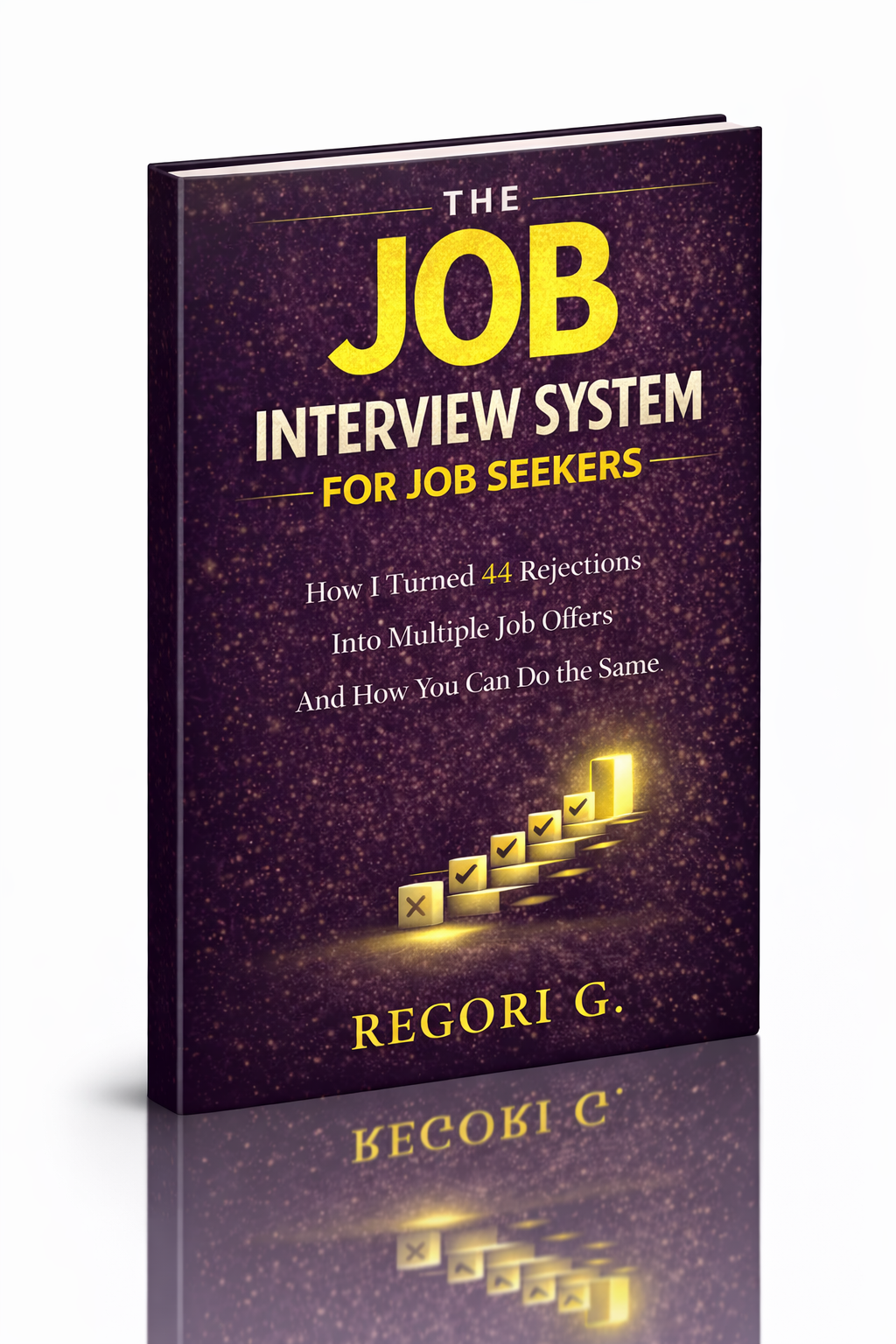
The Job Interview System
Step-by-step interview prep that turns nerves into confidence.
Get it →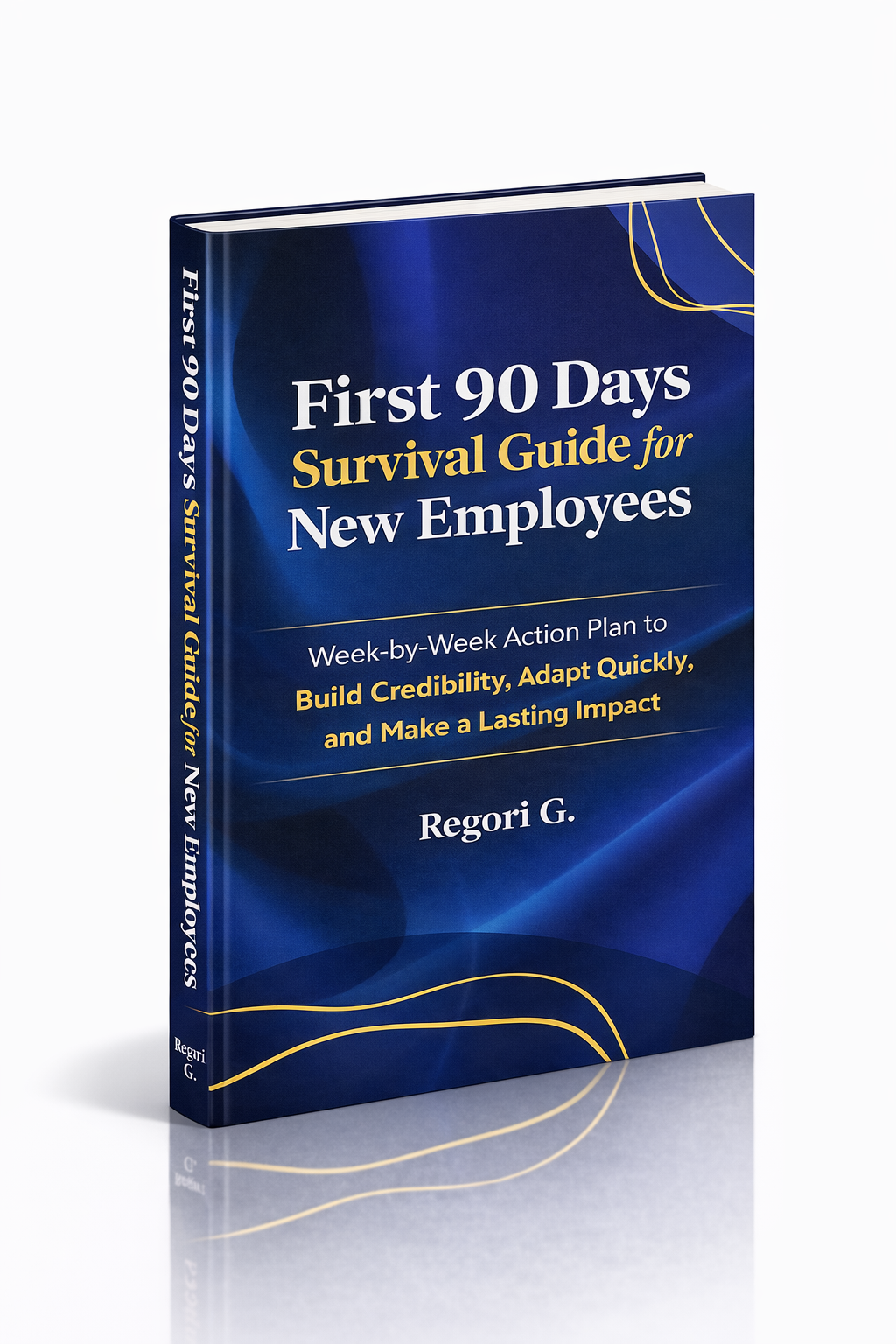
Guide 02
First 90 Days Survival Guide
Hit the ground running and make your mark from day one.
Get it →
Guide 03
Interview Success for Introverts
7 proven steps to shine in interviews — even if you hate the spotlight.
Get it →