

The 5 Interview Mistakes That Cost You the Job
What's silently killing your chances — and what top candidates do instead. Delivered instantly to your inbox.
No spam. Unsubscribe anytime. Privacy Policy & Terms
- Why "I'm a hard worker" destroys your chances
- What interviewers decide in the first 90 seconds
- How to handle tough questions with confidence
- The salary mistake almost every candidate makes
How to Find a Job When You Have Been Out of Work a While
After being out of work for a while, you might feel lost and unsure about how to re-enter the job market. The good news is, with the right strategies, you can successfully navigate your job search and find a position that suits you. Here are some effective steps to take to enhance your chances of getting hired.
Reflect on Your Skills and Experience
Take time to evaluate your skills and past experiences. Understand what you bring to the table and how it aligns with the current job market. Consider the following:
- Identify your key skills: Think about both hard skills (like computer programming) and soft skills (like communication).
- Assess your industry knowledge: Be aware of the trends and changes in your field.
- Recognize gaps: Identify areas where you may need further training or education.
Update Your Resume
Your resume is often your first impression, so it needs to shine. Here are tips for updating your resume:
- Use a modern format: Make sure your design is clean and professional.
- Highlight relevant experience: Provide specific examples of your work that relate closely to the jobs you want.
- Include a brief explanation for gaps in employment: Be honest, but frame it positively, such as mentioning personal development during your time off.
Leverage Your Network
Your network can be a powerful resource in your job search. Reach out to former colleagues, mentors, and friends. Here are ways to effectively utilize your network:
- Attend local industry events and meet-ups to connect with people in your field.
- Use social media platforms like LinkedIn to reach out and engage with professionals.
- Ask for informational interviews to learn more about potential opportunities.
Enhance Your Skills
If you find that your skills are outdated, consider enrolling in classes or workshops. Various online platforms offer free or affordable courses that can help you acquire new skills. Websites such as Coursera and Udemy provide a wealth of information to help boost your employability.
Utilize Job Search Websites
Job boards are essential for finding job openings. Utilize reputable websites that list opportunities suitable for your skills. Consider using:
| Job Board | Specialty |
|---|---|
| Indeed | General job listings across various industries. |
| Monster | A wide range of job opportunities and career advice. |
| LinkedIn Jobs | Jobs tailored to your professional network. |
Prepare for Interviews
Interviewing can be daunting, especially after a long break. Prepare by practicing common interview questions with a friend or mentor. Here are some ways to get ready:
- Research the company: Understand its mission, culture, and recent news.
- Practice your responses: Prepare answers that highlight your strengths and acknowledge your employment gap positively.
- Dress appropriately: Make sure to dress in professional attire to create a strong first impression.
Consider Temporary or Part-Time Work
If you’re having difficulty finding a full-time position, think about taking temporary or part-time work. This can help you gain recent experience and fill gaps in your resume. Plus, it can be a stepping stone to full-time employment.
Stay Positive and Persistent
Remember that re-entering the job market can take time. Stay positive and persistent in your efforts. Celebrate small victories along the way, and don’t hesitate to seek support from friends or career coaches to keep your motivation high.
For more insights and assistance in your job search, you can explore resources at Job Search or The Balance Careers. These sites provide valuable advice, job listings, and tools to help you succeed in your job search.
Strategies for Updating Your Resume After a Career Break
Returning to the job market after a career break can be challenging, especially when it comes to updating your resume. Crafting a compelling resume that accurately reflects your skills and experiences is crucial to attracting potential employers. Here are some effective strategies to help you update your resume after a career break.
Reflect on Your Time Away
Before updating your resume, take a moment to reflect on what you did during your career break. Whether you were caring for a family member, pursuing further education, or developing a new skill, it’s essential to recognize the value of this time. Consider the following:
- Skills Gained: Identify any new skills or knowledge you acquired during your break.
- Volunteer Work: If you volunteered during your break, include this experience, as it shows initiative and community involvement.
- Courses Completed: List any courses, certifications, or workshops you attended.
Choose the Right Resume Format
The format of your resume can significantly impact how potential employers perceive your career break. Consider using one of the following formats:
- Functional Resume: This format emphasizes your skills rather than your employment history, making it ideal for showcasing transferable skills gained during your break.
- Hybrid Resume: A combination of the chronological and functional formats, this approach highlights your skills while providing a brief work history.
- Chronological Resume: If you have relevant experience before your break, this format can help. Be sure to emphasize your accomplishments and roles.
Address the Career Break in Your Summary
In your resume’s professional summary, acknowledge your career break briefly and pivot to what you offer now. This approach reassures potential employers and showcases your readiness to re-enter the workforce:
“Dedicated professional with a strong background in marketing, returning to the workforce after a career break focused on family responsibilities. Eager to leverage skills in digital marketing and project management.”
Highlight Transferable Skills
During your career break, you likely developed a host of transferable skills that are valuable in the job market. Highlight skills such as:
- Project Management
- Leadership
- Communication
- Problem-solving
- Time Management
In your experience section, use bullet points to quantify these skills wherever possible. For instance, if you coordinated family events, highlight how you managed multiple tasks, budgets, and timelines.
Leverage Your Network
Networking can be an essential asset for job seekers, especially after a break. Reconnect with former colleagues, attend industry events, or join professional groups related to your field. Additionally, consider using platforms like LinkedIn to expand your professional network. Engaging with others can open new doors and opportunities.
Practice Explaining Your Gap
Be prepared to discuss your career break in interviews or networking events. Your explanation should be positive, focusing on the skills you gained during your time away. Practice your pitch so that you feel confident and ready to address this topic in a way that assures potential employers of your commitment and readiness.
Update the Look of Your Resume
A fresh design can make a big difference when updating your resume. Use a clean layout that is easy to read and visually appealing. Make good use of white space, appropriate fonts, and bullet points. If you need inspiration, consider websites like Canva or Resume.com for modern templates.
Seek Professional Help
If you find updating your resume overwhelming, consider hiring a professional resume writer. They can provide valuable insights and ensure your resume meets industry standards while highlighting your unique experiences. Check out services like TopResume or Resume Writer for further assistance.
With these strategies, you will be well-equipped to update your resume and prepare for your job search. Remember, it’s not just about listing your experiences; it’s about telling your story and showcasing how you can contribute to your next employer. By emphasizing your skills and experiences, you’ll make a strong case for why you are the right fit for the job.
Navigating Job Interviews: Tips for Candidates with Gaps in Employment
After a period of unemployment, it’s common to feel anxious about job interviews. Gaps in your employment history can raise questions, but with the right strategies, you can effectively navigate job interviews and present yourself as a strong candidate. Here are some valuable tips to guide you through the process.
Understand Your Gap
Before you step into an interview, take time to reflect on your employment gap. You should be able to articulate the reasons clearly and confidently. Consider the following:
- Did you take time off for personal reasons?
- Were you pursuing further education or training?
- Did you face challenges such as health issues or family responsibilities?
By being honest and straightforward, you avoid the risk of coming off as evasive. Employers appreciate transparency and are often more understanding than you might think.
Frame Your Experience Positively
When discussing your gap, it’s crucial to emphasize any skills and experiences you gained during that time. Did you volunteer, take courses, or engage in freelance work? Highlight these activities as they demonstrate your commitment to self-improvement and resilience. Formulate your narrative to encompass:
- The skills you developed during your absence.
- How you maintained industry knowledge.
- Any external projects that enhance your portfolio.
For example, if you took care of a loved one, you might talk about the organization and time management skills you cultivated during that period.
Practice Your Responses
Preparation is key. Anticipate potential questions about your employment gap and rehearse your answers. Consider using the STAR method (Situation, Task, Action, Result) to structure your responses. This method not only keeps your answers focused but also highlights your problem-solving capabilities.
Here’s an example of how you might structure your answer:
- Situation: Describe a challenging situation during your gap.
- Task: Explain what you needed to accomplish.
- Action: Outline what steps you took.
- Result: Share the outcome or learning experience.
Highlight Relevant Skills
Despite gaps in your employment history, chances are you possess valuable skills. Focus on what makes you a unique candidate. Review the job description and identify which of your skills align closely with the role. In your responses, draw direct connections between your past experiences and the job requirements.
Consider creating a skills inventory such as:
| Skill | Example from Previous Experience |
|---|---|
| Communication | Managed a community project and coordinated between various stakeholders. |
| Time Management | Balanced personal responsibilities while taking online courses. |
| Technical Skills | Completed a certification in a relevant software tool. |
Be Honest Yet Confident
Your confidence plays a significant role in how interviewers perceive you. Present your gap with a positive spin and maintain eye contact. Employers are often more interested in how you’ve grown than the gap itself. Keep your body language open and engaging to demonstrate your eagerness to reconnect with the workforce.
Leverage a Network
Reaching out to your professional network for opportunities can be immensely helpful. Informing former colleagues or industry contacts about your job search can yield leads or insights. Attend networking events or workshops to make new connections and find potential job openings.
Consider joining organizations such as FlexJobs or The Balance Careers to find resources and connect with employers who value diverse experiences.
Follow Up After the Interview
After your interview, send a thank-you email to express your gratitude and reinforce your interest in the position. This is a chance to reiterate any key points that may have been overlooked during the interview, including how you can add value to the team despite your employment gap.
Job interviews can be daunting, especially after a gap in employment. However, by preparing thoroughly and framing your experience positively, you’ll make a strong impression. Remember, every candidate has a unique story, and yours can highlight qualities that set you apart in the job market.
The Importance of Networking: Rebuilding Professional Connections
In today’s ever-evolving job market, rebuilding professional connections is crucial for long-term career success. Networking is not just about finding new job opportunities; it’s about cultivating relationships that can lead to actionable insights, mentorship, and support. When you put in the effort to connect with people in your industry, you create a safety net that benefits everyone involved.
Individuals who have been out of work for a while may find the thought of networking daunting. However, with the right mindset and strategies, you can turn networking into a powerful tool for your career. Here’s how to effectively rebuild your professional connections:
Start with Existing Connections
Before venturing into new contacts, reach out to your existing network. Former colleagues, classmates, or even friends can be valuable resources. Here’s how to approach this:
- Reconnect via social media: Send out a friendly message on platforms like LinkedIn or Facebook. A simple “Hi, how have you been?” can open the door to more meaningful conversations.
- Attend alumni events: Many colleges and universities have alumni gatherings. These are ideal for networking in a relaxed atmosphere while catching up with familiar faces.
- Utilize past connections: If you were once on a project team or worked closely with someone, reach out to ask how they have been and if they have news from your past industry.
Expand Your Network
While reconnecting with old contacts is important, expanding your network also plays a vital role. Here are several effective ways to do just that:
- Join professional associations: Organizations like NAPW (National Association of Professional Women) offer networks of like-minded individuals and resources for career advancement.
- Attend industry conferences: Look for conferences related to your field. These events provide excellent opportunities to meet new people, showcase your expertise, and learn from others.
- Participate in online forums: Websites such as Reddit’s job forum and various LinkedIn groups are great platforms for asking questions and connecting with professionals willing to share insights.
Leverage Social Media Skills
Social media has transformed the way we network. Instead of relying solely on face-to-face interactions, you can leverage platforms for effective networking. Consider these tips:
- Optimize your LinkedIn profile: Ensure your profile is complete with an updated photo, headline, and summary. Regularly post relevant content to engage with your connections.
- Follow industry leaders: Engage with posts from professionals and thought leaders in your field. Commenting thoughtfully can lead to direct conversations.
- Share your journey: Consider writing articles or posts about your experiences. Your narrative can resonate with others and ignite connections with individuals who share similar stories.
Build Authentic Relationships
Networking is about quantity and quality. Focus on maintaining genuine relationships rather than just transactional networking. Strategies include:
- Schedule regular check-ins: Whether through coffee chats or virtual meetings, regular check-ins help maintain connections.
- Offer assistance: Always look for ways to support others first. Whether providing leads, sharing knowledge, or giving feedback, your willingness to help will foster stronger relationships.
- Be patient: Building a network takes time. Don’t rush it; trust that the relationships you cultivate will bear fruit down the line.
Utilizing these networking strategies allows you to position yourself more favorably in today’s job market. Rebuilding professional connections can lead to mentorship, job referrals, and opportunities to learn new skills that are important in growing your career.
For further resources on networking and rebuilding your connections, visit Forbes article on networking and explore additional insights on the LinkedIn blog.
Skills Development: How to Stay Relevant in Your Industry
In today’s fast-paced job market, keeping your skills sharp and relevant is essential. Rapid advancements in technology and shifting market demands mean that what you learned yesterday might not apply today. Here are some effective strategies to help you stay competitive in your industry and continue to grow professionally.
Continuous Learning
Engaging in continuous learning is one of the most effective ways to remain relevant. Consider the following approaches:
- Online Courses: Platforms like Coursera and Udemy offer a wide variety of courses tailored to many industries.
- Workshops and Seminars:attending industry workshops can provide hands-on experience and insights from experts.
- Certification Programs: Gaining new certifications can enhance your credibility and specialization within your field.
Networking
Building connections with industry professionals is invaluable for skill development. Networking can provide insights into industry trends and emerging skills. Here’s how you can leverage networking:
- Join Professional Associations: Memberships in organizations related to your field can offer networking opportunities and access to resources.
- Attend Networking Events: Conferences and meetups can connect you with peers and mentors.
- Utilize Social Media: Engage with professionals on platforms like LinkedIn to learn about new skills and tools trending in your industry.
Staying Informed
To stay relevant, you must be aware of changes and trends in your industry. Here are some methods to stay informed:
- Industry News: Subscribe to newsletters or magazines specific to your field. Websites like Forbes and Harvard Business Review offer valuable insights.
- Podcasts and Webinars: Utilize podcasts and webinars to gain knowledge on the go. They often feature expert discussions on recent trends.
Practical Experience
Theoretical knowledge is important, but practical experience is crucial. Consider the following options to gain hands-on experience:
- Internships: Securing an internship can be a fantastic way to gain experience and learn on the job.
- Freelancing: Taking on freelance projects can help you build your portfolio while honing your skills.
- Volunteering: Participating in volunteer opportunities can provide real-world experience and demonstrate your commitment to growth.
Setting Goals
To effectively manage your skills development, it’s essential to set clear and achievable goals. Here’s a brief outline of how to set effective goals:
- Specific: Define what skills you want to develop.
- Measurable: Determine how you will assess your progress.
- Achievable: Set realistic goals that fit within your existing capabilities and time constraints.
- Relevant: Ensure the skills you are developing align with your career objectives.
- Time-bound: Set a timeline for when you want to achieve these goals.
By consistently practicing these strategies, you will cultivate a mindset of continuous improvement. Staying relevant in your industry requires passion and dedication, but with the right approach, you can enhance your skills and boost your career prospects. For further resources, check out Skillshare for creative skills and edX for academic courses.
Remember, the goal is to adapt and grow, which keeps your career vibrant and thriving in any economic condition.
Leveraging Social Media for Job Hunting After a Hiatus
If you’ve taken a break from work, stepping back into the job market can feel daunting. However, social media has transformed the way we network and search for jobs. Leveraging these platforms can increase your visibility, showcase your skills, and connect you with potential employers. Here are effective strategies to enhance your job hunt using social media.
Choose the Right Platforms
Not all social media channels are created equal when it comes to job hunting. Focus on platforms that cater specifically to professional networking and job searches.
- LinkedIn: This is the most powerful tool for job seekers. Create a detailed profile highlighting your skills, experience, and recommendations from peers.
- Twitter: Use Twitter to follow industry leaders, join conversations, and discover job opportunities. You can also use hashtags like #JobOpening and #Hiring.
- Facebook: Look for job boards, join groups related to your field, and network through your connections.
Optimize Your Profiles
An incomplete or outdated profile can be a disadvantage. Here’s how you can optimize your social media profiles:
- Use a professional profile photo that reflects your personal brand.
- Write a compelling bio that summarizes who you are and what you’re looking for.
- List your skills and experience clearly, using keywords relevant to the jobs you’re targeting.
Engage Actively with Your Network
Networking is essential, especially after a hiatus. Engage actively with your professional connections:
- Share industry news articles or your thoughts on developments in your field.
- Comment on posts made by your connections to foster discussions.
- Send direct messages to reconnect with former colleagues, letting them know you’re on the job hunt.
Create and Share Content
Showcase your expertise by creating content relevant to your field. This could be in the form of blog posts, videos, or infographics. Share your insights on platforms like LinkedIn and Twitter.
Here are some content ideas:
- Tutorials or tips related to your profession.
- Updates on trends in your industry.
- Personal experiences that highlight your skills or learning experiences.
Creating valuable content not only positions you as an expert but also increases your visibility within your network.
Join Online Groups and Forums
Taking part in professional groups can dramatically improve your job search. Look for relevant LinkedIn or Facebook groups. Engage in discussions, ask questions, and share insights.
Here are a few groups you might consider joining:
- Industry-specific groups like LinkedIn Groups.
- Professional organizations’ Facebook pages.
- Job search forums that cater to your niche.
Use Job Search Features
Most social media platforms offer specific features for job searching. On LinkedIn, for instance, you can search for job postings directly and follow companies you’re interested in.
Utilize job search functions on platforms like:
- LinkedIn Jobs: Customize your job alerts based on your skills and location.
- Facebook Job Listings: Check the Jobs tab on business pages in your industry.
Maintain a Positive Presence
Your online reputation is vital. Ensure that your profiles reflect a positive and professional image. Avoid sharing overly personal content or engaging in negative discussions.
Keep your posts constructive and aim to uplift your connections. This creates a favorable view of you among potential employers.
By effectively utilizing social media, you can navigate your return to the workforce with confidence. Stay consistent, engage authentically, and make the most of the resources available to you online. For further reading on job searching techniques, explore The Balance Careers and Indeed’s Resources.
The Role of Volunteer Work in Re-entering the Job Market
In today’s job market, re-entering after a period of unemployment can seem daunting. However, engaging in volunteer work can be a strategic way to enhance your job prospects. Volunteer experiences can bridge gaps in employment, help you gain new skills, and connect you with professionals in your desired field.
One of the primary benefits of volunteer work is the development of new skills. Many companies are looking for applicants who are not only experienced but also adaptable and willing to learn. While volunteering, you can acquire skills such as teamwork, leadership, and project management. For example, helping organize community events can improve your planning and organizational abilities which are highly valued by employers.
In addition, volunteering allows you to demonstrate initiative and commitment. When you indicate that you’ve been active during your unemployment period, potential employers will see you as proactive rather than stagnant. This can make a significant difference during interview processes. Highlighting your volunteer work on your resume shows that you are motivated and willing to invest time and effort even without monetary compensation.
Networking is another crucial advantage of volunteering. Often, the people you meet while volunteering can lead to job opportunities or provide you with valuable referrals. Engaging with professionals from various fields expands your network significantly. People tend to support those who have shown dedication and a willingness to help others. This support can sometimes translate into job leads or helpful advice about re-entering the workforce.
To maximize your volunteer experience, consider the following steps:
- Select Relevant Opportunities: Look for volunteer positions that align with your career goals. For instance, if you are aiming for a job in marketing, volunteering for a non-profit’s marketing team can be beneficial.
- Document Your Experience: Treat your volunteer work like any job. Keep track of your responsibilities and accomplishments. This information can be invaluable when updating your resume.
- Use Online Platforms: Websites like VolunteerMatch and Idealist can help you find opportunities that fit your interests and schedule.
- Engage with the Cause: Choose a cause that genuinely interests you. Your passion will translate into better performance and a more fulfilling experience.
Not only does volunteer work enhance your resume, but it also nurtures your mental well-being. Being involved in meaningful work helps combat feelings of isolation that can occur during unemployment. The sense of purpose that comes from contributing to a cause makes you feel good about yourself, which can lead to greater confidence in interviews.
Another technique you can apply is to seek feedback while volunteering. Don’t hesitate to ask for evaluations from your supervisors or colleagues. Constructive feedback can help you identify areas for improvement, making you a stronger candidate when applying for jobs.
Also, developing transferable skills is essential. For instance, if you organize events, manage social media accounts, or engage with clients, you are cultivating skills that apply to numerous industries. To present these transferable skills to future employers:
- Translate Volunteer Roles into Job Descriptions: Use job descriptions from your volunteer roles to illustrate your capabilities. Frame them in a way that showcases your skills relevant to the job you want.
- Include Key Achievements: If you led a project or successfully organized a fundraising event, mention it. Employers appreciate tangible accomplishments.
- Leverage Online Presence: Share your volunteer experiences on professional networking sites. This visibility can attract potential employers who value community involvement.
In sum, the role of volunteer work in re-entering the job market is significant. Not only does it provide valuable experience, but it also enhances personal growth and expands your professional network. By strategically choosing volunteer opportunities and effectively communicating your experiences, you can ease the transition back into the workforce.
Embrace this time to rebuild your career. To explore more about leveraging volunteer work for job advancement, visit The Balance Careers and The Job Network for valuable insights and resources.
Key Takeaway:
Finding a job after a significant break can be daunting, but several strategies can make the process smoother. First, it’s essential to understand how to find a job when you have been out of work for a while. Begin by assessing and updating your resume. Highlight your skills and any volunteer work you may have done during your break. This approach can showcase your commitment to remaining engaged in your field.
Navigating job interviews can be challenging for candidates with employment gaps. Be prepared to address your career break candidly, focusing on the experiences and insights gained during your time off. Practice answers that explain your absence positively, emphasizing what you learned and how it has prepared you for your next role.
An often-overlooked aspect of the job search is the importance of networking. Reconnecting with former colleagues and industry professionals can open doors to job opportunities. Attend networking events, join professional groups, or participate in webinars focused on your field. These connections can provide valuable insider information on job openings and industry trends.
Moreover, skills development during your hiatus is crucial. Stay relevant in your industry by pursuing online courses, certifications, or workshops. Employers value candidates who are committed to learning and growth, so showcasing these efforts can significantly boost your candidacy.
Don’t underestimate the power of social media when job hunting after a hiatus. Platforms like LinkedIn allow you to connect with industry professionals, engage with relevant content, and even discover job openings. Make sure to keep your profile updated and actively participate in discussions to raise your visibility.
Consider the role of volunteer work in re-entering the job market. Volunteering can fill employment gaps on your resume and demonstrate that you possess initiative and a willingness to engage with the community. It can also help you develop new skills and expand your network.
While it can be challenging to find a job after a career break, employing a multifaceted approach that includes updating your resume, preparing for interviews, networking, developing skills, leveraging social media, and volunteering can significantly enhance your chances of success. With persistence and a proactive mindset, you can confidently navigate the job market and find opportunities that align with your goals.
Conclusion
Re-entering the job market after a break can seem daunting, but you are not alone in this journey. Each step you take toward refining your resume and preparing for interviews helps to break down the barriers of self-doubt. Updating your resume to highlight transferable skills and relevant experiences ensures that hiring managers see your potential rather than just the gap in your employment.
Moreover, mastering job interview strategies can empower you to present your circumstances confidently, showcasing your resilience and adaptability. Remember, every employer understands that life can create unforeseen breaks in careers; what matters is your commitment to moving forward.
Networking emerges as an invaluable tool, providing you the opportunity to rebuild relationships that could lead to job opportunities. Reaching out to former colleagues, attending industry events, or joining professional groups allows you to tap into the hidden job market that traditional applications might miss.
In addition, investing in skills development can keep you relevant in your field. Online courses and workshops can sharpen your abilities, making you a more appealing candidate. Furthermore, leveraging social media is a game-changer, helping you connect with professionals and gain insights into job openings while positioning yourself as an engaged and informed candidate.
Consider volunteer work as a powerful means to reintegrate into the workforce. It enables you to gain fresh experiences, expand your network, and showcase your dedication. By employing these strategies, you can successfully navigate your job search, reaffirm your qualifications, and confidently step back into your desired role. Embrace this journey; every effort you make today brings you closer to a fulfilling career.
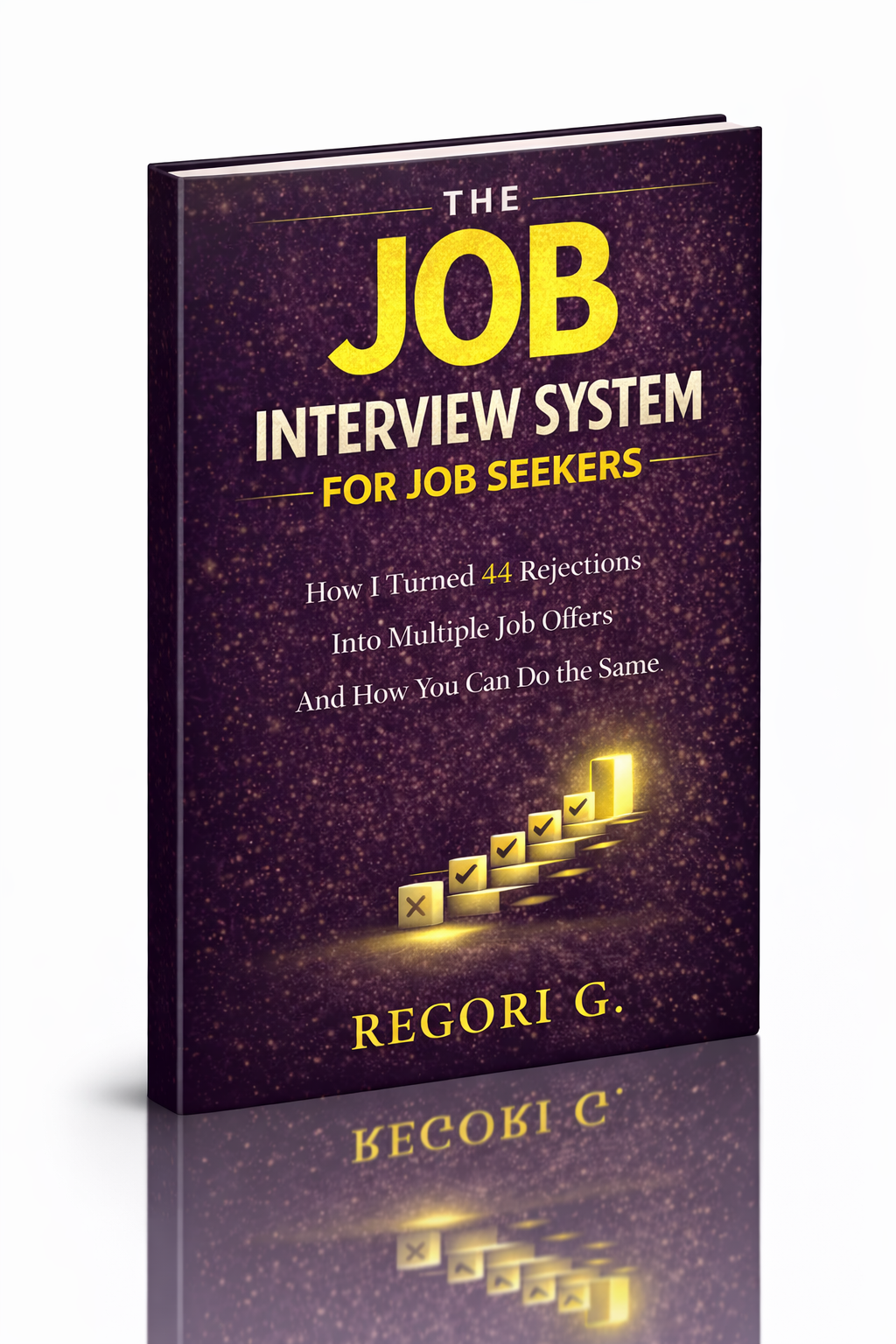
visit The Job Interview System for Job Seekers on Gumroad. A practical guide built for people who are serious about landing the job they want. For more interview guides, career tips, and job search resources, visit the Love PDF Guides home page.
Your Next Chapter
Starts with the Right Guide
Three straight-talking PDF guides to help you win interviews, beat the first 90 days and thrive as an introvert. Instant download on Gumroad.
Guide 01
The Job Interview System
Step-by-step interview prep that turns nerves into confidence.
Get it →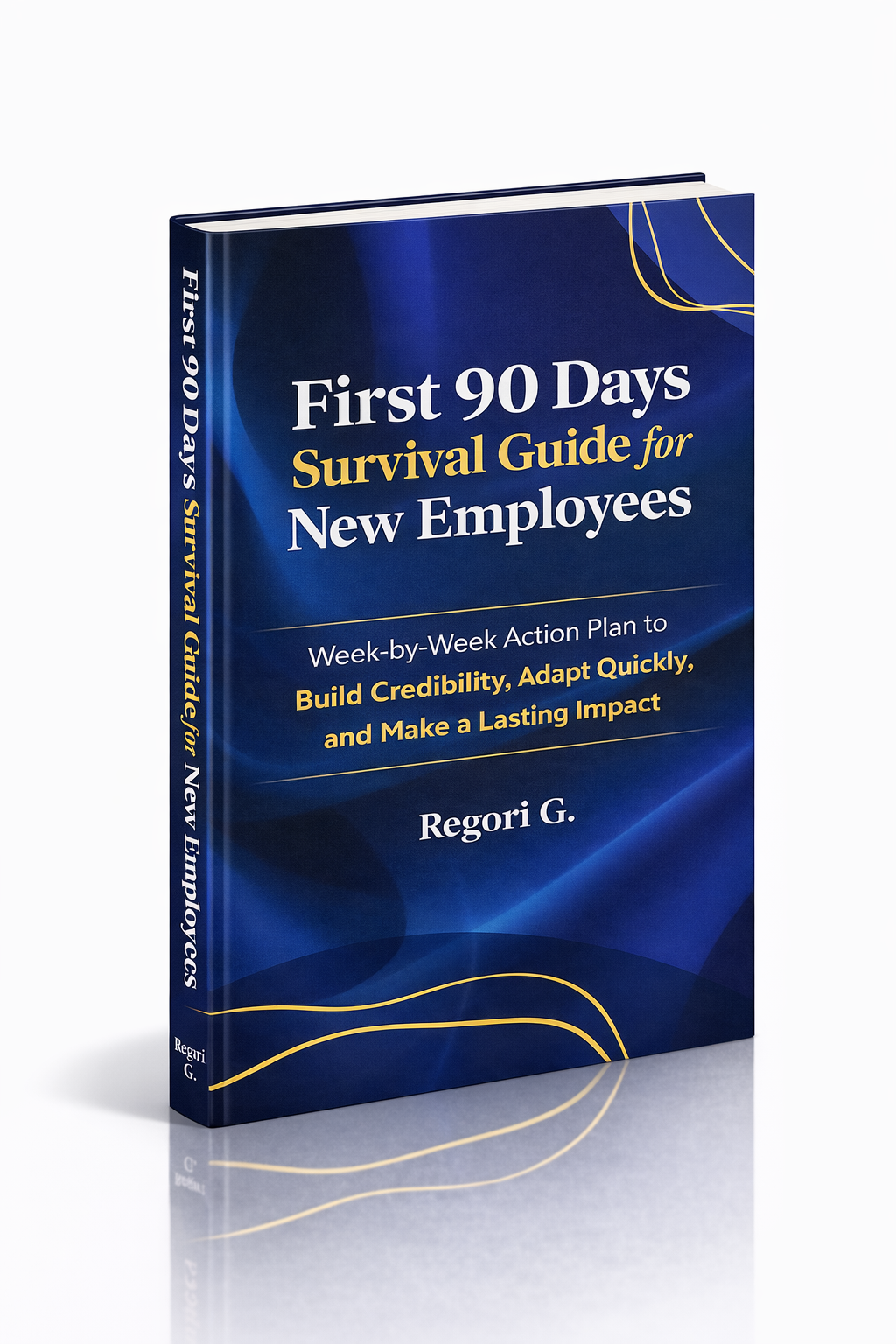
Guide 02
First 90 Days Survival Guide
Hit the ground running and make your mark from day one.
Get it →
Guide 03
Interview Success for Introverts
7 proven steps to shine in interviews — even if you hate the spotlight.
Get it →