

The 5 Interview Mistakes That Cost You the Job
What's silently killing your chances — and what top candidates do instead. Delivered instantly to your inbox.
No spam. Unsubscribe anytime. Privacy Policy & Terms
- Why "I'm a hard worker" destroys your chances
- What interviewers decide in the first 90 seconds
- How to handle tough questions with confidence
- The salary mistake almost every candidate makes
How to Write a CV With No Experience (Step-by-Step)
Writing a CV with no experience can feel daunting, but it’s an opportunity to showcase your potential, skills, and enthusiasm. Crafting a well-structured CV helps you make a great first impression on potential employers. Follow this step-by-step guide to create a captivating CV that highlights your strengths, even if you lack formal work experience.
Step 1: Choose the Right CV Format
Select a format that emphasizes your skills rather than your work history. The two most suitable formats are:
- Functional CV: Focuses on your skills and abilities rather than your chronological work experience.
- Combination CV: Blends both functional and chronological elements, showcasing skills first followed by any relevant projects or volunteer work.
Step 2: Add Your Contact Information
At the top of your CV, include your contact details:
- Your name
- Phone number
- Email address
- LinkedIn profile (if applicable)
- Location (city and state)
Step 3: Write a Personal Statement
Your personal statement is a brief overview of who you are and what you can bring to the role. Keep it concise, around 3-4 sentences. Highlight your strengths, motivation, and any specific skills related to the position you wish to apply for.
Step 4: Highlight Your Skills
Even without formal experience, you likely possess valuable skills. Create a section that lists these skills using bullet points for clarity. Consider including:
- Communication skills
- Teamwork
- Problem-solving abilities
- Time management
- Technical skills (e.g., familiarity with software or tools)
Step 5: Include Relevant Education
Education is a crucial element, especially when you lack work experience. List the schools you attended, your qualifications, and any relevant courses or certifications. This section can also include:
- High school diploma
- College degrees
- Online courses or workshops
Step 6: Detail Any Relevant Experience
This is where you can showcase your skills and achievements outside traditional employment. Consider including:
- Internships
- Volunteer work
- Academic projects or coursework
- Extracurricular activities (e.g., clubs, sports)
Example:
| Experience Type | Description |
|---|---|
| Volunteer | Organized community events and worked with diverse groups to achieve common goals. |
| Project | Collaborated on a team project during my course, resulting in a presentation scored at 90%. |
Step 7: Tailor Your CV for Each Job
Every job application is different, so you need to customize your CV each time. Read the job description closely and adjust your personal statement and skills to match the qualifications and responsibilities outlined. This increases your chances of catching a recruiter’s eye.
Step 8: Proofread and Edit
Before sending your CV, take the time to proofread it. Look for spelling mistakes, grammatical errors, and ensure the formatting is consistent. Consider asking a friend or mentor to review your CV for feedback. A polished CV reflects professionalism and attention to detail.
Writing a CV with no experience is about presenting your strengths and potential. Highlight your skills, education, and any relevant experience like volunteer work or projects. Always tailor your CV to the job you’re applying for to show employers you’re the best fit for the position.
For further reading on CV formats and tips, you can visit the Balance Careers or learn about tailoring your CV at The Ladders.
The Importance of Transferable Skills in Your CV
When you’re crafting your CV, especially as a recent graduate or someone switching careers, it’s essential to highlight not just your experience, but also your transferable skills. These abilities are the ones that can be applied across various job positions and industries. They effectively showcase your adaptability and potential, making you a more appealing candidate, even if you lack specific work experience in a given field.
So, what are transferable skills? Essentially, these are skills that you can carry over from one job to another. They are often acquired through different experiences like volunteering, internships, part-time jobs, or even while pursuing your education. Examples of transferable skills include:
- Communication: Ability to convey information clearly and effectively.
- Teamwork: Collaborating with others to achieve a common goal.
- Problem-Solving: Finding solutions to various challenges.
- Adaptability: Adjusting to new conditions and environments seamlessly.
- Time Management: Prioritizing tasks to ensure timely completion.
These abilities are incredibly valuable and can significantly enhance your CV’s impact. Here’s why emphasizing transferable skills is critical for your job application.
Firstly, your audience wants to see how well you can apply your skills in real-world scenarios. Employers often prioritize candidates who demonstrate the ability to adapt to various roles. If you can showcase how your communication, teamwork, or organizational skills can benefit the workplace, you present yourself as a strong contender for any position.
Next, transferable skills can bridge the gap between your education and employment. For example, if you organized a charity event during your college years, you could highlight your leadership and project management skills. This helps employers understand that your experiences, though not directly related to the job, have equipped you with relevant skills.
Additionally, stating your transferable skills can set you apart in a competitive job market. Many applicants may have similar degrees or years of experience. What makes you unique could very well be your ability to transfer your skills into new environments. This adaptability becomes a crucial asset to potential employers who are looking for team members that can contribute positively to the company culture.
When adding transferable skills to your CV, consider the following strategies:
- Tailor Your Skills: Always match your skills to the job description. Read through the requirements and adjust your skills list to align with what the employer seeks.
- Provide Examples: Where possible, cite specific examples of how you used a skill effectively in your previous experiences. This can be as simple as stating you utilized your problem-solving skills during a group project or during part-time work.
- Learn the Language: Use industry-related keywords. Research common terms used in your target job’s descriptions and incorporate them thoughtfully into your CV to pass through automated systems.
To illustrate how this looks in practice, here’s a brief overview of how to present your transferable skills within a CV:
| Skill | Example from Experience |
|---|---|
| Communication | Successfully presented a marketing project to a panel of judges during a university competition. |
| Teamwork | Collaborated with classmates to develop a successful group thesis project. |
| Problem-Solving | Identified a flaw in a team project and suggested a new approach to meet the project deadline. |
| Adaptability | Adjusted quickly to new software tools when working as a volunteer at a local non-profit. |
| Time Management | Managed coursework and part-time job, successfully maintaining a high GPA. |
In the realm of job applications, focusing on your transferable skills allows you to present a well-rounded image of yourself as a candidate. Remember to research and explore resources like The Balance Careers or Forbes to enhance your understanding of how these skills play a crucial role in your career prospects.
By effectively showcasing your transferable skills, you equip yourself with a powerful tool that enhances your CV and presents you as a flexible and capable candidate ready to take on new challenges in different fields.
Crafting a Compelling Personal Statement Without Work History
Crafting a compelling personal statement can be challenging, especially when you lack formal work history. However, this is your opportunity to showcase your strengths and make a memorable impression. Follow these step-by-step strategies to create a personal statement that stands out, even without professional experience.
Understand the Purpose of Your Personal Statement
Your personal statement should reflect who you are, what drives you, and what you can offer. It’s not just a summary of your resume; it’s a narrative about your experiences, interests, and aspirations. Here are some key points to consider:
- Highlight your motivations: Explain why you’re applying for the position or program and what appeals to you about it.
- Showcase your skills: Focus on transferable skills such as communication, problem-solving, or teamwork that you’ve developed through life experiences.
- Communicate your goals: Let the reader know what you hope to achieve through this opportunity.
Identify Your Experiences
You may not have professional experience, but that doesn’t mean you lack valuable experiences. Consider the following areas:
- Education: Mention relevant coursework, projects, or school organizations.
- Volunteering: Share insights from any community service or volunteer work.
- Extracurricular Activities: Include involvement in clubs, sports, or hobbies that demonstrate leadership and commitment.
- Life Experiences: Reflect on personal experiences that have shaped your skills or worldview, such as travel, challenges, or significant events.
Structure Your Statement Effectively
A clear structure can help convey your message more effectively. Here’s a simple layout you might consider:
| Section | Description |
|---|---|
| Opening | Introduce yourself and your motivation for applying. Use an engaging hook to draw the reader in. |
| Main Body | Elaborate on your experiences and skills. Use specific examples to demonstrate how you’ve developed important qualities. |
| Closing | Summarize your goals and express enthusiasm for the opportunity. Make it memorable. |
Write With Confidence
Your tone matters; write with confidence and authenticity. Avoid using phrases that diminish your self-worth. Instead of saying, “I don’t have much experience,” reframe it positively. For instance:
- “I’m eager to learn and apply my skills in a real-world setting.”
- “My diverse background has equipped me with unique perspectives that I can bring to this position.”
Seek Feedback
Before finalizing your statement, ask for feedback from trusted peers, mentors, or teachers. They can provide valuable insights and highlight areas that could be strengthened or clarified. Additionally, consider using online resources to guide you:
- The Balance Careers – Offers various examples of personal statements.
- The Guardian – Provides tips specific to university applications.
Revise and Perfect
Your first draft is a starting point. Don’t hesitate to revise your statement multiple times. Focus on clarity and coherence, ensuring each paragraph flows logically to the next. Streamline phrases to be concise while maintaining your voice.
Final Touches
Before submitting your personal statement, take a break. This allows you to return with fresh eyes. Look for spelling, grammar, and punctuation errors. Ensuring your presentation is polished reflects your seriousness and professionalism.
A compelling personal statement without work history can highlight your unique strengths, experiences, and aspirations. Remember, your narrative is powerful, and you have the ability to make it shine.
Highlighting Education and Coursework on Your CV
When crafting your CV, especially if you lack professional experience, highlighting your education and coursework can significantly impact how potential employers perceive your qualifications. Your educational background isn’t just a list of degrees; it’s an opportunity to showcase your skills, knowledge, and readiness for the job market. This can be particularly useful for recent graduates or those transitioning careers. Here are some strategic ways to showcase your education effectively.
Organizing Your Educational Background
Your educational background should be organized in reverse chronological order, starting with the most recent. This format allows employers to see your latest achievements first. Here’s how to structure this section:
- Degree Title: Specify the degree you completed, for example, Bachelor of Arts in Psychology.
- Institution Name: Include the full name of the educational institution, e.g., University of California.
- Location: Mention the city and state where the institution is located.
- Graduation Date: Provide your expected or actual graduation date (month and year).
Here’s a concise example:
Bachelor of Science in Information Technology
XYZ University, New York, NY
Graduated: May 2023
Including Relevant Coursework
Even if you don’t have professional working experience, relevant coursework can help demonstrate your skills and knowledge areas. Select courses that relate to the job you are applying for and list them under your education section by following these tips:
- Select Relevant Courses: Aim for courses that directly relate to the job description. For example, if you’re applying for a marketing position, list courses like Digital Marketing, Consumer Behavior, or Marketing Principles.
- Group Similar Courses: If you have taken multiple related courses, group them under a category. For example, “Relevant Coursework: Marketing Research, Advanced Advertising Strategies.”
- Highlight Special Projects: Mention any projects or special assignments under relevant courses that showcase your skills. For instance, “Developed a comprehensive marketing strategy for a local business as part of my Marketing Principles course.”
Achievements and Extracurricular Activities
Employers appreciate well-rounded candidates. Including achievements or extracurricular activities related to your education can set you apart. Consider adding:
- Awards and Honors: Any scholarly honors or awards you’ve received, like Dean’s List or scholarships.
- Clubs and Organizations: Participation in clubs that reflect your interests or skills, e.g., Student Government, Business Club, or Debate Team.
- Volunteering: Any volunteering experiences that align with the job can help demonstrate your values and work ethic.
Using Action Words to Enhance Impact
When describing your educational experience, enrich your CV with action words. This enhances the impact and makes your education section more engaging. Here are some examples:
- Completed
- Directed
- Collaborated
- Presented
- Analyzed
For example, instead of saying “Took a course in Computer Science,” say “Completed a course in Computer Science that included programming languages such as Python and Java.”
Leveraging Certifications
If you possess any relevant certifications, make sure to include them in your CV. For instance:
- Google Analytics Certification
- Project Management Professional (PMP)
- First Aid and CPR Certification
Detailing certifications shows dedication to furthering your education and skills—a quality that employers value.
Example of an Education Section
Below is an example of how your education section can look, combining various elements discussed:
| Degree | Institution | Location | Graduation Date | Relevant Coursework | Certifications |
|---|---|---|---|---|---|
| Bachelor of Science in Business Administration | ABC University | Los Angeles, CA | June 2023 | Marketing, Finance, Business Ethics | Google Analytics Certification |
By following these guidelines, you can effectively highlight your education and coursework on your CV, making it a powerful tool to catch the attention of hiring managers. For more tips on CV writing, visit The Balance Careers or consult resources at National Careers Service. Remember, your education is a vital part of your professional story, so tell it well.
Utilizing Volunteer Work and Internships to Build Your CV
Building a strong CV can be challenging, especially when you have little or no formal work experience. However, by leveraging volunteer work and internships, you can fill in the gaps and present yourself as a well-rounded candidate. These experiences not only enhance your skill set but also demonstrate your commitment and ability to contribute positively to a team.
Volunteer work and internships provide practical experience that is highly valuable to potential employers. They show that you are proactive, capable of teamwork, and willing to learn. Here’s how you can effectively utilize these experiences to build your CV:
Identifying Relevant Volunteer Opportunities
Start by looking for volunteer positions that align with your career goals. Consider the following sources to find opportunities:
- Local non-profits and community organizations
- Online platforms like VolunteerMatch for connecting with organizations needing assistance
- University career services, which often list volunteer opportunities for students
- Social media platforms where community groups frequently post calls for volunteers
Choosing the Right Internships
Internships can sometimes be the missing link between education and employment. When selecting an internship, keep in mind the following:
- Look for internships in fields that interest you, as they can provide hands-on experience.
- Consider both paid and unpaid positions; both can offer valuable insights and experience.
- Check platforms like Internships.com for postings in your desired field.
Gaining Skills Through Experience
Both volunteer work and internships allow you to develop important skills. Here are key competencies you can enhance:
- Communication: You’ll learn how to convey ideas clearly to various audiences.
- Teamwork: Working with others helps you understand group dynamics and collaboration.
- Problem-solving: You will face challenges that require creative solutions.
- Time Management: Juggling multiple responsibilities teaches you how to prioritize tasks effectively.
How to Showcase Your Experiences on Your CV
When it comes to including your volunteer work and internships on your CV, presentation is key. Follow these steps:
- Placement: Add a section titled “Relevant Experience” or “Internships and Volunteer Work” after your education section.
- Details: For each role, include the organization’s name, your title, and the duration of your involvement.
- Achievements: Describe your responsibilities and any achievements you made in the role. Use action verbs to show your contribution, for example, “Organized events,” “Led a team,” or “Conducted research.”
Networking and References
Building connections is vital. Both internships and volunteering provide excellent networking opportunities. Here are ways to leverage your experience:
- Stay in Touch: Keep contact with supervisors and colleagues, as they could provide valuable references in the future.
- Join Professional Networks: Connecting with professionals in your field can open doors for future job opportunities.
Remember, your CV is a reflection of your journey and growth. Harnessing the power of volunteer work and internships can make a significant difference in your employability. According to a survey by the National Association of Colleges and Employers, employers value work experience above all else in job candidates. By effectively showcasing your skills gained through these avenues, you can stand out from the competition.
Utilizing volunteer roles and internships can effectively enhance your CV. They fill your profile with practical experience, develop essential skills, and create networking opportunities that would be beneficial for your career. Your commitment to learning and growth will shine through your experiences, making you an attractive candidate for potential employers.
Effective Formatting Tips for a Standout CV
When crafting a CV that stands out, the way you format your document can make a significant impact. Proper formatting not only makes your CV visually appealing but also ensures that hiring managers can easily read and comprehend your qualifications. Here are some effective formatting tips to help you create a standout CV.
Choose a Clean Layout
Select a layout that enhances readability. You can choose between a chronological format, functional format, or a combination of both. A clean layout should:
- Use ample white space to separate sections.
- Maintain consistent margins, typically around 1 inch.
- Avoid clutter by limiting sections to only the most relevant information.
Utilize Consistent Fonts
Choosing the right font is critical. Opt for professional fonts such as Arial, Calibri, or Times New Roman. Keep these tips in mind:
- Use the same font throughout to maintain uniformity.
- Limit yourself to two font sizes: one for headings and one for body text.
- Maintain a font size of 10-12 points for body text and slightly larger for headings.
Implement Clear Headings and Subheadings
Effective headings and subheadings guide the reader through your CV. Use bold or larger fonts for headings and consider using a size variance of 2-4 points.
- Examples of sections to include: Professional Summary, Skills, Experience, Education.
- Clearly label each section for easy navigation.
Incorporate Bulleted Lists
Bulleted lists can enhance readability and highlight key accomplishments and responsibilities. Consider using bullets for:
- Your job responsibilities under each experience.
- Highlighting key skills.
- Listing certifications or achievements.
Use Action Verbs
Action verbs convey confidence and proactiveness. Begin bullet points with strong action words that illustrate your contributions. Good examples include:
- Achieved
- Developed
- Implemented
- Led
Include Relevant Information Only
It’s crucial to tailor your CV to each job application. Prioritize relevant information that demonstrates why you’re the best fit for the role. Avoid adding:
- Irrelevant job experiences.
- Too much personal information that does not relate to the position.
Limit Length
Keep your CV concise, ideally one page. If you have extensive experience, you may extend it to two pages but ensure every word counts.
- Use short sentences that convey your points effectively.
- Only include relevant experiences and qualifications.
Proofread and Edit Thoroughly
Before sending out your CV, proofread it multiple times. Look for grammatical errors, spelling mistakes, and formatting inconsistencies. Consider:
- Using grammar-check tools like Grammarly.
- Asking a friend or mentor to review it for feedback.
Align Your CV with Job Descriptions
Highlight keywords from the job postings. Use language and phrases from the job description in your CV to ensure compatibility with Applicant Tracking Systems (ATS). Make sure to:
- Identify and incorporate essential skills mentioned in the posting.
- Adjust your professional summary to reflect the job-specific language.
Remember, your CV is often the first impression you make on potential employers. By applying these formatting tips, you can create a polished and professional CV that draws attention and opens doors.
For additional insights on CV writing, visit The Balance Careers, or check out Jobscan’s CV vs. Resume guide to understand the differences and make an informed decision about the best document to create.
Common Mistakes to Avoid When Writing a CV With No Experience
When crafting a CV with no formal experience, it’s crucial to avoid certain common blunders that can hinder your chances of securing an interview. Here are some key mistakes to steer clear of:
Neglecting to Tailor Your CV
A generic CV won’t make a strong impression. Employers want to see how your skills and interests align with the job they’re offering. Take the time to customize your CV for each position. Highlight relevant experiences, even if they’ve come from volunteer work, internships, or school projects. This tailored approach shows your dedication and enthusiasm.
Using an Unprofessional Email Address
Your email address is an essential part of your CV contact information. Avoid casual or obscure email addresses that might seem unprofessional. Instead, opt for a simple format using your name, such as firstname.lastname@email.com. This small change can help you project professionalism.
Ignoring Skills and Attributes
One of the most significant mistakes is underestimating the importance of showcasing your skills and attributes. If you lack work experience, you can still demonstrate your potential through:
- Technical skills, like software proficiency.
- Transferable skills, such as communication, teamwork, or problem-solving.
- Soft skills, including adaptability, leadership, and time management.
Make sure to clearly outline these skills in your CV, potentially in a dedicated section. This can provide employers insight into how you could potentially fit into their organization.
Listing Duties Instead of Achievements
When discussing any previous work or volunteer experiences, focus on what you achieved rather than just listing your responsibilities. For example, instead of saying “Helped at a local charity event,” you could say, “Coordinated logistics for a charity event that raised $5,000 for local families.” This approach shows that you can contribute effectively.
Being Too Vague
Vague statements can leave employers wondering about your actual capabilities and experiences. Instead of using fluffy language, be specific. For instance, say, “Managed a team project that resulted in a 20% increase in efficiency,” rather than, “Worked on a team.” The specifics help recruiters picture your contributions more vividly.
Forgetting to Include Personal Projects
If you have engaged in personal projects, freelance work, or relevant courses, include them in your CV. These can demonstrate your initiative and commitment to building your skill set. Use a section titled “Projects” or “Relevant Coursework” to highlight these experiences logically.
Ignoring Formatting and Design
A cluttered CV can be hard to read and may undermine your professionalism. Ensure your CV is well-organized, using consistent fonts and bullet points to break up sections. A clean layout allows potential employers to scan through your qualifications quickly. Use white space effectively to keep it visually appealing.
Not Highlighting Education
If you’re just starting your career, your educational background can be one of your most significant assets. Ensure to highlight your highest level of education, including any honors or relevant courses. Mention any extracurricular activities or clubs that indicate leadership or teamwork.
Cliché Phrases
Avoid overused phrases like “hard-working,” “team player,” or “go-getter.” Instead, describe your experiences uniquely and authentically. Detail what makes you different and how you can contribute specifically to the role. Employers want to learn about your unique value.
Forgetting Contact Information
It may seem obvious, but it’s essential to ensure your contact information is accurate and included. This includes your phone number, email address, and LinkedIn profile if you have one. Ensure that all hyperlinks work correctly, especially if you’re sharing your CV online.
Not Proofreading
Typos and grammatical errors can create a negative impression. Always proofread your CV multiple times before submitting it. Consider asking a friend or family member to review it as well. A second pair of eyes can catch issues you may have overlooked, ensuring a polished final product.
By avoiding these common mistakes, you can create a CV that stands out even when you lack experience. This structured approach not only highlights your strengths but also signals to employers your readiness and determination to contribute to their team. For further insights into effective CV writing, consider visiting The Balance Careers.
Key Takeaway:
Creating a compelling CV when you have no formal work experience can seem daunting, but it’s entirely feasible with the right strategies. Here’s a key takeaway from the essential components of writing a CV with no experience:
First and foremost, focus on showcasing your transferable skills. Transferable skills such as communication, teamwork, problem-solving, and adaptability can demonstrate your value to potential employers, even without a traditional work history. Assess your skills from various contexts, including academic projects, volunteer roles, or even hobbies, and weave these into your CV.
A personal statement is a powerful tool to introduce yourself without relying on extensive work experience. Use this section to highlight your motivation, strengths, and future aspirations. Keep it concise yet engaging to capture the reader’s attention.
Your education is another critical area to spotlight. Detail your degree(s), relevant coursework, and academic achievements, as they help position you as a candidate with valuable knowledge and skills. If you’ve participated in projects related to your field of interest, mention them as well.
Don’t underestimate the value of volunteer work and internships. Even if these experiences were unpaid, they are valid and demonstrate your willingness to learn and grow. Include any responsibilities and achievements you gained in these roles to add depth to your CV.
Formatting is crucial in making your CV eye-catching and easy to read. Use a clean, professional layout with clear headings, bullet points, and an organized structure to guide the reader’s eye effortlessly.
Be aware of common mistakes to avoid, such as using overly complex language, including irrelevant information, or having cluttered formatting. Aim for clarity and conciseness, ensuring your CV serves as an effective tool to secure interviews.
Even without direct work experience, you can create a powerful CV by highlighting transferable skills, crafting a compelling personal statement, emphasizing education and volunteer experiences, formatting effectively, and avoiding typical pitfalls. This approach can help you stand out and land the opportunities you seek.
Conclusion
Writing a CV with no experience can be a daunting task, but it also provides a unique opportunity to showcase your strengths and potential. By focusing on transferable skills, you’re able to highlight the abilities that make you an ideal candidate, regardless of your job history. Crafting a compelling personal statement allows you to express your enthusiasm and drive, giving employers a glimpse into who you are beyond your qualifications.
Education and relevant coursework play a pivotal role in your CV. They demonstrate your foundational knowledge and commitment to learning, which are valuable to employers. Furthermore, don’t underestimate the significance of volunteer work and internships; these experiences not only fill your CV but also illustrate your willingness to engage and learn in real-world settings.
Effective formatting is essential to ensure your CV captures attention. A clean, structured layout with clearly defined sections makes it easy for hiring managers to parse through your information quickly. Remember to avoid common pitfalls such as vague language or excessive jargon, as clarity and simplicity are key to making a strong impression.
By following these guidelines, you will create a CV that stands out in a competitive job market. It’s about effectively communicating your potential and the value you can bring, even without traditional work experience. With the right approach, your CV can become a powerful tool that opens doors to new opportunities. Embrace the journey and let your unique story shine through.
visit The Job Interview System for Job Seekers on Gumroad. A practical guide built for people who are serious about landing the job they want. For more interview guides, career tips, and job search resources, visit the Love PDF Guides home page.
Your Next Chapter
Starts with the Right Guide
Three straight-talking PDF guides to help you win interviews, beat the first 90 days and thrive as an introvert. Instant download on Gumroad.
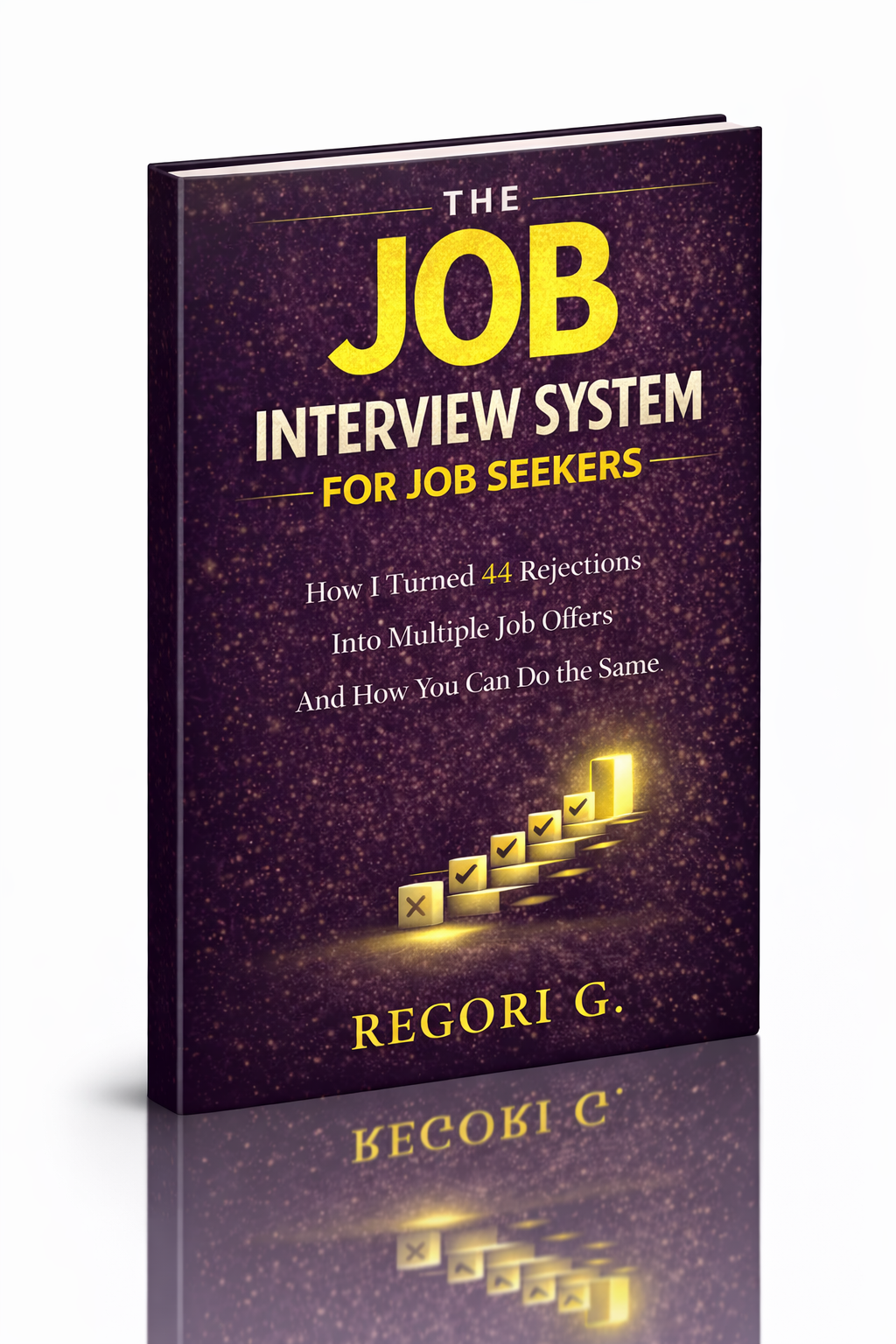
Guide 01
The Job Interview System
Step-by-step interview prep that turns nerves into confidence.
Get it →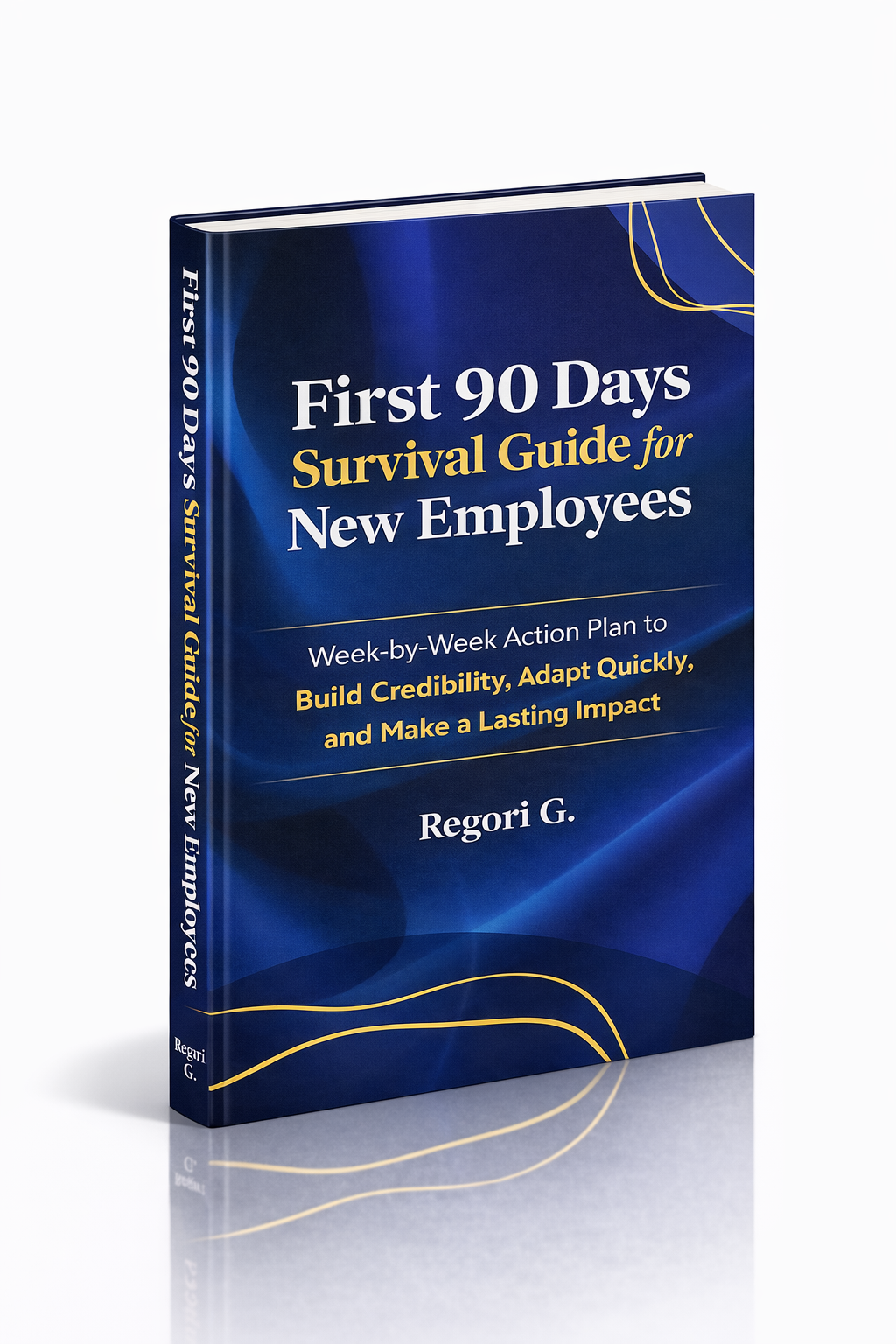
Guide 02
First 90 Days Survival Guide
Hit the ground running and make your mark from day one.
Get it →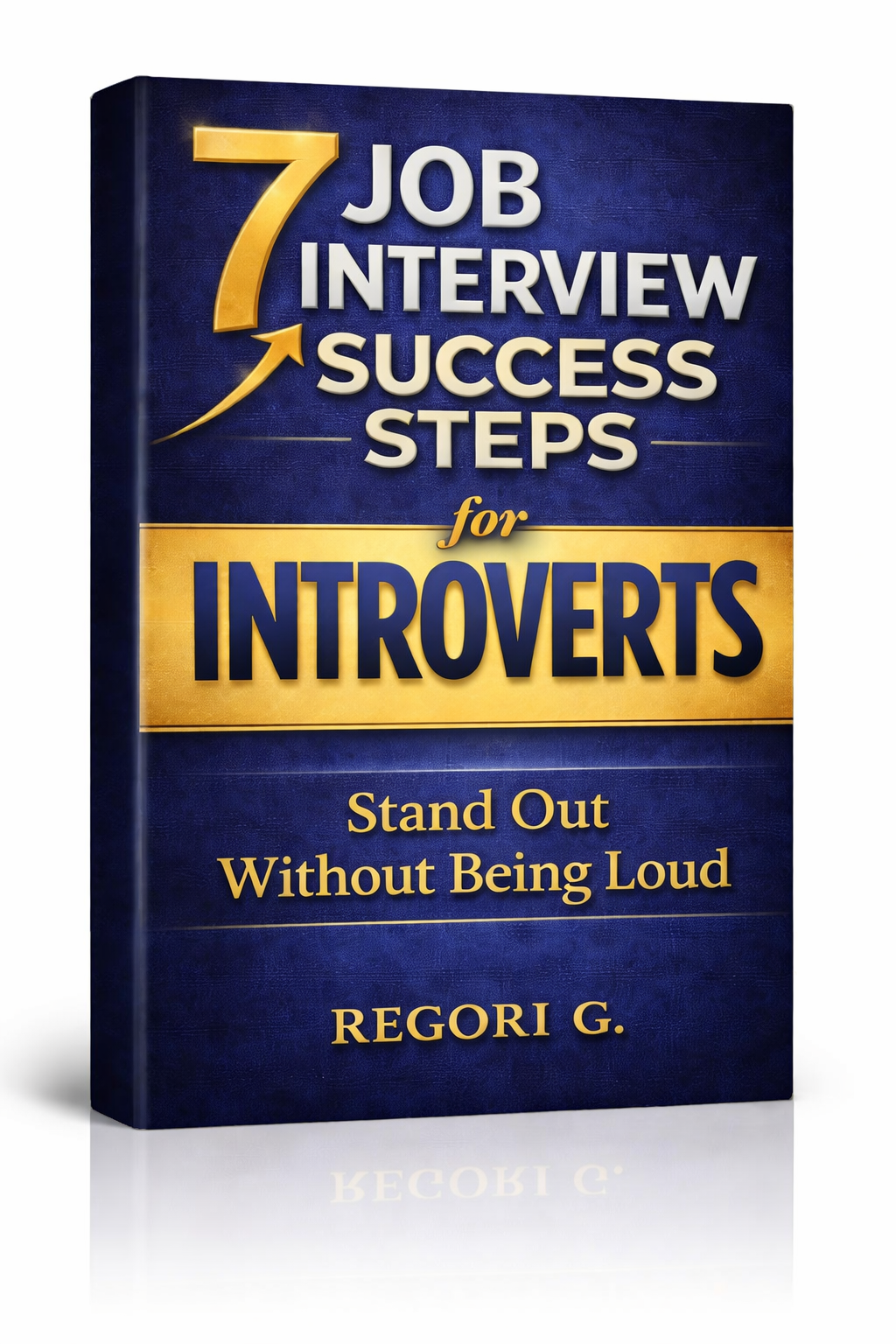
Guide 03
Interview Success for Introverts
7 proven steps to shine in interviews — even if you hate the spotlight.
Get it →