

The 5 Interview Mistakes That Cost You the Job
What's silently killing your chances — and what top candidates do instead. Delivered instantly to your inbox.
No spam. Unsubscribe anytime. Privacy Policy & Terms
- Why "I'm a hard worker" destroys your chances
- What interviewers decide in the first 90 seconds
- How to handle tough questions with confidence
- The salary mistake almost every candidate makes
Strategies for Overcoming Final Interview Hurdles
Job seekers often find themselves making it to the final interview multiple times, only to fall short. If you keep getting to that last stage but fail to secure the position, you may wonder what you can do differently. Identifying and overcoming these hurdles requires a strategic approach. Here are some effective tactics to help you succeed in your final job interviews.
Analyze Previous Interviews
Take the time to reflect on your past interviews. Ask yourself questions such as:
- What questions were asked?
- How did I respond?
- Was there a moment I felt unsure or unprepared?
- Did I connect with the interviewers on a personal level?
Understanding your performance in previous interviews can provide valuable insights. Jot down specific instances where you felt confident and moments where you struggled. Identifying patterns can help you work on areas needing improvement.
Research the Company
Being well-informed about the company can significantly boost your chances of success. Look into:
- Company Culture: Understand their values, mission, and workplace environment.
- Recent News: Be aware of any recent developments, challenges, or achievements.
- Competitors: Know who their competitors are and the market they operate in.
This detailed knowledge can show the interview panel that you are genuinely interested and invested in the company, not just the job.
Improve Your Response Techniques
Practicing your responses to common interview questions is crucial. Use the STAR method (Situation, Task, Action, Result) to structure your answers effectively. This method allows you to present your skills and experiences clearly. Try to incorporate examples that highlight your achievements and problem-solving abilities.
Further enhance your responses by tailoring them to the job description and the company’s current needs. This approach shows that you can deliver what the company is looking for.
Develop Soft Skills
While technical skills are essential, soft skills often make a significant difference in interviews. Focus on improving the following:
- Communication: Work on articulating your thoughts clearly and confidently.
- Empathy: Show understanding and relate to the interviewers’ perspectives.
- Body Language: Practice maintaining eye contact, a firm handshake, and open posture.
Your interpersonal skills can leave a lasting impression, sometimes outweighing technical qualifications.
Practice Mock Interviews
Consider conducting mock interviews with friends, family, or career coaches. Simulating the interview environment can help reduce anxiety and improve your performance under pressure. Seek constructive feedback and adjust accordingly. If possible, record these sessions to identify areas for improvement.
Follow Up After Your Interview
Sending a thoughtful thank-you email can reinforce your interest in the position. In your message, express gratitude for the opportunity, briefly recap a highlight from the interview, and reiterate your enthusiasm for the role. This follow-up can set you apart from other candidates and keep you fresh in the interviewers’ minds.
Consider Professional Help
If you continue facing challenges, it may be beneficial to engage a career coach or resume expert. They can offer personalized strategies and insights based on your interviews. Resources such as [The Muse](https://www.themuse.com/advice), which provides career-related advice, can be invaluable for job seekers.
Persistent failure in interviews can be discouraging, but refining your approach and focusing on personal development can lead to success. Remember, every interview is an opportunity to learn and grow. By adopting these strategies, you can increase your chances of overcoming final interview hurdles and landing that dream job.
For more tailored advice, consider checking out [TopResume](https://www.topresume.com) for resources on resume support and interview techniques.
Understanding Common Mistakes in Final Interviews
Many candidates experience a sense of déjà vu when they find themselves repeatedly reaching the final interview stage yet failing to secure the job. Understanding common mistakes can empower you to improve and ultimately succeed in your next interview. Here are some pitfalls to avoid that may be sabotaging your chances.
Inadequate Preparation
One of the most significant mistakes candidates make before a final interview is insufficient preparation. Employers expect to see candidates who are well-informed about the company and the role. To ensure you are prepared:
- Research the Company: Understand its mission, values, products, and recent news.
- Study the Job Description: Familiarize yourself with the responsibilities and required skills.
- Know Your Interviewers: Research the background of your interviewers through platforms like LinkedIn.
Overlooking Cultural Fit
Employers often look for candidates who align with the company culture. If your answers reflect a lack of understanding of the company’s work environment, it can raise a red flag. You should:
- Match Your Values: Compare your personal values to those outlined by the company.
- Demonstrate Adaptability: Provide examples of how you can fit into different work environments.
Weak Body Language
Communication is not just about spoken words. Body language plays a crucial role in how your message is received. Avoid common mistakes with these tips:
- Maintain Eye Contact: This shows confidence and engagement.
- Avoid Crossing Arms: This can appear defensive.
- Use Gestures: Natural hand movements emphasize enthusiasm.
Insufficient Questioning
Most final interviews conclude with the interviewer asking if you have any questions. Many candidates miss the opportunity to ask insightful questions, which reflects a lack of interest. Here are some effective queries:
- What are the most significant challenges the team is facing right now?
- Can you describe a typical day for someone in this position?
- How does the company support professional development and growth?
Providing Generic Responses
Generic answers can hurt your chances. Be authentic and specific in your responses to questions. Tailor your examples to the role and company. Consider using the STAR method (Situation, Task, Action, Result) to structure your responses smartly. This method can help ensure your answers are comprehensive and engaging.
Failing to Follow Up
Many candidates forget the importance of a follow-up email after the interview. Failing to thank your interviewers can leave them with the impression of a lack of enthusiasm. Ensure that you:
- Send a Personalized Thank-You Note: Reference specific discussions from the interview. This shows attentiveness and appreciation.
- Include Additional Information: If there were points you didn’t elaborate on during the interview, this is an opportunity to include them.
Over-Emphasizing Your Weaknesses
Talking too much about your weaknesses can derail your final interview. While self-awareness is essential, it is crucial to frame weaknesses positively. Here’s how:
- Turn Weaknesses into Development Opportunities: Mention how you are actively working on your weaknesses.
- Focus on Your Strengths: Balance your weaknesses by discussing strengths that relate to the job.
Ultimately, if you find yourself consistently reaching the final interview but falling short, it’s essential to assess your interview technique, preparation, and overall approach. Each interview is a learning experience, and by recognizing common mistakes, you can refine your strategy and improve your chances of success in the future.
Resources like The Balance Careers can provide additional guidance on improving interview techniques. Additionally, you might find useful articles on Forbes that outline strategic questions to consider asking during interviews.
The Role of Body Language in Job Interviews
In today’s competitive job market, acing a job interview requires more than just showcasing your skills and experience. Body language plays a crucial role in how interviewers perceive you and can significantly impact your chances of landing the job. Understanding and mastering your non-verbal cues can help you convey confidence, enthusiasm, and professionalism. Here’s an exploration of the importance of body language during job interviews, alongside useful tips to enhance your non-verbal communication skills.
Understanding Body Language
Body language encompasses a wide variety of non-verbal signals, including facial expressions, posture, gestures, and eye contact. These signals can communicate confidence, interest, or nervousness even before you say a word. Importantly, interviewers often rely on these cues to form their first impressions of candidates, making it essential to be mindful of how you present yourself physically.
Key Aspects of Body Language in Interviews
Several critical elements of body language can influence your performance in an interview:
- Eye Contact: Maintaining appropriate eye contact shows attentiveness and confidence. Avoiding eyes can signal disinterest or insecurity. Aim for a balance of looking at the interviewer while also taking brief breaks to avoid staring.
- Posture: Your posture communicates a lot about your confidence level. Sit up straight, keeping your shoulders back. Good posture shows that you are engaged and ready to participate in the conversation.
- Hand Movements: Using hand gestures can help emphasize your points and illustrate your passion about the role. However, excessive or erratic movements can be distracting. Aim for controlled, natural gestures.
- Facial Expressions: Your face reveals your emotions. Smiling conveys friendliness and openness, while a lack of expression might suggest disengagement. Practice a warm but genuine smile, and try to mirror the interviewer’s expressions to create rapport.
- Body Orientation: Leaning slightly forward indicates you are engaged, while crossing your arms may come off as defensive or closed-off. Remain open and accessible in your stance.
How to Improve Your Body Language
Enhancing your body language is a skill that can be developed with practice. Here are some effective techniques:
- Practice with a Friend: Engage a trusted friend to conduct mock interviews. Ask them for feedback on your body language, and make adjustments accordingly.
- Record Yourself: Watching video recordings of your mock interviews can help you identify areas for improvement. Pay attention to your posture, gestures, and facial expressions.
- Use Positive Affirmations: Cultivate a positive mental state before the interview. Remind yourself of your qualifications and capabilities to promote a confident demeanor.
- Read Books on Non-Verbal Communication: There are numerous resources available. Consider Nonverbal World for insights into effective body language strategies.
What to Avoid
While it’s crucial to employ positive body language, there are also certain behaviors to avoid during interviews:
- Avoid Fidgeting: Touching your hair, tapping your foot, or playing with your pen can distract both you and the interviewer. Keep your hands still, resting them comfortably on the table or in your lap.
- Don’t Over-smile: While smiling is important, overdoing it can appear insincere. Be genuine in your expressions.
- Avoid Negative Body Language: Crossing your arms, rolling your eyes, or slouching can convey defensiveness or disinterest. Maintain an open, reflective posture.
The Impact of Culture on Body Language
It’s important to note that body language can vary significantly across different cultures. What may be seen as confident in one culture could be perceived as rude in another. Always do your research about the organization’s culture and the cultural background of the interviewer if applicable.
Understanding and effectively utilizing body language is a vital component of the job interview process. By being aware of your non-verbal cues and practicing these strategies, you can greatly enhance your chances of making a positive impression.
If you want to dive deeper into the importance of body language, consider exploring resources like Forbes to learn how body language informs hiring decisions.
Building Confidence for Interviews: Tips and Tricks
Facing interviews can be daunting, especially as the final step in the hiring process. Often, candidates excel in initial interviews but struggle when it comes to the final round. Building confidence for interviews can make a significant difference, allowing you to present your best self. Here are several tips and tricks to help boost your confidence before heading into an interview.
Understand the Job Description
Before stepping into an interview, take time to really understand the job description. This includes key responsibilities and necessary qualifications. By doing this, you will be able to highlight your relevant skills and experiences during the interview.
Practice Your Responses
It’s essential to prepare your answers for common interview questions. Here are some typical questions you might encounter:
- Can you tell me about yourself?
- What are your greatest strengths and weaknesses?
- Why should we hire you?
Practicing your responses out loud will help you sound more natural and reduce anxiety. You can even record yourself or practice with a friend to gain feedback.
Research the Company
Gain knowledge about the company’s culture, mission, and achievements. Understanding the organization will allow you to tailor your responses, showing your enthusiasm and fit for the role. Use sites like Glassdoor or LinkedIn for insights on company reviews and news.
Body Language Matters
Your body language conveys a lot about your confidence. Make sure to:
- Maintain eye contact
- Have a firm handshake
- Sit up straight
These non-verbal cues can help create a lasting positive impression on your interviewer.
Dress Appropriately
Your attire can significantly impact your self-confidence. Dress professionally and choose an outfit that makes you feel good. This way, you can focus on the interview rather than worrying about how you look.
Visualize Success
Visualization is a powerful tool. Spend a few moments imagining yourself entering the interview room confidently, answering questions with ease, and finishing the interview successfully. This mental rehearsal can prepare your mind for a real-life scenario.
Follow a Pre-Interview Routine
Establish a routine to calm your nerves before the interview. This could involve:
- Practicing deep breathing exercises
- Listening to uplifting music
- Doing a light physical workout
Routines can steady your nerves and help you enter the interview with a clear mind.
Ask Questions
Remember, interviews are a two-way street. Prepare thoughtful questions to ask your interviewer about the company and role. This not only expresses your interest but can also help reduce feelings of anxiety.
| Tips to Build Confidence | Description |
|---|---|
| Know the Job Description | Familiarize yourself with what the job entails. |
| Practice Common Responses | Rehearse common interview questions and answers. |
| Research the Company | Understand the company’s culture and values. |
| Mind Your Body Language | Exude confidence through eye contact and posture. |
| Dress to Impress | Wear professional clothes that make you feel good. |
| Visualize Your Success | Imagine a successful interview scenario. |
| Have a Pre-Interview Routine | Engage in calming activities before the interview. |
| Prepare Meaningful Questions | Show interest by asking insightful questions. |
Building confidence for interviews takes practice and preparation. By taking these steps, you can present yourself in the best light possible. Remember, everyone feels nervous at times; it’s how you manage that nervousness that can make the difference. For more tips on job interviews, visit The Balance Careers for helpful resources.
Importance of Researching the Company Before the Final Interview
When preparing for a final interview, many candidates focus heavily on rehearsing answers and polishing their resumes. However, one crucial aspect that often gets overlooked is researching the company itself. Understanding the organization you are interviewing with can significantly impact your performance and ultimately your chances of securing the job. Here are several reasons why thorough research is vital before stepping into that final interview.
Understand Company Culture
Every company boasts a unique work environment, defined by its values, mission, and culture. By researching the company, you can determine if your values align with theirs. This connection is not only attractive to employers but can also ensure your overall happiness and success in the role.
Prepare Thoughtful Questions
At the end of an interview, many employers expect candidates to ask questions. Researching the company can help you formulate insightful queries that reflect your genuine interest. Consider asking about recent projects, team dynamics, or future company goals. Having informed questions demonstrates that you are proactive and engaged.
Highlight Relevant Skills
When you understand the company’s products, services, and goals, you can tailor your responses to highlight relevant experiences. If the company is focusing on innovation, for instance, you can discuss experiences where you pioneered new ideas. This focused approach makes your answers more relatable and memorable.
Gain Insight into Competitors
By examining the company’s position in the marketplace, you’ll understand the competitive landscape. Knowing who their main competitors are allows you to discuss how the organization differentiates itself from those rivals. This insight can give you an edge in the interview.
Learn About Recent Developments
Stay updated on recent news and developments related to the company. This includes anything from acquisitions and product launches to changes in leadership. Such knowledge will not only impress your interviewers but will also help you engage in meaningful conversations during the interview.
Here are essential resources to aid in your company research:
- LinkedIn – Connect with current employees and learn about their experiences.
- Glassdoor – Read reviews about company culture and interview processes.
- Bloomberg – Keep up with financial information and latest business news.
Build Confidence
Knowledge breeds confidence. When you are well-prepared and informed about the company, you are more likely to speak clearly and assertively during the interview. This confidence can greatly influence the interviewer’s perception of you as a candidate.
Prepare for Behavioral Questions
Final interviews often include behavioral questions that assess how you would handle various situations in the workplace. Knowing the organization’s values allows you to structure your answers in a way that resonates with their desired attributes. Aligning your answers with the company’s core values can make a substantial difference in how your responses are interpreted.
Showcase Long-term Interest
Employers value candidates who show long-term commitment. When you can speak knowledgeably about the company’s future plans or projects, it shows you are interested in growing with the company. This is particularly important if you are vying for a leadership position.
Suggested Research Strategies
| Strategy | Description |
|---|---|
| Company Website | Start with the company’s own website for their mission, values, and latest news. |
| Social Media | Follow their social media channels to stay updated on immediate developments and company culture. |
| Industry Reports | Utilize reports and publications focusing on the industry to understand broader trends affecting the company. |
Researching a company before your final interview is more than just a prep step; it’s a strategic move that can significantly influence your chances of landing the job. By understanding the company’s culture, goals, and recent developments, you position yourself as a knowledgeable, engaged candidate who is genuinely interested in contributing to the team’s success. Remember, the more you know, the better prepared you will be, transforming your final interview into an opportunity for success.
Leveraging Feedback from Past Interviews to Improve
When you find yourself consistently reaching the final stages of job interviews, it can be frustrating to not land the position. The key to overcoming this obstacle often lies in carefully analyzing and leveraging feedback from your past interviews. Understanding what went wrong can empower you to make the necessary adjustments and improve your chances of success in future interviews.
Understanding Feedback
First, it’s essential to embrace feedback as a constructive tool. Whether the feedback is direct from an interviewer or inferred from the outcome, acknowledging it can lead you to valuable insights. Here are a few ways to obtain feedback:
- Ask During the Interview: If you sense that you might not have provided a satisfactory answer, don’t hesitate to ask the interviewer for clarification. This shows your eagerness to learn.
- Follow Up: After interviews, send a thank-you email that politely requests any feedback on your performance. Make it clear that you genuinely value their insights.
- Self-Reflection: Take time to reflect on your own performance. Consider how well you articulated your skills, your body language, and even the types of questions you asked.
Analyzing the Feedback
Once you have gathered feedback, it’s time to analyze it. Look for common themes or specific areas that need improvement. Common pitfalls often include:
- Lack of Specific Examples: If interviewers mention that your responses felt vague, prepare concrete examples that showcase your skills and achievements.
- Technical Skills Gaps: If you are not landing technical jobs, review the technical skills mentioned in the job description and assess whether you need further training or practice.
- Poor Cultural Fit: If the feedback indicates a mismatch with company culture, research the company’s values and find ways to align your responses with them.
Implementing Changes
With a clear understanding of the feedback and areas for improvement, focus on implementing specific changes before your next interview:
- Practice Mock Interviews: Conduct mock interviews with friends or use platforms like HireVue to practice answering questions in a real-time format.
- Enhance Communication Skills: Consider joining a local Toastmasters club to build your public speaking skills. Strong communication can set you apart from other candidates.
- Seek Professional Coaching: A career coach can provide tailored advice, helping you to improve your interviewing skills effectively.
Staying Positive and Persistent
It’s easy to become discouraged after multiple interviews without securing a position. However, maintaining a positive mindset is crucial. Reflect on each experience as a learning opportunity. Set realistic expectations for yourself and remember that each interview is different.
If you find yourself discouraged, try to balance your job search with personal interests or projects. Engaging in different activities can provide a breather and possibly reveal new strengths or skills you can bring into your interviews.
Utilizing Resources
There are numerous resources available to help you navigate the interview process effectively. Websites like Glassdoor provide insight into company cultures and interview questions, while LinkedIn Learning offers courses on resume building and interview preparation.
Tracking Progress
As you implement these strategies, it’s beneficial to keep track of your progress. Create a spreadsheet to log your interview dates, feedback received, and actions taken. This will allow you to monitor improvements over time and stay organized.
| Interview Date | Company Name | Feedback Received | Actions Taken |
|---|---|---|---|
| 03/15/2023 | ABC Corp | Lacked technical examples | Studied key examples from previous roles |
| 04/10/2023 | XYZ Inc. | Poor cultural fit | Researched company values extensively |
By leveraging feedback from past interviews effectively, you can position yourself for success in future opportunities. Remember: each step you take contributes to your growth, helping you refine your interview technique and ultimately land your desired job.
The Impact of Networking on Advancing in the Interview Process
Networking is a crucial element in the job search process and can significantly impact your success in advancing through interviews. When you find yourself interviewing for positions but struggling to land the job, it’s essential to evaluate not just your interview skills but also how effectively you are utilizing your network. By understanding the power of networking, you can open doors and create opportunities that may affect your chances favorably in the interview process.
Why Networking Matters in Interviews
The interview process is often not just about what you know, but also about who you know. Networking can play a significant role in several ways:
- Access to Opportunities: Many job openings are not advertised publicly. Networking allows you to tap into the hidden job market, where many positions are filled through referrals.
- Building Rapport: Knowing someone at the company you’re applying to can give you crucial insights into their culture and values, helping you to tailor your answers during the interview.
- Enhancing Credibility: A personal recommendation from someone within the organization can boost your credibility and make you stand out among other candidates.
How to Network Effectively
To maximize the benefits of networking, you’ll want to approach it strategically:
- Utilize Social Media: Platforms like LinkedIn are great for connecting with professionals in your field. Be sure to engage with their content and reach out with personalized messages to build genuine connections.
- Attend Industry Events: Conferences, workshops, and local meetups are excellent opportunities to expand your network. Try to exchange contact information and follow up with new acquaintances afterward.
- Join Professional Groups: Whether online or offline, groups that align with your career interests can provide both networking opportunities and potential leads for job openings.
- Informational Interviews: Reach out to individuals in positions you’re interested in. This is a low-pressure way to gather insights while also getting your name in their mind for future openings.
Leveraging Your Network During the Interview Process
Once you have established a network, don’t hesitate to leverage it during the interview process:
- Seek Referrals: If someone in your network is connected to the company you are interviewing with, ask if they would be willing to refer you and provide insights into the process.
- Gather Interview Insights: Speaking to someone who works at the company might give you an edge in understanding the interview style and what the interviewers will be looking for.
- Follow Up Wisely: After an interview, consider reaching out to your network to thank them for their support or ask for any additional tips based on their experience.
Common Mistakes to Avoid in Networking
As you network, be mindful of these common pitfalls:
- Being Self-Serving: Approach networking as a relationship-building exercise rather than just a means to an end.
- Neglecting Follow-Up: Always thank your contacts for their time and insights. Regular communication can keep you in their minds for opportunities.
- Inconsistent Engagement: Don’t just reach out when you need something. Engage with your network continuously.
Measuring Your Networking Impact
To better understand how your networking efforts are helping you advance through the interview process, keep track of these metrics:
| Networking Activity | Outcome |
|---|---|
| Informational Interviews | Number of useful insights gained |
| Job Leads Coming from Connections | Number of interviews obtained |
| Number of New Contacts | Increased referral opportunities |
Networking is not just about accumulating contacts; it’s about building strong, trusting relationships that can support you through your career journey. To explore further, check out resources on [The Balance Careers](https://www.thebalancecareers.com) and [Forbes](https://www.forbes.com). With the right mindset and approach, networking can truly transform your path to landing that job you’ve been striving for.
Key Takeaway:
Navigating the final interview can often feel like an uphill battle, especially when you find yourself repeatedly reaching this stage but ultimately falling short. Here are some essential takeaways that can help you break through the final interview hurdle and secure the job you desire.
First and foremost, it’s crucial to employ effective strategies to overcome common hurdles in final interviews. Simplifying your approach by preparing concise and strong narratives about your accomplishments can make a significant difference. Understanding the most frequent mistakes candidates make, such as failing to confidently communicate their fit for the role or not addressing questions adequately, can be important. Learning from these common pitfalls ensures that you represent yourself in the best possible light.
Body language plays a significant role in how you present yourself during an interview. Positive non-verbal cues, such as maintaining eye contact, using appropriate gestures, and demonstrating a firm handshake, can convey confidence and professionalism. Building this confidence may require practice; techniques such as mock interviews, deep breathing, and visualization can prepare you for the real thing.
It’s equally important to research the company prior to the final interview. Having a solid understanding of the company’s mission, values, culture, and recent developments not only showcases your dedication but also helps you frame your responses in a manner that aligns with what the company seeks in a candidate.
Additionally, leveraging feedback from past interview experiences is invaluable. Reflecting on areas where you stumbled or questions that left you perplexed can provide insight into what aspects you need to enhance. This iterative feedback loop allows you to continuously improve and adapt your approach.
Don’t underestimate the power of networking. Building relationships with professionals in the industry can provide you with vital insights into the company’s hiring practices and culture. This insider knowledge can position you as a more attractive candidate during the final interview process.
Achieving success in final interviews requires a blend of preparation, self-awareness, and strategic networking. By refining your interview skills, understanding common mistakes, being aware of body language, and actively seeking feedback, you can significantly improve your chances of securing the job you want.
Conclusion
Navigating the final interview stage can be daunting, especially if you keep finding yourself at the last hurdle without securing the job. However, by employing effective strategies, you can significantly improve your chances. Start by addressing common mistakes that candidates often make. Being aware of these pitfalls can help you present yourself in a more favorable light.
Body language plays a critical role in how you’re perceived during interviews. Engaging non-verbal communication, such as maintaining eye contact and an open posture, can convey confidence and interest. Building this confidence is essential; practice techniques that help you feel more self-assured, such as mock interviews or positive affirmations.
Equally important is the necessity to research the company thoroughly before stepping into that final interview. Knowing the company culture, values, and recent developments enables you to tailor your responses and demonstrate genuine interest. Additionally, leveraging feedback from past interviews is invaluable. Constructive criticism can help you identify areas for improvement and refine your approach.
Don’t underestimate the power of networking. Building relationships within the industry can open doors and provide insights that set you apart from other candidates. A robust network can lead you to opportunities that may not even be advertised.
By focusing on these areas such as overcoming interview hurdles, understanding your mistakes, and enhancing your confidence, you can turn your final interview experience into a successful one. Keep honing your skills and preparing effectively, and you’ll soon find yourself celebrating that hard-earned job offer.
visit The Job Interview System for Job Seekers on Gumroad. A practical guide built for people who are serious about landing the job they want. For more interview guides, career tips, and job search resources, visit the Love PDF Guides home page.
Your Next Chapter
Starts with the Right Guide
Three straight-talking PDF guides to help you win interviews, beat the first 90 days and thrive as an introvert. Instant download on Gumroad.
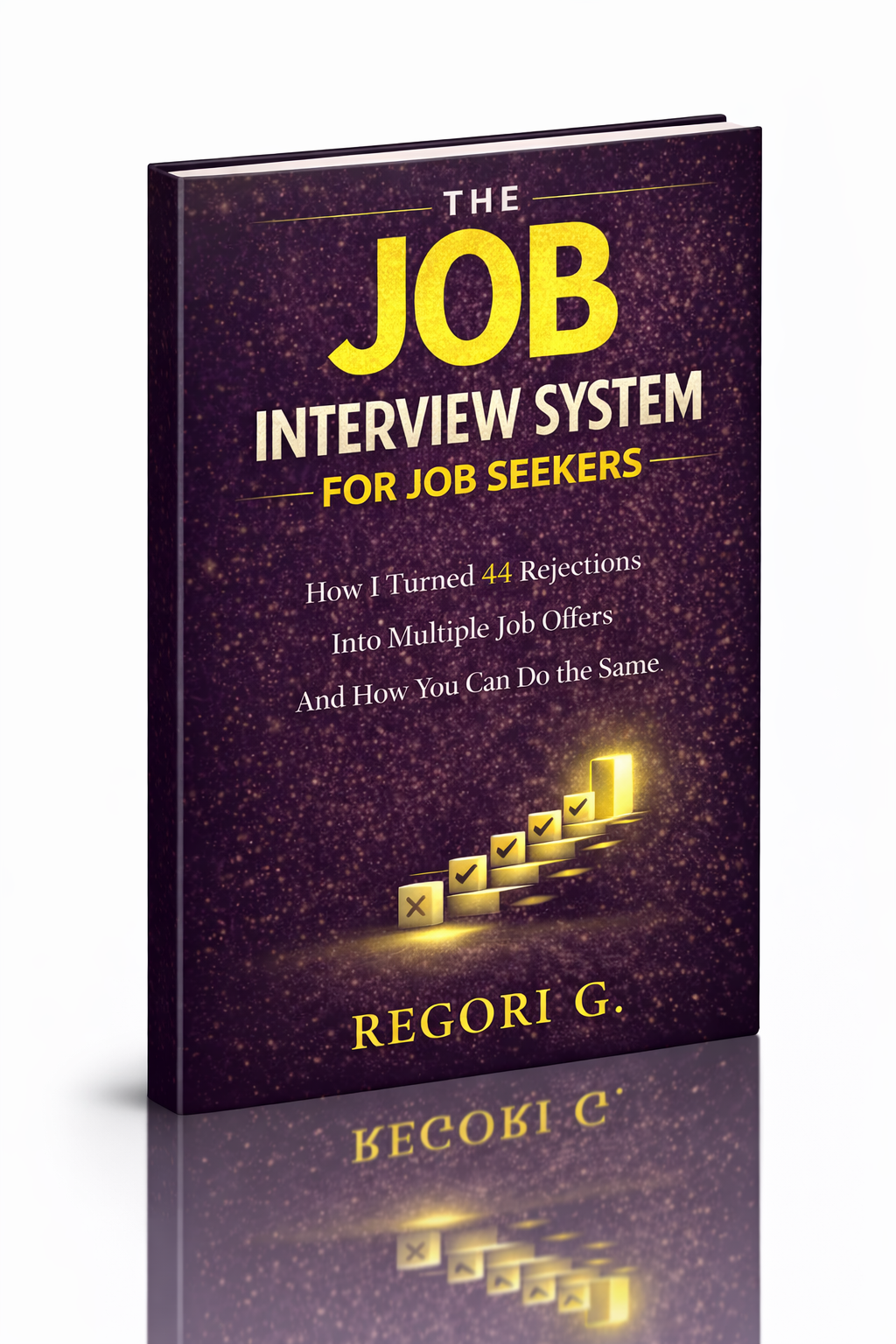
Guide 01
The Job Interview System
Step-by-step interview prep that turns nerves into confidence.
Get it →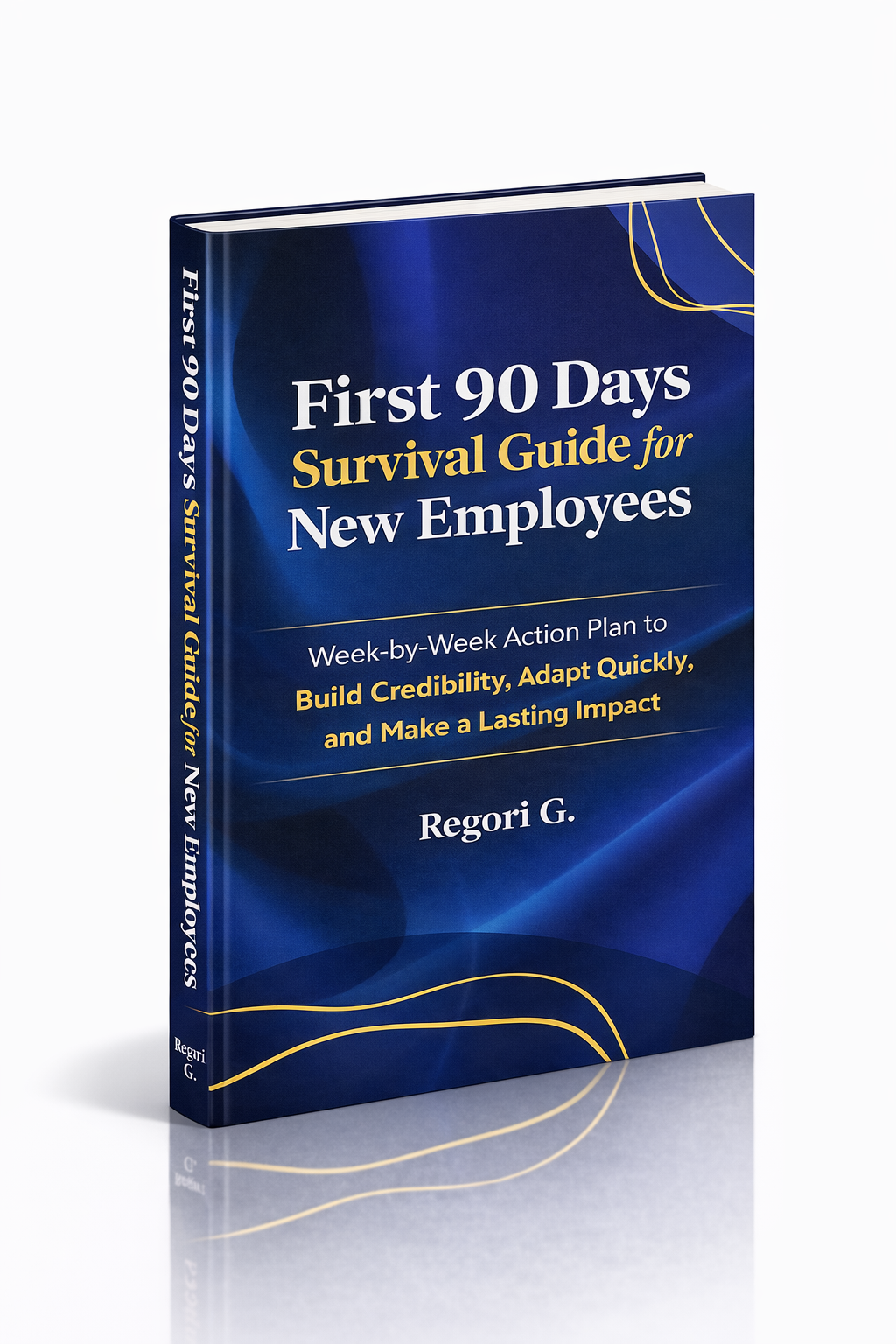
Guide 02
First 90 Days Survival Guide
Hit the ground running and make your mark from day one.
Get it →
Guide 03
Interview Success for Introverts
7 proven steps to shine in interviews — even if you hate the spotlight.
Get it →