

The 5 Interview Mistakes That Cost You the Job
What's silently killing your chances — and what top candidates do instead. Delivered instantly to your inbox.
No spam. Unsubscribe anytime. Privacy Policy & Terms
- Why "I'm a hard worker" destroys your chances
- What interviewers decide in the first 90 seconds
- How to handle tough questions with confidence
- The salary mistake almost every candidate makes
visit The Job Interview System for Job Seekers on Gumroad. A practical guide built for people who are serious about landing the job they want. For more interview guides, career tips, and job search resources, visit the Love PDF Guides home page.
How to Stay Motivated After Being Refused a Promotion
Being turned down for a promotion can feel disheartening and may impact your motivation at work. However, it’s essential to find ways to stay motivated after facing this setback. Here are some effective strategies to keep your spirits high and continue pursuing your career goals.
Reflect on the Experience
First, take time to reflect on the reasons behind the refusal. Understanding why you were not selected can help you improve. Ask for feedback from your manager or peers to gain insight into areas for growth. This step can provide clarity and direction.
Set New Goals
Instead of dwelling on disappointment, redirect your focus on setting new, achievable goals. These goals could encompass both short-term projects and long-term career aspirations. Make sure to:
- Identify specific skills you want to develop.
- Set a timeline for when you want to achieve these goals.
- Break down larger goals into manageable tasks.
Seek Professional Development
Investing in your professional development is a powerful way to stay motivated. Look for opportunities to attend workshops, webinars, or courses related to your field. Websites like Coursera or Udemy offer resources to enhance your skills. This commitment to learning can open new doors and make you a stronger candidate when the next promotion opportunity arises.
Build a Support Network
Surround yourself with a strong support network. Whether it’s friends, family, or colleagues, having individuals who uplift and encourage you can make a significant difference. Engage in conversations about your feelings and experiences. You may find that others have faced similar challenges and can offer valuable advice. Consider joining professional groups or networking events to expand your circle.
Stay Positive and Practice Resilience
Maintaining a positive attitude is crucial during setbacks. Remind yourself of your achievements and what you bring to the table. Consider keeping a gratitude journal to reflect on positive aspects of your job and personal life. Resilience is about bouncing back, so focus on the future rather than the past.
Take Care of Your Well-Being
Physical and mental well-being directly affects your motivation. Engage in activities that reduce stress, such as yoga, exercise, or hobbies. Ensure you get enough rest to stay alert and energized. Make time for relaxation to recharge your mind.
Stay Connected with Your Goals
Periodically revisit your professional goals. Keep them visible by writing them down and placing them on your workspace or digital devices. When you are reminded of your aspirations, it reinforces your commitment to achieve them, even if it takes time.
Celebrate Small Wins
Don’t wait for big achievements to celebrate. Acknowledge and reward yourself for small victories along the way. Whether you completed a project or learned a new skill, recognizing these moments can boost your morale and keep you energized.
Look for New Opportunities
Explore other roles or departments within your organization. Sometimes, a different position might offer a fresh perspective and new challenges. Keep your eyes open for job opportunities that align with your skills and interests.
Maintain a Growth Mindset
Cultivating a growth mindset can significantly impact your motivation. Embrace challenges as opportunities to learn and grow rather than setbacks. Books like “Mindset: The New Psychology of Success” by Carol S. Dweck can provide insight into developing this perspective.
Engage in Company Initiatives
Participating in company initiatives or projects can rekindle your passion for your job. Look for volunteer opportunities, task forces, or committees where you can contribute and gain visibility. This involvement can showcase your commitment and strengthen your position for future promotions.
Healing from a setback takes time; allow yourself to process your feelings. By focusing on personal growth and maintaining a positive mindset, you can overcome this hurdle and keep your motivation alive.
If you’re looking for further insights on staying motivated after career setbacks, resources like The Balance Careers can provide valuable tips and support.
Understanding the Root Causes of Promotion Refusals
Being turned down for a promotion can feel disheartening. Understanding why this happens can empower you to make changes and improve your chances for future opportunities. There are several reasons that may lead to a promotion refusal. Knowing these can help you navigate your career path with greater confidence.
Performance Issues
Often, the most common root cause of promotion refusals centers around performance. Employers look for employees who consistently deliver high-quality work. If your performance has been lacking, it could hinder your chances for a promotion. Signs of performance issues might include:
- Missed deadlines
- Poor feedback from supervisors
- Inability to meet targets
To address this, consider seeking feedback from your manager. Regular conversations can help you identify areas of improvement and better align with expectations.
Company Culture Fit
Sometimes, even if your performance is excellent, the company culture plays a significant role in promotion decisions. Employers often look for individuals who not only excel in their job functions but also mesh well with the team’s dynamics. A lack of cultural fit might lead to missed opportunities. Evaluate your relationship with colleagues and your approach to teamwork:
- Do you communicate effectively with others?
- Are you open to collaboration?
- Do you share the company’s values?
Engaging in team-building activities can strengthen relationships and enhance your visibility within the organization.
Skill Gaps
If the position you’re aiming for requires specific skills or qualifications, a lack of these can be a barrier. Companies often seek individuals who are not only capable but also adaptable to new responsibilities. Assess your current skills against the job requirements. Consider the following:
- Are there certifications that could enhance your qualifications?
- Are there additional training programs offered by your workplace?
- What skills do high performers in your field possess?
Investing time in developing new skills can make you a more attractive candidate for future promotions.
Limited Opportunities
Sometimes, promotions simply aren’t available due to company structure or external circumstances. For example, during times of economic downturn, many companies may freeze promotions to cut costs. Understanding the broader context of your workplace is essential. If you find yourself in such a scenario:
- Create a list of potential roles you might consider in the future.
- Connect with your manager about your career aspirations.
- Consider repositioning within the company if lateral moves may lead to future promotions.
Staying informed about industry trends can also help you gauge economic conditions and their impact on career growth.
Communication Skills
Effective communication is a vital skill in any role. Failing to clearly express your achievements and career goals can lead to misunderstandings about your aspirations. Regularly communicate with your supervisors to ensure they are aware of your contributions and interests. Things to consider include:
- Do you keep track of your projects and successes?
- Are you actively participating in performance reviews?
- Have you articulated your career goals to your superior?
Documenting your accomplishments can help you present your case during a promotion discussion.
Feedback Mechanism
Receiving feedback about your performance and areas for development is critical. After a promotion refusal, ask for specific feedback from your supervisor or HR. Take notes, and focus on actionable items. It’s essential to approach this with an open mind, viewing the discussion as an opportunity for growth. Resources like Forbes and Harvard Business Review provide extensive articles and insights on feedback and career advancement.
Recognizing the reasons behind a promotion refusal can be a stepping stone toward your next success. By addressing your performance, honing communication skills, and seeking personal development opportunities, you set yourself up for advancement in the future. Embrace the journey, and remain patient; your efforts will yield results over time.
Building Resilience in the Face of Professional Setbacks
Facing professional setbacks can be tough, leaving you feeling defeated or disheartened. However, building resilience can transform these setbacks into stepping stones toward future success. Resilience is not merely about bouncing back; it’s about growing stronger through challenges. Here are some strategies to enhance your resilience after experiencing a setback in your career.
Recognize Your Feelings
When you encounter a setback, it’s essential to acknowledge your feelings. Identifying emotions like disappointment, frustration, or sadness can be the first step in processing the experience. Suppressing these feelings can lead to burnout or more significant emotional issues down the line. Instead, take a moment to reflect on what you’re feeling and give yourself permission to feel it.
Reframe the Situation
An effective way to build resilience is through reframing. This involves changing the way you view the setback. Instead of seeing it as a failure, consider it a learning opportunity. Ask yourself:
- What can I learn from this situation?
- How can I use this experience to improve myself?
- Is there a silver lining or a new opportunity that emerges from this setback?
This shift in perspective can provide motivation and a sense of purpose moving forward.
Set Realistic Goals for the Future
After a setback, it can be easy to lose sight of your goals. Instead of being overwhelmed, focus on setting small, achievable goals. Break larger objectives into manageable steps. This can help you regain a sense of control and momentum. For example, if you were aiming for a promotion but faced rejection, consider setting goals to enhance your skills, network with professionals in your field, or seek feedback from supervisors.
Develop a Support System
A strong support system can significantly help you bounce back. Surround yourself with friends, family, or colleagues who encourage you and believe in your abilities. Share your feelings and thoughts about the setback with them. Engaging in constructive conversations can provide fresh perspectives and invaluable advice. Remember, you’re not alone in this journey.
Practice Self-Compassion
In times of difficulty, treating yourself with kindness and understanding is crucial. Self-compassion helps you acknowledge your imperfections without harsh judgement. Instead of berating yourself for what went wrong, practice treating yourself as you would treat a dear friend. Remind yourself that everyone faces challenges and setbacks at some point in their careers.
Keep Learning and Growing
Resilience is about continuous growth. Seek opportunities to learn new skills or concepts that can enhance your professional profile. Whether it’s enrolling in online courses, attending workshops, or reading industry-related materials, investing in your development can rejuvenate your passion and open new doors. Some valuable resources include:
Focus on Your Strengths
Everyone has unique strengths and talents. After a setback, take time to revisit and celebrate what you’re good at. This positive affirmation can boost your confidence and remind you of your capabilities. Create a list of your strengths and experiences that align with your career goals, and keep it handy as a source of motivation.
Establish a Routine
Creating a structured daily routine can help you regain a sense of normalcy and control. Establishing habits will not only provide comfort but also empower you to pursue your goals consistently. Include activities that promote well-being, such as exercise, meditation, or hobbies that you enjoy. This balance is essential in managing stress and enhancing resistance.
Stay Patient and Flexible
Remember that resilience takes time to build. Don’t rush your healing process or expect immediate outcomes. Stay flexible as you navigate your career journey; sometimes, the path may take unexpected turns. Embracing uncertainty can lead to new and exciting opportunities that may not have been on your radar before.
By incorporating these strategies into your life, you can build resilience against professional setbacks. Each challenge presents a prospect for personal and professional growth. Embrace these experiences, and with time, you’ll find yourself emerging stronger and more prepared for what lies ahead.
Developing a Personal Growth Plan Post-Promotion Refusal
Receiving a refusal for a promotion can feel disheartening. Yet, it can also serve as an opportunity for reflection and growth. To help you stay motivated after such a setback, it’s important to develop a personal growth plan that focuses on enhancing your skills, setting clear goals, and maintaining a positive mindset.
First, acknowledge your feelings. It’s normal to feel disappointed or discouraged after being turned down for a promotion. Allowing yourself to reflect on these feelings can help you move forward. However, your next steps are what truly matter. Use this time to identify the reasons behind the refusal. Seek honest feedback from your manager or peers to understand what areas you can improve on.
Set Clear Goals
Establishing specific, measurable goals is critical for your personal growth. Try to focus on both short-term and long-term objectives. Here are some actionable strategies to set your goals:
- Short-term goals: Identify skills you can improve within the next few months. For example, if communication was a barrier, you could take a public speaking workshop.
- Long-term goals: Design a career path that shows where you want to be in the next 5 years. What positions are you aiming for, and what skills do you require to get there?
Record your goals and track your progress regularly. This will keep you motivated and help you see how far you’ve come. Consider using tools like [Trello](https://trello.com) or [Asana](https://asana.com) to manage your tasks and monitor your development.
Skill Enhancement
Investing in your skill set is a vital step in your growth plan. Determine what competencies are necessary for your desired position. Here’s how you can enhance your skills:
- Online courses: Check platforms like Coursera or Udemy for relevant courses.
- Networking: Join professional groups or workshops within your industry. Engaging with others can lead to new insights and opportunities.
- Mentorship: Seek mentorship within your organization or industry. A mentor can provide guidance and share their experiences, benefitting your growth.
Continuously learning new skills will not only enhance your qualifications but also boost your confidence.
Maintain a Positive Mindset
Staying motivated is about cultivating a positive mindset. When facing rejection, it’s easy to dwell on negativity. Here are some strategies to combat this:
- Practice self-compassion: Treat yourself kindly. Understand that everyone faces setbacks; it’s part of the journey.
- Surround yourself with positivity: Engage with supportive colleagues or friends who encourage you. Their encouragement can keep you motivated.
- Mindfulness: Techniques such as meditation or journaling can help keep your thoughts balanced and focused.
Fostering a positive mindset is essential for building resilience and staying motivated in the long run.
Track Your Progress
To stay on course, it’s vital to track your progress. Set aside time each month to review your growth plan. This could include:
- Assessing skill improvement
- Evaluating your goal attainment
- Adjusting plans and objectives as needed
Use tools like a growth journal to maintain a record of achievements and areas still needing work. Keeping your progress documented will also help keep your goals fresh in your mind and provide motivation to keep pursuing them.
Remember that a promotion is just one aspect of your career journey. Using refusal as fuel can lead to greater successes. Embrace this time as a chance to hone your skills and clarify your career objectives.
For more insights on self-improvement and career growth, visit Verywell Mind and explore resources that can assist you in your journey.
Effective Communication Strategies with Your Manager
Effective communication with your manager is vital for fostering a positive work environment and achieving professional growth. The way you share ideas, feedback, and concerns can significantly impact your career. Here are some strategies to enhance your dialogue with your manager.
Understand Your Manager’s Communication Style
Every individual has a unique communication style. Understanding how your manager prefers to communicate can help you tailor your approach. Here are some common styles:
- Direct: These managers prefer straightforward communication. Get to the point quickly.
- Analytical: They value data and facts. Come prepared with information to support your ideas.
- Supportive: These managers appreciate collaboration. Use inclusive language and invite feedback.
- Expressive: They thrive on enthusiasm. Be energetic and share your ideas with passion.
Schedule Regular Check-Ins
Setting aside time for regular one-on-one meetings with your manager is essential. During these sessions, you can discuss ongoing projects, receive feedback, and address any concerns. Aim for:
- Consistency: Weekly or bi-weekly check-ins can keep communication flowing.
- Preparedness: Bring a list of topics you want to cover to make the most of your time.
- Open Dialogue: Encourage your manager to share their thoughts and provide feedback openly.
Practice Active Listening
Effective communication is a two-way street. When your manager speaks, listen actively. This involves:
- Paying attention: Show that you are engaged by maintaining eye contact.
- Acknowledge: Nod or use small verbal cues like “I see” to indicate understanding.
- Clarifying: If something is unclear, ask questions to ensure you grasp their points fully.
Communicate Goals and Expectations Clearly
It’s crucial to clarify your goals and expectations with your manager. Start by discussing your objectives and how they align with the team’s goals. Do this by:
- Setting SMART Goals: Ensure your objectives are Specific, Measurable, Achievable, Relevant, and Time-bound.
- Regular Updates: Keep your manager informed about your progress and any challenges faced.
- Soliciting Feedback: Regularly ask if you are meeting expectations and how you can improve.
Be Open to Feedback
Receiving feedback can be daunting, but it’s a crucial aspect of communication. Embrace feedback by:
- Staying Positive: View feedback as an opportunity to learn and grow rather than criticism.
- Seeking Clarification: If feedback is vague, ask your manager for specific examples to better understand.
- Following Up: After receiving feedback, check in later to discuss improvements or changes you’ve implemented.
Use Technology Wisely
In today’s digital era, utilizing technology can enhance communication. Consider these tools:
- Email: Use it to send updates or important information succinctly.
- Messaging Apps: Platforms like Slack may facilitate quick conversations.
- Project Management Tools: Tools like Trello can help keep projects organized and track progress collaboratively.
Foster a Positive Work Relationship
Building a solid rapport with your manager facilitates better communication. Some tips include:
- Be Respectful: Show appreciation for their time and opinions.
- Share Successes: Celebrate achievements together to create a positive atmosphere.
- Show Initiative: Propose solutions or offer to take on challenges to demonstrate your commitment.
To deepen your understanding of effective communication strategies, consider exploring resources from sites like MindTools and Harvard Business Review. These platforms offer valuable insights and further reading on professional communication.
By implementing these strategies, you will cultivate a productive and transparent communication channel with your manager, leading to a healthier work relationship and enhanced career growth.
Leveraging Feedback for Future Career Advancement
When navigating your career, feedback can play a crucial role in driving future success. Receiving constructive criticism can feel daunting, especially if it’s not what you expected or hoped for. However, understanding how to leverage this feedback effectively can lead to significant opportunities for growth and career advancement.
One of the first steps is to discern the type of feedback you’ve received. Often, feedback can be categorized into two types:
- Positive Feedback: This type of feedback recognizes your strengths and areas where you excel. It’s essential to take note of these aspects as they can guide you in aligning your future efforts with what you do best.
- Constructive Feedback: This feedback aims to highlight areas for improvement. It’s crucial to embrace this feedback as it offers specific details that can be addressed to enhance your professional skills.
To begin leveraging feedback for your career advancement, follow these strategies:
Actively Listen and Reflect
When you receive feedback, it’s vital to actively listen without getting defensive. Instead of allowing your emotions to cloud your judgment, take a step back and reflect on what has been conveyed. Ask yourself how each point can help you. You can jot down notes to revisit later, ensuring that you don’t miss any crucial insights.
Request Clarification
If the feedback is unclear, don’t hesitate to ask for clarification. This shows your willingness to improve and ensures that you fully understand the areas needing work. Questions could include:
- What specific examples can you provide that illustrate this point?
- How do you suggest I address these concerns?
Receiving clear examples and actionable steps can help you better implement the feedback in your professional life.
Create an Action Plan
After analyzing the feedback, it’s time to create an action plan. Determine realistic goals and deadlines for improvement. Consider the following areas:
| Goal | Action Steps | Deadline |
|---|---|---|
| Improve Time Management | Attend a workshop | 3 months |
| Enhance Communication Skills | Join a public speaking group | 6 months |
Document your goals to keep a clear record of your progress. A structured plan will not only keep you motivated but will also demonstrate your commitment to personal development to potential supervisors or peers.
Seek Additional Feedback
Your improvement is ongoing. Actively seek feedback after implementing changes or completing your action plan. This can be through formal performance reviews or informal check-ins with colleagues or managers. Continual feedback will help you maintain your growth trajectory and fine-tune your skills as necessary.
Network and Learn from Others
Engaging with mentors or professionals within your industry can provide further insights. Networking allows you to share your experiences and learn from others who may have faced similar challenges. It can also open doors for new opportunities or projects that align with your improved skills.
Consider joining professional organizations or online communities related to your field. Websites such as LinkedIn or Toastmasters offer fantastic networking opportunities that can benefit your career progression.
Maintain a Positive Mindset
It’s essential to maintain a positive mindset throughout this process. Understand that everyone faces setbacks and challenges in their career. Keeping an optimistic outlook will help you embrace feedback as a stepping stone rather than as a roadblock. Your resilience will shine through, showcasing your ability to grow and adapt.
By effectively leveraging feedback, you can pave a brighter path for your career advancement. Instead of letting initial disappointments discourage you, harness them as powerful tools for improvement and growth. Be prepared to embrace the journey and the opportunities that come with it.
Cultivating a Positive Mindset to Overcome Career Roadblocks
Facing career roadblocks can feel overwhelming, especially when they come unexpectedly. However, cultivating a positive mindset is essential for overcoming these obstacles and moving forward with confidence. Here are some effective strategies to help you maintain a positive outlook during tough times.
Recognize Your Emotions
When you face a setback, it’s natural to feel disappointed or frustrated. Acknowledge these emotions without judgment. Understanding that it’s okay to feel this way is the first step toward cultivating a positive mindset. Allow yourself a brief period to process your feelings, then focus on how you can use this experience to grow.
Shift Your Perspective
Transforming your viewpoint can turn challenges into opportunities. Instead of dwelling on what went wrong, consider what you can learn from your experience. Ask yourself questions like:
- What skills can I improve upon?
- How can I better prepare for my next opportunity?
- What feedback did I receive that can guide my future actions?
This shift in perspective can reveal a path to improvement, making it easier to remain positive and proactive.
Set Realistic Goals
Once you’ve evaluated your situation, set achievable goals. Break larger ambitions into smaller, manageable tasks. For instance, if you were aiming for a promotion, instead of fixating solely on that final goal, identify skills or projects you can tackle to demonstrate your capabilities. This approach will provide a sense of accomplishment as you achieve each milestone.
Build a Support Network
Surround yourself with positive influences. Engage with mentors, peers, or friends who uplift you and encourage your growth. Share your experiences honestly, and you’ll find that many have faced similar roadblocks and can offer valuable insights. A strong support system often provides the motivation necessary to push through challenges.
Practice Gratitude
Daily gratitude exercises can significantly shift your mindset. Take time each day to reflect on what you appreciate in your professional life. This can be as simple as acknowledging supportive colleagues, learning experiences, or even your own determination. Consider keeping a gratitude journal to jot down these positive aspects; this practice can help you maintain a brighter outlook.
Embrace Lifelong Learning
Stay curious and committed to personal growth. Explore online courses, attend workshops, or read books related to your field. Resources like Coursera and Udemy offer courses that can help you enhance your skills. The more knowledgeable you become, the more confident you’ll feel when new opportunities arise.
Visualize Success
Visualization is a powerful tool. Spend a few minutes each day picturing yourself achieving your goals. Imagine the steps you need to take to get there and how it will feel upon reaching success. This mental practice can increase motivation and reinforce a positive mindset.
Maintain Work-Life Balance
Ensure that your life outside work is fulfilling. Engaging in hobbies, spending time with loved ones, and practicing self-care can reduce stress and help maintain a positive outlook. Establish boundaries between work and personal time to create a healthy balance.
Reflect and Adjust
After a setback, take time to reflect on what you’ve learned. Understand what worked, what didn’t, and how you can adapt in the future. This process is crucial for growth and will prepare you for future opportunities.
Career roadblocks are a natural part of professional life. By cultivating a positive mindset through self-reflection, goal-setting, gratitude practices, and more, you can navigate these challenges successfully. Remember, it’s not always about the destination; it’s about the journey and learning to thrive despite difficulties.
For more information on personal development and overcoming challenges, you can visit Psychology Today or explore resources at Mind Tools.
Key Takeaway:
Key Takeaway: Staying Motivated After a Promotion Refusal
Facing a refusal for a promotion can feel disheartening; however, it can also serve as a powerful catalyst for personal and professional growth. The journey begins with understanding the root causes behind the refusal. Reflecting on feedback from your manager or peers can shed light on areas needing improvement, rather than viewing the situation solely as a setback. Recognizing these nuances helps you make sense of the situation and lays the groundwork for resilience.
Building resilience is key to navigating professional hurdles. This involves developing mental toughness and a positive outlook that allows you to rise above disappointments. Instead of dwelling on the ‘no’ you received, focus on the ‘yeses’ you can create moving forward. Consider taking this time to craft a personal growth plan. Identify skills you want to enhance, set achievable goals, and invest time in professional development opportunities to elevate your qualifications.
Effective communication also plays a crucial role in moving past refusal. Engaging in an open, honest dialogue with your manager can provide you with specific insights on why you were not selected and what you can do differently next time. This approach not only shows your commitment to improvement but also gives your manager a sense of your proactive attitude.
Leverage the feedback received as a stepping stone for career advancement. Instead of viewing feedback negatively, see it as a valuable tool to refine your skill set. This mindset shift, coupled with a focus on self-improvement, can enhance your professional value in the long run.
Ultimately, cultivating a positive mindset is essential for overcoming career roadblocks. Celebrate your achievements, no matter how small, and remind yourself that one setback does not define your entire career. By embracing these strategies, you not only stay motivated after being refused a promotion but emerge stronger, more knowledgeable, and better prepared for future opportunities. In the end, the journey matters as much as the destination.
Conclusion
Facing a promotion refusal can feel disheartening, but it doesn’t have to derail your career. By understanding the root causes behind the decision, you can identify areas for improvement and shift your focus toward personal growth. Building resilience is essential in overcoming the emotional impact of such setbacks. Instead of viewing the refusal as an endpoint, see it as an opportunity for development and learning.
Creating a personal growth plan tailored to your career ambitions can pave the way for future successes. This plan should include specific skills to acquire, goals to achieve, and timelines to keep you accountable. Engaging in effective communication with your manager will also provide clarity on performance expectations and potential pathways for advancement. Use any feedback received from your manager as a golden opportunity for growth, steering your efforts in accordance with their insights.
Cultivating a positive mindset is vital. Embrace the belief that setbacks are merely stepping stones toward greater achievements. Instead of letting negativity take hold, focus on the exciting possibilities ahead. Surround yourself with supportive colleagues and mentors who can encourage you along the way. By maintaining motivation and being proactive about your career development, you’ll not just rebound from this setback but may find yourself even better equipped for future opportunities. Remember, your journey is not defined by one refusal but by how you respond and grow from it.
Your Next Chapter
Starts with the Right Guide
Three straight-talking PDF guides to help you win interviews, beat the first 90 days and thrive as an introvert. Instant download on Gumroad.

Guide 01
The Job Interview System
Step-by-step interview prep that turns nerves into confidence.
Get it →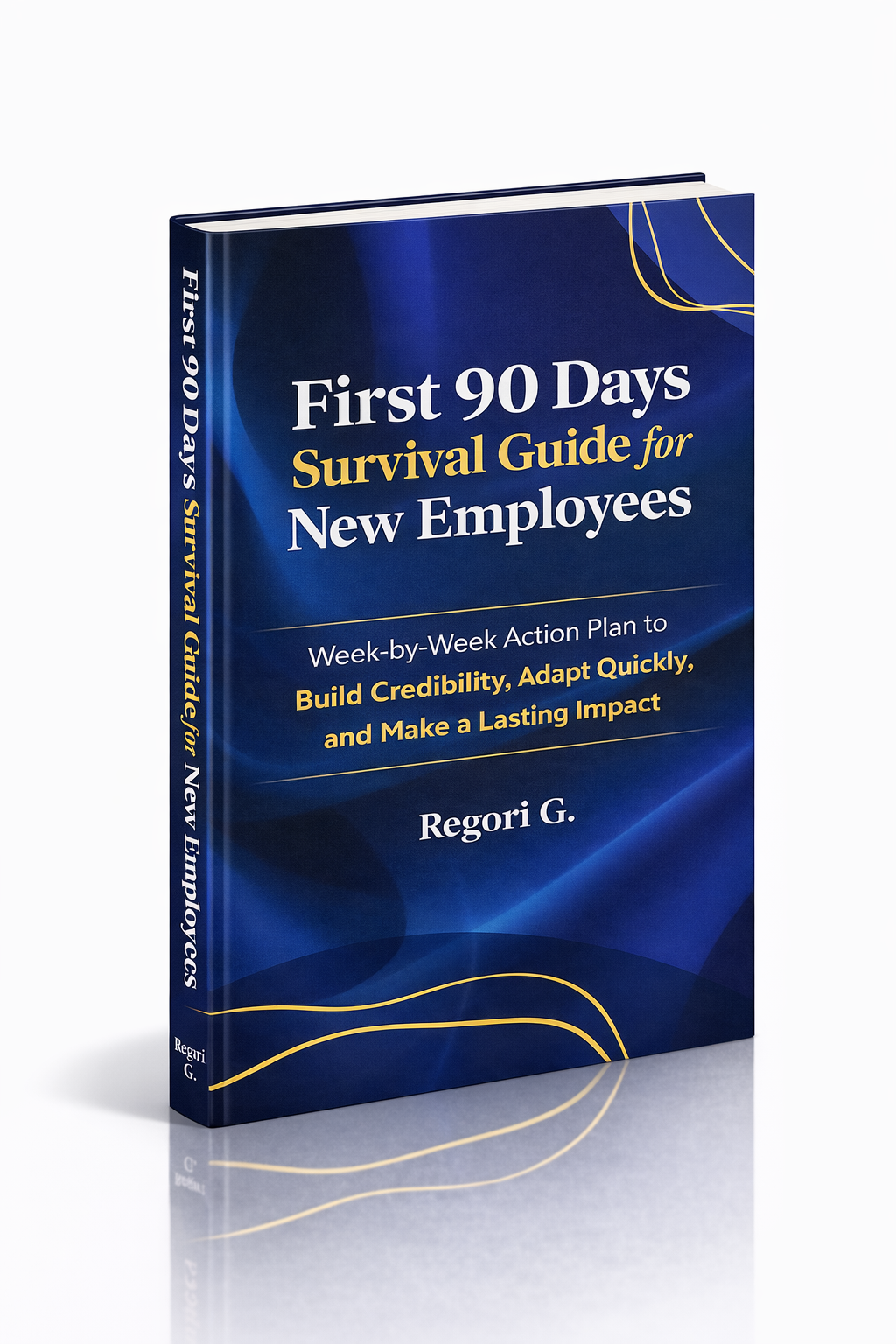
Guide 02
First 90 Days Survival Guide
Hit the ground running and make your mark from day one.
Get it →
Guide 03
Interview Success for Introverts
7 proven steps to shine in interviews — even if you hate the spotlight.
Get it →