

The 5 Interview Mistakes That Cost You the Job
What's silently killing your chances — and what top candidates do instead. Delivered instantly to your inbox.
No spam. Unsubscribe anytime. Privacy Policy & Terms
- Why "I'm a hard worker" destroys your chances
- What interviewers decide in the first 90 seconds
- How to handle tough questions with confidence
- The salary mistake almost every candidate makes
How to Network as a Graduate With No Professional Contacts
Graduating from college or university is an exciting time, but if you find yourself without any professional contacts, networking might feel intimidating. However, building a robust network is essential for launching your career. Here are some effective ways to network as a graduate with no professional contacts. Start by leveraging your existing environments and tools to create opportunities for connection.
Utilize College Resources
Your college or university likely offers a treasure trove of resources to help you connect with professionals.
- Career Services: Most institutions have a dedicated career services department. They can help you with resumes, cover letters, and most importantly, connecting with alumni and local employers.
- Alumni Networks: Reach out to alumni from your school. Many are willing to offer guidance, mentorship, or even job opportunities. Use platforms like LinkedIn to connect with them.
- Workshops and Events: Attend workshops, career fairs, or networking events hosted by your school. These gatherings are great for meeting employers and industry professionals.
Explore Online Networking Platforms
In today’s digital age, online networking has become easier than ever. Utilize these platforms to broaden your reach:
- LinkedIn: Create a polished profile that showcases your skills, education, and interests. Join industry-specific groups and participate in discussions.
- Twitter: Follow thought leaders in your field, engage with their content, and contribute to conversations. This can increase your visibility and attract potential contacts.
- Forums and Online Communities: Websites like Reddit and industry-specific forums allow you to share insights and gain advice from experienced professionals.
Volunteer or Intern
Gaining experience through volunteering or internships is a powerful way to meet new people while enhancing your skills.
- Look for Nonprofits: Many nonprofits require assistance. Volunteering allows you to gain experience while meeting individuals who share your interests.
- Internships: Seek internships related to your field of study. Even unpaid internships provide valuable networking opportunities and experience.
- Campus Organizations: If your university has clubs or organizations relevant to your career, join them! This brings you closer to like-minded peers and potential future contacts.
Informational Interviews
Consider setting up informational interviews. This proactive approach allows you to meet professionals in your desired field to gain insights and advice.
- Reach Out: Don’t hesitate to email professionals you admire. Express your interest in their work and request a brief meeting.
- Prepare Questions: Before the meeting, prepare specific questions that demonstrate your genuine interest in their work and industry.
- Follow Up: Send a thank-you note afterward to reinforce the connection and express your appreciation.
Leverage Social Media
Utilizing social media strategically can also help you expand your network.
- Engage with Professionals: Share content related to your field, comment on posts from industry leaders, and engage in thoughtful discussions.
- Share Your Journey: Post about your experiences as a graduate, including successes and learnings. This can attract people interested in offering guidance or networking.
Join Professional Associations
Professional associations can provide pathways to network with seasoned professionals. Check for associations related to your field:
- Membership Benefits: Many associations offer student memberships at reduced rates, giving you access to resources, events, and networking opportunities.
- Events and Conferences: Attend events and conferences where you can meet professionals in your industry and learn about new trends.
Networking as a graduate with no professional contacts may seem challenging, but with determination and the right approach, it is entirely achievable. Build a strategy that incorporates various methods for connecting with professionals, and you will establish a network that can support your career goals. Remember, every connection starts with a conversation—so take the first step today!
For more resources on networking, check out The Balance Careers and Forbes.
The Importance of Building Connections in Your Field
Building connections in your field is essential for both personal and professional growth. As a recent graduate, you might feel daunted by the prospect of networking without established contacts. However, forging these relationships can open doors to opportunities, insights, and support that will shape your career path. Here are several reasons why connections are important and how you can effectively build them.
Networking allows you to exchange knowledge and ideas, fostering a collaborative environment. When you engage with peers and industry leaders, you can gain fresh perspectives, innovative solutions, and even career advice that you might not find in textbooks. The following benefits illustrate the importance of networking:
- Access to Opportunities: Many jobs are filled through referrals and connections. Networking can help you discover job openings that are not posted publicly.
- Professional Development: Engaging with others in your field can lead to mentorship opportunities, workshops, and conferences that enhance your skills.
- Industry Insights: Building a network allows you to stay informed about trends, challenges, and advancements in your field.
- Support System: Networking helps you create a community that you can rely on for encouragement and guidance.
One of the most effective ways to start networking is by attending industry events. Look for conferences, workshops, and seminars related to your field. These gatherings offer a chance to meet professionals who share your interests. Additionally, many universities host career fairs and alumni networking events. Even if you feel shy, remember that everyone is there for the same reason—to connect.
Online platforms also play a crucial role in modern networking. Websites like LinkedIn allow you to build a strong professional profile and connect with professionals worldwide. Make sure to join groups relevant to your industry. Engage in discussions, share articles, and contribute your insights to foster relationships.
When attending events or using online platforms, always be ready with a personal pitch. This brief introduction should include your name, your field of study, and what you are looking to achieve. This helps potential connections understand who you are and how they can assist you. Here’s a simple template to get you started:
| Your Name | Field of Study | Goals |
|---|---|---|
| Jane Doe | Environmental Science | Looking to learn about sustainable practices in urban development |
Participating in online forums and discussion groups can also be beneficial. You can find these resources on various social media platforms and professional websites. Engaging in conversations can help you not only learn but also establish connections with individuals in your field. Websites like Reddit have specific threads where graduates share experiences and tips.
Volunteering is another excellent way to build connections. Many organizations need help, and volunteering can put you in touch with experienced professionals. Choose causes or organizations aligned with your career goals. This experience can lead to valuable references and insights into your chosen field.
Remember to follow up after meeting someone new. A simple thank-you email or a message on LinkedIn can go a long way. Mention something specific from your conversation to make it more personal. This follow-up can help solidify your connection, showing that you value the relationship.
As you go through different experiences, keep a record of your connections. Use tools like spreadsheets or contact management software to track who you meet, their interests, and how they can assist you in your journey. Having this information on hand can help you maintain these relationships over time.
Ultimately, networking is about relationships. It’s not merely about job hunting; it’s about fostering meaningful connections that benefit both parties. As you navigate the professional world, remember that everyone started somewhere. Be open, be curious, and above all, be willing to reach out.
For more tips and insights on effective networking, explore resources available at The Balance Careers and The Muse. These platforms provide valuable information tailored for new graduates.
Utilizing Social Media for Networking Success
In today’s digital age, social media is a powerful tool that can propel your networking efforts, even if you are just starting out. Leveraging platforms like LinkedIn, Twitter, and Facebook can open doors to new relationships and opportunities. Here’s how to utilize social media effectively for networking success.
Choose the Right Platform
Not all social media platforms are suitable for networking. Some are more geared towards personal interaction, while others are customized for professional connectivity. Consider focusing your energies on these key platforms:
- LinkedIn: This is the premier platform for business networking. You can connect with industry professionals, join relevant groups, and showcase your skills.
- Twitter: Twitter is excellent for quick interactions. Follow industry leaders, engage with their posts, and participate in relevant conversations using hashtags.
- Facebook: While typically seen as a casual platform, many professional groups exist on Facebook where you can network with peers and industry veterans.
Create a Professional Profile
Your online presence should reflect your professional brand. Here are some tips for crafting a stellar profile:
- Profile Picture: Use a clean, professional photo. It helps create a good first impression.
- About Section: Write a compelling summary that highlights your skills, experiences, and interests. Be authentic and concise.
- Experience and Skills: List relevant experiences, even if they come from internships, volunteer work, or academic projects.
Engage Actively
Networking isn’t just about connecting; it’s about building and nurturing relationships. Here’s how to actively engage:
- Comment on Posts: Engage with content posted by your connections or industry leaders. Thoughtful comments can help you stand out.
- Share Valuable Content: Post articles, insights, or your thoughts on industry trends. Sharing knowledge shows your expertise and interest in the field.
- Join Groups: Participate in groups related to your career interests. Share your insights and ask questions to foster discussions.
Attend Virtual Networking Events
Social media often hosts virtual events like webinars, workshops, and panels. Here are some steps to maximize these opportunities:
- Follow Event Organizers: Keep an eye on organizations that host industry-relevant events.
- Participate Actively: Engage in discussions during the event. Ask questions and share your views to build visibility.
- Network Post-Event: Connect with participants and speakers afterward. A simple thank you or follow-up message can go a long way.
Use Direct Messaging Wisely
Reaching out via direct messages can significantly enhance your networking efforts. Here’s how to do it effectively:
- Be Polite and Professional: Always start with a polite greeting and introduce yourself.
- Be Specific: Clearly state why you are reaching out. Whether it’s a question or a request for advice, having a purpose makes your message more engaging.
- Follow Up: If you don’t receive a response, a polite follow-up can show that you are genuinely interested in connecting.
Leverage Online Resources
There are numerous resources available online to enhance your networking skills. Consider visiting websites such as LinkedIn for connections, Meetup for event opportunities, and Eventbrite for workshops. These platforms can help you find relevant networking events and connect with like-minded individuals.
Evaluate and Adjust Your Networking Strategy
Regularly assess how your networking efforts are working. Here are some metrics to consider:
| Metric | Description |
|---|---|
| Response Rate | Track how many people respond to your messages or connection requests. |
| Engagement Level | Observe the likes, shares, and comments on your posts. |
| Event Participation | Keep a record of the events you attend and the connections made. |
By utilizing social media effectively, you can expand your network significantly. Remember, building relationships takes time and consistency. So engage regularly, share valuable insights, and connect genuinely. Your network will grow, and your career opportunities will flourish.
Effective Networking Strategies for Introverted Graduates
Networking as an introverted graduate can feel daunting. However, with the right strategies, you can build meaningful connections without stepping too far out of your comfort zone. Here are some effective networking strategies tailored for introverted graduates.
Start with Online Networking
In today’s digital age, online platforms offer a comfortable space for introverts to connect with others. Use social media and professional networking sites like LinkedIn to start building your network. Here are ways to leverage online tools:
- Create a Strong Profile: Make sure your LinkedIn profile is complete with a professional photo, a compelling summary, and relevant skills.
- Join Industry Groups: Participate in groups related to your field. Engage in discussions by commenting on posts and sharing your thoughts.
- Connect with Alumni: Use LinkedIn to find alumni from your school who are in your desired field. Alumni often appreciate connecting with recent graduates.
Attend Networking Events Selectively
While large networking events can feel overwhelming, you can target smaller gatherings where you can engage more meaningfully. Consider the following:
- Workshops and Seminars: These events provide opportunities not just to learn but to meet like-minded individuals interested in the same topics.
- Local Meetups: Platforms like Meetup can help you find local groups that align with your interests and career goals.
- Informational Interviews: Reach out to professionals in your field and request a short meeting to learn about their experiences.
Leverage Your Existing Connections
You may not think you have professional contacts, but remember that your current connections can act as bridges to new relationships. Consider these tactics:
- Friends and Family: Ask them if they know anyone in your field. They might connect you with someone valuable.
- Professors and Mentors: Reach out to your former professors or any mentors you have had. They often have industry connections and can provide introductions.
- Classmates: Connect with classmates, especially those who have secured internships or jobs in your field. They can share insights and contacts.
Perfect Your Elevator Pitch
Having a brief summary of who you are and what you do can help ease anxiety when networking. Your elevator pitch should be clear and concise, ideally lasting no more than 30 seconds. Include the following:
- Your name and recent education.
- Your area of interest or specialization.
- A fun fact or personal touch that can help make you memorable.
Volunteer for Experience and Contacts
Volunteering is a great way to gain experience while also meeting new people. Here’s how volunteering can bolster your networking efforts:
- Gaining Skills: You can learn new skills that will make you more attractive to future employers.
- Building Relationships: Working alongside others in a volunteer setting can lay the groundwork for lasting connections.
- Expanding Your Network: You often will meet professionals who might help guide you in your career choices.
Follow Up After Networking
Always follow up with new contacts after meeting them. Send a quick email or message thanking them for their time and sharing something specific from your discussion. A personal touch can make all the difference. Here’s a quick format you could use:
Subject: Great to Meet You!
Hi [Their Name],
Thank you for the enlightening conversation at [Event/Place]. I really appreciated your insights on [specific topic]. I’d love to connect further and see how we can support each other in our careers.
Best,
[Your Name]
Join Professional Associations
Joining associations related to your field can provide many networking opportunities and resources. Check for upcoming events and online forums within these groups.
Remember, networking is not just about making contacts; it’s about building relationships. Be genuine, and stay true to yourself. Here are some resources where you can learn more about networking:
With these strategies, introverted graduates can navigate networking with confidence and ease, creating opportunities that can propel their careers forward.
How to Leverage Alumni Networks for Career Opportunities
As a recent graduate, you might feel overwhelmed when it comes to job hunting, especially if you lack professional contacts. However, leveraging your alumni network can be a powerful way to open doors and create opportunities. Your university’s alumni network is a treasure trove of resources that can guide you toward your desired career path. Here are several effective strategies to make the most out of these connections.
Understand the Value of Alumni Networks
Alumni networks offer numerous advantages:
- Access to job postings that may not be advertised publicly
- Mentorship opportunities with experienced professionals
- Networking events specifically designed for alumni
- Insightful conversations about industry trends and company culture
When you engage with your alumni network, you tap into a community that shares similar experiences, leading to more meaningful connections.
Utilize Alumni Directories
Most universities offer online directories where you can find alumni based on their field of expertise, graduation years, and locations. Here’s how you can use these resources:
- Search for alumni working in industries you’re interested in.
- Look for individuals who hold job titles that appeal to you.
- Don’t hesitate to reach out via email or LinkedIn, introducing yourself and expressing your interest in their career path.
This direct approach can often lead to valuable conversations and potential job leads.
Attend Alumni Events
Many universities host events, such as networking nights, panels, or workshops, specifically tailored for alumni. Here’s why you should consider participating:
- Face-to-face interactions make a lasting impression.
- You can ask questions and gain insights from speakers who are industry leaders.
- These events offer a relaxed environment to build connections without the pressure of formal interviews.
When attending such functions, always come prepared with thoughtful questions and a few copies of your resume to hand out.
Leverage Social Media Platforms
Social media is a powerful tool for networking, especially LinkedIn. Follow these steps to maximize your online presence:
- Join alumni groups on LinkedIn and participate in discussions.
- Share relevant articles or insights, showcasing your knowledge and interests.
- Reach out to alumni for informational interviews regarding their careers.
Consider connecting with industry-related hashtags to increase your visibility. Engage with posts and share your thoughts to attract attention from potential employers.
Tap into Faculty Connections
Your professors often have extensive networks in various industries. Here’s how to leverage those connections:
- Ask your professors if they can introduce you to alumni in your field.
- Engage in discussions about your career aspirations; they can offer tailored advice and guidance.
Professors typically appreciate students who show interest and ambition, making them more likely to assist you in your job search.
Join Professional Organizations
Many professions have networking groups that include alumni members. Getting involved can help you expand your network further. Look out for:
- Conferences and workshops relevant to your field.
- Online webinars hosted by professional organizations.
- Local meet-ups to connect with like-minded individuals.
Engaging in such groups can enhance your networking efforts and open doors to job opportunities.
Follow Up and Stay Connected
Once you start networking, be sure to follow up. Here are a few tips:
- Send a thank-you note after a meeting or event, showing appreciation for their time.
- Keep your contacts updated about your progress and new achievements.
- Engage with their content on social media, maintaining an active presence in their network.
Maintaining relationships is crucial—many connections may evolve into professional opportunities over time.
For additional resources on navigating alumni networks, check out the National Association of Colleges and Employers or Alumni Career Services. These websites offer various tools and tips to enhance your networking journey.
Attending Networking Events: Tips for First-Time Participants
Attending networking events can be daunting, especially if you are a first-time participant. However, with the right approach, these events can significantly boost your professional connections and career prospects. Here are some practical tips to help you feel prepared and confident.
Prepare Before the Event
Preparation is key for a successful networking experience. Here are some steps you can take before the event:
- Research the Event: Learn about the format, attendees, and key speakers. Understanding what to expect can ease your nerves.
- Set Clear Goals: Define what you hope to achieve. Whether it’s meeting specific individuals or gathering industry information, having goals will keep you focused.
- Practice Your Elevator Pitch: Craft a concise introduction that highlights who you are and what you do. Rehearsing helps you present yourself with confidence.
- Dress Appropriately: Choose an outfit that reflects the professionalism of the event while keeping comfort in mind. Looking good builds confidence.
Arrive Early and Mingle
Getting to the venue early can make a huge difference. Arriving ahead of time allows you to settle in and observe the environment:
- Scout the Space: Familiarize yourself with the layout. Knowing where refreshments, seating, and restrooms are can help you feel more comfortable.
- Engage with Early Arrivals: Strike up conversations with fellow attendees who are also waiting. This is a great way to meet new people without the pressure of a crowded space.
Develop Conversation Skills
Effective communication is vital in networking. Here are a few tips to help you engage in meaningful conversations:
- Ask Open-Ended Questions: Rather than yes/no questions, encourage discussions with queries like, “What projects are you currently working on?”
- Listen Actively: Show genuine interest in what others say. This not only helps you learn but makes people feel valued.
- Share Your Stories: Relate your experiences or interests to the conversation. Personal anecdotes can create a connection.
Utilize Networking Tools
In today’s digital age, there are tools to help you network effectively:
- Business Cards: Always carry them with you. Handing out cards allows others to remember you and facilitates future connections.
- Mobile Apps: Use apps like Eventbrite to find networking events and stay updated on industry happenings.
- Online Platforms: Sites like LinkedIn can help you expand your network after meeting someone at an event.
Follow Up After the Event
Your networking efforts don’t end when the event is over. Follow-up is crucial for building lasting professional relationships:
- Email Thank-Yous: Send a brief thank-you email to individuals you spoke with. Acknowledge the conversation and express your desire to stay in touch.
- Connect on Social Media: Use platforms like LinkedIn to connect with people you met. This keeps you in their professional circle and opens future interactions.
- Share Relevant Content: If you come across articles or information that might interest them, consider sharing. It demonstrates thoughtfulness and can prompt further discussions.
Join Networking Groups
Participating regularly in networking groups can enhance your networking skills:
- Local Meetups: Check out opportunities in your community through platforms like Meetup. There are groups for almost every professional interest.
- Professional Associations: Many industries have associations that host events. Joining can give you access to exclusive networking opportunities.
- Online Communities: Engage in professional groups on social media platforms. This can provide insights and further connect you with industry leaders.
Networking can initially feel intimidating, but with practice and the right strategies, it can become an enjoyable and beneficial aspect of your career. Embrace opportunities to connect and learn from others in your field.
Following Up: Best Practices for Maintaining Connections
Building and maintaining connections is a vital skill, especially in today’s interconnected world. Following up after meeting someone new or after attending an event is crucial in creating lasting professional relationships. However, knowing how to effectively maintain those connections can be challenging. Here are best practices you can incorporate into your networking strategy.
Timeliness is Key
When you meet someone new, make it a point to follow up within 24 to 48 hours. This timeframe keeps the interaction fresh in their mind and demonstrates your genuine interest. Consider sending a quick email or a message on professional networking sites like LinkedIn. In your message, you can refer to specific topics you discussed, which reinforces your memory and connection.
Personalized Messages
A generic follow-up message can feel impersonal and might not evoke a response. Instead, personalize your notes. Here’s how:
- Use their name and mention where you met.
- Reference specific topics or interests you discussed.
- Ask about them or their work, showing you care about their success.
Offer Value Immediately
When you follow up, think about how you can provide value to your new contact. This can be anything from sharing a relevant article to offering assistance with a project. Providing immediate value strengthens your connection and shows that you are invested in the relationship.
Stay Organized
Keeping track of your contacts is essential for successful networking. Use a spreadsheet or a contact management tool to note important details about each person. Include:
- Name
- Contact information
- Date of last interaction
- Notes on interests or projects
This organization method helps you remember key information when reaching out and keeps your connections active.
Regular Check-Ins
Don’t let your connections go cold. Schedule regular check-ins, even if it’s just once every few months. Send a quick email asking how they’ve been or if they’d like to grab coffee. A simple gesture can keep the relationship warm, and it’s an excellent way to stay informed about their latest accomplishments.
Join Professional Groups
Engaging in professional groups can help you meet new people while keeping in touch with existing connections. Look for groups on platforms like Meetup or Eventbrite. These gatherings provide opportunities for shared learning and networking. You might also discover common interests that can spark deeper conversations.
Leverage Social Media Wisely
Social media can be a powerful tool for maintaining connections. Share relevant content, engage with their posts, and contribute to conversations. A thoughtful comment on their update can keep you in their thoughts, reinforcing your presence in their network.
Follow Up After Events
After attending seminars or workshops, don’t forget to follow up with speakers or attendees you found interesting. You can use the same personalized approach discussed earlier but focus on what you learned from them during the event. This will strengthen your connection and open the door for future interactions.
Creating a Networking Calendar
Consider creating a calendar to remind you to reach out to contacts frequently. For instance, set reminders for:
- Quarterly updates
- Birthday messages
- Anniversaries of initial meetings
This structured approach will help in keeping your connections active without overwhelming you.
Be Genuine and Authentic
Above all, your interactions should come from a place of authenticity. People appreciate sincerity, and when they feel you are genuinely interested in them, they are more likely to remain engaged.
By implementing these strategies, you will not only maintain your connections but also cultivate a rich professional network. Building relationships takes time and effort, but the rewards in both personal growth and career opportunities are well worth it.
Key Takeaway:
In today’s competitive job market, networking is essential for graduates, even those who feel they lack professional contacts. The key takeaway from the comprehensive guide on "How to Network as a Graduate With No Professional Contacts" is that building connections is vital for career success and that there are numerous strategies you can adopt regardless of your social circle.
Firstly, the importance of networking cannot be overstated. Establishing connections within your field can lead to job opportunities and valuable insights that can enhance your career trajectory. It’s not just about who you know but also about the quality of those relationships and the assistance they can provide as you advance in your profession.
Utilizing social media platforms for networking is another effective strategy. Sites like LinkedIn allow you to connect with industry professionals, join groups relevant to your interests, and showcase your skills. Engage with content, share your own insights, and start conversations. This digital presence can expand your reach significantly, offering connections that may not be accessible in a traditional setting.
For graduates who identify as introverts, effective networking strategies can make a huge difference. Start by practicing your conversation skills in smaller, informal settings before attending larger networking events. Setting achievable goals for each event, like meeting three new people, can make the experience feel less overwhelming and more successful.
Leveraging alumni networks offers another powerful tool for graduates. Many universities have alumni platforms where you can connect with past graduates who are often willing to share advice, mentorship, or even job leads. These contacts can serve as a bridge into industries of interest while providing a sense of shared experience.
Following up with individuals you meet is crucial for maintaining these newly formed connections. Whether through a simple thank-you note or a more involved catch-up message, consistent communication helps reinforce your relationships. Establishing your presence and expressing gratitude cultivates goodwill, creating a network that can sustain your career growth over time.
Networking as a graduate without established professional contacts is entirely possible. By embracing various approaches, leveraging technology, tapping into alumni networks, and committing to ongoing connections, you can effectively build a robust professional network that will serve you throughout your career.
Conclusion
Networking as a graduate with no professional contacts may seem daunting, but it’s entirely achievable with the right approach. Building connections in your chosen field is crucial for securing job opportunities and advancing your career. By leveraging social media, you can reach a wider audience and connect with industry leaders who can provide valuable insights.
For introverted graduates, effective networking strategies can help ease anxiety. Focus on one-on-one interactions and set realistic goals for each event. Engaging with your alumni network can also open doors; these shared experiences create a sense of camaraderie and can lead to mentorship opportunities or job leads.
Attending networking events for the first time can be intimidating, but preparation can help you feel more at ease. Arrive with a few conversation starters and be open to meeting new people. The relationships you form at these events can be instrumental in your career.
Maintaining connections is just as important as initiating them. Regular follow-ups through emails or social media can reinforce your relationships, ensuring they remain active. Keep in mind that networking is not just about what others can do for you; it’s about building a mutually beneficial relationship.
As you embark on your graduate journey, remember that every connection is a stepping stone towards your career goals. Stay proactive and embrace the opportunities that come your way. The best networkers are those who approach each interaction with sincerity and curiosity, ready to learn and grow in their fields.
visit The Job Interview System for Job Seekers on Gumroad. A practical guide built for people who are serious about landing the job they want. For more interview guides, career tips, and job search resources, visit the Love PDF Guides home page.
Your Next Chapter
Starts with the Right Guide
Three straight-talking PDF guides to help you win interviews, beat the first 90 days and thrive as an introvert. Instant download on Gumroad.

Guide 01
The Job Interview System
Step-by-step interview prep that turns nerves into confidence.
Get it →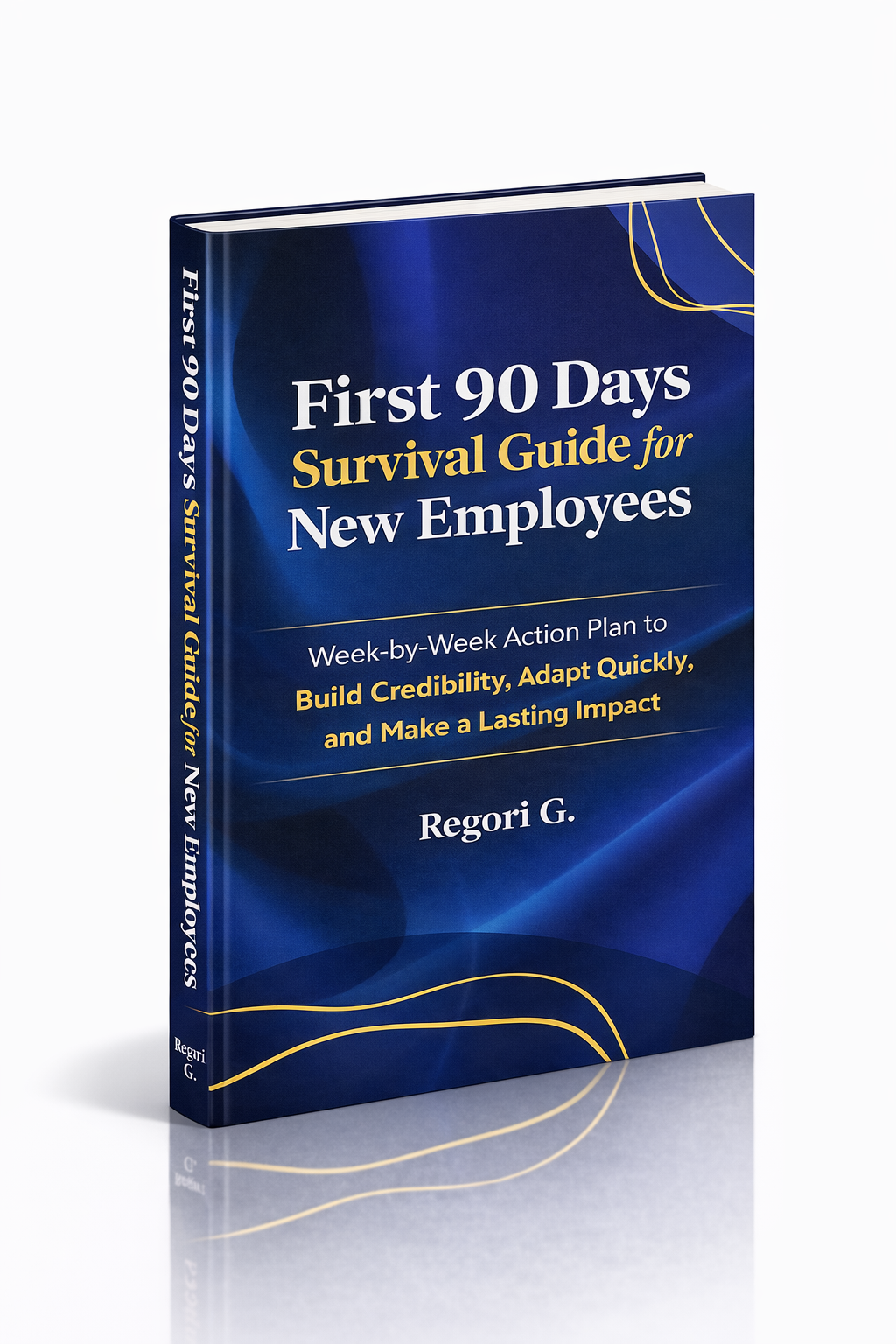
Guide 02
First 90 Days Survival Guide
Hit the ground running and make your mark from day one.
Get it →
Guide 03
Interview Success for Introverts
7 proven steps to shine in interviews — even if you hate the spotlight.
Get it →