

The 5 Interview Mistakes That Cost You the Job
What's silently killing your chances — and what top candidates do instead. Delivered instantly to your inbox.
No spam. Unsubscribe anytime. Privacy Policy & Terms
- Why "I'm a hard worker" destroys your chances
- What interviewers decide in the first 90 seconds
- How to handle tough questions with confidence
- The salary mistake almost every candidate makes
What Qualifications Do You Need for a Career Change?
Changing careers can be an exciting yet daunting experience. Whether you’re seeking new challenges, better work-life balance, or a more fulfilling role, understanding the qualifications you need is crucial to a successful transition. Here’s what you should consider.
First and foremost, identify your target profession. This gives clarity on what qualifications are necessary. Research the industry standards and specific requirements of the job you’re eyeing. Many fields have distinct qualifications, such as certifications, degrees, or special skills. By narrowing down your options, you can create a roadmap for what you need to acquire.
An effective way to gather information is through networking. Connect with professionals in your desired field to gather insights into what qualifications they found beneficial. You might attend industry meetups or join online forums. Websites such as LinkedIn offer excellent resources for networking and finding mentors who can guide you through the transition.
Education is often a pivotal factor in changing careers. Depending on the field, you may need to pursue additional degrees or certifications. Consider enrolling in courses related to your new career. Online platforms like Coursera or Udemy offer flexible learning options that can fit into your schedule while you work. Look for programs accredited by recognized institutions; this adds credibility to your resume.
Beyond formal education, think about the skills required for your new career. Many employers value real-world experience and transferable skills over formal qualifications. Some valuable skills might include:
- Communication: Essential in almost every field, strong verbal and written communication improves team collaboration and client relations.
- Problem-solving: Employers often seek individuals who can analyze issues and offer solutions.
- Technical Proficiency: Depending on the industry, familiarity with software tools or technologies might be crucial.
- Project Management: The ability to oversee projects from start to finish is highly regarded in many professions.
Another important step is gaining relevant experience. Look for internships, volunteer opportunities, or part-time positions in your new field. This not only builds practical experience but also enhances your resume. Employers often view practical experience as highly valuable. Platforms like Internships.com provide listings that can help you find suitable opportunities.
If you have considerable experience in your current industry, think about how your previous roles can enhance your appeal. Tailor your resume to highlight transferable skills and relevant achievements that fit your new target role. A well-crafted resume can often open doors that qualifications alone cannot.
Certifications often play a significant role in career shifts. They demonstrate to potential employers your commitment to learning and professional development, even if you lack direct experience. Research certification programs relevant to your target field. For tech roles, certifications from companies like Cisco or AWS can be quite beneficial.
| Field | Common Qualifications |
|---|---|
| Healthcare | Medical certifications, nursing degree |
| Information Technology | Technical certifications, computer science degree |
| Marketing | Digital marketing credentials, communications degree |
Don’t overlook the importance of soft skills. Emotional intelligence, adaptability, and resilience are crucial as you navigate the challenges of a career change. Employers appreciate individuals who can thrive in evolving workplace dynamics. Demonstrating these traits during interviews or networking can set you apart.
Preparing for a career change involves a combination of targeted education, skills development, gaining relevant experience, obtaining certifications, and showcasing your soft skills. With determination and the right qualifications, you can successfully transition to a new and rewarding career. For more information on transitioning careers, check resources at CareerBuilder for tailored guidance and tips.
Identifying Transferable Skills for New Career Paths
Changing careers can be a big step, but identifying your transferable skills can ease the transition. Transferable skills are abilities that are relevant and applicable across different jobs and industries. Recognizing these skills helps you understand how your past experiences can benefit your new career.
What Are Transferable Skills?
Transferable skills may include personal attributes, technical know-how, and experiences that can be adapted and applied to new areas. Here are some common transferable skills:
- Communication: This includes both verbal and written skills. Whether you are explaining complex topics to clients or drafting emails, strong communication is key.
- Problem-solving: The ability to analyze issues, think critically, and develop solutions can be applied in many different fields.
- Teamwork: Collaborating with others is essential in almost every job. Experience working in teams can be invaluable.
- Time management: The capability to prioritize tasks and manage your time is a skill that employers highly value.
- Leadership: Leading a project or mentoring a colleague shows your ability to guide and motivate others.
Recognizing Your Transferable Skills
To identify your transferable skills, start by evaluating your past experiences. Here are some steps to help you:
- Make a list of your previous positions: Consider all the jobs you’ve held and note your responsibilities in each.
- Identify common themes: Look for skills and experiences that appear in multiple jobs. These are likely your strongest transferable skills.
- Ask for feedback: Reach out to colleagues or supervisors for their perspective on your strengths and skills.
- Self-assessment tools: Utilize online tools and quizzes that help you discover your transferable skills.
Applying Transferable Skills in Your Job Search
Once you’ve identified your skills, the next step is to effectively showcase them in your job search. Here’s how:
- Resume Updates: Tailor your resume to highlight your transferable skills that are relevant to the job you are applying for. Focus on achievements that showcase these skills.
- Cover Letter: Use your cover letter to tell a story about how your past experiences have prepared you for this new role. Emphasize specific transferable skills.
- Networking: When networking, discuss your skills openly. Show potential employers how your past experiences can contribute to their organization.
Examples of Transferable Skills by Career Change
| Current Career | Transferable Skills | New Career Path |
|---|---|---|
| Teacher | Communication, leadership, organization | Corporate Trainer |
| Sales Associate | Customer service, problem-solving, teamwork | Marketing Specialist |
| Administrative Assistant | Time management, organization, attention to detail | Project Manager |
Resources to Explore Transferable Skills
Numerous resources are available to help you assess and explore your transferable skills effectively. Some helpful websites include:
Understanding your transferable skills is a powerful tool in navigating a career change. They not only prepare you for your next role but significantly strengthen your candidacy with potential employers. By recognizing, applying, and effectively communicating these skills, you can confidently embark on new career adventures.
The Importance of Networking During a Career Transition
When you’re looking to change careers, networking becomes a crucial aspect of your journey. It’s about more than just meeting people; it’s about building relationships that can support you during transitions. Networking allows you to create connections that can provide valuable insights, resources, and opportunities in your new field.
One of the primary benefits of networking during a career change is gaining access to information. Current employees in your desired industry can share trends, job openings, and necessary skills. Knowing what employers are looking for can guide your development efforts and increase your chances of being hired. Resources like LinkedIn and Meetup can connect you with professional groups and events that cater to your interests.
Moreover, networking helps to build confidence when you enter a new field. When you talk to professionals who were once in your shoes, you learn that others have successfully transitioned. Their stories of overcoming challenges can motivate you and affirm your decision to pursue a new career path. Consider reaching out to former colleagues who made similar changes. Their experiences can provide encouragement and actionable advice tailored to your situation.
As you network, it’s essential to showcase your transferable skills. These are the abilities you have developed from your previous jobs that are relevant in your new field. You can highlight skills like communication, problem-solving, or project management, which are valuable in almost any industry. An easy way to present this is through a personal elevator pitch. Have a succinct summary that articulates your background, skills, and what you aim to achieve.
A structured approach to networking may yield the best results. Here are a few steps you can take:
- Join Professional Groups: Look for industry-specific groups that align with your career goals. Attend meetings and actively engage with members.
- Utilize Social Media: Maintain an active professional profile on platforms that encourage networking. Share articles and comment on posts to establish your presence.
- Informational Interviews: Request short meetings with professionals to learn more about their career paths. Most people are willing to help if asked politely.
- Follow Up: After making connections, follow up with a thank-you note or email. Keeping in touch can foster ongoing relationships.
Building a network isn’t a one-time event; it’s an ongoing process. Stay active in following up and providing updates about your career path. By sharing your progress, you can stay on people’s radar and remind them to think of you when new opportunities arise.
Remember that networking can exist in both formal and informal settings. Consider attending workshops, seminars, and conferences related to your new career. This not only helps you meet industry experts but also allows you to gain new knowledge. Organizations like Eventbrite curate events where you can connect with potential mentors and like-minded professionals.
Moreover, don’t shy away from seeking sponsorships. Building relationships where someone actively promotes you within their network can be invaluable. Mentors and sponsors can bridge the gap between you and your desired job more easily than cold outreach.
Networking extends beyond traditional methods. Be open to online forums and webinars, especially if you’re transitioning into tech-based industries. Platforms like CareerBuilder offer resources that can connect you with professionals through virtual events.
| Networking Method | Description | Potential Benefits |
|---|---|---|
| Professional Groups | Join industry-specific gatherings | Access to job postings, mentorship |
| Social Media | Engage on platforms like LinkedIn | Wider reach, increased visibility |
| Informational Interviews | Speak with professionals to gain insights | First-hand knowledge, encouragement |
| Workshops/Seminars | Participate in relevant learning events | Skills enhancement, networking opportunities |
The importance of networking during a career transition cannot be overstated. Building relationships with individuals in your target field will provide you with insights and open doors that could lead to your new career. As you strategize your networking efforts, remember that persistence is key. Your efforts today can pave the way for your success tomorrow.
Exploring Different Education and Certification Options
Making a career change is an exciting and often necessary step in personal and professional growth. However, one of the crucial aspects of switching careers involves understanding the education and certification options available to you. Selecting the right path can help equip you with the skills needed to transition smoothly into a new role. Whether you’re considering a new industry or looking to advance in your current field, knowing what options exist is key.
First, consider formal education. Many career paths require a certain level of education, such as a degree or technical diploma. Here are some of the common educational routes:
- Associate Degrees: These typically take two years to complete and are offered at community colleges. They provide foundational knowledge in fields like nursing, business, or digital arts.
- Bachelor’s Degrees: A four-year degree from a college or university can open many doors in various sectors, including finance, marketing, and education.
- Master’s Degrees: For those looking to specialize or advance into management roles, a master’s degree may be necessary. This higher education often involves two additional years of study beyond a bachelor’s degree.
- Certification Programs: Various organizations offer programs aimed at individuals seeking specific skills without committing to a full degree. These can often be completed in a matter of months.
Next, consider vocational training as a pathway for your career change. Vocational schools focus on hands-on learning and specialized skills, allowing you to enter fields such as plumbing, electrician work, culinary arts, or medical assisting. Programs typically range from a few months to two years, providing a quicker route into the workforce.
| Type of Education | Duration | Popular Fields |
|---|---|---|
| Associate Degree | 2 Years | Nursing, Criminal Justice, Web Development |
| Bachelor’s Degree | 4 Years | Business, Engineering, Psychology |
| Master’s Degree | 2 Years | Healthcare Management, Education, Social Work |
| Certification Program | Months | Project Management, IT, Counseling |
Besides traditional and vocational education, online courses represent a popular option in today’s digital age. Many platforms like Coursera, Udemy, and edX offer flexible learning opportunities. You can acquire new skills from the comfort of your home. This is particularly beneficial if you have a busy schedule or are already working in another job. Completing tasks at your own pace allows for deeper engagement and understanding.
When thinking about certifications, assess what professional organizations are relevant to your desired career. Various certifications can enhance your resume, showcasing your commitment and expertise. Here are some common certifications across different industries:
- Project Management Professional (PMP): Recognized globally, this certification validates your skills in project management.
- Certified Public Accountant (CPA): Essential for accountants, this certification enhances credibility in the finance field.
- CompTIA A+: A foundational certification for those pursuing a career in IT support and technical roles.
- Google Analytics Certified: A great certification for marketing professionals keen on using data effectively.
Networking is crucial while exploring your education and certification options. Join industry-specific groups, attend workshops, and engage in webinars. Websites like Meetup can help connect you with like-minded individuals seeking similar career paths. Networking can provide insights into the skills most in demand and guide your education choices.
Remember that exploring education and certification options is an ongoing process. You may find that as you grow in your new career, further certifications or courses may benefit you. Don’t hesitate to seek guidance from career counselors or mentors, who can provide tailored advice to fit your aspirations.
Navigating a career change means considering various educational and certification paths. Whether through formal degrees, vocational training, or online courses, it’s important to choose options that align with your new career goals. Remember to remain proactive in seeking opportunities for growth and networking.
How to Create a Resume that Appeals to New Industries
Transitioning to a new industry can seem daunting, especially when it comes to creating a resume that stands out. It is crucial to communicate your skills and experience effectively. Here’s a comprehensive guide on how to craft a resume that appeals to new industries and showcases your unique qualifications.
Understanding the New Industry
Before you start writing your resume, research the new industry thoroughly. Understanding its requirements and preferred skills will give you insights into how to position yourself effectively. Begin by:
- Identifying industry trends and demands.
- Reviewing job descriptions for common requirements.
- Networking with professionals in the field.
Highlighting Transferable Skills
Every job, no matter the industry, builds transferable skills that can be beneficial in your new role. Highlight these skills prominently on your resume. Examples include:
- Communication: Ability to convey information clearly.
- Teamwork: Collaborating effectively with others.
- Problem-solving: Finding solutions in challenging situations.
- Leadership: Guiding teams or projects towards success.
Tailoring Your Professional Summary
Your professional summary is your opportunity to create a strong first impression. Tailor it to reflect your new career aspirations. Consider including:
- Your career objectives.
- Relevant experience from your previous roles.
- A brief mention of your transferable skills as they relate to the new industry.
Adjusting Your Work Experience
When listing your work experience, focus on achievements rather than job duties. Use quantifiable results to illustrate your contributions. For example:
- “Increased sales by 20% within one year” rather than “Responsible for sales.”
- “Led a team of five to complete a project ahead of schedule” is stronger than simply stating your role.
Additionally, consider using a functional or hybrid resume format if traditional chronologies do not serve your narrative well.
Relevant Keywords
Including industry-specific keywords in your resume is vital for being noticed by applicant tracking systems (ATS). These systems scan resumes for relevant terms. Make sure to:
- Use keywords from job postings.
- Incorporate industry jargon to sound knowledgeable.
- Contextualize keywords within your experience.
Showcasing Education and Certifications
If you have special qualifications related to the new industry, make them prominent. Include:
- Degrees and where you studied.
- Certifications that add value in the new field.
- Any relevant courses or workshops you have completed.
Adding educators’ names and credentials can also lend credibility to your resume.
Networking Plays a Key Role
Use your network to gain insights and opportunities in the new industry. Informational interviews can reveal what employers are looking for and might provide leads on job openings. Additionally:
- Attend industry-related events or seminars.
- Engage with professionals on platforms like LinkedIn.
- Consider reaching out to connections who have successfully transitioned industries for advice.
Use Online Resources for Reference
Utilize reputable websites to find additional tips and examples for crafting an appealing resume. Some useful resources include:
Creating a compelling resume for a career change involves a strategic approach. Focus on your transferable skills, tailor your experience to meet the demands of the new industry, and use relevant online resources for inspiration. Following these guidelines will help you craft a resume that not only gets noticed but also positions you favorably in a new career path.
The Role of Mentorship in Navigating Career Changes
Making a career change can be a daunting task, often filled with uncertainty and questions about the right direction to take. During this transition, mentorship can play a pivotal role. A mentor provides guidance, support, and insight that helps navigate the often-challenging waters of a new career path.
Having a mentor offers you the chance to gain invaluable wisdom from someone with experience. They can share lessons learned from their own career changes, which can save you time and potential pitfalls along the way. Here are several ways in which mentorship can empower you as you embark on a new professional journey.
The Importance of Networking
A mentor often connects you to a broader network within your new field. This connection can be crucial for job opportunities and industry insights. When you have a mentor, it’s not just about getting advice; it’s also about introductions. They can help you meet the right people who can assist you in your transition.
Building Confidence
Transitioning to a new career field can be overwhelming. A mentor provides emotional support and encouragement, boosting your confidence. They might remind you of your strengths, offer constructive feedback, and help you set realistic goals. This moral support can make a significant difference as you navigate through challenges. Feeling confident can lead to better decision-making and increased motivation.
Skill Development
Your mentor can help identify any skills you need to develop or polish for your new career. Here’s how they can assist:
- Identifying Skill Gaps: They can highlight skills that are essential in your new industry and guide you on how to acquire them.
- Offering Resources: A mentor can suggest relevant courses, workshops, or materials that cater to your learning needs.
- Providing Practice: With a mentor’s guidance, you can practice new skills in a supportive environment.
Realistic Goals and Planning
A good mentor can help you set realistic and achievable goals. Instead of feeling overwhelmed by the prospect of a complete career shift, breaking your journey into smaller, manageable parts can make a significant difference. They can assist you in creating a plan to reach each goal step-by-step, keeping you focused and motivated.
Positive Accountability
Accountability can be a powerful motivator. When you share your objectives with a mentor, you have someone who will regularly check in on your progress. This not only keeps you on track but also provides you with a sense of responsibility. Knowing someone is invested in your success can encourage you to stay committed to your career goals.
Insights into Industry Trends
Every industry has its trends and shifts. Mentors, being seasoned professionals, may possess knowledge about where the industry is heading. They can provide you with insights that are not easily accessible through internet research alone. Understanding these trends can help you align your skills with market demands and position yourself more effectively for new opportunities.
Finding the Right Mentor
Choosing the right mentor is essential for a fruitful mentoring relationship. Consider these factors when selecting a mentor:
- Experience in the New Field: Make sure your mentor has a background in the industry you wish to enter.
- Compatibility: Look for someone whose personality and values resonate with you as this can foster trust and openness.
- Proven Track Record: Your mentor should have a good history of helping others navigate career changes successfully.
Remember, mentorship isn’t just a one-way street. It involves mutual respect and engagement. As you seek advice, be open to sharing your own experiences and insights in return. This reciprocal relationship can enhance the mentoring experience for both parties.
Mentorship serves as a significant asset during your career change. It enriches your journey with knowledge, support, and a deeper understanding of your new path. Whether you’re looking to change industries, roles, or even start your career anew, seeking mentorship can ease the transition.
For further resources on building a career with the help of mentorship, check out Forbes Coaching Council and Mentorship.org. These websites can provide valuable insights and connections to enhance your career change journey.
Overcoming Common Challenges in Career Transition
Changing careers can be a daunting experience for many individuals. It’s a significant step that can lead to personal growth and fulfillment. However, the road to a successful transition is often riddled with obstacles. Recognizing these challenges is the first step towards overcoming them. Here are some common challenges and strategies to navigate through them.
Identifying Transferable Skills
One of the most significant hurdles during a career transition is recognizing and articulating transferable skills. Often, professionals focus too heavily on their current job responsibilities without realizing that their skills are applicable in various fields. Take the time to list your skills, experiences, and accomplishments that can be transferable to your new career path.
- Communication Skills: Essential in almost every profession.
- Project Management: Valuable in tight deadlines and multi-tasking.
- Analytical Skills: Important for problem-solving in diverse industries.
Building a Professional Network
Networking is critical during a career transition. You might feel isolated or unsure about meeting new people in your prospective field. While it may appear intimidating, engaging with industry peers can provide opportunities and insights. Utilize platforms like LinkedIn to reconnect with former colleagues and industry experts.
Consider joining professional groups, attending workshops, or engaging in online forums related to your new career choice. Building relationships can lead you to mentors and inform you about job openings that might not be publicly advertised.
Updating Your Resume and Online Presence
Many people overlook the importance of tailor-making their resume to align with their new career aspirations. A polished resume is your marketing tool, showcasing your qualifications relevant to the job you desire. Here are some tips to update your resume effectively:
- Highlight transferable skills.
- Use keywords related to your new industry.
- Showcase relevant volunteer work or certifications.
Don’t forget to update your online presence. Your LinkedIn profile should reflect your new goals and experiences, while also presenting you as an active candidate for potential employers.
Managing Financial Concerns
Another common challenge is managing finances during the transition. Shifting careers may mean a temporary loss of income or a reduction in financial stability. Here’s how to address potential financial issues:
- Create a Budget: Assess your current financial situation and set a budget that can accommodate your needs during the transition.
- Explore Part-Time Options: Consider taking on freelance work or part-time opportunities within your new field while maintaining your current employment.
- Save Up: Prioritize saving money before making the switch, providing a cushion during the initial phases of your career change.
Overcoming Self-Doubt and Fear
Changing careers can bring about feelings of insecurity and doubt. It is common to question your abilities and fear failure. To overcome these emotions, consider these strategies:
- Seek supportive relationships with friends, family, or mentors who can provide encouragement.
- Focus on setting small, achievable goals to boost your confidence.
- Consider professional help, such as career coaches or therapists, to work through fear and self-doubt.
While these challenges may seem overwhelming, remember that many have successfully navigated their career transitions. Every step you take, no matter how small, brings you closer to your goals. Researching relevant training or educational opportunities can further support your path. Websites like Coursera offer courses that can increase both your knowledge and employability in your new field.
Above all, stay persistent. Career change is a journey that requires patience and resilience, but the rewards can be extraordinary. As you prepare for your transition, keep in mind that each challenge presents a chance for personal growth and development.
Key Takeaway:
Making a career change can be one of the most impactful choices in your professional life. To successfully transition, it’s crucial to understand what qualifications you need to embark on this new path. First and foremost, identifying your transferable skills is essential. These are skills you already possess that can apply to a new role, such as communication, leadership, or problem-solving abilities. Assessing your current skill set and mapping it to potential roles in the new industry can help you realize that you may already be more qualified than you think.
Networking is another critical component of a successful career change. It opens doors to opportunities and provides insight into a new industry. Connecting with professionals who are already working in your desired field can give you valuable advice and help you build relationships that may lead to job offers. Therefore, attending industry events, joining groups related to your new career, and leveraging social media platforms can be immensely beneficial.
Education and certification may also play a vital role in your transition. Depending on what field you are entering, you may need additional qualifications. Research the certifications or educational credentials that are valued in the new industry and consider pursuing them to enhance your credibility.
A well-crafted resume is essential to highlight your abilities and experiences while emphasizing how they align with the requirements of the new role. Tailoring your resume to appeal to hiring managers in the new sector can significantly increase your chances of landing interviews.
Mentorship can provide guidance through the career change process. Finding a mentor who has successfully navigated a similar transition can be invaluable. They can offer insights that may help you avoid common pitfalls while navigating your new career landscape.
Overcoming challenges during a career transition can be daunting, but with the right skills, a strong network, relevant education, a tailored resume, and the support of a mentor, you can navigate this journey successfully. Ultimately, understanding the qualifications needed will empower you to embrace this new chapter with confidence and poise.
Conclusion
Making a successful career change involves several important steps, each contributing to a smoother transition. Understanding what qualifications you need for your new path is the first crucial step. This includes identifying your transferable skills that can be valuable in various fields, allowing you to showcase how your previous experience can benefit an employer in a different industry.
Networking plays a vital role during this transition. Connecting with professionals in your desired field can provide insights and open doors to opportunities that may not be advertised. Additionally, exploring educational options or certifications can build your credibility and enhance your knowledge, positioning you as a strong candidate.
Crafting a resume tailored to your new industry is essential. Highlighting relevant experiences and skills helps to bridge the gap between your past roles and the goals of potential employers. Moreover, seeking mentorship can offer guidance, support, and encouragement, giving you the confidence to navigate the complexities of a career shift.
It’s important to prepare for the common challenges that arise during transitions. Facing self-doubt and frustration is natural, but with the right mindset and resources, you can overcome these hurdles. Embracing your journey with resilience and a willingness to learn will ultimately lead to fulfilling new career opportunities. As you navigate your career change, remember that each step you take is a building block toward a brighter future in a field that truly excites you.
Your Next Chapter
Starts with the Right Guide
Three straight-talking PDF guides to help you win interviews, beat the first 90 days and thrive as an introvert. Instant download on Gumroad.
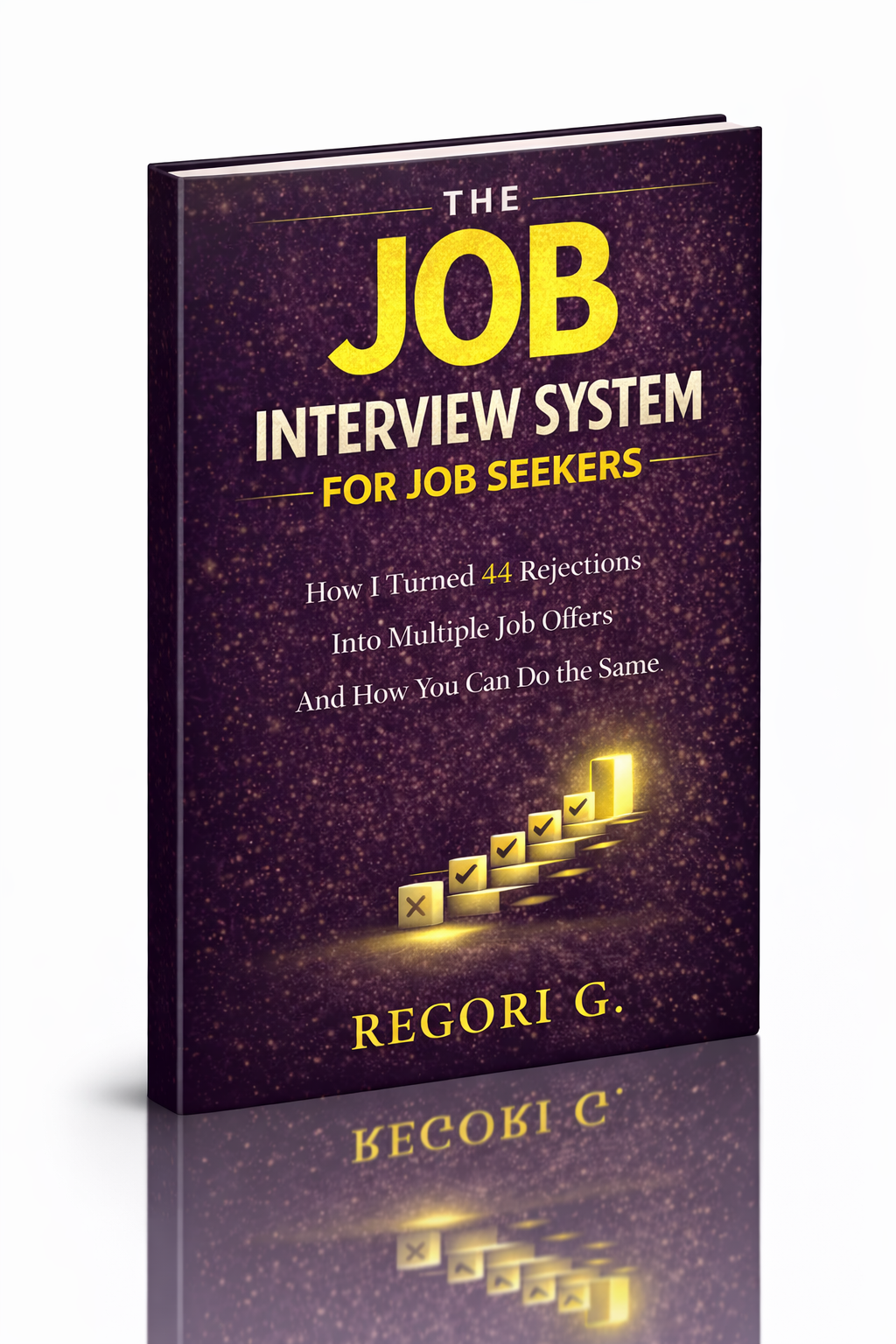
Guide 01
The Job Interview System
Step-by-step interview prep that turns nerves into confidence.
Get it →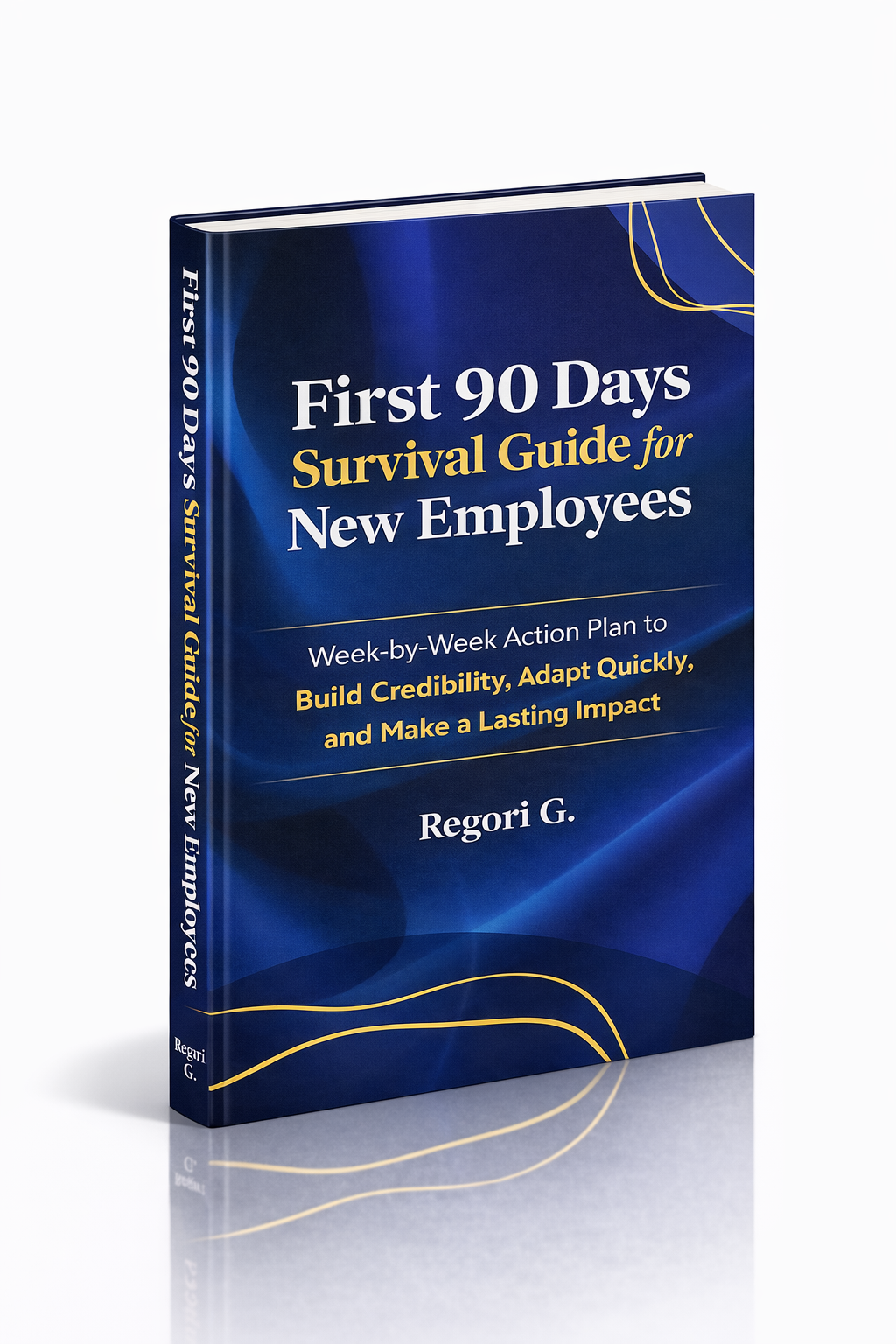
Guide 02
First 90 Days Survival Guide
Hit the ground running and make your mark from day one.
Get it →
Guide 03
Interview Success for Introverts
7 proven steps to shine in interviews — even if you hate the spotlight.
Get it →