

The 5 Interview Mistakes That Cost You the Job
What's silently killing your chances — and what top candidates do instead. Delivered instantly to your inbox.
No spam. Unsubscribe anytime. Privacy Policy & Terms
- Why "I'm a hard worker" destroys your chances
- What interviewers decide in the first 90 seconds
- How to handle tough questions with confidence
- The salary mistake almost every candidate makes
How to Follow Up After Sending a Job Application
After sending your job application, patience is key. However, it’s also important to take the initiative to follow up. This action shows your interest and keeps you in the mind of the employer. Knowing how and when to follow up effectively can make a significant difference in your job search. Here are some steps and tips to help you with this process.
Timing Your Follow-Up
Timing is crucial when it comes to following up after a job application. Generally, it’s advisable to wait about one to two weeks. This window provides sufficient time for the hiring team to review applications. If the job listing has a specific timeline mentioned, wait until that period has passed.
Choose the Right Medium
When following up, consider the method that you will use. Here are the common mediums:
- Email: This is the most professional method. It allows you to convey your message clearly without being intrusive.
- Phone Call: A follow-up call can add a personal touch, but it may interrupt the hiring manager’s schedule.
- LinkedIn: If you’ve connected with someone at the company, a message via LinkedIn can also be effective.
Crafting Your Follow-Up Message
Your follow-up message should be professional, concise, and polite. Here is a structure you can follow:
- Subject Line: Use a clear subject line like “Follow-Up on Job Application – [Your Name].”
- Greeting: Address the hiring manager by name, if you know it.
- Express Gratitude: Thank them for considering your application.
- Reiterate Interest: Briefly mention why you are interested in the position and the company.
- Ask for Updates: Politely ask if there are any updates regarding your application status.
- Closing: End with a professional closing and your contact information.
Sample Follow-Up Email
Here’s a sample that you can use as a reference:
Subject: Follow-Up on Job Application – John Doe
Dear [Hiring Manager’s Name],
I hope this message finds you well. I wanted to extend my gratitude for considering my application for the Marketing Coordinator position at [Company Name]. I am very excited about the opportunity to contribute to your team.
I am following up to see if there have been any updates regarding my application status. I am eager to learn more about the next steps in the hiring process.
Thank you once again for your time. I look forward to your response.
Sincerely,
John Doe
[Your Phone Number]
[Your Email]
Avoid Common Mistakes
When you follow up, avoid common pitfalls to ensure your message is received positively:
- Don’t come off as pushy. Be respectful of the hiring manager’s time.
- Avoid excessive follow-ups. One follow-up after a week or two is sufficient.
- Neglecting to proofread your message can lead to avoidable errors. Always double-check your email before sending.
Additional Resources
For more in-depth information on following up after a job application, consider visiting:
Following up after you submit a job application can certainly enhance your chances of landing an interview. By timing your follow-up right, choosing the proper medium, and crafting a thoughtful message, you will leave a positive impression on potential employers. Remember, persistence paired with professionalism can uncover fruitful opportunities in your job search.
The Importance of Timeliness in Job Application Follow-Ups
Submitting a job application is just one part of the journey toward landing your dream job. However, the path doesn’t end there. Timeliness in following up on your job application plays a crucial role in how you present yourself to potential employers. A well-timed follow-up can demonstrate your enthusiasm, professionalism, and genuine interest in the position.
First and foremost, it’s essential to understand why following up is necessary. Many candidates submit their applications and then wait patiently, assuming that the hiring team will reach out if they’re interested. Unfortunately, this approach can lead to missed opportunities. By following up, you are putting your name back on the employer’s radar. This can be especially important in a competitive job market where many applicants may fall through the cracks.
When is the right time to follow up? Here are a few guidelines to keep in mind:
- One Week Later: If you haven’t heard back within one week of submitting your application, it’s appropriate to send a follow-up email.
- Specific Timelines: If the job listing mentioned a timeline for decision-making, wait until that period has elapsed before you follow up.
- After an Interview: If you’ve had an interview, a follow-up email should typically be sent within 24 to 48 hours to thank your interviewer and reiterate your interest.
The content of your follow-up message is just as important as the timing. Keep it concise and polite while expressing gratitude for the opportunity. Here’s a simple structure to follow:
- Start with a thank you.
- Mention the position you applied for.
- Express your enthusiasm for the role.
- Inquire about the status of the hiring process.
Here’s an example for guidance:
“Dear [Hiring Manager’s Name],
Thank you for considering my application for the [Job Title] role. I am very excited about the opportunity to join [Company Name] and contribute to [specific project or goal]. I wanted to check in regarding my application status and see if there is any further information you may need from me. Thank you once again for your time and consideration.”
In terms of urgency, remember that being too eager can backfire. If you follow up too soon or too often, it can give the impression that you are desperate or unprofessional. Maintaining a balance is key. Follow up once or twice, but avoid bombarding the employer with frequent messages.
Moreover, researching the company’s culture can help you tailor your follow-up approach. Companies that emphasize open communication might appreciate enthusiasm, while more traditional firms may prefer a less aggressive stance. Understanding company culture is crucial. Websites like Glassdoor provide insights into a company’s culture and can guide your follow-up communication style.
Another vital aspect of timeliness in follow-ups is the psychological impact it has on potential employers. A timely follow-up suggests that you respect their time and are truly interested in the position. This kind of professionalism can set you apart from other candidates who may not take the initiative to reach out.
Here are some key takeaways for effective job application follow-ups:
| Tip | Details |
|---|---|
| Be Prompt | Send your follow-up within a week of your application. |
| Be Professional | Use a polite tone and maintain professionalism throughout. |
| Be Concise | Keep your message brief and to the point. |
| Show Enthusiasm | Express genuine interest in the job and the company. |
| Timing Matters | Avoid excessive follow-ups; respect their hiring timeline. |
In closing, the importance of timeliness in job application follow-ups cannot be overstated. Not only does it showcase your professionalism, but it can also be a decisive factor in your job search success. Always remember to respect the employer’s timeline, and when appropriate, follow up with a friendly reminder of your interest in the position.
For further guidance on job application follow-ups, feel free to visit The Muse and Forbes for additional tips and insights.
Crafting the Perfect Follow-Up Email: Tips and Tricks
Following up with a potential employer after sending a job application is a crucial step in the job search process. It demonstrates your enthusiasm for the position and reinforces your interest in the company. However, crafting the perfect follow-up email can be challenging. Here are some vital tips and tricks to ensure your follow-up stands out and is effective.
Timing is Key
Before you hit send on your follow-up, it’s essential to know when to do it. Generally, you should wait about one to two weeks after submitting your application before reaching out. This window gives hiring managers time to review applications and make initial assessments. If the job posting specified a date for interviews or decisions, follow up on that date.
Crafting the Email
Your email should be concise, polite, and professional. Here are the main components to include:
- Subject Line: Keep it simple and direct. Something like “Follow-Up on Job Application for [Position Title]” works well.
- Salutation: Address the hiring manager by name if possible. This personal touch can make a significant difference.
- Express Gratitude: Thank the reader for their time in considering your application.
- State Your Purpose: Clearly state that you’re following up on your job application.
- Reiterate Your Interest: Briefly remind them why you’re excited about the opportunity and how your skills align with the job.
- Invitation for Further Discussion: Encourage them to reach out if they need more information.
- Closing Statement: Thank them again and include a professional closing.
Example Email Structure
Here’s a simple template you can personalize:
| Section | Example |
|---|---|
| Subject Line | Follow-Up on Job Application for Marketing Specialist |
| Salutation | Dear [Hiring Manager’s Name], |
| Thank You | Thank you for considering my application for the Marketing Specialist position. |
| State Purpose | I wanted to follow up regarding my application submitted on [Date]. |
| Reiterate Interest | I’m excited about the opportunity to bring my skills in digital marketing and social media strategies to your team. |
| Invitation | Please let me know if you need any further information from my end. |
| Closing | Thank you again for your time! Best regards, [Your Name] [Your Phone Number] |
Be Patient and Respectful
Once you’ve sent your follow-up email, be patient. Hiring processes can often take longer than expected, and being overly eager may reflect negatively on you. If you don’t hear back after your first follow-up, it’s acceptable to send a second follow-up email after another week or so. Just ensure you maintain a polite tone throughout.
Utilizing Professional Platforms
While following up via email is effective, consider connecting on professional networking platforms like LinkedIn. If you haven’t already, send a connection request to the hiring manager. Include a brief message reminding them of your application. This approach can keep you on their radar and shows your initiative.
What Not to Do
- Don’t be overly persistent; repeated follow-ups can annoy hiring managers.
- Avoid making demands; your goal is to express interest, not pressure them.
- Do not use a casual or unprofessional tone in your email.
Following up after sending a job application is a strategic move to demonstrate your enthusiasm and professionalism. By using the tips and tricks outlined above, you’re well on your way to crafting an effective follow-up email that can make a positive impression on hiring managers. For more job application strategies, visit The Balance Careers and keep your application process engaging and effective.
What to Include in Your Follow-Up Message
After sending a job application, you might wonder what to include in your follow-up message. Crafting the right message can make a significant impact on the employer’s perception of you. The key is to be polite, concise, and professional. Here’s a guide on what to include in your follow-up message.
Personal Greeting
Start your follow-up message with a personal greeting. Address the recipient by name to create a connection. Avoid generic greetings like “To whom it may concern.” Here’s an example:
“Dear [Hiring Manager’s Name],”
Express Appreciation
Show gratitude for the opportunity to apply for the position. A simple thank-you sets a positive tone and demonstrates your professionalism. For instance:
“Thank you for considering my application for the [Job Title] position.”
Restate Your Interest
Reaffirm your enthusiasm for the role. This shows that you are genuinely interested in working for the company. You can say something like:
“I am very excited about the opportunity to join [Company Name] and contribute to your team.”
Mention Key Qualifications
Briefly highlight your key qualifications that make you a great fit for the position. Keep it concise to maintain the flow. You might include bullet points to emphasize your main skills:
- Proven experience in [specific skills related to the job]
- Excellent teamwork and leadership skills
- Strong communication abilities
Inquire About the Hiring Process
Politely ask if there’s any update regarding your application status. This shows that you are proactive without coming across as pushy. You could phrase it like this:
“I would appreciate any updates you might have regarding the hiring process.”
Include Your Contact Information
Ensure that your follow-up message includes your contact details. This makes it easy for the employer to reach you without needing to search for your information. Include your phone number and email address at the end of your message:
“Should you need to reach me, please feel free to contact me at [Your Phone Number] or [Your Email Address].”
Professional Closing
End your message with a professional closing, expressing your eagerness to hear back from them. A good closing can be:
“Thank you for your time and consideration. I look forward to your response.”
[Your Name]
Timing Your Follow-Up
Knowing when to send your follow-up message is crucial. Waiting about one to two weeks after submitting your application is generally a good timeframe. This shows persistence without appearing impatient. If the job posting specifies a closing date for applications, wait until after that date before following up.
Example Follow-Up Message
Here’s a sample follow-up email for better understanding:
Dear [Hiring Manager's Name],

Thank you for considering my application for the [Job Title] position. I am very excited about the opportunity to join [Company Name] and contribute to your team.

I believe that my skills in [specific skills] would be a great asset to the company, and I wanted to check if there are any updates regarding the hiring process.

Should you need to reach me, please feel free to contact me at [Your Phone Number] or [Your Email Address].

Thank you for your time and consideration. I look forward to your response.

Best regards,
[Your Name]
Resources for Further Reading
If you want additional guidance on the follow-up process, consider checking out these resources:
Following these tips will help you craft a thoughtful follow-up message after sending your job application. Remember, your follow-up is an extension of your application, so keep it professional and engaging!
Understanding Different Ways to Follow Up (Email, Phone, LinkedIn)
Common Mistakes to Avoid When Following Up on Job Applications
When you send out a job application, the waiting game begins. Following up after submitting your application can make a big difference in how hiring managers perceive your interest in the position. However, there are several common mistakes you should avoid to ensure your follow-up is effective and professional.
Waiting Too Long to Follow Up
One common mistake candidates make is waiting too long to check in on their application. Generally, it’s advisable to wait about one to two weeks after submitting your application before reaching out. Beyond two weeks, you risk looking disinterested or uncommitted. A follow-up shows that you are proactive and eager, but timing is key.
Being Too Pushy
While you want to express your interest in the position, being overly aggressive in your follow-up can backfire. Avoid sending multiple emails or making phone calls before you receive a response. Sending one polite follow-up email is sufficient. In your message, thank them for considering your application and ask if there are any updates. This demonstrates professionalism and respect for their time.
Ignoring the Job Description
When crafting your follow-up message, it’s crucial to reference specific aspects of the job description or your application. This shows that you are genuinely interested in the position and not just sending a generic email. For example, mention a specific skill you have that aligns with the requirements listed in the job posting. By doing this, you reinforce why you are a strong candidate.
Failing to Personalize Your Message
A common mistake is sending a generic follow-up email. Instead, take the time to personalize your message. Include the hiring manager’s name and a brief recap of your conversation or application specifics. This personal touch can set you apart from other applicants.
Neglecting to Proofread
Your follow-up email should be free of grammatical errors and typos. Poorly written correspondence can create a negative impression, suggesting you might not be detail-oriented or professional. Always proofread your email multiple times or use tools like Grammarly to catch any mistakes. A polished email reflects your dedication and seriousness about the opportunity.
Not Using the Right Medium
The method you choose to follow up can impact how your message is received. While email is commonly preferred, some industries may appreciate a phone call. Research the company culture to determine the most appropriate way to follow up. If you choose to email, make sure to use a clear and concise subject line like “Follow-Up on [Position Title] Application.”
Neglecting the Importance of Timing
Understanding the timing of your follow-up is essential. If the hiring manager stated a specific timeline for their decision-making process, respect that timeframe. Following up too soon may signal impatience, while waiting too long may seem apathetic. Always aim to find a balance that shows interest without overwhelming the employer.
Forgetting to Express Gratitude
Regardless of the outcome, it is important to thank the hiring manager for their time and consideration in your follow-up email. A simple expression of gratitude can leave a positive impression, even if you aren’t selected for the position. It reinforces your professional demeanor and may open doors for future opportunities.
Overlooking Next Steps
Use your follow-up email to not only inquire about the status of your application but also to express your interest in the next steps in the hiring process. Asking questions about potential timelines or additional information shows that you are engaged and enthusiastic about the opportunity. This proactive approach can benefit your candidacy.
By avoiding these common mistakes when following up on job applications, you can present yourself as a professional and engaged candidate. Your follow-up strategy can set you apart from the competition and increase your chances of landing an interview. Remember, following up is not just about getting answers; it’s about reinforcing your interest and showcasing your professionalism.
For more tips on job applications and follow-ups, you can visit The Balance Careers for detailed guidance.
How to Handle Responses (or Lack Thereof) After Your Follow-Up
After you’ve sent in your job application and followed up, the waiting can feel endless. Handling responses, or the lack thereof, requires patience and a strong game plan. Here’s what you can do to manage different types of replies effectively.
Understanding Responses
When you finally hear back after your follow-up, the response can come in several forms:
- Positive feedback: This is the ideal scenario! If they express interest, be ready to schedule your next steps.
- Neutral or vague replies: Sometimes, you may get a response that doesn’t give much information. Read between the lines and ask clarifying questions if necessary.
- Negative feedback: If they inform you that you did not get the job, it’s important to handle this gracefully. Thank them for their consideration, and ask if they can share any feedback on your application.
- No response: This can be the hardest part. If they don’t respond after your follow-up, don’t lose hope—sometimes it takes longer than expected.
How to Respond to Different Outcomes
Your response strategy can vary greatly based on the reply you receive. Here’s how to handle each situation:
Positive Feedback
If you receive a positive response, it’s crucial to act swiftly. Respond with enthusiasm, thanking them for the opportunity. Confirm your interest and availability for the next steps. Here’s a quick response template:
Dear [Hiring Manager’s Name],
Thank you for considering my application! I’m excited to discuss the next steps with you. Please let me know your availability for a conversation.
Sincerely,
[Your Name]
Neutral or Vague Replies
In case of a neutral response, consider asking additional questions to clarify your status. You might say:
Hi [Hiring Manager’s Name],
Thank you for the update. I’d appreciate any further details you could share about my application status. I’m looking forward to hearing from you.
Best regards,
[Your Name]
Negative Feedback
Receiving a rejection can be disappointing. A graceful response can leave a lasting impression:
Dear [Hiring Manager’s Name],
Thank you for informing me about the decision. While I am disappointed, I appreciate the opportunity to apply. If possible, I’d love any feedback you can provide to help me improve my future applications.
Sincerely,
[Your Name]
No Response
If you still haven’t heard back after your follow-up, it’s perfectly acceptable to reach out again. This time, you might want to send a brief and polite email, like:
Dear [Hiring Manager’s Name],
I hope you are doing well. I wanted to follow up on my application for [Job Title]. I am eager to know if there have been any updates regarding my application. Thank you for your time!
Best,
[Your Name]
What to Do if You Get No Response
If you continue to receive no response, here are a few pointers:
- Give it time: Sometimes it takes weeks for a decision to be made. Patience can pay off.
- Move on: Don’t dwell too much on one application. Continue applying to other opportunities to keep your options open.
- Network: Use social media platforms like LinkedIn to engage with the company and its employees, increasing your visibility.
| Response Type | Suggested Action |
|---|---|
| Positive | Confirm interest and schedule next steps. |
| Neutral | Ask for more clarity. |
| Negative | Thank them and request feedback. |
| No Response | Send a follow-up email. |
For more strategies on following up after sending a job application and how to handle various scenarios, you can visit The Balance Careers and Forbes Coaches Council for expert insights.
Remember, the job hunt is often a marathon, not a sprint. Stay positive, follow these guidelines, and you’ll be better equipped to handle whatever responses come your way.
Key Takeaway:
Key Takeaway: Mastering the Art of Job Application Follow-Ups
Following up after sending a job application is a crucial step in the job search process. It not only shows your enthusiasm but also enables potential employers to recognize your proactive approach. A well-timed follow-up can be the difference between your application being remembered or overlooked. Understanding when to reach out is vital; aim to follow up about one week after submitting your application, as this indicates you are courteous while still expressing interest.
Crafting the perfect follow-up email is an essential skill. Keep your message brief and to the point. Start with a polite greeting, remind them of your application for the specific position, and express your continued interest. It’s also a fantastic opportunity to highlight a key aspect of your background or a relevant project that aligns with the job’s requirements. Here are some tips: maintain a professional tone, ensure your subject line is clear, and avoid being overly pushy.
When it comes to what to include in your follow-up message, provide pertinent information—like your application date and any connection to the company, if applicable. Offering an additional detail about your qualifications can enhance your chances of standing out.
There are multiple avenues to follow up; you can opt for email, phone calls, or even a professional networking platform like LinkedIn. Each method has its own etiquette. For instance, emails are generally preferred for formal communication, while LinkedIn can be used to send a brief message or connection request.
Pay attention to common mistakes, such as not spelling the hiring manager’s name correctly or failing to proofread. A careless mistake can reflect poorly on your professionalism. Should you receive a response, be prepared to engage in a conversation. If you don’t hear back, wait another week before reaching out again respectfully.
Following up requires a balance of professionalism, patience, and persistence. By keeping these strategies in mind, you can leave a lasting impression on potential employers, thereby increasing your odds of landing that coveted job offer.
Conclusion
Following up after sending a job application is a crucial step in your job search journey. It demonstrates your interest and enthusiasm for the position, while also allowing you to reiterate your qualifications. Timeliness plays a vital role; reaching out within a week or two shows respect for the hiring timeline and keeps your application fresh in the employer’s mind.
When crafting your follow-up email, remember to keep it professional yet personable. Include a brief reminder of who you are and the position you applied for, along with a polite inquiry about the status of your application. Utilize various platforms such as email, phone, or LinkedIn to ensure you connect in the most effective way. Each method has its advantages, so choose the one that fits the situation best.
Be cautious of common pitfalls, like coming across as pushy or neglecting to proofread your message. A well-thought-out follow-up can leave a lasting impression. Additionally, prepare yourself for different responses; if you don’t hear back right away, don’t be discouraged. Sometimes the process takes longer than expected.
By implementing these strategies, you enhance your chances of making a positive impact. Following up isn’t just about checking in; it’s an excellent opportunity to showcase your proactive nature and dedication to the role. Remember to stay patient, positive, and professional throughout this process, as it’s all part of the journey towards landing your dream job.
Your Next Chapter
Starts with the Right Guide
Three straight-talking PDF guides to help you win interviews, beat the first 90 days and thrive as an introvert. Instant download on Gumroad.
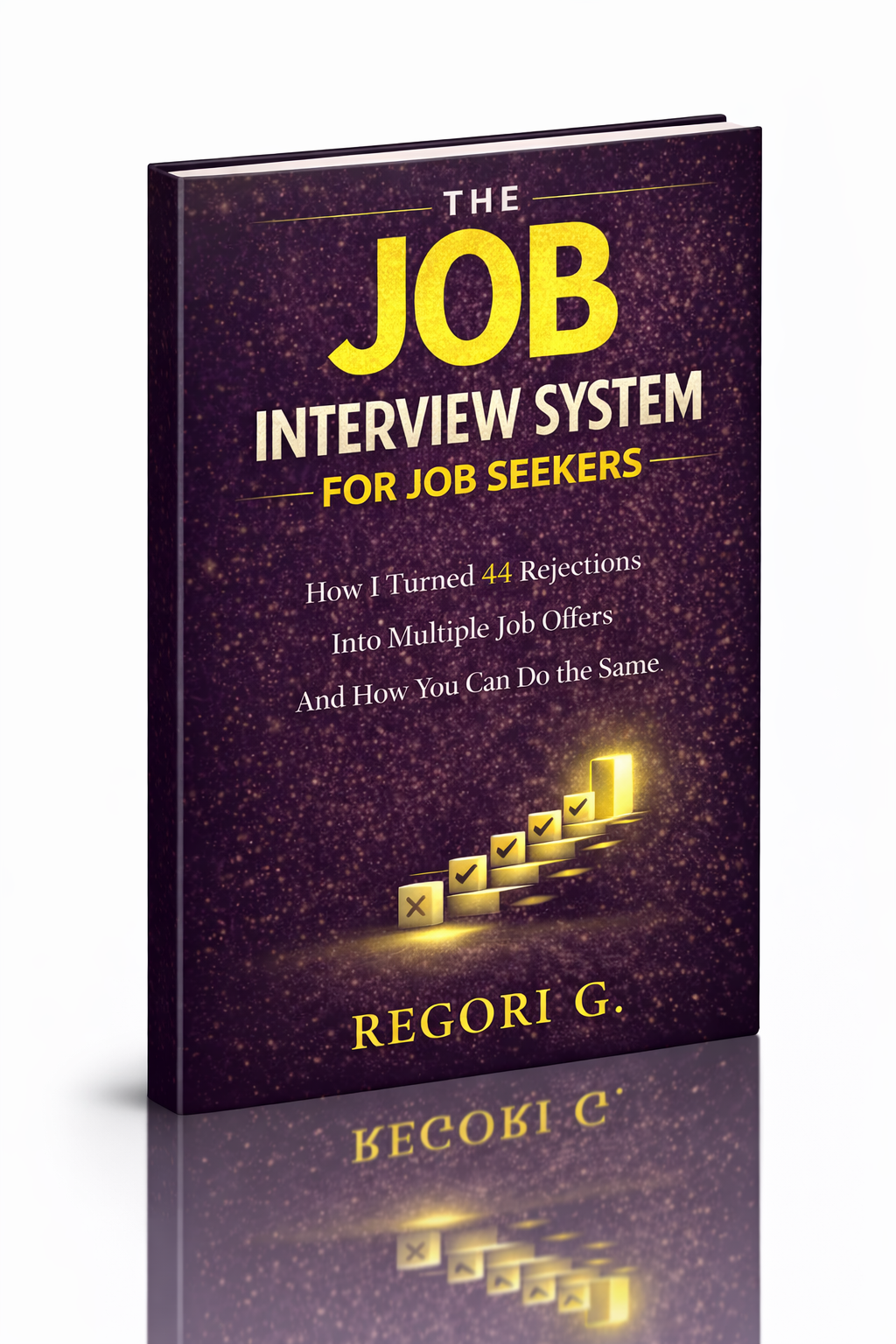
Guide 01
The Job Interview System
Step-by-step interview prep that turns nerves into confidence.
Get it →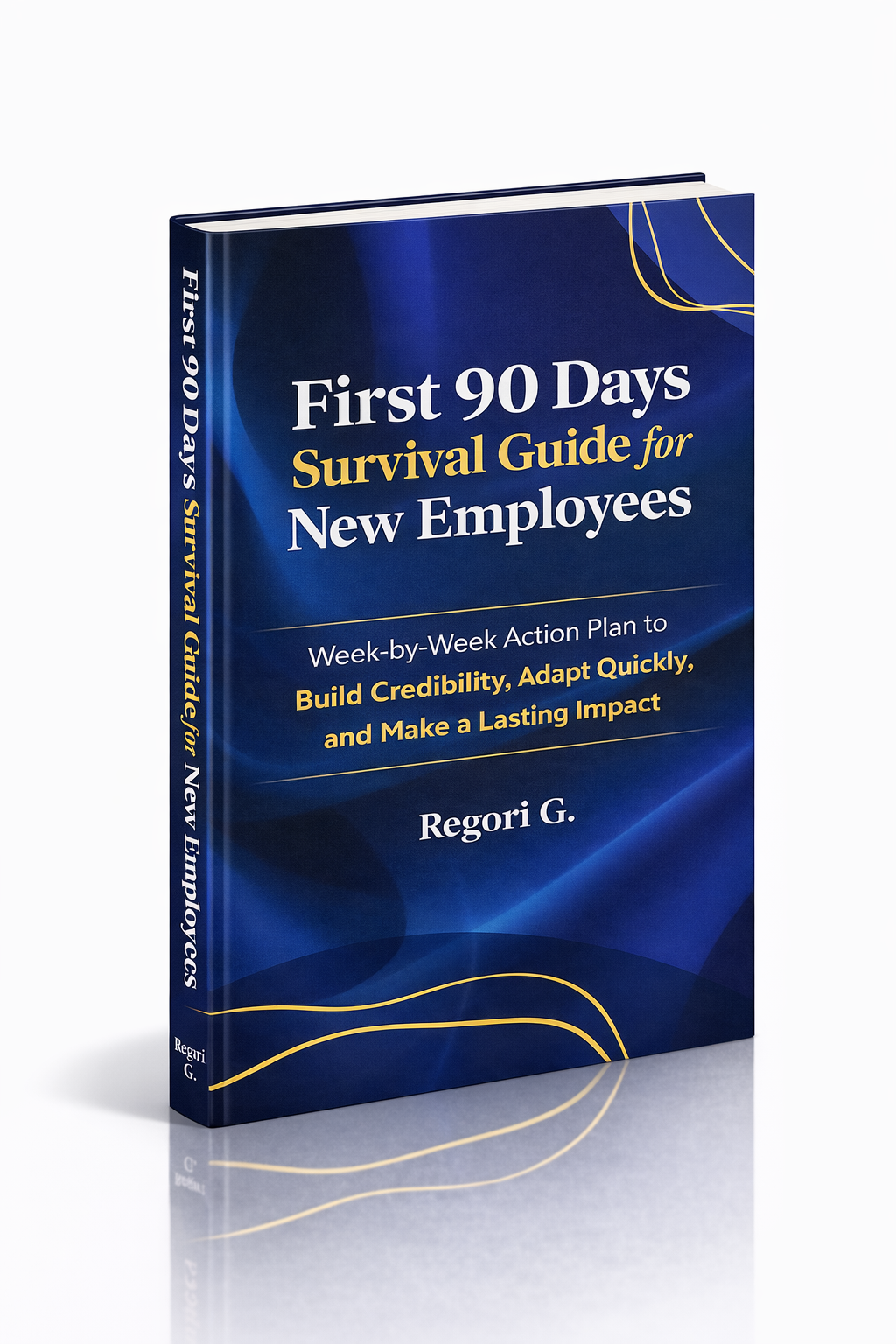
Guide 02
First 90 Days Survival Guide
Hit the ground running and make your mark from day one.
Get it →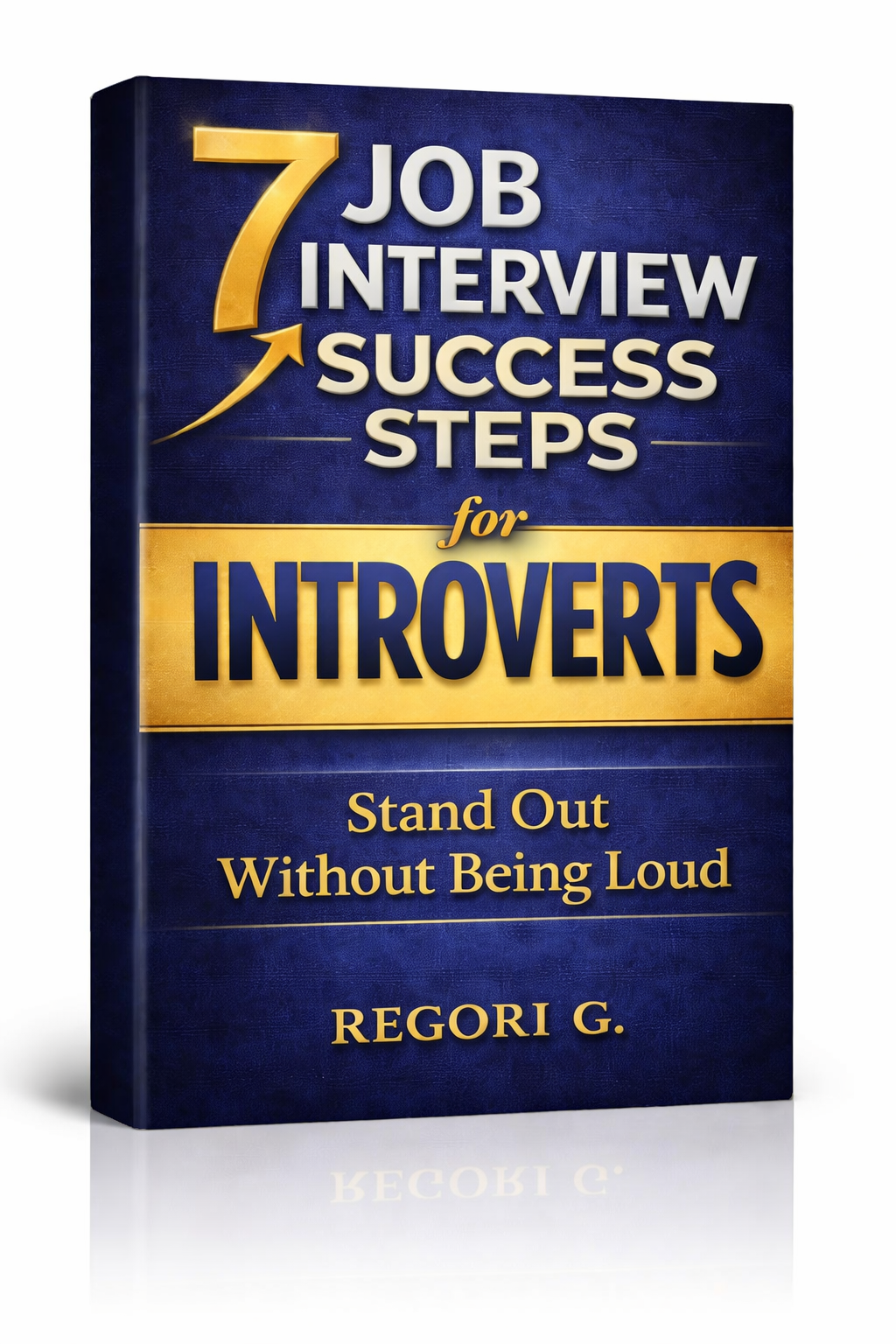
Guide 03
Interview Success for Introverts
7 proven steps to shine in interviews — even if you hate the spotlight.
Get it →