

The 5 Interview Mistakes That Cost You the Job
What's silently killing your chances — and what top candidates do instead. Delivered instantly to your inbox.
No spam. Unsubscribe anytime. Privacy Policy & Terms
- Why "I'm a hard worker" destroys your chances
- What interviewers decide in the first 90 seconds
- How to handle tough questions with confidence
- The salary mistake almost every candidate makes
How to Ask for a Pay Rise in Your First Professional Job
Starting your career can be an exciting yet daunting experience. It’s a time filled with growth and learning, and it can also lead to many questions, especially around salary and compensation. If you feel that you deserve a pay rise in your first professional job, it’s essential to know how to approach this sensitive topic effectively.
Understand Your Value
Before you even think about asking for a pay rise, it’s crucial to understand your own value within the organization. Consider the following:
- Your skills and qualifications.
- The contributions you have made to your team or organization.
- The industry standards for your role.
- Your performance metrics, if available.
Make a list of your achievements and any positive feedback you’ve received. This will give you the confidence to present your case effectively.
Timing is Key
Timing can make a significant difference when it comes to asking for a pay rise. Here are some ideal moments to consider:
- After completing a successful project.
- During performance reviews.
- At the end of your first few months when you’ve had time to showcase your capabilities.
- When the company is in a good financial position.
How to Prepare for the Conversation
Preparation is essential for any important conversation. Follow these steps to get ready:
- Research what others in your position are earning. Websites like Payscale or Glassdoor can be helpful.
- Draft a script highlighting your achievements and why you deserve a pay rise.
- Practice with a friend or mentor. It can give you the confidence you need for the real conversation.
Initiating the Conversation
When you feel prepared, it’s time to initiate the conversation. Consider these tips:
- Request a one-on-one meeting with your manager. This shows you’re serious about the discussion.
- Be direct but respectful. Try saying something like, “I’d like to discuss my current salary and the possibility of a pay rise based on my contributions.”
- Be open to feedback. Your manager may have insights or constraints that you are unaware of.
Using Data to Support Your Request
Presenting data can strengthen your case. Here’s how to use data effectively:
- Share specific examples of how you’ve contributed to successful projects.
- Use your research on industry salary standards to frame your request.
- Provide measurable outcomes, such as increased sales figures or successful project completions.
Be Prepared for Any Outcome
It’s essential to know that responses to pay rise requests can vary. Here’s how to handle different scenarios:
- Positive Response: If your request is accepted, express gratitude and continue to work hard.
- Request for Time: If your manager needs to consider it, ask when you might follow up.
- Negative Response: If you’re told no, ask for feedback on how you might earn a raise in the future.
Follow-Up After the Discussion
Regardless of the outcome, following up is crucial. Here’s how:
- Send a thank-you email expressing your appreciation for the discussion.
- If feedback was given, outline steps you will take to improve based on their suggestions.
Asking for a pay rise is a skill that can set the tone for your future career. By approaching it thoughtfully and respectfully, you’re not just advocating for yourself but also establishing a professional trajectory built on confidence and open communication. For more insights, consider visiting resources like Forbes or CNBC for tips on salary negotiations and career advancement.
Understanding Your Value: Researching Industry Salaries
Understanding your value in the job market is crucial for any new professional aiming to negotiate a salary. Researching industry salaries provides a solid foundation for this understanding. This research equips you with the knowledge and confidence you need to approach discussions about compensation intelligently and effectively.
First, you should identify the role you play in your industry. Each job title often has various characteristics similar to others, but slight differences can significantly impact salary ranges. Consider the following aspects while researching:
- Job Title: Job titles can impact salary expectations. Ensure you compare like-for-like roles within your industry.
- Location: Salaries can vary dramatically based on geography. Areas with a higher cost of living often provide higher salaries.
- Experience Level: Entry-level positions generally offer lower salaries than mid-career or senior roles.
- Industry Trends: Certain industries may offer competitive salaries based on demand and available skill sets.
Once you’ve pinpointed your role, it’s time to gather salary data. Several platforms can assist you in this process:
- Glassdoor: This platform allows employees to share salaries, giving you valuable insight into what others in similar positions are earning. Look at salary reports by job title and city for more accuracy.
- Payscale: Offers salary reports based on current market trends and allows you to input your job title and skills. This can help tailor salary expectations closely aligned to your profile.
- Salary.com: A resource for detailed searches based on job title, industry, and location. This site often includes additional data about bonus structures and other compensation types.
- Bureau of Labor Statistics: Although it focuses on U.S. data, it provides comprehensive insights regarding wage data across various industries and professions.
When compiling your research, make sure to gather data points from several sources. A well-rounded view of the industry’s salary landscape will better inform your discussions on pay. You may want to organize your findings into a simple table. Here’s an example:
| Job Title | Average Salary | High Salary Range | Low Salary Range |
|---|---|---|---|
| Junior Developer | $55,000 | $70,000 | $45,000 |
| Marketing Assistant | $45,000 | $60,000 | $35,000 |
| Graphic Designer | $50,000 | $65,000 | $40,000 |
As you collect this data, reflect on how your unique skills and experiences fit into these average salary ranges. Are you bringing specialized skills or certifications to the table? How does your educational background compare to the typical candidates in your field? This introspection helps build your case when negotiating for a pay rise.
Understanding market trends can also provide leverage. For example, if your industry is experiencing growth and companies are competing for talent, this might indicate it’s time to ask for a pay increase. Stay updated by reading industry blogs, reports, and forums where fellow professionals discuss current compensation trends.
Always consider the timing of your conversation about a pay rise. If you’ve just completed a significant project with measurable success or received positive performance evaluations, this could align perfectly with your research on industry salaries to request an increase.
Equipped with insights from your research, you’ll be in a better position to have an informed and effective discussion about your salary. Remember, understanding your value is not just about numbers; it encompasses awareness of your skills and personal contributions while navigating the salary landscape in your industry.
Timing Your Request: When to Approach Your Boss
Timing is everything, especially when it comes to asking for a pay rise in your first professional job. A well-timed request can significantly enhance your chances of getting the raise you deserve. It’s not just about when you ask, but also how to read the room and understand the dynamics of your workplace.
One of the best times to approach your boss is during performance reviews. Most companies schedule these at least once a year. Performance reviews are designed to assess your contributions and make decisions regarding your compensation. Prepare for these meetings by documenting your achievements and ensuring that your contributions align with company goals. Present specific data regarding your successes, such as completed projects, client feedback, or instances where you exceeded benchmarks.
Another opportunity is after you have successfully completed a significant project. When you put in extra effort to achieve greatness, this can serve as a strong basis for your pay rise request. Approach your boss shortly after the project’s completion, while your accomplishments are still fresh in their mind. For instance, if you helped your team land a major client or streamlined a critical process, highlight these achievements. Timing your request when your positive contributions are recent will strengthen your position.
Also, pay attention to the business cycle and your company’s financial health. Asking for a pay rise during a profitable quarter or after a successful product launch can be advantageous. If the company is experiencing financial strain or layoffs, it’s wise to hold off until conditions improve. Research your company’s revenue and earnings reports and observe if there’s a pattern to the financial cycles. This will help you choose an appropriate time for your request.
Here are some signs that can indicate it’s a good time to approach your boss:
- Positive Feedback: If you’ve received commendations from management or peers, this is a green flag to consider your request.
- Increased Responsibilities: If your workload has grown or you’ve taken on more responsibilities without an adjustment in your salary, it’s a strong indication to make your case.
- End of the Fiscal Year: Many companies establish budgets annually. If your company is planning its budget for the upcoming year, this is a prime time to discuss your pay.
- Successful Team Performance: If your team has recently achieved a milestone, leverage this as a context for your pay rise discussion.
Understand your boss’s schedule as well. If they are going through a particularly stressful or busy period, you might want to wait until they are in a more relaxed state of mind. Building a rapport with your boss can also help you gauge when they might be more receptive to your request. A good relationship often creates a favorable environment for open discussions about compensation.
Furthermore, consider workshop insights and online resources. Websites like The Muse and Forbes provide valuable tips and strategies on timing and presenting your case effectively.
When you decide on the right moment, prepare to deliver your request succinctly. Structure your conversation by starting with your positive contributions, stating the reason behind your request, and then transitioning to your desired salary adjustment. Being direct and respectful will lead to a more productive discussion.
Understanding when to ask for a pay rise is critical. Pay careful attention to the financial health of your company, the outcomes of your projects, and your own performance. You want your request to coincide with a time that feels right for both you and your boss. By following these guidelines, you can increase your chances of a favorable outcome, allowing you to proceed with confidence regarding your compensation goals.
For more guidance on navigating pay rise discussions, consider reading resources from Harvard Business Review and Glassdoor. With the right information and timing, you’ll be well-prepared to advocate for yourself effectively.
Preparing Your Case: Building a Compelling Argument
Asking for a pay rise, especially during your first professional job, can feel intimidating. To navigate this process successfully, you need a well-prepared case. Collecting and presenting data that supports your request is crucial. Here are some strategies to help you build a compelling argument when you decide to approach your manager about a pay increase.
Understand Your Value
Before making your case, reflect on what you bring to the table. Consider the following:
- Your skills: Identify the specific skills that set you apart from your peers.
- Your contributions: List the projects or tasks where you exceeded expectations.
- Your growth: Highlight instances where you’ve honed new skills or taken on additional responsibilities.
By articulating your value, you provide your employer with tangible reasons to consider your request. Remember, employers appreciate employees who understand their worth.
Research Industry Standards
Understanding the market rate for your role is essential. Investigate average salaries for your position using websites like Glassdoor or Payscale. Compare your current salary with industry standards. Keep these factors in mind when conducting your research:
- Geographical location: Salaries can vary widely depending on where you work.
- Experience level: Consider how your experience aligns with others in your field.
- Company size: Compensation can differ significantly between small startups and large corporations.
Gathering solid data on market standards allows you to present a convincing case for your pay rise.
Document Your Achievements
Compile a list of your accomplishments during your tenure. Be specific and focus on measurable results. For example:
- “Developed a new client onboarding process, reducing the time spent by 30%.”
- “Increased social media engagement by 50% through a targeted campaign.”
- “Streamlined workflow resulting in a 15% increase in team productivity.”
This type of documentation not only showcases your contributions but also serves as a conversation starter. You can present these achievements during your salary discussion to emphasize your worth.
Consider Timing Carefully
The timing of your request plays a critical role in its reception. Aim for a moment when your performance has been particularly strong or when the company is doing well financially. Avoid busy periods or times of organizational change. Instead, consider these optimal moments:
- After a successful project completion
- During your performance review
- When your team has celebrated a significant achievement
These moments can provide the leverage you need to make your argument more compelling.
Practice the Conversation
Preparation is vital when you finally sit down with your manager. Rehearse what you plan to say, focusing on your contributions, market research, and timing. Keep in mind the following tips:
- Maintain a confident yet approachable tone.
- Be ready to discuss your achievements and express your future goals.
- Be prepared for different responses, including objections.
Practicing will not only make you more comfortable but also help ensure that you communicate your points clearly and effectively.
Stay Open to Feedback
During your conversation, listen carefully to your manager’s feedback. If they need some time to consider your request or provide reasons for a potential denial, take note of their points actively. This open dialogue can lead to constructive conversations about your career development and future pay increases.
Follow Up
After your discussion, it’s important to follow up with a thank-you email expressing gratitude for their time and consideration. If your request was met with objections, inquire about what steps you can take to potentially achieve a raise in the future. By demonstrating initiative, you reinforce your commitment to your role and set the stage for future discussions.
Remember, successfully asking for a pay rise involves preparation, timing, and clear communication. With the right strategy, you can make a strong case for why you deserve an increase in your salary. Good luck!
Navigating Salary Negotiations with Confidence
When it comes to pursuing a new job or asking for a pay rise in your current position, negotiating your salary can seem daunting. However, walking into this process with confidence can make a significant difference in the outcome. Here are essential strategies to help you navigate salary negotiations effectively and assertively.
Research and Preparation
Before engaging in any negotiations, it’s crucial to do thorough research. Understanding your industry’s standards and salary ranges for your job position will empower you during the negotiation process.
- Industry Standards: Look up average salaries for your role in your specific location. Websites like Glassdoor offer valuable insights.
- Company Culture: Consider the company’s size, growth stage, and financial health. Startups might offer lower salaries compared to established firms but may provide more valuable equity or benefits.
- Skills and Experience: Highlight your unique qualifications and experiences, as they can justify your request for a higher salary.
Practice Your Pitch
Once you’ve gathered your data, practice your negotiation pitch. Make sure you can explain why you deserve the pay rise succinctly and with confidence. Here are some key elements to include:
- Your Achievements: List specific examples of your contributions to the company that demonstrate your value.
- Market Data: Reference your research on average salaries to support your request.
- Your Future Plans: Share your goals and how they align with the company’s success.
Choose the Right Timing
Timing can significantly impact the success of your salary negotiation. Here are a few optimal moments to consider:
- Performance Reviews: Many companies have annual reviews in which salaries are discussed.
- After Achievements: If you’ve recently completed a significant project or received positive feedback, now is a good time to initiate the conversation.
- Prior to Budgeting Cycles: Understand when your company sets its budgets, as this might influence the availability of funds for salary increases.
Communicate Effectively
Use clear and assertive communication when discussing your salary. Follow these guidelines to ensure your message is understood:
- Stay Professional: Approach the conversation with a positive attitude and maintain professionalism throughout.
- Be Direct: Clearly state your desired salary range and the reasons behind your request.
- Listen Actively: Pay attention to your employer’s responses and be prepared for questions. Engage in a constructive dialogue.
Here’s a sample salary negotiation script:
| Step | What to Say |
|---|---|
| Start With Gratitude | “I appreciate the opportunities I’ve been given here to grow and contribute.” |
| State Your Case | “Based on my research and my contributions, I believe a salary adjustment is warranted.” |
| Propose Your Salary | “I would like to discuss a salary in the range of [insert your desired range].” |
Be Ready for Various Outcomes
Your employer might not give you an immediate answer. Be prepared for different responses. Consider these options:
- Negotiation: If the initial offer doesn’t meet your expectations, be ready to negotiate further.
- Rejection: If your request is denied, politely ask for feedback and what steps you can take to be considered for a pay rise in the future.
- Non-Monetary Benefits: If a salary increase isn’t possible, inquire about other benefits such as additional vacation days, flexible hours, or professional development opportunities.
Ultimately, navigating salary negotiations with confidence involves careful preparation, clear communication, and being open to possibilities. Resources like The Balance Careers can provide further assistance in establishing your negotiation strategy. Remember that feeling confident about your worth can lead to a positive outcome and further growth in your professional career.
Handling Rejection: What to Do If You Don’t Get the Raise
Receiving a rejection for your pay raise request can be disappointing and, at times, discouraging. However, handling this situation with grace can not only benefit your professional reputation but also position you better for future negotiations. Here’s how to manage the aftermath of a rejection effectively.
The First Reaction: Stay Calm
The initial reaction to a rejection might be disappointment or frustration. It’s normal to feel this way, but taking a moment to breathe deeply and collect your thoughts is crucial. You want to avoid any emotional responses that might cloud your judgment or negatively affect your relationship with your employer. Consider the following:
- Take a break to cool off, if necessary.
- Revisit your request and the reasoning behind it. Was it reasonable?
- Reflect on the feedback you received regarding your request.
Understanding the Reasons Behind the Decision
Your manager may have shared the reasons for the denial during your conversation. If they were not clear, don’t hesitate to ask for specifics. Understanding the rationale behind the decision can provide you with valuable insights. It may be about budget constraints, company performance, or perhaps gaps in your skill set. Here’s how to approach it:
- Request a follow-up meeting or email to obtain clarity on the decision.
- Ask how your performance matches with the company’s expectations.
- Inquire about potential salary benchmarks within your role and industry.
Plan Your Next Moves
After gathering information regarding the rejection, take proactive steps to enhance your position. Here’s what you can do:
- Set Goals: Determine what achievements could influence your next request. Aim for measurable milestones to help you justify your salary expectations.
- Upskill: Consider acquiring new skills or certifications relevant to your job that could enhance your value to the company.
- Seek Feedback: Regularly ask for feedback from your supervisor to track your progress and address any areas for improvement.
Maintain a Positive Attitude
Just because your pay rise was denied doesn’t mean your work isn’t appreciated. Keeping a positive attitude will go a long way. Here’s how it can help:
- Demonstrating resilience can strengthen your relationship with your employer.
- A positive demeanor can inspire teammates and uplift the workplace environment.
- Employers appreciate employees who can handle setbacks with professionalism.
Exploration of Alternative Benefits
If a pay rise isn’t feasible now, you might want to explore alternative forms of compensation or benefits. Use this opportunity to discuss other aspects of your job that could improve your overall satisfaction:
- Flexible work hours or remote work options.
- More vacation days or a better work-life balance.
- Professional development opportunities or training.
Prepare for Future Negotiations
Your request may not have been successful this time, but the key is to prepare for future discussions. Keep a record of your achievements and the skills you have developed. When discussing your position down the line, you can provide clear evidence of your value. Here are some steps to take:
- Document your contributions and successes regularly.
- Seek mentorship from experienced colleagues who can provide guidance regarding salary negotiations.
- Stay informed about industry standards and salary trends by visiting resources like Payscale or Glassdoor.
Being turned down for a raise can feel daunting, but remember that it’s a chance to grow professionally. Approach the situation with an open mind and the right resources to prepare yourself for future success. By taking measured steps, you can position yourself favorably for a raise next time around.
Alternative Benefits: Exploring Non-Monetary Compensation Options
In today’s job market, many employees are looking beyond traditional salary packages to enhance their overall work experience. Non-monetary compensation options offer creative ways for employers to attract talent and retain dedicated workers. Understanding these alternative benefits can help you negotiate effectively and find satisfaction in your employment.
Flexibility and Work-Life Balance
One of the most sought-after non-monetary benefits is flexibility. Many companies now offer options such as:
- Remote Work: Allowing employees to work from home can boost productivity and employee satisfaction.
- Flexible Hours: Adjusting work hours can help employees balance personal commitments with job responsibilities.
- Compressed Workweeks: Working longer hours for fewer days can provide employees with extended weekends.
Professional Development Opportunities
Investing in employee growth can motivate staff and create a sense of loyalty toward the company. Options in this area include:
- Training Programs: Offering workshops and seminars to improve skill sets.
- Tuition Reimbursement: Supporting further education or certification can encourage employees to pursue new knowledge.
- Mentorship Programs: Pairing newer employees with experienced colleagues can foster professional growth.
Health and Wellness Initiatives
Maintaining employee well-being is as crucial as providing a financial paycheck. Companies can implement several wellness programs, such as:
- Gym Memberships: Covering the costs of gym memberships promotes a healthy lifestyle.
- Wellness Workshops: Hosting sessions on stress management, nutrition, or mental health can greatly improve morale.
- On-Site Health Services: Providing on-site health screenings or flu shots can enhance employee health.
Recognition Programs
Feeling recognized for hard work can significantly impact job satisfaction. Businesses can create recognition programs through:
- Employee of the Month: This acknowledgment can boost morale and encourage friendly competition.
- Peer-to-Peer Recognition: Empowering employees to recognize each other’s efforts can foster a collaborative environment.
- Celebratory Events: Hosting events to celebrate milestones or achievements reinforces teamwork.
Paid Time Off and Sabbaticals
Encouraging breaks can help employees recharge and remain productive. Some companies offer:
- Unlimited Vacation Days: Trusting employees to manage their time can motivate them to work effectively.
- Volunteer Days: Giving paid time off for community service can enhance employee satisfaction.
- Sabbaticals: Extended leave for personal projects can provide invaluable experiences for employees.
Corporate Culture and Environment
A positive work culture can be one of the strongest non-monetary benefits. Companies can nurture this by:
- Creating a Supportive Atmosphere: Fostering open communication helps employees feel valued.
- Promoting Diversity and Inclusion: A diverse workforce encourages innovation and broadens perspectives.
- Offering Team Building Events: Social activities can strengthen relationships among coworkers.
Choosing a job should involve more than just crunching numbers. When evaluating opportunities, consider these alternative benefits as valuable components of your total compensation package. Emphasizing non-monetary compensation during negotiations can lead to a happier work environment without solely relying on salary increases.
For more information on alternative benefits and workplace wellness, check out:
Forbes: Non-Monetary Benefits
SHRM: Non-Monetary Benefits
Business News Daily: Non-Monetary Benefits
Key Takeaway:
When considering how to ask for a pay rise in your first professional job, it’s essential to approach the task with careful planning and a solid understanding of your value within the industry. One of the first steps you should take is conducting thorough research on industry salaries. This means looking at salary benchmarks related to your role and comparing them to what you currently earn. Understand the factors that influence these figures, such as location, experience, and the demand for your skills.
Timing is everything. Identifying the right moment to approach your boss can greatly influence the outcome of your request. Consider company performance, annual review cycles, or the completion of significant projects as prime opportunities to make your case. You want your effort to seem timely and relevant.
Building a compelling argument is crucial. Gather evidence of your accomplishments, contributions to team goals, and how you have added value to the company. This helps quantify your request and shows your employer that you’re not just asking for more money without justification. Prepare talking points that outline why you deserve a raise, and practice them to ensure you communicate confidently during your discussion.
Salary negotiations can be intimidating, but confidence is key. Enter the conversation knowing your worth. Maintain a positive tone and be open to discussions, which can lead to better outcomes. Be prepared for potential rejection, as not every request may be granted. If your boss cannot meet your salary request, ask for feedback on how you can improve and consider scheduling a follow-up discussion in a few months. This demonstrates your commitment to growth within the company.
Be open to alternative forms of compensation if a pay rise is not feasible. Non-monetary benefits, like more paid time off, flexible hours, or professional development opportunities, can also enhance your overall job satisfaction and career growth.
Asking for a pay rise in your first professional role involves self-assessment, strategic timing, preparation, and confidence. It is a learning process that not only enhances your negotiation skills but also allows you to cultivate a healthy dialogue about your worth and future within the organization.
Conclusion
Successfully asking for a pay rise in your first professional job is a significant step in your career journey. Understanding your value is crucial, as it arms you with the necessary insights into industry salary benchmarks. Don’t hesitate to conduct thorough research; knowing what others in similar roles earn can empower your negotiation.
Timing is equally important. Approach your boss after achieving substantial milestones or during performance review periods, when your contribution is fresh in their mind. Prepare a compelling case highlighting your accomplishments and the impact you’ve made on the team. This preparation not only strengthens your argument but also boosts your confidence during the discussion.
Expect to navigate the negotiation process delicately. Present your case assertively but remain open to dialogue. If the response is not favorable, handle rejection gracefully. Take it as a learning opportunity and ask for feedback to understand areas for improvement. This approach demonstrates resilience and professionalism, which can be beneficial for future opportunities.
If a monetary raise isn’t possible, explore alternative benefits such as additional vacation days, remote work options, or professional development opportunities. Remember, your worth goes beyond just salary; the total compensation package can enhance your job satisfaction. By integrating these strategies, you can confidently advocate for yourself and lay the groundwork for a rewarding career. Each step taken is not just about the pay rise, but also about personal growth and establishing your professional identity.
visit The Job Interview System for Job Seekers on Gumroad. A practical guide built for people who are serious about landing the job they want. For more interview guides, career tips, and job search resources, visit the Love PDF Guides home page.
Your Next Chapter
Starts with the Right Guide
Three straight-talking PDF guides to help you win interviews, beat the first 90 days and thrive as an introvert. Instant download on Gumroad.

Guide 01
The Job Interview System
Step-by-step interview prep that turns nerves into confidence.
Get it →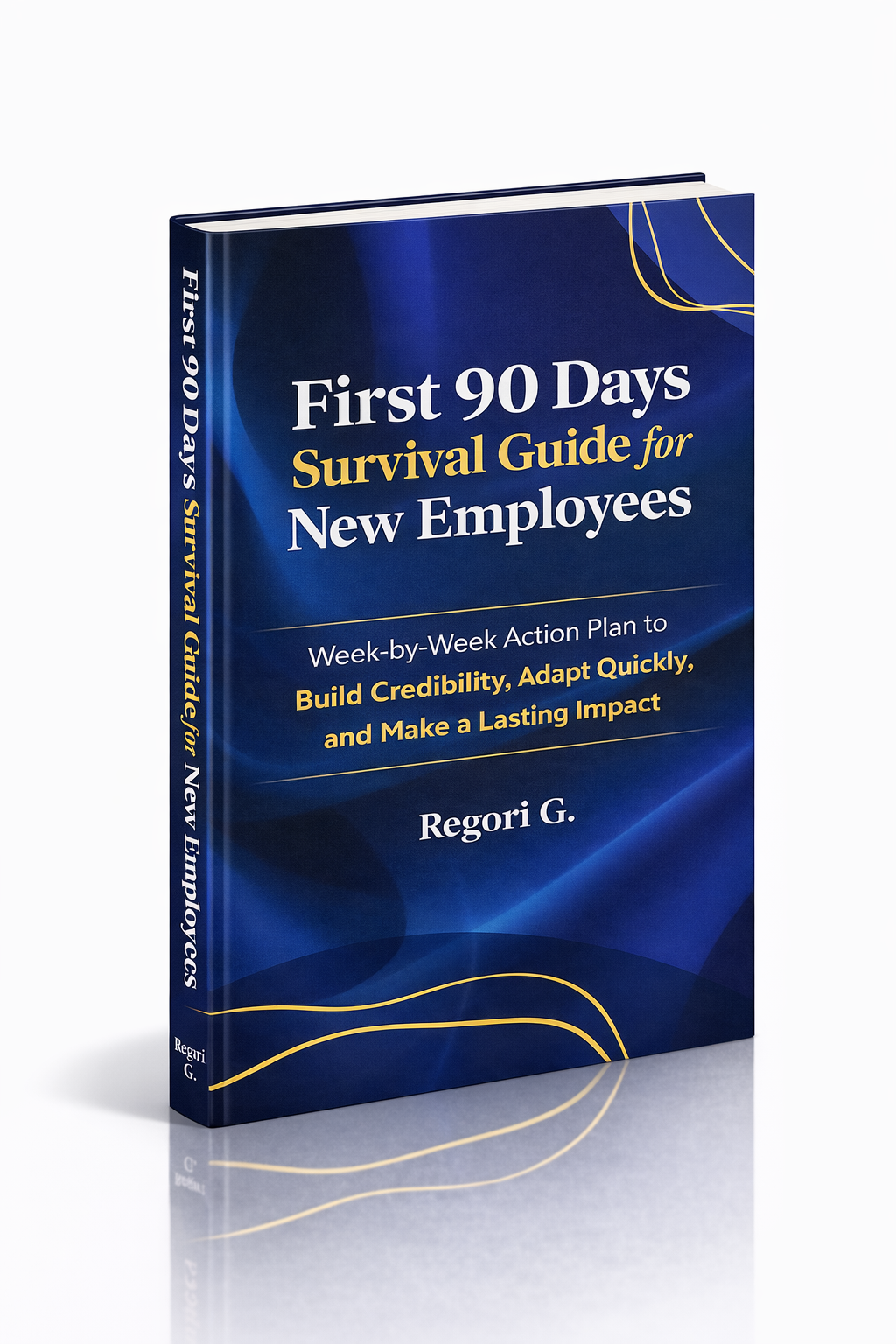
Guide 02
First 90 Days Survival Guide
Hit the ground running and make your mark from day one.
Get it →
Guide 03
Interview Success for Introverts
7 proven steps to shine in interviews — even if you hate the spotlight.
Get it →