

The 5 Interview Mistakes That Cost You the Job
What's silently killing your chances — and what top candidates do instead. Delivered instantly to your inbox.
No spam. Unsubscribe anytime. Privacy Policy & Terms
- Why "I'm a hard worker" destroys your chances
- What interviewers decide in the first 90 seconds
- How to handle tough questions with confidence
- The salary mistake almost every candidate makes
How to Handle Being the Only Graduate in Your Team
Being the only graduate in your team can feel overwhelming. It often comes with pressure and expectations, but it also provides unique opportunities for personal and professional growth. Understanding how to navigate this situation is essential for your success and well-being.
Embrace Your Unique Position
The first step is to recognize the advantages of being the only graduate in your team. You possess a different perspective that can add enormous value to your work environment. Your education has equipped you with knowledge and skills that can enhance projects and discussions.
- Fresh Perspectives: You bring innovative ideas that may not have been considered.
- Communication Skills: Your academic experience likely honed your ability to articulate thoughts clearly.
- Confidence: You have the qualifications that many in the industry respect.
Build Relationships with Your Team
Creating strong relationships within your team is crucial for fostering a collaborative environment. Here are some strategies to help you connect with your colleagues:
- Be Approachable: Demonstrate openness by maintaining a friendly demeanor and being available to help others.
- Engage in Team Activities: Participate in team-building exercises, whether it’s a coffee break or a team outing. These informal settings can help break down barriers.
- Active Listening: Make an effort to listen to your teammates’ insights. This shows you value their contributions and helps build rapport.
Leverage Your Education
Put your education to good use. It’s important to share your knowledge without coming across as condescending. Here are a few tips:
- Offer to Share Insights: If there’s a relevant topic from your studies that could benefit the team, suggest a mini-presentation.
- Suggest Innovative Solutions: Use your research skills to propose creative ideas for workplace challenges.
- Seek Feedback: Encourage your colleagues to share their thoughts on your inputs, which could lead to collaborative improvements.
Cultivate a Growth Mindset
Maintaining a growth mindset allows you to thrive even when feeling out of place. Embrace challenges as opportunities to learn and grow. Here’s how to develop this mindset:
- Set Personal Goals: Identify where you want to improve professionally and create a plan to achieve these goals.
- Learn Continuously: Take advantage of professional development opportunities, whether through online courses Coursera or local workshops.
- Accept Constructive Criticism: Be open to feedback from your team and use it as a tool for improvement.
Find Support and Mentorship
Having support can alleviate feelings of being isolated in your team. Consider these approaches:
- Seek Mentors: Look for experienced colleagues who can guide you through your career.
- Join Professional Networks: Connecting with other graduates in your field can provide reassurance and a shared understanding of your experiences.
- Utilize Online Communities: Websites like LinkedIn facilitate connecting with professionals for support and advice.
Communicate Openly
Clear communication is vital. Be honest about your experiences and challenges. Ensure you consistently express your thoughts and ideas effectively:
- Regular Check-ins: Set up periodic one-on-one discussions with your manager to discuss your progress and any concerns.
- Share Your Stories: Relate your academic experiences to work tasks. This not only highlights your learning but can inspire others.
Navigating the challenges and advantages of being the only graduate on your team requires effort, adaptability, and strong interpersonal skills. By embracing your unique position while fostering connections and continuously developing your abilities, you will turn this opportunity into an enriching career experience.
For additional insights, consider visiting Forbes or Harvard Business Review for guidance on effective leadership and communication in the workplace.
Overcoming Imposter Syndrome in the Workplace
Experiencing doubts about your abilities at work is more common than you think. Many professionals struggle with feelings of inadequacy even when they have the qualifications and experience to be successful. This phenomenon is known as imposter syndrome, and it can affect anyone, regardless of their position or level of education. Understanding how to navigate these feelings effectively can lead to a more confident workplace experience.
Recognize Imposter Syndrome
The first step in overcoming imposter syndrome is recognizing its signs. These may include:
- Feeling like a fraud despite your accomplishments.
- Attributing your success to luck rather than your skills.
- Fear of being exposed as unqualified.
- Downplaying your achievements, believing they aren’t as valid as those of others.
By acknowledging these feelings, you can start addressing them and moving past the mental hurdles they create.
Shift Your Mindset
One effective way to combat imposter syndrome is to shift your mindset. Here are a few strategies to consider:
- Focus on Learning: Instead of pursuing perfection, embrace the learning process. Understand that everyone makes mistakes and that they are often the best teachers.
- Celebrate Your Wins: Keep a list of your accomplishments and refer to it whenever you feel inadequate. Reminding yourself of your successes can help build your confidence.
- Seek Feedback: Obtaining constructive feedback can highlight your strengths and provide perspective on areas for improvement.
Develop a Support Network
Sharing your experiences with others can be incredibly beneficial. Consider building a support network that includes:
- Mentors who can provide guidance and share their own struggles.
- Colleagues who can offer reassurances and perspective.
- Professional groups or forums where ideas and experiences are discussed freely.
A reliable support network can help you feel less isolated and remind you that others also face similar challenges.
Practice Self-Compassion
Being kind to yourself is essential. Self-compassion involves treating yourself with the same understanding and kindness that you would offer a friend. Here are some ways to cultivate self-compassion:
- Mindfully Acknowledge Your Feelings: Don’t ignore your feelings of self-doubt. Instead, recognize and accept them.
- Negative Self-Talk Cleanup: Challenge unkind thoughts when they arise. Replace them with affirming statements.
- Engage in Self-Care: Take time to relax and replenish your energy. Practicing yoga, meditation, or even going for a walk can articulate self-respect.
Set Realistic Goals
While striving for excellence is commendable, setting unrealistic goals can amplify feelings of inadequacy. Instead, consider the following:
- Break down larger tasks into smaller, manageable objectives.
- Set achievable deadlines to avoid unnecessary pressure.
- Celebrate small victories along the way to fuel your motivation.
Continuous Learning and Growth
At times, imposter syndrome arises when you feel stagnant in your career. Taking the initiative to pursue professional development can help alleviate these feelings. Consider the following options:
- Enroll in workshops or online courses related to your field.
- Attend industry conferences to network and learn about new trends.
- Seek out job-shadowing opportunities within your organization.
Learning continuously not only enhances your skill set but reinforces your competence and alleviates feelings of being an imposter.
Seek Professional Help If Needed
If feelings of inadequacy persist, consider talking to a mental health professional who can provide personalized strategies to cope with imposter syndrome. Finding support is a crucial step in fostering a healthier workplace mindset and ensuring career success.
Resources for further reading on this topic:
Psychology Today – Imposter Syndrome
Forbes – Imposter Syndrome in the Workplace
Harvard Business Review – What to Do About Imposter Syndrome
Building Strong Relationships with Non-Graduate Colleagues
In the workplace, it’s not uncommon to find yourself as the only graduate among your colleagues. This situation can sometimes feel isolating, but it can also provide a unique opportunity to build strong relationships. Fostering connections with non-graduate colleagues requires a thoughtful approach, where mutual respect and collaboration play key roles. By developing effective communication strategies and engaging in team activities, you can create a harmonious work environment.
One way to start building rapport is to understand the different backgrounds and expertise that your colleagues bring to the table. Each team member contributes unique skills, and appreciating these can lead to better collaboration. Here are a few strategies to help you connect with non-graduate colleagues:
Open Communication
Encouraging open dialogue can break down barriers. Here’s how:
- Listen Actively: Pay close attention to what your colleagues say. This can help you grasp their viewpoints and demonstrate that you value their input.
- Share Knowledge: Offer to share your academic knowledge without sounding condescending. This fosters a culture of learning.
- Ask Questions: Don’t hesitate to ask for their opinions and insights, especially on topics where they have more experience.
Engaging in Team Building Activities
Participating in team-building activities can strengthen your bonds with non-graduate colleagues. These activities provide a platform to interact in a relaxed setting:
- Workshops: Attend workshops together to learn new skills. This encourages collaboration and teamwork.
- Social Events: Join social gatherings or team lunches. Casual interactions can lead to stronger friendships.
- Volunteer Together: Engage in community service as a unit. It’s a great way to work alongside your colleagues while also giving back.
Appreciating Diverse Perspectives
Valuing different viewpoints is essential in a diverse workplace. By recognizing the strengths of non-graduate colleagues, you create a more inclusive environment:
- Value Experience Over Credentials: Real-world experience can sometimes outweigh formal education. Acknowledge this contribution.
- Encourage Inclusivity: Make efforts to include all voices during discussions and meetings. Every perspective matters.
Mentorship and Support
Being a graduate, you may have access to various resources that your colleagues do not. Sharing your knowledge can be empowering:
- Offer Guidance: If someone seeks advice on a task, provide support and resources. This will help you gain their trust.
- Peer Learning: Establish a peer-learning environment where everyone shares their unique knowledge, encouraging a culture of exchange.
Fostering an Inclusive Environment
Creating an inclusive workspace leads to innovation and productivity. Here are actions to focus on:
- Encourage Open-Mindedness: Create an environment that embraces new ideas and perspectives.
- Celebrate Achievements: Recognize and celebrate the contributions of all team members, not just the academic accolades.
Remember that relationships take time to build. Consistency is key in demonstrating that you genuinely care about your colleagues and their contributions. Building strong, respectful ties will not only improve team dynamics but also enhance your work life.
For more resources on building connections in the workplace, check out HR Dive and Forbes.
| Strategy | Purpose | Expected Outcome |
|---|---|---|
| Open Communication | To foster dialogue and exchanges of ideas | Stronger alliances and mutual trust |
| Team Building | To engage in activities that promote bonding | Enhanced teamwork and camaraderie |
| Appreciation of Diverse Perspectives | To value contributions from all backgrounds | An inclusive and innovative workplace |
| Mentorship | To share knowledge and empower colleagues | Development of skills and confidence in the team |
Engaging with your colleagues is a two-way street and benefits both you and your non-graduate counterparts. By fostering a culture of respect, collaboration, and understanding, you’ll find yourself not only building relationships but also enhancing the overall workplace culture.
Leveraging Your Education to Enhance Team Performance
In a collaborative work environment, your educational background can play a significant role in enhancing team performance. Whether you’re the only graduate in your team or part of a larger pool of educated staff, leveraging that knowledge effectively can elevate the team’s success. Here are some strategies to effectively use your education to make a positive impact on your team.
Understand Your Unique Value
Your education provides you with skills and knowledge that can benefit your team. Different educational backgrounds bring various perspectives and ideas. To leverage your education:
- Identify the specific skills you have gained through your education.
- Reflect on how those skills can solve current team challenges.
- Communicate your insights confidently during team discussions.
Share Your Knowledge and Skills
One of the best ways to use your education is by sharing your knowledge with your team members. Consider these methods:
- **Workshops and Training:** Offer informal training sessions where you can teach your team specific skills you excel in, such as data analysis, project management, or coding.
- **Mentorship:** Provide support to colleagues who may benefit from your knowledge. This fosters a collaborative spirit and enhances overall productivity.
- **Resource Sharing:** Share articles, books, or online courses that align with your team’s goals and development needs.
Encourage a Culture of Learning
Promote an environment where continuous learning is valued. Here are some ideas to implement:
- **Create Book Clubs:** Initiate discussions around books or articles related to your field to inspire team members.
- **Set Learning Goals:** Encourage team members to set and share learning goals, creating accountability and motivation.
- **Celebrate Progress:** Recognize and celebrate achievements and strides in learning, no matter how small.
Utilize Problem-Solving Techniques
Education equips you with problem-solving skills that can be invaluable to your team. Apply the following techniques to nurture innovation:
- **Analytical Thinking:** Break down complex issues into manageable parts and approach them systematically.
- **Creative Approaches:** Use case studies and real-world applications learned during your studies to incite creativity and innovative solutions.
- **Collaboration:** Foster a collaborative approach by encouraging team discussions to explore various problem-solving options.
Adapt and Be Flexible
While structured learning is crucial, adapting your knowledge to fit your team’s needs is equally important. Be willing to:
- **Listen Openly:** Value feedback from colleagues and adapt your methods accordingly.
- **Be Innovative:** Utilize knowledge from different disciplines to come up with creative solutions that can solve team challenges.
- **Stay Current:** Keeping up with industry trends ensures that your knowledge remains relevant and useful to your team’s goals.
Network and Collaborate Externally
Engaging with professionals outside your workplace can enrich your educational experience and provide new insights for your team. Consider these actions:
- **Join Professional Associations:** Becoming a part of educational or professional organizations can help you stay informed and connected.
- **Attend Seminars and Conferences:** Participating in events where you can learn new skills and network will enhance both your personal growth and team capabilities.
- **Collaborate with Other Teams:** Share experiences and insights with other teams within your organization or in related fields.
As you utilize your educational background to build a more successful team, remember that effective communication and collaboration are key. Keeping the lines open for feedback and ensuring everyone feels valued will strengthen your team’s performance.
Additionally, explore resources such as Harvard Business Review for comprehensive articles on teamwork and performance strategies, and Forbes for insights into leveraging diverse skill sets in organizations.
Navigating the Challenges of Diverse Educational Backgrounds
Navigating a work environment filled with diverse educational backgrounds can present a unique set of challenges. It opens up opportunities for enriching discussions, fresh perspectives, and innovative solutions when appropriately managed. Yet, it can also lead to misunderstandings, communication barriers, and feelings of isolation among team members. Here’s how to effectively navigate these challenges to foster a collaborative and productive work atmosphere.
First, it’s essential to acknowledge that each team member brings a distinct skill set and viewpoint to the table. Educators, business professionals, and those with technical training often think and operate differently based on their experiences. To harness this diversity effectively, you must:
- Understand the Unique Contributions: Recognize what each background brings to the team. Educators might excel in teaching others, while team members with technical training could provide clear processes for solving problems.
- Embrace Open Communication: Create an environment where team members feel safe to voice their opinions and ideas. Regular meetings can serve as platforms to facilitate discussions and ensure everyone feels heard.
- Leverage Strengths: Identify the strengths of your team members and delegate tasks accordingly. This ensures everyone plays to their abilities, fostering both individual growth and team success.
- Provide Training Opportunities: Offering training sessions can help bridge knowledge gaps and provide team members with the skills needed to collaborate more effectively.
Effective collaboration also requires sensitivity towards different communication styles. For example, someone with a more formal educational background might communicate differently than someone who entered the field straight from vocational training. To enhance understanding, consider the following strategies:
- Implement Pair Work: Pairing individuals from different educational backgrounds for projects can promote learning and understanding between team members.
- Establish Common Language: Agree on the terms and phrases helpful to everyone involved. Establishing a lexicon reduces confusion and strengthens team dynamics.
- Encourage Active Listening: Train team members to practice active listening, ensuring that everyone’s ideas are acknowledged and understood.
When conflicts arise from misunderstandings stemming from diverse backgrounds, it’s vital to address them promptly. Here are some ways to resolve such issues:
- Create a Feedback Loop: Establish systems for giving and receiving feedback. It helps in voicing concerns and finding common ground for resolution.
- Mediate when Necessary: If conflicts escalate, involve a neutral mentor or supervisor to facilitate discussions. Sometimes, an outsider’s perspective can lead to breakthroughs.
- Focus on Shared Goals: Remind the team of their common objectives. Reinforcing a unified direction can help transcend differences and encourage collaboration.
The psychological safety of team members plays a significant role in how effectively they navigate their diverse work environment. To ensure everyone feels included, you can:
- Foster Inclusivity: Develop initiatives that promote inclusivity, such as team-building activities or diversity awareness workshops. For example, organizations like Diversity & Inclusion offer resources to help teams understand and appreciate their differences.
- Celebrate Individuality: Recognize and celebrate each team member’s unique background and contributions. Acknowledgment fosters respect and reinforces team cohesion.
- Encourage Growth Mindset: Promote a culture where team members are motivated to learn from one another and view challenges as opportunities for development.
In addition to these strategies, it’s important to focus on overall team dynamics. Assessing how well your team utilizes its diverse backgrounds can guide improvements. Utilize the following chart to reflect on your team’s current state:
| Criteria | Score (1-5) | Comments |
|---|---|---|
| Communication Effectiveness | ||
| Collaboration among Different Backgrounds | ||
| Conflict Resolution | ||
| Inclusivity of Team Members |
By regularly assessing your team dynamics through informal surveys or check-ins, you can determine areas for improvement. Educating your team about the benefits of their diverse educational backgrounds is key to creating a harmonious environment. Continual learning and adaptability will ultimately lead to enhanced collaboration and success.
Embracing diverse educational experiences enriches your team. For more insights on diversity in the workplace, visit Forbes Workplace Diversity.
Finding ways to connect, understand, and appreciate varied backgrounds will not only bolster individual skills but will enhance your team’s overall capability and drive. Such inclusivity creates a forward-thinking atmosphere, as each member learns to value the multitude of skills brought by their colleagues.
Tips for Communicating Effectively with Your Team
Effective communication within a team is vital for any successful organization. When you’re able to communicate clearly, you build trust, foster collaboration, and minimize misunderstandings. Here are some tips that you can use to enhance communication with your team members.
Be Clear and Concise
When sharing information, it’s important to be clear and concise. Avoid using jargon or technical terms that might confuse your team members. Instead, aim for simplicity. Here are some ways to ensure clarity:
- Use straightforward language and explain terms when necessary.
- Keep your messages brief. Long emails or messages can overwhelm the reader.
- Focus on the key points to avoid clutter.
Encourage Open Dialogue
Creating an environment where team members feel comfortable sharing their thoughts is essential. Encourage open dialogue by:
- Asking for feedback regularly.
- Hosting brainstorming sessions to gather diverse perspectives.
- Validating everyone’s opinions, and showing your appreciation for their input.
Utilize Digital Tools
In today’s digital world, there are numerous tools that can enhance communication. Take advantage of technology to streamline your interactions. Some useful tools include:
| Tool | Description | Best For |
|---|---|---|
| Slack | A messaging app that allows team chats and file sharing. | Quick conversations and updates. |
| Trello | A project management tool that helps teams collaborate on tasks. | Visual planning and task assignments. |
| Google Meet | A video conferencing tool for remote meetings. | Face-to-face interaction when in-person is not possible. |
Make sure your team is familiar with the tools you choose to use. Provide any necessary training to make the transition smooth.
Practice Active Listening
Listening is just as important as speaking in any effective communication strategy. To practice active listening:
- Maintain eye contact during conversations.
- Avoid interrupting when someone else is speaking.
- Summarize what you have heard to show understanding.
By showing that you value others’ input, you encourage a more collaborative team atmosphere.
Set Expectations
Clearly define your expectations when assigning tasks or projects. This clarity helps prevent confusion and keeps everyone on the same page. Consider the following:
- Provide a detailed description of tasks.
- Set deadlines and objectives.
- Clarify the roles each team member will play.
Foster a Positive Culture
Encouraging a positive workplace culture enhances communication among team members. Here are steps to create a positive atmosphere:
- Celebrate team successes, no matter how small.
- Provide regular recognition of individual achievements.
- Encourage team-building activities.
By cultivating positivity, you will likely find your team is more willing to communicate openly and work collaboratively.
Provide Constructive Feedback
Feedback is a crucial part of communication, but it must be constructive. Here’s how to provide good feedback:
- Strive to be specific instead of general.
- Focus on behaviors, not personal attributes.
- Encourage a two-way conversation, asking for their perspective as well.
By doing this, you foster continuous improvement while maintaining team morale.
For more insights on team communication and getting the most out of your discussions, consider checking out resources from Mind Tools or Forbes.
Effective communication within your team involves clarity, openness, and the use of digital tools. By actively listening and providing constructive feedback, you can create an environment that promotes collaboration and success. The effort you put into improving communication will yield significant returns in productivity and team morale.
Embracing Continuous Learning Beyond Formal Education
In today’s fast-paced world, the need for continuous learning has never been more crucial. While formal education is an important stepping stone, it often lays only the foundation for the ongoing journey of knowledge and skill development. Embracing continuous learning beyond formal education can significantly enrich your personal and professional life.
One major advantage of committing to lifelong learning is staying relevant in your field. Industries evolve rapidly due to advancements in technology, changing market demands, and new methodologies. If you’re not actively learning, you risk being left behind. An individual who continuously improves and updates their skill set is often more valuable to their team or organization.
Moreover, the realm of learning extends beyond textbooks and classrooms. Here are some effective strategies for you to consider:
- Online Courses: Platforms like Coursera or Udemy provide a range of courses that can help you acquire new skills at your own pace.
- Networking Events: Attending workshops, webinars, and industry conferences allows you to meet professionals in your field and learn from their experiences.
- Podcasts and Audiobooks: These can be an excellent way to learn on-the-go. Listening to experts discuss relevant topics can inspire and educate you without demanding too much time. Check out Audible for a rich selection of audiobooks.
You can also leverage various online communities to enhance your learning experience. Engaging in discussions with peers can provide new perspectives and insights. Websites such as LinkedIn offer networking opportunities and groups focused on specific areas of interest or expertise.
Remember, the best kind of learning is the one that resonates with you personally. Here are a few tips to help devise your continuous learning plan:
- Assess Your Current Skills: Identify the skills that are crucial in your field. What skills do you excel at? Which areas need improvement? A self-assessment can guide your learning path.
- Set Achievable Goals: Whether it’s completing a course, reading a certain number of books, or mastering a specific skill, goal-setting can help keep you motivated.
- Regularly Update Your Learning Techniques: As you grow, your learning style may change. Be flexible and adapt to other methods that may suit your evolving needs.
Don’t overlook the importance of real-world experience. Trial and error can also be powerful learning tools. Engaging in projects, volunteering, or taking part in internships can give you a hands-on approach to your field while reinforcing your knowledge base.
Email newsletters can also be a tool for acquiring knowledge. Subscribing to industry-related publications can keep you informed of the latest trends and insights. Websites like Harvard Business Review offer valuable articles that stimulate your thinking and broaden your understanding of current issues.
Ultimately, embracing continuous learning can significantly boost your confidence and career satisfaction. It fosters adaptability and prepares you for unexpected changes in the industry landscape. With a commitment to learning, you not only enhance your capabilities but also position yourself as an invaluable asset to your organization.
In closing, the journey of lifelong learning might take time, but the rewards are plentiful. By actively seeking knowledge, skills, and experiences, you not only prepare yourself for current challenges but also pave the way for future opportunities. Engage with resources, join communities, and always seek ways to improve. Your commitment to learning will set you apart in a competitive environment.
Key Takeaway:
Navigating the workplace as the only graduate on your team presents a unique set of challenges, but it also offers distinct opportunities for personal and professional growth. The key takeaway from exploring how to handle this situation is the importance of leveraging your educational background while fostering collaboration and positivity within your team.
First, overcoming imposter syndrome is crucial. Many graduates may feel they don’t belong among colleagues with different educational qualifications. Recognize that your degree represents just one aspect of your expertise. Embrace your unique perspective and contributions. Focus on the skills and knowledge you bring to the table, recognizing that everyone has their strengths, regardless of their academic pedigree.
Building strong relationships with colleagues who may not share your educational background is essential. Engage in active listening, show genuine interest in their experiences, and find common ground. This not only helps in building rapport but also enriches your work environment. Understanding that diverse educational experiences can lead to innovative solutions can transform your team’s dynamics positively.
Additionally, leveraging your education to enhance team performance is key. Share insights from your academic experience and apply relevant strategies to real-world scenarios. Take the initiative to lead discussions or workshops that encourage knowledge sharing, thus elevating the overall competence of your team.
Communication is vital in a diverse workplace. Communicate openly about your perspectives, seek feedback, and remain receptive. Encouraging an inclusive dialogue can create an atmosphere of mutual respect and learning, essential for a cohesive team dynamic.
Embracing continuous learning beyond formal education is a valuable mindset. Pursue further training, certifications, or personal development courses. This demonstrates your commitment to growth and can inspire your colleagues to pursue their learning journeys as well.
By combining these elements—overcoming self-doubt, building strong relationships, leveraging your education, communicating effectively, and committing to lifelong learning—you can not only succeed but also thrive as the only graduate in your team, turning perceived challenges into opportunities for cooperation and collaboration.
Conclusion
Being the only graduate in your team can initially feel daunting, but it opens doors to unique opportunities for growth and contribution. By actively working to overcome imposter syndrome, you build confidence and reaffirm your value within the group. Developing strong relationships with colleagues who may not share your educational background fosters collaboration, demonstrating that success stems from diverse experiences and perspectives.
Leveraging your education strategically can enhance the team’s overall performance. Share insights, tools, and methodologies you’ve learned, showing how they can be applied in practical settings. Embrace the challenges that come with varying educational backgrounds, and seek common ground that honors everyone’s skills and experiences.
Effective communication is key in bridging any gaps. Foster open dialogues, actively listen, and be considerate of your teammates’ viewpoints. This approach makes it easier to tackle challenges together and strengthens trust within the group. As you navigate workplace dynamics, remember that learning doesn’t stop at graduation. Embrace continuous learning through workshops, mentorship, and self-study to keep your skills fresh and applicable.
Ultimately, your unique position as the only graduate can be a catalyst for innovation and teamwork. Approach every interaction with positivity, uphold a growth mindset, and you’ll find that your contributions are not only valued but also essential to the team’s success. The true strength lies in how you harmonize your knowledge with the strengths of your teammates, paving the way for a thriving, collaborative environment.
visit The Job Interview System for Job Seekers on Gumroad. A practical guide built for people who are serious about landing the job they want. For more interview guides, career tips, and job search resources, visit the Love PDF Guides home page.
Your Next Chapter
Starts with the Right Guide
Three straight-talking PDF guides to help you win interviews, beat the first 90 days and thrive as an introvert. Instant download on Gumroad.

Guide 01
The Job Interview System
Step-by-step interview prep that turns nerves into confidence.
Get it →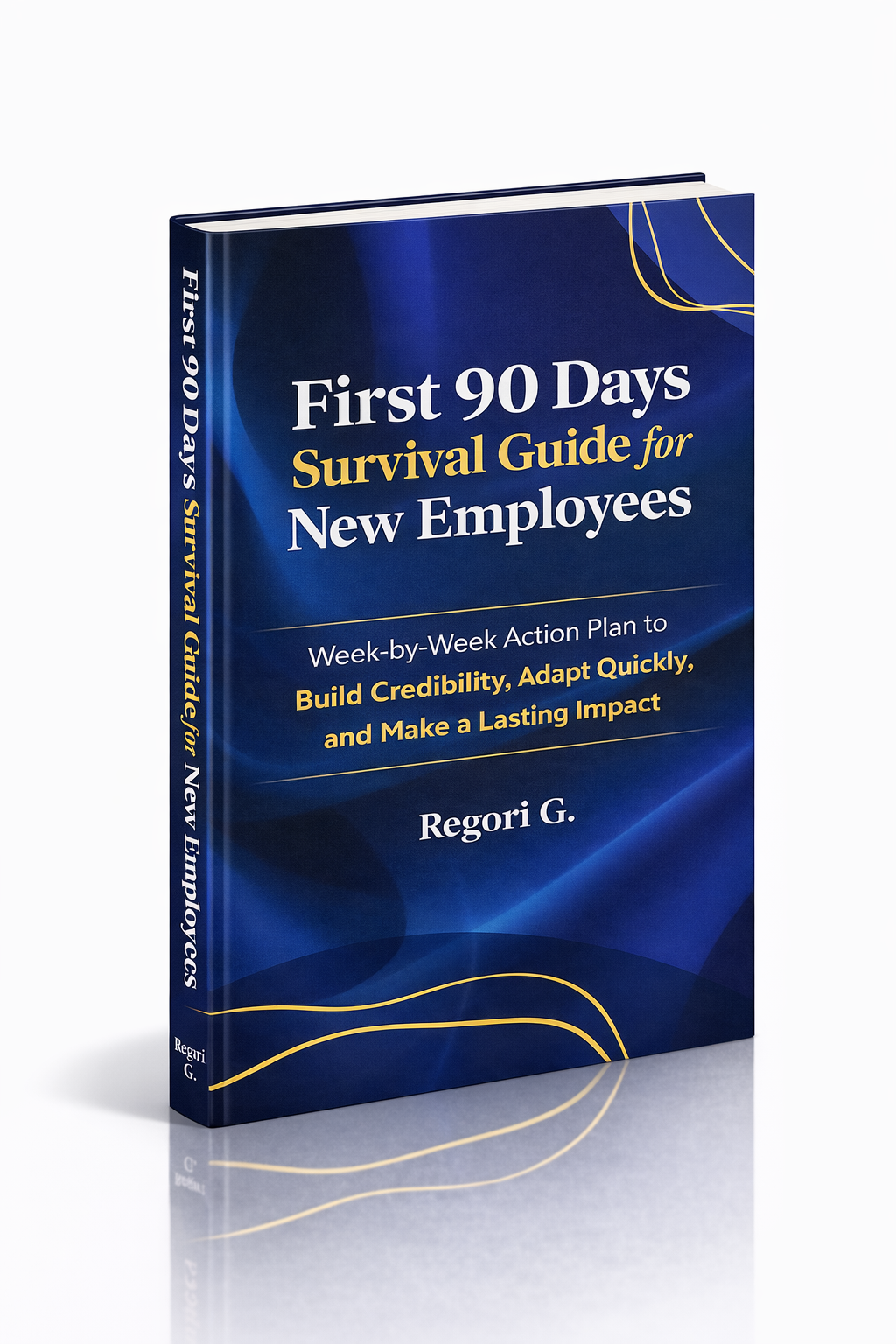
Guide 02
First 90 Days Survival Guide
Hit the ground running and make your mark from day one.
Get it →
Guide 03
Interview Success for Introverts
7 proven steps to shine in interviews — even if you hate the spotlight.
Get it →