

The 5 Interview Mistakes That Cost You the Job
What's silently killing your chances — and what top candidates do instead. Delivered instantly to your inbox.
No spam. Unsubscribe anytime. Privacy Policy & Terms
- Why "I'm a hard worker" destroys your chances
- What interviewers decide in the first 90 seconds
- How to handle tough questions with confidence
- The salary mistake almost every candidate makes
How to Handle Working in a Sector Under Constant Scrutiny
Working in an industry that is under constant scrutiny can be a daunting experience. Whether it’s in finance, healthcare, or public service, being in the spotlight means your actions are often monitored closely. This can create an atmosphere of pressure, but there are effective ways to navigate these challenges. Here’s how you can manage working in a sector that’s always under review, ensuring a successful and balanced career.
Understanding the Scrutiny
Before you can effectively handle constant scrutiny, it’s vital to understand where it comes from. The sectors under heavy observation often include:
- Government and public services
- Healthcare providers
- Financial institutions
- Media and communications
Each of these sectors faces unique challenges, driven by regulations, public interest, or economic factors. Recognizing the specific reasons for scrutiny can help you prepare better.
Developing Resilience
Resilience is key in any environment, but especially in one where you’re constantly being judged. Here are some strategies to build your resilience:
- Stay Informed: Keep up with industry news and changes. This knowledge will help you adapt quickly to any shifts that may occur.
- Seek Feedback: Regularly ask for constructive feedback from colleagues and superiors. This will help you improve and feel less vulnerable.
- Practice Self-Care: Stress management techniques such as mindfulness and exercise can help you maintain emotional balance.
Maintaining Transparency
In a field rife with scrutiny, transparency is crucial. Here are ways to ensure you communicate effectively:
- Open Communication: Foster an environment where sharing information is encouraged. This builds trust within your team.
- Document Your Work: Keep accurate records of your decisions and actions. This can serve as a reference point when accountability questions arise.
- Engage Stakeholders: Involve key stakeholders in discussions regarding changes or challenges. Their input can provide valuable insights.
Building a Support Network
Having a strong support system can greatly alleviate the stress of working in a scrutinized environment. Here are ways to cultivate that network:
- Connect with Colleagues: Build relationships with coworkers who understand the unique pressures of your sector.
- Join Professional Associations: Groups such as the American Psychological Association or the Healthcare Communication Association provide resources and support.
- Find a Mentor: A mentor who has experience in your specific industry can offer guidance on how to handle challenges.
Embracing Continuous Improvement
In sectors under constant scrutiny, the ability to improve and adapt is priceless. Consider these strategies:
- Attend Workshops and Training: Continuous education not only boosts your skills but also shows your commitment to excellence.
- Request Performance Reviews: Schedule regular evaluations with your supervisor to discuss your contributions and areas for improvement.
- Stay Updated on Industry Trends: Subscribe to reputable industry publications to remain informed about emerging trends and best practices.
Managing Stress
Effective stress management is crucial when working in scrutinized sectors. Here’s how:
- Develop a Routine: Establishing a daily routine can help you feel more in control.
- Practice Mindfulness: Techniques like meditation or deep-breathing exercises can help you remain calm.
- Disconnect When Necessary: Take breaks to recharge and avoid burnout.
Ultimately, handling a role in a sector under constant scrutiny requires a proactive approach. By understanding the pressures, building resilience, maintaining transparency, fostering a support network, and continuously improving, you will not only survive but thrive in your career. If you want more guidance on navigating professional challenges, consider visiting resources like MindTools or Harvard Business Review.
The Impact of Workplace Transparency on Employee Morale
In the modern workplace, transparency has become a crucial factor that can significantly affect employee morale. When leaders are open about business practices, decisions, and changes within the organization, they nurture an environment that fosters trust and engagement among employees. Understanding this dynamic can greatly influence how organizations implement their communication strategies.
First, let’s explore what workplace transparency truly means. It encompasses sharing relevant information about the company’s goals, challenges, and strategies, ensuring that employees are well-informed. This openness can lead to several positive outcomes:
- Increased Trust: When employees feel that they are privy to important information, it builds a sense of trust between them and their leaders. This trust is essential for creating a cohesive work environment.
- Better Engagement: Employees who understand the company’s vision and goals are more likely to align their personal objectives with organizational goals. This alignment can lead to higher performance and job satisfaction.
- Improved Morale: A culture of transparency leads to employees feeling valued and respected. When they are informed, they are less likely to feel anxious about their job security and more inclined to contribute positively.
Moreover, being transparent can enhance communication in various forms. For instance, regular updates via newsletters, town hall meetings, or internal communication platforms can keep everyone on the same page. This way, employees feel included in the broader organizational narrative. Here are some effective strategies to improve transparency:
- Hold Regular Meetings: Schedule frequent team meetings or town halls where employees can ask questions and express concerns.
- Use Technology Wisely: Leverage collaboration tools and platforms that allow information to flow freely within the organization.
- Feedback Mechanisms: Create channels for receiving feedback. Listening to employees will make them feel that their voices matter.
One of the critical aspects of maintaining transparency is how to navigate difficult situations, such as organizational changes or financial challenges. When faced with such issues, leaders must communicate honestly about the implications these changes might have on employees. Here are some examples of best practices:
- When introducing layoffs or restructuring, provide a clear rationale behind the decision.
- Reassure employees about job stability where possible, and explain the long-term benefits of the changes.
- Encourage open discussions to address fears and uncertainties among employees.
To further illustrate the positive impact of transparency on employee morale, consider the following table:
| Benefit | Impact on Morale |
|---|---|
| Increased Trust | Employees feel secure and valued, leading to higher loyalty. |
| Better Engagement | Employees take initiative and are motivated to achieve company goals. |
| Less Anxiety | Clear communication reduces uncertainty, leading to a more positive workplace. |
Moreover, businesses that practice effective transparency often find that it boosts employee retention rates. When employees feel informed and engaged, they are less likely to seek opportunities elsewhere. It’s not merely about sharing good news; it’s also about being open about challenges. Research shows organizations that address both aspects are viewed positively by their employees.
For companies looking to improve transparency, implementing these practices could be beneficial:
- Assess current communication policies and identify areas for improvement.
- Foster a culture of openness by encouraging leaders to share both successes and setbacks.
- Evaluate employee feedback regularly and adjust transparency efforts based on responses.
Workplace transparency plays a vital role in shaping employee morale. The connection between an open environment and positive morale is evident: it builds trust, encourages engagement, and ultimately leads to a more productive workplace. Companies can adopt strategies to foster increased transparency, positively impacting their workforce in the long run. To delve deeper into this topic or find further valuable insights, consider visiting Forbes or Harvard Business Review.
Strategies for Maintaining Professionalism Under Pressure
Working in a high-pressure environment is daunting, especially when your sector is under constant scrutiny. Whether you’re in public service, healthcare, education, or finance, maintaining professionalism during stressful times is crucial. Here are effective strategies to help you navigate those challenges seamlessly.
Stay Calm and Collected
Before you can act professionally, it’s essential to keep your emotions in check. Here’s how you can stay calm:
- Breathe Deeply: When feeling overwhelmed, take a moment to breathe deeply. Inhale for four counts, hold for four, and exhale for four. This simple practice helps reduce stress and anxiety.
- Pause Before Responding: When faced with criticism or pressure, allow yourself a moment to think before responding. This can prevent knee-jerk reactions and how you communicate.
- Practice Mindfulness: Staying present can ground you. Engage in activities such as meditation or yoga to help foster a peaceful mindset.
Communicate Effectively
Clear and open communication is paramount in maintaining professionalism. Follow these tips for effective communication:
- Be Transparent: If challenges arise, inform your team or clients as soon as possible. Transparency builds trust and reduces anxiety about misunderstandings.
- Listen Actively: When engaging with colleagues or stakeholders, practice active listening. This shows that you value their input and enhances collaboration.
- Use Positive Language: Your word choices matter. Use positive and constructive language, even when discussing issues or setbacks.
Maintain a Professional Appearance
Your physical presentation can significantly affect your professional demeanor. Consider the following:
- Dress Appropriately: Ensure that your attire reflects the standards of your industry. Even when under pressure, a polished look can boost your confidence.
- Stay Organized: Keep your workspace tidy. A clean and organized environment enhances your focus and professionalism.
- Display Professional Online Presence: In a world where online scrutiny is prevalent, ensure your LinkedIn and other professional profiles are up-to-date and reflect your best image.
Build a Support Network
Having a reliable support network is a valuable asset during times of stress. Here’s how to cultivate one:
- Connect with Peers: Reach out to colleagues who can provide advice and encouragement. A supportive community can alleviate stress and foster a collaborative atmosphere.
- Seek Mentorship: Finding a mentor can guide you through turbulent waters. Their experience can offer insights that can help you navigate challenges more effectively.
- Manage Upwards: Build a good relationship with your supervisors. Open lines of communication can lead to a better understanding of expectations and support in times of need.
Learn to Manage Time Effectively
Effective time management can help relieve feelings of pressure. Here are some strategies:
- Prioritize Tasks: Use tools such as Eisenhower matrices to differentiate between urgent and important tasks. Focus on high-priority tasks first.
- Set Realistic Goals: Be clear about what you want to achieve daily. Break larger tasks into manageable chunks to avoid feeling overwhelmed.
- Delegate When Possible: If you have team members, don’t hesitate to delegate. This not only promotes teamwork but also reduces your workload.
Embrace Continuous Learning
In a sector under constant scrutiny, staying updated is vital for maintaining professionalism:
- Participate in Training: Attend workshops or webinars related to your field. Continuous education helps you stay relevant and instills confidence in your abilities.
- Read Industry Publications: Stay informed on trends and changes by subscribing to leading industry publications or websites such as LinkedIn Learning or Forbes Education.
- Seek Feedback: Regularly seek feedback from peers or supervisors to improve your skills and performance. Constructive criticism fosters growth.
In high-pressure sectors, professionalism is not just about maintaining composure; it’s also about effective communication, appearance, support, time management, and continuous learning. By integrating these strategies into your daily routine, you can enhance your ability to navigate scrutiny and pressure without compromising your professional integrity.
Building Resilience in High-Profile Environments
Working in high-profile environments can be both exciting and challenging. Whether you are part of a fast-paced corporate setting, in politics, or engaged in media, the pressure can often feel overwhelming. Here are some strategies to build resilience, enabling you to thrive under constant scrutiny.
Understand Your Environment
Each high-profile sector has its unique characteristics and challenges. Take time to analyze the environment you are in:
- Identify Key Players: Understand who holds influence in your field.
- Recognize Challenges: Be aware of the common pitfalls that professionals in your sector face.
- Stay Informed: Keep up with industry trends that could affect your work.
Develop Strong Communication Skills
Communication is vital in a high-profile setting. You need to express your ideas clearly while remaining open to feedback. Here’s how to enhance your skills:
- Active Listening: Pay close attention to what others say and respond thoughtfully.
- Practice Clarity: Use simple language to explain complex ideas.
- Engage in Discussions: Regularly participate in discussions to express your thoughts and listen to others.
Build a Support Network
Having a reliable support network can significantly enhance your ability to handle stress. Surround yourself with:
- Mentors: Seek guidance from those who have navigated similar challenges.
- Colleagues: Collaborate with peers who understand the demands of your field.
- Friends and Family: Lean on those close to you for emotional support.
Practice Self-Care
Caring for your mental and physical health is essential to building resilience in high-pressure settings. Consider incorporating the following practices into your routine:
- Regular Exercise: Physical activity can help reduce stress and improve mood.
- Mindfulness and Meditation: Techniques such as mindfulness can help calm your mind.
- Healthy Nutrition: A balanced diet supports your overall well-being.
Learn to Adapt
High-profile environments can quickly change. Flexibility and adaptability are crucial. Here are ways to cultivate these skills:
- Embrace Change: View new challenges as opportunities for growth.
- Stay Open-Minded: Be willing to consider new ideas and approaches.
- Reflect on Experiences: Regularly assess what worked and what didn’t in various situations.
Manage Your Time Wisely
Effective time management can alleviate pressure and improve productivity. Utilize techniques such as:
- Prioritize Tasks: Focus on what is most important and urgent.
- Set Boundaries: Establish limits on your availability to avoid burnout.
- Use Tools and Apps: Leverage technology to help manage your time effectively.
Seek Professional Development Opportunities
Continuous learning can strengthen your resilience. Consider enrolling in courses or workshops that enhance your skills. Websites such as Coursera and Udemy offer a variety of courses that can help you grow both personally and professionally.
Understand the Impact of Criticism
In high-profile sectors, criticism is inevitable. Learning how to handle it constructively can bolster your resilience:
- Separate Yourself from Your Work: Don’t take criticism of your work personally.
- Look for Constructive Feedback: Find value in criticism to enhance your skills.
- Maintain a Positive Outlook: Focus on your strengths rather than perceived faults.
Monitor Your Emotional Well-Being
Keep an eye on your emotional state. Regular check-ins can help you identify stress before it becomes overwhelming. Utilize journaling or meditation apps like Headspace to maintain your mental health.
Resilience in high-profile environments takes time and practice. By leveraging these strategies and maintaining a positive approach, you can successfully navigate the complexities of your sector.
Navigating Media Attention in Your Industry
Working in an industry that faces media scrutiny can be both challenging and rewarding. It’s essential to develop strategies that help you manage this attention effectively. Here are some techniques you can utilize to navigate media attention in your sector.
Understand the Media Landscape
Your first step should be to get familiar with the various types of media that cover your industry. This can include newspapers, blogs, podcasts, and television. Keep an eye on which platforms are most influential.
- Follow Industry-Specific Publications: Reading publications like Reuters Finance can provide insights into current events.
- Social Media Monitoring: Platforms like Twitter can offer a real-time look at media sentiment and trending topics.
- Engage with Journalists: Establish relationships with journalists who cover your industry to help present your perspective.
Craft Clear Messaging
In an environment that’s often geared toward sensationalism, clarity and consistency in your messaging are essential. Here’s how to ensure your communication resonates:
- Develop Key Messages: Identify your core messages and make sure they align with your brand’s values and goals.
- Stay On-Brand: It’s essential to maintain a tone and style that reflect your brand identity. This helps build trust.
- Be Transparent: Open communication can often mitigate potential backlash. If you make a mistake, own it and share how you plan to fix it.
Utilize Media Training
Investing in media training can be invaluable for your team. Here are some skills that can be honed:
- Interview Techniques: Learning how to present your message during interviews can improve how your points come across.
- Handling Tough Questions: Practice responding to challenging questions without becoming defensive.
- Body Language: Non-verbal communication plays a crucial role. Training can help team members present themselves confidently.
Reacting to Negative Press
When the media spotlight turns negative, it’s essential to act swiftly. Here’s a plan of action:
- Assess the Situation: Determine what happened and why the media is focusing on it.
- Craft a Response: Develop a well-thought-out statement that addresses the issue head-on.
- Engage with Stakeholders: Reach out to customers, partners, and employees to reassure them of your commitment to resolving the issue.
- Monitor Media Coverage: Continuously track how the situation is evolving in the media to adapt your strategy as needed.
Promote Positive News Stories
Proactively sharing good news about your organization can help balance the narrative. Here are some ways to do this:
- Press Releases: Regularly distribute press releases about new initiatives, achievements, or community engagements.
- Blog Posts: Use your company blog to tell stories about your team, projects, or innovations.
- Social Media Campaigns: Running targeted social media campaigns can help highlight your brand’s positive impacts and initiatives.
Leverage SEO Strategies
Your online presence is critical when it comes to media attention. Using search engine optimization (SEO) strategies can help bolster your brand’s visibility:
| SEO Strategy | Description |
|---|---|
| Keyword Optimization | Use industry-specific keywords in your content to enhance discoverability. |
| Quality Backlinks | Build links from reputable sources to improve your site’s authority. |
| Regular Content Updates | Keep your website fresh with updated content to encourage repeat visits. |
In sum, navigating media attention in your industry requires a proactive and strategic approach. By understanding the media landscape, crafting clear messages, and promoting positive narratives, you can effectively manage scrutiny and enhance your organization’s reputation. For more insights on managing media relations, consider exploring sites like Public Relations Society of America or Cision.
The Role of Communication in High-Scrutiny Jobs
In fast-paced environments where transparency and public perception play crucial roles, communication becomes the backbone of any high-scrutiny job. Whether you’re a professional in healthcare, government, or finance, the ability to convey clear and concise information can make all the difference. Let’s explore how effective communication can shape your experience in these demanding sectors.
The Importance of Clear Communication
In high-scrutiny jobs, the stakes are often high. Misunderstandings or misinterpretations can lead to severe consequences, both for individuals and organizations. Here are some reasons why clear communication is essential:
- Trust Building: Stakeholders need to trust your reliability. Consistent and transparent communication fosters this trust.
- Crisis Management: When facing crises, quick and clear instructions help mitigate risks and ensure safety.
- Public Perception: How you communicate with the public can influence their perceptions of your organization. A well-articulated message can boost credibility.
Types of Communication to Focus On
There are various forms of communication that are particularly relevant in high-scrutiny work environments:
- Internal Communication: Keep your team informed and engaged. Regular updates and open channels for feedback are vital.
- External Communication: Engage with the community and stakeholders through press releases, public forums, and social media.
- Crisis Communication: Develop a clear strategy for managing information during a crisis. This includes preparing key messages and defining a spokesperson.
Best Practices for Effective Communication
Optimizing your communication strategies can lead to significant benefits. Here are some best practices:
- Be Transparent: Always provide information as openly as possible. This limits speculation and builds credibility.
- Stay Consistent: Use the same messaging across all platforms to avoid confusion. Consistency reinforces reliability.
- Use Simple Language: Avoid jargon and complex terms. Clear language ensures that everyone understands your message.
- Listen Actively: Pay attention to feedback and concerns from your audience. This fosters a culture of openness and responsiveness.
Training and Development
Continual development in communication skills is key in high-scrutiny sectors. Training programs can help improve both interpersonal and public communication. Consider the following resources:
| Training Program | Focus Area | Website |
|---|---|---|
| Effective Communication Skills | Building trust, active listening, and public speaking | Coursera |
| Crisis Communication Training | Managing information in high-pressure situations | PRSA |
| Workplace Communication | Team dynamics, feedback mechanisms | Udemy |
Leveraging Digital Tools
In today’s digital world, technology enhances communication. Here are some tools that can aid in effective communication:
- Collaboration Software: Platforms like Slack or Microsoft Teams can facilitate better internal communication.
- Social Media: Actively participate on platforms relevant to your field to engage with stakeholders.
- Virtual Meetings: Use video conferencing tools for clearer communication, especially when dealing with remote teams.
Mastering communication skills is essential in high-scrutiny jobs. By utilizing clear messaging, active listening, and effective digital tools, you can navigate your role successfully. You’ll not only enhance your performance but also contribute to the greater success of your organization, creating a ripple effect that fosters trust and credibility in your critical sector.
Cultivating a Supportive Network in Challenging Sectors
Working in sectors that are under constant scrutiny can be daunting. However, cultivating a supportive network can help navigate these challenges. Building connections is essential for both personal and professional well-being, especially in high-pressure environments. Here are key strategies to create and maintain a supportive network.
Understanding the Importance of a Supportive Network
Creating a network provides several benefits:
- Emotional Support: A supportive group helps you manage stress and anxiety associated with your sector.
- Resource Sharing: Connections can lead to valuable resources, insights, and information.
- Career Growth: Networking can open doors to opportunities and advancement within your field.
Identifying Potential Supporters
Finding the right individuals to include in your network is crucial. Here are some potential sources of support:
- Colleagues: Fellow employees often understand your challenges and can provide insights or simply a listening ear.
- Mentors: Seek seasoned professionals in your industry who can offer guidance and advice.
- Industry Groups: Join associations or groups related to your sector. These organizations often provide a community of support.
- Online Forums: Engage in online platforms where professionals converse about industry trends and personal experiences.
Building Genuine Relationships
Once you’ve identified potential supporters, focus on fostering genuine relationships. Here are some effective tactics:
- Authentic Communication: Be open and honest in your interactions. Share your experiences and listen to others’ stories.
- Regular Check-ins: Keep in touch through regular conversations or meetings, whether virtual or in-person.
- Offer Help: Be willing to assist others in your network. Offering support can strengthen your relationships significantly.
Expanding Your Network
It’s essential to continuously grow your network. Consider these avenues:
- Attend Industry Events: Conferences and workshops provide ideal opportunities to meet professionals and exchange ideas.
- Utilize Social Media: Platforms like LinkedIn allow professionals to connect and share valuable resources.
- Volunteer: Engaging in community service can create bonds with people who share similar values and interests.
Leveraging Your Network for Guidance
Having a network isn’t just about connections; it’s about using them wisely. Here’s how:
- Seek Feedback: Request constructive criticism from your network on your work. Honest feedback can be a tool for growth.
- Discuss Challenges: Share your struggles with trusted contacts. They may have insights or solutions based on their experiences.
- Collaborate: Look for opportunities to work on joint projects. Collaboration can deepen connections while enhancing skills.
Maintaining Your Network
To ensure your network remains strong over time, consider the following:
| Action | Frequency |
|---|---|
| Send a personal message | Monthly |
| Arrange coffee chats | Quarterly |
| Participate in group activities | As available |
Establishing a strong network takes effort, but the rewards are significant. Not only will you feel more supported, but you’ll also enhance your career path.
This approach can be particularly beneficial when working in sectors like healthcare, finance, or technology, where scrutiny is high. For more tips on navigating professional environments, visit Forbes or check out Harvard Business Review for insights into building professional relationships.
In the face of constant scrutiny, a thriving support network can make all the difference. Start building your connections today and create a foundation that supports your journey in challenging sectors.
Key Takeaway:
Navigating a career in a sector under constant scrutiny can feel like walking a tightrope. The demands are high, and the eyes of the public and media can often feel like a heavy weight on your shoulders. However, there are effective strategies and insights that can help you not only manage but excel in such environments.
First and foremost, understanding the significance of workplace transparency is crucial. When leaders maintain clear communication about goals, challenges, and changes, it fosters an environment of trust. This sense of transparency can greatly improve employee morale, ensuring everyone feels informed and valued. When you’re working under scrutiny, knowing that your organization prioritizes open dialogue can make a world of difference.
In high-pressure situations, maintaining professionalism is vital. It’s easy to become overwhelmed or defensive when under the spotlight, but keeping a calm demeanor allows you to respond thoughtfully rather than react impulsively. Be aware of your body language and tone, as these non-verbal cues communicate just as much as words.
Building resilience is another key strategy. High-profile environments often come with setbacks and criticisms. Cultivating resilience allows you to bounce back from these challenges, learn from them, and move forward with renewed focus. Techniques like stress management practices, mindfulness, and setting achievable goals can enhance your ability to withstand external pressures.
Navigating media attention is an inevitable part of working in a scrutinized sector. It’s important to prepare for interviews and public speaking engagements by practicing your key messages. This preparation helps ensure that your organization’s voice is represented accurately and positively in public spaces.
Additionally, fostering a supportive network is essential. Surround yourself with colleagues, mentors, and allies who share your values and goals. This community can offer encouragement, share experiences, and provide a sounding board for your ideas, thus creating a buffer against external stress.
Embracing transparency, professionalism, resilience, effective communication, and a supportive network creates a robust framework for success in scrutinized sectors. By applying these strategies, you can not only thrive under pressure but also contribute positively to your industry, reinforcing your value to your organization and the public.
By focusing on these key takeaways, you empower yourself to handle the unique challenges presented by high-scrutiny environments while enhancing your personal and professional growth.
Conclusion
Working in a sector under constant scrutiny can be challenging, but it is also an opportunity for growth and development. By understanding how workplace transparency impacts employee morale, you can foster a positive atmosphere that encourages open communication and trust among team members. Maintaining professionalism under pressure is essential, allowing you to navigate challenges with grace and integrity.
Building resilience is crucial in high-profile environments. It equips you with the mental fortitude to handle stress and focus on your objectives, even in the face of external pressures. When media attention is a constant presence, mastering the art of communication becomes vital. Clear and consistent messaging can help manage perceptions and keep your stakeholders informed.
Furthermore, cultivating a supportive network is invaluable. Surrounding yourself with colleagues and mentors who understand the unique pressures of your industry can provide the reassurance and advice you need to thrive. This network can also be a source of encouragement, helping you to share your experiences and learn from others.
By applying these strategies, you can effectively handle the demands of a scrutinized environment. Embrace the challenges as they come, fostering a culture of openness, professionalism, and resilience within your organization. Ultimately, maintaining a supportive network will empower you to navigate the complexities of your sector, turning scrutiny into an advantage rather than a hindrance.
visit The Job Interview System for Job Seekers on Gumroad. A practical guide built for people who are serious about landing the job they want. For more interview guides, career tips, and job search resources, visit the Love PDF Guides home page.
Your Next Chapter
Starts with the Right Guide
Three straight-talking PDF guides to help you win interviews, beat the first 90 days and thrive as an introvert. Instant download on Gumroad.

Guide 01
The Job Interview System
Step-by-step interview prep that turns nerves into confidence.
Get it →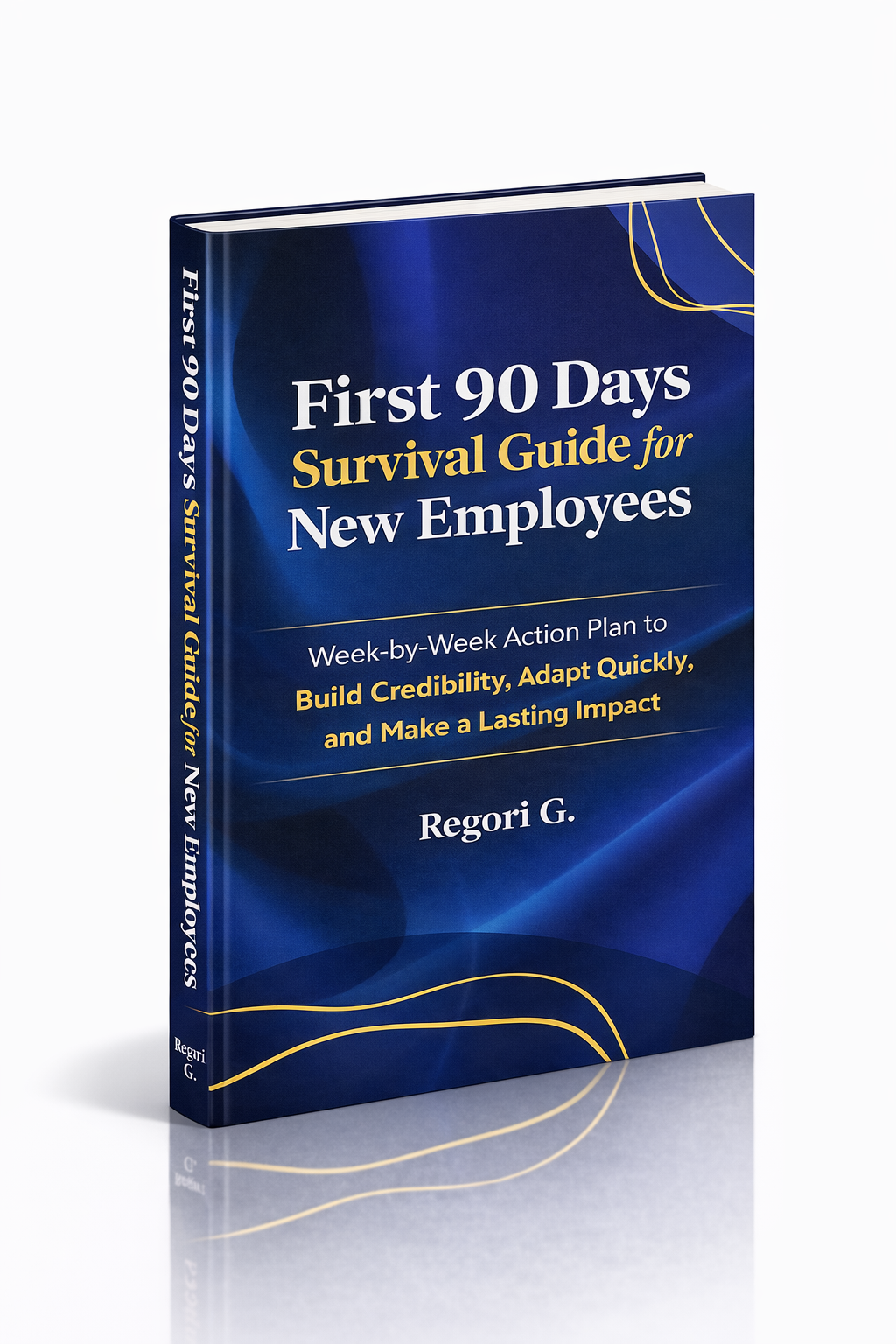
Guide 02
First 90 Days Survival Guide
Hit the ground running and make your mark from day one.
Get it →
Guide 03
Interview Success for Introverts
7 proven steps to shine in interviews — even if you hate the spotlight.
Get it →