

The 5 Interview Mistakes That Cost You the Job
What's silently killing your chances — and what top candidates do instead. Delivered instantly to your inbox.
No spam. Unsubscribe anytime. Privacy Policy & Terms
- Why "I'm a hard worker" destroys your chances
- What interviewers decide in the first 90 seconds
- How to handle tough questions with confidence
- The salary mistake almost every candidate makes
How to Build a Professional Network From Scratch
Building a professional network from scratch is a valuable skill that can significantly influence your career path. Whether you are a recent graduate or looking to switch careers, establishing meaningful connections can open doors to opportunities. Here’s how you can create an effective professional network.
Identify Your Networking Goals
The first step in building a professional network is to define what you want to achieve. Are you looking for a mentor, job referrals, or guidance in a new industry? Having clear goals will shape your networking strategy and help you effectively reach out to the right people.
Utilize Social Media Platforms
Social media is an excellent tool for networking. Start by optimizing your LinkedIn profile to reflect your skills and experiences. Engage with others in your field by sharing articles, commenting on posts, and joining relevant groups. This active participation can help you connect with industry leaders and like-minded professionals.
- LinkedIn: This platform is ideal for professional networking. Make sure your profile is complete with a professional photo and a compelling summary.
- Twitter: Follow industry influencers and participate in conversations using relevant hashtags.
- Facebook Groups: There are numerous groups tailored to specific professions where you can network with peers.
Attend Networking Events
In-person interactions often lead to more profound connections. Seek out local meetups, industry conferences, and seminars. Websites like Meetup can be a great resource to find events that match your interests. When attending these events, remember to:
- Prepare a short elevator pitch about yourself.
- Collect business cards from people you meet.
- Follow up with new contacts after the event with a personalized message.
Join Professional Organizations
Many industries have professional organizations that offer networking opportunities. Joining these groups can provide you access to exclusive events, workshops, and online communities. Additionally, participating in the organization’s activities increases your visibility within the industry.
Leverage Informational Interviews
Informational interviews are a powerful way to build your network. Reach out to professionals in your desired field and ask if they would be willing to share their experiences over coffee or a video call. Prepare thoughtful questions about their career path, industry trends, and advice for newcomers. This approach not only helps you gather insights but also establishes a rapport.
Practice Consistent Follow-Up
After meeting someone new, it’s crucial to follow up. Send a thank-you email expressing your appreciation for their time and any insights they shared. Regularly check in with your contacts to keep the relationship alive. This could be sharing an article that might interest them or just a simple “How have you been?” message. Keeping the lines of communication open is vital.
Utilize Online Networking Platforms
Online platforms like Eventbrite and Networking Hub can help you find webinars and virtual networking events. These platforms allow you to connect with people from all over the world, expanding your reach beyond local networks.
Be Generous and Offer Help
A networking relationship should be mutually beneficial. Look for ways to help others in your network without expecting anything in return. Offer to make introductions, share resources, or provide assistance on projects. When you approach networking from a place of genuine curiosity and generosity, you build trust and strengthen your connections.
Measure and Adapt Your Strategy
As you grow your professional network, take time to assess your progress. Ask yourself if you are reaching your networking goals and adapting your strategy as needed. Experiment with different approaches to see what works best for you.
Building a professional network from scratch takes time and effort, but the benefits are immense. By defining your goals, utilizing social media, attending events, and fostering relationships, you can create a robust network that supports your career aspirations.
For more in-depth advice on networking strategies, consider visiting resources like Forbes or Harvard Business Review for expert insights.
The Importance of Networking in Career Development
Building a professional network is an essential aspect of career development that can significantly influence your job prospects, opportunities for advancement, and overall professional growth. Understanding how to effectively network is key to ensuring that you leverage connections to achieve your career goals. Networking isn’t just about accumulating contacts; it’s about creating meaningful relationships that can support your career journey.
Networking opens doors to many possibilities. Here are some vital reasons why networking matters in career development:
Access to Job Opportunities
Many job openings are never advertised publicly. Instead, companies often fill positions through referrals from their existing employees or industry contacts. By building a strong professional network, you can tap into this hidden job market. Friends, colleagues, and mentors can provide insights on opportunities you might otherwise miss.
Knowledge Sharing
Engaging with professionals in your field allows you to access a wealth of information. Networking keeps you updated on industry trends, new technologies, and best practices. Learning from others’ experiences helps you refine your skills and expand your knowledge base. It’s an avenue for informal mentorship that enhances your professional growth.
Building Your Reputation
As you connect with others in your industry, you begin to establish your personal brand. When you share your insights, participate in discussions, and offer assistance, you enhance your credibility. Being known as a knowledgeable and helpful professional can attract more opportunities your way.
Development of Soft Skills
Networking allows you to hone essential soft skills that are crucial in any career, such as:
- Communication: Engaging with various people requires clear and effective communication.
- Interpersonal Skills: Building rapport and maintaining relationships necessitate strong interpersonal skills.
- Confidence: Regular networking can boost your confidence in presenting yourself and your ideas.
Gaining New Perspectives
Meeting others in your field provides fresh perspectives. Different backgrounds and experiences can inspire creativity and innovation in your work. Networking exposes you to new ideas and ways of thinking, ultimately allowing you to adapt and evolve in your career.
Building a Support System
A professional network serves as a support system during challenging times. Whether you’re navigating job loss, career changes, or workplace conflicts, having a network can provide emotional and professional support. The encouragement from your connections can keep you motivated and focused on your goals.
How to Start Building Your Network
Now that you understand the importance of networking, you may wonder how to get started. Here are some practical steps:
- Attend Industry Events: Join conferences, workshops, and trade shows in your field. These are excellent places to meet like-minded professionals.
- Join Professional Organizations: Many fields have organizations that offer networking events and resources. Becoming a member can significantly broaden your network.
- Utilize Social Media: Platforms like LinkedIn are invaluable for professional networking. Join groups related to your field and actively participate in discussions.
- Volunteer: Offering your skills in volunteer positions can help you meet influential people in your industry while giving back to the community.
- Follow Up: After meeting someone, always follow up with a message expressing your pleasure in meeting them. This is how relationships begin.
To maximize your networking efforts, consider using tools and resources dedicated to professional growth. Websites like LinkedIn, Meetup, and Eventbrite can provide excellent platforms to connect with others in your field and attend various networking events.
Networking is an ongoing process; it requires patience, persistence, and genuine engagement with others. By prioritizing networking as a key component of your career development strategy, you set yourself up for greater success and opportunities in your professional life.
Effective Strategies for Approaching New Connections
Building new connections can feel daunting, but with the right strategies, you can make it easier and more enjoyable. Your approach can determine how successful you’ll be in expanding your professional network. Here are some effective strategies for approaching new connections.
Understand Your Goals
Before you reach out, clarify what you want to achieve. Are you looking for a mentor, seeking job opportunities, or simply hoping to learn from others in your industry? Having a clear purpose will guide your conversations and make them more impactful.
Research New Connections
Take time to learn about the people you want to connect with. Check their LinkedIn profiles or personal blogs to understand their interests, experiences, and expertise. This knowledge will help you craft a personalized approach that resonates with them.
Choose the Right Platform
Different platforms serve different networking purposes. Here are a few options:
- LinkedIn: Great for professional networking.
- Twitter: Perfect for engaging in industry conversations.
- Meetup: Excellent for finding local networking events.
- Facebook Groups: Useful for connecting over shared interests.
Start with a Warm Introduction
Whenever possible, ask for a warm introduction from someone in your existing network. A mutual connection can lend credibility and make the new person more receptive to your overture. Mention who introduced you, as this context will help build trust.
Craft a Compelling Introduction
Your first message should be concise and engaging. Here are key components to include:
- Your Name: Start with a friendly greeting and your name.
- Personal Connection: Mention a common interest or mutual acquaintance to create rapport.
- Your Purpose: Be clear about why you’re reaching out. Whether it’s to gather advice or discuss collaborative opportunities, communicate your intention succinctly.
- Call to Action: Suggest a meeting time or ask if you can send them more information.
This structure will guide your reader and make your request feel more natural.
Be Genuine and Approachable
Authenticity matters in networking. Be yourself and let your personality shine through in your communication. Approach your connections with a friendly and positive demeanor. People are more likely to engage with you if they feel you are being sincere.
Follow Up Thoughtfully
If you don’t receive a response right away, don’t hesitate to follow up. However, be courteous and don’t send multiple messages in quick succession. A well-timed follow-up can keep your initial outreach fresh in their minds.
Leverage Social Media
Social media platforms can be fantastic for connecting with new people. Here are tips to enhance your social media networking:
- Share relevant content that aligns with your interests and expertise.
- Engage with posts from people you want to connect with by commenting thoughtfully.
- Participate in or start conversations related to trending topics in your industry.
Attend Networking Events
In-person or virtual networking events offer excellent opportunities to meet new people. Prepare for these events by practicing your elevator pitch and bringing business cards if applicable. Follow up with individuals you meet to cultivate the relationship.
Utilize Professional Organizations
Join organizations relevant to your field. Membership often provides access to exclusive networking events, workshops, and opportunities to connect with other professionals. Make the most of these resources.
Maintain Your Connections
Building a network is just the beginning; maintaining those connections is vital. Reach out periodically to stay in touch. Share articles, congratulate them on accomplishments, or simply check in to ask how they are doing.
By employing these strategies, you can approach new connections with confidence and sincerity. Whether you’re at the beginning of your career or looking to expand into new areas, an effective professional network can provide invaluable support and open doors to exciting opportunities.
Utilizing Social Media for Networking Opportunities
Building a professional network is essential in today’s digital age, and social media offers a goldmine of opportunities to connect with like-minded individuals. By leveraging the power of platforms like LinkedIn, Twitter, and Facebook, you can expand your reach and discover valuable connections that can support your career growth. Here are some effective strategies to utilize social media for networking opportunities.
Choose the Right Platform
Not all social media platforms are created equal when it comes to networking. Here’s a quick overview to help you choose the best one for your professional goals:
- LinkedIn: This platform is designed specifically for professional networking. It’s ideal for connecting with industry experts, recruiters, and potential employers.
- Twitter: Great for real-time interaction and sharing updates, Twitter allows you to follow industry leaders and participate in relevant conversations.
- Facebook: While it’s primarily a social tool, many professional groups exist on Facebook. These can be beneficial for niche networking.
Create a Professional Profile
Your online presence can significantly impact your networking success. A well-crafted profile is key:
- Use a Professional Photo: Choose a clear, professional-looking headshot.
- Craft a Compelling Bio: Make sure your bio is concise yet informative, showcasing your skills and interests.
- Highlight Achievements: List your accomplishments and provide links to your work or projects.
Engage with Content
Content engagement is an effective way to network and establish yourself as an expert in your field:
- Share Relevant Articles: Post articles related to your industry, adding your insights to foster discussions.
- Comment and Like Posts: Regularly engage with others’ content to raise your profile and show your interests.
- Post Original Content: Create blog posts or videos that showcase your expertise, encouraging others to interact.
Participate in Groups and Forums
Many platforms offer group features where professionals can connect:
- Join Relevant Groups: Find and join groups related to your industry or interests to engage with others.
- Be Active: Participate in discussions and share your knowledge and insights. Being helpful can lead to meaningful connections.
Network Strategically
Networking should be intentional. Here are ways to make your efforts count:
- Identify Key People: Research industry leaders and influencers you’d like to connect with.
- Personalize Connection Requests: When reaching out to others, include a personalized message about why you want to connect.
- Follow Up: After making initial contacts, engage with them regularly to build lasting relationships.
Utilize Events and Webinars
Social media is an excellent resource for discovering professional events and webinars:
- Follow Industry Associations: Track organizations in your line of work to get updates on upcoming events.
- Attend Virtual Networking Events: Participate in webinars where you can interact with speakers and attendees.
- Share Your Experiences: After attending, post about what you learned, tagging speakers and attendees for further engagement.
Leverage Hashtags
Using hashtags correctly can significantly enhance your outreach:
- Research Trending Hashtags: Look up hashtags relevant to your profession to discover posts and users worth following.
- Create Your Own Hashtags: When sharing insights or events, create unique hashtags to help your posts stand out.
These strategies can help you effectively utilize social media for networking opportunities. Remember, building a professional network takes time, so be consistent and authentic in your approach. For more insights on networking, consider visiting Forbes or Entrepreneur for additional guidance.
Building Relationships Through Industry Events and Conferences
Building strong relationships in your professional life is essential for success. Industry events and conferences are prime opportunities to connect with individuals who share your interests and goals. These gatherings can be a rich ground for networking, making connections that could advance your career. Here are key strategies to help you navigate these events effectively and build meaningful relationships.
Prepare Before the Event
Preparation is vital before attending any industry event. Here are some steps you should consider:
- Research the Event: Check the event agenda, speakers, and participants. Familiarize yourself with session topics and identify who you want to meet. This can help focus your networking efforts.
- Create a Personal Pitch: Develop a brief introduction that highlights who you are, what you do, and your professional interests. Make it engaging and authentic to spark interest in others.
- Set Goals: Determine what you want to achieve at the event, whether it’s meeting specific people, gaining insights into industry trends, or learning about new technologies.
Maximize Your Networking Opportunities
Once at the event, how can you make the most of your time?
- Engage Actively: Participate in discussions, workshops, and break-out sessions. Ask questions and share your insights. This shows your enthusiasm and can attract like-minded individuals.
- Utilize Social Media: Use platforms like LinkedIn and Twitter to connect with attendees and speakers. Posting about the event using official hashtags can increase your visibility.
- Be Approachable: Smile and make eye contact with those around you. Open body language invites conversation. Attend social gatherings or coffee breaks to foster informal chats.
Follow Up After the Event
Networking doesn’t stop when the last presentation ends. Following up is crucial in solidifying those connections.
- Send Personalized Messages: Within a week, send a personalized email or LinkedIn message to people you met. Remind them of your conversation and express your interest in staying connected.
- Share Relevant Content: If you come across an article or resource that aligns with a discussion you had, share it with them. This demonstrates your value and keeps the conversation going.
- Propose a Meet-Up: If you feel a strong connection, suggest meeting for coffee or a virtual chat. Discuss your respective projects or seek advice on industry challenges.
Leverage Workshops and Breakout Sessions
Many conferences offer workshops and smaller sessions where interaction is encouraged. Participating in these sessions can help you develop deeper connections. Here’s how to make the most of these opportunities:
- Participate Actively: Contribute your thoughts and engage with speakers and attendees. Those who involve themselves fully tend to attract the most attention.
- Collaborate on Projects: If a workshop involves group work, use this chance to connect with participants. Collaboration can spark friendships that lead to professional relationships.
- Follow Up on Shared Experiences: Mention specifics from the workshop when you follow up with attendees. This can help remind them of your positive interaction.
Maintain Your Network Over Time
Networking is an ongoing effort. After the event, ensure you keep your connections engaged:
- Regular Check-Ins: Reach out periodically with a quick message or share relevant news. Keep track of milestones in their careers and celebrate them. This shows you care.
- Organize or Attend Networking Events: Attend smaller meet-ups or create your own. Encourage collaboration within your network by sharing opportunities.
- Offer Help: Share job openings or advise them on industry-related issues. Being a resource to others keeps relationships dynamic and valuable.
Utilizing industry events and conferences effectively can lead to lasting relationships that enrich your career and professional endeavors. To learn more about building your professional network, visit Forbes or explore networking tips on Business News Daily.
Networking can seem intimidating, but remember, everyone is there for the same reason: to connect and learn. Approach it with an open mindset, and you will find opportunities for growth and collaboration.
Follow-Up Techniques to Strengthen Professional Ties
Building and maintaining professional ties is essential for career growth, collaboration opportunities, and personal development. Following up effectively after initial meetings or networking events can help strengthen those connections. Here are some practical techniques to help you follow up and reinforce your professional relationships.
Timing is Key
When following up, timing greatly influences your success. You want to reach out within a few days of your initial meeting while the conversation is still fresh in both your minds. Here’s a simple timeline to guide your follow-up:
| Action | Recommended Timeframe |
|---|---|
| Send a thank-you email | Within 24 hours |
| Check-in for updates | One week |
| Follow up on new opportunities | Monthly |
By keeping your follow-ups timely, you show respect for their time and commitment to the relationship.
Personalize Your Outreach
Generic messages can come off as insincere. To truly strengthen your ties, personalize your follow-up communication. Refer to specific topics you discussed or shared interests. For example, if you spoke about a recent project, mention how your thoughts on it have evolved or how you’ve implemented any suggestions they offered. This level of attention makes your approach memorable.
Offer Value in Your Communications
Your follow-ups should not only focus on your needs; they should provide value to the other person. Here are some offering ideas:
- Share relevant articles, books, or resources that relate to your discussions.
- Provide updates on mutual connections that can be beneficial to both parties.
- Invite them to industry events or workshops that align with their interests.
Offering value shows you’re invested in the relationship and helps keep the communication two-sided.
Utilize Social Media Wisely
Platforms like LinkedIn are excellent for maintaining and enhancing professional ties. After meeting someone new:
- Add them on LinkedIn with a personalized message referencing your conversation.
- Engage with their posts by liking or commenting, which keeps you on their radar.
- Share relevant industry news or your professional achievements, tagging them when appropriate.
This keeps the relationship dynamic and reinforces your commitment to staying connected.
Arrange Follow-Up Meetings
Whenever possible, arrange follow-up meetings. This can be in the form of coffee chats or virtual meetings. Here’s how to do it:
- Be specific about what you want to discuss to make the meeting valuable.
- Offer a few time options to accommodate their schedule more easily.
- Keep the meeting relaxed and informal to encourage open communication.
In-person (or video) interactions provide a more profound connection that emails often lack.
Stay Consistent with Your Follow-Ups
Consistency is crucial in nurturing professional ties. Set reminders for follow-ups and keep a calendar to track relationship progress. This will help you stay engaged without overwhelming the other person. Having a structured approach ensures that you remain visible and connected.
Know When to Step Back
While persistence can be beneficial, knowing when to step back is equally important. If your attempts at communication are not reciprocated over time, consider giving the person some space. A lack of response may signal they are preoccupied, and forcing communication could strain the relationship.
Follow-up strategies are vital for reinforcing professional connections. By implementing these techniques, you can foster deeper relationships that may lead to exciting opportunities and collaborations.
For more detailed insights into building and maintaining professional networks, consider visiting Forbes or The Balance Careers for expert advice.
Maintaining and Nurturing Your Network Over Time
Building a professional network is just the beginning. The true challenge lies in maintaining and nurturing those connections over time. As you grow in your career, it’s essential to keep your network vibrant and engaged. Here are some effective strategies to help you maintain and nurture your professional relationships.
Stay in Touch Regularly
Frequent communication is key. Check in with your connections regularly to maintain your relationships. Here are some ways to stay in touch:
- Send a simple email or message to ask how they are doing.
- Share interesting articles or resources that might benefit them.
- Schedule periodic coffee chats, either in person or via video calls.
- Engage with them on social media platforms, like LinkedIn or Twitter.
Offer Help When You Can
Your network should be a two-way street. Helping others strengthens your professional relationships. Here are some ways to be of assistance:
- Provide referrals to job opportunities or clients.
- Share your expertise by offering advice or mentorship.
- Attend events together to introduce them to new contacts.
Celebrate Their Achievements
Recognizing the success of others is a great way to build and sustain connections. Send a note or a message whenever someone in your network achieves a milestone. This can be a work promotion, a new job, or even personal accomplishments like completing a marathon. Celebrating their achievements shows that you care and are engaged in their journey.
Organize Networking Events
Consider organizing networking events, such as meetups or workshops, where you can bring together your contacts. This not only helps you reconnect with your network but also provides opportunities for them to meet and collaborate with each other. Networking events can take various forms:
- Casual Meetups: Host informal gatherings at a local coffee shop or park.
- Workshops: Arrange sessions where attendees can learn and share knowledge.
- Webinars: Use technology to connect with those who are distant.
Utilize Social Media Effectively
Social media platforms, especially LinkedIn, are powerful tools for maintaining your network. Here’s how to leverage them:
- Regularly update your profile with accomplishments and skills.
- Post updates that reflect your professional journey.
- Congratulate others on their anniversaries, promotions, or achievements.
To enhance your LinkedIn presence, visit LinkedIn for tips and best practices on networking.
Ask for Feedback
Solicit feedback from your network on projects or ideas you’re working on. This not only fosters engagement but also shows that you value their opinion. Asking for feedback can create deeper connections and provides a platform for more conversations.
Be Consistent
Consistency is critical. Make networking a regular habit rather than a sporadic effort. Set reminders to reach out to different contacts every month. You can keep track of these interactions using a simple spreadsheet or a CRM tool.
Focus on Quality, Not Quantity
While it’s tempting to have a large network, quality matters more than quantity. Focus on nurturing meaningful connections rather than trying to keep in touch with everyone. A few strong relationships can be more beneficial than a broad but shallow network.
Networking While Remote
In today’s world, remote work is becoming the norm. Here are ways to nurture your network in a virtual context:
- Utilize video calls for personal interaction.
- Participate in online networking events and webinars.
- Take advantage of virtual communities and forums related to your industry.
For more resources on enhancing your networking skills, visit Forbes for expert advice.
Track Your Connections
Consider tracking your network connections in a professional manner. Use a simple system to document key details about each person, such as their interests, job roles, and how you might connect in the future. This helps you remember what’s important to them and makes future interactions more meaningful.
Nurturing your professional network requires effort and strategy. By staying in touch, offering help, celebrating achievements, organizing events, and maintaining consistency, you can cultivate a strong network that supports your career growth. Keep connections alive, and you’ll find that your network serves as a valuable resource over time.
Key Takeaway:
Building a professional network from scratch is crucial for advancing your career and opening up new opportunities. This process may initially seem daunting, but understanding its importance and implementing effective strategies can significantly enhance your journey. Networking plays a vital role in career development, as it helps you connect with industry leaders, mentors, and peers who can offer valuable insights and guidance.
When approaching new connections, it’s essential to be genuine and approachable. Start conversations with a friendly smile, and ask open-ended questions to foster engagement. Expressing a sincere interest in others can create a positive first impression and lay the groundwork for future interactions. Social media platforms like LinkedIn can be powerful tools for networking. Creating a polished profile and actively participating in discussions allows you to engage with a broader audience and establish your presence in your industry.
Attending industry events and conferences is another effective strategy for networking. These gatherings provide opportunities to meet faces behind the names you’ve encountered online and facilitate conversations in a more personal setting. Be prepared with your elevator pitch, and don’t hesitate to ask for business cards to keep the connections alive.
However, networking does not stop after the initial meeting. Follow-up techniques are essential to strengthen professional ties. Send personalized messages thanking new connections for their time and mentioning specific topics you discussed. This approach shows that you value the relationship and helps anchor you in their memory.
Once you’ve established connections, it’s crucial to maintain and nurture your network over time. Regularly check in with your contacts, share interesting articles, and offer help when possible. Building long-term relationships can provide mutual benefits and might even lead to collaborative opportunities in the future.
Ultimately, taking meaningful steps to build and sustain your professional network can open doors that may significantly impact your career trajectory. Stay proactive, be genuine, and remember that effective networking is about relationship-building, not just transactional interactions.
Conclusion
Building a professional network from scratch is an essential step for anyone looking to advance their career. The importance of networking cannot be overstated; it opens doors to new opportunities and fosters growth. By approaching new connections with genuine interest and effective communication, you can pave the way for fruitful relationships.
Utilizing social media makes networking even more accessible, allowing you to engage with professionals across the globe. Platforms like LinkedIn provide a rich resource for discovering potential connections and sharing your insights. Attending industry events and conferences is another powerful strategy, as these gatherings encourage face-to-face interactions that can lead to stronger ties.
Once connections are established, following up is vital to reinforce relationships. This simple act can make a lasting impression and encourages ongoing communication. Additionally, it’s important to focus on the maintenance of these relationships. Regular check-ins, sharing relevant content, or simply reaching out to see how someone is doing can keep your network alive and thriving.
Ultimately, building and nurturing your network is an ongoing process that requires effort and genuine engagement. By implementing these strategies and prioritizing connection, you’ll not only cultivate a vibrant professional network but also unlock new pathways to career success. Remember, networking is not just about what you can gain, but also about how you can support and uplift others in their journeys.
visit The Job Interview System for Job Seekers on Gumroad. A practical guide built for people who are serious about landing the job they want. For more interview guides, career tips, and job search resources, visit the Love PDF Guides home page.
Your Next Chapter
Starts with the Right Guide
Three straight-talking PDF guides to help you win interviews, beat the first 90 days and thrive as an introvert. Instant download on Gumroad.

Guide 01
The Job Interview System
Step-by-step interview prep that turns nerves into confidence.
Get it →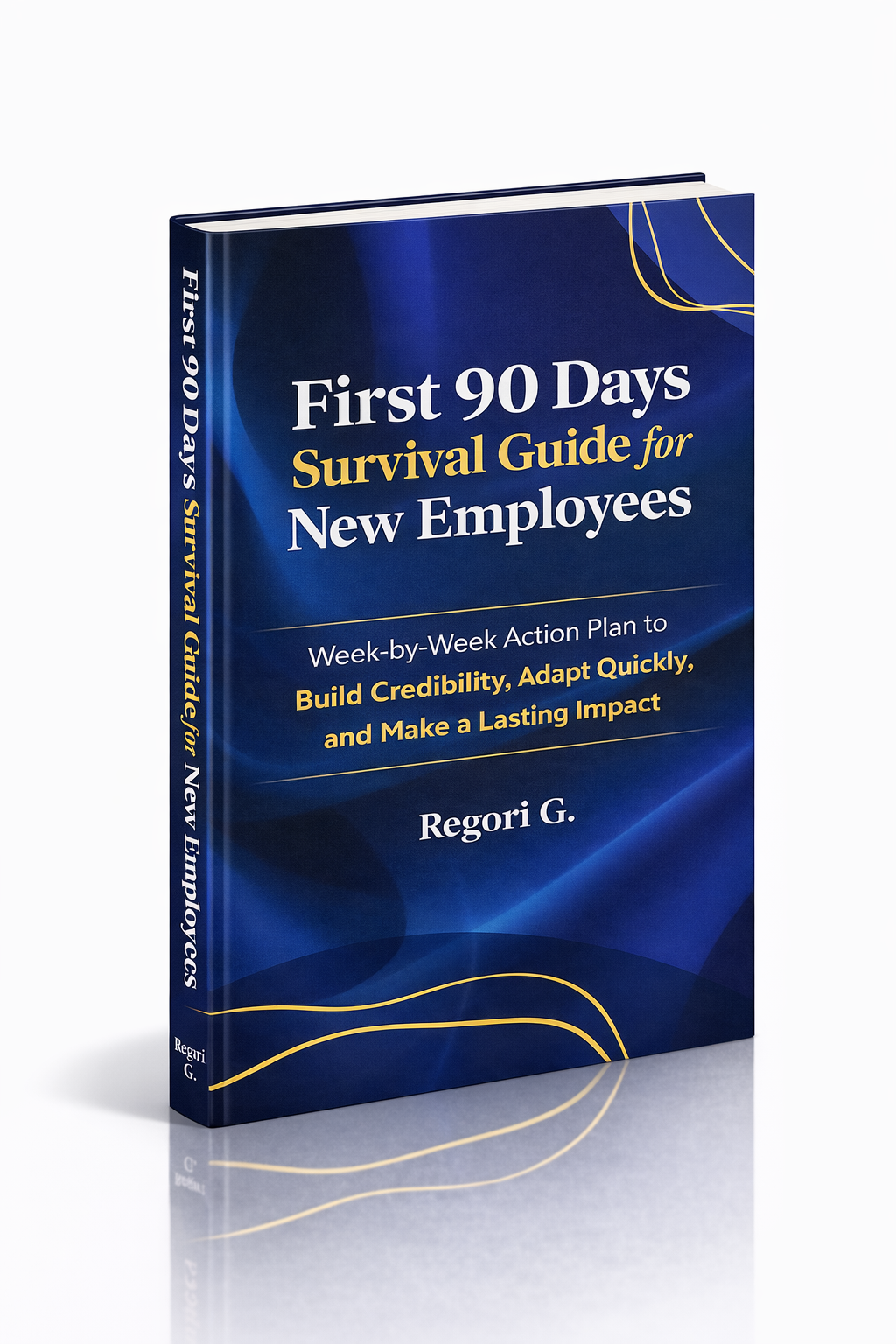
Guide 02
First 90 Days Survival Guide
Hit the ground running and make your mark from day one.
Get it →
Guide 03
Interview Success for Introverts
7 proven steps to shine in interviews — even if you hate the spotlight.
Get it →