

The 5 Interview Mistakes That Cost You the Job
What's silently killing your chances — and what top candidates do instead. Delivered instantly to your inbox.
No spam. Unsubscribe anytime. Privacy Policy & Terms
- Why "I'm a hard worker" destroys your chances
- What interviewers decide in the first 90 seconds
- How to handle tough questions with confidence
- The salary mistake almost every candidate makes
How to Prepare for a Case Study Interview: Essential Steps
Preparing for a case study interview is crucial to make a strong impression. Many companies, especially in consulting and finance, use case study interviews to assess candidates’ analytical and problem-solving skills. Here are some essential steps to guide you through this preparation process.
Understand the Basics of Case Study Interviews
First, it’s important to understand what a case study interview entails. Generally, you’ll be presented with a business problem, situation, or scenario. Your task is to analyze the information, ask relevant questions, and demonstrate your thinking process. Focus on analyzing real-world case studies to grasp how different industries solve problems.
Research the Company
Knowing the company is vital. Follow these steps:
- Study the company’s history, values, and mission.
- Understand the industry in which the company operates.
- Review recent news about the company to understand its current challenges and opportunities.
Resources like Forbes and Bloomberg offer insights into company performances and industry trends.
Practice Case Studies
One of the most effective ways to prepare is through practice. Here’s how:
- Use case study books designed for interview preparation, such as “Case in Point” by Marc P. Cosentino.
- Work with a friend or mentor to conduct mock interviews.
- Join study groups or online forums focused on case interviews.
Practicing with real case studies will help you become familiar with various approaches and methodologies.
Master Problem-Solving Techniques
To shine in a case study interview, familiarize yourself with analytical frameworks. Some of the most used frameworks include:
- SWOT Analysis: Analyze strengths, weaknesses, opportunities, and threats.
- Porter’s Five Forces: Examine competitive dynamics within an industry.
- 4Ps of Marketing: Focus on product, price, place, and promotion.
Stay Structured in Your Approach
As you work through the case, maintain a structured approach:
- Define the problem clearly.
- Ask clarifying questions to gather more information.
- Organize your thoughts before providing recommendations.
- Summarize your findings succinctly.
This structured process shows interviewers your ability to think critically under pressure.
Develop Communication Skills
Your ability to communicate ideas clearly is just as important as your analytical skills. You can improve your communication by:
- Practicing clear, concise speech.
- Utilizing visuals, like charts or graphs, in your explanations.
- Asking for feedback on your clarity and delivery from peers.
Prepare for Behavioral Questions
Besides case studies, be ready for behavioral interview questions. Use the STAR method (Situation, Task, Action, Result) to structure your answers. Review common behavioral questions to ensure you feel comfortable discussing your past experiences.
Review Common Business Metrics
Being familiar with business metrics can enhance your analysis. Understand the key performance indicators (KPIs) relevant to the company or industry. Some common metrics include:
| Metric | Description |
|---|---|
| Profit Margin | Measures how much out of every dollar of sales a company retains in earnings. |
| Revenue Growth Rate | Indicates the increase in revenue over a specific period. |
| Customer Acquisition Cost (CAC) | Total cost of acquiring a new customer. |
Relax and Stay Positive
Remember to stay calm and positive. A good mindset can significantly influence your performance during the interview. Practice relaxation techniques to help manage anxiety.
For more resources on how to prepare for case study interviews, check websites such as Management Consulted and Case Interview.
By following these essential steps, you can effectively prepare for a case study interview, showcase your analytical skills, and communicate your thoughts clearly. Embrace the challenge ahead with confidence and determination.
Understanding the Types of Case Study Interviews
Types of Case Study Interviews
When it comes to job interviews, case study interviews are unique and can be daunting for many candidates. Understanding the various types of case study interviews can better prepare you for what to expect. Here are the primary types you might encounter:
1. Behavioral Case Study Interviews
This type focuses on past behavior as an indicator of future performance. Interviewers ask about specific experiences related to problem-solving, teamwork, and leadership. Candidates should prepare by reflecting on their past roles and be ready to discuss detailed examples.
2. Technical Case Study Interviews
Primarily used in fields like engineering, technology, and finance, technical case studies assess your analytical and problem-solving skills. These interviews often involve real-world scenarios requiring quantitative analysis, modeling, or coding. Candidates should be well-versed in relevant techniques and tools used in their industries.
3. Market Sizing Case Studies
In these interviews, you’re typically asked to estimate the size of a market or industry. This could involve breaking down a problem methodically and statistically. Candidates should brush up on their math skills and learn to approach problems logically. A great start is familiarizing yourself with popular frameworks such as the MECE framework.
4. Business Case Studies
Here, candidates need to analyze a business problem presented by the interviewer. This might involve assessing a company’s performance, identifying areas for improvement, and suggesting strategies. To excel, you should understand basic business concepts, be prepared to use data to back your recommendations, and have a clear, structured thought process.
5. Role-Play Case Studies
In these scenarios, candidates take on a specific role, such as a consultant advising a company. You’ll discuss how to solve a problem while the interviewer presents obstacles and questions. It’s crucial to practice your communication and negotiation skills for this type of interview.
Preparation Strategies for Case Study Interviews
Now that you know the types of case study interviews, let’s look at how to prepare effectively:
Analyze Sample Case Studies
Study several sample case studies relevant to your field. Websites such as Case Interview provide great resources. Understanding the structure and common types of questions can help you feel more prepared.
Practice with Peers
Consider working with friends or colleagues to simulate case study interviews. This peer practice can help you think on your feet and improve your communication skills. Here are some tips for effective practice:
- Take turns as interviewer and interviewee
- Record the sessions to identify areas for improvement
- Provide constructive feedback to one another
Use Case Study Frameworks
Familiarize yourself with common frameworks like SWOT analysis, Porter’s Five Forces, or the 4Ps of Marketing. Using these frameworks can help you structure your thinking during the interview.
Stay Updated on Industry Trends
Understanding current events and trends in your industry can greatly enhance your answers. Subscribe to industry-related publications and blogs to familiarize yourself with recent challenges and solutions that companies face.
What to Expect on Interview Day
During the interview, remain calm and take your time to work through the case. It’s perfectly okay to ask clarifying questions. Remember, the interviewer wants to see your thought process, not just the final answer. Here’s a simple format to follow while answering:
- Restate the problem to ensure understanding
- Outline your approach before diving in
- Work through the problem step-by-step while voicing your thoughts
Understanding the types of case study interviews and preparing accordingly can significantly impact your performance. By practicing and familiarizing yourself with different approaches, you can turn what seems like a hurdle into an opportunity for success.
For more in-depth preparation materials, you may visit PrepLounge for a variety of resources tailored to case interview preparation.
Common Mistakes to Avoid During Case Study Interviews
During case study interviews, candidates often encounter challenges that can hinder their performance. Recognizing these common missteps can significantly enhance your chances of success. Here are key mistakes to avoid and tips to help you navigate the interview smoothly.
Avoiding Preparation
One of the biggest mistakes candidates make is not preparing adequately for the case study. Preparation involves understanding the company, its industry, and potential challenges they face. Research the company’s recent projects and familiarize yourself with the type of case studies they typically handle. Websites like Management Consulted provide valuable insights and resources for preparation.
Ignoring the Problem Statement
Equally crucial is your understanding of the problem at hand. Candidates often rush into analysis without fully grasping the problem statement. Take the time to dissect the question and highlight the key elements. Ask clarifying questions if needed. This approach not only shows your analytical skills but also reveals your attention to detail.
Skipping the Structured Approach
A lack of structure during your analysis can lead to confusion. It is vital to organize your thoughts logically. Utilize frameworks such as SWOT analysis (Strengths, Weaknesses, Opportunities, Threats) or the 4Ps (Product, Price, Place, Promotion) to guide your reasoning. A methodical approach allows interviewers to follow your thought process clearly, reflecting your organisational skills.
Overcomplicating Solutions
Simplifying your solutions is often overlooked. Candidates frequently present convoluted strategies, assuming complexity equals depth. Instead, strive for straightforward, achievable solutions that directly address the problem. Always explain your reasoning clearly, making it easy for interviewers to grasp your thought process.
Not Engaging with the Interviewer
Case study interviews are interactive. Failing to engage with the interviewer is a common mistake. Maintain an open dialogue by asking for feedback and clarification. This not only shows you are collaborative but also helps you align your thoughts better with the interviewer’s objectives. Remember, interviewing is a two-way street; make it a conversation rather than a monologue.
Neglecting Time Management
Time management is crucial in case study interviews. Candidates often spend too much time on one aspect of the case at the expense of others. Keep an eye on the clock and allocate your time wisely across different sections of the analysis. This ensures that you touch upon various pointers and present a well-rounded solution. Set internal time limits for each phase to maintain your pace.
Failing to Summarize Findings
Summarizing your findings is a vital step often overlooked. At the end of your analysis, succinctly recap your key points and recommendations. This not only reiterates your thought process but also confirms your understanding of the problem and solution. A well-articulated summary can leave a positive impression on the interviewer.
Neglecting to Prepare Questions
While it’s essential to focus on the case at hand, don’t forget to prepare questions for your interviewer. Demonstrating curiosity about the company or the case itself shows your engagement and genuine interest. Ensure your questions are insightful and relevant, reflecting your research and thought process.
Avoiding Practice
Practice is fundamental to overcoming mistakes. Repeatedly engaging in mock interviews will help you interact in a more comfortable manner. Consider using platforms like Case Interview for practice scenarios. The more cases you work through, the more proficient you will become.
Common Interview Mistakes
| Common Mistakes | Impact |
|---|---|
| Not Preparing | Lack of confidence and clarity during the interview. |
| Ignoring Problem Statements | Incomplete or off-target solutions. |
| Not Engaging with the Interviewer | Missed opportunities for clarification and direction. |
| Skipping Summaries | Poor retention of your analysis by the interviewer. |
Remember, the key to success in a case study interview lies in preparation, structured analysis, and effective communication. By avoiding these common mistakes, you significantly increase your chances of impressing your interviewers. Learn more about interview strategies and tips on sites like PrepLounge for added insights.
Techniques for Analyzing Case Studies Effectively
Analyzing case studies effectively is a valuable skill in various fields, including business, healthcare, and education. Whether you’re preparing for a case study interview or doing academic research, knowing how to approach these analyses can greatly enhance your understanding and insights. Here are some techniques to help you analyze case studies effectively.
Understand the Case Study Context
Before diving into the details of the case, take time to comprehend the broader context. Consider the following aspects:
- Objective: What is the main goal of the case study? Trying to extract valuable insights?
- Industry: Which industry does it pertain to? Different industries often have unique challenges and nuances.
- Stakeholders: Who are the main stakeholders involved? Understanding their motivations will help frame your analysis.
Identify Key Issues
After grasping the context, focus on identifying the key issues presented in the case. Make a list of problems and challenges faced by the main subjects involved. This can often include:
- Operational hurdles
- Financial difficulties
- Market competition
Clearly articulating these issues will pave the way for a more structured analysis of the case.
Collect Relevant Data
Data collection is paramount in analyzing case studies. Look for quantitative and qualitative data that can support your findings. Gather information from:
- Company reports: Annual reports and financial statements often hold crucial data.
- Market research: Industry trends and market analysis can provide context.
- Expert insights: Consult articles or interviews with industry leaders.
Apply Analytical Frameworks
Utilizing established analytical frameworks can simplify your analysis. Some effective frameworks include:
- SWOT Analysis: Examining strengths, weaknesses, opportunities, and threats provides a comprehensive overview.
- Porter’s Five Forces: This framework helps analyze competition and market dynamics.
- Pestle Analysis: Understanding the political, economic, social, technological, legal, and environmental factors can add depth.
Develop Potential Solutions
Once you have analyzed the case thoroughly, brainstorm potential solutions to the identified issues. These solutions should be:
- Realistic: Ensure that solutions are feasible and practical within the case’s context.
- Measurable: Solutions should have metrics you can use to evaluate their effectiveness.
Consider engaging in group discussions if you’re working in a team. Collaborative ideas often lead to innovative solutions.
Evaluate the Solutions
Assess the proposed solutions critically. What are the pros and cons of each option? Making a comparison table can help visualize the potential impacts:
| Solution | Pros | Cons |
|---|---|---|
| Solution A | Effective resource allocation | High initial investment |
| Solution B | Quick implementation | Limited long-term benefits |
| Solution C | Strong stakeholder support | Time-consuming |
Present Your Findings
Clearly present your analysis and recommendations. Use visuals like charts or graphs for ease of understanding. Addressing your audience directly will enhance the engagement level: What are your main takeaways? Why should they care? Providing a call to action can also encourage your audience to think critically about the issues discussed.
By mastering these techniques, you will greatly enhance your ability to analyze case studies effectively, leading to better decision-making and strategic planning. For further guidance on analytical techniques, you may visit resources such as Mind Tools for performance enhancement or explore Harvard Business Review for insightful articles on case study analysis.
How to Structure Your Responses in Case Study Interviews
When preparing for a case study interview, structuring your responses effectively is crucial to showcase your analytical skills and problem-solving abilities. A clear and logical answer can set you apart from other candidates. Here are some strategies and techniques to help you organize your thoughts during the interview.
Understanding the Problem
Before diving into your response, it’s essential to fully understand the case presented to you. Take a moment to pause and analyze the situation before you begin answering. Ask clarifying questions if necessary. This ensures you have all the relevant information, which will help you provide a well-structured answer.
The Framework Approach
One of the most effective ways to structure your response is to use a framework. This provides a clear roadmap for you and guides your interviewer through your thought process. Some commonly used frameworks include:
- SWOT Analysis: Evaluates strengths, weaknesses, opportunities, and threats.
- Porter’s Five Forces: Analyzes the competitive forces within an industry.
- PEST Analysis: Focuses on political, economic, social, and technological factors.
- 4Ps Marketing Mix: Examines product, price, place, and promotion.
Pick a framework that suits the case, and use it to categorize your thoughts. This way, you can ensure all aspects are considered and analyzed.
Breaking Down the Analysis
Once you’ve selected your framework, begin breaking down the problem into manageable parts. This systematic approach allows you to tackle each element individually. It’s essential to address each point methodically, and this can be achieved through the following steps:
- Define the Key Metrics: What data will guide your analysis?
- Gather Relevant Information: Use available data, past experiences, or hypothetical situations to support your analysis.
- Analyze the Data: What patterns or trends do you observe? How do they affect the business situation?
- Present Your Findings: Clearly and concisely summarize what your analysis reveals.
Applying the Insights
After your analysis, it’s time to apply your insights practically. Develop actionable recommendations based on your findings. Ensure your suggestions are realistic and evidence-based. It’s important to discuss the potential impact of your recommendations, such as:
- Cost implications
- Time frames for implementation
- Expected outcomes and metrics for success
This helps interviewers see the value in your proposed solutions.
Communicating Effectively
Your communication style plays a significant role in how your responses are perceived. To enhance clarity, maintain a logical flow by linking each component of your structure. Use transitional phrases such as “next,” “furthermore,” and “however” to guide the interviewer through your reasoning process. Practice speaking clearly and confidently, as this adds credibility to your insights.
Practicing with Mock Interviews
Preparing alone isn’t enough; practicing with mock interviews will help you refine your ability to structure responses under pressure. Seek feedback from peers or mentors who can offer insights into your performance. Focus on areas where you struggle and work on them accordingly.
Utilizing Online Resources
Consider using resources such as CaseInterview.com or The Case Coach to access practice cases and additional tips. These platforms often provide valuable case studies and examples to aid in your preparation.
Combining all Elements
Structuring your responses during case study interviews requires a thoughtful and methodical approach. By using frameworks, breaking down your analysis, applying insights, and communicating effectively, you can present compelling responses that demonstrate your problem-solving capabilities. Continuous practice will further hone your skills, making you a competitive candidate in any interview.
The Importance of Practice in Case Study Interview Preparation
The Value of Practice in Case Study Interviews
Preparing for a case study interview can be daunting. It’s not just about having the right answers; it’s about how effectively you can present your knowledge and skills. Without dedicated practice, even the most knowledgeable candidates can falter. Let’s dive into why practice is critical for success in case study interviews.
Why Practice Matters
When it comes to interviewing, particularly in a case study setting, practice offers several significant benefits:
- Increased Confidence: Repeatedly going through case scenarios boosts your self-assurance. You familiarize yourself with the flow of the interview, making it easier to convey your thoughts clearly.
- Enhanced Problem-Solving Skills: By tackling various case studies, you sharpen your analytical skills. This enables you to approach the actual interview challenges with a strategic mindset.
- Time Management: The ability to manage time is crucial in case studies. Practicing helps you gauge how long you can spend on each part of the case, ensuring you finish on time.
- Feedback Opportunities: Engaging in mock interviews allows you to receive constructive criticism from peers or mentors. This feedback is invaluable for identifying and rectifying weaknesses.
Effective Practice Techniques
Knowing how to practice is just as important as practicing itself. Here are some techniques that can enhance your preparation:
1. Conduct Mock Interviews
Pair up with a friend or mentor to simulate real interview conditions. This real-time feedback and interaction can significantly enhance your performance.
2. Study Real Case Studies
Analyzing past case studies, particularly those from firms you are interested in, provides context. It helps you understand what interviewers expect, as well as common pitfalls to avoid. Resources like [ManagementConsulted](https://managementconsulted.com) can serve as excellent platforms for such insights.
3. Time Yourself
When practicing, set timers for each phase. This keeps you aware of your pacing and ensures you don’t linger too long on one question, which could cost you in an actual interview.
4. Review Key Concepts
Always ensure you have a firm grasp of the fundamental frameworks commonly used in case studies, like SWOT analysis or Porter’s Five Forces. Having this knowledge at your fingertips can make a big difference.
The Role of Resources
Utilizing reliable resources can streamline your preparation process. There are countless books and online platforms, but narrowing down the best ones is vital. Some reputable resources include:
| Resource | Description | Link |
|---|---|---|
| Victor Cheng’s Case Interview Secrets | A comprehensive guide detailing case interview techniques. | Visit Site |
| PrepLounge | An online platform offering case study practice and peer networking. | Visit Site |
| Case in Point by Marc P. Cosentino | A widely acclaimed book filled with insights and practice cases. | Visit Site |
Embrace a Growth Mindset
One of the most crucial aspects of practice is your attitude towards it. Embracing a growth mindset means viewing challenges as learning opportunities. Every practice session should be an occasion to refine your skills rather than simply checking an item off your to-do list.
The case study interview can be an intimidating experience, but with diligent practice, you can transform that fear into confidence. To succeed, regularly rehearse with real-world scenarios, seek feedback, and keep building your analytical skills. By committing to this rigorous practice, you will find yourself prepared not just to answer questions, but to engage in meaningful dialogue with your interviewers.
Resources and Tools for Case Study Interview Success
Preparing for a case study interview requires a strategic approach. Success depends not only on your analytical skills but also on the resources and tools you decide to use. Understanding what is available will help you navigate the preparation process seamlessly. Below are essential resources and tools that can aid your success.
Books for Case Study Interview Preparation
Reading can provide a deep understanding of the methodologies and approaches often used in case study interviews. Here are several recommended books:
- Crack the Case System by David Ohrvall – This book offers a comprehensive approach to mastering case interviews.
- Case in Point by Marc P. Cosentino – A classic that covers various frameworks, providing insights into various industries.
- The Case Interview Workbook by K. Pestana – A practical workbook for hands-on practice.
Online Courses and Platforms
Online courses are invaluable for learning at your own pace while accessing expert instruction. Some excellent platforms include:
- PrepLounge – A platform specifically designed for case study interview prep, with plenty of resources and peer collaboration.
- Coursera’s Case Interview Preparation – Offers structured courses by experts in the field, helping you gain insights into successful interview techniques.
- Udemy – A variety of courses focusing on different aspects of case interview preparation.
Practice Case Studies
Engaging with practice case studies is crucial for honing your skills. Here’s how you can access various cases:
- CaseInterview.com – Provides a range of free resources and practice cases.
- Management Consulted – Offers an extensive library of case studies along with solutions.
- JobTestPrep – A site that features simulations and practice questions tailored for case studies.
Networking and Peer Support
Connecting with others can provide you practical advice and support throughout your preparation journey:
- Join groups on LinkedIn focused on case study preparation. Engage with peers and alumni who have recently successfully navigated the interview process.
- Consider finding a study partner for mock interviews. Putting your learning into practice with someone else can build confidence.
- Attend networking events or workshops in your area. Look for consulting clubs at universities or local professional organizations.
Consulting Podcasts and Webinars
Learning from industry experts and past interviewers can provide valuable insights. Consider the following podcasts and webinars:
- The Case Interview Podcast – Offers discussions that help demystify the interview process.
- Consulting.com Webinars – Hosts various sessions focusing on business strategy and case study approaches.
Utilizing Analytical Tools
Familiarizing yourself with analytical tools can enhance your ability to solve cases efficiently. Consider using:
- Minitab – Great for statistical analysis.
- Tableau – Excellent for visualizing data and presenting your findings logically.
There is a wealth of resources available to help you prepare for a case study interview. By leveraging books, online courses, practice cases, networking opportunities, and analytical tools, you will equip yourself for success. Deepening your understanding and honing your skills will not only increase your confidence but also enhance your overall performance during the interview process.
Key Takeaway:
Preparing for a case study interview is a crucial step for anyone looking to succeed in today’s competitive job market. To ensure you are well-equipped for this unique interview format, it’s essential to follow several key steps and strategies. Here’s a comprehensive breakdown of the vital takeaways on how to prepare for a case study interview.
Essential Steps: Begin by familiarizing yourself with the basics of case study interviews. Understand what the interviewers are looking for, which typically includes problem-solving skills, analytical thinking, and effective communication. Start your preparation early to allow ample time to practice and review potential scenarios.
Types of Case Study Interviews: Recognizing the different types of case studies can be highly beneficial. These can range from market-entry cases to profitability analyses. Knowing the specific type of case you might encounter enables you to tailor your preparation accordingly.
Common Mistakes to Avoid: Acknowledge and learn from common pitfalls in case study interviews. Many candidates fail to ask clarifying questions, misinterpret the problem, or rush into conclusions without a thorough analysis. By being aware of these mistakes, you can take a more measured and thoughtful approach.
Analyzing Case Studies Effectively: Effective analysis is another fundamental aspect of your preparation. This includes breaking down the case into manageable parts, identifying key issues, and considering various perspectives. Practicing structured thinking can enhance your analytical capabilities.
Structuring Responses: When you respond in a case study interview, clarity is crucial. Use frameworks like MECE (Mutually Exclusive, Collectively Exhaustive) to organize your thoughts. Being clear and concise in your explanations allows interviewers to follow your reasoning easily.
Importance of Practice: Regular practice is the cornerstone of success. Engage in mock interviews with peers or mentors, and seek feedback on your performance. This not only builds your confidence but also helps refine your approach to case studies.
Resources and Tools: leverage a variety of resources and tools. Books, online courses, and video tutorials can provide valuable insights and techniques that can enhance your preparation.
Effective preparation for a case study interview hinges on understanding the interview format, avoiding common mistakes, structuring your responses well, and engaging in consistent practice. By integrating these strategies into your preparation, you can dramatically improve your chances of success in case study interviews.
Conclusion
Preparing for a case study interview is a multifaceted journey that requires a strategic approach. By understanding the essential steps and familiarizing yourself with the various types of case study interviews, you lay a strong foundation for your success. Recognizing common mistakes—such as overcomplicating your responses or failing to listen carefully—can save you from potential pitfalls.
Building effective analytical techniques allows you to approach case studies with confidence and clarity. Structuring your responses not only showcases your thought process but also ensures that you communicate your ideas in an organized manner. It’s crucial to remember that practice is your best friend during this preparation phase. Engaging in mock interviews or discussing case studies with peers can significantly boost your confidence and performance.
Utilizing available resources and tools adds extra support to your preparation. There are countless books, online courses, and guides tailored specifically for case study interviews that can provide both knowledge and practice opportunities. As you gear up for your interview, make a commitment to these strategies, and watch as your skills grow. With diligent preparation and the right mindset, you’ll be well-equipped to tackle any case study interview that comes your way, turning it into an opportunity to shine. Remember, this is not just about landing the job; it’s about showcasing your analytical thinking, problem-solving abilities, and your readiness to take on real-world challenges.
visit The Job Interview System for Job Seekers on Gumroad. A practical guide built for people who are serious about landing the job they want. For more interview guides, career tips, and job search resources, visit the Love PDF Guides home page.
Your Next Chapter
Starts with the Right Guide
Three straight-talking PDF guides to help you win interviews, beat the first 90 days and thrive as an introvert. Instant download on Gumroad.

Guide 01
The Job Interview System
Step-by-step interview prep that turns nerves into confidence.
Get it →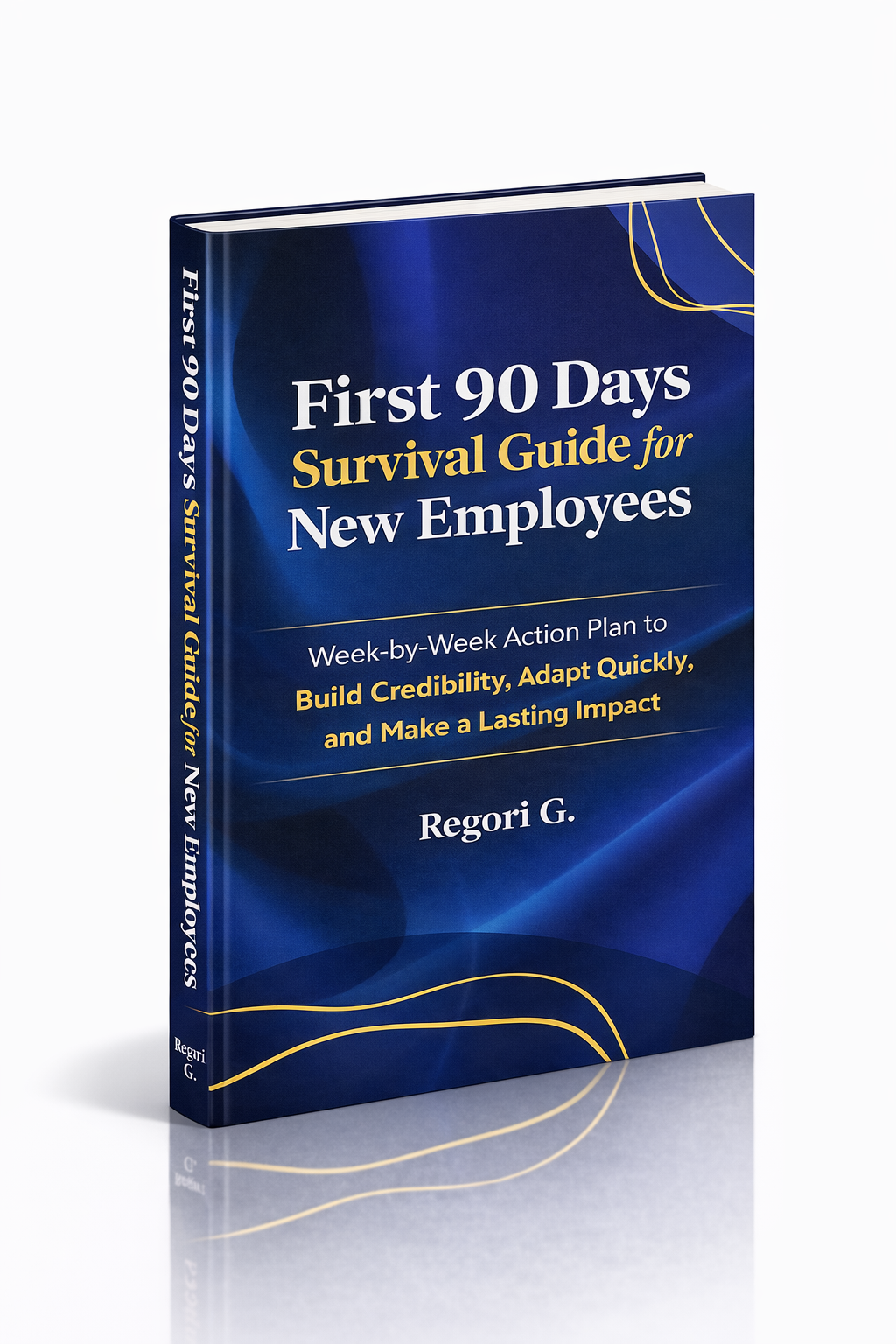
Guide 02
First 90 Days Survival Guide
Hit the ground running and make your mark from day one.
Get it →
Guide 03
Interview Success for Introverts
7 proven steps to shine in interviews — even if you hate the spotlight.
Get it →