

The 5 Interview Mistakes That Cost You the Job
What's silently killing your chances — and what top candidates do instead. Delivered instantly to your inbox.
No spam. Unsubscribe anytime. Privacy Policy & Terms
- Why "I'm a hard worker" destroys your chances
- What interviewers decide in the first 90 seconds
- How to handle tough questions with confidence
- The salary mistake almost every candidate makes
Common Job Interview Mistakes That Cost You the Offer
Job interviews can be a nerve-wracking experience, and making the right impression is crucial. Unfortunately, many candidates make common mistakes that lead to losing the job offer. Understanding these missteps can greatly increase your chances of success in your job search.
Returning Incomplete Information
One major mistake candidates make is failing to provide complete information during their interviews. Employers often ask specific questions to gauge your experience and qualifications. If you give vague or incomplete answers, it can give the impression that you lack the necessary knowledge. Ensure your answers are thorough; discuss relevant past experiences, how they apply to the job, and the results you achieved. This way, you present a well-rounded picture of your abilities.
Not Researching the Company
Many candidates overlook the importance of researching the company they are interviewing with. Failing to understand its mission, values, and culture can result in sounding unprepared or disinterested. Take the time to visit the company’s website and review its recent news. Knowing key facts can help you answer questions more confidently and tailor your responses to align with their expectations.
Negative Attitude Towards Previous Employers
Speaking poorly about former employers can be a red flag for hiring managers. It suggests that you may not be a team player or might bring negativity into their company. Instead, focus on what you learned from past experiences, even if they were not ideal. Frame your narrative positively and explain how you have grown from those challenges.
Poor Body Language
Your body language can speak volumes during an interview. Candidates often make the mistake of slouching, avoiding eye contact, or appearing disinterested. These non-verbal cues can convey a lack of engagement or confidence. To project enthusiasm and professionalism, sit up straight, make appropriate eye contact, and smile when appropriate. Practice your body language in advance to ensure you convey the right message.
Failing to Ask Questions
When the interviewer asks if you have any questions, many candidates say “no.” This response can make you appear uninterested. Asking questions not only shows your enthusiasm but also gives you insight into the company. Prepare a list of thoughtful questions that cover the role, team dynamics, and growth opportunities. Here are a few examples to consider:
- What does success look like in this position?
- Can you describe the team I would be working with?
- What are the potential career paths within the company?
Being Unprepared for Common Questions
Job interviews often contain specific questions regardless of the industry. Candidates sometimes fail to prepare for common interview questions, such as “Tell me about yourself” or “What are your strengths and weaknesses?” Prepare thoughtful responses that highlight your qualifications while relating them back to the job. Practice your answers with a friend or in front of a mirror to gain confidence.
Lack of Follow-up
After the interview, neglecting to send a follow-up email can cost you the offer. A brief thank-you note reiterates your interest in the position and appreciation for the opportunity. Make it personal by mentioning something specific discussed during the interview. This small gesture can keep you top-of-mind as the employer makes their decision.
By avoiding these common job interview mistakes, you can greatly improve your chances of receiving the job offer. Remember to provide complete information, research the company, maintain positive body language, engage with meaningful questions, and follow up afterward. For more tips on job interviews, you can visit The Balance Careers to learn more strategies for success.
The Impact of Body Language on Interview Success
When preparing for a job interview, many candidates focus on their resume, skills, and experience. However, another crucial aspect can make or break your chances of landing the job: body language. Your non-verbal cues communicate a wealth of information about your confidence, interest, and professionalism. Here’s how body language impacts your interview success and what you can do to make a lasting impression.
Understanding Body Language
Body language includes gestures, facial expressions, posture, eye contact, and even the tone of voice you use during conversations. Research suggests that a substantial part of our communication is non-verbal. In fact, studies indicate that up to 93% of communication effectiveness comes from non-verbal cues. This means that how you present yourself in an interview can be just as important as what you say.
Key Body Language Techniques for Interviews
Here are some essential body language techniques that can help you project confidence and enthusiasm:
- Make Eye Contact: Maintaining appropriate eye contact shows that you are attentive and engaged in the conversation. It also reflects confidence. Aim for 50-70% eye contact during the interview.
- Use Open Posture: Keep your body open by avoiding crossed arms or legs. Sit up straight, lean slightly forward, and use hand gestures to emphasize your points.
- Smile: A genuine smile can make you appear friendly and approachable. It can also help create a positive atmosphere during the interview.
- Nod: Nodding in agreement while the interviewer speaks shows that you are listening and understanding their points.
- Avoid Fidgeting: Overly nervous habits, such as tapping your foot or playing with your hair, can distract from your message. Stay calm and composed.
Body Language Mistakes to Avoid
While there are effective techniques to employ, it’s also critical to recognize body language mistakes that can cost you the job offer. Here are some errors to watch out for:
- Closed Off Posture: Crossing your arms or legs can be interpreted as defensiveness. Aim for an open posture to convey willingness to engage.
- Lack of Eye Contact: Avoiding eye contact can signal that you are unconfident or disengaged. Try to maintain a balance by looking at the interviewer regularly.
- Overly Aggressive Gestures: While hand gestures can enhance your message, overdoing them can come off as aggressive or erratic.
- Forgetting to Smile: Neglecting to smile can make you appear unfriendly or disinterested, which is the opposite of what you want to convey.
Practice Your Body Language
Practicing your body language is vital to becoming comfortable with it. Here are some tips on how to rehearse before your interview:
- Record yourself during mock interviews to observe your body language.
- Practice in front of a mirror to see how you present yourself.
- Ask a friend or family member to evaluate your body language during a practice interview.
If you want to further improve your understanding of body language, consider consulting resources dedicated to communication skills. For reliable expert insights, you can visit The Balance Careers or Forbes.
Final Thoughts
Utilizing effective body language in interviews can significantly enhance your chances of securing a job offer. By practicing your non-verbal communication and being aware of common mistakes, you can create a strong, positive impression on your interviewer. Remember, the way you present yourself can sometimes speak louder than your words.
How Over-preparation Can Backfire in Interviews
When it comes to job interviews, preparation is key. While most things in life benefit from a little extra effort, over-preparation can actually harm your chances of getting the job you want. This counterintuitive reality can leave candidates wondering where they went wrong. Here’s how going overboard can backfire and detract from your natural charisma and genuine connection during the interview process.
One of the most significant pitfalls of over-preparation is that it can lead to a lack of spontaneity. When you memorize answers to common interview questions rather than understanding the underlying concepts, your responses can come off as scripted or robotic. Interviewers appreciate candidates who can think on their feet, engage in conversation, and respond genuinely rather than reciting rehearsed lines.
Another common mistake arising from too much preparation is the tendency to overwhelm interviewers with information. You might come in armed with facts, figures, and intricately prepared narratives about your previous experiences. However, if you bombard your interviewer with extensive details, it can impede the natural flow of conversation. You risk turning a helpful dialogue into an unbalanced monologue. Remember, the goal is to engage, not to lecture.
Additionally, over-focusing on potential questions can create anxiety. This pressure can result in fumbling your responses or blanking out entirely during the interview. It’s easy to become so preoccupied with steering the conversation toward prepared talking points that you miss the opportunity to listen actively to your interviewer’s cues. Consider this simple practice:
- Prioritize your talking points
- Focus on the job role and company culture
- Leave room for genuine exchange
While it’s beneficial to anticipate various questions regarding your qualifications, your responses should be flexible and adaptable. Interviewers can sense when you’re pulling from a set script versus engaging in real dialogue. Authenticity is a compelling quality that employers look for and is often lost in over-preparation.
Another subtle but impactful issue with over-preparation is the tendency to over-analyze your interview performance afterward. While it’s natural to review your answers and choices, fixating on minor errors can be counterproductive. Instead of learning from experience, you may become trapped in a cycle of self-doubt, which can affect your confidence in future interviews.
To help ensure that you harness the power of preparation without reducing your chances of success, consider these tips:
- Practice with friends or mentors who can provide feedback. Their input can help keep you grounded.
- Maintain a flexible mindset. Approach the interview as a conversation rather than a test.
- Understand the role and organization deeply. Research the company culture and expectations instead of just potential questions.
- Embrace your individuality. Allow your personality to shine through as you prepare; remember, they want to know you!
It’s also helpful to learn about the most common interview pitfalls resulting from over-preparation from experts. You can check resources like The Balance Careers for best practices and advice from experienced career coaches.
Additionally, practicing mindfulness techniques can help alleviate some of the anxiety that comes with over-preparation. Techniques such as deep breathing or visualization can keep you centered during the interview process.
Moreover, over-preparing for an interview can sometimes lead to neglecting critical areas that are equally important. A strong resume and cover letter are significant, but so is your overall presentation. Over-preparation can shift your focus away from this holistic view, which is vital for creating the best impression possible.
It’s essential to remember that interviews are a two-way street. While you’re being assessed for your fit within the company, it’s equally your opportunity to determine if the organization matches your goals and values. Being too rigid in perception can prevent you from forming the meaningful connections that interviews are meant to foster.
While preparation is undeniably essential, striking that perfect balance can help you excel in interviews. Avoiding the traps of over-preparation can make your candidacy more appealing, showcasing authenticity and confidence. Prepare wisely and remember that conversations are an art in themselves, one best approached with an open mind and heart.
The Importance of Researching the Company Before an Interview
Preparing for a job interview can be both exciting and nerve-wracking. One of the most critical steps in this process is researching the company you’re interviewing with. Understanding the company’s vision, culture, and products can make a significant difference in your interview performance. This not only shows your interest in the role but also positions you as a proactive candidate. Let’s explore the many reasons why this preparation is essential.
Demonstrating Enthusiasm
When you dive into research, it reflects your genuine interest in the company. During the interview, you can bring up specific projects or values that resonate with you. This connection can help you stand out from other candidates. Employers appreciate candidates who care enough to learn about their organization before stepping into the interview room.
Understanding Company Culture
Company culture plays a vital role in your potential fit within the organization. Researching the company allows you to grasp their work environment, employee dynamics, and overall ethos. You can find this information through:
- Glassdoor: Read employee reviews and ratings.
- LinkedIn: Follow the company and check their posts and updates.
- Forbes: Look for articles discussing the company’s standing in its industry.
By understanding the culture, you can tailor your answers to align with their values, which can positively affect your chances of getting the job.
Preparing Intelligent Questions
A well-researched candidate can ask insightful questions. This not only demonstrates your preparedness but also your critical thinking skills. Some good questions could include:
- What are the biggest challenges facing the team right now?
- How does this role contribute to the company’s goals?
- Can you tell me more about the opportunities for professional development?
Asking these types of questions can leave a great impression and show that you are serious about the position.
Tailoring Your Responses
Different companies have unique selling propositions. Knowing these allows you to tailor your responses to highlight your skills and experiences that fit their specific needs. For instance, if the company prides itself on innovation, discuss your previous experiences or creative solutions you developed in past roles. This strategic alignment can emphasize how you can add value to the organization.
Researching Competitors
Understanding the company’s competitive landscape provides context to your role. Recognizing who their main competitors are and what sets the company apart can be a huge advantage. It prepares you to discuss industry trends and demonstrate that you’re engaged with the broader market. Use resources like:
- Industry Week: For updates on industry trends.
- Statista: For industry statistics and benchmarks.
Improving Confidence
Knowledge breeds confidence. When you are well-informed about the organization’s structure, recent news, and industry positioning, you can walk into the interview feeling prepared. Confidence can significantly influence the impression you make, allowing you to engage more effectively during your discussion.
Final Thoughts
Researching the company before an interview isn’t just about gathering information; it’s about understanding the entire ecosystem surrounding your potential employer. This preparation helps you demonstrate genuine interest, align your values, and prepare intelligent discussions, all of which can greatly enhance your chances of success. Remember, every ounce of effort you put into your research allows you to turn the tables in your favor. Take your time, absorb the information, and step into that interview with the confidence that comes from being well-prepared.
Common Questions Candidates Don’t Prepare For
When preparing for a job interview, many candidates focus on traditional questions like “Tell me about yourself” or “What are your strengths and weaknesses?” However, there are other common questions that often catch applicants off guard. Not being ready for these can seriously impact your chances of landing the job. Here are some questions you may not have prepared for, along with tips on how to handle them effectively.
One frequently overlooked topic is behavioral questions. These are designed to understand how you’ve handled situations in the past. You might be asked a question like, “Describe a time you faced a challenge at work.” A good way to respond is to use the STAR method:
- Situation: Describe the context within which you performed a task or faced a challenge.
- Task: Explain your responsibilities in that situation.
- Action: Discuss what actions you took to address the issue.
- Result: Share what the outcome was and what you learned from the experience.
Another common question is, “What is your biggest weakness?” Candidates often stress over how to answer this, fearing that admitting a weakness will lessen their chances. Instead, frame your weakness in a way that shows your self-awareness and commitment to self-improvement. For example, you might say, “I sometimes struggle with public speaking, but I’ve been taking classes to build my confidence.” This shows that you are proactive and willing to improve.
Employers may also ask questions related to the specific role you’re applying for, such as “How do you prioritize your tasks?” This question aims to assess your time management skills and your understanding of the job’s responsibilities. To tackle this, share your methods for prioritizing tasks—whether it’s using a calendar, to-do lists, or project management tools like Trello or Asana. By demonstrating familiarity with common tools, you underline your preparedness for the role.
Additionally, expect questions about cultural fit, like “What type of work environment do you thrive in?” This question gauges whether you’ll mesh well with the team. It’s important to do your research beforehand about the company culture. You might say something like, “I am drawn to environments where collaboration is encouraged, as I believe it leads to the best outcomes.” This response shows that you are thoughtful about where you would perform best.
Moreover, you might face questions about salary expectations. When asked, “What are your salary expectations?” it’s essential to be prepared. Research the average salary for your role using resources like Glassdoor or Payscale before the interview. Providing a salary range demonstrates that you have a realistic understanding of your market value. For example, you could say, “Based on my research and experience level, I believe a salary in the range of $60,000 to $70,000 is reasonable.” This response shows you are well-informed and professional.
Another tricky question can be “Why should we hire you?” This is your chance to sell yourself, but make sure your answer aligns with the company’s values and needs. You might highlight your unique skills or experiences that directly relate to the job, like, “I bring three years of experience in project management, which could contribute to increasing efficiency in your current projects.” Tailoring your answers to specific company goals shows you’re committed and knowledgeable.
Questions like, “Where do you see yourself in five years?” can also be a surprise. This question allows employers to evaluate your career ambitions. While honesty is crucial, try to align your goals with the potential career trajectory at the company. For instance, “In five years, I hope to take on more leadership roles within my field. I see this position as the perfect opportunity to develop the skills I need for that future.”
Job interviews can be daunting, but being prepared for unexpected questions can set you apart. By thinking through these common questions and practicing your responses, you are more likely to leave a positive, lasting impression on your interviewers.
The Role of Follow-Up Communications After an Interview
Follow-up communications after an interview are more than just polite gestures; they are a critical part of the job application process. Whether you’re reaching out to thank an interviewer or reiterate your enthusiasm for the position, these connections can significantly influence your chances of landing the job you desire. Understanding how to craft these communications can set you apart from other candidates. Here are some key points to consider.
Why Follow-Up Communications Matter
Follow-up communications serve multiple purposes:
- Demonstrate Your Interest: Sending a follow-up message shows that you are genuinely interested in the role and the company. It highlights that you value the opportunity to interview.
- Reinforce Your Qualifications: This is a chance to remind the interviewer of your strengths and how they align with the company’s needs. It can solidify your position as a top candidate.
- Open the Lines of Communication: Following up keeps the communication channels open. It ensures that you remain on the interviewer’s mind as they finalize their hiring decisions.
Best Practices for Follow-Up Communications
To maximize the impact of your follow-up, keep the following tips in mind:
- Timing is Key: Aim to send your follow-up message within 24 to 48 hours after the interview. This timing keeps you fresh in the interviewer’s mind.
- Be Personal: Reference specific moments from your interview. For instance, you could mention a topic discussed that excited you or how your skills could address an issue the interviewer mentioned.
- Keep It Short and Sweet: Your follow-up doesn’t need to be lengthy. A concise note expressing gratitude and enthusiasm is often most effective.
- Proofread: Spelling and grammatical errors can undermine your professionalism. Always proofread your follow-up before sending it.
- Choose the Right Medium: Email is typically the best choice for follow-up communications. It’s quick, practical, and allows for easy documentation.
What to Include in Your Follow-Up Message
Your follow-up communication should include the following elements:
| Element | Description |
|---|---|
| Thank You | Begin with expressing your gratitude for the interview opportunity. |
| Specific Highlights | Mention specific things discussed during the interview that resonated with you. |
| Reiterate Your Interest | Clearly state your enthusiasm for the role and the organization. |
| Offer Further Information | Invite the interviewer to reach out if they need any more information about your qualifications. |
| Professional Closing | Close with a professional sign-off that includes your name and contact information. |
Examples of Follow-Up Messages
Here’s a basic template you can use:
Dear [Interviewer’s Name],
Thank you very much for the opportunity to interview for the [Job Title] position yesterday. I enjoyed our discussion about [specific topic]. It further confirmed my enthusiasm for the role and how my background in [your experience] aligns with your team’s needs.
I appreciate your time and consideration and look forward to the possibility of working together. Please let me know if you need any further information to assist in the decision-making process.
Best regards,
[Your Name]
[Your Phone Number]
[Your LinkedIn Profile URL]
Follow-Up Timing and Frequency
A common question is how often to follow up. After sending your initial thank you, if you haven’t heard back in a week or two, a gentle reminder is appropriate. Make sure your follow-up emphasizes continued interest without sounding pushy.
Resources for Further Learning
For more tips and guidance, consider checking out websites like The Balance Careers and Indeed Career Guide. These platforms offer useful insights and advice on crafting effective follow-up communications.
Balancing professionalism with genuine interest is crucial in follow-up communications. When done correctly, these messages can reinforce your candidacy, keep you top-of-mind for recruiters, and pave the way to potential job offers. Take the time to invest in this step, and it can contribute significantly to your job search success.
Strategies to Overcome Nerves and Boost Confidence Before an Interview
Job interviews can be intimidating. It’s entirely normal to feel nervous before an interview, but those jitters can negatively impact your performance. Fortunately, there are several effective strategies you can use to overcome nerves and boost your confidence. Implementing these methods can help you present your best self and increase your chances of landing the job.
Understand Your Nervousness
Before you can tackle your nerves, it’s crucial to pinpoint what specifically makes you anxious. Here are some common fears that candidates might experience:
- Fear of rejection
- Worry about answering questions incorrectly
- Nervousness around new people
By recognizing your sources of anxiety, you can begin to address them head-on. Write down your concerns and tackle each one with a positive mindset.
Practice, Practice, Practice
One of the best ways to build confidence is through preparation. The more you practice, the more comfortable you will feel. Consider the following methods:
- Mock Interviews: Set up practice interviews with friends or family. This allows you to simulate the interview experience and receive constructive feedback.
- Research Common Questions: Familiarize yourself with frequently asked interview questions. Websites like The Balance Careers offer extensive resources that can serve as a guide.
- Record Yourself: Recording your answers can help you refine your delivery. Pay attention to your tone, body language, and pacing.
Positive Visualization
Visualization is a powerful tool. Before the interview, spend a few moments picturing yourself succeeding. Imagine the interview going smoothly, answering questions effectively, and making a positive impression. Research has shown that athletes and high performers often use visualization to enhance their confidence and focus. By picturing your success, you’re more likely to make it a reality.
Mindfulness and Breathing Techniques
Practicing mindfulness can help calm your nerves and put you in a positive mindset. Incorporate the following techniques into your routine:
- Deep Breathing: Before your interview, practice deep breathing exercises. Take a few slow, deep breaths—inhaling through your nose for four counts, holding for four counts, and exhaling through your mouth for four counts. This can help you feel more present and relaxed.
- Grounding Exercises: Focus on your surroundings. Take a moment to observe the colors, sounds, and people around you. This can bring your mind back to the present moment and away from anxious thoughts.
Dress for Success
Your attire plays a significant role in how confident you feel. Dressing appropriately for the interview can boost your self-esteem. Here are some tips for selecting the right outfit:
- Choose clothing that fits well and is appropriate for the company’s culture.
- Opt for colors that make you feel powerful, like navy blue or dark gray.
- Ensure your outfit is clean and wrinkle-free to make a good first impression.
Arrive Early
Avoid the added stress of running late by planning your arrival time carefully. Try to arrive about 15 minutes early. This not only shows your punctuality but also gives you a chance to acclimate to the environment. Use the time to collect your thoughts, review your notes, or practice your breathing exercises. If you’re not in a rush, you’ll feel more composed when the interview begins.
Engage with the Interviewer
People often feel less nervous when they focus on others rather than themselves. Make a conscious effort to engage with the interviewer. Maintain eye contact, listen attentively, and respond thoughtfully. This interaction can create a more relaxed atmosphere and help to ease your nerves.
Follow Up
After the interview, take a moment to reflect on what went well and what could be improved for next time. Sending a follow-up email thanking the interviewer can also reinforce your interest in the position. Doing so not only showcases professionalism but provides another opportunity to connect.
By implementing these strategies, you can transform anxiety into confidence and put your best foot forward in your next job interview. Don’t forget that it’s perfectly normal to feel a bit nervous. With practice and preparation, you can overcome your nerves and shine.
For more tips on job interviews and professional development, visit The Balance Careers or check out Forbes Careers.
Key Takeaway:
Navigating the job interview landscape can often feel daunting, particularly when there are common pitfalls that can cost you the coveted job offer. Understanding these common job interview mistakes is essential for success. One of the most significant missteps candidates make is neglecting body language. Non-verbal cues can communicate just as much, if not more, than words. Maintaining eye contact, sitting up straight, and offering a firm handshake can create a positive impression that reflects confidence and enthusiasm.
Over-preparation may seem like a good strategy, but it can lead to robotic responses that lack authenticity. While it’s important to rehearse, a little authenticity goes a long way in interviews. Genuine conversations resonate more with interviewers than rehearsed lines, which can appear disingenuous. This highlights the importance of balancing preparation with spontaneity.
Additionally, failing to research the company thoroughly before an interview can result in missed opportunities. Interviewers often look for candidates who demonstrate a genuine interest in the organization. Being informed about the company’s goals, culture, and recent developments gives you the chance to tailor your answers and ask insightful questions.
Common questions that candidates often overlook can also set the tone for the interview. Being prepared for typical inquiries, such as your strengths and weaknesses or your biggest achievements, is essential. These questions allow you to showcase your fit for the role.
After the interview, following up is crucial. A thoughtful thank-you email reinforces your interest in the position and provides an opportunity to address any points you may not have explained fully.
Interview nerves are natural, but effective strategies can help calm your mind and boost confidence. Practicing mindfulness, deep breathing, or positive visualization before an interview can make a significant difference. The key is to enter the interview room relaxed and ready to engage.
Avoiding common job interview mistakes requires attention to body language, preparation balance, company research, readiness for tough questions, impactful follow-ups, and managing nerves. By keeping these strategies in mind, you’ll have a stronger chance of landing the job offer you desire.
Conclusion
Securing a job offer hinges on your ability to navigate the interview process effectively. By avoiding common mistakes, such as poor body language or over-preparing to the point of sounding rehearsed, you set yourself up for success. Remember, your posture and facial expressions convey messages just as strongly as your words.
Thorough research on the company will not only equip you with insights to answer specific questions but also demonstrate genuine interest to the interviewer. Similarly, preparing for unexpected questions can showcase your adaptability and critical thinking skills, giving you an edge over less-prepared candidates.
Don’t underestimate the role of follow-up communications; a thoughtful thank-you message can reinforce your enthusiasm for the position and leave a lasting impression. Additionally, addressing nerves with effective confidence-boosting strategies, like practice interviews or relaxation techniques, will help you present your best self.
Approaching each interview with these strategies will strengthen your candidacy. Each small effort contributes to a more polished and appealing presentation. By focusing on these essential interview components, you position yourself not just as an applicant, but as a top contender for the job you desire. With the right mindset and preparation, you can confidently navigate the interview landscape and increase your chances of landing that offer.
visit The Job Interview System for Job Seekers on Gumroad. A practical guide built for people who are serious about landing the job they want. For more interview guides, career tips, and job search resources, visit the Love PDF Guides home page.
Your Next Chapter
Starts with the Right Guide
Three straight-talking PDF guides to help you win interviews, beat the first 90 days and thrive as an introvert. Instant download on Gumroad.
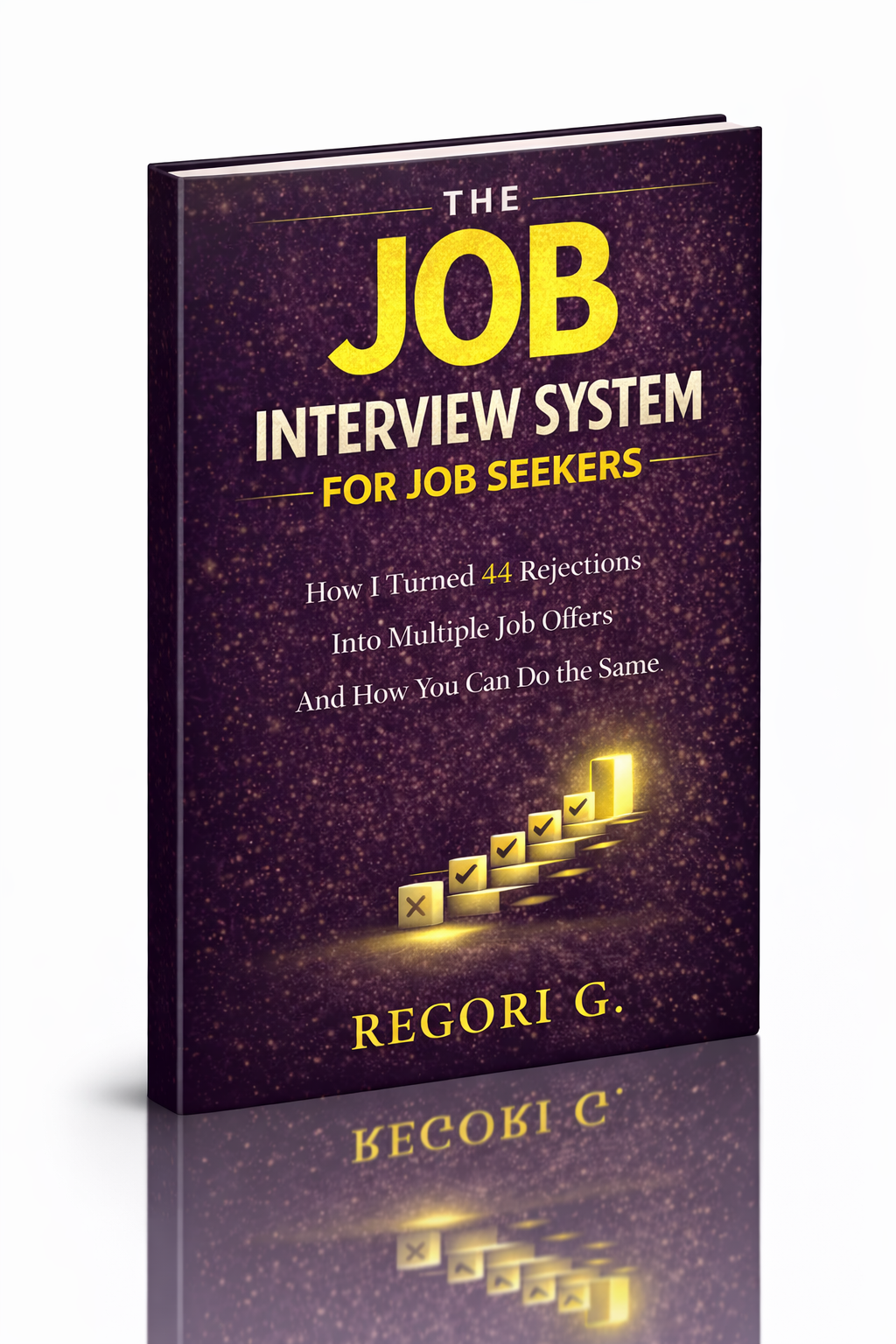
Guide 01
The Job Interview System
Step-by-step interview prep that turns nerves into confidence.
Get it →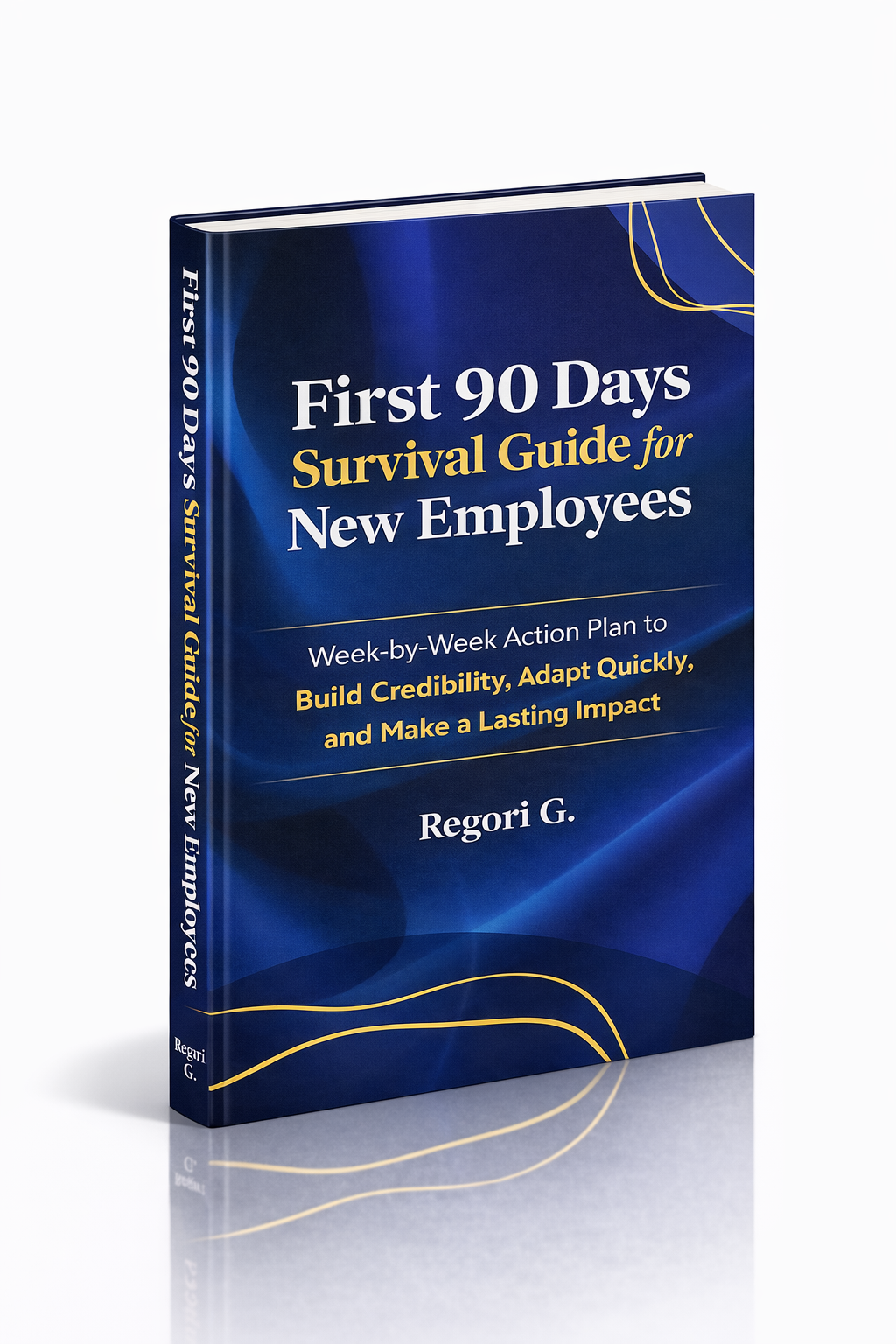
Guide 02
First 90 Days Survival Guide
Hit the ground running and make your mark from day one.
Get it →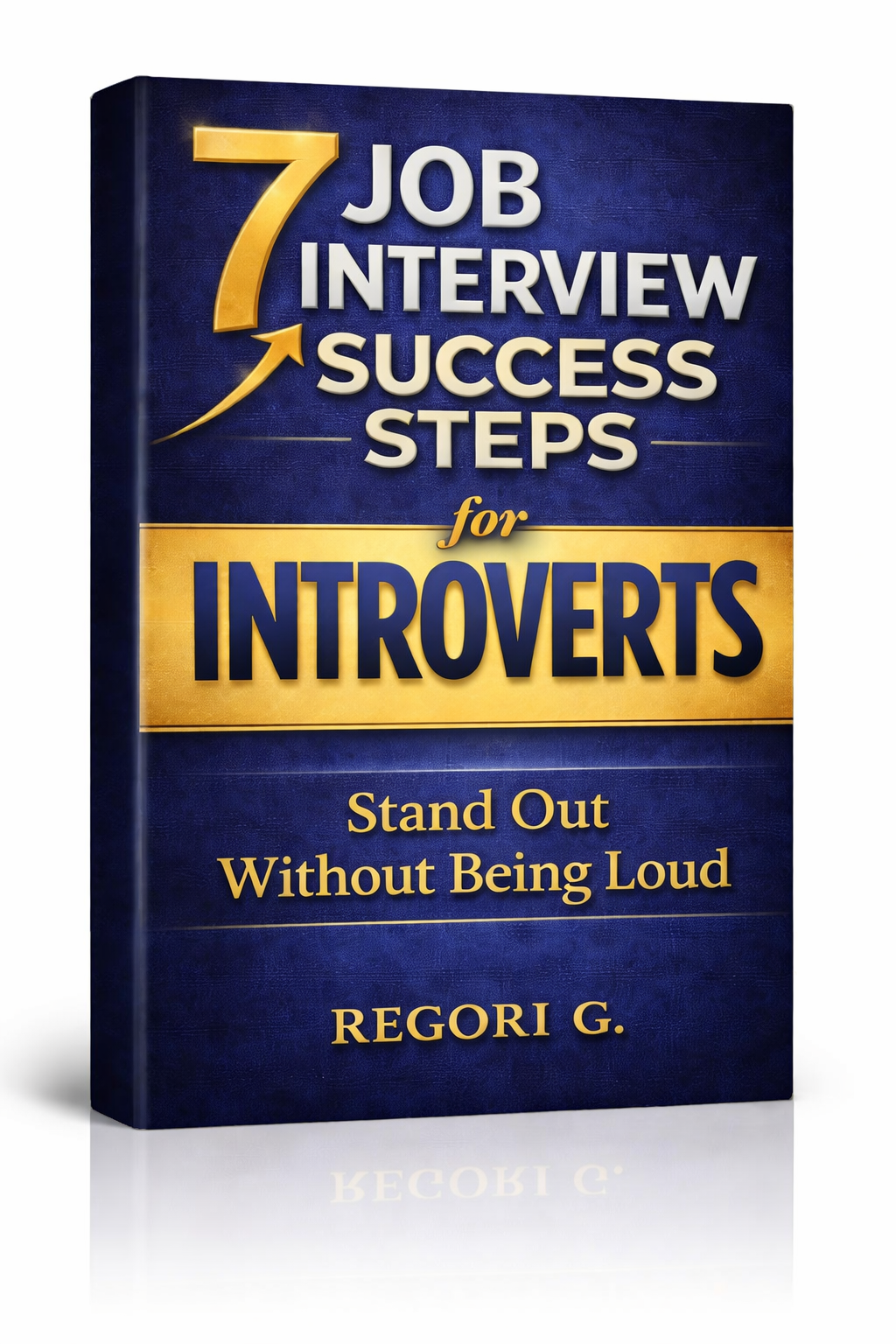
Guide 03
Interview Success for Introverts
7 proven steps to shine in interviews — even if you hate the spotlight.
Get it →