

The 5 Interview Mistakes That Cost You the Job
What's silently killing your chances — and what top candidates do instead. Delivered instantly to your inbox.
No spam. Unsubscribe anytime. Privacy Policy & Terms
- Why "I'm a hard worker" destroys your chances
- What interviewers decide in the first 90 seconds
- How to handle tough questions with confidence
- The salary mistake almost every candidate makes
How to Answer Why Are You Leaving Your Current Job
When you’re asked, “Why are you leaving your current job?” during an interview, it’s important to craft a response that is honest but also strategically aligns with your career goals. This question can reveal a lot about your work style, values, and motivations. Here’s how to navigate this question effectively.
Understand the Interviewer’s Perspective
Before answering, consider what the interviewer wants to know. They are looking for insights into your work ethic and how you handle challenges. Also, they want to ensure that you’re not leaving due to unresolved issues or poor performance. Understanding this can help you frame your answer positively.
Focus on Positives
When discussing your current job, aim to highlight the positive aspects of your experience. This shows your professionalism and ability to frame your career story constructively. Here are some strategies to shape your response:
- Career Growth: Talk about your desire for advancement and new challenges. Explain how the potential new position is a better fit for your career goals.
- Skill Development: Highlight your interest in developing new skills or working on different projects. For example, you might say, “I’m excited about the opportunity to expand my expertise in marketing, which I feel is more aligned with my long-term goals.”
- Company Culture: If applicable, mention looking for a work environment that better matches your values or work style. You might say, “I’m seeking a collaborative team environment where ideas thrive.”
Be Honest, But Tactful
If your reason for leaving involves negative experiences, such as a toxic work culture or poor management, be cautious. Instead of focusing on these issues, frame your response in a way that emphasizes your desire for a better professional environment. For instance:
- “I learned a lot in my current role, but I am looking for a more supportive team dynamic that encourages innovative ideas.”
- “I appreciate the experience I gained, but I believe that I’m ready for new challenges that align more closely with my career passions.”
Practice Your Response
Once you have your points clear, practice your answer. This prepares you to respond confidently during the actual interview. Here’s a simple format to help you organize your thoughts:
| Component | Example |
|---|---|
| Current role overview | “In my current position, I’ve enjoyed working on X projects and collaborating with Y team.” |
| Reason for leaving | “However, I’m eager to explore opportunities that will allow me to take on new responsibilities and grow my skill set.” |
| Why this new role | “I believe this position aligns perfectly with my skills and career aspirations, particularly in Z area.” |
Keep It Short and to the Point
Your response should be concise—ideally 1-2 minutes. Avoid going into excessive detail. Instead, focus on conveying your motivations clearly and positively. This will help leave a good impression on the interviewer, demonstrating your ability to communicate effectively.
Prepare for Follow-Up Questions
After your initial response, be ready for follow-up questions. The interviewer may want to know more about your past experiences or how you’ve handled challenges in your current job. Stay honest but always steer the conversation back to the value you’ll bring to the new company.
Answering the question “Why are you leaving your current job?” successfully is about finding that balance between honesty and positivity. By focusing on growth and fit, you’ll create a compelling narrative that showcases your professionalism and readiness for the next step in your career. For more detailed tips, check out websites like The Balance Careers and Forbes, which provide excellent career advice.
Common Mistakes to Avoid When Discussing Job Departures
When you’re in the job market, discussing why you left your previous position can be a difficult topic. Your response can shape the interviewer’s perception of you, so it’s essential to approach this question with care. Below are some common mistakes to avoid when discussing job departures.
Avoid Negativity
One of the biggest errors you can make is speaking negatively about your current or previous employer. This can come off as unprofessional and signals to potential employers that you might carry that negativity into your next role. Instead, focus on the positive aspects of your experience, such as skills you gained or lessons learned. Framing your departure in a positive light helps to maintain a professional demeanor.
Being Vague or Indirect
Another common pitfall is providing vague or unclear reasons for your departure. Employers appreciate honesty and transparency. Instead of saying, “I wasn’t happy,” clarify your reasons while staying professional. You might say, “I wanted to pursue new opportunities that align more closely with my career goals.” This provides clarity while reflecting a proactive attitude toward your career.
Oversharing Personal Details
While honesty is crucial, oversharing personal grievances can be detrimental. Stay focused on professional reasons. Discussing personal matters can make the interviewer uncomfortable and distract from your qualifications. Keep your explanation concise and relevant to the job you’re applying for.
Playing the Blame Game
Avoid placing blame on others for your job loss or dissatisfaction. This reflects poorly on you and can lead employers to question your ability to work in a team. Instead, take responsibility for your choices. A great way to frame your answer is to highlight your desire for growth. You could say, “I felt it was time to explore opportunities that challenged my abilities.” This demonstrates maturity and self-awareness.
Not Understanding Your Worth
Showing a lack of confidence in your skills and experience can raise red flags. If you’re leaving for a better opportunity, communicate your goals clearly. Don’t hesitate to express your desire to find a role that utilizes your strengths. For instance, you might mention that you’re seeking a position that offers more leadership responsibilities. This will show that you have a vision for your career path.
Giving a Negative Impression in Your Body Language
Your body language can speak louder than words. Avoid slouching or crossing your arms, as these postures may indicate defensiveness or discomfort. Maintain eye contact and practice an open posture to convey confidence and enthusiasm about your future opportunities. This could make the difference between convincing the interviewer of your suitability or leaving them with doubts.
Failing to Prepare
Preparing for this question should be part of your interview prep. Rehearse your answer so it comes out naturally during the conversation. If you stumble through your response, it can create uncertainty. Create a few bullet points you want to cover, so you have a roadmap to follow during the discussion.
Neglecting to Focus on the Future
While it’s important to explain why you left, don’t forget to pivot to what you are looking for in your next role. Employers want to know how your experiences will contribute to their team. Make sure to highlight your excitement about potential new opportunities and goals you’re eager to achieve. Share your passion for the field or company you’re interviewing with to create a positive projection about your future.
By steering clear of these common mistakes, you can present a more polished and professional image when discussing your job departures. For more detailed guidance on interview practices, consider visiting The Muse or Indeed. These resources offer valuable tips that can further enhance your interview strategy.
Maintaining a positive and focused narrative about your job transition can significantly improve your chances of making a favorable impression. Remember, interviews are not just about your past, but also about your future potential!
The Importance of Framing Your Departure Positively
When you’re getting ready to leave your current job, how you frame your departure can significantly impact your career progress. Speaking positively about your previous position demonstrates professionalism and can leave a lasting impression on potential employers. Employers appreciate candidness, but they also value a constructive attitude, especially during interviews. Here are a few reasons why framing your departure positively is crucial.
Maintaining Professional Relationships
Building and maintaining relationships is essential in the workplace. By presenting your departure in a positive light, you show respect to your former colleagues and supervisors. This can lead to a network of professional contacts that can assist you in your future endeavors. Here are a few tips to keep in mind:
- Acknowledge the Positives: Find at least one positive aspect of your time at the company.
- Express Gratitude: Thank your employer for the opportunities you had while working there.
- Keep Connections Open: Let your colleagues know they can reach out to you in the future.
Improving Your Interview Chances
Potential employers often ask about why you’re leaving your current job. This question provides a unique opportunity to showcase your professional maturity. When you explain your departure thoughtfully and positively, it enhances your chances of making a good impression. Consider the following strategies:
- Focus on the Future: Redirect the conversation towards what you hope to achieve in your next role.
- Be Honest, Yet Tactful: Avoid negative comments about your current employer but provide truthful reasons for your departure.
- Highlight New Opportunities: Emphasize your motivation for seeking new experiences and how they align with your career goals.
Building Your Personal Brand
How you communicate your departure can also play a pivotal role in enhancing your personal brand. A well-articulated explanation of your choices reflects positively on your character and decision-making skills. Here’s how to use your departure to strengthen your brand:
- Craft Your Story: Create a narrative that explains your career path and future aspirations.
- Consistency Matters: Be consistent across your resume, LinkedIn profile, and in interviews.
- Share Lessons Learned: Discuss what you’ve learned from your past experiences and how they will benefit your future employers.
Turning Challenges into Growth
If your departure includes challenges or difficulties, framing them positively can showcase your resilience. Employers value candidates who can navigate tough situations with grace. Here are some ideas:
- Discuss Enhancements: Mention skills you’ve gained from dealing with challenges rather than dwelling on negatives.
- Show Growth Mindset: Highlight how you’ve used challenges to grow personally and professionally.
- Focus on the Future: Talk about how these experiences will contribute positively to your next role.
Consider Engaging Resources
Preparing to answer this question thoughtfully can provide a significant advantage. Numerous resources exist to assist you in perfecting your message. Consider visiting The Balance Careers for helpful tips on answer preparation.
Moreover, networking platforms, such as LinkedIn, can provide insights from industry professionals who have navigated similar situations. Learning from others can help you frame your departure more effectively.
| Key Components | Positive Framing | Possible Pitfalls |
|---|---|---|
| Acknowledging Positives | Focus on good experiences and growth | Focusing on negatives or grievances |
| Expressing Gratitude | Thank your employer for opportunities | Failing to acknowledge past roles |
| Future Orientation | Discuss future goals and directions | Seeming stuck in the past |
Your ability to frame your departure positively can make a significant difference in your career journey. By choosing the right words and maintaining a positive outlook, you enhance your prospects and leave a lasting impression.
Addressing Employment Gaps in Your Explanation
When preparing for a job interview, addressing employment gaps can be a tricky situation. Many candidates worry that a gap in their employment history could raise red flags for employers. However, if you handle these gaps with honesty and confidence, they don’t have to hinder your chances of getting the job. Here are strategies to effectively explain any gaps in your work history during your upcoming interviews.
Understand the Reason Behind Your Gap
Before you can explain an employment gap, you need to fully understand the circumstances surrounding it. Take a moment to consider the reasons behind your absence from the workforce. These reasons can include:
- Personal health issues
- Caring for a family member
- Pursuing further education or skills
- Facing downsizing or layoffs
- Taking time for travel or personal projects
Identifying the specific reason will help you articulate your explanation clearly and honestly.
Frame Your Explanation Positively
How you present your employment gap is critical. Instead of focusing solely on the gap, shift your narrative toward what you learned or accomplished during that time. Here are some phrases you might use:
- “During my time away, I dedicated myself to furthering my skills through online courses in [specific area].”
- “I took the opportunity to manage personal challenges, which has given me a renewed focus and drive for my career.”
- “I volunteered with [name an organization], which allowed me to continue developing my professional skills and networking.”
Your goal is to demonstrate that, while you may not have been formally employed, you were actively engaged in personal and professional growth.
Prepare for Questions
Interviews often involve questions about your employment history. Anticipate such questions and craft your responses ahead of time. Consider these common interview questions related to employment gaps:
- “Can you explain the gap in your employment?”
- “What have you been doing during this time?”
- “How have you kept your skills current?”
Preparing succinct and honest answers to these questions can ease your anxiety and present a professional demeanor during the interview.
Highlight Your Skills and Accomplishments
While it’s important to address your gaps, it’s equally vital to highlight your skills and experiences that make you an ideal candidate. Focus on your accomplishments in previous roles and how they relate to the position you are applying for. Craft your response to include:
- Relevant experience that shows your qualifications
- Skills acquired or improved during your absence
- Your enthusiasm for re-entering the workforce
By concentrating on your strengths and abilities, you can help interviewers see you in a favorable light despite any gaps in your resume.
Demonstrating Reliability and Commitment
Employers are often concerned about hiring candidates with gaps in their job history due to perceived unreliability. To combat this concern, assure them of your commitment. Some ways to express reliability include:
- Explaining how you’ve remained in touch with industry developments
- Showing excitement about returning to work
- Discussing any freelance or contract work you may have done during your gap
Reassure your potential employer that despite the gaps, you are dedicated and ready to contribute to their team.
Be Honest and Authentic
Transparency is key when discussing employment gaps. Being sincere about your experiences will help build trust with potential employers. If you faced challenges that impacted your employment, don’t shy away from sharing them, as this shows resilience and growth.
By understanding the reasons behind your employment gap and framing your narrative positively, you can shift the focus from your absence to the strengths and skills you bring to the table. For further insights and strategies, visit The Balance Careers or CareerBuilder.
Ultimately, remember that addressing gaps in employment is not about making excuses; it’s about showcasing your journey. When you communicate with honesty and confidence, it becomes easier for employers to see your potential beyond any lost time.
How to Tailor Your Response for Different Interviewers
When preparing for an interview, one of the most crucial elements is how you tailor your responses to appeal to different interviewers. It’s essential to recognize that interviewers each have unique backgrounds, expectations, and styles of evaluation. Understanding this can help you craft responses that resonate with them effectively. Here are key strategies to ensure your answers hit the mark, regardless of who is interviewing you.
First, research the interviewers. Investigate their professional background and current position within the company. This can give you insights into their priorities and concerns. For example, a hiring manager may focus more on technical skills, while a human resources manager might prioritize cultural fit. You can often glean this information through LinkedIn or the company’s website.
Next, practice differentiating your messaging based on the background of the interviewer. Below is a simple table to illustrate how to modify your response depending on the type of interviewer:
| Interviewer Type | Focus Areas | Response Tips |
|---|---|---|
| Technical Lead | Skills, Technologies | Highlight relevant experiences and specific tasks you’ve accomplished with technology. |
| HR Recruiter | Cultural Fit, Soft Skills | Discuss team experiences, how you handle conflict, and your alignment with company values. |
| Hiring Manager | Role Suitability, Potential Impact | Focus on how your skills can help achieve their goals, mentioning strategic accomplishments. |
| Peer or Team Member | Collaboration, Team Dynamics | Share instances where you have successfully worked in a team setting and mutual achievements. |
Another strategy is to personalize your stories. Regardless of the interviewer, everyone appreciates real-world examples that demonstrate your abilities. When you hear the prompt “Tell me about a time you faced a challenge,” make sure your answer is relevant to the role you are applying for, but also tailored to the interviewer’s focus. For example:
- If speaking to a technical lead, mention a severe tech issue you resolved.
- If the interviewer is from HR, share how you navigated a team conflict and helped improve team dynamics.
During the interview, pay attention to the interviewer’s non-verbal cues. If they seem particularly interested or engaged in a specific part of your response, you can expand on that area. For instance, if a technical interviewer leans in when you describe a difficult project, take the opportunity to delve deeper into your problem-solving techniques. Being flexible and responsive can demonstrate your adaptability and confidence.
Moreover, stay positive about your current or previous employer when answering questions about why you left. No matter the interviewer, they are looking for professionalism. Instead of complaining or mentioning negative experiences, frame your departure in a way that portrays growth and opportunity for advancement. For instance:
- “I’m looking for new challenges and opportunities that align with my career goals.”
- “I’m interested in a role that allows for more responsibility and skill development.”
After addressing the question, you can also pivot the conversation to your excitement about the new role and share what you find appealing about the company or position. This method is effective and can create a strong connection with the interviewer, no matter who they are.
Consider each interviewer’s potential decision-making style. Some may value data and metrics, while others care more about narrative and your personal journey. Adapt your format accordingly; use quantifiable achievements for quantitative interviewers and storytelling techniques for those who prefer narrative formats. This adaptability can significantly enhance the impact of your responses.
Tailoring your responses for different interviewers is about understanding their unique perspectives and adjusting your messaging to meet those expectations. With the right groundwork and a flexible approach during the interview, you can enhance your chances of making a lasting impression. For more tips on interviewing strategies, visit The Balance Careers or Forbes Careers. Your next job could be just one interview away!
Strategies for Practicing Your Job Departure Explanation
When preparing for a job interview, one of the most common questions you may face is, “Why are you leaving your current job?” This question can impact your chances of landing the position, so having a well-thought-out response is crucial. Here are effective strategies to practice and refine your job departure explanation.
Firstly, it’s essential to understand the underlying goal of this question. Employers want to gauge your motivations and ensure that you won’t repeat any previous issues in their workplace. Therefore, providing a clear and positive explanation can demonstrate your professionalism and self-awareness.
Crafting Your Explanation
Your explanation should be honest but tactful. Consider focusing on the following themes:
- Career Advancement: Emphasize your desire for growth. You can say, “I am looking for new challenges and opportunities to further my career, which I believe this position provides.”
- Job Fit: If your current role isn’t the right fit, express that in a constructive way. For example, “While I’ve enjoyed my time there, I’m seeking a role that better aligns with my skills and interests.”
- Company Changes: Sometimes company restructuring or downsizing can affect your decision. State it neutrally: “With the recent changes in the organization, I believe it’s a good time for me to explore new avenues.”
- Work-Life Balance: If applicable, discuss your need for a better work-life balance. You might say, “I’m seeking a role that offers a work environment more conducive to my life goals.”
Rehearsing Your Response
Once you’ve crafted your explanation, practice delivering it. Here are some effective methods:
- Mirror Practice: Stand in front of a mirror and rehearse your response. Pay attention to your body language and facial expressions.
- Record Yourself: Use a video camera or your smartphone to record your practice. Watching yourself can help identify areas for improvement.
- Mock Interviews: Engage a friend or mentor to conduct a mock interview. This not only helps refine your response but also builds confidence.
Keeping it Positive
It’s vital to maintain a positive tone throughout your explanation. Avoid speaking negatively about your current employer or coworkers, as it can signal potential issues to the interviewer. Focus instead on what you are looking forward to in your new role. For example:
Instead of saying, “My boss is difficult to work with,” you can rephrase it positively: “I’m ready for an environment that fosters teamwork and collaboration.” This demonstrates your professionalism and helps create a favorable impression.
Being Honest but Careful
While it’s essential to be truthful, you should also exercise discretion. Logical explanations based on facts are more approachable than emotional stories. For instance:
- Use statistics: If you’re leaving due to a lack of advancement, mention how long you have been in your position without a promotion.
- Highlight skills: Discuss how the new job aligns with your long-term professional development.
Preparing for Follow-Up Questions
After your explanation, be ready for follow-up questions. For example, hiring managers might want to know what specific qualities you’re looking for in your next job. Tailoring your responses to their previous questions can showcase your thoughtfulness.
Utilizing Resources
Don’t hesitate to utilize resources online for further assistance. Websites like The Balance Careers and Indeed offer a wealth of knowledge to guide you in crafting your response and preparing for interviews.
These strategies into your preparation will not only make you more confident but also help you deliver your explanation with clarity and impact. Remember, the goal is to convey your message precisely while aligning your career goals with the prospective employer’s needs.
Turning a Negative Experience into a Learning Opportunity
Every experience in life, even the negative ones, carries the potential for growth and learning. When faced with disappointment or difficulty, the key is not to dwell on the negative aspects but to find ways to transform those experiences into valuable lessons. This shift in mindset can lead to personal growth and improved outcomes in the future.
To effectively turn a negative experience into a learning opportunity, consider the following steps:
- Reflect on the Experience: Take time to think about what happened. Ask yourself questions like, “What went wrong?” and “How did I contribute to the situation?” This reflection helps bring clarity and insight.
- Identify Lessons Learned: Look for specific lessons you can take away from the experience. For example, if a project failed, what skills or strategies could have led to a different outcome? Recognizing these lessons is crucial for achieving growth.
- Set New Goals: With your lessons in mind, set new personal or professional goals. These should be achievable and aligned with what you’ve learned. This creates a roadmap for moving forward.
- Seek Support: Sometimes, discussing your negative experiences with friends, family, or a mentor can provide new perspectives. They may offer insights that you haven’t considered.
- Keep a Positive Attitude: While it’s natural to feel discouraged after a negative experience, maintaining a positive outlook is vital. This mindset fosters resilience and encourages you to view challenges as opportunities for growth.
Let’s examine some common negative experiences and how they can be reframed into valuable learning moments:
| Negative Experience | Learning Opportunity |
|---|---|
| Job Loss | Use this time to evaluate career goals and explore new opportunities that align better with your passions. |
| Failed Project | Analyze what went wrong. Develop a new strategy and improve skills to ensure better success in future projects. |
| Relationship Breakdown | Reflect on what you need in relationships and discuss with trusted friends to gain clarity on future relationships. |
| Bad Review | Take constructive criticism to heart and work on areas that need improvement while celebrating your strengths. |
By examining and reframing negative experiences, you not only develop resilience but become better equipped to face future challenges. It’s important to keep in mind that most successful individuals have faced obstacles. Their triumphs are often attributed to their ability to learn from failures.
Moreover, embracing a growth mindset is essential. This perspective encourages you to see challenges as opportunities rather than setbacks. When you cultivate this mindset, you empower yourself to take risks and adapt to new situations with confidence.
Documenting your journey can also be beneficial. Keeping a journal of your thoughts and feelings can help you track your personal development over time. Write about what you’ve learned from negative experiences and how you plan to apply those lessons moving forward.
Furthermore, consider sharing your experiences and lessons learned with others. This not only reinforces your learning but can inspire someone else facing similar challenges. Websites like TED offer platforms for sharing personal stories that can motivate and encourage others.
Transforming a negative experience into a learning opportunity is not always easy. However, it is a skill that can be developed over time. Practice being mindful and reflective, and be open to changes within yourself.
These practices into your daily life can lead to significant personal growth. You might find that what once seemed like a setback becomes a stepping stone toward your best self. Visit Psychology Today for additional resources on developing a growth mindset and overcoming negative experiences.
Ultimately, your ability to turn adversity into opportunity will enhance not only your resilience but also your overall happiness and life satisfaction. Embrace challenges, learn from them, and watch as you transform your journey into a powerful catalyst for growth.
Key Takeaway:
When preparing to answer the question "Why are you leaving your current job," it’s crucial to approach your response with clarity and positivity. Your explanation not only provides context to potential employers but also shapes their perception of you. One key takeaway from this article is the importance of framing your departure in a constructive manner. This requires you to address the reason thoughtfully, emphasizing your desire for growth, new challenges, or a shift in career goals rather than dwelling on negative experiences.
Common mistakes to avoid include speaking poorly about your current employer or colleagues, as this can leave a bad impression. Instead, focus on what you have learned and how it has equipped you for future opportunities. Framing your departure positively allows you to present yourself as a solution-oriented individual who is eager to embrace new possibilities.
It is also essential to address any potential employment gaps in your timeline. If you anticipate that the interviewer might question a break or a transition, be proactive in your explanation. A well-prepared response can turn what might seem like a red flag into an opportunity to discuss how you used that time for professional development or personal growth.
Tailoring your response for different interviewers is another strategic approach. Recognizing that each interviewer may have unique expectations could help you connect better. For instance, a hiring manager may appreciate a detailed exploration of your career goals, while an HR professional may be more focused on how you handle workplace challenges.
Practice makes perfect. Rehearsing your answer not only boosts your confidence but also helps you refine your delivery. This can transform your explanation from a simple statement to a compelling narrative that highlights your career journey.
When answering why you are leaving your current job, remember to keep your response clear, positive, and tailored to the audience. By effectively applying these strategies, you can turn a potentially tricky question into a showcase of your professional growth and readiness for the next challenge.
Conclusion
When answering the question about why you are leaving your current job, it’s essential to approach it with thoughtfulness and positivity. Avoiding common mistakes, such as being overly negative or vague, can help create a solid impression. Instead, frame your departure in a way that highlights your desire for growth and new challenges.
Addressing employment gaps can be tricky, but by clearly articulating your reasoning, you can reassure potential employers about your commitment and reliability. Tailoring your response for different interviewers—whether they are HR managers, team leads, or executives—can also enhance your chances of making a strong connection.
Practicing your explanation helps ensure clarity and confidence when the question arises. This preparation allows you to present your job departure not as a setback but as a learning opportunity. Transform any negative experiences into lessons learned, showcasing your ability to grow from every situation. This approach not only reflects resilience but also aligns with many companies’ values of continuous improvement.
Ultimately, your response is an opportunity to share your professional narrative and future aspirations. By keeping the focus on your career development and the positive aspects of your journey, you can leave interviewers feeling encouraged and inclined to consider you as a valuable addition to their team.
visit The Job Interview System for Job Seekers on Gumroad. A practical guide built for people who are serious about landing the job they want. For more interview guides, career tips, and job search resources, visit the Love PDF Guides home page.
Your Next Chapter
Starts with the Right Guide
Three straight-talking PDF guides to help you win interviews, beat the first 90 days and thrive as an introvert. Instant download on Gumroad.
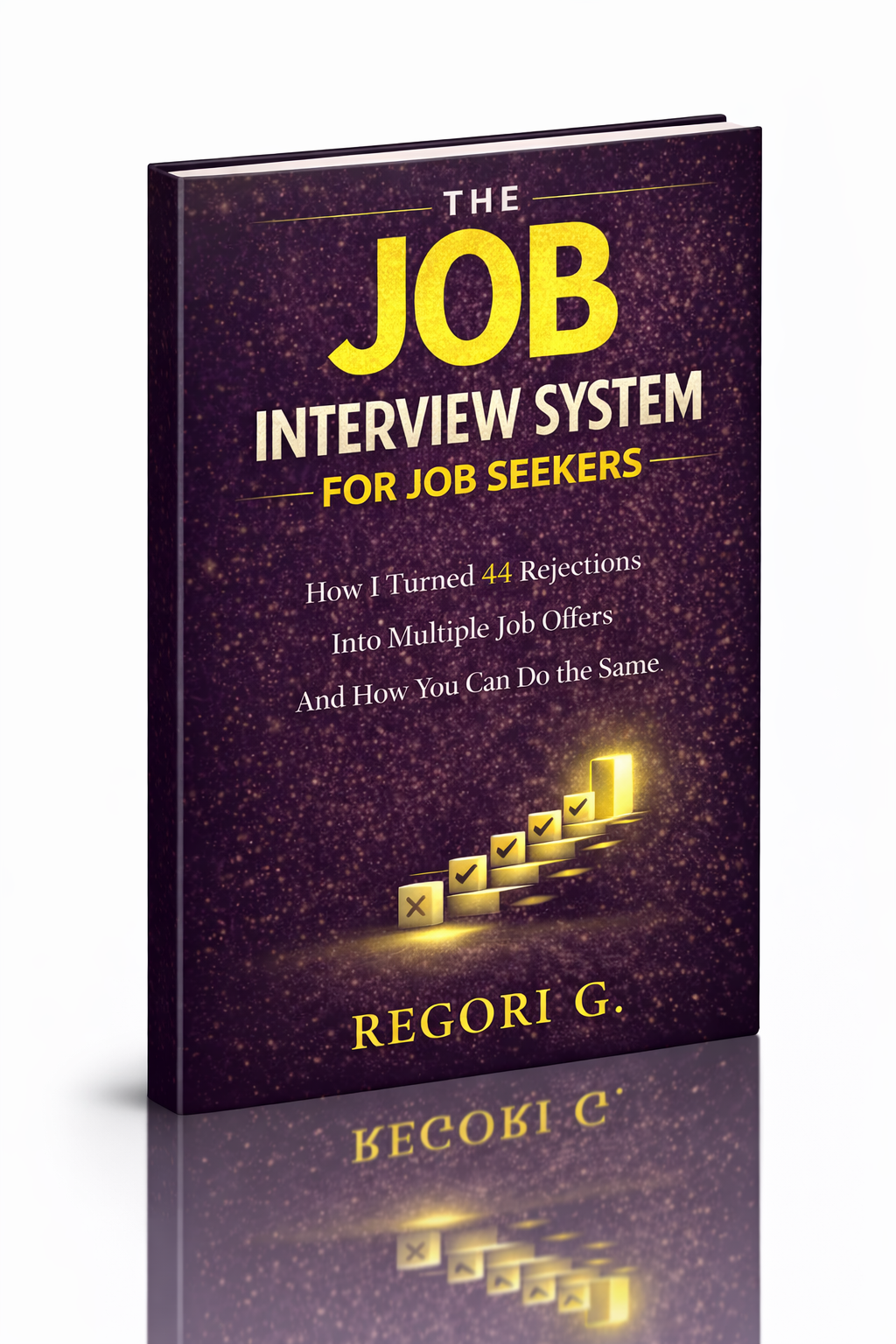
Guide 01
The Job Interview System
Step-by-step interview prep that turns nerves into confidence.
Get it →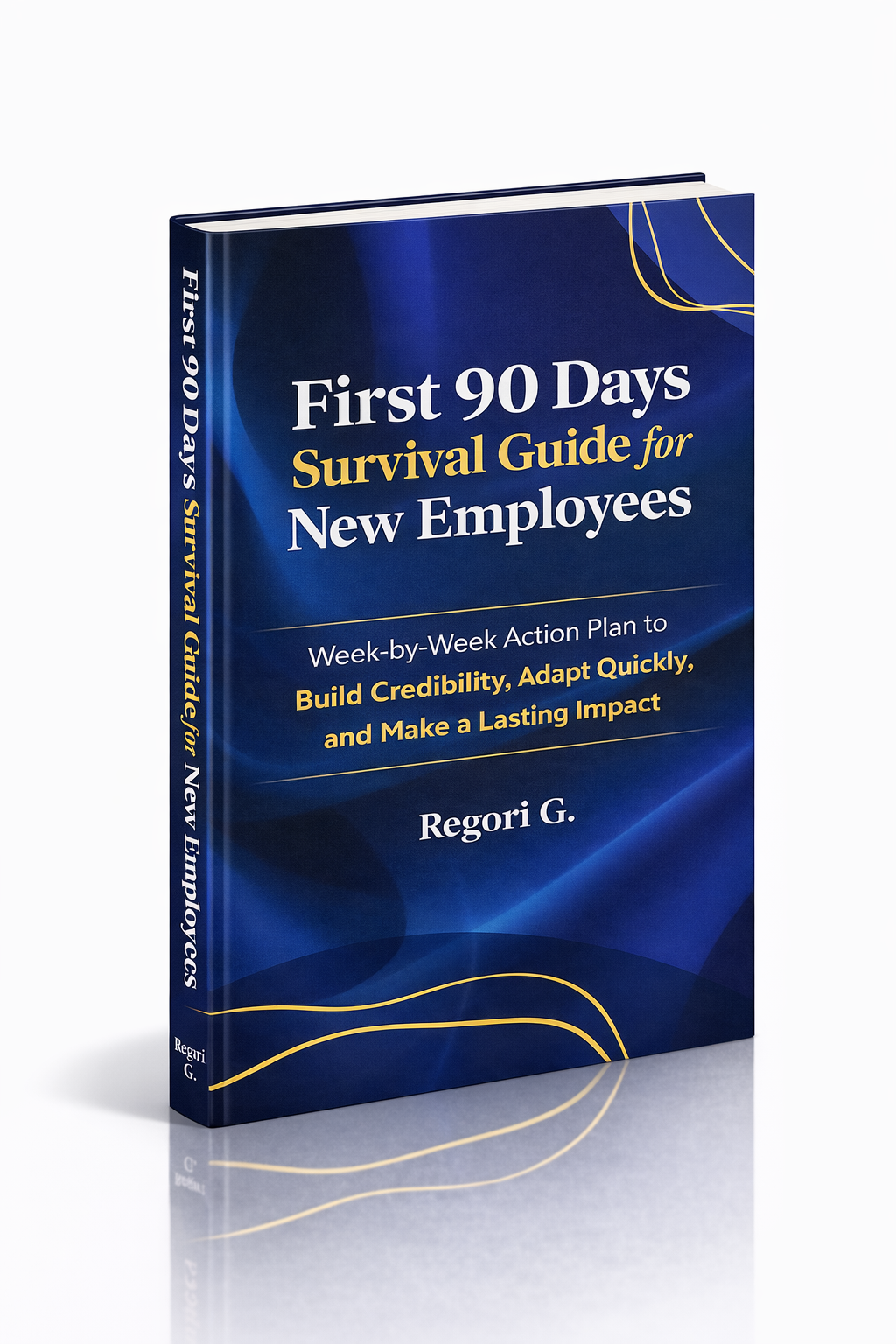
Guide 02
First 90 Days Survival Guide
Hit the ground running and make your mark from day one.
Get it →
Guide 03
Interview Success for Introverts
7 proven steps to shine in interviews — even if you hate the spotlight.
Get it →