

The 5 Interview Mistakes That Cost You the Job
What's silently killing your chances — and what top candidates do instead. Delivered instantly to your inbox.
No spam. Unsubscribe anytime. Privacy Policy & Terms
- Why "I'm a hard worker" destroys your chances
- What interviewers decide in the first 90 seconds
- How to handle tough questions with confidence
- The salary mistake almost every candidate makes
How to Answer What Do You Find Most Challenging at Work
When asked, “What do you find most challenging at work?” it’s crucial to provide a thoughtful, honest response. Your answer can illustrate your self-awareness, problem-solving abilities, and how you handle adversity. Here’s how to approach this question effectively.
Firstly, identify challenges that demonstrate growth. Think about obstacles that have pushed you outside your comfort zone. This shows you are willing to take on risks for the sake of improvement. Here are some examples of challenges you might consider:
- Adapting to new technologies
- Managing tight deadlines
- Working with diverse personalities
- Leading a team through change
Next, explain how you navigated these challenges. Providing specific examples helps you sound credible and relatable. Use the STAR method (Situation, Task, Action, Result) to frame your experience:
| Component | Description |
|---|---|
| Situation | Describe the context within which you faced a challenge. |
| Task | Explain what you needed to accomplish. |
| Action | Detail the steps you took to overcome the challenge. |
| Result | Share the outcomes of your actions, including any lessons learned. |
When you decide on a challenge to discuss, ensure it aligns with the job you’re applying for. For instance, if you are interviewing for a project management position, you might mention the difficulties of managing multiple deadlines. This shows your potential employer that you’re aware of relative challenges and are prepared to face them.
It’s also beneficial to highlight any skills or attributes strengthened by this challenge. Consider points like teamwork, resilience, or leadership. Employers appreciate candidates who turn obstacles into opportunities for personal growth.
Moreover, maintain a positive tone while discussing challenges. Focus on the lessons learned rather than lingering on negative experiences. For example, instead of simply stating, “I struggled with time management,” you could say, “I once found managing my time challenging, but I implemented a few time-blocking methods that significantly improved my productivity.” This reframing showcases your ability to adapt and find effective solutions.
Practice makes perfect. Take time to rehearse your answer so you can deliver it smoothly in an interview. Doing so not only boosts your confidence but also ensures you convey your message clearly and effectively. Being prepared also lets you stay composed if the question catches you off guard.
Remember to reflect on how these challenges shaped you professionally. Tie your answer back to how overcoming these difficulties can benefit potential employers. For example, demonstrating perseverance in the face of challenges showcases your determination, making you a compelling candidate.
The key is to ensure your discussion of challenges is concise and relevant. While you want to be honest, avoid over-explaining or veering off-topic. It’s essential to remain focused on how the challenges relate to your skill set and the value you bring to the team.
You may want to look up additional resources or insights on this topic. Websites such as Forbes and Harvard Business Review offer valuable articles on career advice that can help you refine your response further.
By preparing a thoughtful answer to the question regarding challenges at work, you create an opportunity to impress potential employers with your reflective and adaptive mindset. Remember, it’s not just about the challenge itself; it’s how you handle it that counts.
Common Challenges Faced by Employees in the Workplace
Employees often face various challenges in the workplace. Understanding these obstacles is essential for fostering a healthy work environment. Below are some common challenges that can affect productivity and overall morale.
Communication Issues
Effective communication is vital in any job. When information does not flow smoothly, it can lead to confusion, misunderstandings, and errors. Here are a few common communication pitfalls:
- Lack of clarity: Instructions may be vague, leading to uncertainty about tasks.
- Miscommunication: Messages can be misinterpreted, resulting in conflicts.
- Feedback gaps: Employees may not receive constructive feedback, hindering their development.
Work-Life Balance
Finding a balance between work and personal life is increasingly difficult in today’s fast-paced world. Striking the right balance helps employees avoid burnout and enjoy a healthy lifestyle. Key factors influencing work-life balance include:
- Inflexible work hours: Rigid schedules can make it hard to manage personal responsibilities.
- High workload: Excessive work demands can lead to stress and diminished personal time.
- Remote work challenges: Blurring lines between home and work may lead to overworking.
Workplace Culture
The culture of an organization shapes its environment significantly. A toxic culture can hinder performance and discourage employee engagement. Some indicators of a negative workplace culture are:
- Lack of trust: Employees may feel unsupported or suspicious of their colleagues and management.
- Resistance to change: An unwillingness to adapt can stifle innovation and growth.
- Favoritism: When certain employees receive preferential treatment, it can breed resentment.
Career Growth Opportunities
Employees typically aim to grow professionally. A lack of advancement opportunities can demotivate and lead to job dissatisfaction. Common barriers to career development include:
- Limited training: Insufficient skill-building resources may inhibit personal and professional growth.
- Stagnant roles: Clear paths for advancement may be absent, leaving employees feeling trapped.
- Poor mentorship: A lack of guidance can leave employees unsure how to progress in their careers.
Job Security
Job security is a significant concern for many workers. Economic fluctuations and company performance can create stress. Key factors contributing to worries about job security include:
- Frequent layoffs: Regular workforce reductions can make employees feel insecure in their positions.
- Company instability: Businesses facing financial difficulties may not provide stable employment.
- Outsourcing: Companies may outsource jobs, leading to fear of redundancy among employees.
Workplace Technology
Modern workplaces often rely heavily on technology. While it can enhance productivity, it may also present challenges. Some common issues related to workplace technology include:
- Technological overload: Constantly changing tools can overwhelm employees and impair performance.
- Insufficient tech training: Without proper education on new tools, employees may struggle to utilize them effectively.
- System outages: Technical glitches can disrupt workflow and create frustration.
Addressing these challenges requires open communication between employers and employees. Consider visiting resources like SHRM for insights on creating a better work environment. Alternatively, explore Harvard Business Review for articles on improving workplace culture and communication.
Empowering employees to recognize and address these challenges is crucial for individual well-being and organizational success. Maintaining a proactive approach can lead to a more engaged and productive workforce.
Strategies for Overcoming Work-Related Challenges
Facing challenges at work is normal, but how you respond to these challenges can make a significant impact on your career. Developing strategies to overcome obstacles is essential for personal and professional growth. Here are some effective approaches you can adopt when you encounter difficulties in the workplace.
Identify the Challenge
The first step to overcoming any work-related obstacle is to clearly identify what the challenge is. This requires self-reflection and introspection. Take a moment to analyze the situation and ask yourself:
- What specific issue is causing the challenge?
- Is it related to workload, time management, communication, or interpersonal relationships?
- How does it impact my productivity or mental well-being?
By pinpointing the root cause, you can tackle the problem more effectively.
Seek Support
Don’t hesitate to reach out to colleagues or supervisors for help. Seeking advice or mentorship can provide you with fresh perspectives on your situation. Consider these options:
- Talk to your immediate supervisor about your challenges and express your willingness to find solutions.
- Engage in peer discussions where team members support each other in tackling common challenges.
- Utilize company resources, such as employee assistance programs (EAP) or workshops that focus on skill enhancement.
Having a support system is critical for overcoming work-related hurdles.
Develop Practical Solutions
Once you have defined your challenge and gathered insights, formulate practical solutions. This may involve brainstorming various approaches and prioritizing the most feasible options. Here are some strategies you can implement:
- Time Management: Use tools like calendars, to-do lists, or time-blocking techniques to manage your tasks effectively.
- Skill Development: Invest time in training or workshops to improve skills that could help in overcoming specific challenges.
- Effective Communication: Practice assertive communication to express your needs clearly and resolve misunderstandings.
- Mindfulness Practices: Engage in mindfulness or stress-relief activities to maintain mental clarity and resilience while facing challenges.
Stay Positive
A positive mindset is crucial when addressing work-related challenges. Maintaining a hopeful and optimistic outlook encourages motivation and action. You might want to:
- Practice gratitude by reflecting on what you appreciate about your job.
- Celebrate small wins and milestones to maintain a sense of achievement.
- Surround yourself with positive influences, whether they are coworkers or motivational content.
Remaining optimistic can help you approach problems with renewed energy.
Evaluate Your Progress
After implementing your strategies, it’s important to regularly evaluate your progress. Reflect on the effectiveness of the solutions you applied by asking yourself:
- Have I made improvements in managing the challenge?
- What worked well, and what didn’t?
- Do I need to adjust my approach or try new strategies?
This ongoing self-assessment enables continuous improvement and fosters resilience.
Utilize Resources
Many organizations provide resources for employees facing challenges. Make sure to take full advantage of what’s available. Some valuable resources might include:
- Training programs targeted at specific skills or directives.
- Mental health services, including counseling or coaching.
- Online platforms for skill development like Coursera or Udemy.
Utilizing these resources can actively support your journey toward overcoming challenges.
Effectively tackling work-related challenges involves identifying the issue, seeking support, developing practical solutions, maintaining a positive attitude, evaluating progress, and utilizing available resources. By applying these strategies, you empower yourself to face obstacles head-on, paving the way for greater success in the workplace.
| Strategy | Benefits |
|---|---|
| Time Management | Improves efficiency and reduces stress |
| Skill Development | Equips you with necessary tools to overcome challenges |
| Effective Communication | Enhances collaboration and minimizes conflicts |
| Mindfulness Practices | Promotes emotional well-being and focus |
The Role of Communication in Managing Workplace Difficulties
In today’s dynamic work environment, effective communication serves as a glue that holds teams together and fosters a productive atmosphere. Understanding its role in managing workplace difficulties is essential for both employees and leaders. When communication is strong, it minimizes misunderstandings, encourages collaboration, and ultimately leads to successful outcomes.
The essence of communication in the workplace lies in its ability to bridge gaps between individuals, enabling them to address challenges more effectively. When team members can express their thoughts and concerns openly, it creates a culture of trust. This trust allows for vulnerability, which is necessary when navigating through difficulties. Here’s how you can leverage communication to manage workplace challenges:
Fostering Open Dialogue
Encouraging open dialogue is crucial for navigating workplace issues. Here are some strategies to implement:
- Regular Check-ins: Schedule consistent one-on-one meetings to discuss challenges and progress.
- Feedback Culture: Cultivate an environment where constructive feedback is welcomed and encouraged.
- Active Listening: Practice attentive listening to understand perspectives without interruption.
By fostering an atmosphere where employees feel comfortable sharing their thoughts, you can address workplace difficulties more swiftly. This proactive approach can lead to quicker resolutions and improve team morale.
Conflict Resolution Through Communication
Conflicts are a natural element of any workplace. When managed properly through effective communication, conflicts can lead to positive changes. Here’s a structured method for resolving conflicts:
- Identify the Issue: Clearly define what the conflict is about.
- Stick to Facts: Discuss situations based on observable behavior and avoid personal attacks.
- Seek Understanding: Encourage all parties to share their viewpoints to gain a comprehensive understanding of the issue.
- Collaborate on Solutions: Work together to brainstorm solutions that satisfy everyone.
- Follow Up: After reaching a resolution, check in to ensure that the agreement is being upheld.
This method not only resolves the immediate conflict but also strengthens communication in the long run, leading to a healthier work environment.
Enhancing Team Collaboration
Strong communication plays a vital role in enhancing team collaboration. By utilizing tools and strategies that promote collaboration, teams can overcome challenges more effectively:
- Utilize Technology: Leverage tools like Slack or Microsoft Teams for instant communication and updates.
- Share Responsibilities: Encourage team members to take ownership of tasks, promoting accountability and collaboration.
- Set Clear Expectations: Ensure that everyone understands their roles and responsibilities within the team.
These strategies can lead to improved project outcomes as team members work together more efficiently. When communication is clear and goals are aligned, overcoming challenges becomes a shared effort.
Building Emotional Intelligence
Emotional intelligence (EI) plays a significant role in effective communication. Individuals with high EI can navigate difficult conversations better and respond to coworkers with empathy. Here are some ways to enhance your emotional intelligence in the workplace:
- Recognize Emotions: Be aware of your feelings and those of your colleagues.
- Practice Empathy: Seek to understand others’ perspectives, especially during challenging times.
- Communicate Clearly: Express your thoughts and feelings in ways that others can understand.
By improving emotional intelligence, you enhance your ability to communicate effectively, which can lead to more productive outcomes when managing workplace difficulties.
Ultimately, strong communication is integral to managing workplace challenges successfully. It builds trust, resolves conflicts, encourages collaboration, and enhances emotional understanding. By prioritizing effective communication, organizations can create an environment where challenges are met with resilience and teamwork.
Non-Verbal Communication Matters When Working In Hybrid Teams
The Value of Good Communication in the Workplace
Effective Communication Skills
Turning Challenges into Opportunities for Growth
Challenges are a part of life, especially in the workplace. You may find yourself facing obstacles that seem insurmountable. However, it’s essential to recognize that these challenges can also serve as stepping stones for your personal and professional growth. By adopting a positive mindset and utilizing effective strategies, you can turn challenges into valuable opportunities.
Understanding the Challenge
The first step toward turning a challenge into an opportunity is understanding it fully. Ask yourself questions such as:
- What exactly is the challenge I am facing?
- What factors contribute to this challenge?
- What resources do I have to overcome it?
By breaking down the challenge, it becomes less daunting, enabling you to create a plan of action. It’s like converting a complex puzzle into smaller, manageable pieces.
Mindset Matters
Your mindset plays a crucial role in your ability to overcome obstacles. Adopting a growth mindset allows you to see challenges as opportunities for improvement. It’s important to remind yourself that:
- Failures are learning experiences.
- Every setback can provide insights for future success.
- Persistence in the face of adversity can lead to personal growth.
When you embrace this mindset, you prepare yourself not just to face challenges but to thrive because of them.
Seek Support and Collaboration
Sometimes, the weight of a challenge feels heavy when shouldered alone. Reach out to colleagues or mentors who may have faced similar issues. By collaborating, you can brainstorm possible solutions and share strategies. Working in a team can often lead to innovative ideas that you may not have thought of on your own.
Set Clear Goals
Once you have a better understanding of the challenge and a supportive network, set clear, achievable goals. These goals will act as a roadmap, helping you to stay focused. Consider using the SMART framework to set goals that are:
- Specific
- Measurable
- Achievable
- Relevant
- Time-bound
This will ensure that your goals are not just lofty ideals but are feasible steps leading you toward overcoming the challenge.
Learn from Past Experiences
Reflecting on previous challenges can also provide valuable insights. Think about a time when you faced an obstacle and overcame it. What did you learn from that experience? How did it contribute to your growth? By analyzing past challenges, you can identify effective strategies that may work again. This not only boosts your confidence but also equips you with tools to face new challenges.
Embrace Change
Often, challenges involve change. Instead of resisting change, embrace it as a necessary part of the journey. Change can lead to innovation and improved processes. For instance, if a new software program is introduced at work that seems difficult, take the initiative to learn it. By doing so, you not only overcome the challenge but also position yourself as a valuable asset to your team.
Stay Positive
Your attitude toward challenges greatly influences your ability to overcome them. Maintaining a positive outlook can help alleviate stress, making it easier to think critically and creatively. Surround yourself with positive influences, whether through supportive colleagues or uplifting resources like books and podcasts. A positive attitude opens your mind to possibilities rather than limitations.
Seek Professional Development
Consider additional training or courses that can equip you with new skills to tackle challenges effectively. Many online platforms offer courses tailored to various professional needs. You can explore platforms such as Coursera or Udemy to find valuable resources.
Track Your Progress
Keeping track of your progress is essential. Regularly review your goals and assess how well you are overcoming obstacles. Adjust your strategies as needed and celebrate small victories along the way. Each step you take toward overcoming a challenge builds momentum, propelling you toward greater achievements.
Turning challenges into opportunities for growth is not merely about overcoming obstacles, but about evolving into a stronger, more capable version of yourself. Each challenge faced and conquered paves the way for new skills, insights, and experiences. Embrace the journey, and you will find that your professional path becomes richer and more rewarding.
Personal Growth Through Workplace Challenges
Encountering challenges in the workplace is often seen as a hurdle, but what if you viewed them as a stepping stone toward personal growth? Facing difficulties can lead to significant opportunities for development, learning, and enhanced self-awareness. By addressing workplace challenges with the right mindset, you can transform obstacles into valuable experiences that contribute to your career journey.
Understanding Workplace Challenges
Workplace challenges come in many forms, from project deadlines and difficult coworker relationships to adapting to new technologies and meeting high expectations. Each challenge has the potential to test your skills and resilience. Recognizing these challenges as inevitable parts of your career can help you embrace them and look for solutions rather than shying away.
Benefits of Overcoming Challenges
Confronting challenges at work not only strengthens your professional abilities but also contributes to personal growth in various ways:
- Enhanced Problem-Solving Skills: When faced with a challenge, you often need to think critically and creatively to develop solutions. This process improves your ability to tackle future problems more effectively.
- Increased Resilience: Successfully navigating difficult situations builds mental toughness. You learn to bounce back from setbacks, which is a valuable trait in any career.
- Improved Teamwork: Challenges often require collaboration. Learning to work effectively with others during tough times can enhance your teamwork skills and help you build stronger relationships with colleagues.
- Heightened Self-Awareness: Confronting challenges can shed light on your strengths and weaknesses. Understanding what you do well helps you leverage these strengths in future situations, while recognizing your weaknesses allows for targeted growth.
- Leadership Development: Taking the initiative to handle challenges can showcase your leadership potential. This ability to guide others through difficult situations is a key quality that employers value.
Strategies for Personal Growth Through Challenges
To fully embrace the opportunities for growth that challenges present, consider implementing these strategies:
- Reflect:After facing a challenge, take time to reflect on the experience. What went well? What could you have done differently? This reflection helps identify learning points for the future.
- Seek Feedback: Don’t hesitate to ask peers or supervisors for feedback on how you handled a challenge. Constructive criticism can be an incredible tool for personal development.
- Continuous Learning: Always look for ways to enhance your skills. Attend workshops, online courses, or training sessions that can provide you with tools to better tackle challenges.
- Practice Stress Management: High-pressure situations can lead to stress. relaxation techniques like meditation or time management strategies can help you maintain composure during tough times.
- Set Personal Goals: Use each challenge as an opportunity to set specific, measurable goals. This will help you stay focused on your growth journey.
Real-Life Examples of Growth Through Challenges
Many successful professionals credit their achievements to overcoming significant challenges. For instance:
| Professional | Challenge Faced | Growth Achieved |
|---|---|---|
| Satya Nadella (CEO of Microsoft) | Transforming Microsoft’s culture | Stronger collaboration and innovation |
| Sheryl Sandberg (COO of Facebook) | Personal grief after the passing of her husband | Advocate for resilience and women’s empowerment |
| Howard Schultz (Former CEO of Starbucks) | Expanding Starbucks internationally | Global brand recognition and engagement |
Utilizing Resources for Personal Growth
Several resources are available to help you navigate challenges and foster personal growth. Consider exploring:
- Mind Tools – Offers resources on skills development, project management, and problem-solving strategies.
- Coursera – Provides online courses on various subjects, helping you to upskill and prepare for future challenges.
- LinkedIn Learning – A platform with countless tutorials that can improve your professional capabilities and address workplace challenges.
Embracing workplace challenges as opportunities for personal growth is essential for any professional. With the right mindset and tools, you can navigate difficulties effectively, enhance your skills, and ultimately advance your career.
Assessing the Impact of Challenges on Team Dynamics
Challenges in the workplace can profoundly affect team dynamics, influencing how team members interact, collaborate, and maintain morale. Understanding these dynamics is essential for fostering a positive work environment and enhancing overall productivity. Identifying the impact of various challenges enables teams to navigate difficulties more effectively and build resilience.
When dealing with challenges, teams often face issues such as communication breakdowns, conflict, and differing work styles. Each challenge has a knock-on effect that can lead to further complications if not addressed promptly. To understand these impacts better, let’s delve into specific challenges and their effects on team dynamics.
Communication Barriers
Effective communication is the backbone of any successful team. When communication barriers arise, they can create misunderstandings, lead to frustration, and diminish teamwork.
- Misinterpretation of Messages: When messages are unclear, team members may misinterpret intentions or instructions, leading to errors in work.
- Decreased Collaboration: Poor communication can lead to hesitation in sharing ideas, stifling innovation and teamwork.
- Reduced Morale: Team members may feel isolated if they cannot express their thoughts or feel unheard, leading to decreased motivation.
Conflicts Among Team Members
Conflicts can arise due to differences in opinions, work styles, or personality clashes. While some conflict can be healthy, excessive or unresolved disagreements can derail team dynamics.
- Increased Stress: Ongoing conflicts create a tense work atmosphere, which can lead to increased stress levels for team members.
- Distrust: Unresolved conflicts often result in distrust among team members, inhibiting open communication.
- Impact on Decision-Making: Conflicts can complicate the decision-making process, leading to delays and indecision.
Diverse Work Styles
A team composed of individuals with varying work styles can lead to complications but can also foster diverse perspectives. To harness the benefits of different styles while mitigating conflict:
- Encourage Open Communication: Create an environment where team members can express their preferred work styles.
- Implement Flexibility: Allow for adaptations in processes to accommodate various working preferences.
- Provide Team-Building Activities: Participating in team-building exercises can help members understand and respect each other’s strengths.
To assess the impact of these challenges effectively, teams should consider implementing regular feedback mechanisms. Regular check-ins encourage open dialogues about challenges that team members face. Tools like surveys can help highlight areas of concern that may need addressing.
Assessing Team Dynamics
Understanding how challenges affect team dynamics can be assessed through various methods:
| Assessment Method | Description |
|---|---|
| Surveys | Anonymous questionnaires can help gauge team morale and communication effectiveness. |
| One-on-One Meetings | Individual discussions can uncover personal challenges in a comfortable setting. |
| Team Workshops | Facilitated workshops can help identify shared challenges and encourage collaborative solutions. |
The proactive assessment of team dynamics leads to better strategies for overcoming challenges and enhancing collaboration. Furthermore, it empowers individuals to voice their concerns in a safe environment.
The positive transformation of team dynamics in response to challenges can be an opportunity for growth. It can strengthen relationships among team members and improve overall productivity. For further insights, consider visiting resources such as Forbes and Harvard Business Review.
By recognizing the challenges that can impact team dynamics, leaders can foster an environment of trust, open communication, and collaboration. The ability to adapt is crucial for a team’s success, and overcoming adversity can lay the foundation for a stronger and more cohesive team.
Key Takeaway:
In today’s fast-paced work environment, navigating challenges is a fundamental aspect of personal and professional growth. When considering the question, "What do you find most challenging at work?" it is essential for employees to approach the answer with clarity and confidence. It’s not merely about identifying obstacles but also about showcasing resilience and the ability to adapt.
Common challenges faced by employees can range from tight deadlines and demanding workloads to interpersonal conflicts and unclear expectations. Realizing that these hurdles are shared experiences can ease the feeling of isolation that often accompanies them. It is vital to recognize that everyone encounters difficulties, and acknowledging them is the first step toward finding effective solutions.
To overcome work-related challenges, it’s essential to implement specific strategies. This can involve prioritizing tasks, seeking mentorship, and being proactive in problem-solving. Developing a structured approach allows employees to manage their responsibilities efficiently while addressing their concerns. The role of communication cannot be overstated in this context. Open dialogues with managers and team members can promote a culture of support and transparency, making it easier to address issues before they escalate.
Additionally, transforming challenges into opportunities for growth is a powerful mindset shift. Viewing obstacles as chances to learn and improve not only enhances personal development but can also positively influence team dynamics. Working through difficulties together can strengthen relationships among colleagues, leading to increased collaboration and camaraderie.
Workplace challenges can serve as powerful catalysts for personal growth. By facing and overcoming these difficulties, employees build resilience and gain valuable skills that can be applied in future scenarios. Embracing this growth journey can result in a more fulfilling work experience and contribute to a healthier work environment overall. addressing challenges openly and positively can lead to remarkable personal and organizational development, turning potential setbacks into stepping stones for success.
Conclusion
Navigating challenges at work requires resilience and a proactive mindset. Recognizing the common obstacles employees face, such as tight deadlines, team conflicts, or skill gaps, is the first step toward effective problem-solving. By embracing these difficulties, you can employ strategies like seeking feedback, developing time management skills, or enhancing collaboration, which can transform challenges into opportunities for growth.
Communication plays a vital role in managing workplace difficulties. Open dialogues with colleagues and supervisors can lead to better understanding and mutual support. Effective communication also fosters an environment where team members feel safe to share their concerns and tackle issues collaboratively.
Each challenge presents a unique chance for personal and professional development. When you confront and overcome obstacles, you not only build your skills but also increase your confidence. This journey contributes to a more dynamic and adaptable work culture, enhancing team dynamics as employees learn to support one another.
Embracing workplace challenges contributes positively to your career by refining your abilities and showcasing your resilience. As you assess the impact of these challenges on both yourself and your team, you’ll find that the lessons learned can lead to innovative solutions and improvements. Ultimately, by turning challenges into stepping stones, you pave the way for a more fulfilling and successful professional journey. Each obstacle faced is not just a hurdle but a chance to grow, learn, and thrive in your career.
Your Next Chapter
Starts with the Right Guide
Three straight-talking PDF guides to help you win interviews, beat the first 90 days and thrive as an introvert. Instant download on Gumroad.

Guide 01
The Job Interview System
Step-by-step interview prep that turns nerves into confidence.
Get it →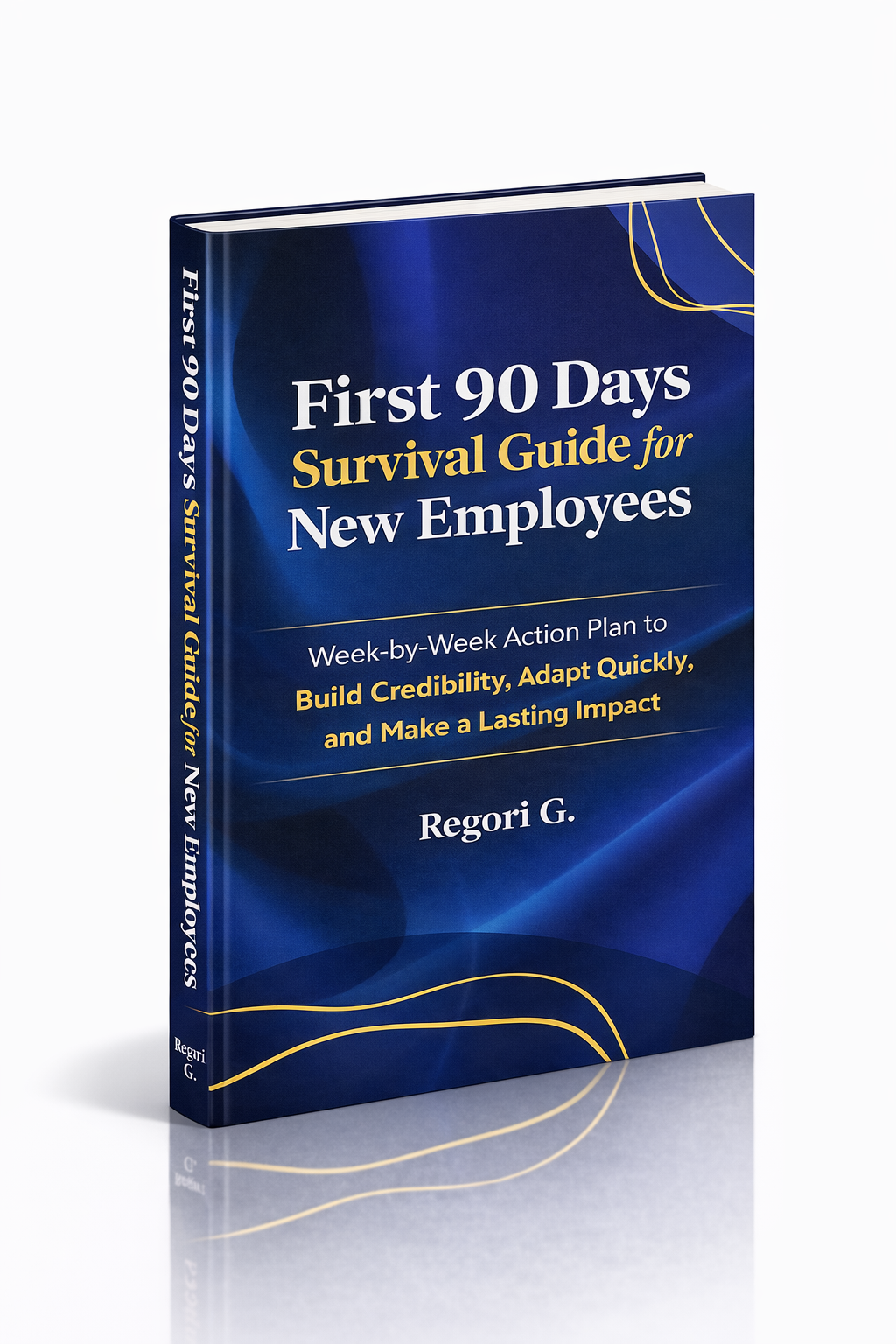
Guide 02
First 90 Days Survival Guide
Hit the ground running and make your mark from day one.
Get it →
Guide 03
Interview Success for Introverts
7 proven steps to shine in interviews — even if you hate the spotlight.
Get it →