

The 5 Interview Mistakes That Cost You the Job
What's silently killing your chances — and what top candidates do instead. Delivered instantly to your inbox.
No spam. Unsubscribe anytime. Privacy Policy & Terms
- Why "I'm a hard worker" destroys your chances
- What interviewers decide in the first 90 seconds
- How to handle tough questions with confidence
- The salary mistake almost every candidate makes
How to Answer What Is Your Notice Period
If you are in the job market, you may encounter the question, “What is your notice period?” during interviews. This question is crucial because it indicates how soon you can transition into a new role. Answering this question effectively can impact your chances of securing the job, so it’s essential to approach it thoughtfully.
Understanding Notice Periods
A notice period is the time frame between when you inform your current employer that you are leaving and your last working day at that job. Typically, this period allows the employer to find a replacement and gives you time to wrap up your current responsibilities. Understanding your notice period is key before entering job discussions as it helps you manage expectations during the hiring process.
Determining Your Notice Period
Your notice period largely depends on the terms of your current employment. It can vary based on the following:
- Company Policy: Many companies have specific guidelines regarding notice periods. It is often included in your employment contract.
- Position Level: Higher positions may require longer notice periods due to the complexity of the job and the need for a smooth transition.
- Agreement: If you negotiated a notice period when you accepted the job, adhere to that commitment.
How to Answer the Question
When asked about your notice period, keep your response clear and concise. Here are some tips on how to answer:
- Be Honest: If your notice period is one month, for example, state exactly that. Honesty builds trust with potential employers.
- Express Flexibility: If possible, you might mention your willingness to negotiate the start date, especially if you’re excited about the new role.
- Provide Context: Briefly explain any constraints due to your current employer’s policy if relevant. For instance, “I have a two-month notice period as per my contract, but I am keen to start earlier if my current employer agrees to an early release.”
Common Notice Period Lengths
| Job Level | Typical Notice Period |
|---|---|
| Entry-Level | 1 Month |
| Mid-Level | 1-2 Months |
| Senior-Level | 2-3 Months |
Knowing these common ranges can help you prepare for interviews. Being aware of standard practices in your field makes your response more credible.
Addressing Unique Situations
It’s important to consider unique circumstances that can affect your notice period:
- Immediate Availability: If you are in a critical situation that necessitates immediate employment, clearly explain this. You may say, “I can start immediately if you need someone right away, but my formal notice period with my current employer is four weeks.”
- Negotiating Your Start Date: If you’re currently in a role that has a strict notice period, you can offer to negotiate your start date. This can involve discussing how you can assist your current employer in onboarding a replacement quickly.
Follow-Up Questions
Be prepared for follow-up questions regarding your notice period. Interviewers may ask:
- “Is there any way you can shorten your notice period?”
- “How do you plan to manage your responsibilities during this time?”
These follow-up questions indicate their interest in you, and it’s essential to have thought-out answers ready.
For more information about notice periods and how to navigate career transitions, consider visiting The Balance Careers for valuable insights.
Understanding how to respond to questions about your notice period is a significant factor in the job application process. By clearly communicating your current situation and showing flexibility, you put yourself in an excellent position for new opportunities.
Importance of Notice Period in Job Transitions
The notice period plays a crucial role in job transitions, benefiting both employees and employers alike. As an employee, understanding your notice period can help you manage your career changes effectively. It informs your employer about your departure timeline, allowing them to prepare for your exit and find a suitable replacement. Moreover, this time can also be valuable for you as it provides a cushion for a smoother transition.
In many companies, the notice period is outlined in the employment contract. It serves as a formal notification to the employer, and it often varies depending on the organizational policies, job level, and the nature of the employment. Typically, the notice period may range from one week to three months. Let’s breakdown its importance:
Planning for Transition
When you submit your resignation, the notice period gives both you and your employer time to plan for the transition. This can involve the following:
- Knowledge Transfer: Ensure that your responsibilities are handed over smoothly to your successor, minimizing disruption in workflow.
- Project Completion: You may have ongoing projects to wrap up, and a notice period allows you to conclude them properly.
- Training New Employees: You can assist in training your replacement or other team members who will take over your responsibilities.
Maintaining Professional Relationships
Leaving a job can sometimes create tension, but a proper notice period is a way of demonstrating professionalism. This period helps in:
- Goodwill: Leaving on good terms can lead to positive references in the future.
- Networking: Professional connections can be crucial in your career. A friendly exit can foster ongoing relationships with former colleagues and supervisors.
- Reputation: A professional departure can solidify your reputation as a reliable employee.
Understanding Your Rights and Obligations
It’s important to be informed about your rights during the notice period. Different countries have different labor laws governing notice periods, and your employment contract may also stipulate specific terms. Here are key points to consider:
- Legal Requirements: Some jurisdictions mandate a minimum notice period depending on the length of your employment.
- Salary Compensation: In some cases, if you leave without serving your notice period, you might be liable to pay the company a portion of your salary.
- Severance Packages: Clarify how your notice period affects any severance pay you might be entitled to.
For more information on employment laws regarding notice periods, consider visiting resources like CareerBuilder or SHRM.
Negotiating Your Notice Period
In some situations, you might wish to negotiate your notice period, especially if you have accepted a new job and the start date conflicts with your current notice period. Here’s how you may approach this:
- Communicate Early: Inform your employer about your new opportunity as soon as possible.
- Be Prepared: Suggest alternative arrangements, like working part-time or training someone while reducing the notice time.
- Be Flexible: Be open to negotiating rather than expecting everything to go your way.
The Benefits of an Extended Notice Period
While it might seem cumbersome, an extended notice period can actually provide several benefits. Employees can:
- Ease into New Roles: This additional time can help in relaxing before transitioning into a new job.
- Avoid Burnout: Leaving abruptly can lead to stress; controlling the timeline can prevent this.
- Plan Finances: A longer period allows for more robust financial planning before making the switch.
The importance of your notice period cannot be underestimated. It’s a vital part of the job transition process that prepares both you and your employer for what comes next. For more tips on career transitions, visit Michael Page or check out resources at Indeed.
Common Mistakes to Avoid When Stating Your Notice Period
When you are ready to leave a job and move on to a new opportunity, communicating your notice period can be tricky. It’s important to be clear, professional, and avoid common mistakes that could affect your reputation. Here are several pitfalls you should be aware of and strive to avoid when stating your notice period.
Being Indecisive About Your Notice Period
It’s crucial to know your official notice period according to your employment contract. Sometimes, employees are unsure and take leaps of faith with their responses. If you say one notice period but discover later it’s different, it can create tension with your employer. It’s essential to check your contract and be certain about your obligations before communicating your notice period.
Underestimating the Notice Period
Some candidates may feel they can leave sooner than the set date. By underestimating your notice period, you might put your current employer in a bind. For instance, if your contract states a one-month notice and you suggest two weeks, it can affect your professional relationship. Always provide a notice period that aligns with your contractual obligation.
Failing to Communicate Properly
When discussing your notice period, how you communicate can matter just as much as what you say. Sometimes, people forget the importance of tone and clarity. Always deliver the message professionally. Here’s how to make your communication effective:
- Use a formal tone.
- Be direct and clear about your intended notice period.
- Provide reasons if appropriate, but keep it short.
Not Giving the Employer Enough Time
In your excitement to join a new job, ensure you’re not unfairly rushing your current employer. Provide adequate notice so that they can find a replacement or distribute your workload fairly. Avoid giving a very short notice period, which can reflect poorly on your professionalism.
Ignoring Company Policy
Some organizations have specific exit policies and procedures around the notice period. Ignoring these can lead to misunderstandings or complications. Before announcing your notice period, familiarize yourself with your company’s exit policy. This will reinforce your professionalism.
Not Considering Timing
Timing matters when you announce your notice period. For example, informing your supervisor during a busy week may not be the best approach. Choose a moment when your departure can be discussed more calmly. This not only reflects well on you but also allows your employer to absorb the news better.
Leaving Out the Details
While it’s essential to keep your message concise, failing to include relevant details like the exact last working day can lead to confusion. Clearly state your official last day of work in your communication. For example:
| Before | After |
|---|---|
| I’d like to submit my notice. | I’d like to submit my notice. My last working day will be [insert date]. |
Neglecting Follow-Up Conversations
After stating your notice period, neglecting to engage with your employer afterward can make the situation worse. Be open for any further discussions regarding your departure. This can include discussions on handing over your responsibilities or addressing your replacement. A final meeting or chat can ensure that all parties are clear on next steps.
Becoming Emotional Over the Change
It’s natural to feel a mix of emotions when leaving a job. However, becoming overly emotional during discussions can affect how your message is received. Stay calm and professional, aiming for a positive parting instead of bringing negative feelings into the conversation. Being composed can help in maintaining a positive relationship.
For more in-depth advice about professional communication related to notice periods, consider checking out resources such as The Balance Careers and Careers.govt.nz. Both articles will provide further insights on managing your departure.
Avoiding these common mistakes can help you navigate the tricky waters of stating your notice period and ensure a smoother transition to your next career chapter. Remember, professionalism goes a long way – not only for your current role but for your future as well.
Tailoring Your Notice Period Response for Different Industries
When job hunting, potential employers often ask candidates about their notice period. This is a crucial question that can vary significantly depending on the industry. Understanding how to tailor your response to your specific field can demonstrate your knowledge of industry standards and your professional demeanor.
Understanding Notice Periods Across Industries
The notice period is the time an employee must wait after resigning before leaving the company. Different sectors have unique norms regarding how long this period should be. For example:
- Corporate Sector: In many corporate roles, a standard notice period ranges from two to four weeks. It is expected for the employee to assist in transition, sometimes even training a successor.
- Healthcare: In healthcare settings, notice periods can range from two weeks to a month, depending on the role. This is often critical, as patient care continuity is essential.
- Education: Teachers and educational professionals may have a lengthy notice period of up to three months, reflecting the academic calendar and the need for schools to find suitable replacements promptly.
- Technology Sector: In tech, notice periods frequently range from two weeks to a month. Rapidly changing projects may necessitate shorter periods.
Customizing Your Notice Period Explanation
Providing the right response can vary significantly based on the industry you’re in. Here’s how you can tailor your response accordingly:
1. Corporate Sector
When responding in a corporate setting, emphasize your commitment to a smooth transition. You can say something like, “My current position requires a standard notice period of four weeks. I am prepared to ensure knowledge transfer and support my team during this time.” This shows that you care about your current employer while being ready for your next role.
2. Healthcare
In healthcare, patient care is paramount. You might say, “Due to the nature of my role, I have a notice period of four weeks to ensure a proper handover and to maintain patient safety.” This response shows that your priorities align with the fundamental values of the industry.
3. Education
If you’re in education, you could say, “My notice period is three months, which is standard for my role. This allows the school adequate time to find a replacement and for me to wrap up my responsibilities.” This reply demonstrates your understanding of the academic calendar and the importance of continuity in education.
4. Technology
For tech jobs, you can mention, “My notice period is two weeks, in line with the industry. I look forward to ensuring a seamless transition on my current projects.” This response indicates that you’re ready to integrate quickly into the new role without leaving loose ends.
Considerations When Discussing Your Notice Period
When answering the notice period question, keep these points in mind:
- Be Honest: Always provide honest information regarding your notice period. Employers appreciate transparency.
- Know Company Policies: Understand the standard practices of your industry to give your potential employer a relevant timeline.
- Emphasize Flexibility: If you can negotiate your start date, communicate this. Saying something like, “I am willing to negotiate my start date based on your requirements” can show your flexibility.
Common Challenges and Solutions
Sometimes, you may encounter challenges, such as a lengthy notice period in your current role or needing to leave due to personal reasons. Address these proactively:
- If your notice is long: Explain how you’ll facilitate a smooth handover and showcase your value to the new company.
- If you need an early start due to personal reasons: Be candid about your situation. Many employers value honesty and may accommodate your needs.
Resources for More Information
To further understand how to tailor your notice period responses based on your specific industry, you can explore well-regarded career resources:
Mastering the art of responding to your notice period question can significantly enhance your job application process. Tailoring your response to fit the context of your industry not only shows your professionalism but also your understanding of the workplace dynamics within that specific field.
Negotiating Your Notice Period with Your Current Employer
When you decide to leave a job, one of the critical discussions you’ll have with your employer revolves around your notice period. Understanding how to negotiate this effectively can help ensure a smoother transition into your next role while maintaining a positive relationship with your current employer.
Understanding Your Current Notice Period
Before considering negotiation, you need to understand the standard notice period outlined in your employment contract. This period typically ranges from one week to three months, depending on your role and tenure with the company. Know what your contract states, as this will form the basis of your negotiation.
Reasons to Negotiate
There are various scenarios where negotiating your notice period may be necessary:
- Urgent Job Offer: If you’ve received an unexpected job offer, you may need to expedite your start date.
- Personal Circumstances: Personal reasons, such as family issues or health concerns, may require you to leave sooner.
- Career Advancement: If your current role is not aligned with your career goals, you might want to transition quickly into a more suitable position.
Steps to Negotiate Your Notice Period
Here are key strategies for effective negotiation:
- Be Honest: Clearly communicate your reasons for wanting to shorten the notice period. Honesty helps build trust and understanding.
- Express Appreciation: Acknowledging the opportunities you’ve had with the company can create a respectful tone during negotiations.
- Offer Transition Assistance: Propose to help with the transition by training a replacement or wrapping up ongoing projects, which can ease the company’s concerns about your departure.
- Know Your Worth: If you’ve been a valuable asset, your employer might be more flexible with your notice period to keep you motivated and committed during that time.
- Be Prepared for Counteroffers: Your employer may ask you to stay longer or present incentives for you to remain. Be ready to discuss and evaluate these offers.
Timing is Everything
Choosing the right moment to initiate this conversation is essential. Ideally, discuss your notice period after you have tendered your resignation but before you formally announce it to your team. This allows your employer sufficient time to prepare for your exit while maintaining your professional integrity.
Possible Outcomes
Negotiating your notice period can lead to various outcomes:
- Shortened Notice Period Accepted: If your employer agrees, you’ll have clarity on your departure while ensuring a positive exit.
- Negotiated Compromise: You may have to meet halfway, such as shortening your period while agreeing to assist during your remaining time.
- Request Denied: Depending on company policies or project needs, your request may be declined. In this case, prepare to adhere to the original notice period.
Maintaining Professional Relationships
Regardless of the outcome, it’s crucial to maintain professionalism throughout the process. Leaving on good terms is beneficial for getting references and handling potential future interactions with your employer. Always keep channels of communication open and professional.
Resources and Additional Reading
For further insights into negotiating your notice period and professional relationships, consider exploring the following resources:
By understanding how to negotiate your notice period effectively, you can make your career transition smoother. This approach not only aids in your immediate goals but also enhances your professional reputation for the future.
Understanding Legal Aspects of Notice Periods
When navigating the complex waters of employment, notice periods can often become a key focal point. Understanding the legal aspects of notice periods is crucial for both employees and employers to ensure compliance with labor laws and maintain a harmonious working environment.
What is a Notice Period?
A notice period is the time frame between an employee’s resignation and their last working day. This period allows both parties to wrap up loose ends, train replacements, and plan transitions effectively. The legal guidelines around notice periods can vary significantly based on jurisdiction, individual contracts, and company policies.
Legal Requirements for Notice Periods
The legal framework for notice periods is often outlined in labor laws. Here are some critical points to consider:
- Statutory Minimums: Many countries have established minimum notice periods based on the length of employment. For example, employees in the UK may be entitled to at least one week’s notice if they have been employed for over a month.
- Contractual Obligations: Some employees may have specific notice periods stipulated in their contracts. For instance, higher-level positions or specialized roles might necessitate longer notice periods, often up to three months.
- Pay in Lieu of Notice: Sometimes, organizations may choose to terminate employment immediately and provide pay for the duration of the notice period instead. This is often subject to specific legal frameworks.
Employee Rights During Notice Period
Understanding your rights during the notice period is essential. Typically, employees are entitled to:
- Full Pay: Employees should receive their regular salary during the notice period unless otherwise specified.
- Leave Rights: Employees are often allowed to take accrued leave during their notice period. However, employers may have policies that restrict this.
- Reference Requests: Employees can request references during their notice period, which should be handled professionally by the employer.
Employer Obligations During Notice Period
Employers also have responsibilities during the notice period, which can include:
- Providing Work: Employers must allow employees to work for the duration of the notice period, unless a pay in lieu of notice is agreed upon.
- Training Replacement Staff: If an employee is in a specialized position, the employer should allow the outgoing employee to train their replacement.
Examples of Notice Period Practices
It’s helpful to look at some examples of how notice periods are implemented across different sectors. Here’s a table summarizing practices:
| Industry | Typical Notice Period | Common Practices |
|---|---|---|
| Retail | 1-4 weeks | Flexible scheduling for staff during the transition |
| Corporate | 1-3 months | Structured exit interviews and knowledge transfer sessions |
| Healthcare | 1-2 months | Mandatory handover of patient information and care plans |
Consequences of Not Adhering to Notice Periods
Failure to comply with notice periods can lead to various consequences:
- Legal Ramifications: Employees may be taken to court for breach of contract if they leave without fulfilling their notice period.
- Loss of References: Leaving without notice might lead to unfavorable references, making future job searches more challenging.
- Damaged Relationships: Not adhering to notice periods can damage relationships with former employers, impacting future collaborations.
Understanding notice periods from a legal standpoint can empower both employees and employers. For more detailed legal advice specific to your location, resources such as the Advisory, Conciliation and Arbitration Service (ACAS) in the UK, and local labor laws can offer guidance.
Furthermore, consulting with legal professionals or checking regional labor boards could provide additional clarity and support.
Strategies for Managing Job Offers During a Notice Period
Managing job offers during a notice period can feel overwhelming. You may find yourself excited about a new opportunity while still tied to your current employer. This situation requires careful handling to maximize your career prospects without burning bridges. Here are some strategies to navigate this delicate period effectively.
Understand Your Current Employment Obligations
Before entertaining any new job offers, it’s essential to know the specifics of your current employment contract. Most companies require a notice period ranging from two weeks to two months. Understanding this timeframe will help you negotiate with potential employers without compromising your current job. You need to:
- Review your employment contract.
- Identify your notice period.
- Understand any potential penalties for leaving early.
Communicate Openly with Potential Employers
When you receive a job offer during your notice period, transparent communication is crucial. Inform your potential employer about your notice period upfront. This honesty shows professionalism and can build trust. They may even appreciate your transparency and adjust their timeline accordingly. Here are points to cover:
- Your start date preference based on your notice period.
- Your enthusiasm for the new position.
- Your willingness to discuss timelines with your current employer if they are flexible.
Negotiate Your Start Date
Once you communicate your notice period, you may find potential employers willing to negotiate your start date. Discuss the possibility of a later start that accommodates your current obligations. This usually works better for employers looking to fill a position quickly. You could propose compromises such as:
- Working part-time with the new company.
- Engaging in training while completing your notice period.
- Offering to be available for questions or queries during your notice period.
Maintain Professionalism with Your Current Employer
How you handle your resignation can significantly impact your career. Treat your current employer with respect and professionalism. Ensure you give the necessary notice and provide a well-thought-out resignation letter. Here’s how to maintain a good relationship:
- Schedule a formal meeting with your manager to discuss your resignation.
- Express gratitude for the opportunities provided by your employer.
- Be prepared for any counter-offers that may arise from your discussion.
Consider Counteroffers Carefully
During your notice period, your current employer might make a counteroffer to retain you. While this may seem appealing, weigh the pros and cons carefully. Consider factors such as:
- Job satisfaction and career advancement opportunities.
- The reasons for initially looking for a new job.
- The company culture and stability.
It’s wise to take time to think it through before deciding whether to accept a counteroffer or stick to your plan for moving on.
Keep Your Options Open
Even after accepting a job offer, stay open to other opportunities that may arise. This doesn’t mean you should entertain other offers right away but consider being open to them while completing your notice period. You never know when a more suitable option may present itself.
Seek Guidance if Necessary
If you’re feeling uncertain about managing job offers during your notice period, seeking guidance from a career coach or mentor can be beneficial. They can offer insights on your specific situation and assist in making informed decisions.
Transitioning jobs is a significant step in any career. By managing your notice period well, you not only set yourself up for success in your new position but also maintain professional relationships that are essential for future growth.
For more tips on job transitions, visit The Balance Careers and Forbes Careers.
Key Takeaway:
When navigating the complexities of a job transition, the topic of "How to Answer What Is Your Notice Period" stands out as a crucial element. The notice period is the time you need to give your current employer before leaving your job, and it plays a significant role in shaping your professional reputation. Understanding how to communicate your notice period effectively can set a positive tone for future workplaces.
First and foremost, it is important to recognize the weight of your notice period on your job transition. It not only reflects your commitment and professionalism but also aids in maintaining a smooth and amicable departure from your current role. Employers often look for candidates who show respect for their former employers by honoring their notice periods, making this an essential point to convey during interviews.
However, beware of common mistakes that candidates often make when discussing their notice periods. For instance, giving an unreasonably short notice can harm your reputation in your industry. Additionally, failing to customize your answer for different fields could complicate your job search, as various industries have different expectations regarding notice periods.
Negotiating your notice period with your current employer can also be a delicate process. If you need to leave sooner than planned, it’s crucial to communicate effectively with your manager and explain your reasoning. This helps maintain goodwill and can even lead to compromises that benefit both parties.
Moreover, it’s essential to grasp the legal aspects of notice periods to protect your rights during a job transition. Depending on your contract, there may be stipulations regarding how much notice you must give, so review this carefully.
Managing job offers during your notice period requires strategic thinking. Be transparent with potential employers about your existing commitments while demonstrating your eagerness to start the new role. Balancing these various elements will equip you with the right tools to address the question, "What is your notice period," confidently and professionally.
Addressing "What is your notice period" with care can make a significant difference in your career journey. By understanding its importance, avoiding typical pitfalls, negotiating diligently, and maintaining transparency, you’ll set the stage for a successful transition to your next role.
Conclusion
Navigating the question of your notice period can significantly impact your career transition. A well-thought-out response not only reflects your professionalism but also sets the tone for your impending job change. Recognizing the importance of a notice period in job transitions ensures that you leave your current role on good terms, which can benefit you in the long run. The common pitfalls of miscommunication or vagueness can be avoided by providing clear and honest information.
The approach to stating your notice period can vary greatly depending on the industry you are in. Tailoring your response to align with industry standards shows that you are informed and adaptable. Additionally, when it’s necessary to negotiate your notice period with your current employer, having a strategy can aid in maintaining a positive relationship and potentially securing a more favorable outcome.
Understanding the legal aspects of notice periods ensures that you safeguard your rights while adhering to professional expectations. This knowledge also empowers you to manage job offers effectively during your notice period, allowing you to juggle opportunities without burning bridges.
Taking these elements into account will enable you to respond to “What is your notice period?” with confidence and clarity. By being proactive, transparent, and considerate, you can facilitate a smooth transition while positioning yourself favorably for new challenges ahead. Each stage of your response is an opportunity to showcase your values and dedication to professionalism, making your job transition a rewarding experience.
Your Next Chapter
Starts with the Right Guide
Three straight-talking PDF guides to help you win interviews, beat the first 90 days and thrive as an introvert. Instant download on Gumroad.
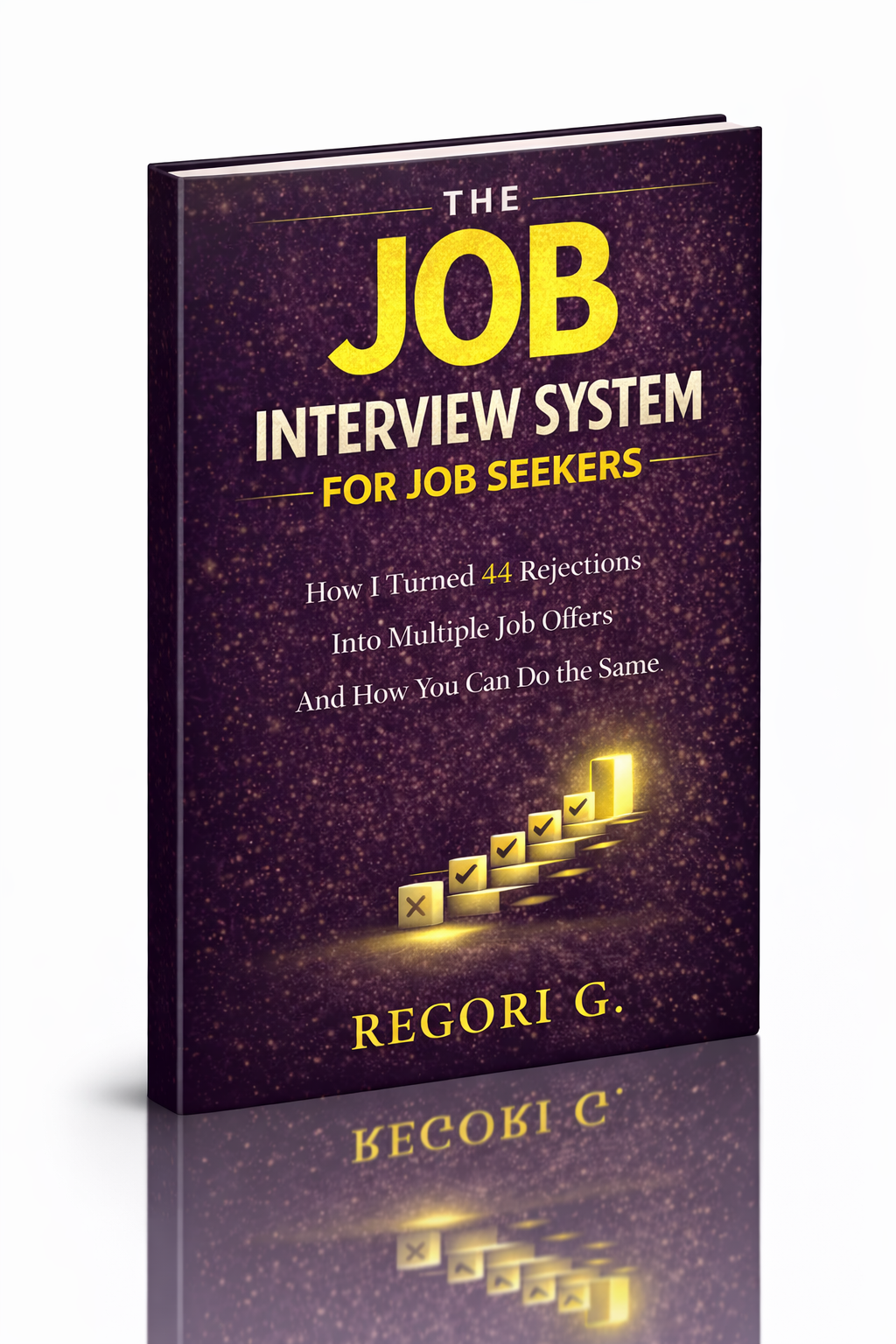
Guide 01
The Job Interview System
Step-by-step interview prep that turns nerves into confidence.
Get it →
Guide 02
First 90 Days Survival Guide
Hit the ground running and make your mark from day one.
Get it →
Guide 03
Interview Success for Introverts
7 proven steps to shine in interviews — even if you hate the spotlight.
Get it →