

The 5 Interview Mistakes That Cost You the Job
What's silently killing your chances — and what top candidates do instead. Delivered instantly to your inbox.
No spam. Unsubscribe anytime. Privacy Policy & Terms
- Why "I'm a hard worker" destroys your chances
- What interviewers decide in the first 90 seconds
- How to handle tough questions with confidence
- The salary mistake almost every candidate makes
How to Answer What Would You Do if You Made a Mistake at Work
When you’re faced with the question of what you would do if you made a mistake at work, it’s important to show your potential employer that you are self-aware and proactive. Being able to handle mistakes gracefully highlights your problem-solving skills and your ability to learn and grow in a professional environment. Here’s a guide on how to effectively answer this pivotal question during an interview.
First, acknowledge that everyone makes mistakes. It’s a part of being human. By recognizing this, you set a positive tone and demonstrate your understanding of the workplace dynamics. This humility can resonate well with your interviewer.
Next, outline a clear plan of action. When you’re put on the spot with this question, think about these steps:
- Admit the Mistake: Promptly acknowledge your error when you identify it. Hiding or downplaying your mistake can lead to bigger issues later.
- Assess the Situation: Consider the severity of the mistake and understand its impact on the team or project.
- Take Responsibility: Own your mistake without blaming others. This shows maturity and integrity.
- Communicate: Inform your supervisor or team about the mistake. Being transparent builds trust.
- Correct the Error: Actively work on fixing the mistake. Offering solutions demonstrates initiative.
- Reflect and Learn: After addressing the situation, take time to reflect on what went wrong and how to prevent it in the future. This shows you’re committed to continuous improvement.
For instance, if in a previous job you underestimated the time needed for a project leading to a missed deadline, you could explain how you communicated the issue to your manager as soon as you realized it. You might add that you offered to work extra hours to remedy the situation and subsequently adjusted your planning techniques to avoid this mistake in future projects.
Further, consider including a personal example. When you share a real-life scenario, it adds depth to your answer. Make sure to choose a situation where you learned a valuable lesson or improved your skills. It can be beneficial to follow the STAR method—Situation, Task, Action, Result— to structure your story. This clearly illustrates your thought process and the positive outcome of your actions.
Employers want to know that you’re capable of facing setbacks head-on. They appreciate candidates who can turn negative experiences into learning opportunities. Your response can significantly influence their perception of your resilience and ability to adapt.
In addition, it’s wise to prepare answers to similar questions such as:
- How do you handle criticism or feedback?
- Can you describe a time when you turned a failure into a success?
- What do you do when you feel overwhelmed or stressed at work?
Practicing your responses to these questions can help you become more comfortable discussing your mistakes in a constructive way.
Keep in mind that the focus of your response should not just be on the mistake but on how your actions post-mistake contribute positively to the work environment. Show that you’re a problem-solver who is committed to personal and professional growth.
Remember to stay calm and composed during the interview. Your ability to discuss this topic comfortably demonstrates confidence, which is a key trait employers value. For further reading and strategies on handling workplace challenges, you may find resources from Forbes and Mind Tools beneficial.
Your answer to “What would you do if you made a mistake at work?” can set you apart from other candidates. By presenting a thoughtful approach, you highlight key traits such as accountability, problem-solving, and continuous improvement—qualities that all employers cherish.
Common Workplace Mistakes and How to Address Them
Understanding the common mistakes that can occur in the workplace is essential for fostering a productive environment. Everyone makes errors from time to time, but knowing how to address these mistakes is key to maintaining positive workplace dynamics. This guide will explore various typical workplace blunders and provide strategies for effectively handling them.
Miscommunication
One major issue many employees face is miscommunication. This can occur during team meetings, email exchanges, or even casual conversations. Misunderstandings can lead to errors and project setbacks.
- Clearly state expectations and deadlines in emails.
- Summarize discussions after meetings for clarity.
- Encourage open channels for asking questions to avoid confusion.
By implementing these methods, you can minimize the likelihood of miscommunication and foster a clearer understanding among your team.
Lack of Time Management
Another prevalent mistake is poor time management. This can lead to incomplete tasks and unmet deadlines. Managing your time effectively allows you to prioritize tasks and increase productivity.
- Use tools like calendars and timers to schedule your day effectively.
- Set realistic deadlines for each task.
- Break larger projects into smaller, manageable pieces.
Adopting these strategies can help you allocate time wisely and accomplish your goals more efficiently.
Neglecting Feedback
Failing to seek or accept feedback can hinder professional growth. Constructive criticism allows you to identify areas for improvement and develop your skills.
- Request regular feedback from your colleagues and supervisors.
- Keep an open mind and show appreciation for criticism.
- Implement the feedback into your work practices.
By fostering a culture of feedback, you can ensure continuous improvement and create a more engaged workforce.
Being Unprepared
Being unprepared can result in missed opportunities and wasted time. Whether it’s a presentation or a meeting, preparation is crucial to success.
- Do your research prior to meetings or presentations.
- Create an outline of what you intend to discuss.
- Practice your presentation to reduce anxiety.
Preparation goes a long way in boosting your confidence and ensuring a smooth execution of tasks.
Not Asking for Help
Many employees struggle with the belief that they must handle everything independently. This often leads to burnout and subpar work performance. Don’t hesitate to reach out for assistance when needed.
- Identify colleagues who can offer support or share knowledge.
- Engage in team collaboration when facing challenges.
- Utilize resources available in your workplace, such as HR or mentoring programs.
Asking for help is a strength, not a weakness, and enables you to complete tasks effectively.
How to Address Mistakes
When mistakes occur, addressing them promptly and effectively is crucial. Here’s a step-by-step guide:
- Recognize the mistake and take responsibility.
- Assess the impact of the error on your work and others.
- Communicate the mistake to relevant parties.
- Devise a plan to correct it and prevent future occurrences.
- Follow up to ensure the solution was effective.
Taking these steps shows accountability and professionalism, enhancing your reputation in the workplace.
Resources for Further Learning
For more information on workplace mistakes and how to manage them, check out:
- Mind Tools – Common Workplace Mistakes
- Forbes – Common Workplace Mistakes
- Inc – Common Workplace Mistakes
Addressing workplace mistakes effectively leads to a more productive and harmonious work environment. By understanding common pitfalls and adopting strategies to address them, you can contribute to both personal growth and team success.
The Importance of Taking Responsibility for Your Actions
Taking responsibility for your actions is crucial in both personal and professional settings. When you own up to your mistakes, you embody integrity and foster trust among your colleagues. Accountability enhances your reputation and promotes an environment where others are encouraged to do the same. This guide will explore how and why embracing your accountability is vital for growth and success.
The Role of Accountability in the Workplace
In a work environment, taking responsibility encourages open communication and transparency. When you acknowledge your mistakes, it helps in several ways:
- Builds Trust: Colleagues and supervisors value honesty. When you admit errors, it builds trust within your team.
- Facilitates Learning: Mistakes offer valuable lessons. By recognizing them, you can learn what went wrong and how to avoid similar situations in the future.
- Encourages Growth: Accepting responsibility fosters personal and professional growth. It pushes you to reflect on your actions and strive for improvement.
- Strengthens Team Dynamics: A culture of accountability promotes teamwork. When everyone takes responsibility, it leads to a supportive work environment.
Steps to Take When You Make a Mistake
If you find yourself in a situation where you’ve made a mistake, follow these steps to address it effectively:
- Take a Deep Breath: Stay calm and composed. Panic can lead to rash decisions.
- Acknowledge the Mistake: Admit that a mistake has been made. This initial step is crucial for moving forward.
- Analyze the Problem: Understand what went wrong. Identify the root cause and the consequences of your actions.
- Communicate: Inform your supervisor or team members about the mistake. Honesty is the best policy here.
- Propose Solutions: Instead of just presenting the problem, suggest ways to fix it. This shows your initiative and commitment.
- Learn and Adjust: After resolving the issue, reflect on the experience. Think about how you can prevent similar mistakes in the future.
Benefits of Owning Up to Your Mistakes
Owning up to your actions has numerous benefits, especially in a workplace setting:
| Benefit | Description |
|---|---|
| Improved Relationships | When you take responsibility, it fosters stronger connections with colleagues. |
| Enhanced Reputation | People appreciate honesty and accountability, which can enhance your professional image. |
| Greater Job Satisfaction | A clear conscience leads to a more fulfilling work experience. |
| Opportunities for Advancement | Leaders often recognize and reward those who take responsibility, leading to career advancement. |
Cultivating a Culture of Accountability
Creating a culture of accountability within your organization starts from the top. Leaders should model this behavior and encourage team members to do the same. Here are some strategies to consider:
- Set Clear Expectations: Make it clear what responsibilities each team member has.
- Encourage Open Dialogue: Foster an environment where team members feel comfortable discussing mistakes without fear of retribution.
- Provide Training: Equip your team with the tools they need to manage responsibilities effectively.
- Recognize Responsibility: Celebrate those who admit mistakes and learn from them. This reinforces the idea that accountability is valued.
Embracing responsibility is a step toward personal and professional development. It reflects a mature attitude and opens doors to new opportunities. For more insights on accountability and leadership, check out articles on Forbes or Harvard Business Review. Both platforms offer valuable content for those looking to improve their workplace dynamics.
Ultimately, taking responsibility for your actions not only strengthens your character but helps to cultivate a positive and productive workplace atmosphere. By acknowledging your mistakes and learning from them, you contribute to a culture where everyone feels empowered to do the same.
Strategies for Effective Communication After an Error
Making a mistake at work can make anyone feel uneasy. However, how you communicate about it afterward can be a game-changer. Here are some actionable strategies that can help you navigate this challenging moment effectively.
Own Up to the Mistake
The first step in effective communication after an error is to own up to it. Acknowledging that a mistake occurred shows integrity and accountability. This builds trust within your team and culture. Here are some tips to consider:
- Be proactive: Address the mistake as soon as you realize it.
- Use clear language: Avoid jargon or vague terms to describe the error.
Communicate Clearly and Honestly
Once you’ve acknowledged the mistake, communicate what happened clearly and honestly. This step is critical for maintaining open lines of communication. Keep these points in mind:
- Be direct: Explain how the error occurred without sugar-coating it.
- Provide context: Help your team understand the factors that contributed to the mistake.
- Stay calm: Maintain a composed demeanor to help others feel at ease during discussions.
Focus on Solutions
Shifting the focus from the mistake to solutions can help foster a constructive atmosphere. Here’s how to do it effectively:
After explaining what went wrong, immediately pivot to how you plan to rectify the situation:
- Propose actionable solutions: Offer specific steps you will take to correct the mistake.
- Encourage team input: Ask team members for their suggestions or insights on resolving the issue.
Learn From the Experience
Every mistake holds the potential for growth. Reflecting on what went wrong can yield valuable insights. Here are some ways to make learning part of your protocol:
- Conduct a post-mortem analysis: Assess what happened, why it happened, and how to prevent similar issues in the future.
- Document lessons learned: Create a report or memo that summarizes insights gained from the mistake.
Maintain Open Lines of Communication
After addressing the mistake, it’s vital to keep communication open. This ensures ongoing dialogue and keeps everyone informed. To facilitate this:
- Schedule follow-up meetings: Regularly check in with your team to discuss progress on solutions.
- Encourage feedback: Ask for input on how communication can improve going forward.
Utilize Support and Resources
Don’t hesitate to lean on your support system when addressing mistakes. This can enhance your response and help you recover more efficiently. Consider:
- Consulting a mentor: Seek guidance from someone with more experience in navigating workplace mistakes.
- Using available resources: Utilize company policies or tools that can assist in resolving similar issues in the future.
By applying these strategies, you can turn a potentially stressful situation into an opportunity for growth and learning. Remember, everyone makes mistakes; it’s how we handle them that truly counts.
For additional insights on effective workplace communication, visit MindTools and Forbes.
Turning Mistakes into Learning Opportunities
Mistakes are a natural part of life, especially in the workplace. While it may feel uncomfortable at first, turning mistakes into learning opportunities can greatly benefit your professional development. Recognizing that everyone makes mistakes encourages a positive mindset that ultimately leads to growth. Here’s how to effectively turn missteps into powerful lessons you can carry with you throughout your career.
Understanding the Impact of Mistakes
Making mistakes can be tough, but it’s crucial to understand that they often provide valuable insights. When you misstep, you pinpoint areas that need improvement. Instead of viewing mistakes as failures, consider them stepping stones on the road to success. Taking time to analyze what went wrong enables you to develop strategies to avoid similar blunders in the future.
Steps to Transform Mistakes into Learning Opportunities
You can follow several practical steps to ensure that mistakes serve as learning opportunities:
- Acknowledge the Mistake: It’s essential to accept responsibility for your actions. Denying the mistake or blaming others won’t help you grow.
- Analyze What Happened: Reflect on the circumstances leading to the error. What factors contributed to the situation? Understanding the root causes helps prevent repeat occurrences.
- Seek Feedback: Don’t hesitate to ask colleagues or supervisors for their perspectives. They might offer insights you hadn’t considered.
- Implement Changes: After recognizing what went wrong, develop a plan. Set up practices or systems designed to prevent similar mistakes in the future.
- Share Your Experience: Discuss your mistake with your team. Not only does this foster a culture of honesty, but it also allows others to learn from your experience.
A Growth Mindset and Its Role
Adopting a growth mindset is key to transforming mistakes into learning opportunities. This perspective, coined by psychologist Carol Dweck, emphasizes that abilities can be developed through dedication and hard work. Here’s how a growth mindset can help:
- View Challenges Positively: Embrace challenges as chances to learn rather than avoid them.
- Stay Committed to Learning: Pursue opportunities for professional development, whether through formal education or self-study.
- Resilience: Learn to bounce back from mistakes with confidence and perseverance.
Real-World Examples
Let’s take a look at how different professionals have turned significant mistakes into learning opportunities:
| Individual | Mistake | Lesson Learned |
|---|---|---|
| Business Leader | Poor market research before a product launch | Importance of thorough research and testing ideas in smaller markets first. |
| Project Manager | Missed a project deadline | Effective time management and preferably breaking tasks into manageable parts. |
| Marketing Specialist | Failed to analyze audience feedback | Listening to customer needs can significantly influence marketing success. |
Resources for Ongoing Growth
There are many resources available to help guide you in transforming mistakes into learning opportunities. Consider checking out Mind Tools for professional development articles or Forbes for valuable business insights. These sites offer valuable information that can support your journey in personal and professional growth.
Remember, mistakes don’t define you; it’s how you respond to them that truly matters. By viewing errors through the lens of opportunity and growth, you empower yourself to become a more skilled and resilient professional.
Building Trust with Your Team After a Mistake
In a workplace, mistakes are bound to happen. How you respond and recover from those missteps is crucial for maintaining and building trust with your team. When you handle a mistake with transparency and responsibility, it can turn a negative experience into an opportunity for growth and collaboration.
Accepting Responsibility
The first step in building trust after a mistake is to take full responsibility. Admitting your error shows integrity and strength. Here are some key actions to take:
- Acknowledge the mistake: Don’t shy away from discussing what went wrong. Be straightforward and honest about the issue.
- Communicate with your team: Share your thoughts in a team meeting or one-on-one discussions. Let them know you are aware of the impact your mistake may have had on the team and projects.
- Express genuine remorse: Show that you understand the problem and sincerely regret any inconvenience it has caused.
Open and Honest Communication
Effective communication is vital for restoring trust. Ensure that your team feels comfortable discussing their thoughts and feelings regarding the mistake. Here’s how to foster this environment:
- Encourage feedback: Actively seek input from your team on how the mistake should be addressed moving forward. Valuable insights can help everyone learn from the situation.
- Be available: Make yourself accessible for conversations. This openness signifies your commitment to transparency and your team’s well-being.
- Share lessons learned: Discuss what led to the mistake and how it can be avoided in the future. This helps the team feel more secure and informed.
Actively Work Toward Solutions
Demonstrating commitment to rectify the mistake strengthens trust. Here are several ways to go about it:
- Develop a plan: Create a clear strategy to address the mistake and prevent similar instances in the future.
- Involve your team: Collaborate with your team to implement solutions. This inclusion fosters a sense of ownership and responsibility among team members.
- Follow through: Ensure that you execute your plan efficiently. Consistent actions will solidify your team’s trust in your leadership.
Showcase Your Commitment to Improvement
Proving that you are dedicated to personal and professional growth influences how your team perceives you after a mistake. Here’s how to exemplify this commitment:
- Seek training: Consider enrolling in training or workshops that can enhance your management skills and decision-making abilities.
- Regularly check-in: Schedule follow-up meetings to gauge the team’s progress and discuss ongoing challenges and successes.
- Celebrate small wins: Highlight improvements and acknowledge the team’s efforts. This practice creates a positive atmosphere that encourages continued growth.
Maintain a Positive Team Culture
Your approach to creating a supportive work environment can significantly impact team dynamics after a mistake. Embrace the following strategies:
- Encourage optimism: Focus on the positives and motivate team members to view challenges as opportunities for development.
- Foster collaboration: Promote teamwork and collective problem-solving to tackle issues together.
- Recognize contributions: Acknowledge each team member’s role in overcoming challenges and improving processes.
In the end, rebuilding trust after a mistake requires patience, effort, and a willingness to improve. By accepting responsibility, maintaining open communication, actively working toward solutions, showcasing a commitment to improvement, and nurturing a positive team culture, you create an environment where trust can flourish.
For more insights on workplace dynamics and team collaboration, visit Forbes Workplace and Harvard Business Review – Teamwork.
The Role of Transparency in Professional Development
Transparency in the workplace is more than just a buzzword; it’s a crucial element that fosters a culture of trust, growth, and collaboration. When organizations embrace transparency, they create an environment where professionals can thrive, particularly in their development journey. A transparent workplace communicates openly and honestly, allowing team members to understand goals, expectations, and potential areas for improvement.
The following points illustrate the pivotal role transparency plays in professional development:
- Enhances Communication: In a transparent workplace, information is readily shared. This open communication facilitates feedback loops, where employees feel comfortable expressing ideas and concerns. They are more likely to ask for help or seek guidance, essential steps in personal and professional development.
- Builds Trust: Trust is foundational in any professional relationship. When leaders share the rationale behind decisions and openly discuss challenges, employees are likelier to feel valued and trusted. Trust promotes a positive workplace atmosphere, crucial for growth and development.
- Encourages Accountability: Transparency holds individuals accountable for their actions. When goals and expectations are clear, employees understand their responsibilities. This understanding pushes them to take ownership of their work, ultimately contributing to their development.
- Promotes Continuous Learning: A transparent environment encourages a culture of learning. Employees are more likely to share resources, tools, and strategies, facilitating knowledge transfer. They can also learn from one another’s mistakes, minimizing errors and enhancing skill development.
Now, let’s delve deeper into how transparency can directly affect various aspects of professional development:
Facilitation of Feedback
Feedback is a cornerstone of professional growth. When employees receive constructive feedback, they gain insights into their strengths and areas for improvement. In a transparent environment, both managers and employees feel comfortable giving and receiving feedback without fear of repercussions. This dynamic promotes a growth mindset, enabling employees to learn and grow more effectively.
Mentorship Opportunities
Mentorship can flourish in transparent workplaces. When organizations openly discuss career paths and the skills required for advancement, they encourage mentorship relationships. Employees are more likely to seek mentors who can guide them through their development journey when they understand available opportunities. This guidance is invaluable as it shapes their career trajectory.
Access to Resources
Transparency also ensures that employees have access to vital resources for their development. This can include training programs, workshops, and learning materials. When organizations openly share what resources are available and how to access them, employees are empowered to take charge of their learning journey. It removes barriers and allows everyone to benefit from the same opportunities.
Setting and Achieving Goals
Clear communication of organizational goals allows employees to align their professional development goals with the company’s mission. When they understand the broader objectives, they can tailor their growth paths accordingly. This alignment fosters motivation and engagement, as employees see how their individual contributions impact the organization as a whole.
Enhanced Team Collaboration
Transparency leads to improved collaboration among team members. When individuals share information openly, they can work together more effectively. This collaboration not only boosts productivity but also allows team members to learn from each other’s strengths and experiences, further enhancing their professional development.
Potential Challenges to Transparency
While transparency offers numerous benefits, it’s essential to recognize potential challenges. For instance, over-communication can lead to information overload, where employees feel overwhelmed by excessive data. It’s crucial to strike a balance and present information in a clear, concise manner.
In today’s rapidly evolving work environment, fostering a culture of transparency is essential for professional development. Organizations that prioritize open communication, trust, and accountability empower employees to take control of their growth. As individuals feel supported and valued, they are more likely to engage in continuous learning and ultimately contribute to a thriving workplace.
For more insights on professional development and the importance of transparency, you can visit HR Bartender or Forbes.
Key Takeaway:
When faced with the question, "What would you do if you made a mistake at work?" it’s essential to respond thoughtfully and constructively. This seemingly straightforward inquiry can reveal a lot about your character, problem-solving capabilities, and approach to teamwork.
First and foremost, acknowledging that mistakes happen in any job is crucial. Common workplace mistakes, such as missing a deadline, miscommunication with team members, or errors in reports, can create challenges. The key to addressing these blunders lies in how you choose to react. Taking responsibility for your actions is not only a sign of maturity but also establishes you as a reliable team member.
Effective communication is critical after an error occurs. You should explain what happened honestly without making excuses. Use this moment to present a plan for rectification, showcasing your proactive attitude. Highlight any steps you will take to ensure that the same mistake doesn’t happen again. This approach can transform a negative incident into a significant learning opportunity.
Moreover, it’s vital to build trust with your colleagues after a mistake. When you own up to an error, you encourage an open and supportive work environment where others feel safe to come forward with their own mistakes. Transparency in communication not only fosters teamwork but also amplifies your professional growth.
The takeaway from these discussions is that mistakes at work are inevitable, but how you manage them is what truly matters. Acknowledgment, effective communication, and taking steps to learn and improve are essential for developing a robust professional reputation. When you embrace mistakes as chances for growth and reinforce trust among your team, you contribute positively to the overall workplace culture. Remember, it’s how you respond to challenges that defines your career journey, and turning obstacles into learning experiences is a hallmark of professional excellence.
Conclusion
Navigating mistakes in the workplace is an inevitable part of any career. The way you choose to respond can define your professional reputation. By thoughtfully answering the question of what you would do if you made a mistake at work, you can demonstrate your problem-solving skills and your commitment to accountability. Acknowledging common workplace mistakes and having a clear plan for addressing them can help foster a constructive environment where everyone learns together.
Taking responsibility for your actions is crucial; it not only showcases your integrity but also sets a positive example for your colleagues. Effective communication following an error can mitigate misunderstanding, allowing for a collaborative approach to resolving the situation. This transparency promotes trust, which is vital for any team’s success.
Moreover, every mistake can serve as a valuable learning opportunity. Instead of merely focusing on the negative aspects, consider what insights the experience can provide. This mindset can contribute significantly to your professional growth and enhance your problem-solving abilities. By applying these strategies, you not only rectify the mistake but also reinforce a culture of openness and continuous improvement within your team.
As you navigate through your career, remember that how you handle mistakes can cultivate resilience and foster strong relationships. Embracing transparency and taking responsibility not only builds trust but also encourages a supportive atmosphere where team members feel empowered to share their challenges and learn from one another. This approach ultimately paves the way for long-term professional development and contributes to a thriving work environment.
Your Next Chapter
Starts with the Right Guide
Three straight-talking PDF guides to help you win interviews, beat the first 90 days and thrive as an introvert. Instant download on Gumroad.

Guide 01
The Job Interview System
Step-by-step interview prep that turns nerves into confidence.
Get it →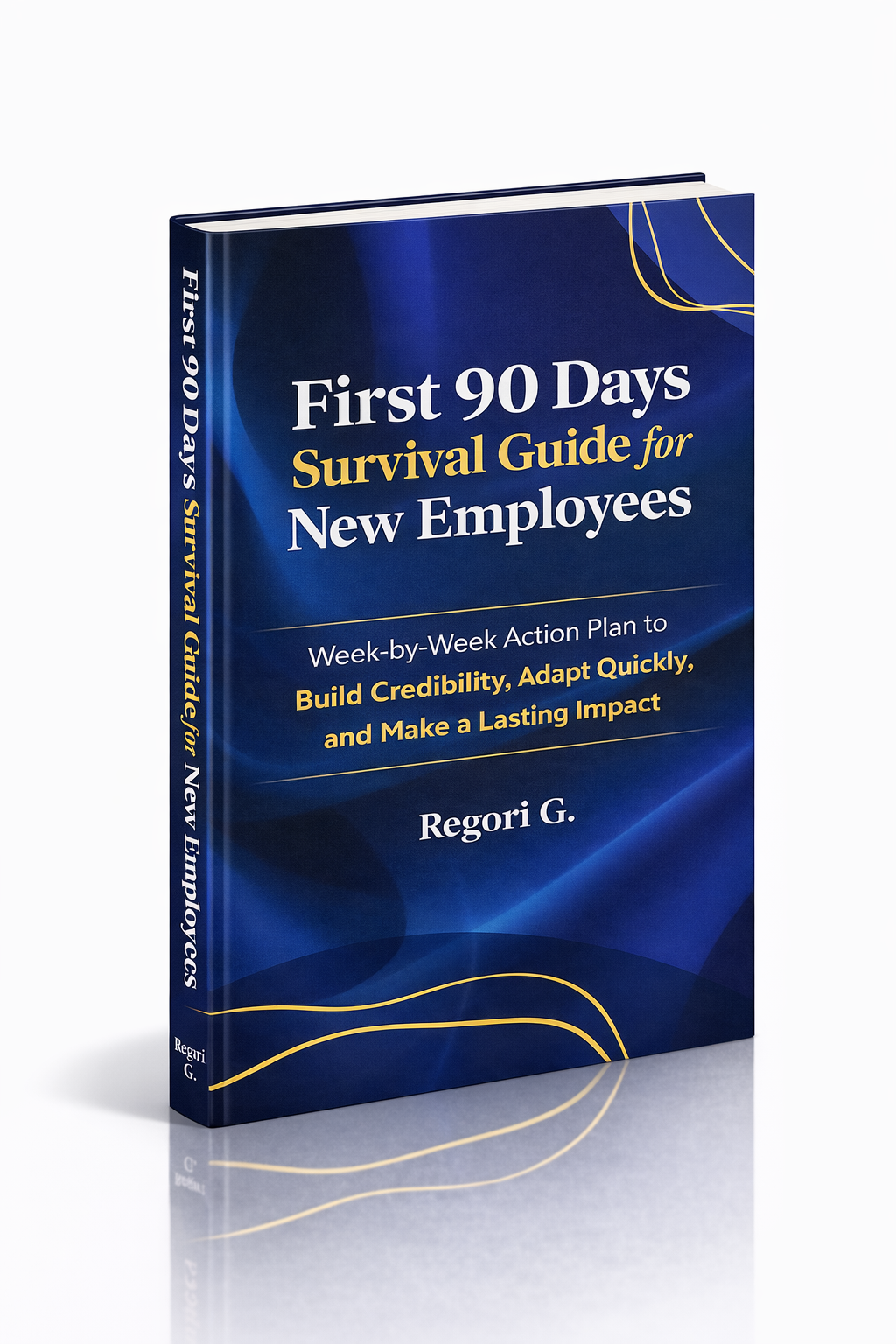
Guide 02
First 90 Days Survival Guide
Hit the ground running and make your mark from day one.
Get it →
Guide 03
Interview Success for Introverts
7 proven steps to shine in interviews — even if you hate the spotlight.
Get it →