

The 5 Interview Mistakes That Cost You the Job
What's silently killing your chances — and what top candidates do instead. Delivered instantly to your inbox.
No spam. Unsubscribe anytime. Privacy Policy & Terms
- Why "I'm a hard worker" destroys your chances
- What interviewers decide in the first 90 seconds
- How to handle tough questions with confidence
- The salary mistake almost every candidate makes
Building a Career That Works for Your Lifestyle
Creating a career that fits your lifestyle is essential for achieving a fulfilling work-life balance. As you think about your professional journey, keep in mind the significance of aligning your job with your personal needs, values, and goals. Here are some strategies that can help you craft a career that truly works for you.
Identify Your Core Values
Understanding your core values is crucial for building a career that suits your lifestyle. Ask yourself questions like:
- What is most important to me in life?
- Do I prioritize family, health, adventure, or security?
- What motivates me to get out of bed each day?
By defining your values, you can choose a career path that allows you to honor them. For example, if flexibility is key for you, consider remote work or freelance opportunities. Resources like MindTools can help you explore your values further.
Assess Your Skills and Interests
Next, conduct a self-assessment of your skills and interests. Knowing what you excel at and what you enjoy will guide you in making informed career decisions. Consider the following:
- What skills do you possess?
- What are your hobbies or passions?
- Which subjects have always piqued your interest?
Utilize tools like the 16 Personalities Test to gain insight into your strengths and preferences. This assessment can lead you to industries where you will thrive.
Explore Flexible Work Options
In today’s job market, flexibility is more attainable than ever. Here are some options to consider:
- Remote Work: Many companies offer remote positions that eliminate commuting time and allow you to work from anywhere.
- Freelancing: If you have a skill that can be sold as a service, consider freelancing to create your own hours.
- Part-Time Roles: Look for part-time opportunities that give you time to pursue other interests or responsibilities.
Exploring platforms such as FlexJobs can connect you with flexible career opportunities.
Network Strategically
Building valuable connections can open doors to new possibilities. Networking is not just about meeting people; it’s about forming relationships that support your career goals. Here’s how you can network effectively:
- Attend industry conferences and workshops to meet experts and peers.
- Join professional organizations that resonate with your interests.
- Engage in online communities and social media groups relevant to your field.
Networking can reveal job openings and provide insights about various industries. Websites like LinkedIn can be instrumental for networking in today’s digital world.
Continual Learning and Development
To maintain a fulfilling career, embrace lifelong learning. This not only keeps your skills sharp but also enhances your career trajectory. Consider the following:
- Online Courses: Platforms such as Coursera offer courses in various fields to help you gain new skills.
- Certifications: Earning specific certifications can enhance your resume and career prospects.
- Mentorship: Seek out mentors who can provide guidance and insights based on their experiences.
Investing in your education will help you adapt to the ever-evolving job landscape.
Create a Balanced Work-Life Integration
Aim for a balance between your professional and personal life. Work-life integration allows you to blend the two harmoniously. Strategies include:
- Establishing specific work hours and personal time.
- Utilizing tools like calendars to plan your day effectively.
- Setting boundaries to minimize work-related interruptions during personal time.
Finding ways to integrate your work with your lifestyle will ultimately lead to greater satisfaction.
By putting these strategies into practice, you can build a career that not only fulfills your professional ambitions but also aligns with your lifestyle. The key is to stay self-aware and adaptable as you navigate your career journey. Remember, your work should support your life, not consume it.
The Importance of Work-Life Balance
In today’s fast-paced world, the idea of having a solid work-life balance is more critical than ever. The constant struggle between personal life and professional obligations can often lead to stress and burnout. Achieving a well-rounded life where work and personal commitments coexist harmoniously is essential for overall wellbeing. Let’s explore the importance of this balance and its impact on your life.
Understanding Work-Life Balance
Work-life balance refers to the equilibrium between personal life and work commitments. It implies that you can effectively manage your time between work responsibilities and personal activities. This balance helps ensure that you don’t feel overwhelmed by professional obligations, giving you the space to enjoy life outside of work.
The Benefits of Maintaining Work-Life Balance
Striking the right balance provides several advantages that can enhance the quality and satisfaction of both work and personal life. Here are some key benefits:
- Increased Productivity: A balanced approach allows you to recharge, resulting in improved focus and efficiency during work hours.
- Better Health: Reducing stress and allowing time for self-care promotes physical and mental wellbeing, which is crucial for a healthy lifestyle.
- Stronger Relationships: Spending quality time with family and friends strengthens personal relationships, contributing to a more fulfilling life.
- Higher Job Satisfaction: Employees who achieve a proper work-life blend often feel more satisfied and engaged in their jobs.
- Less Burnout: Balancing work and life can significantly reduce the chances of burnout, keeping motivation levels high.
Strategies for Achieving Work-Life Balance
Achieving a satisfactory work-life balance requires intention and effort. Here are practical strategies to help you find that balance:
- Set Clear Boundaries: Clearly define the times you are available for work and when you are off-duty. This limits work encroaching on your personal time.
- Prioritize Tasks: Use time management techniques like the Eisenhower Matrix to distinguish between urgent and important tasks. This allows you to focus on what truly matters.
- Utilize Technology: Tools like calendars and task management apps can help in keeping your work and personal commitments organized.
- Schedule Downtime: Make it a priority to take breaks and maintain a weekly routine that allows for socializing and relaxation.
- Communicate: Keep the lines of communication open with your employer and family about your needs and limitations regarding working hours.
Work-Life Balance in Different Work Environments
No two work environments are alike, and each presents its unique challenges and opportunities for achieving balance. Consider the following scenarios:
| Work Environment | Challenges | Opportunities |
|---|---|---|
| Remote Work | Difficulty in separating work from personal life | Flexibility in scheduling |
| Corporate Office | Long hours and high demands | Access to wellness programs |
| Freelancing | Inefficient time management | Control over work hours |
The Role of Employers in Work-Life Balance
Employers play a crucial part in fostering a culture that supports work-life balance. Companies are increasingly recognizing the importance of this balance to retain talent and enhance productivity. Here are ways employers can contribute:
- Implementing flexible work hours
- Offering remote work options
- Providing wellness programs and resources
- Encouraging time off without guilt
Balancing work and life may not be an easy endeavor, but its importance cannot be overstated. As you strive to create a fulfilling life, remember to prioritize your goals and set boundaries. For more insights on creating a life that works for you, visit Mind Tools and Forbes.
Identifying Your Core Values and Interests
Understanding what truly matters to you is a crucial step in shaping a fulfilling career. Identifying your core values and interests will guide your decisions and help you build a life that aligns with who you are. Here’s how you can embark on this vital journey.
Start by reflecting on your life experiences. Consider moments when you felt deeply satisfied or proud. Ask yourself the following questions:
- What achievements made you feel proud?
- What activities made you lose track of time?
- What principles do you stand by, no matter the situation?
Next, try to pinpoint recurring themes in your answers. These themes often represent your core values. For example, if you value creativity, you may enjoy careers in art, marketing, or design. If teamwork is essential, consider paths that emphasize collaboration, like project management or education.
A great way to assess your core values is by using a values assessment tool. Websites like Values Centre offer assessments that help you narrow down what is most important to you. Completing such assessments can illuminate patterns in your preferences and guide your career direction.
In addition to values, explore your interests. Research shows that people excel in careers that align with their passions. Here are some ways to identify your interests:
- Take Personality Tests: Tools like the Myers-Briggs Type Indicator (MBTI) can provide insights into what type of work might suit you.
- Volunteer: Get involved in community service. It allows you to try new activities without the commitment of a job, helping you discover what you enjoy.
- Try Internships: Internships provide hands-on experience. Even short-term positions can offer clarity on what you love doing.
Once you have a clearer understanding of your core values and interests, it’s time to align them with potential career fields. Consider creating a table to visualize this alignment:
| Value/Interest | Potential Career |
|---|---|
| Creativity | Graphic Designer, Marketing Specialist |
| Helping Others | Social Worker, Teacher |
| Technology | Software Developer, IT Specialist |
You can also research industries that resonate with your values and interests. Websites like Bureau of Labor Statistics provide valuable information about various careers. You can explore job descriptions, required skills, and outlooks for the job market.
It’s essential to continuously evaluate your interests and values as they can evolve over time. Make it a habit to check in with yourself periodically. Ask if your career path still aligns with your core values. Adjustments can be made if necessary to ensure that your work remains satisfying and fulfilling.
Surround yourself with supportive networks. Engaging with mentors who share similar values or interests can offer guidance and fuel your growth. Consider networking through platforms like LinkedIn or community groups related to your field. These connections can provide inspiration and guidance as you pursue a career that works for your lifestyle.
Ultimately, the journey of identifying your core values and interests is an empowering process. By gaining clarity on what matters most to you, you’ll be well on your way to crafting a career that not only supports your professional aspirations but also enriches your personal life.
Strategies for Flexible Work Arrangements
Flexible work arrangements are increasingly vital in today’s fast-paced world. They enhance work-life balance and improve employee satisfaction. To harness the benefits of flexible arrangements, there are several strategies you can adopt.
Understand Your Needs
Before diving into flexible work options, you should assess your personal and professional needs. Here are some key considerations:
- Work Style: Determine if you prefer quiet focus time or thrive in a collaborative environment.
- Family Obligations: Factor in your responsibilities outside of work, which can heavily impact your availability.
- Career Goals: Reflect on how mobility and flexibility may align with your career aspirations.
Explore Different Flexible Work Options
There are various types of flexible work arrangements you can consider:
- Remote Work: Working from home allows you to eliminate commuting time and manage your schedule better.
- Flexible Hours: Adjusting your work hours can help you fulfill personal commitments while still meeting professional deadlines.
- Job Sharing: This arrangement allows two people to share the responsibilities of one job, accommodating individual schedules.
- Part-Time Work: Scaling back on hours can provide you with sufficient time for other pursuits.
Communicate with Your Employer
After considering your options, an open dialogue with your employer is crucial. Here are some tips to effectively convey your needs:
- Be Clear: Clearly express what you want, be it remote work, flexible hours, or another arrangement.
- Present Benefits: Highlight how your proposed arrangement can enhance productivity and improve morale.
- Be Open to Negotiation: Be prepared to discuss compromises that still benefit you and your employer.
Leverage Technology
In implementing flexible work arrangements, technology plays a key role. Here are some tools and resources you may find beneficial:
- Collaboration Tools: Use platforms like Slack and Microsoft Teams to stay connected with your team.
- Time Management Apps: Tools like Trello and Asana can help you manage tasks more efficiently.
- Video Conferencing: Utilize Zoom or Google Meet for virtual meetings, keeping everybody in the loop.
Measure Productivity
Choosing flexible work does not mean sacrificing productivity. Here’s how to keep track:
- Set Clear Goals: Define specific KPIs or outcomes you need to achieve.
- Regular Check-Ins: Schedule weekly or bi-weekly meetings to ensure continuity and accountability.
- Adjust as Needed: Be prepared to make changes to your arrangements based on what is or isn’t working.
Stay Organized
In a flexible work environment, staying organized is essential. Follow these tips:
- Create a Dedicated Workspace: Set up a space at home where you can focus on work without distractions.
- Maintain a Routine: Establish a daily routine to create a sense of normalcy even while working outside the office.
- Use Digital Calendars: Apps like Google Calendar can help you keep track of deadlines and appointments.
Increasingly, employees prioritize flexibility in their careers. Following these strategies will not only help you build a fulfilling career but also enhance your lifestyle. As more organizations recognize the value of flexibility, now is the perfect time to explore how you can create a customized work journey.
Networking for Career Growth Without Compromise
Building a successful career often relies heavily on networking. However, many people find it challenging to network effectively without feeling that they are compromising their values or authenticity. Networking is not merely about exchanging business cards or attending events; it involves forming genuine relationships that can contribute to your career growth. Here’s how you can network effectively while staying true to yourself.
Understand Your Networking Goals
Before diving into networking, it’s crucial to define your objectives. Consider the following:
- Career advancement: Are you looking for a promotion or a new job?
- Skill development: Are you seeking mentorship or coaching in specific areas?
- Industry insights: Do you want to learn about trends or market news?
Knowing your goals will guide you in forming the right connections.
Identify the Right People
Not everyone in your field will be a valuable contact. Focus on connecting with individuals who align with your professional interests and values. Consider engaging with:
- Industry experts: Leaders who have made an impact in your field.
- Colleagues: Peers who understand your day-to-day struggles.
- Mentors: Individuals who can provide guidance and support.
Join relevant professional groups or online forums to identify potential contacts.
Employ Authentic Engagement Techniques
Networking becomes more effective when you engage authentically. Here are some strategies:
- Be genuinely curious: Ask questions and take an interest in others’ experiences.
- Share valuable content: Send articles or resources that could benefit your contacts.
- Follow up: A simple thank-you note after a meeting can go a long way.
Building real relationships is better than collecting contacts.
Attend Events Mindfully
Networking events can be overwhelming, yet they provide valuable opportunities. Choose events that resonate with your interests and values. When attending, focus on these tips:
- Set realistic goals: Aim to make 2-3 meaningful connections instead of trying to meet everyone.
- Listen actively: Make notes about the people you meet to remember their stories and aspirations.
- Be approachable: Smile and maintain open body language.
Even virtual events can be beneficial. Look for web webinars or discussions that can help hone your skills and widen your network.
Cultivate your Online Presence
In today’s digital age, a strong online presence is essential for networking. Consider these tips:
- Optimize your LinkedIn profile: Showcase your skills, experiences, and endorsements effectively.
- Share insights: Post about your experiences or opinions on relevant topics to attract discussions.
- Join professional groups: Engage with like-minded individuals to expand your network.
Online engagement can help build rapport even before you meet someone in person.
Foster Relationships Over Time
Networking is an ongoing process. It’s important to nurture the connections you make. Here’s how:
- Schedule regular check-ins: Reach out to contacts periodically to maintain a connection.
- Offer assistance: Be ready to help others within your network when you can.
- Celebrate achievements: Acknowledge others’ milestones, accomplishments, and promotions.
Investing time in existing relationships can lead to mutual support and growth.
Recommended Resources
For further reading on effective networking strategies, consider exploring the following websites:
- Forbes Networking Tips
- Harvard Business Review on Networking
- The Balance Careers: Networking Strategies
Networking for career growth does not have to come at the expense of your personal values. By engaging authentically, setting clear goals, and nurturing relationships, you can build a solid professional network while remaining true to who you are. Remember, the essence of networking is not about quantity but the quality of connections that can foster your career advancement.
Upskilling and Continuous Learning to Fit Your Lifestyle
In a rapidly changing job market, adapting your skills is more important than ever. Upskilling allows you to keep pace with new technologies, improving your career prospects while aligning with your lifestyle. Continuous learning not only opens doors to advancement but also makes work more fulfilling.
Understanding Your Learning Needs
The first step in upskilling is to understand your specific needs. Consider what skills are in demand in your field and where your interests lie. Ask yourself:
- What skills do I currently have?
- Which skills are lacking in my job role or industry?
- How do I want to grow professionally in the next few years?
Tools like job boards (Indeed) can help you identify the most requested skills in your field. Additionally, speaking with mentors or colleagues can provide insights into valuable areas for growth.
Choosing the Right Learning Resources
Once you have a clear picture of your learning needs, explore the various resources available that fit your schedule and lifestyle. Here are some options you can consider:
- Online Courses: Platforms like Coursera, Udemy, and edX offer flexible learning options.
- Webinars and Workshops: Many organizations host events that can fit into your calendar easily.
- Podcasts and Audiobooks: These are convenient for on-the-go learning and can be fit into your daily routines.
Creating a Learning Schedule That Works for You
Consistency is key in continuous learning. Here are some strategies to integrate learning into your lifestyle:
- Set Specific Goals: Define what you want to achieve weekly. Perhaps you might aim for one online course every month or one chapter of a book each week.
- Allocate Time: Dedicate specific hours each week solely for learning. This can help create a routine that keeps you accountable.
- Leverage Micro-Learning: Consider smaller learning units that fit into your day. Short videos or articles often allow for quick learning bursts.
Networking and Community Learning
Engaging with a community can enhance your learning experience. You can join forums or professional groups relevant to your career. Networking can lead to valuable connections, sharing insights, and learning from others’ experiences.
Measuring Your Progress
To ensure your upskilling is effective, track your progress regularly. Here’s an example of a simple tracking method:
| Skill | Learning Resource | Start Date | Completion Date | Notes |
|---|---|---|---|---|
| Data Analysis | Coursera | Jan 2023 | Feb 2023 | Passed course with certification |
| Project Management | Udemy | Mar 2023 | Ongoing | Learning to apply concepts at work |
Embracing a Growth Mindset
Building a career that aligns with your lifestyle involves adopting a growth mindset. Understand that learning is a continuous journey. Embrace challenges and learn from feedback, viewing failures as opportunities to grow. This mindset fosters resilience, helping you adapt to changes.
Utilizing Technology for Learning
In this digital age, integrating technology into your learning process is essential. Use learning management systems and apps like Skillshare or LinkedIn Learning. These platforms offer tailored courses that can be accessed anytime, catering to your schedule.
Balancing upskilling with your lifestyle is entirely feasible. Embrace the opportunities available to you, whether through online courses, community engagement, or practical application at work. By fostering a culture of continuous learning, you can develop skills that not only enhance your career but also make your professional life more satisfying.
Setting Boundaries: Managing Your Time and Energy
Managing your time and energy is essential in today’s fast-paced world. Setting effective boundaries allows you to protect your valuable resources while also fostering healthier relationships, improved productivity, and a more enjoyable life. Here are strategies to help you set those crucial boundaries.
Recognizing Your Priorities
The first step in managing your time and energy is understanding your priorities. Identifying what truly matters to you will help you make better decisions about where to invest your time. Use these steps to clarify your priorities:
- List Your Goals: Write down your short-term and long-term goals. This can include personal, professional, and social aspirations.
- Rank Your Goals: Assign a ranking to your goals based on urgency and importance. This will help you focus on what matters most.
- Evaluate Regularly: Make it a habit to revisit and adjust your priorities to reflect any changes in your life.
Learn to Say No
One of the biggest challenges in managing your time and energy is learning to say no. Many people struggle with this, fearing they will disappoint others or miss out on opportunities. However, saying no is a critical boundary that protects your well-being. Here’s how to do it gracefully:
- Be Honest: Explain your reason for declining, whether it’s due to a packed schedule or a need for personal time.
- Offer Alternatives: If appropriate, suggest a different time or method for engaging in the activity without overcommitting yourself.
- Practice Assertiveness: Being assertive means standing up for your needs while still being respectful of others.
Set Time Limits
Another effective way to manage your time is by setting clear time limits for tasks and engagements. This helps you stay focused and keeps your schedule balanced. Try these strategies:
- Use Timers: Apply the Pomodoro technique by working in sprints of 25 minutes followed by a 5-minute break. Repeat this cycle to maintain productivity.
- Schedule Breaks: Block out time for small breaks between tasks. This aids in rejuvenating your mind and keeping your energy up.
- Allocate Specific Times for Tasks: Dedicate certain hours of the day for specific activities, such as emails, meetings, or focused work, so you’re less likely to slip into time-wasting activities.
Communicate Your Boundaries
For your boundaries to be respected, you need to communicate them clearly. Consider the following tips:
- Be Clear and Direct: Make your needs known to colleagues, friends, and family. Use approachable but firm language to express your limits.
- Lead by Example: Show others how to respect boundaries by honoring your own commitments and limits.
- Reinforce Your Limits: Don’t hesitate to remind others of your boundaries when necessary. Consistency helps others adapt to your needs.
Follow Self-Care Practices
Managing your time also means managing your energy. Engage in self-care routines that recharge you. Examples include:
- Exercise Regularly: Physical activity boosts energy levels and enhances mood.
- Meditation or Mindfulness: Taking time to clear your mind can decrease stress and improve focus.
- Sufficient Sleep: Prioritize getting enough rest each night, as good sleep is fundamental for energy and focus.
As you work on setting boundaries, it’s helpful to look for resources that provide additional support. Websites such as Mind Tools offer practical resources on time management and personal effectiveness. The site covers various techniques for improving your time management skills and understanding how to effectively set boundaries.
You can also explore Psychology Today for articles and expert opinions on the psychological aspects of boundaries and self-care practices.
By recognizing your priorities, learning to say no, setting time limits, communicating your boundaries, and following a solid self-care regime, you can effectively manage your time and energy. Achieving a balanced lifestyle that works for you hinges on how well you establish these boundaries. Start taking control today for a more fulfilling life!
Key Takeaway:
Building a career that truly works for your lifestyle is a transformative journey that can significantly impact your overall happiness and fulfillment. At the heart of this quest lies the importance of achieving a harmonious work-life balance. Understanding and prioritizing your core values and interests is essential; these serve as the foundation for making informed career choices that resonate with who you are. When you align your profession with your personal beliefs and passions, you unlock the potential for greater job satisfaction and motivation.
To adapt your career to fit your lifestyle, consider exploring flexible work arrangements. The rise of remote work and gig opportunities presents a variety of options to help you maintain a balanced life. Embrace the concept of flexibility by negotiating arrangements that allow you to manage your time more effectively, enabling you to pursue personal interests and responsibilities alongside professional commitments.
Networking is another crucial element for career growth, and it’s possible to build valuable connections without compromising your values. Engaging with like-minded professionals can open doors to opportunities that align with your lifestyle needs. Use social media platforms or local events to connect with individuals who share your career aspirations and personal interests, creating a supportive community that uplifts your professional journey.
Upskilling and continuous learning play a significant role in ensuring that your career evolves with you. Consider enrolling in online courses or attending workshops that fit your schedule. This helps you stay relevant in your field and strengthens your marketability without overwhelming your lifestyle.
Setting boundaries is vital for managing your time and energy. Learn to say no to commitments that do not align with your goals or values. By doing so, you create space for what truly matters to you, allowing for rejuvenation and personal growth.
Building a career that works for your lifestyle involves understanding your values, leveraging flexibility, networking wisely, committing to lifelong learning, and maintaining clear boundaries. When you embrace these strategies, you can create a fulfilling career that enhances both your professional and personal life, leading to a balanced and rewarding existence.
Conclusion
Creating a career that aligns with your lifestyle is not just a dream; it’s an achievable goal with thoughtful planning and self-reflection. Prioritizing work-life balance is essential for your overall well-being and productivity. By identifying your core values and interests, you can direct your career path toward work that feels fulfilling and true to yourself.
Implementing flexible work arrangements, such as remote work or flexible hours, allows you to maintain a more manageable schedule that accommodates both personal and professional responsibilities. Networking plays a crucial role in career growth, and it can be done without sacrificing your values or boundaries. Forming genuine connections can lead to opportunities that respect your lifestyle needs.
Embracing upskilling and continuous learning not only enhances your career prospects but also allows you to evolve in a way that fits seamlessly with your life. Prioritizing time and energy management is vital. Establishing boundaries ensures you’re not overwhelming yourself and can fully engage in both your work and personal life.
The journey of building a career that works for your lifestyle requires commitment and adaptability. By staying aligned with your values and being proactive about your professional choices, you’ll find that a fulfilling career doesn’t just enhance your life—it complements it beautifully. Take charge, embrace the possibilities, and create a career that empowers you to thrive in all aspects of your life.
Your Next Chapter
Starts with the Right Guide
Three straight-talking PDF guides to help you win interviews, beat the first 90 days and thrive as an introvert. Instant download on Gumroad.
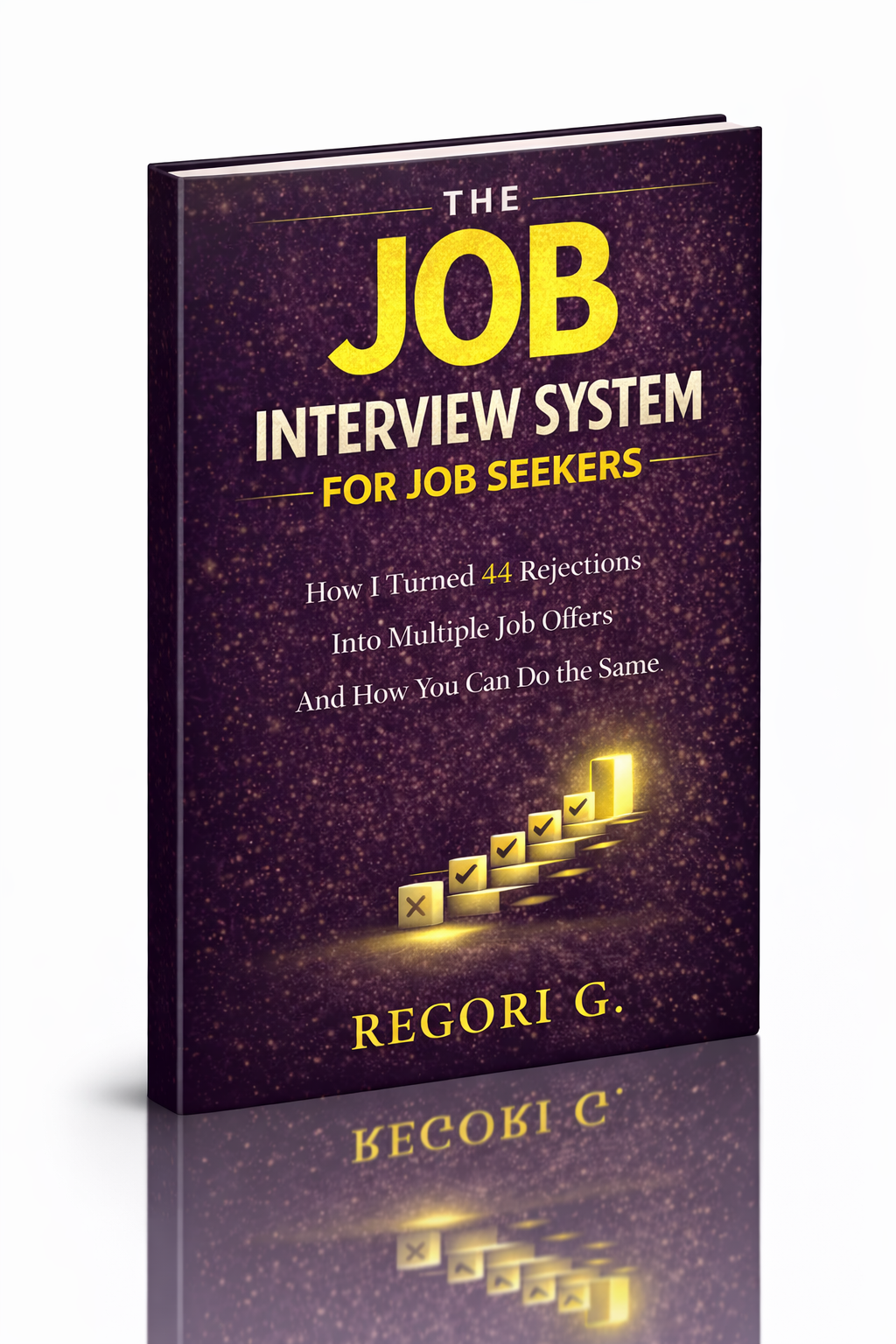
Guide 01
The Job Interview System
Step-by-step interview prep that turns nerves into confidence.
Get it →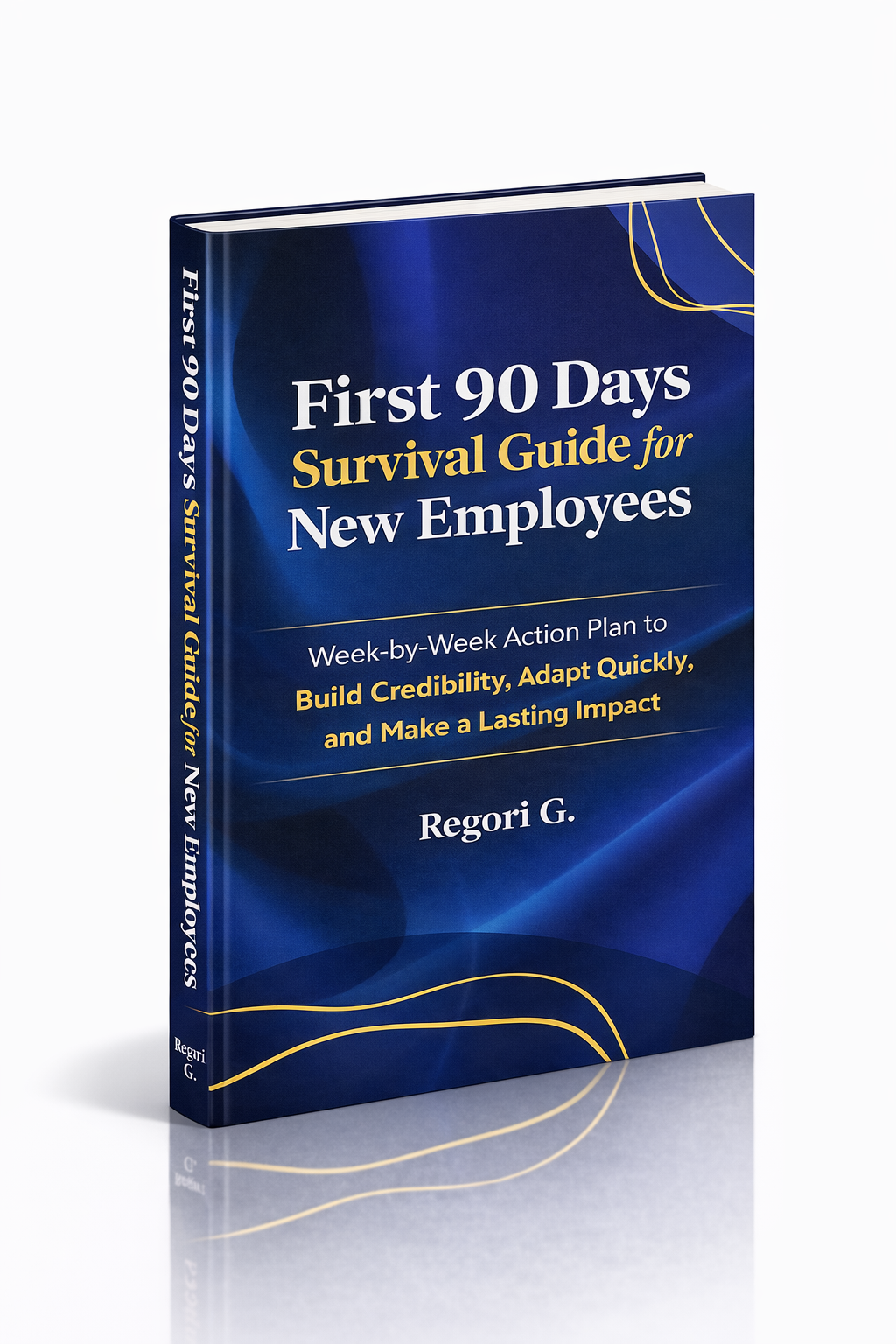
Guide 02
First 90 Days Survival Guide
Hit the ground running and make your mark from day one.
Get it →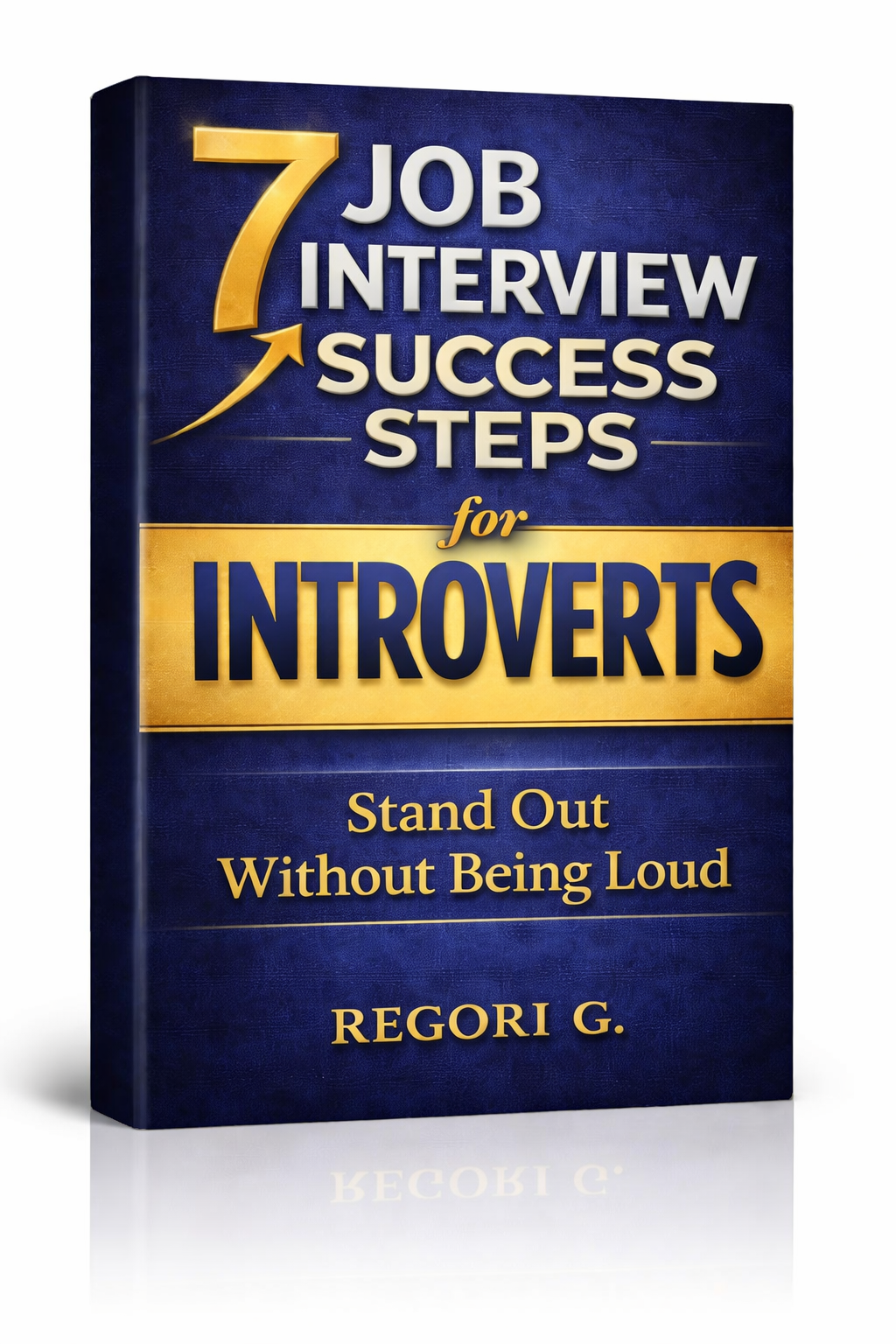
Guide 03
Interview Success for Introverts
7 proven steps to shine in interviews — even if you hate the spotlight.
Get it →