

The 5 Interview Mistakes That Cost You the Job
What's silently killing your chances — and what top candidates do instead. Delivered instantly to your inbox.
No spam. Unsubscribe anytime. Privacy Policy & Terms
- Why "I'm a hard worker" destroys your chances
- What interviewers decide in the first 90 seconds
- How to handle tough questions with confidence
- The salary mistake almost every candidate makes
Building a Career You Are Still Proud of in 20 Years: Key Strategies
Building a fulfilling career is a journey, and the efforts you invest today will pay off in the years to come. It’s crucial to establish a strong foundation for a career that you will be proud of two decades from now. Here are key strategies to guide you on this path.
Define Your Passion
Start by discovering what truly excites you. Ask yourself questions like:
- What activities make me lose track of time?
- What topics do I find myself constantly drawn to?
- What skills do I enjoy using the most?
Answering these questions can help you identify a passion that could translate into a career. Consider exploring resources like 123test for various career assessments to pinpoint your interests.
Focus on Continuous Learning
In a world that’s always changing, ongoing education is vital. Make it a habit to:
- Enroll in workshops and courses relevant to your field.
- Attend conferences and networking events to meet industry leaders.
- Read industry publications and books to stay updated on trends.
Investing in your education helps you adapt to changes and keeps your skills sharp, ensuring you remain competitive in your career.
Build a Robust Network
Networking is a vital key to building a successful career. Start by:
- Connecting with peers in your industry through social media platforms like LinkedIn.
- Engaging in local community events and professional organizations.
- Seeking mentorship from experienced professionals who can provide guidance.
A strong network opens doors to numerous opportunities and collaborations that can help elevate your career.
Set Clear Goals
Establish short-term and long-term career goals. This provides direction and motivation. Consider using the SMART criteria to set:
- Specific goals: Clearly define what you want to achieve.
- Measurable goals: Set metrics to track your progress.
- Achievable goals: Ensure your goals are realistic.
- Relevant goals: Align your goals with your long-term vision.
- Time-bound goals: Set deadlines for each goal.
This strategy can help you stay focused and gauge your success over the years.
Embrace Adaptability
The job market can change drastically in 20 years. To build a career that thrives amidst changes, remain open to new possibilities. This can include:
- Venturing into different roles within your industry.
- Acquiring new technical skills as technology evolves.
- Being flexible with your career aspirations and embracing new fields.
Adaptability not only keeps you relevant but also allows you to seize unexpected opportunities.
Prioritize Work-Life Balance
It’s crucial to maintain a healthy work-life balance. Overextending yourself can lead to burnout, ultimately affecting your career satisfaction. Here are some tips to help you achieve balance:
- Set boundaries between work and personal time.
- Incorporate relaxation and hobbies into your routine.
- Take regular breaks to recharge your mind and body.
Ensuring a balance improves your overall well-being, leading to increased productivity and job satisfaction.
Reflect on Your Progress
Regular reflection helps you understand your career trajectory. Set aside time every year to evaluate:
- Your achievements and setbacks.
- Skills you’ve gained and areas for improvement.
- Your overall satisfaction with your career path.
This practice will help you adjust your goals and strategies as necessary.
A career built with intention and care can provide immense satisfaction over the years. For resources on career development, explore Forbes Careers to find helpful articles and expert advice.
By following these strategies and remaining committed to your vision, you can create a career you will be proud of for years to come.
The Importance of Passion in Career Growth
When thinking about a fulfilling career, passion often emerges as a critical component that fuels professional growth. Passion not only keeps you engaged in your work but also drives you to achieve higher levels of success over time. By centering your career on what you love, you’re more likely to stay motivated, committed, and resilient in the face of challenges.
One of the most significant benefits of pursuing a career aligned with your passions is the enhanced motivation that comes from doing work you truly enjoy. When you are passionate about your job, you don’t just complete tasks; instead, you approach them with enthusiasm and energy. This positive attitude tends to reflect in the quality of your work and your relationships with colleagues.
Moreover, passionate individuals often find that they are more open to learning and growth. When you are intrinsically motivated by your interests, you naturally seek out opportunities to expand your knowledge and skills. This proactive approach to learning can lead to professional development that sets you apart in your chosen field. For example, attending workshops, enrolling in courses, or participating in networking events can be more appealing when they align with your passions.
Embracing a career based on passion also fosters resilience. Every career path has its share of ups and downs. However, when you are passionate about your work, you are more likely to push through difficult times and find creative solutions to problems. This determination not only contributes to personal satisfaction but also positions you as a valuable asset in any workplace.
To build a career rooted in passion, consider the following strategies:
- Identify Your Interests: Reflect on what truly excites you. This may involve evaluating your hobbies, past experiences, and the activities that naturally engage your attention.
- Set Clear Goals: Once you’ve identified your passions, establish specific, achievable goals that align with those interests. With well-defined targets, you can track your progress and celebrate milestones along the way.
- Seek Alignment: Consider how your current job or potential career opportunities connect with what you value most. Look for roles that allow you to express your passions in the workplace.
- Network With Like-Minded People: Connecting with people who share similar interests can provide motivation. Attend industry conferences, join organizations, or participate in online forums related to your passion.
- Embrace Lifelong Learning: Stay informed about current trends, new technologies, and best practices in your area of interest by taking courses and attending workshops.
It’s also important to remember that passion is often intertwined with innovation. When you love what you do, creativity flows naturally. For example, many successful entrepreneurs started their journeys fueled by a passion for solving particular problems or enhancing user experiences. Their commitment to their interests not only sparked innovative ideas but also contributed to significant advancements in their fields.
However, balancing passion with practical realities can be a challenge. Sometimes, what you love might not immediately translate into steady income. To navigate this, consider ways to integrate your passion into your current profession or explore side projects that align with your interests. This dual approach can provide both financial security and personal fulfillment.
It’s also beneficial to seek mentorship from individuals who have successfully built careers around their passions. Learning from their experiences can offer valuable insights and assist you in making informed decisions about your journey.
The role of passion in career growth cannot be underestimated. A career built on what you love can fuel motivation, resilience, and creativity, paving the way for long-term success. If you’re looking to explore more on this subject, check out resources from Forbes and Harvard Business Review for expert advice and stories of individuals who have successfully integrated passion into their careers.
Adapting to Change: Keeping Your Skills Relevant
In today’s fast-paced world, change is a constant. Whether driven by technology, shifting markets, or societal trends, adapting to these changes is essential for career success. One of the most crucial aspects of staying relevant in your field is ensuring your skills evolve alongside these changes. Here are some effective strategies to help you keep your skills updated.
Embrace Lifelong Learning
One of the best ways to maintain your skill set is by committing to lifelong learning. This means constantly seeking opportunities to absorb new information and refine existing skills. You can accomplish this through:
- Online Courses: Websites like Coursera and Udacity offer a wide range of courses tailored to current market needs.
- Workshops and Seminars: Look for industry-specific workshops that hone in on particular skills. Networking during these events can also provide valuable insights.
- Podcasts and Webinars: Engaging in podcasts or webinars focused on your industry can help you stay informed about new trends and technologies.
Network and Collaborate
Your professional network is a valuable resource for staying relevant. Engaging with peers in your field can lead to new insights and perspectives. Ways to enhance networking include:
- Joining Professional Associations: Many industries have associations that offer networking events, resources, and training.
- Social Media Platforms: Platforms like LinkedIn are great for connecting with influencers and sharing knowledge in your domain.
- Community Engagement: Volunteering for projects or joining local organizations allows you to work collaboratively and learn from others.
Set Clear Goals
Setting clear, achievable goals is essential for your career progression. Consider these points when establishing your goals:
- Short-term and Long-term Goals: Define what you want to achieve in the next year versus the next five years.
- Skill Assessment: Regularly assess your skills to identify gaps in your knowledge and areas for improvement.
- Feedback Mechanism: Connect with mentors or colleagues who can provide constructive feedback on your performance.
Stay Informed About Industry Trends
To remain relevant, you must stay updated on the latest developments in your field. Following industry trends enables you to anticipate changes and pivot accordingly. Techniques for staying in-the-know include:
- Industry Blogs: Subscribe to and read influential blogs that report on your industry. Websites like Forbes and Harvard Business Review are excellent resources.
- Newsletters: Sign up for newsletters from credible sources to receive regular updates directly in your inbox.
- Annual Conferences: Attend conferences to learn about emerging trends and network with industry leaders.
Develop Transferable Skills
Transferable skills are those that can be applied across different industries and roles. These skills boost your adaptability significantly. Some key transferable skills include:
| Skill | Description |
|---|---|
| Communication | Effective communication is crucial in any job setting, enabling clearer interactions. |
| Leadership | Leading a team or project enhances your ability to motivate and guide others. |
| Problem-Solving | Addressing challenges promptly and efficiently is applicable across various fields. |
| Time Management | Being able to prioritize tasks is vital for productivity in any job. |
Adapting to change and keeping your skills relevant is an ongoing journey that involves dedication and effort. By embracing lifelong learning, networking, setting clear goals, staying informed about industry trends, and developing transferable skills, you can build a resilience that serves you well now and in the future. Consider engaging with resources like Skillshare for more learning opportunities. By investing in your skills today, you prepare yourself for the challenges and opportunities of tomorrow.
Creating a Personal Brand That Lasts
In today’s digital age, a strong personal brand can differentiate you from others and significantly impact your career. It’s not just about visibility; it’s about creating a lasting impression that resonates with your target audience. Building a personal brand that lasts requires strategic planning and consistent execution. Here are key steps to create a personal brand that will stand the test of time.
Define Your Unique Value Proposition
The first step in crafting a solid personal brand is to clarify what makes you unique. Your unique value proposition is a combination of your skills, experiences, and passion. This statement should reflect your strengths and how they solve problems for your audience. Consider the following:
- What are your top three skills?
- What makes you passionate about your work?
- How can you use these skills to help others?
By answering these questions, you can create a strong foundation for your personal brand.
Know Your Audience
To build a personal brand that resonates, you need to know who your target audience is. Understanding their needs and preferences will allow you to tailor your messaging appropriately. Here are some ways to identify your audience:
- Conduct surveys or polls to gather feedback.
- Research online forums and groups where your audience spends time.
- Follow trends in your industry to see what matters most to them.
Create Authentic Content
To establish yourself as a thought leader, create content that reflects your expertise and highlights your personal brand. This could include:
- Blog posts or articles on platforms like Medium.
- Videos or podcasts sharing industry insights.
- Engaging social media posts that encourage dialogue.
Consistency is crucial—publish regularly to keep your audience engaged and attract new followers.
Utilize Social Media Effectively
Social media platforms are powerful tools for building your personal brand. Utilize them wisely by:
- Choosing the right platforms where your audience is active.
- Creating a cohesive profile across platforms.
- Engaging with your audience by responding to comments and messages.
Remember, authenticity wins over perfection. Share your journey, challenges, and successes to create a genuine connection.
Network and Collaborate
Networking is an essential part of building a lasting personal brand. Connect with others in your industry, attend events, and collaborate on projects. Here are some networking tips:
- Attend industry conferences and workshops.
- Join professional organizations related to your field.
- Participate in webinars and online discussions.
Building relationships can lead to new opportunities and strengthen your brand.
Monitor and Evolve Your Brand
Your personal brand should not remain static. Regularly evaluate your brand’s performance and adjust as necessary. Consider the following:
- Seek feedback from your audience and peers.
- Analyze engagement metrics to see what resonates.
- Stay updated with changes in your industry.
Adapting your brand in response to feedback and trends will ensure it remains relevant and powerful.
Be Patient and Persistent
Building a personal brand takes time and patience. Results won’t happen overnight, but being persistent will help you maintain growth. Focus on setting realistic goals and take actionable steps towards achieving them. Celebrate small wins along the way to keep your motivation high.
Creating a personal brand that lasts is a journey that requires effort, strategy, and a commitment to continuous improvement. By embracing your uniqueness, knowing your audience, and consistently delivering value, you can build a brand that not only stands out but continues to grow and evolve over time. For more insights on personal branding, you can explore resources from Forbes or Entrepreneur.
The Role of Networking in Career Longevity
Understanding Networking
Networking is more than just exchanging business cards. It’s about building relationships that can support your career for years to come. As you advance in your professional journey, these connections become invaluable. Networking helps you share ideas, gather insights, and even discover job opportunities. The more authentic your relationships, the more beneficial they can be for your career longevity.
The Benefits of Networking
Effective networking provides several advantages throughout your career:
- Access to Opportunities: Many job openings aren’t advertised. Networking connects you to the hidden job market.
- Skill Development: Engaging with diverse professionals enables you to learn new skills and enhance existing ones.
- Support System: A strong network offers encouragement and guidance through professional challenges.
- Increased Visibility: Building a network enhances your visibility in your industry, making it easier for potential employers and clients to find you.
How to Build a Strong Professional Network
Building a network may seem daunting, but it’s about quality over quantity. Here are strategies to create and maintain valuable professional relationships:
1. Attend Industry Events
Conferences, seminars, and workshops are excellent places to meet others in your field. Actively participate in discussions and showcase your knowledge. Check out resources like Meetup for local events that fit your interests.
2. Utilize Social Media
Social media platforms like LinkedIn allow you to connect with industry professionals, follow trends, and engage in conversations. Share your achievements and insights to establish yourself as a thought leader in your field.
3. Volunteer
Offering your skills for free to charitable organizations or community events helps you meet new people while giving back. This practice builds goodwill and can expand your network in unexpected ways. Look for opportunities on sites like VolunteerMatch.
4. Follow Up
After meeting someone, send a follow-up email or message. Thank them for their time and mention something specific from your conversation. This small gesture reinforces your connection and keeps you on their radar.
5. Build Genuine Relationships
Sustainable networking is grounded in trust and mutual respect. Take time to understand the aspirations and challenges of your contacts. Offer help when you can, which fosters a supportive atmosphere.
Networking for Career Longevity
To ensure your career remains fulfilling and long-lasting, continuous networking is key. Here are some tips to keep your network alive:
1. Regular Check-Ins
Schedule periodic check-ins with your connections. Use tools like Calendly to set reminders to reach out via email or social media.
2. Share Valuable Content
Provide your network with relevant articles, insights, and resources that may benefit them. This shows that you are engaged and committed to the relationship.
3. Join Professional Organizations
Organizations like the Scrum Alliance or the American Marketing Association offer members networking opportunities. Become active in these groups to expand your influence and learn from others.
4. Become a Mentor
Mentoring someone can provide fresh perspectives and help you stay connected to emerging trends in your industry. It’s a mutually beneficial relationship that strengthens your network.
Networking is a fundamental pillar for career longevity. By investing time and effort into building and nurturing your professional relationships, you pave the way for a fulfilling and sustainable career. Begin today, and remember that each connection can potentially lead to new opportunities and growth.
Navigating Setbacks: Resilience in Your Career Journey
Every career path is filled with ups and downs. Setbacks are a part of life, both professionally and personally. They can weigh heavily on your mind and spirit, but with the right strategies, you can bounce back stronger than before. Understanding how to navigate these challenges is integral to building a resilient career. Here’s how to do it effectively.
Understanding Setbacks
Setbacks can take many forms, from an unexpected job loss, failing to get a promotion, or facing criticism on a project. The key is to recognize that everyone experiences these moments. The manner in which you respond can shape your future.
Embrace a Growth Mindset
A growth mindset is crucial for resilience. Instead of viewing setbacks as failures, learn to perceive them as opportunities for growth. This shift in perspective can help you to:
- Identify your weaknesses and strengths
- Seek feedback actively
- Develop new skills or improve existing ones
Building a Support System
No one has to face challenges alone. Establishing a robust support network can make a huge difference. Consider connecting with:
- Mentors who can offer guidance and perspective
- Colleagues who have endured similar experiences
- Friends and family who understand your situation
Support from others can provide not only emotional uplift but also practical advice on navigating your career’s hurdles.
Developing Emotional Intelligence
Emotional intelligence (EI) refers to the ability to identify and manage your emotions and those of others. Cultivating this skill allows you to handle setbacks proactively. Here are some key EI components to focus on:
- Self-awareness: Understand your triggers and how they impact you.
- Self-regulation: Learn to manage your emotions, especially in stressful situations.
- Empathy: Cultivate the ability to understand and share the feelings of others, enhancing your interpersonal relationships.
Learning from Setbacks
Every setback carries valuable lessons. Take the time to analyze what went wrong. Consider creating a journal where you document the situation, your feelings, and what you learned from the experience. This practice can highlight patterns and help you avoid similar pitfalls in the future.
Setting Realistic Goals
Sometimes, setbacks are a result of overreaching expectations. Prioritize setting realistic, achievable goals. Break larger goals into smaller milestones. By celebrating these smaller victories along the way, you can boost your self-confidence and maintain momentum. Here’s an example table of SMART goals:
| Goal | Specific | Measurable | Achievable | Relevant | Time-bound |
|---|---|---|---|---|---|
| Improve Skills | Learn a new software | Complete online course | Finish in 3 months | Relevant to my job | By December 2023 |
| Networking | Connect with industry professionals | Attend 3 events per quarter | Engage with new contacts | Enhances career growth | Throughout the year |
Practicing Self-Care
In the face of challenges, do not underestimate the importance of self-care. Whether it’s physical, mental, or emotional health, taking time for yourself can be rejuvenating. Simple practices might include:
- Regular exercise
- Meditation or mindfulness exercises
- Spending time with loved ones and engaging in enjoyable activities
Seek Professional Help When Needed
Sometimes, setbacks can become overwhelming. If feelings of hopelessness or significant anxiety arise, consider seeking help from professionals. Counseling or therapy can provide coping strategies and support.
To deepen your understanding of resilience in career settings, explore resources from Psychology Today and Forbes. These sites offer valuable insights into developing the skills needed to thrive despite challenges.
Commit to viewing setbacks as stepping stones on your journey. Embrace growth, build a supportive network, and maintain focus on your goals. Resilience will not just help you overcome challenges but will also lead you to a more fulfilling career.
Lifelong Learning: Embracing Education for Future Opportunities
Understanding Lifelong Learning
Lifelong learning is a continuous, self-motivated pursuit of knowledge and skills for personal and professional development. It transcends traditional education, encompassing formal and informal learning throughout one’s life. Embracing education in this way opens doors to exciting opportunities and helps you remain adaptable in a rapidly changing world.
The Importance of Lifelong Learning
In today’s fast-paced environment, the ability to learn and unlearn quickly is more important than ever. Industries are evolving, technologies are advancing, and the job market is shifting. Here are several reasons why lifelong learning is essential:
- Adaptability: Constant learning helps you to stay flexible and responsive to changes in your field.
- Career Advancement: By continuously upskilling, you enhance your value in the workplace, making you more likely to earn promotions or transitions into new roles.
- Enhanced Problem-Solving: A broader knowledge base empowers you to tackle challenges creatively and efficiently.
- Networking Opportunities: Engaging in educational events often connects you with peers, mentors, and potential employers.
Types of Lifelong Learning
There are various avenues through which you can engage in lifelong learning. Understanding these can help you select the right options for your interests and goals:
| Type | Description |
|---|---|
| Formal Education | Degree programs at colleges and universities that provide structured learning. |
| Online Courses | Flexible courses available from platforms like Coursera or edX that allow you to learn at your own pace. |
| Workshops and Seminars | Short-term, interactive sessions that focus on specific skills or topics. |
| Self-Directed Learning | Utilizing books, podcasts, or videos to learn independently. |
| Mentoring and Coaching | Learning through direct feedback and insights from experienced professionals. |
Strategies to Embrace Lifelong Learning
To effectively embrace lifelong learning, consider the following strategies:
- Set Clear Goals: Determine what you wish to learn and why. Having clear objectives gives your learning direction and motivation.
- Create a Learning Plan: Schedule time to learn regularly. Consistency is key to making progress.
- Utilize Technology: Take advantage of online resources and tools that simplify accessing and managing your learning materials.
- Engage with Communities: Join forums or local groups where you can share experiences and learn from others.
- Stay Curious: Always ask questions and seek new knowledge. Curiosity is a driving force in lifelong learning.
Resources for Lifelong Learning
There are many valuable resources available to facilitate your lifelong learning journey:
- Coursera: Offers a wide range of online courses from top universities.
- edX: Provides access to free courses from leading institutions worldwide.
- LinkedIn Learning: Features video courses on various professional skills.
- Khan Academy: Offers free educational resources primarily for school-level subjects.
- Skillshare: Focuses on creative and practical skills through peer-led classes.
Embracing a Growth Mindset
Adopting a growth mindset is vital for effective lifelong learning. This mindset embraces challenges, values persistence, and views failures as opportunities for growth. Whether you’re looking to enhance your career prospects or indulge in personal passions, prioritizing education creates a solid foundation for a fulfilling future.
Key Takeaway:
Building a career that you can still be proud of in 20 years involves a combination of strategy, passion, adaptability, personal branding, networking, resilience, and a commitment to lifelong learning. Each of these elements plays a vital role in creating a fulfilling and successful professional journey.
First, embracing your passions is essential for long-term career satisfaction. When you align your work with what you genuinely care about, it not only fuels your motivation but also makes you more resilient during challenging times. Passionate professionals are often more engaged, leading to better productivity and greater job satisfaction, which ultimately translates to pride in their careers.
Adapting to change is another crucial strategy. The job market evolves rapidly due to technological advances and shifting industry trends. By continually updating your skills, whether through formal education or self-directed learning, you can ensure that you remain relevant and competitive. Tailoring your skills to meet the demands of a changing marketplace will keep your career trajectory on an upward path.
Creating a personal brand that stands the test of time is also vital. Your personal brand encapsulates your values, capabilities, and unique contributions to your field. By effectively communicating your brand through consistent messaging online and offline, you can position yourself as an authority, making it easier for opportunities to find you over the years.
Networking cannot be underestimated in its role in sustaining a successful career. Building and maintaining strong professional relationships can open doors to new opportunities, insights, and collaborations. Engaging with others in your field allows you to share knowledge while gaining perspectives that can enhance your own career journey.
Resilience in the face of setbacks is an essential trait. Every professional encounters obstacles; how you respond to those setbacks defines your career path. Building resilience will enable you to navigate challenges while maintaining a commitment to your goals.
Embracing lifelong learning ensures that you remain adaptable and open to new opportunities. Whether it’s pursuing advanced degrees, attending workshops, or reading industry literature, continuous education is key to evolving alongside your career.
Synthesizing these strategies—passion, adaptability, personal branding, networking, resilience, and lifelong learning—will enable you to construct a career that not only stands the test of time but also fills you with pride in the decades to come. Cultivating these attributes will empower you to face the future with confidence.
Conclusion
Building a career you can proudly reflect on in 20 years requires a multifaceted approach. First and foremost, passion fuels your journey; identifying what truly excites you can sustain your motivation even amid challenges. Embracing change is essential, as the job landscape evolves rapidly. Staying updated with new skills ensures you remain competitive and relevant in your field, enabling you to seize emerging opportunities.
Creating a strong personal brand is another critical piece of the puzzle. Your brand tells the world who you are, showcasing your values and expertise. Consistently managing your online presence and professional image can help you stand out in a crowded job market and pave the way for future prospects.
Networking plays a vital role in your career longevity. Building genuine relationships with industry peers can open doors you may not have anticipated and provide support during difficult times. Resilience is crucial, too; navigating setbacks effectively can transform challenges into stepping stones for growth, reinforcing your resolve to achieve your goals.
The commitment to lifelong learning cannot be overstated. Continually seeking knowledge and skills not only enhances your career prospects but also cultivates adaptability, ensuring you are ready for whatever the future holds. By integrating these strategies into your career development, you can build a profession that you will be proud of in 20 years—one that reflects your passions, skills, and resilience in an ever-changing world. Embrace the journey, and remember, it’s the consistent effort and dedication that will define your career legacy.
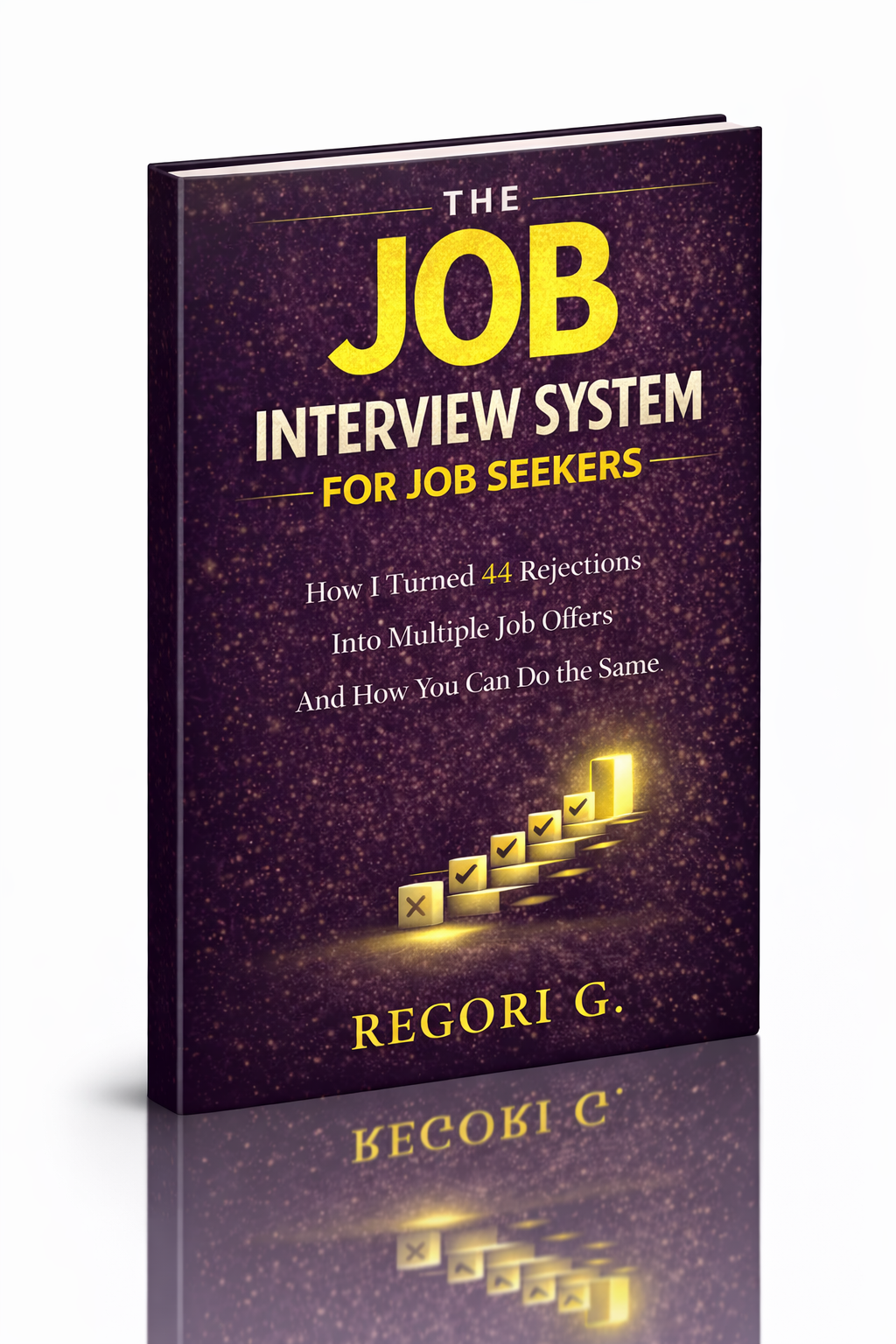
visit The Job Interview System for Job Seekers on Gumroad. A practical guide built for people who are serious about landing the job they want. For more interview guides, career tips, and job search resources, visit the Love PDF Guides home page.
Your Next Chapter
Starts with the Right Guide
Three straight-talking PDF guides to help you win interviews, beat the first 90 days and thrive as an introvert. Instant download on Gumroad.
Guide 01
The Job Interview System
Step-by-step interview prep that turns nerves into confidence.
Get it →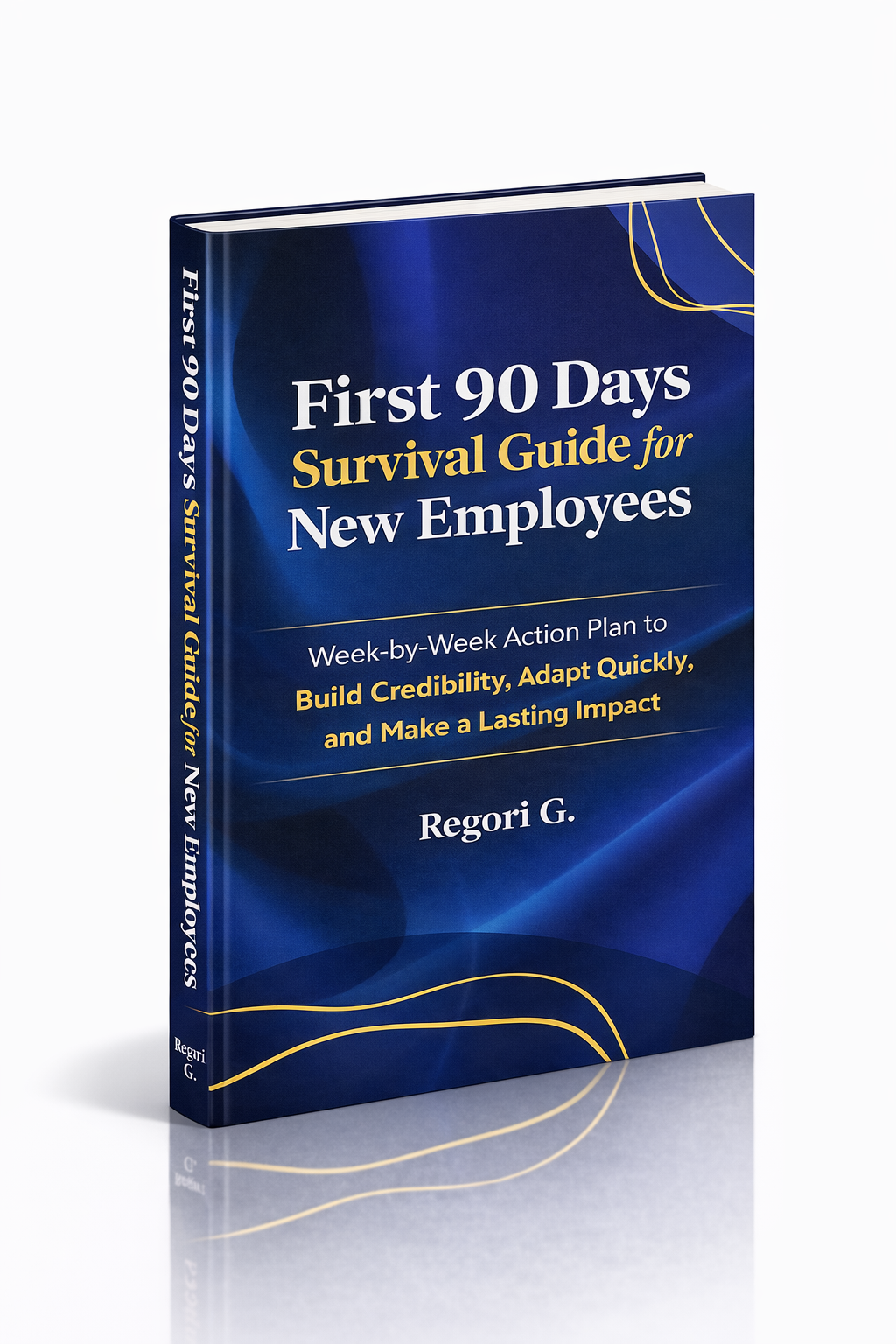
Guide 02
First 90 Days Survival Guide
Hit the ground running and make your mark from day one.
Get it →
Guide 03
Interview Success for Introverts
7 proven steps to shine in interviews — even if you hate the spotlight.
Get it →