

The 5 Interview Mistakes That Cost You the Job
What's silently killing your chances — and what top candidates do instead. Delivered instantly to your inbox.
No spam. Unsubscribe anytime. Privacy Policy & Terms
- Why "I'm a hard worker" destroys your chances
- What interviewers decide in the first 90 seconds
- How to handle tough questions with confidence
- The salary mistake almost every candidate makes
Building Trust With a Remote Manager You Rarely See
In today’s work environment, many of us find ourselves managing remote teams. However, this can present unique challenges, especially when you rarely see your remote manager. Building trust with someone who you communicate with primarily through screens requires intentional effort and dedication. Here are some insightful strategies to foster that critical trust.
Communicate Openly and Regularly
One of the best ways to establish trust is through consistent communication. Here are several key points to consider:
- Schedule Regular Check-ins: Arrange weekly or bi-weekly one-on-one meetings. These sessions provide opportunities to discuss expectations, feedback, and project status.
- Be Responsive: A quick response to emails or messages shows respect and dedication. It reassures your manager that you are engaged and reachable.
- Use Video Calls: Whenever possible, utilize video conferencing tools like Zoom or Microsoft Teams. Seeing each other face-to-face can deepen your connection.
Be Transparent
Transparency is vital in remote work relationships. When your manager knows what’s happening with your projects and challenges, it enhances trust. Here’s how to be more transparent:
- Share Progress Updates: Consistently update your manager on your milestones and challenges. This shows that you are proactive and accountable.
- Discuss Challenges: Don’t hesitate to bring up difficulties you encounter. Being honest about obstacles demonstrates vulnerability and trustworthiness.
- Provide Context: When you deliver updates or feedback, offer context to your information. This allows your manager to understand decisions better.
Focus on Delivering Results
Your performance speaks volumes. Delivering high-quality work consistently will naturally build trust with your remote manager. Here are steps to help achieve this:
- Set Clear Goals: Establish clear and measurable objectives. Discuss these with your manager to ensure alignment on expectations.
- Meet Deadlines: Always aim to complete tasks on or ahead of schedule. It reflects reliability and responsibility.
- Ask for Feedback: Regularly seek constructive feedback. This approach shows that you value your manager’s opinion and want to improve.
Build Personal Connections
Over time, it’s important to move beyond just work-related discussions. Building personal rapport can transform your working relationship:
- Share Personal Interests: Talk about hobbies or interests that you enjoy outside of work. This can help strengthen your relationship.
- Celebrate Milestones: Acknowledge achievements—big or small. Whether work-related or personal, celebrating milestones can create a positive environment.
- Be Genuine: Authenticity fosters trust. Be yourself in conversations to help create a more comfortable atmosphere.
Utilize Collaboration Tools Effectively
Adopting the right tools can streamline communication and enhance transparency. Here are some popular tools to consider:
| Tool | Purpose |
|---|---|
| Slack | Team communication platform for real-time chat and updates. |
| Trello | Project management tool that allows you to track tasks and projects visually. |
| Asana | Task management system for organizing and prioritizing work. |
By leveraging these tools, you can facilitate better communication and keep your manager informed about your work efficiently.
Building trust with a remote manager requires a commitment to communication, transparency, and personal connection. By focusing on delivering solid results, keeping open lines of communication, and using the right tools, you can create a trusting and productive relationship despite the physical distance. Remember, relationships take time to develop, so be patient and persistent in your efforts.
Effective Communication Techniques in Remote Work Environments
In today’s world, remote work has become the norm for many businesses. To thrive in this environment, effective communication techniques are essential. When teams are spread out across different locations, clear communication ensures that everyone stays on the same page. Here are some effective communication strategies to enhance collaboration in remote work settings.
Utilizing Technology for Communication
Technology offers various tools that can facilitate seamless communication in remote work. Here are popular tools that can help improve your communication:
- Video Conferencing: Tools like Zoom and Microsoft Teams allow you to hold face-to-face meetings even if you are miles apart.
- Instant Messaging: Platforms like Slack or Discord provide quick channels for team members to communicate ideas instantly.
- Project Management Tools: Software like Asana and Trello helps teams to keep track of tasks and deadlines while promoting transparency within the team.
Establishing Clear Expectations
When working remotely, it’s vital to set clear expectations to avoid misunderstandings. Here are some specific areas to focus on:
- Communication Frequency: Clearly define how often team members should check-in. Is it daily, weekly, or bi-weekly?
- Response Times: Communicate expected response times for emails and messages. This helps to manage expectations around availability.
- Workflow Processes: Make sure everyone knows their roles and responsibilities. A shared understanding of how work will flow promotes efficiency.
Encouraging Feedback
Creating a feedback culture is crucial in remote teams. This allows for continuous improvement and makes team members feel valued. Here’s how to encourage feedback:
- Regular Check-Ins: Schedule regular one-on-one meetings to discuss progress and address challenges.
- Surveys and Polls: Use tools like Google Forms to gather anonymous feedback from team members.
- Open-Door Policy: Foster an environment where team members feel comfortable approaching you with concerns or suggestions.
Creating a Social Atmosphere
Building relationships is just as important as completing tasks. Foster a sense of community among team members through the following methods:
- Virtual Coffee Breaks: Organize informal virtual gatherings where team members can chat about non-work-related topics.
- Team Building Activities: Use platforms like Cahoots to engage in online games or quizzes that build camaraderie.
- Celebrating Milestones: Acknowledge team accomplishments—big or small—with rewards or public recognition on platforms like Loomly.
Be Mindful of Different Time Zones
For global teams, time zones can pose a communication challenge. Here are tips for managing time differences:
- Use World Clocks: Incorporate world clocks in your team’s communication tools to help everyone be aware of each other’s schedules.
- Rotate Meeting Times: Alternate meeting times to accommodate members from different time zones, ensuring that everyone has a chance to participate.
- Utilize Asynchronous Communication: Make use of communication tools that allow for information exchange without requiring everyone to be online simultaneously.
Establishing effective communication techniques is vital in remote work environments. By leveraging technology, setting clear expectations, fostering feedback, creating social opportunities, and being mindful of time zones, teams can enhance overall productivity and collaboration.
For further insights on effective communication in remote work, you may find these resources helpful:
- Forbes – Three Priorities to Improve Remote Team Communication
- MindTools – Communication Skills
- Wrike – Remote Team Communication Tips
Setting Clear Expectations for Remote Collaboration
Effective remote collaboration hinges on clear expectations. When team members work from various locations, it becomes crucial to establish guidelines. Clear expectations create a framework that enhances productivity, communication, and collaboration among remote team members. Here’s how to set clear expectations for successful remote collaboration.
The Importance of Clear Expectations
Setting clear expectations lays a foundation for teamwork and accountability. When everyone knows what is expected, it reduces misunderstandings and keeps projects on track. Clear guidelines can help in:
- Improving communication
- Enhancing team accountability
- Boosting productivity
- Fostering a positive team culture
Key Components of Clear Expectations
To lay the groundwork for collaboration, consider these essential components:
1. Defined Roles and Responsibilities
Every team member should know their specific roles and responsibilities. Outlining tasks helps in understanding who is accountable for what. Utilize tools such as a project management app to clarify these roles. This transparency fosters trust among team members.
2. Expected Outcomes and Goals
Clearly define the outcomes and goals for each project. By setting measurable targets, team members can focus on what they need to achieve. Use SMART goals (Specific, Measurable, Achievable, Relevant, Time-bound) for more effective results.
3. Communication Protocols
Establishing how and when team members will communicate is vital. Define the preferred communication methods—email, video calls, or instant messaging—and the frequency of updates. This ensures everyone is aligned on communication expectations.
4. Timelines and Deadlines
Specify the timelines for project milestones and deliverables. Consider breaking larger projects into manageable phases with deadlines. This encourages timely contributions and allows for adjustments along the way.
5. Feedback Mechanisms
In a remote setting, feedback is essential for continuous improvement. Establish regular check-ins and provide channels for constructive feedback. Encourage openness and honesty to create a supportive environment.
Practical Tips for Setting Expectations in Remote Collaboration
Implementing these strategies can boost the effectiveness of remote collaboration:
Utilize Technology
Leverage tools like Slack, Microsoft Teams, or Zoom for effective communication. Project management software like Trello or Asana can help maintain clarity on tasks and deadlines.
Create a Team Charter
A team charter outlines the team’s purpose, goals, and expectations. Collaborate with the team to create this document, ensuring everyone is on the same page.
Encourage Personal Touches
In remote environments, personal connections may weaken. Encourage team members to share personal updates or achievements, enhancing bonds and team spirit.
Monitoring Progress
Regularly monitor and assess the team’s progress against the expectations set. Use check-ins to address any roadblocks swiftly. Tracking tools can help ensure accountability and keep everyone focused on their tasks.
Adjusting Expectations as Necessary
Flexibility is crucial. As projects evolve, expectations may need adjustments. Regularly review and update goals based on team feedback and project developments. This adaptability enhances teamwork and morale.
By implementing these strategies, you can create a well-structured environment for remote collaboration. For further guidance, consider visiting Forbes for insights on setting remote work expectations. Another excellent resource is Trello Blog, which provides tips on enhancing remote team collaboration.
Remember, success in remote teamwork starts with clear expectations. When each member understands their role and the goals, collaboration becomes seamless and productive.
Tools and Technologies That Foster Remote Team Trust
Building trust in a remote team setting can be challenging, especially when members don’t often meet face-to-face. However, using the right tools and technologies can significantly foster connections and trust among team members. Let’s explore how certain technologies can bridge the gap in remote work environments.
Communication Tools
Clear, open communication is vital for trust, and several tools make this easier:
- Slack: This platform enables team messaging in real-time. Channels can be created for different topics, keeping conversations organized and accessible.
- Zoom: Virtual meetings bring a level of personal interaction that text-based communication lacks. Utilizing video calls fosters a face-to-face connection, helping build rapport.
- Microsoft Teams: This tool combines workplace chat, video meetings, and file collaboration, promoting teamwork and connectivity.
Project Management Software
Effective project management software ensures everyone is on the same page and aware of their responsibilities. Consider these options:
- Trello: This tool uses boards, lists, and cards to manage tasks visually. It is easy to use and allows team members to check progress in real-time.
- Asana: With its task assignments and project timelines, Asana helps team members stay accountable, fostering trust through transparency.
- ClickUp: This all-in-one tool enables time tracking, goal setting, and task management, ensuring everyone is aligned and informed.
Employee Engagement Platforms
Engaging remote employees and understanding their needs helps build trust. Consider these platforms:
- 15Five: This platform encourages regular check-ins and feedback, promoting open communication and transparency.
- TINYpulse: With anonymous feedback tools and pulse surveys, TINYpulse helps managers gauge team morale and address any concerns promptly.
- Officevibe: This tool collects employee feedback and provides insights that can help improve team dynamics and foster trust.
Collaboration Tools
Collaboration tools play a crucial role in ensuring that team members can work together seamlessly, regardless of their location:
- Google Workspace: This suite of tools, including Docs, Sheets, and Drive, allows multiple users to collaborate in real-time, promoting transparency and teamwork.
- Notion: Known for its flexibility, Notion combines note-taking, project management, and database features, helping teams organize their work together.
- Figma: This design collaboration tool allows teams to create and edit designs in real-time, increasing collaboration among design and development teams.
Time Management and Scheduling Tools
Using the right scheduling tools can help set expectations and ensure all team members are on the same page:
- Doodle: This tool helps plan meetings by letting team members choose their availability, making it easier to find suitable meeting times.
- Google Calendar: Sharing a calendar allows transparency in schedules, helping teams understand when their colleagues are available.
- Clockify: A time tracking tool that can help team members understand how their time is spent and enhance productivity through insightful reporting.
Building Trust Through Transparency
Utilizing these tools effectively can create a culture of transparency within a remote team. When everyone has access to necessary information and regular communication is practiced, trust naturally develops. Regular check-ins, whether through video conferencing or messaging platforms, help keep the lines of communication open and promote a sense of belonging.
The right tools and technologies can significantly contribute to building trust in remote teams. Prioritizing transparency, communication, and engagement will go a long way towards fostering a collaborative and trustworthy work environment.
Maintaining Engagement and Morale in a Remote Setting
Engagement and morale can often take a hit when working in a remote setting. With limited face-to-face interactions, fostering a vibrant company culture requires effort and creativity. Here are some strategies that can help maintain high levels of engagement and morale among remote teams.
Regular Communication is Key
One of the most effective ways to keep morale high is to promote consistent communication. Utilize various channels, including video calls, instant messaging, and emails. Regular check-ins can make team members feel seen and valued.
- Daily or weekly stand-ups help everyone stay aligned on goals.
- Encourage open dialogue by asking for updates or feedback during meetings.
- Utilize project management tools to keep everyone in sync on tasks.
Make communication a priority to ensure your team does not feel disconnected. Remember, a simple message asking how someone is doing can make a world of difference.
Foster Team Building
Team building activities are not just for in-person meetings. Virtual team-building exercises can help strengthen bonds among remote employees. Consider incorporating:
- Online games or trivia nights
- Virtual coffee breaks for casual conversation
- Interest-based groups (like book clubs or fitness challenges)
These activities can create a sense of unity and allow team members to connect beyond work-related discussions.
Recognize and Reward Achievements
Recognition is vital for maintaining morale. Acknowledging hard work can boost motivation and foster a positive work environment. Consider implementing a recognition program where team members can celebrate each other’s accomplishments. Some ways to recognize achievements are:
- Monthly shout-outs during meetings
- Digital badges or certificates for milestones
- Small rewards for outstanding performance
Showing appreciation for your team’s efforts can make your members feel valued and motivated to contribute even more.
Encourage Work-Life Balance
In a remote setting, the lines between personal and professional life can blur rapidly. Encourage your team to prioritize work-life balance by promoting flexible working hours, allowing for breaks, and encouraging time off when needed. Here are some tips:
- Set clear boundaries for after-hours communication.
- Encourage employees to take regular breaks during their workday.
- Promote taking vacation time seriously, as everyone needs a recharge.
Helping team members maintain a healthy balance can prevent burnout and keep energy levels high.
Provide Opportunities for Growth
Employees who feel they are growing professionally tend to stay engaged and motivated. Offer training and development opportunities tailored to their interests. This can include:
- Online courses or workshops
- Mentorship programs
- Cross-department projects to enhance learning
Investing in your team’s development can showcase that you care about their future, reinforcing a sense of belonging within the organization.
Utilize Technology for Enhanced Collaboration
Leverage tools designed to foster collaboration among remote workers. Utilizing the right technology can facilitate seamless communication and project management:
- Communication tools: Use Slack or Microsoft Teams for easy messaging.
- Project management: Tools like Asana or Trello allow everyone to track progress.
- File sharing: Google Drive or Dropbox enables easy document collaboration.
Implementing user-friendly technology can encourage participation and make daily tasks more manageable.
Maintaining engagement and morale in remote settings is crucial for the success of your team. With the right mix of communication, recognition, activities, and professional development, it is possible to keep spirits high, even when everyone is working from different locations. For more tips on remote work strategies, check out Remote.co or Trello’s blog.
Strategies for Proactive Feedback and Continuous Improvement
In today’s fast-paced work environment, mastering the art of feedback and continuous improvement is key to success, especially in remote settings. To stay competitive and keep teams engaged, it’s essential to establish effective strategies. These approaches not only boost performance but also foster a culture of learning and progress.
Understanding Proactive Feedback
Proactive feedback is the practice of providing input before problems arise. This approach helps to identify potential issues and address them promptly. The cornerstone of proactive feedback is communication. Here are some effective strategies:
- Set Clear Goals: Establish clear, measurable objectives for your team. When everyone knows what’s expected, it becomes easier to assess progress.
- Regular Check-ins: Schedule frequent one-on-one meetings to discuss performance and expectations. This shows your commitment and provides a platform for open dialogue.
- Encourage Open Communication: Foster an environment where team members feel comfortable speaking up. Using tools like Slack or Microsoft Teams can facilitate real-time feedback exchanges.
The Importance of Continuous Improvement
Continuous improvement focuses on ongoing efforts to enhance products, services, or processes. This method is essential for maintaining relevance and meeting customer expectations. Here are several strategies for integrating continuous improvement into your team’s mindset:
- Implement Feedback Loops: Create systems for collecting feedback from both team members and clients. Use surveys, email, or instant messages to gather insights.
- Encourage Experimentation: Allow team members to propose new ideas and test them. Creating a safe space for trial and error can lead to innovative solutions.
- Invest in Training: Provide opportunities for professional development to help team members acquire new skills and stay updated on industry trends. This investment pays off by enhancing overall performance.
Using Technology to Facilitate Feedback
Technology plays a crucial role in modern feedback processes. Utilizing collaborative tools allows for easier communication and tracking of progress. Consider the following platforms:
- Trello: Useful for tracking project progress and ensuring accountability within teams.
- Asana: Offers task management features that help in setting and monitoring goals effectively.
- SurveyMonkey: Ideal for conducting anonymous surveys to gather honest feedback from your team.
Creating A Feedback Culture
Shaping a feedback culture starts with leadership. As a manager, you can lead by example. Here are ways to model and promote a feedback-driven environment:
- Be Receptive: Show that you are open to feedback on your own performance. This encourages team members to share their thoughts.
- Acknowledge Contributions: Recognize the efforts of your team members. Public acknowledgment can boost morale and motivation.
- Standardize Feedback Processes: Develop consistent methods for providing and receiving feedback. Whether through quarterly reviews or monthly check-ins, consistency helps normalize feedback.
Measuring Progress and Adaptation
Once proactive feedback and continuous improvement strategies are implemented, it’s essential to measure their impact. Consider these methods:
| Method | Description |
|---|---|
| Performance Metrics | Track key performance indicators to analyze team effectiveness and achieve transparency. |
| Feedback Analysis | Regularly review feedback collected to identify trends and areas for improvement. |
| Employee Satisfaction Surveys | Use surveys to measure team morale and engagement, adjusting strategies based on insights. |
These strategies not only enhances productivity but also improves employee relationships and job satisfaction. As you build a foundation of proactive feedback and continuous improvement, remember to stay flexible and adapt to the evolving needs of your remote team.
For additional resources, you can check Mind Tools for communication strategies, and Harvard Business Review for effective feedback tips.
The Role of Transparency in Remote Manager Relationships
Building a successful relationship with a remote manager hinges significantly on the level of transparency present in the communication and interactions between both parties. In a virtual work environment, where face-to-face interactions are rare, transparency becomes even more critical. Not only does it foster trust, but it also enhances collaboration and productivity. Understanding how to be transparent and encouraging the same from your remote manager can make all the difference in your working relationship.
Transparency can manifest in several ways. It includes open communication about projects, sharing of information, and providing feedback promptly. Here are some crucial aspects to consider when aiming for transparency:
- Open Dialogue: Make it easy for your manager to reach out to you and vice versa.
- Share Progress: Regularly update your manager about your work status and any challenges you may face.
- Set Clear Expectations: Understand what your manager expects from you and communicate your needs as well.
One of the primary benefits of transparency is that it enables both parties to be on the same page. Remote managers appreciate team members who keep them informed about their progress. When you share updates on your tasks, it diminishes misunderstandings and aligns your goals with your manager’s vision for the team.
To enhance this aspect of your relationship, consider the following strategies:
- Schedule Regular Check-Ins: Having routine one-on-ones can be a great way to maintain an open line of communication. This allows for real-time feedback and conversations about ongoing projects.
- Utilize Project Management Tools: Using tools like Slack or Trello can help track progress and keep everyone aware of what is happening. Ensure to check in regularly on these platforms.
- Be Honest About Challenges: If you encounter problems, share them. This creates a culture of openness and support.
Additionally, transparency involves acknowledging your manager’s perspective and understanding their role. Remote managers often juggle multiple tasks and deadlines. Recognizing their workload can lead to more empathetic communication and foster an overall sense of teamwork. Here are some ways to adopt this mindset:
- Practice Active Listening: When your manager communicates, listen attentively. Reflect their concerns back to them, showing that you understand their priorities.
- Ask for Feedback: Inquire about your performance genuinely. This not only shows that you are open to improvement but also serves to reinforce the bond.
- Be Proactive: Anticipate your manager’s needs and provide updates without being prompted.
Emphasizing transparency does not mean oversharing, however. Maintain professionalism and understand what information is appropriate to share. Here’s a small table summarizing the balance:
| What to Share | What Not to Share |
|---|---|
| Work progress and updates | Personal problems unless they affect work |
| Challenges you’re facing | Confidential information about other colleagues |
| Feedback on tasks | Negative comments about team dynamics |
When transparency is a priority, both you and your remote manager benefit from the trust it builds. It leads to a more engaged team and fosters a sense of belonging, even when miles apart. Remember, transparency is not just about sharing information; it is also about being receptive to feedback, which can significantly enhance your working relationship.
In a world where remote work is becoming the norm, mastering the art of transparency could be the key to thriving in your role. Consider diving deeper into resources that can help you understand effective communication in remote settings, such as articles from Forbes or guides from Remote.co. These platforms provide insights into best practices that can further strengthen your relationship with your remote manager.
Key Takeaway:
Building trust with a remote manager you rarely see is crucial for success in today’s digital work environment. In this article, we explored several key strategies to foster strong relationships, promote effective communication, and enhance overall team dynamics.
First and foremost, effective communication techniques are essential for remote work. Whether through video calls, chat apps, or emails, maintaining consistent, open lines of communication helps build rapport and fosters transparency between you and your manager. Always aim to be clear about your progress, questions, and any challenges you may face. When you keep your manager informed, you establish trust.
Next, setting clear expectations is vital for successful remote collaboration. Align on project goals, deadlines, and individual responsibilities from the outset. When both you and your manager know what’s expected, it reduces misunderstandings and creates a work culture of accountability. This clarity not only helps you succeed but also encourages a sense of trust and reliability.
Leveraging tools and technologies that promote collaboration is another fundamental strategy. Utilize project management software, communication tools, and shared documents to foster teamwork. These technologies not only facilitate collaboration but also demonstrate transparency in your work to your manager, which further strengthens trust.
Maintaining engagement and morale in a remote setting can be challenging, especially when face-to-face interactions are limited. Regular check-ins, virtual team-building activities, and recognizing individual contributions can help maintain a motivated and cohesive team atmosphere. A manager who sees their team actively engaged is more likely to trust their capabilities.
In addition, proactive feedback and continuous improvement are cornerstones of a trusting relationship. Don’t wait for your manager to tell you how you’re doing; seek out feedback regularly and offer your own where appropriate. This two-way street of communication not only enhances trust but ensures that everyone is aligned and improving together.
Transparency in your interactions plays a critical role in remote manager relationships. When you are honest about your successes and areas for growth, your manager will feel more confident in your ability to perform and lead. In closing, building trust with a remote manager involves a blend of communication, clear expectations, engagement, feedback, and transparency, all of which contribute to a thriving remote work environment.
Conclusion
Building trust with a remote manager whom you rarely see can be a rewarding endeavor, one that significantly enhances your professional relationship and overall team dynamics. Effective communication is the cornerstone of this trust. Utilizing video calls, messaging apps, and project management tools can help bridge the gap that distance creates, allowing for more engaging and transparent conversations.
Setting clear expectations is equally vital in a remote setting. When roles and responsibilities are well defined, it not only reduces misunderstandings but also empowers team members to take ownership of their work. Regularly reviewing these expectations and adapting them as necessary ensures that everyone remains aligned.
The right tools and technologies can greatly enhance the sense of trust within a remote team. Platforms designed for collaboration foster an environment of shared accountability, making it easier to gauge progress and celebrate achievements together. Keeping team morale high is essential as well, and finding moments for virtual team-building activities can create stronger personal connections among team members and their manager.
Proactive feedback helps create a culture of continuous improvement, reinforcing that everyone’s input is valued. Similarly, maintaining transparency in all dealings ensures that team members feel included in the decision-making processes, solidifying trust even in a remote environment.
Ultimately, the key to building trust with your remote manager lies in open communication, clear expectations, reliable tools, and a commitment to engagement. By focusing on these areas, you not only strengthen your professional bond but also contribute to a more cohesive and motivated remote team.
visit The Job Interview System for Job Seekers on Gumroad. A practical guide built for people who are serious about landing the job they want. For more interview guides, career tips, and job search resources, visit the Love PDF Guides home page.
Your Next Chapter
Starts with the Right Guide
Three straight-talking PDF guides to help you win interviews, beat the first 90 days and thrive as an introvert. Instant download on Gumroad.
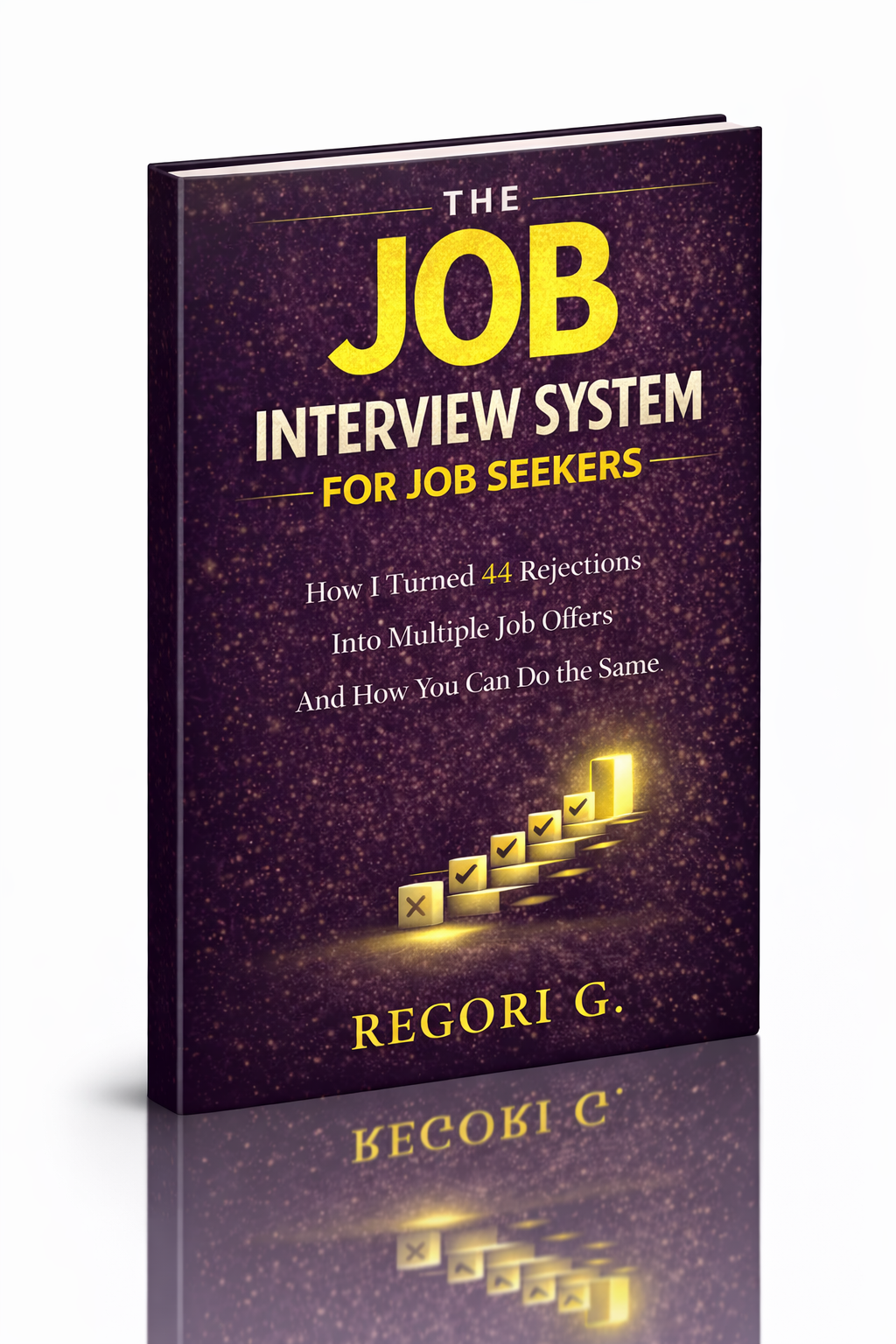
Guide 01
The Job Interview System
Step-by-step interview prep that turns nerves into confidence.
Get it →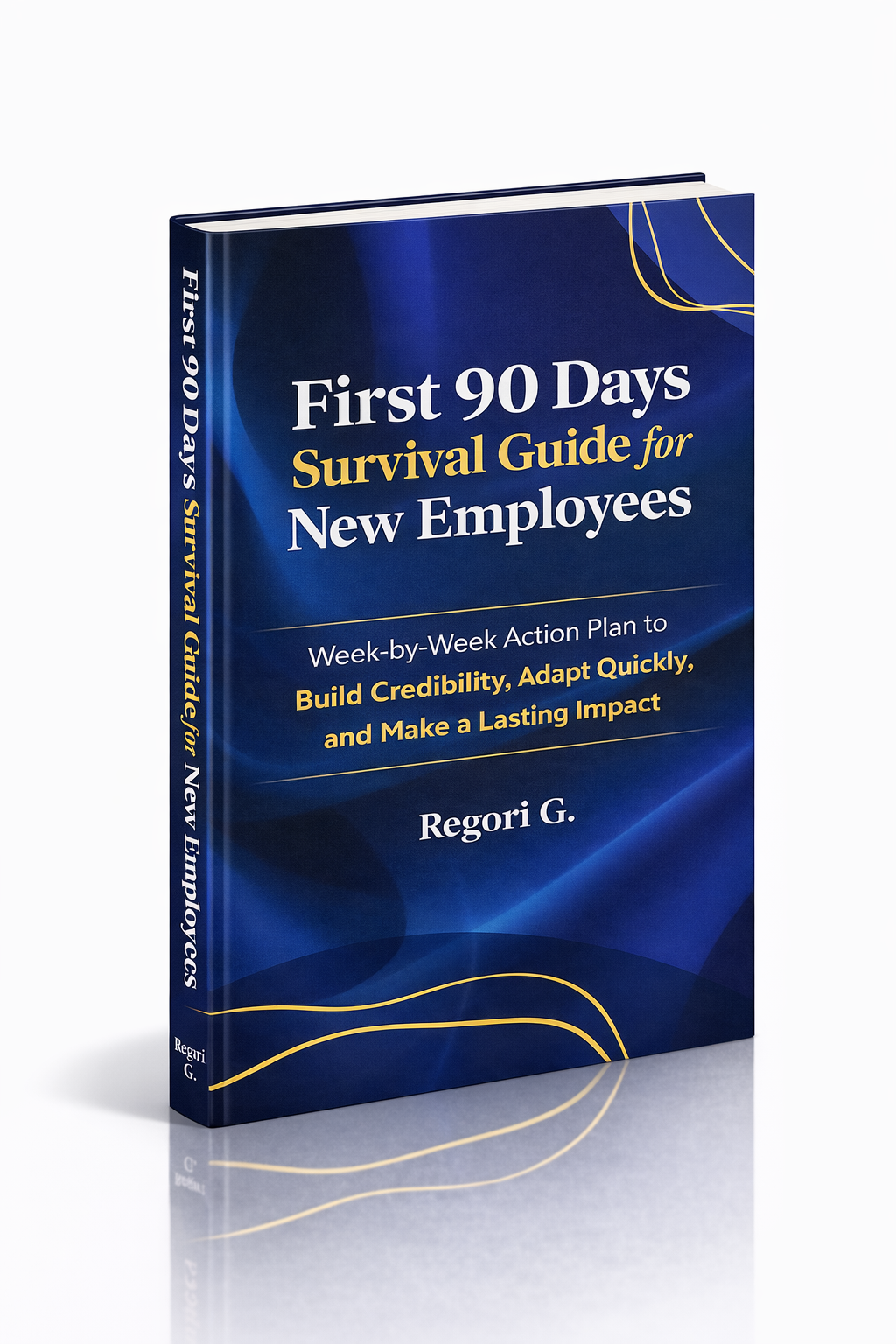
Guide 02
First 90 Days Survival Guide
Hit the ground running and make your mark from day one.
Get it →
Guide 03
Interview Success for Introverts
7 proven steps to shine in interviews — even if you hate the spotlight.
Get it →