

The 5 Interview Mistakes That Cost You the Job
What's silently killing your chances — and what top candidates do instead. Delivered instantly to your inbox.
No spam. Unsubscribe anytime. Privacy Policy & Terms
- Why "I'm a hard worker" destroys your chances
- What interviewers decide in the first 90 seconds
- How to handle tough questions with confidence
- The salary mistake almost every candidate makes
How to Find a Mentor at Work and What to Ask Them
Finding a mentor at work can be a game-changer for your career. Mentors offer guidance, share experience, and can provide invaluable insights. Here’s how you can seek out a mentor and what to ask them once you find the right fit.
Identify Your Goals
Before seeking a mentor, it’s crucial to understand what you want to achieve. Are you looking to improve your skills in a specific area, navigate a workplace challenge, or advance in your career? Having clear goals will help you find a mentor who aligns with your aspirations.
Look Within Your Organization
Your workplace is a great place to start your search for a mentor. Here are some approaches to consider:
- Networking: Attend company events, workshops, and team meetings. Engage with colleagues and identify individuals whose expertise you admire.
- Explore Leadership: Seek out senior employees or managers who have experience in your area of interest. They are often more than willing to offer guidance.
- Join Mentorship Programs: Many organizations have mentorship programs. Check if your company offers such initiatives, as they provide structured opportunities to connect with a mentor.
Expand Your Horizons
In addition to looking within your organization, consider expanding your search beyond your workplace:
- Industry Events: Attend conferences and seminars relevant to your field. These events often feature networking opportunities with potential mentors.
- Online Platforms: Use platforms like LinkedIn to connect with industry professionals. You can follow and engage with their content to establish rapport.
- Professional Associations: Join associations in your field. They often have networks of experienced professionals who are open to mentoring.
Building a Connection
Once you identify a potential mentor, the next step is to build a relationship. Here are some tips to initiate that connection:
- Be Genuine: Approach them with a sincere interest in learning from their experiences.
- Show Appreciation: Acknowledge their work and express your admiration for their achievements.
- Request a Meeting: Politely ask if they would be willing to meet for coffee or a brief chat. Make it clear that you are interested in gaining insights into their career path.
Asking the Right Questions
When you finally get the chance to meet your mentor, your questions can set the tone for your mentorship journey. Here are some effective questions to consider:
- Career Path: “What steps did you take to reach your current position?”
- Skill Development: “What skills do you consider most valuable in our field?”
- Challenges: “What significant challenges did you face in your career, and how did you overcome them?”
- Feedback: “How do you handle constructive feedback?”
- Work-Life Balance: “How do you manage time and maintain a work-life balance?”
Establishing Expectations
Make sure to set clear expectations about your mentorship. Discuss how often you will meet, preferred modes of communication, and what you hope to gain from the mentorship. This understanding ensures both parties are on the same page and dedicated to the relationship.
Be Open to Feedback
A mentor’s role is to provide guidance, which often includes offering constructive criticism. Be receptive to their feedback, and apply their insights to improve your skills and decision-making.
Maintain the Relationship
Once you have established a mentoring relationship, it’s important to nurture it:
visit The Job Interview System for Job Seekers on Gumroad. A practical guide built for people who are serious about landing the job they want. For more interview guides, career tips, and job search resources, visit the Love PDF Guides home page.
- Stay in Touch: Regularly update your mentor on your progress and achievements.
- Express Gratitude: Thank them for their time and insights. A little appreciation goes a long way!
Finding a mentor at work is a valuable step towards career growth. Look for someone whose experience aligns with your goals, and prepare insightful questions to make the most of your time together. Building this relationship can lead to meaningful advancements in your career.
For more resources on mentorship and professional development, visit Forbes or Harvard Business Review.
The Benefits of Having a Mentor in Your Career
Having a mentor in your career can be a transformative experience. Mentorship provides guidance, support, and a wealth of knowledge that can significantly impact your professional journey. Here are some key benefits of securing a mentor.
Gain Valuable Insights
A mentor offers a different perspective that can help you navigate complex workplace situations. They can share their experiences, successes, and failures, giving you a wider view of the industry and potential career paths. This insight is invaluable as it can save you from making common mistakes.
Develop Skills and Confidence
Working closely with a mentor allows you to develop critical skills. Mentors can help identify your strengths and weaknesses, offering constructive feedback to enhance your abilities. As you gain new skills, you’ll notice an increase in your confidence, empowering you to take on new challenges.
Networking Opportunities
Mentors often have extensive professional networks. They can introduce you to key contacts in your field, which could lead to job opportunities, collaborations, and partnerships. Building this network early in your career can open many doors for future growth.
Set and Achieve Goals
Having a mentor helps you create clear, attainable goals. They can assist you in breaking down your career aspirations into manageable steps. With their accountability, you’re more likely to stay on track and reach those milestones.
Receive Emotional Support
Career paths can be filled with ups and downs. A mentor provides emotional support during challenging times. Their encouragement and advice can help you navigate stress and maintain motivation, especially when facing obstacles or setbacks.
Increases Job Satisfaction
With a mentor’s guidance, you are more likely to find a career path that aligns with your interests and values, leading to greater job satisfaction. When you feel fulfilled in your role, it positively impacts your overall well-being and work-life balance.
visit The Job Interview System for Job Seekers on Gumroad. A practical guide built for people who are serious about landing the job they want. For more interview guides, career tips, and job search resources, visit the Love PDF Guides home page.
Learn Industry Trends
A mentor can keep you informed about the latest trends and developments in your field. This knowledge can be crucial for making informed decisions about your career moves. Staying updated will also enhance your marketability and relevance in a rapidly changing work environment.
Key Traits to Look for in a Mentor
- Experience: Choose someone who has a wealth of experience in your field.
- Approachable: A good mentor should be open and approachable for discussions.
- Supportive: Look for someone who encourages your growth and development.
- Good Listener: An effective mentor listens and provides thoughtful feedback.
How to Find the Right Mentor
Finding the right mentor might feel daunting, but it doesn’t have to be. Start by identifying individuals in your workplace or industry whose career paths you admire. You can also consider looking for mentors at networking events, professional organizations, or through online platforms like LinkedIn.
Crafting a Meaningful Connection
Once you find someone you respect, consider reaching out. Prepare for the conversation by thinking about what you would like to gain from the mentorship. Express your admiration for their work and explain why you think they would be a good mentor for you.
Questions to Ask Your Mentor
Once a mentorship relationship is established, don’t hesitate to ask questions. Here are some that can foster deep conversations:
- What challenges did you face early in your career?
- What skills do you think are crucial for success in our industry?
- How do you approach work-life balance?
- Can you share a failure that taught you an important lesson?
Mentorship can shape your career in profound ways. By engaging with an experienced professional, you access tools and resources that can lead to personal and professional development. For more on the significance of mentorship, check out resources on Forbes and MENTOR: The National Mentoring Partnership.
Characteristics to Look for in a Mentor
Finding a mentor can significantly impact your professional growth. When looking for a mentor at work, it’s essential to recognize the characteristics that make a person an ideal guide. Below are key traits to consider when seeking a mentor who aligns with your goals and ambitions.
Experience and Expertise
Your mentor should have substantial experience in your field. Look for someone who has a deep understanding of the industry and is well-respected among peers. A mentor with relevant expertise can provide you with insights that are both practical and applicable. Their background will also enable them to share valuable lessons learned from their own journey.
Strong Communication Skills
Effective communication is vital in any mentorship relationship. Your mentor should be able to convey ideas clearly and provide honest, constructive feedback. Look for someone who encourages open dialogue. Good mentors take the time to listen to your challenges and questions, fostering a supportive environment for growth.
Approachability
A mentor should be someone you feel comfortable talking to. Their approachability makes it easier for you to share your thoughts and seek advice. Look for a mentor who is friendly and willing to make time for you. This welcoming attitude enhances the mentorship experience and encourages personal connection.
visit The Job Interview System for Job Seekers on Gumroad. A practical guide built for people who are serious about landing the job they want. For more interview guides, career tips, and job search resources, visit the Love PDF Guides home page.
Success and Accomplishments
Assess the achievements of potential mentors. Their track record can serve as an inspiration and indicate that they understand how to navigate challenges successfully. A mentor’s accomplishments can provide you with a roadmap filled with strategies that you can adopt to reach your own goals.
Willingness to Share Knowledge
One of the most valuable traits of a mentor is their willingness to share knowledge. A great mentor provides insights, advice, and resources. They should be eager to help you learn and grow. This includes sharing their contacts, recommending books, and providing tools to aid in your development.
Empathy and Understanding
Your mentor should demonstrate a genuine investment in your success. They should empathize with your challenges and understand your aspirations. This emotional intelligence can help build a strong bond, fostering trust and a deeper connection. A mentor who understands your perspective can provide better guidance tailored to your situation.
Commitment and Availability
A good mentor is committed, not just in their guidance but also in their accessibility. Look for someone who can make time for you regularly. Their commitment to your growth signifies their belief in your potential. Consistent check-ins can help keep you accountable and motivated.
Networking Skills
An effective mentor is often well-connected. They can introduce you to valuable contacts and provide networking opportunities. A mentor with an extensive network can open doors for you and offer insights into various career paths and opportunities in your professional landscape.
Encourages Independence
Your mentor’s role is not just about giving solutions; it also involves encouraging your independence. They should guide you in developing critical thinking skills and decision-making abilities. A great mentor inspires you to find your own answers and navigate challenges with confidence.
To further enhance your search for an ideal mentor, consider these enriching resources:
- Forbes: The Importance of Mentorship in the Workplace
- The Balance Careers: How to Find a Mentor
- Harvard Business Review: How to Find a Mentor
Identifying potential mentors with these traits can make your journey smoother and more rewarding. Investing in a mentorship relationship can lead to invaluable advice, support, and encouragement, ultimately accelerating your career development.
Building a Strong Relationship with Your Mentor
When you start working with a mentor, the relationship you build is crucial. A strong connection can lead to valuable insights and growth in your professional life. Here are some tips on how to build a solid relationship with your mentor.
visit The Job Interview System for Job Seekers on Gumroad. A practical guide built for people who are serious about landing the job they want. For more interview guides, career tips, and job search resources, visit the Love PDF Guides home page.
Be Open and Honest
Your mentor is there to help you, but they can only do that if you are transparent. Share your aspirations and challenges clearly. This honesty will allow your mentor to guide you more effectively. Think about these points:
- Discuss your career goals.
- Share any challenges or obstacles you are facing.
- Be receptive to feedback, even if it’s tough to hear.
Show Appreciation
Never underestimate the power of gratitude. A simple “thank you” can go a long way in strengthening your bond with your mentor. Consider these ways to express your appreciation:
- Send a thank-you email after meetings.
- Invite them for coffee to discuss insights they’ve provided.
- Update them on how their advice helped you reach milestones.
Set Clear Expectations
Both you and your mentor should have a clear understanding of what you hope to achieve together. This means discussing how often you’ll meet and what topics you’ll cover. Here’s a guide:
- Determine meeting frequency (weekly, bi-weekly, monthly).
- Set a specific agenda for each meeting.
- Outline goals to achieve before the next meeting.
Stay Engaged
Just because you have a mentor doesn’t mean you can take a backseat. Take the initiative to stay engaged. This can include:
- Preparing questions before meetings.
- Taking notes during discussions for future reference.
- Following up on previous discussions to show your progress.
Ask Meaningful Questions
Engagement also means asking the right questions. When you ask your mentor insightful questions, it shows you value their opinion. Questions to consider include:
- What mistakes have you made in your career, and what did you learn from them?
- How do you handle conflicts in the workplace?
- What skills do you think are critical for advancement in my field?
Find Common Interests
A personal bond can enhance your mentor-mentee relationship. Discover shared interests outside of work to strengthen your connection. This can lead to more meaningful conversations and a relaxed atmosphere. Here are a few approaches:
- Discuss hobbies and passions during meetings.
- Attend industry events together to bond over shared experiences.
- Engage in casual conversations to deepen your understanding of each other.
Be Respectful of Their Time
Your mentor is likely busy with their own commitments. Respect their time by being punctual for meetings and preparing your agenda ahead of time. Here’s how to show respect:
- Arrive on time or a few minutes early.
- Be organized and concise during your discussions.
- Follow up with a summary of what you discussed to reinforce key points.
Keep the Communication Flowing
Outside of scheduled meetings, maintain communication through emails or messages. Share articles, insights, or achievements relevant to your discussions. This not only keeps your mentor informed but also shows that you value their input. Here’s how you can communicate:
visit The Job Interview System for Job Seekers on Gumroad. A practical guide built for people who are serious about landing the job they want. For more interview guides, career tips, and job search resources, visit the Love PDF Guides home page.
- Send interesting articles related to your field.
- Ask occasional questions to keep the dialogue open.
- Celebrate your successes and milestones together.
Building a strong relationship with your mentor is a process that takes time and effort. It requires consistent communication, trust, and mutual respect. For additional resources on mentoring, you may find valuable information on mentoring.org and Forbes Coaching Council.
As you cultivate this relationship, remember that both of you will benefit. With commitment and the right attitude, you can create a lasting mentor-mentee bond that enriches your career path.
Key Questions to Ask Your Mentor for Professional Growth
Finding a mentor at work can be a pivotal step in your professional journey. A mentor not only provides guidance but also opens doors to opportunities you may not have considered. Once you have established a mentorship, asking the right questions can enhance your growth exponentially. Here are some key questions to consider that can foster productive discussions and ensure you gain the most from your mentorship.
Understanding Their Journey
Start by learning about your mentor’s professional path. You can delve into their experiences to find inspiration and insights relevant to your own career.
- What were some of the biggest challenges you faced in your career?
- How did you overcome those challenges?
- Can you share a defining moment that impacted your career trajectory?
Gaining Insight into Skills and Development
Your mentor has likely honed various skills that have contributed to their success. Focus on understanding which skills you should develop.
- What key skills do you believe are essential for success in our field?
- How do you stay updated with industry trends and skills?
- Which skills should I prioritize developing right now?
Advice for Professional Growth
The insights your mentor shares can guide you in making strategic career moves. Be direct with your questions to maximize the value of their advice.
- What steps can I take to further my career?
- Can you recommend any professional development resources or opportunities?
- What mistakes should I avoid making at this stage of my career?
Networking and Connections
Mentorship isn’t just about personal advice; it’s also about building your professional network. Your mentor can help you connect with influential professionals.
- Who do you recommend I reach out to for networking in our field?
- Can you introduce me to someone in your network for insights on my career path?
- Are there any industry events you think I should attend?
Long-Term Vision
Discussing long-term aspirations can clarify your goals and help your mentor guide you effectively.
- What do you think is the next big trend in our industry?
- Where do you see this field heading in the next few years?
- What type of leadership skills should I focus on developing for future roles?
Tackling Work-Life Balance
It’s essential to maintain a healthy work-life balance as you grow in your career. Gaining insight from a mentor can provide valuable strategies.
visit The Job Interview System for Job Seekers on Gumroad. A practical guide built for people who are serious about landing the job they want. For more interview guides, career tips, and job search resources, visit the Love PDF Guides home page.
- How do you manage stress and maintain work-life balance?
- What techniques have you found helpful in maintaining your well-being at work?
- Can you share an experience where you had to balance competing priorities?
Feedback on Performance
Your mentor can offer an outside perspective on your work. Asking for feedback can help you refine your approach.
- What are some areas where you think I can improve?
- How can I demonstrate my value more effectively to my team?
- What feedback have you received in the past that helped you grow?
Remember, the goal of these questions is not just to seek answers but to foster an ongoing dialogue that benefits both you and your mentor. Engaging with your mentor in this way can lead to deeper insights and a more fruitful mentoring relationship.
For additional resources on mentorship and professional development, consider visiting Mentoring.org or Forbes. These platforms offer useful tools and advice on finding and engaging with a mentor effectively.
Utilizing these questions in your mentoring sessions can not only enhance your skills but also deepen the relationship with your mentor, paving the way for your professional growth.
Overcoming Challenges in the Mentorship Process
Mentorship can be a powerful catalyst for personal and professional growth. However, the journey of nurturing a mentorship relationship often comes with its own set of challenges. Understanding what these hurdles are and how to navigate them can pave the way for a fruitful mentorship experience.
Establishing clear communication is often the first step in overcoming the challenges of mentorship. Miscommunication can lead to misunderstandings and frustration. To avoid this, set expectations early on. Discuss how often you’ll meet, what topics will be covered, and the preferred methods of communication. Being transparent about your goals and needs will help both you and your mentor stay aligned.
Another common challenge is mismatched goals. Sometimes, what you seek in mentorship may not align with what your mentor is willing or able to provide. To counter this, have an open dialogue about your aspirations. Use these conversations as a chance to adjust your goals if necessary. This can open the door to new opportunities for growth and exploration.
Time constraints can also be a significant obstacle. Both you and your mentor likely have busy schedules, which may limit the frequency and quality of your meetings. To make the most of your time together, prioritize the topics you want to discuss. Consider creating an agenda for each meeting to keep focused and efficient. Additionally, explore alternative methods for communication, such as video calls or even quick check-ins via email.
Emotional barriers can also manifest throughout the mentorship process. For instance, fear of judgment may hinder you from being open and honest. Building trust is vital for addressing this issue. Be vulnerable and share your challenges, and encourage your mentor to do the same. Trust takes time to develop, but fostering an environment where both parties feel safe to express themselves can lead to profound insights and growth.
visit The Job Interview System for Job Seekers on Gumroad. A practical guide built for people who are serious about landing the job they want. For more interview guides, career tips, and job search resources, visit the Love PDF Guides home page.
Your mentor may not always have the time or resources to support you in every aspect. Recognize that mentorship is a two-way street. While it’s common to seek guidance, consider how you can assist your mentor in return. This reciprocal relationship can make for a stronger bond and mutual growth. It can also provide you with valuable skills and insights that you may not have come across otherwise.
Here’s a list of some strategies for overcoming common challenges in mentorship:
- Set Clear Goals: Define what you aim to achieve through mentorship.
- Maintain Open Communication: Regularly check in about expectations and progress.
- Manage Time Efficiently: Schedule meetings ahead of time and prioritize topics.
- Build Trust: Share your experiences and encourage your mentor to open up.
- Be Proactive: Look for ways to offer assistance to your mentor.
Sometimes, the issue might arise from the mentor’s style of feedback. Constructive criticism is meant to aid your growth, but it can feel overwhelming. If you find feedback difficult to digest, don’t hesitate to share this concern with your mentor. A good mentor will appreciate your honesty and may adapt their approach to better suit your needs.
One important factor in relation to mentorship challenges is ensuring you maintain a balanced relationship. Take the time to reflect on your current standing and where you want to go. Having a catch-up conversation about each other’s roles can refresh the mentorship dynamic and realign your objectives.
In some scenarios, you may feel that despite your best efforts, the mentorship is not benefiting you as expected. It’s crucial to recognize when a relationship may not be the right fit. If that’s the case, consider seeking a different mentor whose approach aligns better with your aspirations. Multiple mentors can offer diverse perspectives and skills that can enrich your professional journey.
Mentorship can transform your career, but overcoming obstacles is part of the process. Doing so with a proactive mindset will aid in creating a mentorship experience that is both rewarding and developmental.
For additional insights on building successful mentorship relationships, check out Forbes and The Balance Careers.
Expanding Your Network Through Mentorship Opportunities
Building a strong professional network is essential for career growth, and mentorship is one of the best ways to expand your connections and knowledge. When you find a mentor at work, you gain not just guidance but also access to their professional network. Here’s how you can effectively expand your network through mentorship opportunities.
First, it’s important to identify potential mentors within your organization. Look for someone whose career path you admire or someone who excels in an area where you seek improvement. Ideally, choose a mentor who shares similar values and interests, as this relationship will be more fulfilling. Consider these factors when selecting a mentor:
visit The Job Interview System for Job Seekers on Gumroad. A practical guide built for people who are serious about landing the job they want. For more interview guides, career tips, and job search resources, visit the Love PDF Guides home page.
- Experience: Look for someone with a wealth of experience who can provide valuable insights.
- Position: A mentor in a senior position can help you navigate office politics and give you exposure to upper management.
- Personality: Choose someone whose personality complements yours for a smoother interaction.
- Availability: Ensure your potential mentor has the time for a productive mentorship relationship.
Once you’ve identified possible mentors, the next step is to approach them. Craft a respectful and concise message expressing your interest in having them as a mentor. Introduce yourself, share your professional aspirations, and explain why you believe they would be a good fit. Here’s a simple template you can use:
“Hi [Mentor’s Name],
I hope this message finds you well. I admire your work in [mention specific projects or roles] and have learned so much from observing your approach. I am looking to advance my skills in [specific area], and I would greatly appreciate your guidance. Would you be open to meeting for a coffee or lunch to discuss this further?”
After securing a meeting, prepare a list of questions to engage your mentor and make the most of your time together. Here are some questions to consider:
- What experiences shaped your career path?
- What skills do you think are most important for success in this field?
- Can you share a time when you faced a significant challenge at work?
- How do you approach networking and relationship building in your own career?
- What advice would you give to someone starting in this industry?
During your conversations, take notes and be sure to listen actively. Mentorship is a two-way street, so show your appreciation for their advice, and be prepared to share your own insights when appropriate. Engaging in meaningful dialogue will help build a strong rapport.
As your relationship develops, make an effort to stay in touch. Regular check-ins, whether through email or informal coffee meetings, can help maintain your connection. Consider finding opportunities to support your mentor, whether through sharing relevant articles, introducing them to someone in your network, or attending industry events together. Your mentor will appreciate your initiative and commitment.
Participating in mentorship programs offered by your organization can also enhance your chances of expanding your network. Many companies host formal mentorship initiatives, connecting employees to mentors across various departments. These programs often provide structured approaches to mentorship, making it easier for you to find the right match.
Additionally, consider engaging with external mentorship platforms that can help you connect with professionals outside your organization. Websites like SCORE and Mentorship.org can offer valuable resources and networking opportunities.
visit The Job Interview System for Job Seekers on Gumroad. A practical guide built for people who are serious about landing the job they want. For more interview guides, career tips, and job search resources, visit the Love PDF Guides home page.
Building a meaningful relationship with your mentor will ultimately provide you with access to their network. As your mentor introduces you to other professionals, you’ll find new opportunities and connections that can help you grow in your career. Networking through mentorship not only helps you learn but also increases your visibility in your industry.
Expanding your network through mentorship opportunities requires careful selection of mentors, a respectful approach in your outreach, thoughtful preparation for meetings, and ongoing engagement to strengthen the relationship. By taking these steps, you create a powerful network that can support you throughout your career journey.
Key Takeaway:
Finding a mentor at work can significantly enhance your career development and professional growth. A mentor is not just a guide; they are a trusted ally who can help you navigate challenges, expand your skill set, and seize opportunities. The process of finding a mentor begins with identifying individuals in your workplace who embody the qualities you admire and seek to develop in yourself. Look for someone who has experience, shares common values, and demonstrates a genuine interest in helping others succeed.
One of the major benefits of having a mentor is the insight and guidance they can provide based on their own experiences. Mentors can offer advice on career advancement, help you understand your strengths and weaknesses, and even assist in developing your professional network. A strong mentor-mentee relationship fosters a conducive environment for feedback and growth, allowing you to gain valuable perspectives that can inform your career decisions.
When searching for a mentor, consider essential characteristics such as approachability, communication skills, and a commitment to the mentoring process. Building a strong relationship with your mentor requires time and mutual understanding. You should be open about your goals, aspirations, and the challenges you face, while also being receptive to their insights and advice.
Asking the right questions during your mentoring sessions is crucial for optimizing your learning experience. Questions that provoke discussion about their career pathway, the skills they emphasize, and how they overcame obstacles are important. Such inquiries can provide clarity and direction in your own career path.
However, mentorship is not without its challenges. Recognizing and overcoming potential obstacles—like differing communication styles or scheduling conflicts—can strengthen your mentorship experience.
Moreover, mentorship opens doors to expand your professional network. Through your mentor, you gain access to new relationships and opportunities that could be pivotal in your career. Ultimately, finding and nurturing a mentoring relationship is an investment in your future that can yield invaluable rewards in both personal and professional spheres.
Conclusion
Discovering how to find a mentor at work is a meaningful step in your career journey. A mentor can significantly impact your professional growth, providing invaluable guidance, support, and insights. The benefits of having a mentor are manifold: from enhancing your skills to helping you navigate workplace challenges. As you embark on this mentorship journey, remember to look for characteristics that resonate with your goals and values—such as experience, willingness to share knowledge, and a compatible communication style.
Building a strong relationship with your mentor is crucial. Open communication and shared experiences can foster a supportive environment where you can thrive. As you develop this bond, be sure to ask key questions that challenge you and encourage growth. Inquire about their experiences, seek advice on difficult situations, and discuss industry trends to gain deeper insights.
visit The Job Interview System for Job Seekers on Gumroad. A practical guide built for people who are serious about landing the job they want. For more interview guides, career tips, and job search resources, visit the Love PDF Guides home page.
Even the mentorship process may come with its challenges, such as differences in communication styles or varying availability. Being proactive in addressing these issues and maintaining transparency can strengthen your mentorship experience. Additionally, embrace the opportunity to expand your network through mentorship. Connect with your mentor’s contacts and attend industry-related events together; this can open doors you may not have considered previously.
Ultimately, your commitment to finding a mentor and maximizing this relationship can lead to transformative professional development. Embrace the journey, ask the right questions, and cultivate a mentor relationship that not only enhances your career but enriches your workplace experience as well.
Your Next Chapter
Starts with the Right Guide
Three straight-talking PDF guides to help you win interviews, beat the first 90 days and thrive as an introvert. Instant download on Gumroad.

Guide 01
The Job Interview System
Step-by-step interview prep that turns nerves into confidence.
Get it →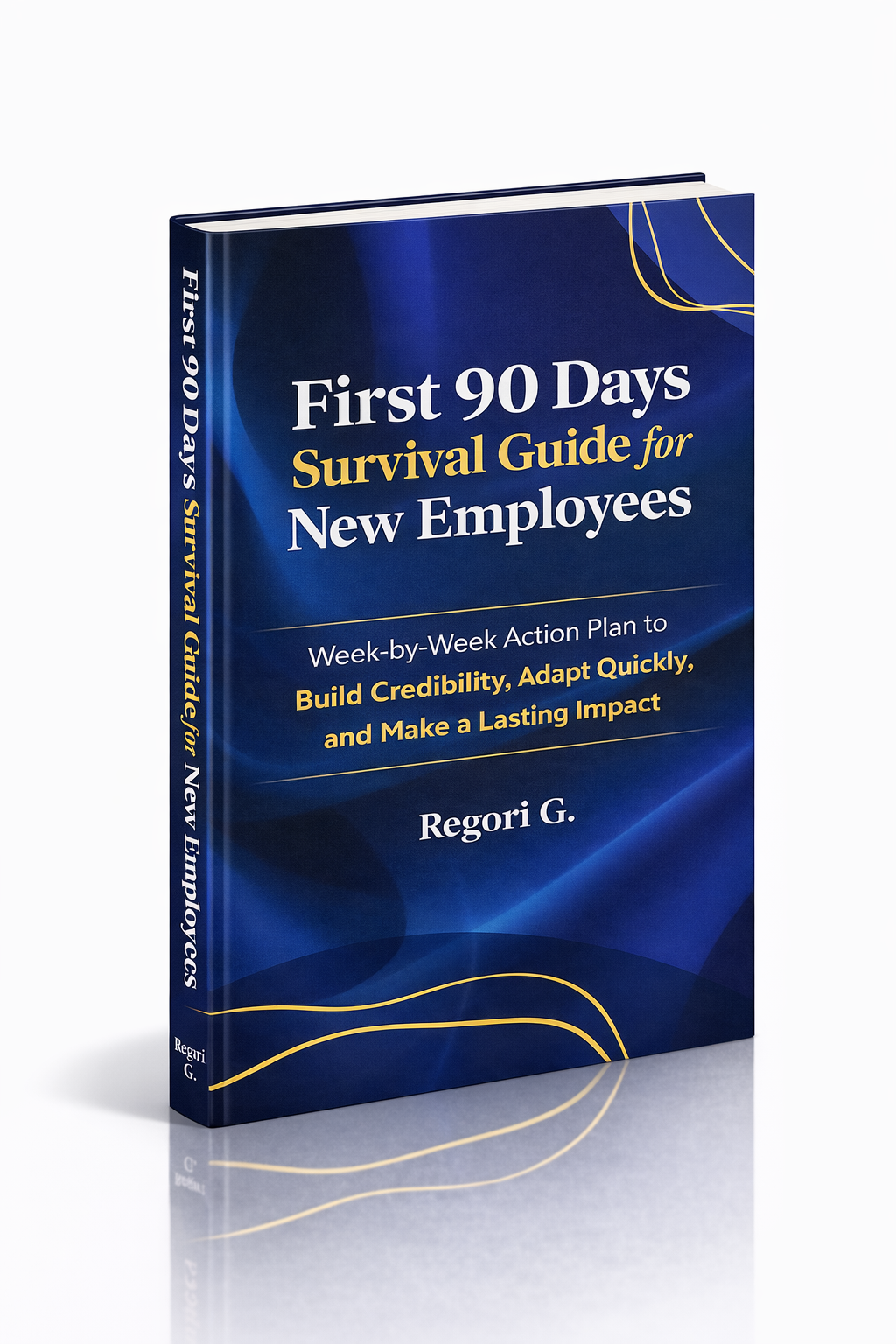
Guide 02
First 90 Days Survival Guide
Hit the ground running and make your mark from day one.
Get it →
Guide 03
Interview Success for Introverts
7 proven steps to shine in interviews — even if you hate the spotlight.
Get it →