

The 5 Interview Mistakes That Cost You the Job
What's silently killing your chances — and what top candidates do instead. Delivered instantly to your inbox.
No spam. Unsubscribe anytime. Privacy Policy & Terms
- Why "I'm a hard worker" destroys your chances
- What interviewers decide in the first 90 seconds
- How to handle tough questions with confidence
- The salary mistake almost every candidate makes
How to Get a Job in Data Analytics Without a Data Degree
In today’s world, data analytics is a field overflowing with opportunities. However, many believe that a formal degree in data science or a related field is essential to land a job in this area. The truth is, you can break into data analytics without a specific data degree with the right approach and mindset. Here are some effective strategies to help you get started.
First, focus on building a strong foundation in data analytics skills that employers seek. You don’t need a degree, but you do need to understand key concepts. Consider these essential skills:
- Statistical analysis
- Data visualization
- SQL and Database Management
- Data cleaning and preparation
- Basic programming in Python or R
To develop these skills, take advantage of online resources. Websites like Coursera and Udacity offer excellent courses on data analytics. You can learn at your own pace, making it easier to fit studying into your schedule. Many of these platforms also offer certification upon completion, which can enhance your resume.
Networking is crucial for getting a job in this competitive field. Attend local meetups, webinars, or conferences focused on data analytics. Joining platforms like LinkedIn can help you connect with industry professionals and learn from their experiences. You might find a mentor, which can significantly boost your chances of finding job opportunities. An increased online presence can lead to job referrals, so be proactive about sharing your projects and insights.
Hands-on experience is essential. Look for internships or entry-level positions that allow you to apply your newly acquired skills in real-world scenarios. Consider doing freelance projects to build your portfolio. Websites like Upwork and Freelancer can connect you with clients looking for data analytics services. Having tangible work examples on your resume can be more persuasive than just a degree.
Participate in data analytics competitions. Platforms such as Kaggle offer challenges where you can practice your skills, compete with others, and gain recognition in the analytics community. The experience you gain from these competitions can also help you with interview preparation, as they often simulate real data problems.
Creating a portfolio with your projects is a game-changer. It allows potential employers to see your skills firsthand. Build reports, create dashboards, or analyze datasets to showcase your ability to extract insights from data. Use free tools like Tableau Public to create visualizations and add them to your portfolio. A strong portfolio can set you apart, even without a degree.
When it comes to job applications, tailor your resume and cover letter to emphasize your experience, skills, and what you bring to the table. Use keywords relevant to data analytics to ensure your application gets noticed by applicant tracking systems. Highlight your self-taught skills, projects, and any relevant courses you’ve completed to demonstrate your commitment.
Prepare for interviews by researching common data analytics interview questions. Employers are often interested in how you approach problem-solving. Practice explaining your thought process clearly and logically. Be prepared to discuss your projects, the challenges you faced, and how you overcame them. Effective communication is as important as data analysis skills.
Ultimately, getting a job in data analytics without a formal data degree requires dedication and a proactive approach. By building relevant skills, networking with professionals, gaining hands-on experience, creating a strong portfolio, and preparing for interviews, you can successfully transition into this rewarding field.
For further guidance, consider checking resources like Data Science Central or Towards Data Science. These platforms provide valuable insights and articles that can aid in your career journey.
Essential Skills for Aspiring Data Analysts
In the rapidly evolving field of data analytics, having the right skills is crucial for aspiring analysts. Even if you don’t have a formal degree in data science, mastering key competencies can position you effectively in this career path. Below are essential skills that every aspiring data analyst should consider honing.
Analytical Skills
Analytical skills form the backbone of a data analyst’s expertise. These skills help you interpret data correctly and draw meaningful conclusions. You need to:
- Identify trends and patterns in complex datasets.
- Evaluate data from different angles to uncover insights.
- Employ critical thinking to solve problems using data-driven methods.
Programming Knowledge
Familiarity with programming languages can greatly enhance your data analysis capability. Key languages include:
- Python: Known for its versatility and strong community support, it’s a popular choice for data analysis.
- R: Particularly effective for statistical analysis and visualization, R is invaluable in data-centric tasks.
Utilizing these languages can significantly improve your efficiency when processing large data sets. Many educational resources and platforms such as Coursera and edX offer courses tailored for beginners in programming.
Data Visualization Skills
Being able to visualize data effectively is essential. Analysts need to communicate insights clearly so stakeholders can understand findings. Familiarity with tools like:
- Tableau: Widely used for interactive data visualization and business intelligence.
- Power BI: Great for connecting various data sources and creating comprehensive reports.
Learning these tools through platforms like Pluralsight can provide a competitive edge in the job market.
Statistical Knowledge
A solid understanding of statistics is crucial for analyzing data sets accurately. Knowing statistical concepts such as:
- Descriptive statistics
- Inferential statistics
- Regression analysis
This knowledge will enable you to make predictions and validate hypotheses effectively. You can explore this subject further on websites like Khan Academy, which offers free resources on statistics.
Database Management
Understanding how to manage and retrieve data from databases is essential. Being skilled in:
- SQL (Structured Query Language): The standard language for database manipulation.
- Data management systems like MySQL or PostgreSQL.
Competency in these areas allows you to extract relevant information from databases quickly and efficiently.
Soft Skills
Technical know-how is important, but don’t overlook the value of soft skills. These can make a significant difference in collaboration and communication within teams:
- Communication: Be able to explain your findings in a way that is understandable to non-technical stakeholders.
- Problem-Solving: Approach challenges creatively and strategically.
- Adaptability: The data landscape is constantly changing. Being flexible will allow you to keep pace with new tools and techniques.
Networking and Continuous Learning
Networking can open doors in this competitive field. Engaging with professional groups and communities, such as Data Analyst Community, can provide insights and job opportunities. Attend conferences, workshops, and webinars to stay abreast of industry trends and technologies.
To enhance your skills consistently, consider participating in online courses or creating personal projects that align with your career goals. Websites such as Udacity offer specialized nanodegrees in data analytics to help you further develop your expertise.
Blending analytical prowess with programming, statistical understanding, and communication skills prepares you well for a career in data analytics. Embrace these skills, and you can break through barriers, even without a formal data degree.
Leveraging Online Courses and Certifications in Data Analytics
In today’s fast-paced job market, having the right skills is crucial, especially in fields like data analytics. You might wonder how to kickstart your career in this area without a formal degree. The answer lies in leveraging online courses and certifications that can give you the knowledge and skills necessary for a successful career.
Benefits of Online Learning in Data Analytics
Online courses provide flexibility, allowing you to learn at your own pace while balancing other commitments. Here are some key benefits of pursuing online education in data analytics:
- Accessibility: You can access courses from anywhere in the world, eliminating geographical barriers.
- Cost-Effective: Online courses are often less expensive than traditional degrees, making them more affordable.
- Diverse Learning Options: Many platforms offer various courses, catering to different skill levels and learning styles.
Key Skills Learned in Data Analytics Courses
Most data analytics online courses focus on practical skills that employers look for. Here are some essential skills you can expect to gain:
- Data Interpretation: Learn how to analyze and interpret complex datasets.
- Statistical Analysis: Gain an understanding of statistical methods that drive data conclusions.
- Data Visualization: Learn to present data insights using tools like Tableau and Power BI.
- Programming Skills: Courses often teach programming languages such as Python or R for data manipulation.
Recommended Online Platforms for Data Analytics Courses
Several reputable platforms offer high-quality data analytics courses. Here are a few notable ones:
| Platform | Courses Offered | Link |
|---|---|---|
| Coursera | Specializations in Data Analytics, Machine Learning | Visit Coursera |
| edX | MicroMasters in Data Science | Visit edX |
| Udacity | Data Analyst Nanodegree Program | Visit Udacity |
| DataCamp | Interactive Data Science Courses | Visit DataCamp |
Certification Options to Enhance Your Resume
Completing a course is just the beginning; obtaining a certification can significantly enhance your job prospects. Here are some widely recognized certifications in data analytics:
- Google Data Analytics Professional Certificate: A comprehensive program that covers data cleaning, analysis, and visualization.
- IBM Data Analyst Professional Certificate: Focuses on data manipulation using Python and SQL.
- Microsoft Certified: Data Analyst Associate: Validates your skills in using Power BI to present data insights.
Networking and Practical Experience
Online courses are also an excellent opportunity to network with peers and instructors. Engaging in discussion forums and participating in group projects can expand your professional circle. Additionally, seeking internships or volunteer opportunities can provide practical experience, making your resume stand out even more.
Staying Up-to-Date with Industry Trends
The field of data analytics is continuously evolving. Engaging with online communities, subscribing to industry blogs and newsletters, and attending webinars can keep you informed about new tools and practices. Websites like Towards Data Science and KDnuggets are excellent resources to explore.
You don’t need a formal degree to enter the world of data analytics. By leveraging online courses and certifications, you can gain the necessary skills and knowledge to jumpstart your career. With commitment and the right resources, a career in data analytics is within your reach.
Building a Strong Portfolio to Stand Out in Data Analytics
In the world of data analytics, a robust portfolio can set you apart from the competition. Even without a formal degree in data analytics, you can demonstrate your skills and knowledge through a well-constructed portfolio. This collection of work not only showcases your competencies but also tells potential employers about your problem-solving techniques, creativity, and analytical prowess.
Begin your journey by gathering relevant projects that display your capabilities. Hired analytics professionals understand that practical experience often holds more weight than academic credentials. Here are some key elements to consider when building your portfolio:
Choose Projects Wisely
Focus on projects that reflect your interests and align with your career goals. Here are some types of projects to consider:
- Data Cleaning and Transformation: Show how you can prepare raw data for analysis.
- Data Visualization: Create insightful visual representations of data using tools like Tableau or Power BI.
- Predictive Analysis: Utilize machine-learning techniques to make predictions based on data trends.
- Case Studies: Analyze real-world data sets to derive actionable insights.
Highlight Technical Skills
Your portfolio should reflect a meticulous understanding of essential tools and languages relevant to data analytics. Ensure you demonstrate your proficiency in:
- Excel for basic analytics tasks.
- SQL for database management and querying.
- Python or R for statistical analysis and data manipulation.
- Data visualization tools like Power BI or Tableau.
Structured Portfolio Presentation
A strong portfolio is not just about content; it’s also about presentation. Consider the following when structuring your portfolio:
- Clear Documentation: Each project should include a description that explains your role, methodology, and findings.
- Visual Elements: Incorporate graphs, charts, or infographics to make your data analysis compelling.
- Live Demonstrations: If applicable, link to interactive dashboards or notebooks that potential employers can explore.
Utilize Online Platforms
Consider showcasing your portfolio on platforms that are widely recognized in the industry. Websites like GitHub, Kaggle, or personal blogging sites can provide a versatile space to display your work. For instance, Kaggle is a perfect platform for hosting your data science projects and participating in competitions that demonstrate your abilities.
Networking and Feedback
Share your portfolio within your professional network. Engaging with other data analytics professionals can lead to constructive feedback, which you can use to refine your portfolio. Platforms like LinkedIn are excellent for connecting with industry experts. You can join groups or discussions focused on data analytics.
Keep Updating Your Portfolio
The field of data analytics is ever-evolving, and so should your portfolio. Regularly update your collection with new projects that reflect advancements in your skills. Continuous learning, whether through online courses or new projects, helps keep your portfolio fresh and relevant.
Resources to Explore
To further enhance your knowledge and portfolio, consider exploring these resources:
- Coursera – Offers numerous courses on data analytics and related tools.
- edX – Provides educational content from reputable institutions.
- Towards Data Science – A platform with articles and resources on data analytics.
By curating a portfolio that highlights your skills and unique projects, you position yourself as an excellent candidate in the field of data analytics, regardless of your academic background. The key is to continually learn, gather relevant experiences, and present them effectively. Your portfolio is a tool that can open doors to career opportunities, so invest time and effort into making it shine.
Networking Tips for Finding Opportunities in Data Analytics
Breaking into the field of data analytics can be challenging, especially if you don’t have a formal degree. However, creating a strong network can open doors to many opportunities. Here are some effective strategies to find opportunities in data analytics through networking.
Attend Industry Conferences and Meetups
Industry events are great places to meet professionals in the data analytics field. Attending conferences like Strata Data Conference or local meetups can help you connect with other data enthusiasts. Look for these specific opportunities:
- Participate in workshops and hands-on sessions to enhance your skills.
- Take time to chat with speakers—they often have valuable insights and may even mentor you.
- Join roundtable discussions to engage with peers and share experiences.
Leverage Online Networking Platforms
Online platforms such as LinkedIn are essential for networking. Here’s how you can use them effectively:
- Optimize your profile: Make sure it reflects your skills and interests in data analytics.
- Join groups: Participate in LinkedIn groups focused on data analytics to connect with like-minded individuals.
- Share insights: Post your thoughts on recent industry trends or analytics tools to showcase your knowledge.
Informational Interviews
Reaching out for informational interviews can be one of the most effective networking strategies. Here are steps to do this successfully:
- Identify professionals: Find someone working in data analytics on LinkedIn or through your connections.
- Prepare questions: Research their career path and prepare thoughtful questions about their experience.
- Be respectful of their time: Request a brief chat (20-30 minutes) to minimize their commitment.
Utilize Online Courses and Forums
Enrolling in online courses from platforms like Coursera or Udacity allows you to learn new skills while connecting with other learners. Participate in course forums, and join discussions to expand your network:
- Engage with classmates: Connect with peers working toward similar goals.
- Network with instructors: Don’t hesitate to reach out to instructors; they often have industry contacts.
Join Webinars and Online Panels
Webinars are trending and provide a fantastic opportunity to learn and network. Participate in sessions on platforms like Eventbrite to discover relevant webinars. Take advantage of these tips:
- Ask questions during Q&A sessions to engage with speakers.
- Connect with attendees through chat or social media after the event.
- Share what you learned on social platforms to spark discussions.
Volunteer for Projects or Data Initiatives
Offering your skills for free can help you build your experience and network. Look for volunteer opportunities that allow you to work on data analytics projects:
- Connect with local non-profits that need assistance with data analysis.
- Offer help with data-related initiatives in community groups.
- Build your portfolio through these experiences, showcasing the impact of your work.
Follow Up and Maintain Connections
Networking doesn’t stop after the first meeting. Follow these practices to maintain relationships:
- Send thank-you notes: Always thank your contacts for their time and insights.
- Share updates: Keep your network informed about your progress or new projects.
- Offer assistance: Be willing to help others in your network when the opportunity arises.
By utilizing these networking strategies, you can successfully find opportunities in data analytics, even without a formal degree. Remember to stay engaged, be proactive, and nurture the relationships you build along the way. For more guidance, visit resources like Towards Data Science or DataCamp for further insights and skill development.
Transitioning from a Different Field to Data Analytics
Are you thinking about making a switch to data analytics from a different field? You’re not alone! Many individuals from diverse backgrounds are transitioning into this exciting area. While a degree in data analytics can be an asset, it’s entirely possible to break into this field without one. Here’s how you can navigate this transition effectively.
If you’re coming from fields like marketing, finance, or even healthcare, you might already possess transferable skills. Skills in critical thinking, problem-solving, and attention to detail are vital in data analytics. Invest time in identifying what you already know that can apply to data analytics. Your past experiences can be invaluable assets.
Explore Online Learning Resources
Online courses can bridge the knowledge gap. Websites like Coursera and edX offer great courses in data analytics. You can find beginner to advanced levels in SQL, statistics, and data visualization.
When choosing a course, look for ones that offer hands-on projects. These projects will provide you with practical experience, making you more appealing to potential employers. Don’t hesitate to share your work on platforms like LinkedIn to showcase your ability.
Learn Essential Tools
Get familiar with analytics tools widely used in the industry, such as:
- Excel – Great for managing and analyzing data.
- Tableau – Popular for data visualization.
- R and Python – Essential for statistical analysis and handling larger datasets.
- Google Analytics – Important for understanding web traffic and user behavior.
Mastering these tools will not only enhance your data manipulation skills but also make your resume stand out.
Build a Portfolio
Creating a portfolio can showcase your skills clearly. Work on two or three interesting projects that solve real-world problems or present data in unique ways. You can even analyze data from your current job if your employer allows it. This not only builds your portfolio but also demonstrates your commitment to your new career path.
Make sure your portfolio includes:
- Project descriptions explaining your approach and findings.
- Visuals, like graphs or dashboards, showcasing your analysis.
- A narrative around the impact your projects had, if applicable.
Network and Seek Mentorship
Networking plays a crucial role in transitioning careers. Attend industry meetups or webinars to connect with professionals in data analytics. Join platforms like Meetup and seek local groups focused on data analytics.
Consider finding a mentor in this field. Having guidance from someone who has navigated the industry can help you avoid common pitfalls and provide valuable insights.
Consider Entry-Level Positions
Entry-level jobs in data analytics, such as data analyst or even internships, can be great stepping stones. Don’t shy away from positions that require minimal experience. You can learn so much on the job, and every bit of experience counts.
If you are worried about your lack of specific data experience, emphasize your transferable skills in your resume and cover letter. Detail how your previous job experiences have prepared you to think critically about data.
Stay Informed About Industry Trends
The data analytics field is continuously evolving. Subscribing to blogs, podcasts, or newsletters can keep you up to date with the latest tools, trends, and methodologies. Some helpful resources include:
- DataVersity – Offers articles on data management and analytics.
- Towards Data Science – A great blog with insights and tutorials.
- KDnuggets – A leading newsletter and site on AI and data analytics.
Staying informed can enhance your knowledge base while demonstrating your commitment to potential employers.
Transitioning to data analytics from another field is a worthwhile endeavor. With determination, a willingness to learn, and the right resources, you can successfully make this career change. Remember, the journey is just as important as the destination.
The Role of Internships and Entry-Level Positions in Data Analytics Careers
Data analytics has become a pivotal element in business strategy, driving decision-making through data-driven insights. For those aspiring to build a career in this field, internships and entry-level positions play an essential role. They are stepping stones that help shape your future in data analytics, whether you hold a degree or are self-taught.
Internships provide invaluable experience that cannot be gained through classroom learning alone. They allow you to immerse yourself in a real-world setting where you can apply theoretical knowledge. Internships are often competitive, but they offer a unique chance to demonstrate your abilities and become familiar with industry standards.
Here are some key benefits of internships in data analytics:
- Practical Experience: Engaging in hands-on projects helps you understand the tools and technologies commonly used in the field.
- Industry Exposure: Internships give you a behind-the-scenes look at how companies use analytics to inform decisions, helping you align your skills with market needs.
- Networking Opportunities: Building relationships with industry professionals can open doors for your future job search.
- Resume Building: An internship on your resume demonstrates your commitment to learning and your initiative to pursue a career in data analytics.
Entry-level positions are equally significant in launching your career. They provide you with an opportunity to gain foundational skills while working alongside experienced analysts. These roles might not require an extensive background in data analytics, making them accessible to you, even without a degree.
Common roles that serve as entry points to data analytics include:
- Data Analyst Trainee
- Junior Data Analyst
- Business Intelligence Intern
- Data Entry Specialist
In these positions, you’ll interact with raw data and get hands-on experience with data-cleaning processes, data visualization, and reporting. Here’s how you can make the most of your time in these entry-level roles:
- Learn Tools and Software: Familiarize yourself with tools like SQL, Excel, Tableau, and Python. Employers highly value proficiency in these applications.
- Ask Questions: Don’t hesitate to seek help or clarification from colleagues. Understanding the why and how of data processes enhances your knowledge base.
- Collaborate with Others: Team projects allow you to learn from your peers and enhance your problem-solving skills through collaboration.
- Focus on Deliverables: Ensure that your work contributes positively to the projects you’re involved in. This showcases your work ethic to your supervisors.
By leveraging internships and entry-level roles, you can gain the necessary skills, experiences, and network to further your career in data analytics. But how do you find these opportunities?
The job market for data analysts is competitive, but many resources can aid in your search:
- Indeed – A comprehensive job board that details various internships and entry-level positions.
- LinkedIn Jobs – Utilize your LinkedIn connections to learn about job openings in your field.
- Glassdoor – Find job listings while also researching company cultures and salary estimations.
Networking is paramount in a data analytics career. Attend industry events, data workshops, and seminars to meet professionals who can provide insights into the field. Many organizations also offer mentorship programs. Mentors can guide you as you navigate your career path in data analytics, providing advice and connecting you with potential job opportunities.
To stand out in interviews, showcase your internship experiences and any relevant projects you’ve completed. Be ready to demonstrate your understanding of data-related concepts even if you learned them outside of a formal education system. Employers appreciate motivated candidates willing to learn and adapt.
Internships and entry-level positions are vital for anyone looking to break into data analytics. They not only provide practical experience and skill development but also act as a bridge to greater opportunities in your career. By taking full advantage of these experiences, you’ll set a solid foundation for a successful future in data analytics.
Key Takeaway:
In today’s data-driven world, the demand for data analysts is skyrocketing. This demand presents an excellent opportunity for individuals aiming to enter this field, even if they do not hold a formal degree in data analytics. Here are the key takeaways for successfully landing a data analytics job without a data degree.
First, you must identify and cultivate essential skills required for a successful career in data analytics. These skills may include statistical knowledge, proficiency in programming languages like SQL and Python, and familiarity with data visualization tools such as Tableau or Power BI. Ensuring you have a firm grasp on these concepts will enhance your marketability.
Next, leveraging online courses and certifications can be an effective strategy. Platforms such as Coursera, Udacity, and edX offer specialized courses that can provide you with the knowledge and credentials that employers value. Completing courses in data analysis, machine learning, or database management can add significant weight to your resume.
Equally important is building a strong portfolio that showcases your projects and capabilities. This portfolio should include practical examples where you’ve applied your skills to real-world problems. Whether through class projects, freelance work, or self-initiated projects, your portfolio serves as tangible evidence of your expertise.
Networking also plays a pivotal role in exploring potential job opportunities. Connect with professionals in the field through platforms like LinkedIn, attend industry events, and participate in local meetups. Building a robust professional network can often lead to job openings that aren’t publicly advertised.
Furthermore, transitioning from a different field to data analytics is not only possible but becoming increasingly common. Many skills from other professions can be transferred to data analysis roles, so emphasize any relevant experience.
Consider internships and entry-level positions as stepping stones into the industry. Even if you start in a support role, it’s an excellent way to gain hands-on experience and a foot in the door.
Breaking into data analytics without a formal degree involves a strategic mix of skill development, education, practical experience, networking, and leveraging internships. By focusing on these areas, you can position yourself competitively for a successful career in this exciting field.
Conclusion
Embarking on a career in data analytics without a formal degree in the field is entirely possible with the right approach and mindset. By honing essential skills like data interpretation, critical thinking, and statistical analysis, you can lay a strong foundation for your journey. Online courses and certifications are invaluable resources that not only impart knowledge but also bolster your resume, making you a more competitive candidate.
Creating a robust portfolio showcasing your projects and analyses can significantly enhance your visibility to employers. Utilize platforms like GitHub to present your work and demonstrate your capabilities. Networking is equally crucial; building relationships with professionals in the industry can open doors to job opportunities. Attend meetups, join online forums, and engage with influencers in data analytics on social media.
If you’re transitioning from a different field, highlight your transferable skills and experiences that can benefit a data analytics role. Internships and entry-level positions provide essential hands-on experience and can serve as stepping stones to more advanced roles. These opportunities not only help you apply your knowledge but also immerse you in the company culture and the nature of the work.
By focusing on these strategies, you can successfully navigate your way into the data analytics job market, proving that a degree is not the only path to a fulfilling career in this dynamic field. With determination and proactive efforts, you are well-equipped to carve out a niche for yourself in data analytics.
visit The Job Interview System for Job Seekers on Gumroad. A practical guide built for people who are serious about landing the job they want. For more interview guides, career tips, and job search resources, visit the Love PDF Guides home page.
Your Next Chapter
Starts with the Right Guide
Three straight-talking PDF guides to help you win interviews, beat the first 90 days and thrive as an introvert. Instant download on Gumroad.

Guide 01
The Job Interview System
Step-by-step interview prep that turns nerves into confidence.
Get it →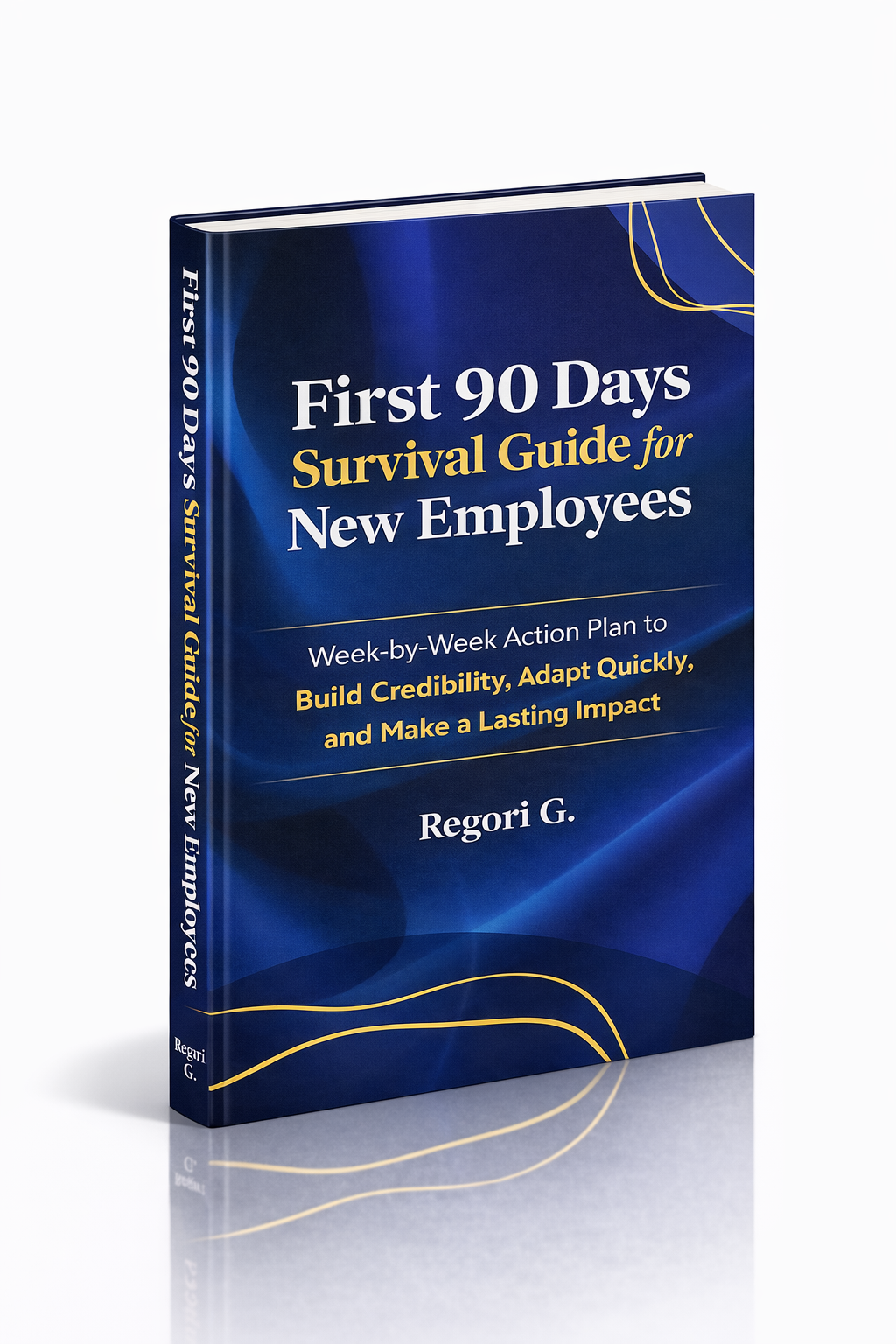
Guide 02
First 90 Days Survival Guide
Hit the ground running and make your mark from day one.
Get it →
Guide 03
Interview Success for Introverts
7 proven steps to shine in interviews — even if you hate the spotlight.
Get it →