

The 5 Interview Mistakes That Cost You the Job
What's silently killing your chances — and what top candidates do instead. Delivered instantly to your inbox.
No spam. Unsubscribe anytime. Privacy Policy & Terms
- Why "I'm a hard worker" destroys your chances
- What interviewers decide in the first 90 seconds
- How to handle tough questions with confidence
- The salary mistake almost every candidate makes
How to Get a Pay Rise Without Changing Jobs
Every employee desires a salary that reflects their contributions and hard work. You may be in a situation where you feel you’re ready for a pay rise but aren’t interested in changing jobs. Understanding how to ask for a pay increase effectively can make all the difference. Here are actionable steps to achieve that goal without moving to a new position.
Understand Your Worth
To negotiate a pay rise successfully, you need to be aware of your market value. Research industry standards for your role, taking into account your experience, skills, and location.
- Use sites like Salary.com to gauge average salaries in your field.
- Tools like Glassdoor offer insight into salaries and can help you compare your compensation.
Document Your Achievements
Analytics-based discussions are crucial. Track your successes and contributions in your current role. Collect quantitative data that showcases your impact. Consider these steps:
- List significant projects you’ve completed.
- Include metrics that illustrate your success, like increased sales figures or improved efficiency.
- Highlight any additional responsibilities you have taken on.
Timing is Key
The timing of your request can significantly influence the outcome. Factor in your company’s financial state and any upcoming performance reviews. Here are some recommended strategies:
- Request a meeting shortly after a successful project completion.
- Align your request with business objectives or quarterly results to reinforce your value.
Prepare for the Conversation
Once you’ve established your worth and documented your achievements, preparation is crucial. Consider practicing your pitch with a trusted colleague or friend. Focus on these points:
- State your case clearly and confidently.
- Practice responses to potential questions or objections from your manager.
Engage in Open Dialogue
When the meeting arrives, approach your supervisor respectfully and be open to feedback. Use a collaborative tone rather than a demanding one. Here’s what to keep in mind:
- Start by expressing appreciation for your role and the company.
- Present your case based on market research and your contributions.
- Always be prepared to discuss alternative compensation if a pay rise is not possible, such as additional vacation days or professional development opportunities.
Follow Up
If your request is initially declined, don’t be discouraged. Respectfully ask what steps you can take to be considered for a raise in the future. A follow-up can include several actions:
- Ask for specific goals or targets to meet.
- Request feedback on areas to develop.
Be Patient
The process may take time, so don’t expect an immediate response. Building a case for a raise is an ongoing task that requires patience and persistence. Continue to enhance your skills and make significant contributions to the company.
Your journey to getting a pay rise without changing jobs is about preparation, timing, and effective communication. Take charge of your career and advocate for your worth! For more detailed resources, check out The Balance Careers for career tips and salary negotiation strategies.
Recognizing Your Value in the Workplace
Recognizing your value in the workplace is crucial for your career development and job satisfaction. When you understand your worth, you can advocate effectively for yourself, pursue opportunities for growth, and contribute more meaningfully to your organization. Here are some key strategies to help you appreciate and convey your value in the workplace.
Identify Your Strengths
Start by assessing your skills and accomplishments. Understanding what you bring to the table is the first step in recognizing your value. Consider the following areas:
- Technical Skills: Evaluate your proficiency in industry-specific tools or software. Are you the go-to person for certain tasks?
- Soft Skills: Reflect on your communication, teamwork, and problem-solving abilities. How do these contribute to your team’s success?
- Achievements: Look at your past successes. Have you spearheaded projects, saved the company money, or improved processes?
Taking time to make a list of your strengths can help you visualize your contributions and serve as a reminder during tough times.
Quantify Your Contributions
Numbers tell a compelling story. Whenever possible, aim to quantify your achievements. This could mean:
- Increased sales by 20%
- Completed projects 30% faster than the average
- Achieved a customer satisfaction score of 95%
By providing concrete evidence of your successes, you not only bolster your sense of self-worth but also prepare yourself to present a strong case to your managers or supervisors when discussing your value.
Solicit Feedback
Another effective way to recognize your value is to seek feedback from colleagues and supervisors. Constructive criticism can help you identify areas for improvement, while positive feedback can reaffirm your strengths. Consider:
- Requesting regular performance reviews
- Creating a formalized feedback mechanism through surveys
- Having open discussions with your manager about your contributions
Engaging in conversations about your performance can help align your understanding of your value with how others see you.
Build Your Personal Brand
Your personal brand is how you present yourself in your professional environment. Strengthening your brand can elevate your worth. Here are steps you can take:
- Network: Build relationships both within and outside your workplace. Attend industry events, join professional organizations, and connect with others on platforms like LinkedIn.
- Share Knowledge: Offer to mentor new employees or lead training sessions. This not only showcases your skills but also demonstrates your commitment to team success.
- Communicate Achievements: Keep your supervisor informed about your successes. Regular updates can ensure that your contributions are recognized.
Keep Learning and Adapting
The workplace is always changing, and keeping your skills current will increase your value. Consider these approaches:
- Online courses
- Workshops and seminars
- Professional certifications
Continuous learning will not only benefit your career but will also give you added confidence in your abilities.
Practice Self-Advocacy
Being able to articulate your value effectively is essential. When you are comfortable discussing your strengths and achievements, you are more likely to seek promotions, raises, or new opportunities. Here are some tips:
- Practice what you want to say in a meeting
- Be prepared to answer questions about your contributions
- Use positive body language to reinforce your confidence
Self-advocacy is a skill that can take time to develop, but with consistent effort, it can dramatically enhance your professional journey.
Recognizing your value in the workplace involves a combination of self-assessment, quantifying achievements, soliciting feedback, building your brand, continuous learning, and self-advocacy. For more insights on workplace value, you might find resources at Forbes or Harvard Business Review particularly useful. Recognizing your worth is not just beneficial for your career but also enhances your overall job satisfaction. Taking the time to understand and communicate your value effectively can pave the way for greater opportunities and professional fulfillment.
Effective Communication Techniques for Salary Negotiation
When it comes to salary negotiation, effective communication can make all the difference. Engaging in a discussion about your pay can be daunting, yet mastering the right techniques can help you articulate your value and secure a raise. Here are some strategies that can empower you during this critical conversation.
Understand Your Value
Before initiating any discussion, you must first understand what value you bring to your organization. Collect data and prepare a list of your achievements and contributions. This might include:
- Project successes and outcomes
- Responsibilities you’ve taken on
- Skills and qualifications that set you apart
Being specific about your contributions helps you build a strong case. Use tools like Glassdoor to research comparable salaries in your field.
Timing is Key
Choosing the right moment to ask for a raise is crucial. Pay attention to your company’s financial health and annual reviews. Ideally, engage in salary discussions right after a successful project or performance review. A well-timed approach can make your request more compelling.
Practice Active Listening
During your conversation, practice active listening. This means maintaining eye contact, nodding in agreement, and summarizing what your boss says. When you show that you are truly engaged, you create an atmosphere of trust which can pave the way for a productive discussion.
Use Clear and Concise Language
Clarity in your speech is essential during salary negotiations. Avoid jargon and overly complex explanations. Instead, communicate in straightforward terms. For example, when discussing your salary expectations, you can say:
“Based on my recent contributions and industry standards, I believe a salary of [specific amount] reflects my value to the team.”
This kind of clarity helps you make your point effectively without confusing your employer.
Prepare for Reactions
Anticipate various responses from your employer, whether positive or negative. Prepare counters to their potential objections. For example:
- If your boss cites budget constraints, be ready to discuss your role and its impact on the bottom line.
- If they express doubt about your contributions, have data and examples ready to reinforce your value.
Engaging in a prepared and thoughtful manner demonstrates confidence, and that can resonate positively with your employer.
Show Appreciation
Regardless of the outcome, it’s essential to show appreciation for the conversation. Thank your employer for considering your request and for their time. This not only leaves a good impression but also opens the door for future discussions.
Follow Up in Writing
After your meeting, consider sending a follow-up email reiterating your key points and thanking your employer again. This ensures that your request stays fresh in their mind and provides a written record of your discussion. A simple template could be:
Subject: Thank You for Our Discussion
Dear [Employer’s Name],
Thank you for meeting with me to discuss my salary. I appreciate your willingness to consider my request. I believe my contributions, such as [mention a couple of specific achievements], demonstrate my commitment to our team. I look forward to hearing your thoughts.
Best regards,
[Your Name]
Resources for Further Reading
For additional insights into salary negotiation, consider exploring the resources available at Forbes and Harvard Business Review.
By employing these effective communication techniques, you can enhance your chances of successfully negotiating for a salary raise without the need to change jobs. Remember, it’s about expressing your value, engaging in genuine dialogue, and following up professionally.
Understanding Market Salary Trends for Your Position
When considering a pay rise or negotiation for a better package within your current role, understanding market salary trends is essential. Knowing how your compensation stacks up against others in your industry can empower you with the information you need to make your case effectively. Market salary trends illustrate the fluctuation in salaries based on various factors, including economic conditions, demand for specific skills, and the geographical location of your job.
The Importance of Research
Before approaching your employer, research is crucial. You want to ensure your expectations align with what the market dictates. Here are the reasons why research matters:
- Informed Negotiations: Having data-backed insights puts you in a stronger negotiating position.
- Value Assessment: Understanding your worth enables you to present your contributions more effectively.
- Market Forces: Knowing the demand for your skills helps you gauge whether it’s an appropriate time for a raise.
Sources to Check Salary Trends
There are several reliable sources where you can find current salary trends based on your position:
- Glassdoor: This website contains salary reports submitted by employees, helping you see what others in similar roles are earning.
- Payscale: Offers salary data based on job title, industry, and location, helping you identify trends specific to your position.
- Salary.com: Provides a wealth of information about compensation, including average salaries and compensation packages.
Key Factors Influencing Salary Trends
Several factors influence salary trends within specific roles, and understanding these can help you prepare for discussions about your pay.
- Experience Level: Generally, the more experience you have, the higher your salary will be. It’s vital to understand where you stand in terms of experience compared to market averages.
- Location: Salaries can vary significantly depending on the geographical location. For example, urban areas often pay more than rural regions due to the higher cost of living.
- Industry Demand: Certain industries have higher demand for specific roles, leading to competitive salaries. For instance, tech and healthcare positions often command higher pay.
- Education and Certifications: Advanced degrees and specialized certifications may position you for a higher salary and increase your negotiation power.
Analyzing Salary Data
Once you gather data from multiple sources, it’s time to analyze it. Here’s how:
- Average Salary: Calculate the average salary for your position across different sources. This gives you a baseline for what to expect.
- Median Salary vs. Average Salary: Understanding the difference between the two can help you grasp the distribution of salaries. Median is often a more accurate reflection of the typical salary.
- Salary Ranges: Identify the low, high, and average range for your position, which can guide your negotiations based on your level of expertise.
Getting Prepared for the Conversation
Now that you’ve done your research, preparing for the discussion is the next step. Here are a few tips:
- Document Your Achievements: Compile a list of your significant contributions, achievements, and any metrics that demonstrate your value to the team.
- Practice Your Pitch: Rehearse what you plan to say. A confident tone can convey seriousness and commitment to your request.
- Select the Right Time: Timing is crucial. Choose a moment when your manager can focus on the conversation, preferably after your successful project completion.
Monitoring Post-Negotiation Trends
Even after you’ve made your case, keep an eye on ongoing salary trends. The job market can shift, and being aware of these changes may empower you to seek another salary review in the future. Subscribe to industry newsletters, engage with forums, and update your data regularly.
Understanding and leveraging market salary trends is not just about securing a raise; it’s also about recognizing your professional worth. By equipping yourself with the right tools and insights, you give yourself the best chance of receiving the salary that reflects your contributions and skills.
Building a Strong Case for a Salary Increase
When you feel ready to ask for a salary increase, it’s crucial to build a compelling case that highlights your value. Approaching your employer with a well-prepared argument can make a significant difference. First, assess your current role, contributions, and market standards. Begin by understanding what your position typically pays in your region and industry. This will give you a starting point for your request.
Research is essential. Gather industry data to find out what others in similar positions earn. Websites like Glassdoor and Salary.com provide insights that can be invaluable. Knowing the market rate helps you frame your request in a more informed manner. This understanding proves to your employer that you are not just asking for a raise, but are supported by facts.
Next, evaluate your accomplishments and contributions. Create a list that includes:
- Major projects you have completed
- Any extra responsibilities you have taken on
- Quantifiable successes, such as sales figures or customer satisfaction ratings
- Any innovative ideas you implemented that improved processes
Presenting documented evidence of your contributions reinforces your case. For example, if you’ve improved efficiency that saved the company money or brought in new clients, make sure to quantify these achievements. Use percentages and figures to create a stronger impact.
It’s also beneficial to highlight any professional development you have undertaken, such as courses, certifications, or workshops that enhance your skills. This not only shows your commitment to your career growth but also indicates that you are investing in your future, which adds value to your current employer.
Timing plays a crucial role in negotiating a pay rise. Approach this conversation during performance reviews or when your company is enjoying a profitable quarter. Choose a time when your contribution is particularly evident – right after completing a successful project, for instance. This timing can significantly sway your employer’s decision.
Prepare for the conversation by practicing what you want to say. Role-play with a friend or family member who can provide feedback. While you want to be assertive about your worth, it’s also essential to remain professional and open to discussion. Practice handling possible objections that your employer may present.
When it’s time for the meeting, be clear and concise. Start by expressing your appreciation for your role and the opportunities you’ve had. Then, present your case confidently. Use the data and examples you prepared to support your request. Make sure to articulate how your work directly benefits the company, linking your achievements to the organizational goals.
After your meeting, regardless of the outcome, continue to reinforce your contributions. A positive response doesn’t always happen immediately, and if your request is denied, ask for feedback and what steps you can take to achieve this goal in the future. This demonstrates your commitment to improvement and helps set a clear path for you moving forward.
In some cases, your employer may not be able to grant an immediate raise but could offer alternative forms of compensation like bonuses, additional vacation days, or professional development opportunities. Keep the conversation open and focus on ways to enhance your job satisfaction.
Follow up on your conversation. If you agreed on certain objectives or timelines for reevaluation, keep a record and remind your employer of your discussions. This can be instrumental in steering your future salary discussions.
Building a strong case for a salary increase requires preparation, research, and effective communication. By following these steps, you are not just asking for a raise; you are creating a foundation for continuous professional dialogue and enhancement within your company. For more insights, check out resources from Forbes which offers valuable articles on salary negotiation and employee rights.
Leveraging Your Achievements and Contributions
Understanding how to leverage your achievements and contributions can dramatically influence your professional growth. It is essential to present your achievements in a manner that reflects your value to the organization. By doing so, you position yourself as an invaluable asset. Here are strategies to help you highlight your achievements effectively.
Identify Key Achievements
The first step is to take stock of your accomplishments. Think about projects you’ve led, goals you’ve met, and challenges you’ve overcome. To organize your thoughts, consider the following prompts:
- What projects have you completed that significantly benefited your team or company?
- Have you received any awards or formal recognition for your work?
- Can you quantify your achievements? For example, what percentage did you increase sales or reduce costs?
Data-Driven Insights
Metrics speak volumes when it comes to achievements. Collect data that showcases how your contributions have positively impacted the company. For instance, if you developed a new training process that increased productivity, present the numbers:
| Metric | Before Implementation | After Implementation |
|---|---|---|
| Employee Efficiency | 75% | 90% |
| Project Completion Time | 4 weeks | 2 weeks |
Frame Your Contributions
It’s not just about what you’ve done but how you communicate it. Frame your contributions in terms of how they align with the company’s goals. This alignment showcases your commitment to the organization’s success. For example, if your company’s target is to enhance customer satisfaction, emphasize how your work has improved customer feedback scores.
Gather Feedback and Endorsements
Gathering feedback from peers and supervisors can be a powerful way to validate your work. Request performance reviews or ask for endorsements on professional platforms like LinkedIn. Having others vouch for your contributions adds credibility and demonstrates that your achievements are recognized by others.
Prepare for Discussions
Prior to any discussions about your achievements, prepare a concise summary that you can refer to. This preparation should include:
- A list of your achievements and metrics.
- Specific examples of how your work has aided the team’s or company’s success.
- Your future goals and how they align with the company’s objectives.
Timing Matters
The timing of when you bring up your achievements is also crucial. Consider discussing accomplishments during:
- Performance reviews.
- Team meetings where accomplishments are recognized.
- One-on-one meetings with your manager.
Presenting your achievements when they’re top of mind increases their impact.
Follow-Up
After presenting your achievements, it’s important to keep the conversation going. Follow up with your manager to see if they need further detail or examples. Ask for feedback on your performance to exhibit your willingness to improve and grow. This follow-up not only reinforces your commitment to your role but also continues the dialogue around your contributions.
Leveraging your achievements effectively can set the stage for future opportunities, including promotions or pay rises. Always remember, the goal is not to brag but to demonstrate your value thoughtfully and professionally. By showcasing how your contributions support the organization’s objectives, you make a compelling case for recognition and increased compensation.
For additional tips and insights on professional development, you can visit Forbes or Inc..
Navigating Workplace Relationships for Successful Discussions
Effective communication in the workplace is vital for fostering strong relationships and ensuring productive discussions. Navigating workplace relationships with sensitivity and insight can lead to more successful conversations, whether you’re addressing concerns, presenting new ideas, or collaborating on projects. Building and nurturing these connections require intention and understanding.
Understanding Different Personalities
Every workplace is made up of individuals with distinct personalities. By recognizing and appreciating these differences, you can tailor your approach to align with each person’s communication style. Consider the following personality types:
- Direct Communicators: They prefer straightforward messages and quick responses. Be clear and concise when discussing ideas.
- Collaborative Team Players: They value teamwork and input from others. Engage them by inviting their thoughts and opinions.
- Analytical Thinkers: They appreciate facts and data. Prepare detailed information and evidence to support your discussions.
- Supportive Nurturers: They are sensitive to emotional nuances. Approach them with empathy and assurance.
Effective Listening Skills
One of the most critical aspects of successful discussions is the ability to listen effectively. Active listening goes beyond hearing; it involves understanding and responding appropriately to the speaker. Here are key techniques to improve your listening skills:
- Maintain eye contact to show you’re engaged.
- Avoid interrupting and let the speaker finish before responding.
- Paraphrase what the speaker has said to confirm your understanding.
- Ask open-ended questions to encourage further dialogue.
Cultivating Trust and Respect
Trust and respect are the foundations of any strong workplace relationship. When colleagues feel respected, they are more likely to be open in discussions. Here are methods to cultivate these essential elements:
- Be Transparent: Share your thoughts and reasoning behind decisions or opinions, so others feel included in the process.
- Be Reliable: Follow through on your commitments. Trust builds when people see you deliver on your promises.
- Show Appreciation: Acknowledge others’ contributions and efforts regularly. A simple thank you can go a long way.
Conflict Resolution Strategies
Disagreements are natural in any workplace. Effectively navigating these conflicts is crucial for maintaining strong relationships. Consider implementing these strategies:
- Stay Calm: Manage your emotions and approach the issue with a clear mindset.
- Focus on the Issue: Keep the discussion centered on the problem, not the person.
- Seek Common Ground: Aim for mutually beneficial solutions that satisfy all parties involved.
Timing Matters
The timing of your discussions can significantly impact their success. Choose moments that are convenient for all parties involved. Avoid initiating difficult conversations during high-pressure times or when emotions are running high. Instead, look for calm periods when individuals can focus and engage meaningfully.
Creating a Supportive Environment
A supportive workplace culture facilitates better discussions. Companies should strive to create an atmosphere where employees feel safe to share their opinions without fear of judgment. This can be achieved through:
- Encouraging open dialogue in team meetings
- Providing training on communication skills
- Implementing feedback systems where employees can share concerns anonymously
Leveraging Communication Tools
In today’s digital age, various communication tools can enhance workplace discussions. Utilizing platforms like Slack or Microsoft Teams can streamline communication and provide a space for instant feedback. Here’s a table comparing some communication tools:
| Tool | Best For | Key Features |
|---|---|---|
| Slack | Real-time messaging | Channels, direct messaging, integrations |
| Microsoft Teams | Collaborative workspaces | Video conferencing, file sharing, team channels |
| Trello | Project management | Task boards, deadlines, collaboration features |
Effective discussions in the workplace depend on how well you navigate relationships. By understanding personality types, honing listening skills, and fostering trust, you can significantly enhance communication. Additionally, managing conflict, choosing the right timing, and leveraging communication tools can further ensure that your conversations lead to positive outcomes.
For more insights on improving workplace relationships, visit HR Bartender or Forbes.
Key Takeaway:
In today’s competitive job market, many professionals seek to enhance their salaries without leaving their current roles. Understanding how to get a pay rise without changing jobs is crucial for those looking to maximize their worth while remaining loyal to their organizations. One of the essential first steps in this process is recognizing your value in the workplace. Awareness of your skills, accomplishments, and contributions allows you to present a strong case to your employer. This not only boosts your confidence but also reaffirms your worth to the company.
Effective communication techniques are vital for salary negotiations. Practicing assertiveness while maintaining a respectful tone can be key to conveying your requests. Consider what you want to say and anticipate potential objections from your employer. Being prepared to address these concerns will enhance your chances of success. Furthermore, understanding current market salary trends for your position is critical. Researching what competitors are paying for similar roles can provide a benchmark to support your request. By backing up your ask with concrete data, you demonstrate that your expectations are reasonable and aligned with industry standards.
When building a case for a salary increase, it’s essential to leverage your achievements and contributions. Document specific projects where you have made a measurable impact, such as increasing revenue or improving processes. Quantifying your successes can create a compelling narrative for your employer, illustrating the direct benefits you bring to the company. Additionally, navigating workplace relationships is another crucial aspect. Cultivating strong professional ties can facilitate open and constructive discussions about salary. Engaging with supervisors and peers can lead to more favorable outcomes during negotiations.
Successfully securing a pay rise without changing jobs involves a combination of acknowledging your worth, effectively communicating your needs, and presenting a robust case backed by market data and personal achievements. By honing these strategies, you not only position yourself positively for a salary increase but also foster a stronger relationship with your employer.
Conclusion
Achieving a pay rise without changing jobs is an attainable goal when you approach the process with preparation and strategic thinking. Recognizing your value in the workplace is the first step in this journey, as it builds the foundation for the conversation ahead. You must understand your worth, factoring in both your role and your unique contributions to the organization.
Utilizing effective communication techniques is crucial for salary negotiations. Engaging in open dialogue and expressing your accomplishments confidently can significantly enhance your case. Moreover, staying informed about market salary trends for your position empowers you with the knowledge necessary to substantiate your request for a pay raise.
When crafting your case for a salary increase, leverage your achievements and contributions. Be ready to showcase how your work has benefited the company, whether through increased revenue, improved efficiency, or innovative solutions you’ve implemented. Data and specific examples will make your argument stronger.
Additionally, navigating workplace relationships helps facilitate successful discussions about salary. Building positive interactions with your managers and colleagues can create an environment where such conversations feel less daunting. A supportive relationship often leads to a more receptive audience for your proposal.
Ultimately, by acknowledging your worth, employing effective communication, and presenting a solid case, you can significantly increase your chances of receiving a pay rise while remaining in your current position. Remember, negotiation is a skill, and with practice and confidence, you’ll position yourself for the financial recognition you deserve.
visit The Job Interview System for Job Seekers on Gumroad. A practical guide built for people who are serious about landing the job they want. For more interview guides, career tips, and job search resources, visit the Love PDF Guides home page.
Your Next Chapter
Starts with the Right Guide
Three straight-talking PDF guides to help you win interviews, beat the first 90 days and thrive as an introvert. Instant download on Gumroad.

Guide 01
The Job Interview System
Step-by-step interview prep that turns nerves into confidence.
Get it →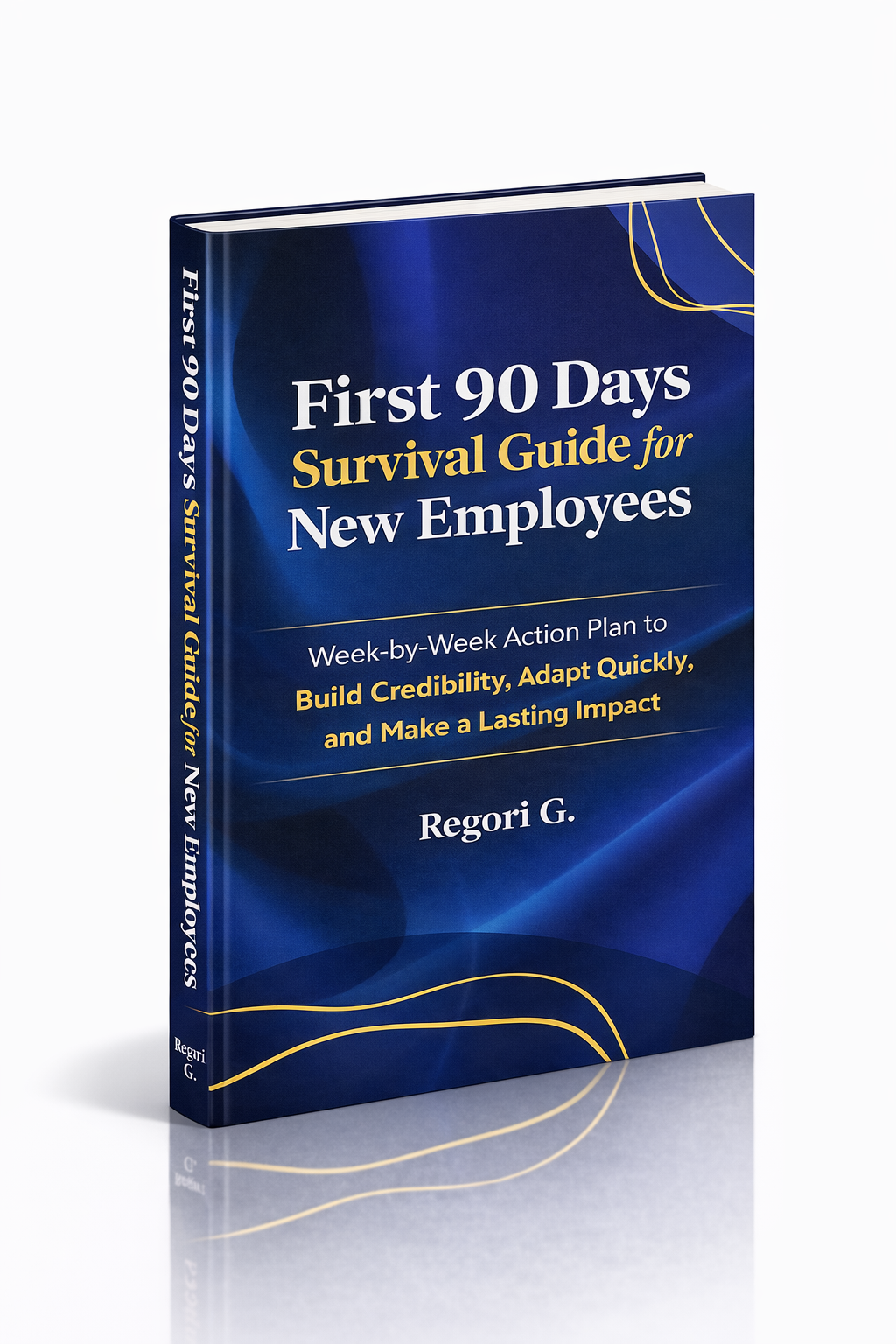
Guide 02
First 90 Days Survival Guide
Hit the ground running and make your mark from day one.
Get it →
Guide 03
Interview Success for Introverts
7 proven steps to shine in interviews — even if you hate the spotlight.
Get it →