

The 5 Interview Mistakes That Cost You the Job
What's silently killing your chances — and what top candidates do instead. Delivered instantly to your inbox.
No spam. Unsubscribe anytime. Privacy Policy & Terms
- Why "I'm a hard worker" destroys your chances
- What interviewers decide in the first 90 seconds
- How to handle tough questions with confidence
- The salary mistake almost every candidate makes
Navigating the Job Market: How to Get Your First Graduate Job After University
As you approach the end of your university journey, the excitement of graduating comes along with the daunting task of finding your first graduate job. Understanding how to effectively navigate the job market can make a significant difference in your job search. Here are some strategies to help you land that coveted position.
Understand Your Skills and Strengths
Before you dive into job applications, take some time to assess your skills. Consider both hard and soft skills gained during your studies. Hard skills are the specific, teachable abilities like coding, writing, or analyzing data, while soft skills include communication, teamwork, and problem-solving. Knowing your strengths will help you tailor your resume and prepare for interviews.
Build a Professional Network
Networking is crucial. Start by connecting with classmates, professors, and industry professionals on platforms like LinkedIn. Attend university networking events, workshops, or career fairs. Engaging with professionals in your desired field increases your chances of hearing about job openings that might not be advertised.
Tailor Your Resume and Cover Letter
One size does not fit all when it comes to resumes and cover letters. Customize each document for the specific job you are applying for. Highlight relevant experiences, skills, and projects. Use keywords from the job description to show that you have the qualifications they seek. A well-structured resume includes:
- Contact Information
- Professional Summary
- Education
- Relevant Experience
- Skills
- References
Utilize Job Search Platforms
Various platforms cater to job seekers. Some popular ones include:
| Job Search Platform | Best For |
|---|---|
| Indeed | Broad range of job listings |
| Glassdoor | Company reviews and salary info |
| Monster | Resume building and advice |
| LinkedIn Jobs | Networking and targeted job search |
These platforms allow you to filter jobs by title, location, and even salary, making your search more efficient.
Prepare for Interviews
Once you secure an interview, preparation is key. Research the company thoroughly. Understand their mission, values, and recent news. Prepare answers to common interview questions, and practice with friends or mentors. Here are a few tips to keep in mind:
- Dress professionally
- Arrive early
- Bring copies of your resume
- Follow up with a thank-you email
Consider Internships or Volunteer Work
If you are struggling to find a full-time position, consider internships or volunteer opportunities. These experiences can provide valuable skills, expand your network, and sometimes lead to job offers. Remember, many companies prefer to hire from within, so showing your value during an internship could easily lead to a graduate job.
Stay Positive and Persistent
Job searching can be challenging, but maintaining a positive outlook is essential. Rejections are a part of the process, but don’t get discouraged. Keep applying and refining your strategies. Celebrate small victories along the way, such as securing an interview or receiving positive feedback.
By using these strategies, you can effectively navigate the job market and make your transition from university life to the workforce smoother. Remember, the right opportunity is out there for you; it’s just a matter of being proactive and persistent in your approach.
For additional resources, consider exploring websites like CareerBuilder and SimplyHired to broaden your job search horizons.
Essential Skills Employers Look For in Recent Graduates
Entering the job market as a recent graduate can be daunting. To secure that first job, it is essential to understand the skills that employers value most. These skills not only enhance your employability but also prepare you for a successful career. Here’s a breakdown of the essential skills employers look for in recent graduates:
Communication Skills
Effective communication is vital in almost every job. Employers seek individuals who can convey information clearly and effectively, whether in writing or verbally. Good communication fosters teamwork and understanding within an organization.
- Verbal Communication: This includes speaking clearly, listening actively, and engaging in meaningful conversations.
- Written Communication: Employers want employees who can write reports, emails, and documents in a professional tone.
Problem-Solving Abilities
Employers value graduates who can identify problems and come up with creative solutions. This skill reflects critical thinking and adaptability, which are essential in today’s fast-paced work environments.
- Analytical Thinking: The ability to assess situations and derive logical conclusions is crucial.
- Creativity: Innovative approaches to challenges can set you apart, especially in competitive fields.
Teamwork
Being a team player is a non-negotiable skill for many employers. The ability to collaborate with others and thrive in a group setting is critical, as most workplaces require cooperation among colleagues.
- Collaboration: Working together enables you to combine strengths and achieve common goals.
- Conflict Resolution: Employers appreciate candidates who can handle disagreements constructively.
Adaptability
The modern workplace is constantly evolving. Employers seek graduates who can adjust to new situations, technologies, and workplace dynamics. Being flexible and open-minded can make you more appealing to potential employers.
- Willingness to Learn: A positive attitude toward learning and adapting to change is highly valued.
- Resilience: The ability to bounce back from setbacks and keep going is an important trait.
Technical Skills
Having relevant technical skills related to your field is crucial. While the specific skills may depend on your industry, some universal skills include:
- Proficiency in Software: Familiarity with common software tools like Microsoft Office, Google Suite, or industry-specific programs can boost your employability.
- Data Analysis: The ability to analyze and interpret data can enhance decision-making processes within a company.
Time Management
Employers appreciate graduates who can manage their time efficiently. This skill ensures that you meet deadlines without sacrificing the quality of your work. Good time management demonstrates self-discipline and prioritization abilities.
- Organizational Skills: Keeping tasks and responsibilities in order is crucial for productivity.
- Goal Setting: Establishing clear goals allows you to track your progress and stay focused.
Networking Skills
Building connections can significantly enhance your job prospects. Networking helps you to learn about job opportunities and gain insights into your chosen profession.
- Interpersonal Skills: Building rapport with peers, mentors, and industry professionals is essential.
- Confidence: Approaching others and initiating conversations can lead to valuable opportunities.
Developing these essential skills can greatly improve your chances of landing your first graduate job. Employers appreciate graduates who are not only knowledgeable but also equipped with the necessary soft and technical skills to thrive in the workplace. Continuous learning and practice can help you stand out in a competitive job market.
For additional resources on job hunting and skills development, consider visiting The Balance Careers and Monster Career Advice. These sites offer valuable insights and guidelines that can further assist you in your job search.
The Importance of Networking in Your Job Search
In today’s competitive job market, understanding how to enhance your job search is crucial. One of the most powerful tools available to you is networking. Building relationships with industry professionals and peers can open doors that you never even knew existed. This article dives into the importance of networking in your job search and offers practical strategies to optimize your networking efforts.
Why Networking Matters
Networking serves as a bridge between you and potential job opportunities. Here’s why it’s indispensable:
- Access to Hidden Job Markets: Many job openings are never advertised. Hiring managers often prefer referring candidates they know or those recommended by their colleagues.
- Insight into Industry Trends: Networking helps you stay informed about your field, allowing you to meet people who can provide valuable information about hiring trends and skills in demand.
- Skill Development: Engaging with knowledgeable professionals can enhance your skill set through mentorship and guidance, making you a more attractive candidate.
- Building Confidence: Successful networking can boost your self-esteem and improve your communication skills, helping you make a better impression in interviews.
Effective Networking Strategies
Embracing effective networking strategies can greatly enhance your job search efforts. Here are some proven tactics:
Utilize Social Media
Platforms like LinkedIn provide a rich environment for professional networking. Follow these steps:
- Create a complete and professional profile highlighting your skills and accomplishments.
- Engage with relevant content by liking, commenting, and sharing posts from industry leaders.
- Connect with alumni from your university who are in your desired field.
Attend Industry Events
Participating in networking events, workshops, and conferences can provide invaluable face-to-face interactions. Keep these tips in mind:
- Make a list of events specific to your industry.
- Prepare a brief self-introduction that outlines your skills and job interests.
- Follow up with people you meet by sending a personalized message or connection request afterward.
Join Professional Organizations
Becoming a member of professional associations related to your field can bolster your access to resources and connections. Benefits include:
- Exclusive access to job boards.
- Networking events tailored to your industry.
- Networking training and workshops.
Building Lasting Relationships
Networking isn’t just about collecting contacts; it’s about building meaningful relationships. Here’s how you can foster lasting connections:
- Stay in Touch: Regularly engage with your contacts. Share interesting articles or insights related to your field.
- Offer Help: Networking is a two-way street. Be ready to assist your connections by offering your expertise or sharing job leads.
- Schedule Informational Interviews: This allows you to learn more about your contacts’ careers while establishing rapport.
Using Online Platforms
In the digital age, leveraging online resources can boost your networking efforts. Here are a few websites that can help:
| Platform | Description |
|---|---|
| A professional networking site where you can connect with industry experts and discover job opportunities. | |
| Meetup | A platform to find and join local events relevant to your interests and career. |
| Eventbrite | A website for discovering and organizing events, including networking opportunities and workshops. |
Making the effort to network can significantly impact your job search. By strategically connecting with professionals, attending events, and leveraging online platforms, you’re well on your way to unlocking opportunities that can lead to your dream job. Remember, the key to productive networking is authenticity – be genuine, stay persistent, and watch your professional relationships bloom.
Crafting a Standout Resume as a New Graduate
As a new graduate stepping into the job market, your resume is your first opportunity to make a strong impression on potential employers. Crafting a standout resume requires careful thought and attention to detail. You want to create a document that highlights your strengths, skills, and unique experiences. Here’s how you can do that effectively.
Understanding the Basics of a Resume
Your resume should be clear, concise, and easy to read. Usually, a one-page format is best for recent graduates. Here are the key sections you should include:
- Contact Information: Your name, phone number, email address, and LinkedIn profile link.
- Objective Statement: A brief statement outlining your career goals and what you hope to achieve in the position you are applying for.
- Education: Details about your degree(s), including the institution name, degree type, major, and graduation date.
- Experience: Relevant work experience, internships, or volunteer opportunities, listed in reverse chronological order.
- Skills: A list of key skills that pertain to the job you are applying for, including both technical and soft skills.
Tailoring Your Resume for Each Job Application
It’s essential to tailor your resume for each specific job you apply for. Read the job description carefully and adjust your resume to reflect the qualifications and experiences that align with what the employer is looking for.
Use keywords found in the job ad. For instance, if the position emphasizes teamwork skills, ensure you highlight any group projects you’ve participated in during your studies or internships.
Showcasing Your Education Effectively
As a recent graduate, your educational background is one of your strongest assets. Be sure to include:
- Your degree and major
- Relevant courses that directly relate to the job
- Academic honors or scholarships
- Extracurricular activities that demonstrate leadership and initiative
Highlighting Work Experience
Even if you don’t have extensive professional experience, you can still include internships, part-time jobs, and volunteer work. When detailing your experience, use action verbs to describe what you did and the impact you made. Consider the STAR method (Situation, Task, Action, Result) to structure your bullet points:
| Situation | Task | Action | Result |
|---|---|---|---|
| Worked in a team project | Needed to deliver a presentation | Developed visuals and practiced with teammates | Received positive feedback for clarity and engagement |
| Interned at a marketing firm | Tasked with updating client databases | Gathered and organized important data efficiently | Improved data accuracy, leading to better analytics |
Listing Key Skills
In this section, list skills that are relevant to the job you’re applying for. Break them down into categories like:
Technical Skills:
- Software knowledge (e.g., Microsoft Office, Adobe Creative Suite)
- Programming languages (if applicable)
- Specific tools related to your field
Soft Skills:
- Communication
- Teamwork
- Problem-solving
Formatting Matters
A well-formatted resume not only looks professional but also showcases your attention to detail. Use a clean and simple layout, easy-to-read fonts, and consistent formatting. Also, keep your margins standard and ensure there’s enough white space to make your resume comfortable to read.
Using Resources for Improvement
Don’t hesitate to utilize resources available for crafting a standout resume. Websites like My Perfect Resume and Canva provide templates and tools that can help you design a more professional-looking resume.
Remember, your resume is often the first step in your career journey. Make it count by presenting yourself in the best possible light. Navigating the job market as a new graduate can be daunting, but with a standout resume, you’re already one step closer to landing that first job!
Interview Tips for Fresh Graduates: Making a Lasting Impression
Entering the job market as a fresh graduate can feel daunting, but preparing for interviews is crucial for making a strong impression. Understanding how to effectively showcase your strengths and abilities will set you apart from other candidates. Here are essential tips to help you shine during your interviews.
Research the Company
Before your interview, take the time to learn about the company. Here’s how:
- Visit the company’s official website to understand its mission and values.
- Read recent news articles or press releases related to the company.
- Explore their social media channels to get a sense of their culture.
This knowledge allows you to tailor your answers and show that you are genuinely interested in the position.
Understand the Job Description
Review the job description carefully to identify key responsibilities and required skills. Pay attention to:
- The specific qualifications they are seeking.
- Any skills you possess that directly align with these requirements.
- Examples from your experience, whether through internships, projects, or coursework.
Being able to relate your background to the position showcases your suitability for the role.
Practice Common Interview Questions
While you cannot predict every question, there are common interview questions that arise frequently, such as:
- Tell me about yourself.
- Why do you want to work here?
- Describe a challenging situation you faced and how you handled it.
- Where do you see yourself in five years?
Practicing your responses allows you to articulate your thoughts clearly and confidently.
Dress Appropriately
Your appearance speaks volumes before you even say a word. To ensure you create a good impression:
- Research the company’s dress code. If it’s corporate, lean toward formal attire; if it’s casual, opt for smart-casual options.
- Ensure your clothes are clean and well-fitted.
- Avoid overly flashy accessories and hairstyles.
Dressing appropriately enhances your credibility and demonstrates respect for the interview process.
Prepare Your Questions
At the end of the interview, you will often have the opportunity to ask questions. Here are some thought-provoking queries you can consider:
- What does a typical day look like for someone in this position?
- How is success measured for this role?
- Can you tell me about the team I would be working with?
Asking insightful questions shows that you are engaged and eager to learn more about the role and the company.
Practice Good Body Language
Your non-verbal communication can influence the interviewer’s perception of you. Keep these points in mind:
- Maintain eye contact to show confidence.
- Offer a firm handshake (if applicable).
- Sit up straight and lean slightly forward to show you are listening attentively.
Exhibiting positive body language can reinforce your verbal responses and help create a lasting impression.
Follow Up After the Interview
Sending a thank-you email post-interview can help reinforce your interest in the position. Your email should:
- Express gratitude for the opportunity.
- Reiterate your interest in the position.
- Highlight a key point from the interview that solidified your interest.
This small gesture can set you apart from other candidates.
For more detailed information on interviewing skills, consider checking resources such as Big Interview or The Balance Careers. Both platforms offer valuable insights into excelling in interviews, from technique to follow-ups.
By following these tips, you can approach your interviews with confidence and poise. Remember, preparation is key, and the impression you leave can determine the outcome of your job search.
Leveraging Internships and Part-time Work for Job Opportunities
In today’s competitive job market, leveraging internships and part-time work can significantly boost your chances of securing a graduate job. Many employers value practical experience, often viewing internships and part-time roles as stepping stones toward full-time positions. Here’s how you can maximize these opportunities to enhance your employability.
First, understand that internships provide not just experience, but also a platform to network. While working, you meet professionals who can provide insights into the industry and, in some cases, serve as references. Build connections with your colleagues and supervisors, as they might have leads on job openings or even influence your future hiring.
Consider these strategies to utilize your internship and part-time work effectively:
- Identify your goals: Before starting, clarify what you want to achieve. Whether it’s learning specific skills or gaining exposure to a certain sector, having clear objectives will guide your actions.
- Document your achievements: Keep track of the skills you’ve acquired, projects you’ve completed, and any recognition you’ve received. This documentation will be invaluable when updating your resume or preparing for interviews.
- Seek feedback: Regularly ask for input from your supervisor. This will not only help you improve but also show that you are committed to professional growth.
- Stay proactive: Don’t wait for tasks to be assigned. Take the initiative to find new projects or areas where you can contribute.
- Network actively: Attend industry events, workshops, or company gatherings. Engage with professionals and make a lasting impression.
Many organizations use internships as a means to identify potential full-time hires, making your performance crucial. For instance, firms like Internships.com provide resources to find internships that align with your career goals, while platforms like LinkedIn Jobs can help you find part-time positions that build your resume.
Additionally, consider the benefits of part-time work. Many students secure roles in retail, hospitality, or administration. While these positions might not directly relate to your field of study, they still enhance your resume by demonstrating work ethic, time management, and customer service skills. These transferable skills are attractive to potential employers in any industry.
Moreover, if you can seek part-time roles within your field, even better! Fields like marketing, graphic design, and IT often have flexible hours that enable you to gain relevant experience while studying. Websites such as Indeed offer comprehensive listings for jobs tailored to your skill set
Engaging in internships or part-time work also equips you to answer common interview questions with tangible examples. For instance, if asked how you handle teamwork, you can draw from your experiences collaborating with colleagues. Being able to provide real-life scenarios makes your responses more credible and memorable.
Utilizing the expertise of your university’s career services can further enhance your job search. Many institutions offer resume workshops, interview practice sessions, and job fairs where you can connect with companies seeking new talent. Be sure to utilize these resources effectively. Additionally, websites such as CareerBuilder may offer exclusive job listings or insight into what employers are looking for.
Here is a brief table summarizing the benefits of internships and part-time work:
| Benefits | Details |
|---|---|
| Practical Experience | Gaining firsthand experience in your field enhances your resume and prepares you for full-time roles. |
| Networking Opportunities | Building connections with industry professionals can lead to job offers and recommendations. |
| Skill Development | Working allows you to develop and refine skills that are valuable for your future career. |
| Confidence Building | Real-world experience helps you build confidence in your abilities, making you a stronger candidate. |
Remember that the relationships you build during these experiences can be instrumental later on. A former supervisor or colleague may recommend you for future job openings or may become a mentor as you progress in your career.
Internships and part-time work serve as critical tools for entering the job market after university. By strategically approaching these opportunities, you can position yourself as a desirable candidate and significantly improve your chances of finding your first graduate job.
Online Resources and Tools to Aid Your Graduate Job Hunt
Finding your first graduate job can feel overwhelming, but a wealth of online resources and tools can streamline your job hunt. These resources not only provide job listings but also offer valuable insights, networking opportunities, and resume-building tips that can help you stand out in a competitive job market.
Job Boards and Career Websites
The Internet is overflowing with job boards tailored to recent graduates. Utilizing these platforms can significantly enhance your job search experience.
- Graduateland – This platform focuses on jobs for students and recent graduates, providing a comprehensive job resource tailored to your qualifications.
- LinkedIn – Not only does LinkedIn host job listings, but it also serves as a professional networking platform. Create a strong profile to connect with industry professionals and explore job opportunities.
- Glassdoor – Access job listings and company reviews. Understanding workplace culture can help you choose the right fit for your first role.
- Indeed – Known for its vast array of job listings, Indeed allows you to filter results by location, salary, and more.
Resume and Cover Letter Builders
Your resume and cover letter are often the first things potential employers see. Make sure they shine with the right tools.
- Canva – Canva’s templates make it easy to create visually appealing resumes and cover letters. Customize templates that reflect your personal style while maintaining professionalism.
- Resume.com – Use this free online resume builder to create a professional resume quickly and easily without downloads or formatting issues.
- Zety – Zety offers advanced resume-building features and templates, guiding you through each section to enhance your content.
Networking Platforms
Networking is crucial when trying to land your first graduate position. Engage with professionals in your field through these platforms:
- Meetup – This platform can help you find local networking events, seminars, and workshops, allowing you to connect with industry professionals in person.
- Eventbrite – Discover events related to your area of interest. Many networking events are often free and provide invaluable opportunities.
Online Courses and Skill Development
Enhancing your skills or learning new ones can significantly improve your employability. Consider the following platforms:
- Coursera – Offers courses from top universities. Many courses are free to audit, so you can learn new skills without financial commitment.
- Udacity – Known for its data science and tech programs, Udacity also offers career coaching services that can facilitate your job search.
- edX – Provides a variety of free courses that can be beneficial for recent graduates looking to bolster their resumes.
Social Media Utilization
Don’t overlook the power of social media in your job search strategy.
- Twitter – Follow industry leaders and companies you’re interested in. Subscribe to industry-related hashtags for job postings.
- Facebook – Join industry-related groups. Many companies post job openings in these groups before listing them publicly.
By making the most of these online resources and tools, you can enhance your graduate job search for better outcomes. Start exploring these platforms today, create accounts, and invest time in building your network and skills. Engaging actively with these tools can ultimately lead you to land the first job you’ve been working towards since you stepped into university.
Key Takeaway:
Navigating the transition from university to the job market can be challenging, especially when you’re aiming to secure your first graduate job. Understanding this journey can ensure you’re well-prepared to face employers. Here are key takeaways from essential topics that will boost your chances of landing that coveted role.
First, recognizing the current job market landscape is crucial. Employers seek candidates who not only possess academic knowledge but also practical skills. These skills often include effective communication, teamwork, problem-solving abilities, and adaptability. As a recent graduate, showcasing these attributes on your resume is vital. To craft a standout resume, highlight relevant coursework, projects, and any volunteer work that demonstrates your capabilities.
Networking is another vital component in your job search. Building connections in your field can open doors to opportunities that may not be advertised. Attend industry events, join online forums, and connect with alumni who may provide guidance or job leads. The relationships you establish can become valuable assets, serving as references or sources of insider knowledge about job openings.
When it comes to interviews, preparation is key. Familiarize yourself with common interview questions and practice your responses. Approach each interview as an opportunity to make a lasting impression. Be confident, articulate your skills clearly, and remember to ask insightful questions about the role and the company.
Internships and part-time work should not be overlooked. These experiences provide practical skills and enhance your resume. They also allow you to make connections within the industry, which can be beneficial when applying for full-time positions. Many employers value practical experience just as much as formal education.
Moreover, utilize online resources and tools available for job seekers. Websites like LinkedIn, job boards, and career services at your university can provide valuable job leads and help you refine your application materials.
Landing your first graduate job requires a multifaceted approach: understanding the job market, honing essential skills, networking effectively, preparing a stellar resume, practicing for interviews, leveraging internships, and utilizing online resources. By focusing on these areas, you can enhance your employability and make a successful transition from university to the professional world.
Conclusion
Securing your first graduate job after university can seem daunting, but by following the strategies outlined above, you can navigate this crucial phase with confidence. Understanding the job market allows you to identify opportunities that align with your qualifications and aspirations. Recognizing the essential skills employers prioritize in recent graduates equips you to highlight your strengths effectively.
Networking plays a pivotal role in your job search; building relationships in your chosen field can lead to valuable connections and opportunities that may not be advertised publicly. A polished, standout resume is your first impression to potential employers, so take the time to create a document that reflects your skills and experiences clearly and compellingly.
As you prepare for interviews, remember that preparation is key. Practice common interview questions and focus on presenting your unique qualities that make you a compelling candidate. Additionally, don’t overlook the power of internships and part-time work. These experiences provide practical knowledge and help you build a network while showcasing your ability to employers.
Leverage the vast array of online resources and tools available to streamline your job hunt. Job boards, professional organizations, and social media platforms like LinkedIn can enhance your visibility and connect you with potential employers. By combining these strategies and maintaining a proactive and positive mindset, you will increase your chances of landing that coveted first graduate job, setting the foundation for a successful career ahead.
visit The Job Interview System for Job Seekers on Gumroad. A practical guide built for people who are serious about landing the job they want. For more interview guides, career tips, and job search resources, visit the Love PDF Guides home page.
Your Next Chapter
Starts with the Right Guide
Three straight-talking PDF guides to help you win interviews, beat the first 90 days and thrive as an introvert. Instant download on Gumroad.
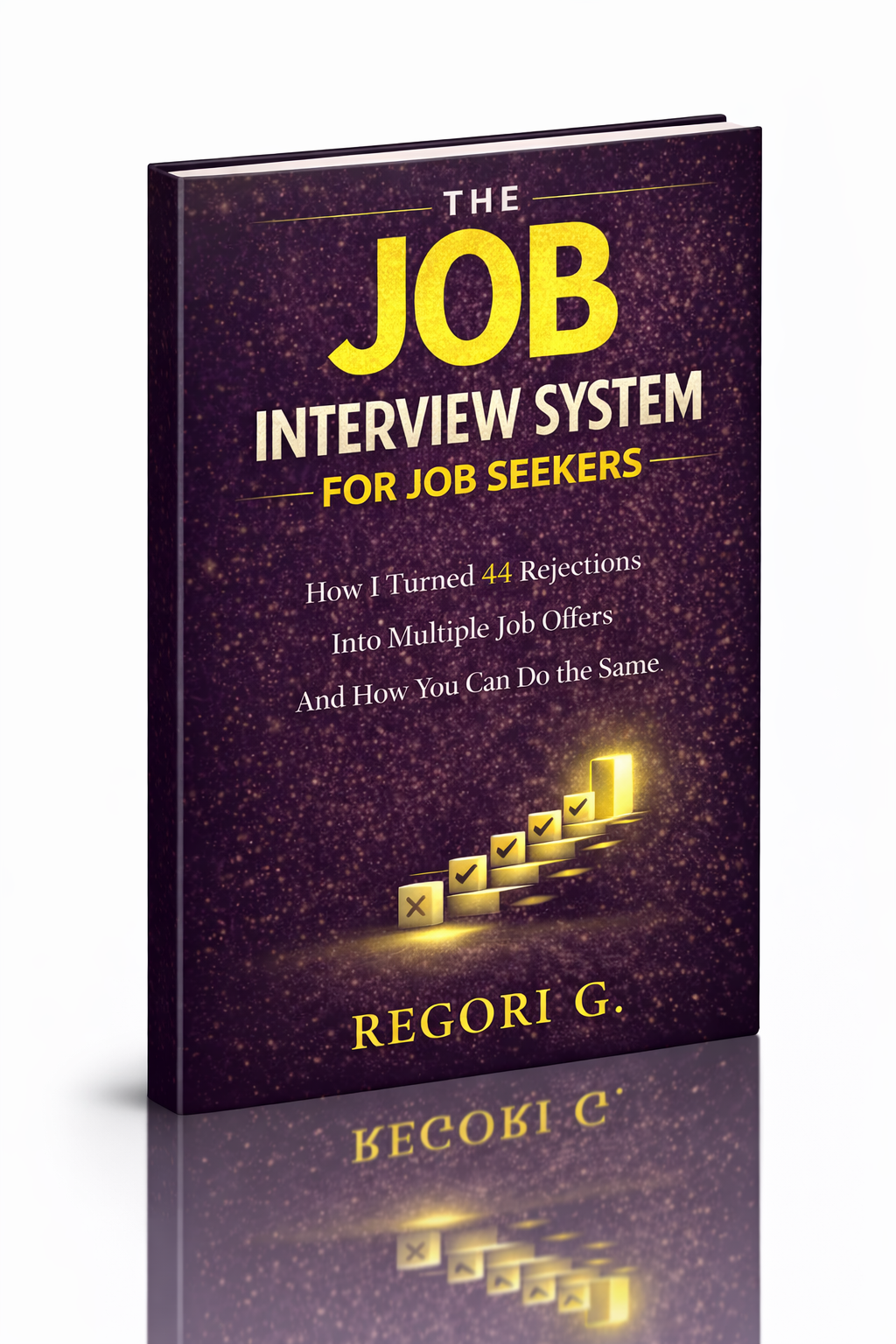
Guide 01
The Job Interview System
Step-by-step interview prep that turns nerves into confidence.
Get it →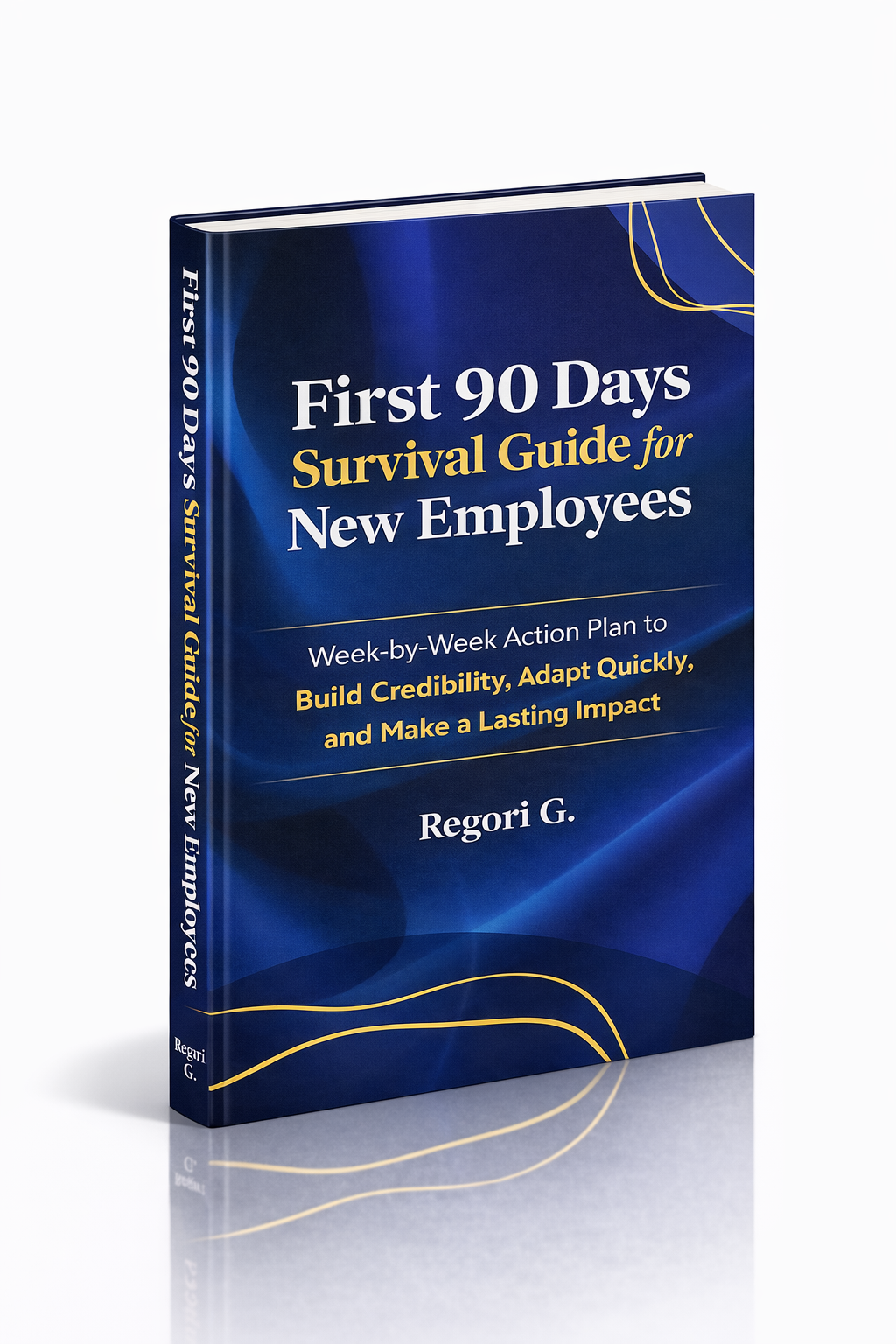
Guide 02
First 90 Days Survival Guide
Hit the ground running and make your mark from day one.
Get it →
Guide 03
Interview Success for Introverts
7 proven steps to shine in interviews — even if you hate the spotlight.
Get it →