

The 5 Interview Mistakes That Cost You the Job
What's silently killing your chances — and what top candidates do instead. Delivered instantly to your inbox.
No spam. Unsubscribe anytime. Privacy Policy & Terms
- Why "I'm a hard worker" destroys your chances
- What interviewers decide in the first 90 seconds
- How to handle tough questions with confidence
- The salary mistake almost every candidate makes
Understanding Your Rights After a Wrongful Dismissal
Experiencing a wrongful dismissal can be a stressful and confusing time. It’s important to understand your rights and steps you can take to address the situation. Knowing what to do can empower you and ensure that you are treated fairly.
Recognizing Wrongful Dismissal
Wrongful dismissal occurs when an employee is terminated from their job in a way that violates contract terms or employment laws. This might mean you were fired without just cause, without the correct notice period, or discriminated against based on race, gender, age, or other protected characteristics.
Common Signs of Wrongful Dismissal
- Your employee contract was ignored.
- You were not given adequate notice of termination.
- You were terminated for discriminatory reasons.
- You were retaliated against for reporting harassment or unsafe working conditions.
Understanding Your Rights
Your rights after a wrongful dismissal can vary depending on your location, but some general rights often apply. Here are key points to be aware of:
- Right to Contest Termination: You can challenge your dismissal in court or through your company’s grievance procedures.
- Right to Severance: If your dismissal is found to be wrongful, you may be entitled to severance pay, which compensates you for lost income.
- Right to Reinstatement: In some cases, you may have the right to be reinstated to your position.
- Right to Seek Legal Advice: Consult with an employment lawyer for specific guidance tailored to your situation.
Steps to Take Following a Wrongful Dismissal
Knowing the next steps can help you act quickly and effectively. Here’s a structured approach to follow:
- Document Everything: Keep records of all communications related to your dismissal. This includes emails, letters, and notes from meetings.
- Understand Your Employment Contract: Review your contract, as it may outline specific procedures for dispute resolution and your rights upon termination.
- Consult an Employment Lawyer: Speak with a lawyer who specializes in employment law. They will help you assess the strength of your case and provide legal options.
- File a Complaint: Depending on the jurisdiction, you may have the option to file a complaint with a labor board or initiate legal action.
Dispute Resolution Options
Resolving your wrongful dismissal claim can take various forms. Here are some common methods:
- Mediation: A neutral third party helps facilitate a discussion between you and your employer to reach a mutually acceptable agreement.
- Arbitration: An arbitrator makes a binding decision on your case after reviewing evidence from both sides.
- Court Action: If other resolution methods are unsuccessful, you may need to pursue your case in court.
Financial Implications of Wrongful Dismissal
Wrongful dismissal can have serious financial implications. You may be entitled to several types of compensation, including:
| Type of Compensation | Description |
|---|---|
| Back Pay | Compensation for lost wages from the date of dismissal to a resolution. |
| Future Losses | Potential wages you may have lost due to the termination. |
| Benefits | Reimbursement for lost benefits, such as health insurance or retirement contributions. |
| Punitive Damages | Additional compensation meant to punish the employer for egregious misconduct. |
Seeking Support and Resources
Various organizations provide resources and support for individuals facing wrongful dismissal. Consider visiting organizations like the Equal Employment Opportunity Commission or your local labor office for guidance and support.
Remember, you are not alone in this process. By understanding your rights and taking decisive action, you can effectively manage the situation and secure the justice you deserve.
Common Signs of Wrongful Termination
When you lose your job, it can be a confusing and upsetting experience. You may start to wonder if your termination was justified. In the case of wrongful termination, it’s important to recognize the signs that suggest your dismissal may not have been lawful. Here are some common indicators to look for.
Discriminatory Behavior
If you were terminated due to your race, gender, religion, age, or disability, this could indicate wrongful termination. Employment law protects individuals against discrimination. If you suspect that your employer acted on discriminatory motives rather than performance issues or other valid reasons, it may be time to seek help.
Retaliation Claims
Another sign of wrongful termination is if you were fired shortly after reporting misconduct at work, filing a complaint with human resources, or participating in a workplace investigation. This is known as retaliation. If you can prove that your employer fired you in retaliation for these actions, you may have a legal claim.
Contract Violations
If you had a contract with your employer that outlined specific reasons for termination, being fired without just cause could be a violation of that contract. If your employer didn’t follow the termination procedures stated in your employment agreement, this could serve as evidence of wrongful termination. Check if your contract includes:
- Termination procedures
- Notice requirements
- Performance expectations
No Clear Reason for Termination
A sudden dismissal without explanation can also raise red flags. If your employer failed to give you a reason for your termination or if it seemed arbitrary, it’s worth investigating. Employers are usually required to provide a clear and justifiable reason for your dismissal. Keep a record of your performance reviews and any communications that suggest your job performance was satisfactory.
Improper Investigation Procedures
In cases where misconduct is alleged, proper investigation is essential. If your employer bypassed a fair review process before terminating you, this could suggest wrongful termination. Employers should conduct a thorough investigation into claims against employees, allowing you to share your side of the story.
Employment Status
Understanding your employment type is crucial. If you are an employee at will, your employer can generally terminate your employment at any time. However, if you are part of a union or have an employment contract, your rights may be different. Check your employment status to understand your rights better.
Documenting Evidence
It’s essential to document any instances that could suggest wrongful termination. Keep any emails, text messages, or memos that support your claims. Documentation can be invaluable if you need to take legal action, allowing you to present a clear case to the authorities. Organizing your records can provide clarity and be beneficial in discussions with a legal advisor.
Seeking Legal Assistance
Knowing your rights is essential when you believe you have been wrongfully terminated. After reviewing the signs mentioned, it may be wise to consult with an employment lawyer who specializes in wrongful termination cases. They can help you navigate the legal landscape and advise you on the best course of action.
In addition to reaching out to a lawyer, consider organizations that offer support for individuals facing wrongful termination. Websites like EEOC can provide further resources to understand your rights regarding employment laws.
Recognizing and understanding the common signs of wrongful termination is the first step in knowing your rights and protecting yourself. The journey may seem daunting, but remember, you have options. Document your experiences, seek legal help, and advocate for your rights as an employee.
If you suspect wrongful termination, take action to understand your rights. Explore resources like Nolo and LegalZoom for additional information to guide you through this challenging experience.
Steps to Take Immediately Following a Wrongful Dismissal
Experiencing a wrongful dismissal can be overwhelming. If you find yourself in this situation, responding promptly and effectively is crucial. Knowing the steps to take can help protect your rights and support your case.
1. Stay Calm and Assess the Situation
Your first reaction may be shock or anger, but it’s essential to remain calm. Take a moment to reflect on the circumstances surrounding your dismissal. Ask yourself the following questions:
- Was your termination based on discrimination?
- Did you receive any warnings or performance reviews prior to your dismissal?
- Was the dismissal related to a retaliation for whistleblowing or taking leave?
Understanding the context will assist you in determining whether your dismissal falls into wrongful termination.
2. Gather Relevant Documentation
Collecting documentation is vital for substantiating your claim. Consider the following items:
- Employment contract or offer letter
- Performance evaluations
- Any written warnings or discipline notices
- Emails or correspondence related to your employment
- Company policies and procedures
This documentation will help provide a clear picture of your employment history and the circumstances of your dismissal.
3. Review Your Company’s Termination Policies
Each organization has different termination policies, and understanding these can inform whether your dismissal was correct. Read through the employee handbook or manual, and pay close attention to sections regarding disciplinary actions and termination procedures. If your dismissal violated these procedures, you may have a stronger case for wrongful dismissal.
4. Contact an Employment Lawyer
Speaking with an employment lawyer is a pivotal step in handling a wrongful dismissal. An attorney familiar with labor law can advise on the legality of your situation and help you understand your rights. They can also assist in gathering evidence and preparing to pursue a claim.
For resources on finding an employment lawyer, visit National Employment Lawyers Association.
5. File a Complaint
Depending on the nature of your dismissal, filing a complaint with the appropriate agency may be necessary. Here are some avenues you can explore:
- Equal Employment Opportunity Commission (EEOC): If you believe your dismissal was based on discrimination, you can file a charge with the EEOC.
- Department of Labor (DOL): For concerns relating to wage disputes or violations of workplace rights, contact the DOL.
Ensure you understand the deadlines for filing complaints as they can vary between agencies.
6. Consider Alternative Resolutions
Before taking legal action, you may want to consider alternative dispute resolution options such as mediation or arbitration. These methods can often lead to quicker resolutions and maintain confidentiality.
7. Document Everything
Keep a detailed record of all interactions related to your dismissal—conversations, meetings, emails, and any steps you’ve taken since your termination. This log can prove invaluable if your case progresses to legal proceedings.
8. Stay Professional
While it’s tempting to vent your frustrations, maintaining professionalism in all communications is essential. Avoid negative comments on social media or public forums; these could be used against you in a legal context.
9. Explore Your Benefits
Check if you’re eligible for unemployment benefits or severance pay. Knowing what financial resources are available can help ease the transition. For information on unemployment benefits, visit Career One Stop.
10. Prepare for Your Next Steps
While you navigate this challenging situation, it’s important to keep your future plans in mind. Update your resume, refine your skills, and start networking with former colleagues. Being proactive will help you regain control over your career path.
Knowing how to handle a wrongful dismissal and understanding your rights can empower you to take action. Following these steps will help you navigate through this difficult time. Remember to utilize the resources available to support your case and advocate for your rights.
How to Gather Evidence for Your Case
When you’re faced with a situation where you believe you’ve been wrongfully dismissed from your job, gathering evidence is crucial to support your case. This process can seem daunting, but breaking it down into manageable steps can help you navigate through the challenge. Below, you’ll find a guide to assist you in collecting the necessary evidence effectively.
Understand What Constitutes Wrongful Dismissal
Before you begin gathering evidence, it’s essential to understand what wrongful dismissal means. Wrongful dismissal typically occurs when an employee is terminated without just cause, in violation of their employment contract, or in contravention of labor laws. Common reasons for wrongful dismissal include:
- Discrimination based on race, gender, or disability
- Retaliation for reporting misconduct
- Violation of contract terms
- Lack of proper notice period as stipulated in the employment contract
Collect Documentation of Employment
Your first step in gathering evidence should be to collect all relevant documentation related to your employment. This may include:
- Your employment contract
- Employee handbooks or policy manuals
- Performance reviews and appraisals
- Emails and written communications with your employer
- Any documentation related to complaints you may have made
These documents will help establish the terms of your employment and any violations that may have occurred. They are also critical in demonstrating a pattern of treatment or behavior from your employer that supports your claim.
Maintain a Record of All Correspondence
Keep a meticulous record of all conversations and communications you have with your employer regarding your dismissal. This includes:
- Date and time of conversations
- Details of what was discussed
- Any witnesses present during conversations
- Follow-up emails or messages sent
This information can be vital in proving your case, especially if there were any inconsistencies in what your employer said or did.
Gather Witness Statements
If there were coworkers who witnessed your performance or any incidents leading up to your dismissal, reach out to them for their statements. Witnesses can provide essential support for your claim. When collecting witness statements, make sure to:
- Ask them to provide a written statement
- Simplify their statements to include the facts pertaining to your case
- Record their contact details
Document Your Performance
Any records that show your job performance can be beneficial. This may include:
- Sales reports
- Project completion documents
- Praise or recognition received from supervisors
Your performance data can help counter any claims your employer makes about your job efficacy.
Compile Evidence of Company Policy Violations
If you believe your termination violated company policies or legal regulations, compile any evidence showing these violations. This could include:
- Company regulations that were not followed
- Evidence of unequal treatment compared to other employees
- Documents that show procedural errors during your dismissal process
Seek Legal Consultation
After gathering your evidence, consulting with a legal professional specializing in employment law can provide valuable insights. They can guide you through the necessary steps and help you understand your rights regarding wrongful dismissal. For more information, you can visit the U.S. Equal Employment Opportunity Commission (EEOC) or the Nolo – Wrongful Termination Resource.
Remember that when collecting evidence, organization is key. Create folders (physical or digital) to store your documents and correspondence systematically, ensuring easy access when needed. By following these steps, you’re not only equipping yourself with the necessary evidence but also building a robust case to support your claim for wrongful dismissal.
The Role of Employment Contracts in Wrongful Dismissal Claims
Employment contracts are crucial in defining the rights and responsibilities of both employers and employees. They provide a framework within which both parties operate and can serve as a vital tool when navigating wrongful dismissal claims. Understanding how these contracts function can protect your rights and clarify your options should you find yourself facing an unjust termination.
Understanding Employment Contracts
At their core, employment contracts are legal agreements that outline the terms of employment. They often specify:
- Job title and description
- Salary and benefits
- Work hours and location
- Duration of employment
- Termination conditions
These elements create a roadmap for your employment, making them essential in determining if a dismissal was wrongful. A well-drafted contract not only clarifies expectations but also sets legal boundaries that protect both the employer and the employee.
Wrongful Dismissal Basics
Wrongful dismissal occurs when an employee is terminated without just cause, violating the terms set forth in their employment contract. Common reasons for wrongful dismissal include:
- Discrimination
- Retaliation for whistleblowing
- Violation of company policy
- Failure to follow proper termination procedures
If you feel you have been wrongfully dismissed, the first step is to examine your employment contract for specific clauses related to termination.
Key Contract Clauses Related to Dismissal
Several clauses in your employment contract can be critical when evaluating a wrongful dismissal claim:
- Termination Clause: This part of the agreement typically outlines the process and conditions under which either party can end the relationship. If the employer did not follow these procedures, it could be grounds for a wrongful dismissal claim.
- Notice Period: Many contracts include a specified notice period that must be honored before termination. Failing to provide this notice can be a violation of your rights.
- Performance and Behavior Expectations: If your employer terminated you based on performance or behavior not clearly outlined in the contract, you may have grounds for a claim.
Gathering Evidence
Evidence is critical in wrongful dismissal cases. Identifying and compiling relevant documentation can strengthen your position:
- Your employment contract
- Performance evaluations
- Email communications with management
- Witness accounts from coworkers
Having clear evidence that demonstrates a breach of contract or unfair treatment can significantly support your claim.
Steps to Take if You Believe You’ve Been Wrongfully Dismissed
If you think your dismissal falls under wrongful termination, consider taking the following actions:
- Review Your Contract: Carefully read your employment contract and identify any sections that pertain to termination.
- Document Everything: Gather all related documents and communications that can support your case.
- Consult a Legal Expert: Speaking with an attorney experienced in employment law can provide insights tailored to your specific situation. Legal experts can guide you through the complexities of wrongful dismissal claims.
- Consider Filing a Claim: If your attorney advises that you have a viable case, you may need to file a formal complaint with the relevant labor board or initiate legal proceedings.
Protecting Yourself Going Forward
Even after experiencing wrongful dismissal, you can take steps to protect yourself in future employment:
- Get Employment Contracts in Writing: Ensure all job offers and changes to employment terms are documented and signed.
- Know Your Rights: Familiarize yourself with your rights under employment laws in your jurisdiction.
- Stay Informed About Company Policies: Understanding workplace policies can help you navigate potential conflicts and avoid misunderstandings.
Employment contracts are your first line of defense against wrongful dismissal. Knowing your rights and understanding the legal framework can make a considerable difference when facing an unexpected termination. For more information on employment contracts and wrongful dismissal, you can visit the ACAS website or explore resources from Citizen’s Advice.
Seeking Legal Help: When and How to Approach a Lawyer
When you find yourself in a challenging legal situation, knowing when and how to approach a lawyer can be crucial. Whether it’s a business dispute, a family issue, or a criminal charge, taking the first steps can feel overwhelming. But understanding the process can help you feel more in control of your circumstances.
Recognizing the Need for Legal Help
There are specific signs that signal the need to consult a lawyer. If you encounter any of the following situations, it’s time to reach out for professional assistance:
- Complex Legal Matters: If the issue involves complicated laws or regulations, a lawyer can offer valuable insights.
- Threat of Litigation: If you have received a lawsuit or a legal notice, it’s important to act quickly and seek advice.
- Uncertainty About Your Rights: If you don’t understand your rights in a situation, consulting a lawyer can clarify them.
- Negotiations Gone Awry: If negotiations with the other party aren’t working out, a lawyer can help facilitate discussions.
- Legal Representation Needed: In certain situations, like criminal charges or custody disputes, having representation is required.
Steps to Take When Approaching a Lawyer
Once you have determined that legal help is necessary, follow these steps to approach a lawyer in the right way:
1. Identify Your Needs
Before seeking out a lawyer, identify the specific legal issues you face. This could be anything from personal injury to corporate law. Knowing your needs will help you find the right person for the job.
2. Research Potential Lawyers
Conduct thorough research to find lawyers who specialize in your area of concern. Use resources like:
- Avvo – A platform that helps clients find lawyers based on ratings and reviews.
- FindLaw – A resource offering legal information and a lawyer directory.
- Nolo – Provides legal books and guides, as well as a lawyer directory.
3. Schedule Consultations
Once you’ve narrowed down your options, schedule consultations. Many lawyers offer free initial consultations, which allow you to discuss your case and get a feel for the lawyer’s approach. Prepare a list of questions to ask during these meetings:
- What is your experience with cases like mine?
- How do you charge for your services?
- What is the expected timeline for my case?
- What should I prepare for our meetings moving forward?
4. Evaluate Your Options
At this stage, consider all your options carefully. Factors to weigh include the lawyer’s experience, communication style, your comfort level with them, and their fee structure. It’s important to choose someone you feel at ease with as legal matters can be sensitive and deeply personal.
5. Make Your Decision
After evaluating your consultations, decide which lawyer you want to hire. Schedule a follow-up meeting and ensure all your queries regarding the engagement terms are answered. Read the retainer agreement thoroughly before signing.
Understanding Legal Fees
Lawyers may charge in several different ways, and it’s crucial to understand the framework to avoid surprises:
| Fee Structure | Description |
|---|---|
| Hourly Rate | Charged based on the amount of time the lawyer works on your case. |
| Flat Fee | A fixed amount for specific services, often used for simple matters. |
| Contingency Fee | A percentage of winnings in a case; typically used in personal injury cases. |
Trust Your Instincts
Your intuition matters. If you feel uneasy or unsupported during your initial meetings, it might be best to continue your search. Finding the right lawyer is vital for achieving a favorable outcome in your legal matters.
Ultimately, approaching a lawyer need not be a daunting task. By understanding when to seek help and taking the right steps, you can navigate the legal landscape with confidence.
Navigating the Emotional Impact of Job Loss and Legal Disputes
Facing job loss can be a challenging experience, both emotionally and legally. Whether your departure was planned or unexpected, the impact can be profound. Understanding how to navigate this emotional landscape and any potential legal disputes is crucial for your well-being and future opportunities.
Recognizing the Emotional Toll
Job loss affects people in different ways. You might experience a range of emotions, including shock, sadness, anger, or anxiety. It’s essential to acknowledge these feelings. Here’s how to manage the emotional fallout:
- Allow Yourself to Grieve: Losing a job can feel like a personal loss. Take time to process your feelings, and don’t rush through them.
- Talk to Someone: Reach out to friends, family, or professionals who can provide support. Sharing your experience can lessen the emotional load.
- Focus on Self-Care: Engage in activities that promote well-being, such as exercise, hobbies, or relaxation techniques. Don’t neglect your physical health during this tough time.
Understanding Your Rights
If your job loss involves a wrongful dismissal, being informed about your rights is critical. You have several legal avenues to explore:
- Consult a Labor Attorney: A legal professional will help you understand your rights and evaluate if your dismissal was unlawful.
- Know Your Employee Handbook: Review your employment documents for company policies related to termination. Understanding the rules can clarify your rights.
- Document Everything: Keep records of your employment, communications with management, and any relevant incidents that could support your case.
Practical Steps to Take After Job Loss
Transitioning after a job loss requires carefully considering your next steps. Here are some actions you can take:
- File for Unemployment Benefits: If you qualify, file promptly to secure financial support as you search for new opportunities.
- Update Your Resume and LinkedIn: Refresh your job application materials to reflect your skills and achievements. Tailor your profile to appeal to future employers.
- Network: Reach out to contacts and attend industry events. Networking can lead to new job opportunities and provide emotional support.
Seeking Professional Help
Sometimes, emotional distress can become overwhelming. If you find yourself struggling, consider these options:
- Therapy or Counseling: Professional help can provide coping strategies and support as you navigate loss and uncertainty.
- Support Groups: Connecting with others who have faced similar experiences can offer camaraderie and reduce feelings of isolation.
Exploring Your Legal Options
If you believe your termination was wrongful, it’s vital to explore your legal options. Be sure to:
- Research Relevant Laws: Understand local employment laws or consult websites like Nolo that provide resources about employment rights.
- Consider Mediation: Many disputes can be resolved without formal litigation through mediation, which is often less stressful and more cost-effective.
Moving Forward
After navigating the emotional impact of job loss and any surrounding legal disputes, focus on moving forward. This might mean finding a new job or exploring a career change. You can also use this time for personal development, allowing yourself to reflect on what you want from your work life.
It’s entirely normal to feel a mix of emotions during this time. Remember, you’re not alone. Many have been in similar situations and have successfully transitioned to fulfilling new careers.
For additional resources on handling job loss and understanding employment laws, you can visit Equal Employment Opportunity Commission or LegalZoom for tailored advice and guidance.
Key Takeaway:
Key Takeaway: How to Handle a Wrongful Dismissal and Know Your Rights
Experiencing a wrongful dismissal can be one of the most challenging moments in your career. Understanding your rights is essential to navigate this tumultuous experience successfully. First, familiarize yourself with the basic elements of your rights post-dismissal, including the concept of at-will employment and exceptions that protect workers from unlawful termination. Knowledge of these rights sets the foundation for your next steps.
Recognizing common signs of wrongful termination can also empower you. Signs such as being fired suddenly without cause, discrimination, or retaliation for reporting workplace issues can indicate a wrongful dismissal. If you notice these signs, it’s critical to act promptly.
Right after a wrongful dismissal, immediate steps are necessary. Document the details of your termination, review company policies, and collect any relevant correspondence with your employer. This documentation will be crucial as you build your case.
Gathering evidence for your claim is another vital aspect. This evidence may include emails, performance reviews, and witness statements that can support your position. The more comprehensive your evidence, the stronger your case will be.
Your employment contract plays a significant role in wrongful dismissal claims. It often outlines the terms of your employment, including termination processes and rights, which can bolster your argument. Be sure to review this document carefully.
In many cases, seeking legal help is advisable. If your case appears complex, or you feel overwhelmed, approaching an employment lawyer can provide clarity and guidance. They can help assess your situation and explain legal options, ensuring you feel supported through the process.
Don’t underestimate the emotional impact of job loss and legal disputes. It’s crucial to prioritize your mental well-being during this process. Seek support from friends, family, or mental health professionals to help you cope as you work through the legal implications of your wrongful dismissal.
By understanding your rights and following these steps, you can effectively handle a wrongful dismissal and advocate for yourself with confidence.
Conclusion
Facing a wrongful dismissal can be a daunting experience, but knowing your rights is the first step toward regaining control. Recognizing common signs of wrongful termination helps you understand if you’re a victim of this situation. As soon as you suspect wrongful dismissal, taking immediate actions is crucial, including reviewing your employment contract and collecting evidence to support your case. Documenting your experiences clearly can significantly bolster your claim.
Seeking legal help can seem overwhelming, but knowing when and how to approach a lawyer can ease the process. A qualified legal professional can provide valuable guidance and strategies for navigating the complexities of wrongful dismissal claims. Furthermore, don’t underestimate the emotional toll that job loss and legal battles can bring. It’s important to seek support from friends, family, or mental health professionals as you navigate this challenging time.
While the path may be difficult, armed with knowledge and the right support, you can effectively advocate for your rights and pursue justice. Stay proactive, document everything, and remember, taking these steps not only helps in your individual case but also brings awareness to the importance of fair employment practices for others facing similar circumstances. Your journey toward resolution begins with understanding and asserting your rights.
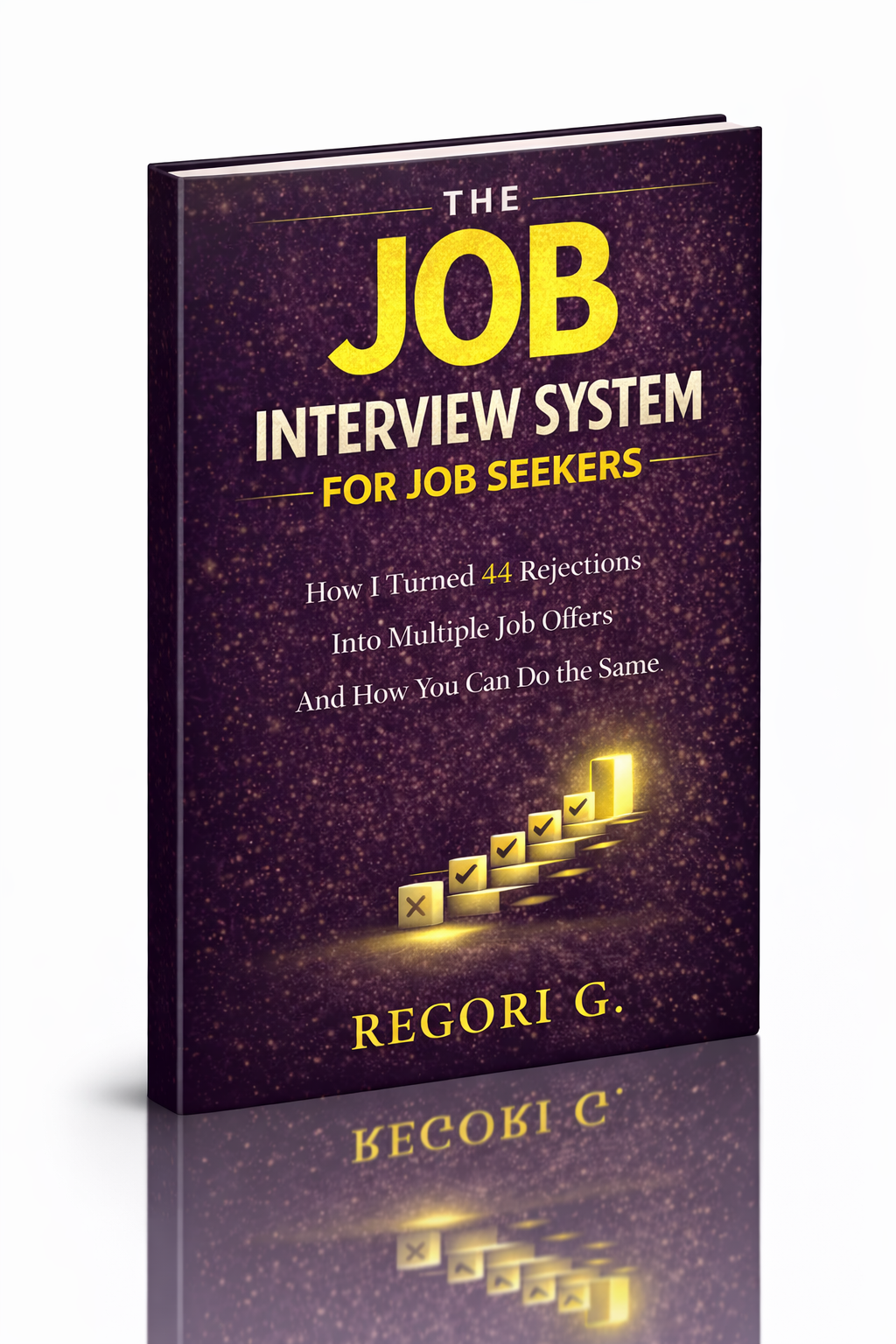
visit The Job Interview System for Job Seekers on Gumroad. A practical guide built for people who are serious about landing the job they want. For more interview guides, career tips, and job search resources, visit the Love PDF Guides home page.
Your Next Chapter
Starts with the Right Guide
Three straight-talking PDF guides to help you win interviews, beat the first 90 days and thrive as an introvert. Instant download on Gumroad.
Guide 01
The Job Interview System
Step-by-step interview prep that turns nerves into confidence.
Get it →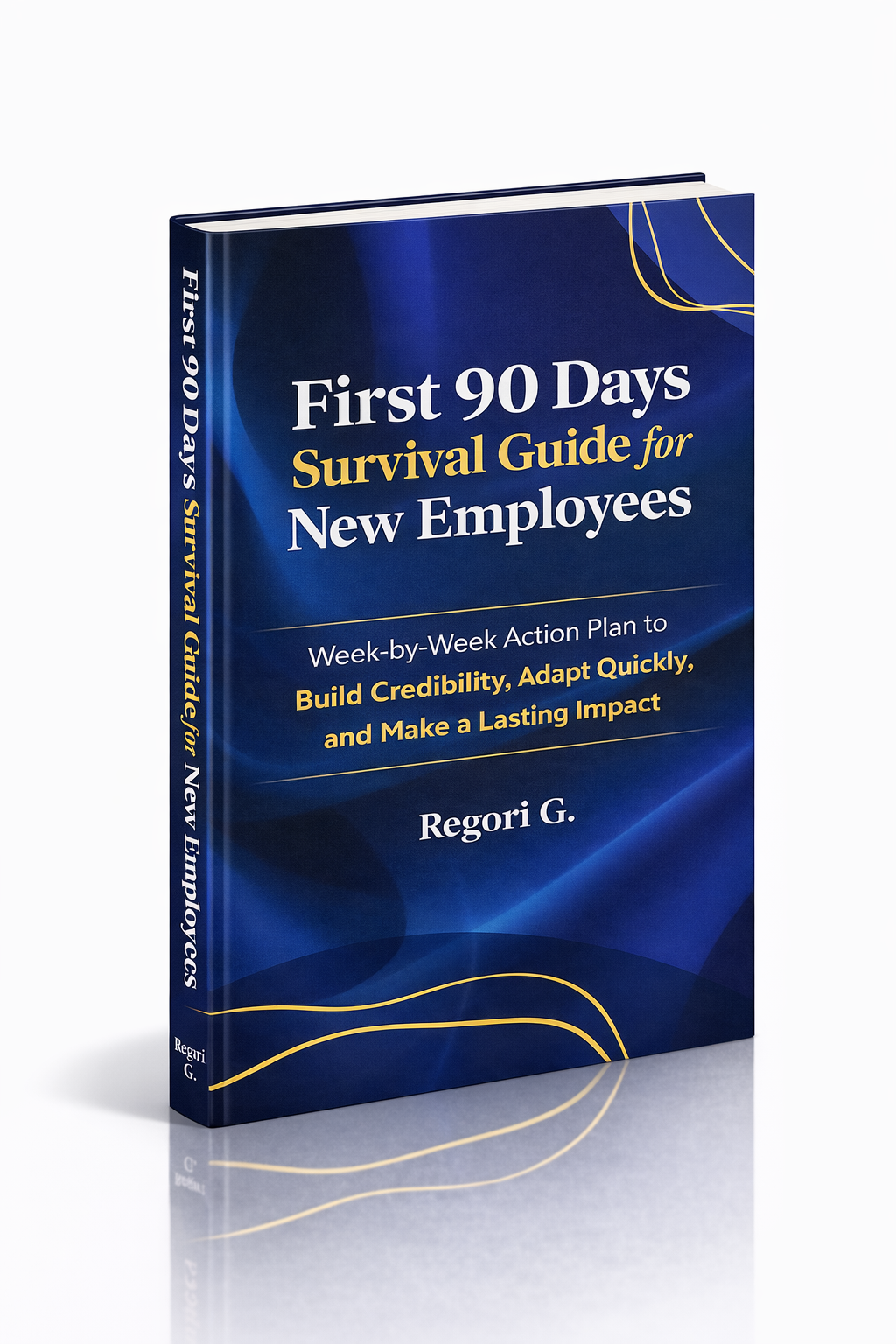
Guide 02
First 90 Days Survival Guide
Hit the ground running and make your mark from day one.
Get it →
Guide 03
Interview Success for Introverts
7 proven steps to shine in interviews — even if you hate the spotlight.
Get it →