

The 5 Interview Mistakes That Cost You the Job
What's silently killing your chances — and what top candidates do instead. Delivered instantly to your inbox.
No spam. Unsubscribe anytime. Privacy Policy & Terms
- Why "I'm a hard worker" destroys your chances
- What interviewers decide in the first 90 seconds
- How to handle tough questions with confidence
- The salary mistake almost every candidate makes
Navigating the Emotional Rollercoaster of a New Job
Starting a new job can feel like an emotional rollercoaster, a whirlwind of excitement, anxiety, and uncertainty. It’s natural to have mixed feelings as you take this significant step in your career. Understanding how to navigate these emotions can set you up for a successful transition. Here are some key strategies to help you handle the emotional ups and downs of starting a new position.
Recognize Your Emotions
When beginning a new job, you’ll likely experience various emotions, from exhilaration to stress. Being aware of what you feel is the first step toward managing these emotions. Take some time each day to reflect on your feelings and identify what specific situations trigger them. This awareness helps in creating coping strategies for challenging moments.
Reach Out for Support
Connecting with friends, family, or even colleagues can provide emotional relief. Sharing your experiences and discussing your feelings makes the load lighter. Consider the following support options:
- Talk to a trusted friend about how you feel.
- Seek advice from a mentor who has experience in similar roles.
- Join networking groups or create connections with new colleagues.
Establish a Routine
Creating a daily routine can help ground you in your new environment. A consistent schedule can provide a sense of stability and predictability during a time that often feels chaotic. Here are steps to establish an effective routine:
- Start your day early: Allow some time to prepare mentally.
- Plan your commute: Ensure you account for travel time to reduce anxiety.
- Set daily goals: Outline what you want to achieve at work every day.
Practice Self-Care
Taking care of yourself physically and mentally is crucial during this transition. Engage in activities that promote well-being, such as:
- Regular exercise to keep your energy levels up.
- Mindfulness or meditation practices to reduce stress.
- A balanced diet to maintain overall health.
Use Time Management Techniques
Good time management will not only boost your efficiency but also help you feel more in control. Consider time management techniques such as:
- Prioritizing tasks using the Eisenhower Matrix.
- Setting specific time blocks for projects and meetings.
- Using productivity apps to keep track of your workload.
Accept That It’s Okay to Make Mistakes
In a new job, mistakes are a normal part of the learning process. Instead of being discouraged by errors, view them as opportunities for growth. Embrace the growth mindset and understand that everyone was once new on the job. This positive perspective will provide resilience during difficult moments.
Celebrate Small Wins
Recognizing your achievements, no matter how small, can help elevate your mood and build confidence. Make it a habit to celebrate milestones such as:
- Successfully completing your first project.
- Building rapport with a colleague.
- Receiving positive feedback from your manager.
Stay Open to Learning
A new job is a great opportunity for personal and professional development. Embrace a learning attitude by:
- Asking questions when you’re unsure.
- Seeking feedback from team members regularly.
- Participating in training sessions or workshops offered by your employer.
Keeping yourself mentally open and flexible will make the transition smoother and less stressful.
If you find the emotional turbulence overwhelming, consider professional support. Many workplaces offer employee assistance programs to help employees navigate stressful times. You can also access resources at American Counseling Association that provide valuable insights on handling job transitions.
Remember, the emotional rollercoaster when starting a new job is part of the journey. Embrace the highs and lows as they mold you into a resilient professional capable of overcoming challenges.
Strategies for Managing Stress in the First Few Weeks
Starting a new job is both exciting and overwhelming. The first few weeks can feel like an emotional rollercoaster with a mix of anticipation, anxiety, and stress. Managing stress effectively is crucial to help make a smooth transition into your new role. Here are some strategies that can help you handle the pressures that come with this change.
Establish a Routine
Creating a daily routine can provide structure during your first weeks at work. It helps in two major ways:
- Time Management: A routine allows you to allocate specific times for work tasks, breaks, and personal time.
- Reducing Uncertainty: Knowing what to expect each day lowers anxiety.
You may start by planning your mornings. Set aside time for a healthy breakfast, and leave early to avoid feeling rushed. Consistency in your routine can be comforting.
Develop a Support System
Connecting with your colleagues can significantly ease stress. Here’s how to create a support network:
- Identify a Buddy: Many companies assign onboarding buddies. If not, consider reaching out to someone you click with during orientation.
- Participate in Team Activities: Join lunch outings or after-work gatherings. This fosters relationships and integrates you into the team.
Having supportive coworkers helps build confidence and provides a space for expressing your feelings.
Practice Mindfulness Techniques
Mindfulness can be an effective way to manage stress. Here are a few techniques to try:
- Deep Breathing: Take a few deep breaths to calm your mind before starting a challenging task.
- Meditation: Take five minutes at your desk to meditate. Apps like Headspace or Calm can guide you.
- Grounding Exercises: Focus on your surroundings. Notice five things you can see, four you can touch, three you can hear, two you can smell, and one you can taste.
These mindfulness practices can help bring your stress levels down, enhancing focus and emotional well-being.
Set Realistic Expectations
In the first few weeks, it is natural to feel overwhelmed. Set achievable goals to maintain a sense of accomplishment. Here’s how:
- Break Tasks Down: Rather than viewing a large project all at once, break it into manageable steps.
- Limit Your Focus: Tackle one new task at a time instead of getting distracted by multiple responsibilities.
Remember, it takes time to adjust to a new work environment; be patient with yourself.
Maintain Work-Life Balance
As you dive into your new job, ensure you’re not neglecting personal time. Here are ways to maintain balance:
- Set Work Hours: When your workday ends, try to disconnect completely.
- Engage in Hobbies: Spend time doing things you love, whether it’s reading, exercising, or spending time with family.
This balance is crucial for avoiding burnout and keeping a positive outlook on your new position.
Seek Feedback and Clarification
Don’t hesitate to ask for assistance. Your supervisors and colleagues expect questions, especially from new hires. Here are tips on how to approach them:
- Schedule Check-Ins: Regularly meet with your manager to discuss your progress and clarify expectations.
- Be Open About Challenges: Sharing difficulties can lead to guidance and support from coworkers.
Feedback helps you refine skills and motivates you by confirming your growth.
Understanding how to handle the stress that accompanies starting a new job will ease fluctuations in emotion and drive you toward success. Utilize these strategies to not only survive but thrive in your new environment.
If you are seeking further resources on stress management in the workplace, consider exploring American Psychological Association and Mind for additional insights and support strategies.
Building Relationships with Coworkers and Supervisors
Building strong relationships with coworkers and supervisors is crucial in any workplace. It not only improves your work environment but also enhances teamwork and communication. Here are several key strategies to foster these important connections.
Understand the Importance of Relationships
Relationships in the workplace can significantly impact productivity and job satisfaction. When you connect with your colleagues and supervisors, you create a supportive network that can help you navigate challenges and celebrate successes. These relationships can lead to:
- Increased collaboration on projects.
- Better communication and sharing of ideas.
- A more enjoyable work atmosphere.
- Opportunities for mentorship and professional growth.
Be Approachable and Friendly
One of the simplest ways to build relationships is to be approachable. Smile, greet your coworkers, and show genuine interest in their lives. This can be as easy as asking how their weekend was or discussing a hobby. Being friendly opens the door to more meaningful conversations.
Effective Communication Is Key
Good communication forms the backbone of strong relationships. Make an effort to listen actively when your coworkers and supervisors speak. This means paying attention, offering feedback, and asking questions. Remember that communication is a two-way street.
Tips for Effective Communication:
- Use open-ended questions to encourage dialogue.
- Avoid interrupting others when they are speaking.
- Summarize what others say to ensure understanding.
Engage in Team Activities
Participate in team-building exercises, work events, or social gatherings. These activities allow you to step out of the usual work context and interact with your colleagues in a more relaxed setting. Building rapport outside of your regular tasks can strengthen your relationships significantly.
Show Appreciation and Recognition
Everyone appreciates a little recognition. Acknowledge your coworkers’ achievements and contributions. This can be as simple as a note of thanks or verbal praise in meetings. When people feel valued, they are more likely to engage positively and build relationships with you.
Be Helpful and Supportive
Offering help is a powerful way to build strong ties in the workplace. When you see a colleague who is struggling, step in to lend a hand. This gesture not only demonstrates your willingness to support others, but it also builds goodwill and trust.
Build Trust Through Transparency
Being honest and transparent in your interactions helps build trust. Whether you are discussing team goals or project challenges, being open about your thoughts fosters a culture of honesty. This encourages others to be transparent as well, enhancing your professional relationships.
Seek Feedback and Act on It
Constructive feedback is essential for personal and professional growth. Don’t shy away from asking your supervisors and peers for their insights on your work. Taking their feedback on board shows that you value their opinions and are committed to improvement, thus enhancing your relationships.
Utilize Workplace Resources
Many organizations offer resources for professional development and team bonding. Participate in workshops, training sessions, and seminars where you can learn and connect with others. Check out SHRM to explore various resources that can bolster workplace relationships.
Be Patient and Persistent
Building strong relationships takes time. Don’t rush the process, and be patient with yourself and others. Consistent effort in nurturing these connections will lead to more robust relationships over time.
The impact of strong relationships cannot be underscored enough. By implementing these strategies, you can enjoy a more fulfilling work life. Relationships built on trust, support, and open communication will undoubtedly create a more pleasant and productive workplace.
Recognizing Signs of Overwhelm and Burnout
Feeling overwhelmed or experiencing burnout can significantly affect your mental health and productivity. It’s important to recognize the signs early on, enabling you to take action before your situation worsens. Here are some common indicators to be mindful of.
Physical Symptoms
Your body often speaks before your mind does. Here are some physical signs to look out for:
- Chronic Fatigue: Feeling exhausted even after a full night’s sleep can indicate you’re pushing your limits.
- Headaches and Migraines: Frequent head pain might be linked to ongoing stress and overwhelm.
- Changes in Appetite: Stress can lead to overeating or a loss of appetite.
- Insomnia: Trouble falling asleep or staying asleep often accompanies feelings of burnout.
Emotional Indicators
Your emotional state can reveal a lot about your mental health. Pay attention to the following signs:
- Irritability: If you find yourself snapping at colleagues or loved ones over minor issues, it might be a sign of emotional strain.
- Feeling Overwhelmed: A constant sense of being stretched too thin can be a red flag.
- Loss of Motivation: Once-exciting tasks may start to feel dull or unbearable.
- Increased Anxiety: Feelings of anxiety can escalate when you’re exhausted.
Cognitive Signs
Cognitive signs can affect your focus and productivity. Consider the following:
- Difficulty Concentrating: Trouble focusing on tasks or decisions may stem from mental exhaustion.
- Memory Lapses: Forgetting tasks or appointments could indicate overwhelming stress.
- Indecisiveness: Struggling to make even simple choices can be a clue that you need a break.
Behavioral Changes
Behavioral changes can greatly affect your relationships and productivity at work. Watch for these signs:
- Avoiding Responsibilities: You may find yourself procrastinating or ignoring important tasks.
- Isolation: Withdrawing from friends, family, or social events can be a sign of emotional fatigue.
- Substance Abuse: Some individuals turn to alcohol or drugs as a way to cope with stress.
Tools for Recognition
Recognizing these signs is just the first step. Here are some strategies to help you monitor your emotional well-being:
| Tool | Description |
|---|---|
| Journaling | Keep a daily journal to track your feelings and identify patterns of stress. |
| Mood Tracking Apps | Apps like Moodfit or Daylio can help you monitor emotional changes over time. |
| Regular Check-ins | Schedule weekly self-check-ins to assess your mental state and stress levels. |
Seeking Help
If you notice these signs in yourself, it’s crucial to seek help. Mental health professionals can provide strategies to cope with stress and avoid burnout. Don’t hesitate to talk to a trusted friend or counselor. You aren’t alone in this.
For more information on mental health and recognizing burnout signs, visit MentalHealth.gov or American Psychological Association.
Recognizing the signs of overwhelm and burnout early can help you take the necessary steps for recovery. It’s essential to listen to your body and mind, allowing yourself the compassion and support you need during challenging times.
Setting Realistic Goals for Personal and Professional Growth
Setting realistic goals is essential for both personal and professional growth. Whether you’re striving to advance in your career or enhance your life skills, having clear objectives can provide direction and motivation. Here’s how you can effectively set and achieve these goals.
Understand Your Current Situation
Before setting any goals, take the time to assess where you currently stand in both your personal and professional life. This self-assessment can help you identify your strengths, weaknesses, interests, and opportunities for growth. Consider using a SWOT analysis (Strengths, Weaknesses, Opportunities, Threats) to structure your thoughts.
Identify Your Long-Term Vision
What do you want to achieve in the long run? Picture your ideal life and career five or ten years from now. Defining a long-term vision can serve as your guiding star. Here are a few questions to think about:
- What personal skills would you like to develop?
- Where do you see yourself in your career?
- What impact do you want to have on others?
Break Down Goals into Smaller Steps
Once you have a broader vision, break it down into smaller, achievable goals. This makes the process less overwhelming and more manageable. Set short-term and mid-term goals that act as stepping stones towards your long-term vision. Here are the steps to consider:
| Goal Type | Description | Time Frame |
|---|---|---|
| Short-Term | Goals that can be achieved within a few months | 1-3 months |
| Mid-Term | Goals that take several months to achieve | 3-12 months |
| Long-Term | Major life or career aspirations that will take years to reach | 1-5 years or more |
Make Your Goals SMART
To ensure your goals are achievable, make them SMART – Specific, Measurable, Achievable, Relevant, and Time-bound.
- Specific: Define your goal clearly.
- Measurable: Identify how you’ll measure success.
- Achievable: Make sure it’s realistic given your resources.
- Relevant: Ensure the goal aligns with your long-term vision.
- Time-bound: Set a deadline for achieving your goal.
Stay Flexible and Adapt
Life is unpredictable, and you may face challenges that could alter your goals. Stay flexible and willing to adapt your objectives as necessary. Re-evaluate your goals regularly and adjust your plans. This will help you stay on track even when circumstances change.
Find Support and Accountability
Sharing your goals with friends, family, or colleagues can provide additional motivation. Consider finding an accountability partner who can help keep you on track. Regular check-ins can motivate you and provide encouragement when you feel discouraged. Online platforms, such as group coaching or workshops, can also help enhance your growth journey.
Celebrate Small Milestones
Don’t wait until you achieve your long-term goal to celebrate. Acknowledge and reward yourself for accomplishing smaller milestones along the way. This practice can boost your motivation and remind you of your progress.
Continually Evaluate Your Progress
Regularly assess your progress towards achieving your goals. What are you doing well? Where do you need to improve? Adjust your methods as necessary, and keep your focus on your vision. Utilize tools and apps for tracking your goals to help visualize your progress.
By setting realistic goals for personal and professional growth, you create a roadmap for your future. Remember to keep your goals flexible, measure your progress, and celebrate achievements along the way. For further insights on goal setting, you may visit Mind Tools or check out Forbes for a deeper dive.
The Importance of Self-Care During Job Transitions
Transitioning to a new job can bring a whirlwind of emotions. Each person experiences unique feelings such as excitement, anxiety, and uncertainty. Taking care of your mental and physical well-being during this time is crucial. Remember to prioritize self-care as you navigate through the changes. Here are several ways to practice self-care during job transitions.
Recognize Your Emotions
It’s normal to have mixed feelings when starting a new job. You might feel thrilled about new opportunities while also being apprehensive about fitting in or meeting new expectations. Acknowledging and accepting these feelings is the first step to managing them. Use techniques like journaling to sort through your emotions and express what you’re experiencing. Writing down your thoughts can help clarify the confusion that often accompanies job transitions.
Set Realistic Expectations
Starting a new role means learning new skills and understanding different dynamics. Instead of expecting immediate success, give yourself time to acclimate. Set small, achievable goals to avoid overwhelming yourself. For example, focus on learning one new task a day instead of mastering everything at once. Celebrate these small victories to keep your motivation up. Here are some goals you can set for your first weeks:
- Learn the names of your coworkers.
- Understand company policies.
- Complete a project to the best of your ability.
Establish a Routine
Creating a daily routine can help establish a sense of normalcy in your life. Try to stick to a schedule that includes time for work, relaxation, and personal interests. Balancing work and personal time wisely is essential to ensuring that you don’t feel overwhelmed. Even a small routine, like taking a walk during lunch or having a cup of tea each evening, can promote mental health. Aim for consistency, as it will help your mind to adjust to the new environment more smoothly.
Stay Physically Active
Physical activity is a powerful way to manage stress. Regular exercise releases endorphins, which can boost your mood and energy levels. Incorporate activities you enjoy into your routine, whether that’s yoga, cycling, or even a walk in the park. Aim for at least 30 minutes of physical activity most days of the week. If you’re unsure where to start, consider using fitness apps like MyFitnessPal or Strava to track your progress and stay motivated.
Connect with Others
Your support network can provide you with encouragement and understanding. Share your experiences with friends and family or network with new colleagues. Building connections can make the transition smoother. You might also explore online communities such as LinkedIn groups or forums related to your profession for additional support. Engaging with others who are going through similar transitions can offer new perspectives and alleviate feelings of isolation.
Practice Mindfulness and Relaxation
Mindfulness practices into your routine can significantly reduce stress. Techniques such as meditation, deep breathing, or progressive muscle relaxation can help center your thoughts. Apps like Headspace or Calm can guide you through these practices. Experiment with different methods to find what resonates with you.
Seek Professional Help if Needed
If you feel overwhelmed and unable to cope with your feelings, don’t hesitate to reach out for help. A therapist or counselor can provide you with strategies to deal with your emotional challenges effectively. Services like BetterHelp offer online therapy options if you prefer a remote setting. Seeking help shows strength and a willingness to invest in your mental health during challenging times.
Reflect and Adjust
As you become more settled in your new job, take time to reflect on your experiences. Consider what strategies worked well for you and what didn’t. Adjust your self-care approach accordingly. Being adaptable will help you navigate future transitions more successfully.
Job transitions are often filled with ups and downs. By practicing self-care, you can create a supportive environment that facilitates smoother changes. Remember, taking care of yourself is equally as important as excelling at your new job.
For additional resources on coping with job transitions and self-care, check out Psychology Today’s guide on self-care and Forbes’ article on job transitions and self-care.
Celebrating Small Wins to Boost Confidence and Morale
When you embark on a new journey, particularly in your professional life, every step can feel like a monumental task. It’s easy to overlook the smaller victories when you’re focused on the larger goals. However, celebrating these small wins is crucial for enhancing your confidence and boosting morale. By recognizing and appreciating the small successes along the way, you can create a positive mindset that propels you forward.
It may start with the completion of a project, receiving praise from your manager, or simply mastering a new skill. Even small tasks, like organizing your workspace or completing a to-do list, deserve acknowledgment. Here are several strategies to celebrate these small wins effectively:
Create a Celebration Culture
Whether you’re working alone or as part of a team, fostering an environment that celebrates small wins is vital. You can:
- Recognize Achievements Publicly: Share accomplishments on team meetings, internal news boards, or group chats. Public acknowledgment reinforces efforts and encourages others.
- Establish Fun Rituals: Create simple rituals, such as high-fives after completion of tasks or virtual shout-outs in meetings.
- Set Milestones: Break larger projects into smaller milestones and celebrate when each is achieved. This approach makes the overall goal less overwhelming.
Incorporate Reflection
Taking time for reflection can help you appreciate your journey. Consider keeping a journal where you jot down the small wins and how they contribute to your larger goals. Over time, looking back at these entries will remind you of your progress and boost your confidence. Regular reflection allows you to:
- Recognize Patterns: Identify what works for you and replicate those strategies.
- Assess Growth: Evaluate how far you’ve come and what you’ve learned along the way.
- Increase Self-Awareness: Gain a clearer understanding of your capabilities and areas for improvement.
Connect with Your Team
If you work as part of a team, sharing small wins can significantly uplift group morale. Here’s how you can foster team connections through celebrating wins:
- Share Success Stories: Start team meetings by highlighting individual small wins. This practice can set a positive tone and motivate everyone.
- Encouragement and Support: Encourage team members to celebrate each other’s achievements, creating a supportive environment.
- Collaborative Goals: Establish shared objectives that allow team members to work together toward small wins.
Use Visual Reminders
Visual cues can serve as powerful reminders of achievements. Here are some options to consider:
- Achievement Board: Create a board where you can pin notes about your accomplishments. This board can be displayed in your workspace or shared digitally with your team.
- Progress Trackers: Use charts or graphs to visually represent progress on projects. The visuals can be motivating and show tangible progress.
- Celebrate with Tangible Rewards: Consider treating yourself or your team with small rewards like snacks, certificates, or humorous trophies whenever a small goal is achieved.
The celebration of small wins into your daily routine can make a significant difference in your professional life. When you acknowledge and appreciate the progress you make, no matter how small, it can lead to increased motivation, enhanced teamwork, and improved overall well-being.
To further refine your abilities to celebrate small wins and understand its impact on mental health and workplace culture, check out these resources: Forbes, Mind Tools, and Buffer Blog.
Key Takeaway:
Navigating the emotional rollercoaster of a new job can feel both exhilarating and overwhelming. It’s a journey filled with high expectations, moments of uncertainty, and a steep learning curve. The first few weeks often bring about a surge of stress as you adjust to your new environment. However, there are strategies you can employ to manage this stress effectively. Establishing a routine, prioritizing tasks, and engaging in open communication with your supervisors can significantly ease that initial anxiety.
Building relationships with coworkers plays a crucial role in creating a supportive work atmosphere. By fostering connections with your team, you can not only enhance your job satisfaction, but also create a network of allies who can help you along the way. Remember, these relationships are not only beneficial for professional development but also provide emotional support during challenging times.
It’s also essential to recognize the signs of overwhelm and burnout. During this transition period, your body and mind may signal distress through exhaustion or a decrease in motivation. Pay attention to these signals; they can help you determine when it’s time to take a step back and recharge. Setting realistic goals for your personal and professional growth is another key takeaway. While ambition is commendable, it’s important to pace yourself and set attainable milestones to avoid feeling discouraged.
Self-care should be a priority during job transitions. Taking time for yourself—whether it’s through exercise, hobbies, or relaxation—can significantly improve your mood and productivity. celebrating small wins is vital for boosting confidence and morale. These achievements, no matter how minor they may seem, contribute to your overall success and can help maintain a positive outlook.
Handling the emotional challenges of a new job doesn’t have to be daunting. By implementing stress management strategies, building supportive relationships, recognizing your limits, setting achievable goals, prioritizing self-care, and celebrating successes, you can navigate these turbulent waters with greater ease and confidence. Embrace the journey ahead—you’re not alone, and each step you take brings you closer to finding your footing in your new role.
Conclusion
Embracing the emotional rollercoaster of a new job can feel overwhelming, but by applying effective strategies, you can navigate these ups and downs with confidence. Managing stress in the first few weeks is crucial; make sure to take breaks, practice deep breathing, or engage in quick exercises to maintain a calm mindset. Building relationships with coworkers and supervisors creates a supportive atmosphere, making it easier to adjust and thrive.
Being aware of signs of overwhelm and burnout is essential for your well-being. If you notice yourself feeling exhausted or disengaged, it’s time to reassess your workload and prioritize self-care. Set realistic goals for both personal and professional growth, allowing yourself to grow at a comfortable pace without adding unnecessary pressure.
Self-care during job transitions cannot be overstated. Whether that means maintaining a regular exercise routine, eating nourishing meals, or finding time to relax, these practices are vital for sustaining your energy and focus. celebrating small wins can significantly boost your confidence and morale. Each accomplishment, no matter how minor, is a step towards making your new job feel like home.
Remember, you’re not alone on this journey. By applying these strategies and focusing on your well-being, you can transform the initial challenges of a new job into opportunities for learning and personal growth. Embrace the process, and soon enough, you’ll find your rhythm in your new professional environment.
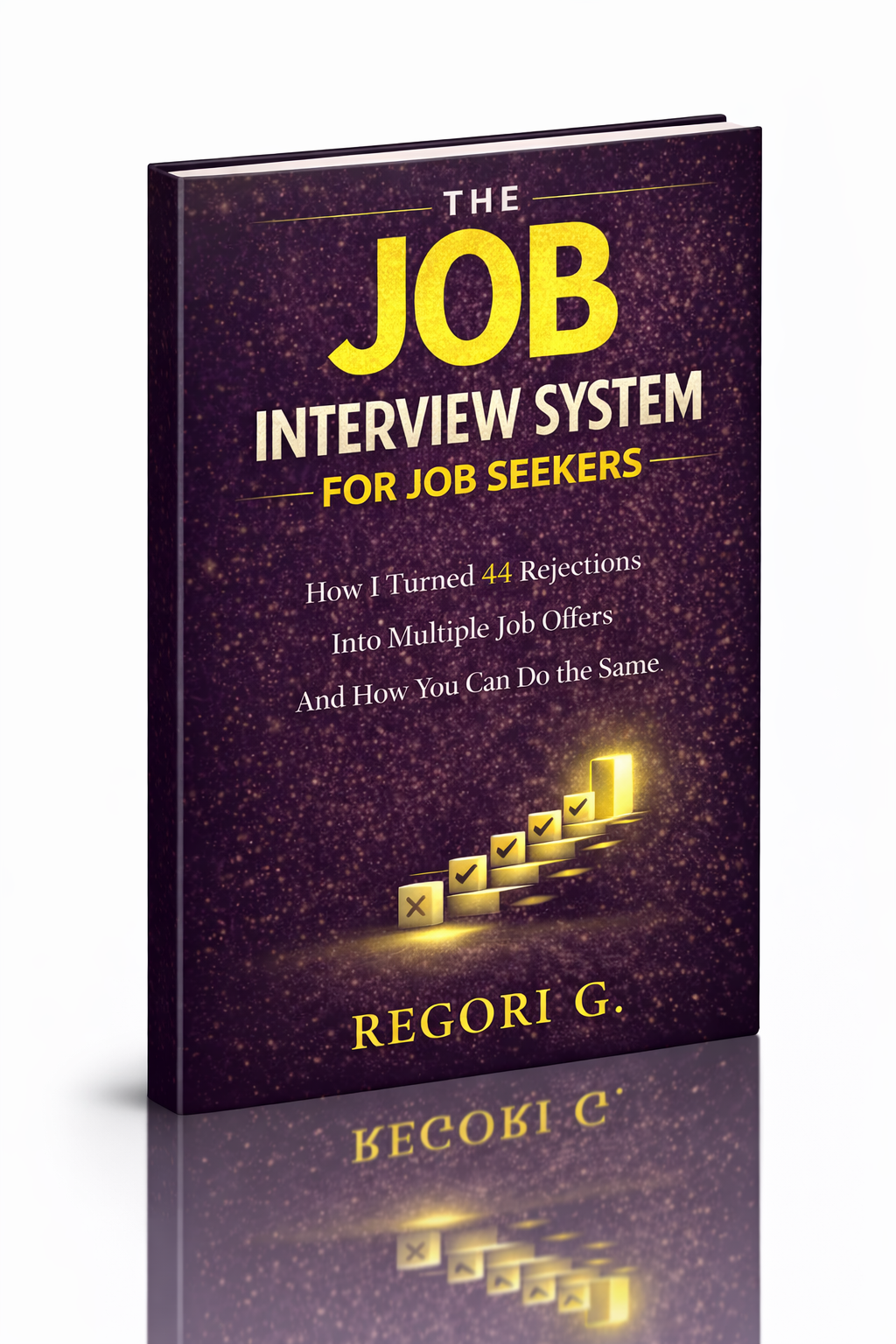
visit The Job Interview System for Job Seekers on Gumroad. A practical guide built for people who are serious about landing the job they want. For more interview guides, career tips, and job search resources, visit the Love PDF Guides home page.
Your Next Chapter
Starts with the Right Guide
Three straight-talking PDF guides to help you win interviews, beat the first 90 days and thrive as an introvert. Instant download on Gumroad.
Guide 01
The Job Interview System
Step-by-step interview prep that turns nerves into confidence.
Get it →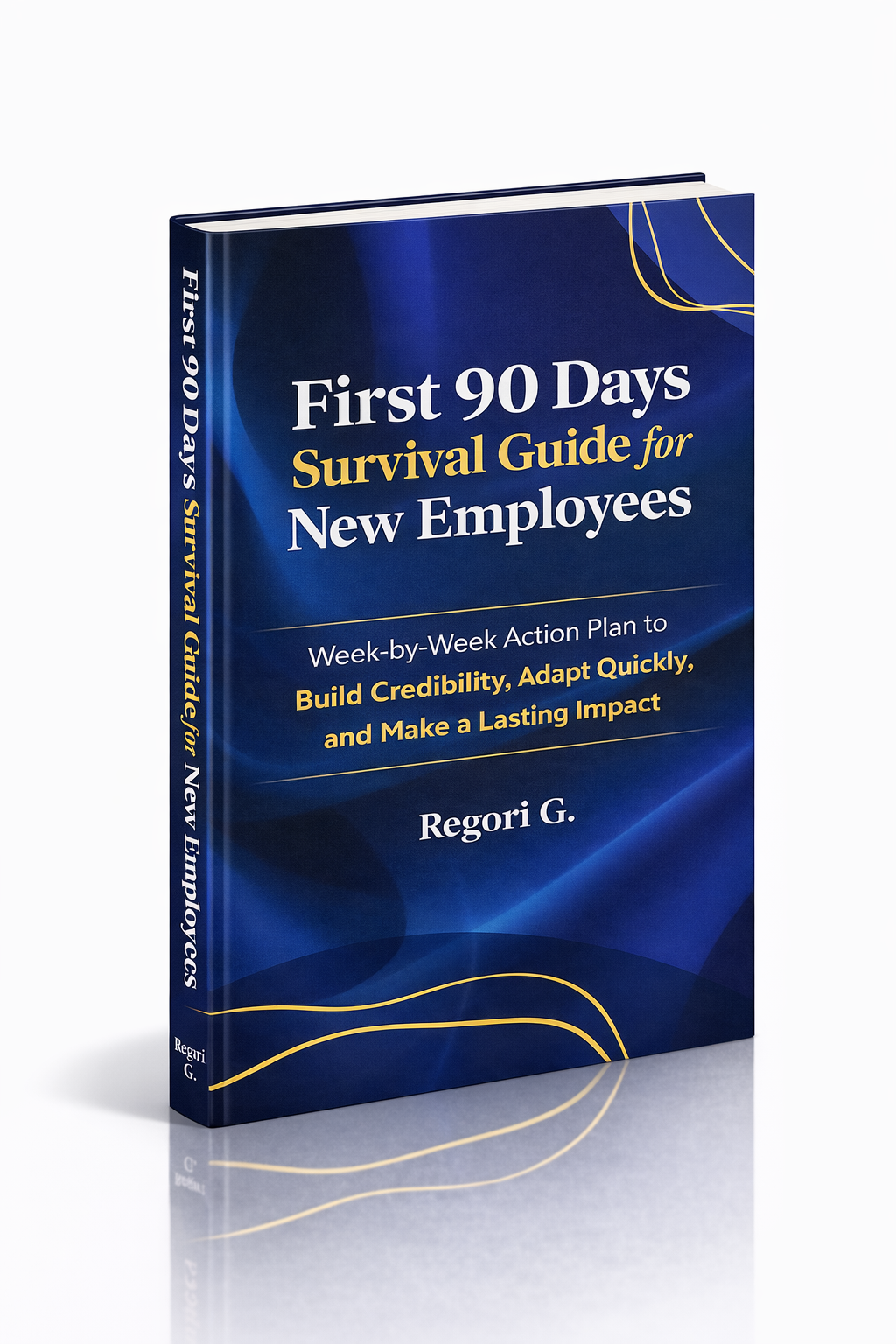
Guide 02
First 90 Days Survival Guide
Hit the ground running and make your mark from day one.
Get it →
Guide 03
Interview Success for Introverts
7 proven steps to shine in interviews — even if you hate the spotlight.
Get it →