

The 5 Interview Mistakes That Cost You the Job
What's silently killing your chances — and what top candidates do instead. Delivered instantly to your inbox.
No spam. Unsubscribe anytime. Privacy Policy & Terms
- Why "I'm a hard worker" destroys your chances
- What interviewers decide in the first 90 seconds
- How to handle tough questions with confidence
- The salary mistake almost every candidate makes
How to Handle When Your New Job Turns Out to Be Toxic
Starting a new job often brings a mix of excitement and anxiety. However, when your new workplace turns out to be toxic, it can lead to significant stress and burnout. It’s important to recognize the signs of a toxic environment and develop strategies to handle the situation effectively.
Identifying a toxic workplace is the first step toward resolution. Here are common signs that you may be in a toxic job:
- Constant negativity and gossip among colleagues
- Lack of support from management
- Unrealistic expectations and excessive workload
- Frequent conflicts and poor communication
- Feeling undervalued or disrespected
Once you identify the toxicity, it’s crucial to take action. Here are strategies to manage your situation:
Assess Your Situation
Before making any decisions, take a step back to assess your situation. Ask yourself questions like:
- What specific behaviors or events have contributed to my feelings of toxicity?
- Am I allowing these behaviors to affect my performance or well-being?
- Have I spoken to anyone about my experiences?
By reflecting on these questions, you can gain clarity about your feelings and the nature of the workplace. This will help you understand the best way to approach the situation.
Seek Support
Don’t face a toxic work environment alone. Reach out to trusted colleagues, friends, or family members. Sharing your experience can provide emotional relief and insightful perspectives. Often, talking things through can help you feel less isolated.
Document Your Experiences
Keeping a record of incidents that contribute to the toxicity is essential. Document dates, times, and specifics of any negative interactions or harmful behavior. This documentation can provide a clear picture if you need to escalate your concerns to HR or management later on.
Communicate Your Concerns
If you feel comfortable, address your concerns directly with your manager or HR. Use your documentation to highlight specific patterns of behavior, and express how they affect your work. Here are some tips for effective communication:
- Stay calm and professional.
- Use “I” statements to express how the situation impacts you (e.g., “I feel overwhelmed when…”).
- Suggest possible solutions or changes that could improve the environment.
Explore Your Options
If the toxicity persists despite your efforts, it may be time to explore your options:
- Look for new job opportunities while still employed.
- Network with industry contacts to find a better fit.
- Consider speaking to a career coach for guidance.
Moving to a new position can mean escaping a toxic environment and finding a place that values your contributions. Websites like Glassdoor can help you research company cultures and find better workplaces.
Practice Self-Care
Dealing with a toxic job can take a toll on your mental health. Engage in activities that promote your well-being:
- Exercise regularly to reduce stress.
- Meditate or practice mindfulness to build resilience.
- Connect with friends or family to recharge socially.
Self-care will help you maintain a clear mindset and build your strength as you navigate your toxic work situation. Resources such as Mindful can offer techniques and tips for managing stress.
Ultimately, handling a toxic job requires a combination of awareness, action, and self-care. By identifying the toxicity, seeking support, and knowing when to move on, you can protect your well-being and find a more positive work environment. Remember, your health and happiness come first—don’t compromise on that.
If you need additional support, look into resources like Harassment Help, that provide assistance for those facing workplace issues. Knowing where to turn for help can make all the difference.
Recognizing Signs of a Toxic Work Environment
Recognizing the signs of a toxic work environment is crucial for your mental and emotional well-being. A healthy workplace fosters positivity and growth, but when that shifts, it can be difficult to navigate. Here are several key indicators to watch for that may suggest your workplace is toxic.
Persistent Negative Attitudes
One of the first signs of a toxic work environment is when pessimism seems to reign supreme. If you notice that colleagues consistently express dissatisfaction, sarcasm, or cynicism, it can create a challenging atmosphere. Such negativity can be contagious, potentially harming your own outlook and productivity. Pay attention to how you feel after interactions with coworkers—if it’s predominantly drained, it may be a sign to look deeper.
Lack of Communication
Effective communication is critical for a healthy work culture. If you find that information is selectively shared or that there’s a chronic lack of feedback from superiors, it may foster feelings of confusion and isolation. This often leads to misunderstandings and decreased job satisfaction. Seek clarity in your role and responsibilities—if it’s consistently absent, it may indicate an unhealthy environment.
High Turnover Rates
Have you noticed a revolving door of employees at your workplace? A high turnover rate can signify underlying issues, ranging from poor management to unsatisfactory working conditions. If many people are leaving the company, it’s worth investigating what unifies their experiences. Understanding that you are not alone in your feelings can also provide comfort.
Unrealistic Expectations
In many toxic workplaces, there’s a prevailing culture of overwork. Employees might be expected to meet unattainable deadlines or perform tasks that are beyond the scope of their roles. This can lead to burnout and resentment among staff. If you feel consistently pressured to work harder, it’s a red flag that should not be ignored. Your well-being is paramount.
Micromanagement
While some supervision is necessary, excessive control over details is a hallmark of a toxic work environment. Micromanagement can signal a lack of trust from leadership and can stifle creativity and motivation. If you find yourself constantly being second-guessed or not allowed to take ownership of your tasks, it may be detrimental to your job satisfaction.
Gossip and Drama
A workplace where gossip flourishes can breed mistrust and conflict. If you are consistently surrounded by drama—whether it’s between coworkers or initiated by management—it can create a toxic culture that saps morale and focus. Be aware of the dynamic in your workplace and address it promptly if you’re feeling besieged by negativity.
Work-Life Imbalance
Toxic workplaces often demand more time and energy than one can reasonably give. If you frequently find yourself answering emails late into the evening or working weekends, it may be time to assess how your workplace respects personal time. Everyone deserves a boundary between work and home life; if those boundaries are being crossed, your mental health could suffer.
Emotional Exhaustion
One of the most telling signs of a toxic work environment is emotional exhaustion. If you dread going to work or feel consistently drained after your shifts, it may reflect the discomfort of your surroundings. Recognizing this as a sign is the first step toward protecting your well-being. Addressing these feelings can lead you to seek a healthier work situation.
In recognizing these signs, remember to be proactive. Address your concerns directly with management where possible. Establishing boundaries and seeking support from colleagues can also be instrumental. If you feel that your workplace is harmful to your mental health, consider researching your options for a more positive environment. Websites such as Healthy Workplaces provide useful tips on workplace wellness.
Remember that your job is a significant aspect of your life, but it does not define your worth. Seeking a supportive and positive work environment is not just a desire; it’s a necessity. If you find yourself in a toxic situation, prioritizing your well-being is the best course of action.
Strategies for Coping with Workplace Toxicity
Starting a new job can be both exciting and nerve-wracking. However, when your new role turns out to be toxic, it can create feelings of doubt and anxiety. Understanding how to handle such situations is crucial for your mental well-being and career progression. Here are some strategies for coping with workplace toxicity that can help you navigate these turbulent waters.
Identify the Signs of Toxicity
Recognizing a toxic workplace environment is the first step toward addressing it. Here are some common signs:
- Constant negativity from colleagues or management
- High levels of gossip or backstabbing
- A lack of support and excessive micromanagement
- Frequent burnout and high employee turnover
- Feeling undervalued or unappreciated
If you find yourself experiencing these issues, it’s essential to take a step back and evaluate your situation.
Establish Boundaries
Setting boundaries is a key strategy for dealing with toxic work environments. Here’s how you can protect yourself:
- Limit interactions with negative coworkers.
- Communicate your needs clearly but assertively.
- Make time for breaks to recharge your energy.
- Focus on your work and avoid engaging in office drama.
By setting these boundaries, you can create a mental space that helps shield you from the toxicity around you.
Find Support Systems
Building a support system can help you cope with a toxic workplace. Seek out colleagues you trust or find a mentor who understands the dynamics of your environment. Consider the following:
- Develop friendships with positive colleagues.
- Join employee resource groups or support networks.
- Engage with professional communities outside your workplace.
Having people to talk to can greatly alleviate the stress caused by workplace toxicity.
Practice Self-Care
Coping with a toxic environment can take a toll on your mental and physical health. Prioritize self-care to help you stay grounded. Here are some effective self-care strategies:
- Exercise regularly to boost your mood and energy levels.
- Engage in mindfulness practices like meditation or yoga.
- Focus on hobbies and activities outside of work for mental relief.
- Ensure you get enough rest and maintain a healthy diet.
Regular self-care allows you to recharge and gives you the strength to face challenges slung your way.
Document Everything
It’s important to document instances of toxicity, especially if your situation escalates. Keeping a record can be helpful if you need to report the behavior to HR or management. Here’s what you might want to note:
- Dates and times of toxic incidents
- Specific remarks or behaviors that were damaging
- Any witness accounts, if applicable
Being organized and prepared can help you address the issue more effectively if necessary.
Consider Your Options
If the toxicity doesn’t improve, you may want to consider your options. Sometimes, leaving the toxic environment is the best choice for your mental health. Here’s how you can approach this decision:
- Evaluate other job opportunities that align with your career goals.
- Update your resume and LinkedIn profile.
- Start networking within your industry.
Your mental health should always come first, and sometimes a new beginning is the answer.
Seek Professional Help
If the toxicity is severely affecting your mental health, don’t hesitate to seek help from a mental health professional. A psychologist or counselor can provide coping strategies tailored to your situation.
Workplace toxicity is a serious issue that can impact your overall life satisfaction. For more resources and advice, consider visiting Verywell Mind or Mind Tools.
Remember that you are not alone in this struggle, and taking proactive steps can help you reclaim your peace of mind and career satisfaction.
The Importance of Setting Boundaries in a Toxic Job
Entering a new job should be a time of excitement and opportunity. However, it can turn sour if you find yourself in a toxic work environment. One of the most effective ways to navigate such a situation is by setting clear boundaries. By doing so, you can protect your mental and emotional well-being.
Understanding what constitutes a toxic workplace is crucial. Toxic environments often feature:
- Constant negativity or criticism
- Lack of support from colleagues or management
- Unrealistic expectations
- High turnover rates
When you identify these signs, it’s important to take proactive steps to safeguard yourself. Establishing boundaries can help you maintain your mental health and stay focused on your goals.
Here are some strategies for setting boundaries in a toxic job:
- Know Your Limits: Before you can set boundaries, you must understand what you are comfortable with. Figure out your personal and professional limits. Are you okay with working late, or do you need to leave on time to maintain a work-life balance?
- Communicate Clearly: Once you know your limits, communicate them with your team and supervisor. Use clear and assertive language to express what you can and cannot accept. For instance, if you feel overwhelmed with your tasks, say, “I can take on one more project, but I will need more time for it.”
- Practice Self-Care: Setting boundaries is not just about saying no; it is also about taking care of your well-being. Engage in activities outside of work that recharge you. Whether it’s a hobby, exercise, or spending time with loved ones, prioritize your mental and physical health.
- Seek Support: Don’t hesitate to reach out to your HR department or a trusted colleague if you need support. Document any toxic behavior you observe in the workplace. This not only helps you with support but can also provide evidence if you need to take further action.
- Be Prepared for Pushback: When you start to enforce your boundaries, you may face resistance. Some coworkers or supervisors may not appreciate changes, especially if they feel challenged. Stand firm in your decisions and remember that your well-being is paramount.
- Know When to Move On: If you have set boundaries, communicated them clearly, and witnessed no changes in the toxic environment, it may be time to consider other job opportunities. Maintaining your mental health and peace of mind should always come first.
In a toxic job, boundaries might sometimes seem difficult to establish. However, they are essential for your mental health. According to Psychology Today, boundaries protect you from being overextended and help you maintain a sense of self. When you assert your limits, you create a space where you can thrive, even in a challenging environment.
It’s also important to recognize that boundaries can help shift the workplace culture. When colleagues see you standing up for yourself, they may feel empowered to establish their own boundaries, thus creating a more supportive and healthy work atmosphere.
If your company provides resources like an Employee Assistance Program (EAP), take advantage of them. These programs often provide counseling and resources to help employees cope with workplace stress and toxicity.
Remember that no job is worth sacrificing your mental health. Establishing boundaries is an act of self-respect and self-care. By setting limits, you enhance not only your work-life harmony but also potentially inspire a healthier work culture.
For further guidance on managing toxic workplace situations, visit Verywell Mind and Forbes.
When to Consider Leaving a Toxic Workplace
Finding yourself in a toxic workplace can be disheartening and stressful. It’s essential to recognize the signs that your job environment is affecting your mental and physical well-being. Understanding when to consider leaving a toxic workplace can empower you to take action for your career and health.
One of the first red flags is the impact on your emotional health. If you constantly feel anxious, stressed, or depressed due to your work situation, it’s time to evaluate your options. A workplace where negative emotions thrive can lead to long-term mental health issues. You deserve a job that supports your well-being rather than detracting from it.
Another sign is the lack of support from management or colleagues. When teamwork is heavily emphasized, any sense of isolation can indicate toxicity. If your ideas are consistently dismissed, and you feel undervalued, it may signal a deeper problem within the company culture. Recognize that feeling unsupported can hinder your professional growth.
Unclear or unrealistic expectations are significant indicators of a toxic work environment. When your workload is overwhelming and expectations are constantly changing without clear guidance, frustration is inevitable. It’s vital to know when excessive demands surpass reasonable limits. Prolonged periods of this can lead you to burnout. Be cautious if you notice a trend of unrealistic goals without the necessary resources to meet them.
Experiencing bullying or harassment is an immediate reason to consider leaving your job. No one should accept this behavior in the workplace. Assess whether complaints are taken seriously or simply ignored by upper management. A lack of action can be a sign of entrenched toxicity in the organization. If your work atmosphere feels threatening, prioritize your safety and well-being.
In addition, if you find yourself frequently complaining about work to friends or family, this can be a sign of dissatisfaction. Consistent negativity towards your job and workplace dynamics points to deeper issues that cannot be resolved. Listing why you dislike your job can help bring clarity to your feelings.
It’s useful to weigh the consequences of staying in a toxic workplace versus leaving. Consider the following:
- Emotional impacts: Staying may worsen stress levels, leading to long-lasting effects on your mental health.
- Career growth: Are you stuck? If so, consider that staying might keep you from future opportunities.
- Financial stability: Assess your financial situation. Sometimes, a toxic job can provide steady income, making immediate departure impractical.
Before making any move, seeking advice from trusted colleagues or mentors can provide valuable insights. They may have faced similar situations and can offer guidance. It’s important to gather as much information as possible to help your decision-making process.
When deciding to leave, it’s essential to have a plan. Consider the following steps:
- Update your resume and LinkedIn profile.
- Start networking and reach out to connections in your industry.
- Start applying for new opportunities while still employed.
- Prepare yourself for interviews and practice discussing your experiences professionally.
Finding the right time to move on is crucial. Inform your employer of your departure respectfully, allowing for a graceful exit. Exit interviews can be a productive way to share your experiences, but it’s essential to focus on constructive feedback and maintain professionalism throughout the process.
If you feel you’re in a toxic workplace, it’s essential to take action rather than letting the situation fester. Your career and well-being hinge on recognizing when to make a change. Always prioritize your mental health and consider professional help if needed.
For further guidance on this subject, you can visit Verywell Mind and Forbes for more insights and strategies.
Seeking Support: Finding Allies in a Toxic Environment
Finding yourself in a toxic work environment can be disheartening and stressful. However, one of the most effective strategies to manage this situation is by seeking support from others. Building a network of allies can help you navigate challenges, gain perspective, and ultimately find the strength to make informed decisions about your future. Here are some ways you can find allies and support in a toxic environment.
Identify Like-Minded Colleagues
The first step in seeking support is identifying colleagues who share your concerns or offer encouragement. Look for those who:
- Exhibit a positive attitude despite challenges.
- Show empathy towards others and engage in healthy communication.
- May have faced similar issues in the past.
Engage with them in discussions, whether in person or via workplace messaging platforms, to foster a bond over your shared experiences. This can create a small, supportive community within the larger toxic environment.
Utilize Professional Networks
Professional networks can be invaluable resources. Surrounding yourself with professionals from your industry can provide insight that goes beyond your current workplace. Consider reaching out to:
- Former colleagues who have moved on from similar situations.
- Industry peers you connect with through LinkedIn or professional associations.
- Mentors who can offer advice and support.
These individuals can provide you with guidance on handling toxic workplace dynamics and potentially help you explore new opportunities outside your current job.
Engage in Open Communication
Engaging in open and honest communication with your colleagues can also lead to finding allies. Here’s how you can approach it:
- Share your concerns and listen to theirs, fostering a two-way dialogue.
- Be discreet when discussing sensitive topics to maintain confidentiality.
- Acknowledge their bravery in speaking up about similar concerns.
This communication can not only help you feel less isolated but also strengthen bonds as you navigate the workplace together.
Leverage HR Resources
Human Resources plays a crucial role in fostering a healthy work environment. Approach them to discuss your concerns. Here’s how to engage effectively with HR:
- Document specific incidents that illustrate toxic behavior. This helps HR understand the gravity of the situation.
- Express your concerns clearly and calmly, focusing on the need for a healthier workplace.
- Ask for suggestions on resolving conflicts or improving team dynamics.
HR may provide mediation, resources, or support that can help change the atmosphere or guide you towards a more positive direction.
Seek External Support
Sometimes, external support can be essential. Consider reaching out to:
- Therapists or counselors who specialize in workplace issues.
- Support groups either online or within your community.
- Friends or family members who can provide emotional support.
Having an outside perspective can help you gain clarity on your situation and bolster your confidence in making decisions about your career.
Consider Reassessing Your Position
If the toxic environment persists despite seeking support, it may be time to reassess your role. Keep these points in mind:
- Evaluate your job satisfaction and mental well-being.
- Consider options for transferring to different departments or roles.
- Look for opportunities outside your company if needed.
Seeking out allies doesn’t just help you cope; it also empowers you to consider what’s best for your future. Being proactive in finding support can lead you to a better workplace, whether that’s within your current organization or elsewhere.
For more information about navigating toxic work environments, consider visiting resources such as Psychology Today or Mind Tools.
Remember, taking the step to seek out support is courageous. You don’t have to navigate toxicity alone; there are allies ready to help.
The Long-Term Effects of a Toxic Job on Your Well-being
When you find yourself in a toxic job environment, the consequences can seep into various aspects of your life. Many individuals may overlook the long-lasting effects that such a workplace can have on their mental, emotional, and physical well-being. Being aware of these potential impacts is crucial for your health and happiness.
One of the first signs of a toxic job is increased stress. A negative workplace can lead to chronic anxiety, affecting how you manage challenges both at work and in your personal life. Stress might manifest in numerous ways, such as:
- Insomnia or troubled sleep
- Frequent headaches or migraines
- Gastrointestinal issues
- Elevated blood pressure
Your body reacts to the constant strain. In due course, if these symptoms remain unaddressed, they can evolve into more severe health problems, such as heart disease or mental health disorders. Stress, particularly when prolonged, can also lead to burnout—a state of emotional, mental, and physical exhaustion.
In addition to physical health, your mental well-being is at stake in a toxic job. Chronic exposure to negativity can induce feelings of worthlessness or hopelessness. This is often characterized by:
- A lack of motivation to perform tasks
- Feelings of isolation or disconnection from coworkers
- Increased irritability or mood swings
- Difficulty concentrating on work or making decisions
Over time, these issues can escalate into serious conditions like depression or anxiety disorders. If left unchecked, they can affect relationships outside of work, as you may find it difficult to maintain personal connections. Seeking help through therapy or counseling can offer a way to cope.
Another critical aspect affected by a toxic job is your self-esteem. Repeated negative feedback, bullying, or lack of support can lead to self-doubt and decreased confidence. Individuals working in such environments often feel undervalued, resulting in:
- Lower productivity and performance
- A tendency to avoid taking risks or seeking advancement
- Increased feelings of self-criticism
Ultimately, this can trap you in a cycle where you feel stuck in your career. It’s vital to recognize these signs and consider whether a change is needed for the sake of your growth and happiness.
Relationship dynamics at work can also change drastically in a toxic setting. Consistently negative interactions can breed mistrust and hostility among teammates. This tension may lead to gossip, backstabbing, or lack of collaboration, which can lead to:
- Increased turnover rates within the team or organization
- Declining morale and team spirit
- Weakening of professional networks
When the workplace atmosphere becomes hostile, it not only affects individual employees but also has a broader impact on project success and organizational goals. In contrast, a supportive environment can foster collaboration and shared objectives.
Long-term exposure to a toxic workplace can also affect your career trajectory. People often find themselves stagnating in their careers due to the fear of change or the uncertainty of leaving a secure, albeit unhealthy, job. This reluctance to move can result in missed opportunities for professional advancement and growth. Keeping your resume updated and networking can help mitigate this stagnation.
If you suspect your job is having a detrimental effect on your well-being, it’s essential to take action. Consider reaching out to human resources or seeking opportunities within your organization that may have a healthier work culture. You can also explore resources offered by [Mental Health America](https://www.mhanational.org/) (opens in a new window) or [NAMI](https://nami.org/) (opens in a new window) for support.
Ultimately, recognizing the signs of a toxic job and understanding its long-lasting effects can empower you to make more informed career choices. Your mental and physical health are worth prioritizing, and taking steps toward a positive work environment can lead to enhanced overall well-being.
Remember, you deserve a workplace that not only challenges you but also supports you. Don’t hesitate to seek the resources available to you and take control of your career path.
Key Takeaway:
Key Takeaway: Navigating Toxicity in the Workplace
Experiencing a toxic work environment can be challenging and overwhelming, especially if you’ve just started a new job. Recognizing the signs of toxicity is the first step toward reclaiming your well-being. Look out for consistent negativity, lack of support, undue pressure, and poor communication among colleagues. These red flags indicate that your workplace might not be the supportive environment you need to thrive.
Once you identify a toxic atmosphere, coping strategies become vital. Develop healthy outlets for stress, such as exercise, journaling, or engaging in hobbies. These can help improve your mental resilience and provide necessary breaks from an unpleasant workplace. Importantly, make it a priority to set boundaries. Clearly defined limits on what you will and will not tolerate can empower you and maintain your peace of mind within a toxic job.
However, establishing boundaries can only go so far. If the toxicity exacerbates and starts to impact your mental health, knowing when to consider leaving becomes crucial. Signs that it may be time to pursue other opportunities include increased anxiety, decreased job satisfaction, or deteriorating physical health. Your well-being should always take precedence over a paycheck.
In navigating through this difficult situation, finding allies within your workplace can be immensely helpful. Seek out colleagues who share your experiences; a support system can help you feel less isolated and provide validation during turbulent times. Remember, you’re not alone in this struggle, and having someone to talk to can make all the difference.
It’s essential to recognize the long-term effects a toxic job can have on your mental and physical health. Prolonged exposure can lead to burnout, chronic stress, and dissatisfaction in other areas of life. Prioritize your wellness and take action rather than remaining stagnant in an unhealthy environment. while facing a toxic job is undeniably tough, understanding how to manage it can help you safeguard your well-being and make informed choices about your career path in the future.
Conclusion
Navigating a toxic workplace can be an overwhelming experience, but recognizing the signs early is crucial for your mental and emotional well-being. A toxic work environment often manifests through negative behaviors, poor communication, and a lack of support, leaving you feeling drained and unsupported. Employing coping strategies like practicing self-care and focusing on personal growth can help fortify your resilience in the face of adversity.
Setting clear boundaries allows you to protect your time and energy, ensuring that you don’t absorb the toxicity of your surroundings. However, sometimes the healthiest decision is to consider leaving a toxic job when the environment is beyond repair. Understanding your worth and the impact of such a workplace on your well-being is vital.
Finding support, whether it’s from colleagues, friends, or professional resources, can provide you with the emotional backing needed to navigate a difficult situation. Allies can make a significant difference, offering a sense of camaraderie and validation that can ease the strain of toxicity.
The long-term effects of working in a toxic environment are significant, impacting your self-esteem, mental health, and overall happiness. Prioritizing your well-being is essential, and recognizing when you need to step away from a toxic situation can lead to future growth and opportunities. Remember, you deserve a workplace that respects and supports you, so take the necessary steps to protect your peace and happiness.
Your Next Chapter
Starts with the Right Guide
Three straight-talking PDF guides to help you win interviews, beat the first 90 days and thrive as an introvert. Instant download on Gumroad.

Guide 01
The Job Interview System
Step-by-step interview prep that turns nerves into confidence.
Get it →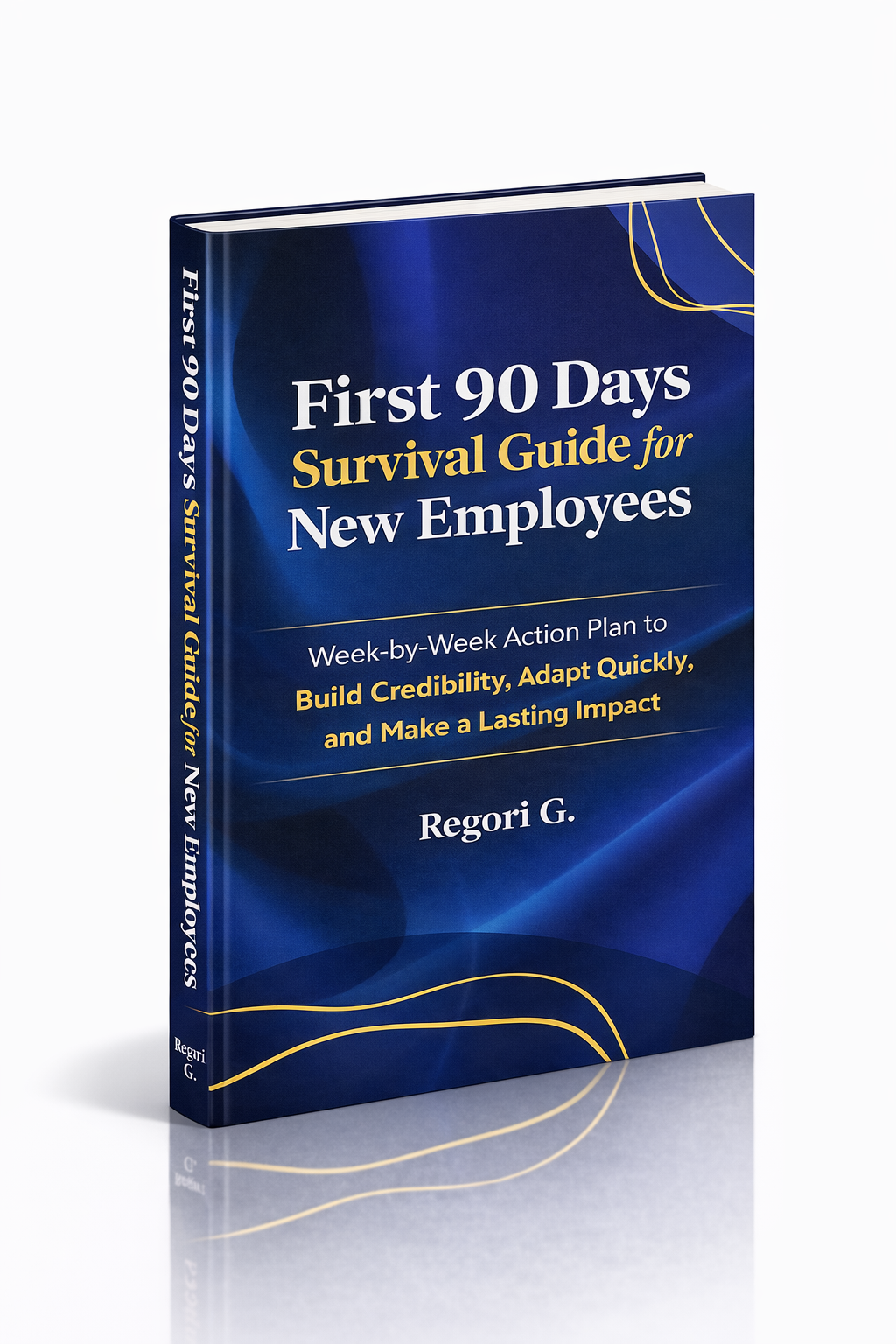
Guide 02
First 90 Days Survival Guide
Hit the ground running and make your mark from day one.
Get it →
Guide 03
Interview Success for Introverts
7 proven steps to shine in interviews — even if you hate the spotlight.
Get it →