

The 5 Interview Mistakes That Cost You the Job
What's silently killing your chances — and what top candidates do instead. Delivered instantly to your inbox.
No spam. Unsubscribe anytime. Privacy Policy & Terms
- Why "I'm a hard worker" destroys your chances
- What interviewers decide in the first 90 seconds
- How to handle tough questions with confidence
- The salary mistake almost every candidate makes
Strategies for Impressing Your Manager in Your First Month
Starting a new job is an exciting yet challenging experience, especially when you aim to impress your manager right from the get-go. Your first month is crucial for establishing a positive impression. By using effective strategies, you can show your commitment and capability, creating a solid foundation for a successful relationship with your manager. Here are some strategies that can help you stand out.
Understand Your Manager’s Expectations
One of the first things you should do is understand what your manager expects from you. Schedule a one-on-one meeting during your first week to discuss your role. During this meeting, consider asking:
- What are the priority tasks for this month?
- How do you measure success for this role?
- What can I do to add value to the team?
This conversation not only shows your proactive nature, but it also ensures you’re aligned with your manager’s priorities.
Be Proactive and Take Initiative
Taking initiative is a key way to impress. Instead of waiting for tasks to be assigned to you, identify areas where you can contribute. For example, if you notice an inefficient process, suggest improvements. This demonstrates your problem-solving capabilities and willingness to go above and beyond.
Engage With Your Team
Your ability to connect with your coworkers can greatly influence your relationship with your manager. Make an effort to introduce yourself to team members and participate in team activities. Building rapport with your colleagues can make collaboration smoother, and your manager may notice your commitment to fostering a positive work environment.
Be Reliable and Meet Deadlines
Consistency is key in the workplace, especially in your first month. Ensure that you deliver on deadlines, attend meetings on time, and follow through on commitments. By being reliable, you build trust with your manager, showing that you are someone they can count on.
Seek Feedback
Don’t hesitate to ask for feedback on your performance. Regularly checking in with your manager about your work allows room for adjustments and improvements. This not only shows your commitment to self-improvement but demonstrates that you value your manager’s opinion—a trait that good employees typically share.
Show Enthusiasm for Learning
Being eager to learn new things can help you make a positive impression. Ask questions, request training on new tools, or express interest in attending relevant workshops. Your willingness to learn demonstrates that you’re invested in your role and eager to grow within the company.
Document Your Achievements
Throughout your first month, keep track of your accomplishments. This could include successful projects, contributions to team discussions, or positive feedback from colleagues. Having a record of your achievements can be valuable during performance reviews or when speaking with your manager about your progress.
Consider categorizing your achievements in the following table:
| Date | Achievement | Impact |
|---|---|---|
| Week 1 | Completed initial training | Gained essential knowledge for future tasks |
| Week 2 | Proposed a new project workflow | Increased efficiency for the entire team |
| Week 4 | Received positive feedback from peers | Enhanced team morale and collaboration |
Embrace Company Culture
Understanding and aligning with your company culture is essential for long-term success. Observe and adapt to the company’s values, work ethic, and overall vibe. Whether it’s through participating in team outings or adhering to workplace norms, showing that you understand the company culture can significantly impress your manager.
In your journey to impress your manager, remember that building a good relationship takes time, effort, and sincerity. For more insights on workplace dynamics, you can visit Forbes or Harvard Business Review.
By following these strategies, you encourage not only your professional growth but also a sustainable and impactful relationship with your manager, setting the stage for future success and achievements within the organization.
Building Strong Relationships with Colleagues Early On
Starting a new job can be both exciting and challenging. One of the most important aspects of settling into a new role is building strong relationships with your colleagues early on. Strong professional connections can provide support, enhance teamwork, and improve your overall job satisfaction. Here are some practical strategies to help you build those relationships effectively.
Be Approachable
One of the first steps in forming relationships with colleagues is to be approachable. This can be achieved by:
- Smiling and making eye contact when interacting with others.
- Using open body language to signal that you are open to conversation.
- Offering a friendly greeting when you see your coworkers.
Your demeanor can set the tone for how others perceive you. By being friendly and accessible, you encourage open communication and create an inviting atmosphere.
Engage in Casual Conversations
Interacting casually with colleagues can help you find common ground. Try these tips:
- Start with small talk. Ask about their weekend plans or hobbies.
- Participate in breaks or lunchtime discussions to learn more about your teammates’ interests.
- Share your own experiences, but remember to keep the conversation balanced and inclusive.
These everyday exchanges allow you to discover shared interests, leading to deeper relationships over time.
Get Involved in Team Activities
Many workplaces offer team-building activities or social events. Participating in these can be very beneficial.
- Join team lunches or happy hours to bond outside of formal work settings.
- Volunteer for group projects to showcase your skills and contribute to team success.
- Attend workshops or training sessions together to learn and grow as a team.
Becoming an active participant not only helps you connect with others but also illustrates your commitment to the team’s success.
Seek Opportunities for Collaboration
Working together on projects is a great way to strengthen relationships. You can:
- Offer your assistance on team tasks, showing that you are willing to contribute.
- Ask for help on a project, which can foster mutual support.
- Share your insights and ideas during team meetings to encourage collaboration.
Collaborative work allows you to rely on one another and build trust as you learn to depend on each other’s expertise.
Respect Company Culture and Diversity
Each workplace has its unique culture, shaped by its values and the diversity of its employees. Adapting to this culture is vital for relationship building.
- Observe and adapt to your workplace norms and practices.
- Appreciate the diverse backgrounds of your colleagues and engage with them respectfully.
- Participate in employee resource groups or diversity programs to expand your network.
Showing respect for the culture and diversity of your colleagues can be a powerful way to build rapport and demonstrate your commitment to an inclusive work environment.
Follow Up and Stay Connected
After initial interactions, it’s essential to maintain those connections. Make it a habit to:
- Check in with your colleagues periodically to see how they are doing.
- Send a quick message or email to follow up on previous discussions.
- Invite them for coffee or lunch to keep the conversation going.
Consistent engagement will signal to your coworkers that you value the relationships you are building.
By focusing on these strategies, you can cultivate strong relationships with your colleagues early in your new job. The benefits of teamwork and support can significantly enhance your work experience, making a lasting positive impact.
For more insights on building strong workplace relationships, visit Forbes or The Balance Careers.
Setting and Communicating Clear Goals in Your New Role
Starting a new job can be both exciting and daunting. One of the best ways to make a positive impression in your new role is by setting and communicating clear goals. When you have well-defined objectives, not only do you demonstrate your intention to contribute effectively, but you also pave the way for productive interactions with your manager and colleagues.
Clear goals serve as a roadmap in your new position. They guide your daily tasks, help you manage your time efficiently, and allow you to measure your progress. Here are some strategies for setting and communicating clear goals:
Understand Your Role and Responsibilities
Before you set goals, take the time to understand your new role thoroughly. Pay attention to the following:
- Job Description: Review your job description and focus on specific responsibilities.
- Team Objectives: Learn about your team’s goals and how your role aligns with them.
- Company Values: Familiarize yourself with the company’s mission and vision, as your goals should reflect these objectives.
Set SMART Goals
SMART stands for Specific, Measurable, Achievable, Relevant, and Time-bound. Here’s how to apply each of these elements:
- Specific: Clearly define what you want to accomplish. Instead of saying, “I want to improve sales,” specify, “I aim to increase monthly sales by 15%.”
- Measurable: Choose metrics to assess your progress. Use numerical values or specific deadlines.
- Achievable: Ensure that your goals are attainable. Consider your resources and time constraints.
- Relevant: Align your goals with broader team and company objectives.
- Time-bound: Set a timeline for each goal to create a sense of urgency.
Communicate Your Goals
Once you have set your goals, it’s crucial to communicate them effectively. Here are tips on how to share your objectives with your manager:
- Schedule a Meeting: Arrange a one-on-one meeting with your manager to discuss your goals. This shows your initiative and willingness to seek feedback.
- Prepare Your Rationale: Be ready to explain the reasons behind each goal and how they contribute to the team’s success.
- Ask for Feedback: Encourage your manager to share their input. This can refine your goals and provide valuable insights.
- Document Your Goals: Write down your goals and provide a copy to your manager. This ensures both of you are on the same page and creates accountability.
Regularly Review and Adjust Goals
Setting goals is not a one-time task. As you progress in your new role, regularly reviewing and adjusting your goals is essential. Consider the following:
- Check-in Meetings: Schedule regular check-ins with your manager to discuss your progress and any adjustments needed.
- Adapt to Changes: Be flexible and willing to change your goals in response to feedback or changes within the team or company.
- Reflect on Achievements: Celebrate small wins and learn from challenges to improve in the future.
Utilize Available Resources
Take advantage of available tools and platforms to set and track your goals. Options such as project management software, communication apps, or goal-setting templates can enhance your efficiency. Websites like MindTools offer valuable resources to assist you in developing effective goal-setting strategies.
The Importance of Team Collaboration
Remember that collaboration is key in setting effective goals. Engaging with your colleagues can provide additional perspectives and insights. Consider the following:
- Team Meetings: Actively participate and share your goals in team discussions.
- Seek Input: Ask coworkers about their goals and how yours can align with theirs.
- Build Relationships: Foster supportive relationships that encourage open communication about objectives.
Setting and communicating clear goals in your new role can significantly impact your success and integration into the team. By following these strategies and being proactive, you’ll not only impress your manager but also create a solid foundation for your career moving forward. For additional insights on effective communication and goal setting, visit Forbes for expert advice and tips.
Demonstrating Initiative and Proactivity in the Workplace
In today’s fast-paced work environment, demonstrating initiative and proactivity is essential for career advancement and fostering a positive workplace culture. Taking the lead on projects, suggesting new ideas, and actively seeking solutions to problems can set you apart from your peers. Here are practical ways you can showcase your proactive approach at work.
Understand Your Role and Responsibilities
To be proactive, you must first have a clear understanding of your job duties. Spend some time in your initial days reviewing your job description and asking your manager for clarity on expectations. Familiarize yourself with:
- Key performance indicators (KPIs) related to your role
- Team goals and objectives
- Your colleagues’ roles and how you can assist them
This foundational knowledge will prepare you to identify areas where you can contribute and make improvements.
Communicate Openly
Effective communication is a critical component of demonstrating initiative. Regularly check in with your manager and team members to share updates on your progress or to seek guidance. You might say:
- “I’ve worked on this project and would appreciate your thoughts.”
- “I’ve noticed this issue; how do you think we should approach it?”
Asking for feedback shows that you value others’ opinions and are committed to continuous improvement.
Identify Opportunities for Improvement
Don’t just wait for tasks to be assigned to you—take the initiative to identify areas for enhancement within your team or organization. This could involve streamlining processes or suggesting new tools that increase productivity. For instance:
- Propose a new software that can help the team collaborate more effectively.
- Offer to create a guide that summarizes best practices that benefit new employees.
By presenting solutions rather than just problems, you position yourself as a problem-solver valued by your employer.
Build Relationships
Networking within your organization is a vital form of proactivity. Take the time to connect with colleagues across departments. Here’s how:
- Attend company events or informal gatherings.
- Create casual coffee chats with team members to share ideas and insights.
These relationships can lead to collaborative efforts, where you can bring innovative ideas to the forefront.
Stay Organized and Meet Deadlines
Demonstrating initiative also means being reliable. Keep track of your tasks, set deadlines for yourself, and ensure that you meet them consistently. Using tools like calendars and task management apps can help you stay organized. Emphasizing punctuality in your work will not only reflect your commitment but also increase your overall effectiveness.
| Proactive Actions | Benefits |
|---|---|
| Offer to lead a project | Builds leadership skills and visibility |
| Suggest a new process | Showcases critical thinking and problem-solving |
| Continually seek feedback | Helps personal and professional growth |
| Maintain relationships | Fosters collaboration and teamwork |
Embrace Continuous Learning
Take advantage of training opportunities and resources that could help you grow professionally. Whether through online courses, workshops, or attending conferences, continuously upgrading your skills demonstrates to your employer that you are committed to your role and the organization. Platforms like Coursera and edX provide valuable learning resources that can help enhance your skill set.
By taking these proactive steps, you not only enhance your personal effectiveness but also contribute positively to your team’s dynamics. Remember that the key to impressive initiative lies in being observant, adaptable, and eager to learn and grow. Stay committed to this approach, and you’ll find that your efforts may lead to new opportunities and advancements in your career.
Adapting to Company Culture for Faster Integration
When you start a new job, adapting to your new company’s culture is crucial. Understanding the company’s values, behaviors, and norms can lead to faster integration and help you impress your manager. Embracing the workplace culture not only enhances your performance but also plays a significant role in team dynamics.
To effectively adapt to company culture, consider the following strategies:
Observe and Learn
The first step in adjusting to a new workplace is keen observation. Pay attention to how colleagues interact with one another and their approach to work. This will give you a sense of the unspoken rules that govern the environment. Here are key areas to focus on:
- Communication Style: Is it formal or casual?
- Work Ethic: How do team members manage time and responsibilities?
- Social Interactions: Are there informal gatherings, or do colleagues keep their interactions strictly professional?
Build Relationships
Connecting with your colleagues is essential for integrating into the company culture. Here are practical ways to build connections:
- Be Approachable: Smile and greet your coworkers. A simple “hello” can go a long way.
- Participate in Team Activities: Engage in social events, team lunches, or coffee breaks.
- Request Feedback: Show that you’re open to learning and improving by asking for input on your work.
Understand Core Values
Every company has core values that shape its culture. Understanding these values is vital for alignment. Here’s how to get acquainted:
- Review the Company Handbook: It typically outlines values, missions, and visions.
- Follow Company Social Media: Platforms like LinkedIn often reflect the company’s culture.
- Initiate Conversations: Ask coworkers about their perspectives on the company’s values.
Align with Work Practices
Every organization has its own workflow practices. Identifying and aligning with these practices will help you fit in. Consider these tips:
- Adapt to Communication Tools: Whether it’s email, project management software, or messaging apps, be proficient in key tools used within the organization.
- Respect the Dress Code: Acknowledge and abide by the company’s dress standards, whether formal or casual.
- Be Punctual: Displaying reliability by being on time is often a core value in many companies.
Seek Mentorship
Having a mentor within the organization can provide you with invaluable insights and guidance. A mentor can help you navigate the culture effectively. Here’s how to approach this:
- Identify Potential Mentors: Look for someone you respect and who represents the culture positively.
- Express Interest: Let them know you value their experience and would appreciate any guidance they can offer.
- Regular Check-ins: Schedule brief meetings to discuss your progress and any culture-related questions.
Be Yourself
While adapting to the company culture, remain authentic. Authenticity allows for genuine relationships to form and demonstrates confidence. Don’t be afraid to share your unique perspectives. This can enrich the culture and possibly inspire innovation.
Adapting to a company’s culture is not just about fitting in; it’s about thriving. As you embrace your new environment and take actionable steps to integrate, you will not only impress your manager but also establish a solid foundation for your career success.
For more insights on workplace culture, check out Forbes and Harvard Business Review. These resources can guide you in navigating and understanding different workplace cultures effectively.
Seeking Feedback to Enhance Your Performance
Seeking feedback is essential for anyone looking to enhance their performance in the workplace. It helps you understand how your colleagues and manager perceive your work and behaviors. This understanding can lead to improvements in skills, relationships, and overall job satisfaction. When you actively pursue feedback, you demonstrate a commitment to growth and development, which is highly valued in any organization.
Why Feedback Matters
Feedback provides insights that you may not see yourself. Here are a few reasons why it’s crucial:
- Identifies Strengths and Weaknesses: Feedback helps pinpoint areas where you excel and those that may need improvement.
- Encourages Open Communication: Seeking feedback fosters a culture of communication, making people feel valued.
- Drives Professional Growth: Constructive criticism is an opportunity for learning that can accelerate your career development.
How to Effectively Seek Feedback
To make the most of feedback, consider implementing the following strategies:
Be Specific in Your Requests
When asking for feedback, specify what you want to know. Instead of saying, “Did I do a good job?” ask more targeted questions like:
- “What did you think of my presentation on Friday?”
- “How can I improve my report writing for next time?”
- “Were there any points you think I should have addressed differently?”
Choose the Right Time and Place
Timing and the environment can impact the feedback you receive. Choose moments when your manager is not preoccupied or stressed. Private settings often yield more candid responses. For instance, consider scheduling a quick chat after a meeting or sending a follow-up email after you’ve submitted a significant project.
Be Open and Receptive
When you request feedback, be prepared for honest opinions. Listen actively, and avoid being defensive. Acknowledge the points made, even if you disagree with them, and ask clarifying questions to understand better. This open demeanor can encourage more constructive dialogs in the future.
Integrating Feedback into Your Work
Receiving feedback is just the first step; incorporating it into your performance is where the real transformation occurs. Here’s how you can do it:
Reflect on Feedback
Take time to process the feedback. Reflect on what resonates with you and what changes you can implement. Mapping out specific actions based on feedback can help you integrate it into your daily practice effectively.
Set SMART Goals
Use the feedback to set SMART goals (Specific, Measurable, Achievable, Relevant, Time-bound). For example, if you receive feedback stating that your communication should improve, a SMART goal could be:
- Increase participation in team meetings by speaking at least twice in each meeting over the next month.
- Practice delivering a presentation every two weeks to develop stronger public speaking skills.
Request Follow-Up Feedback
After implementing changes, reach back to your manager or colleagues for follow-up feedback. Ask if they’ve noticed any improvements and continue this loop of communication for ongoing growth.
Utilizing Tools for Feedback
A variety of tools can help you manage and seek out feedback effectively:
- SurveyMonkey: Create custom surveys to collect feedback from peers and managers.
- Trello: A project management tool that helps you track performance against set goals.
- Slack: Use channels for quick feedback from team members in real-time.
Seeking feedback is a critical component of improving your work performance. By being specific in your requests, choosing the right timing, being open to criticism, and proactively integrating feedback into your work, you set yourself on a path toward continuous improvement. Always remember that asking for feedback aligns you with employees who are committed to learning and growing, making you an invaluable asset to your team.
For further insights into enhancing your performance, visit Forbes or Harvard Business Review.
Celebrating Early Wins to Boost Confidence and Visibility
Starting a new job can be both thrilling and nerve-wracking. It’s a time when you want to make an excellent impression on your manager and colleagues. Celebrating early wins plays a crucial role in boosting your confidence and visibility in a new workplace. Acknowledging even the small victories can set a solid foundation for your professional journey ahead.
When you celebrate early wins, you are not only rewarding yourself but also showcasing your contributions to your team. Here are some proactive strategies to help you recognize your achievements and communicate them effectively:
Recognizing Personal Milestones
Start by identifying your accomplishments in your new role. These can include:
- Learning a new software tool quickly
- Completing an assigned task ahead of schedule
- Building rapport with a colleague or a key stakeholder
By recognizing these milestones, you can boost your confidence and motivate yourself to aim higher. It’s essential to keep a record of these wins. This approach not only allows you to track your progress but also makes it easier to share these achievements during team meetings or one-on-one sessions with your manager.
Sharing Your Wins
Once you’ve identified your accomplishments, it’s time to share them. Here’s how to do this effectively:
- Team Meetings: Bring up your contributions in team meetings. By sharing what you have accomplished so far, you highlight your efforts and commitment to the team’s goals.
- One-on-One Check-Ins: During regular check-ins with your manager, update them on your progress. This moment allows you to discuss successful projects or tasks you’ve completed.
- Email Updates: If appropriate, consider sending a brief email summarizing your early achievements. This step helps keep your manager informed and recognizes your own commitment to the role.
Effective communication of your wins not only builds visibility for you but also strengthens your relationship with your manager.
Seeking Feedback
Feedback is crucial for personal and professional growth. After sharing your accomplishments, make it a point to ask for feedback. This demonstrates that you are open to improvement and eager to learn. Some questions you might consider asking include:
- What aspects of my work do you think are most impactful?
- Are there opportunities for me to contribute further in the coming weeks?
- How can I support the team’s goals better?
This interaction helps you gain valuable insights and shows your manager that you are committed to your development.
Building Relationships
In your first month, focus on creating connections within your team. Building relationships is vital for increased visibility. Engage in conversations, ask questions, and show genuine interest in your colleagues’ work. Participating in team activities can offer informal settings to bond with coworkers and showcase your personality.
Documenting Your Achievements
Keep an organized record of your accomplishments. Creating a simple table can make it easier to look back and reflect. Here’s an example:
| Date | Achievement | Impact |
|---|---|---|
| February 1 | Completed project X | Improved efficiency by 20% |
| February 10 | Trained team on new software | Enhanced productivity |
| February 15 | Successfully onboarded a new client | Brought in $10,000 in revenue |
By documenting your achievements, you create a powerful narrative to share with your manager during feedback sessions or performance evaluations.
Leveraging the Company Culture
Take note of your company culture when celebrating early wins. Some organizations may have formal recognition programs, while others may value informal cheers. Align yourself with the company culture by participating in recognition programs or even initiating your own celebratory practice within your team. This might include creating a “shout-out” channel on your communication platform for celebrating successes.
Ultimately, celebrating early wins is not just about feeling good; it’s about laying a foundation for future success. By recognizing your achievements, sharing them with your team and manager, and building relationships, you enhance your visibility and confidence within the organization. These efforts pave the way for greater contributions and career advancement.
For more insights on boosting workplace confidence and celebrating successes, consider visiting Forbes and MindTools.
Key Takeaway:
In your first month at a new job, creating a lasting impression on your manager is essential for setting a positive tone for your ongoing career. Several key strategies can guide you through this pivotal time, ensuring that both you and your manager see the potential in your collaboration.
Firstly, focusing on building strong relationships with your colleagues from day one is crucial. Colleagues can provide insight into the company culture and workflows. These relationships foster a supportive network, enabling you to share ideas and collaborate effectively, which can impress your manager as you demonstrate teamwork.
Setting and communicating clear goals in your new role is also vital. Understanding what is expected of you and aligning your objectives with those of your manager shows initiative and seriousness about contributing to the team’s success. Regular check-ins can keep both you and your manager focused on progress, ensuring transparency and alignment from the start.
Having a proactive attitude is a game-changer in making a positive impression. Take the initiative to identify opportunities for improvement within your team or projects. Suggesting ideas or offering to take on additional responsibilities illustrates your commitment to the organization and can help you stand out in a positive light.
Adapting to the company culture is another critical aspect of thriving in your first month. By observing norms, values, and expected behaviors within the office, you can tailor your approach to seamlessly fit into the environment. When you exhibit cultural fluency, you’re more likely to gain the trust and respect of your manager, as well as your colleagues.
Seeking feedback is a powerful tool for personal growth and performance enhancement. Regularly asking your manager for their thoughts on your work demonstrates your commitment to learning and improving. This receptiveness not only builds rapport but also shows that you value their guidance.
Don’t forget to celebrate your early wins, no matter how small. Acknowledging these contributions boosts your confidence and increases your visibility. Sharing these achievements with your manager can further assert your proactive approach and commitment to the team.
To impress your manager in your first month, focus on building relationships, setting clear goals, demonstrating initiative, adapting to the company culture, seeking feedback, and celebrating small victories. By weaving these strategies together, you can establish a solid foundation for a successful career ahead.
Conclusion
Impressing your manager in your first month requires a multifaceted approach that combines effective strategies and strong interpersonal skills. By building solid relationships with your colleagues early on, you create a supportive network that can enhance your collaboration and overall workplace satisfaction. Establishing clear goals not only demonstrates your understanding of your role but also outlines your commitment to contributing meaningfully to the team. Remember, communication is key; regularly updating your manager on your progress will showcase your dedication and initiative.
Taking proactive steps in your work environment is crucial. Whether it’s volunteering for projects or seeking additional responsibilities, displaying a can-do attitude is an excellent way to stand out. Equally important is the need to adapt to the company culture. Each organization has its unique dynamics, and by aligning yourself with its values and practices, you can integrate more smoothly into your new role.
Don’t forget the value of feedback. Actively seeking it from your manager and peers helps pinpoint areas for improvement while showing your willingness to grow. This can lead to better performance and may further impress your manager. Additionally, celebrating your early wins—no matter how small—can enhance both your confidence and visibility within the team.
By combining these strategies, you position yourself as a valuable asset to your organization from the get-go. Your proactive approach, strong relationships, and alignment with your company’s culture will not only impress your manager but also set a solid foundation for your journey ahead.
visit The Job Interview System for Job Seekers on Gumroad. A practical guide built for people who are serious about landing the job they want. For more interview guides, career tips, and job search resources, visit the Love PDF Guides home page.
Your Next Chapter
Starts with the Right Guide
Three straight-talking PDF guides to help you win interviews, beat the first 90 days and thrive as an introvert. Instant download on Gumroad.

Guide 01
The Job Interview System
Step-by-step interview prep that turns nerves into confidence.
Get it →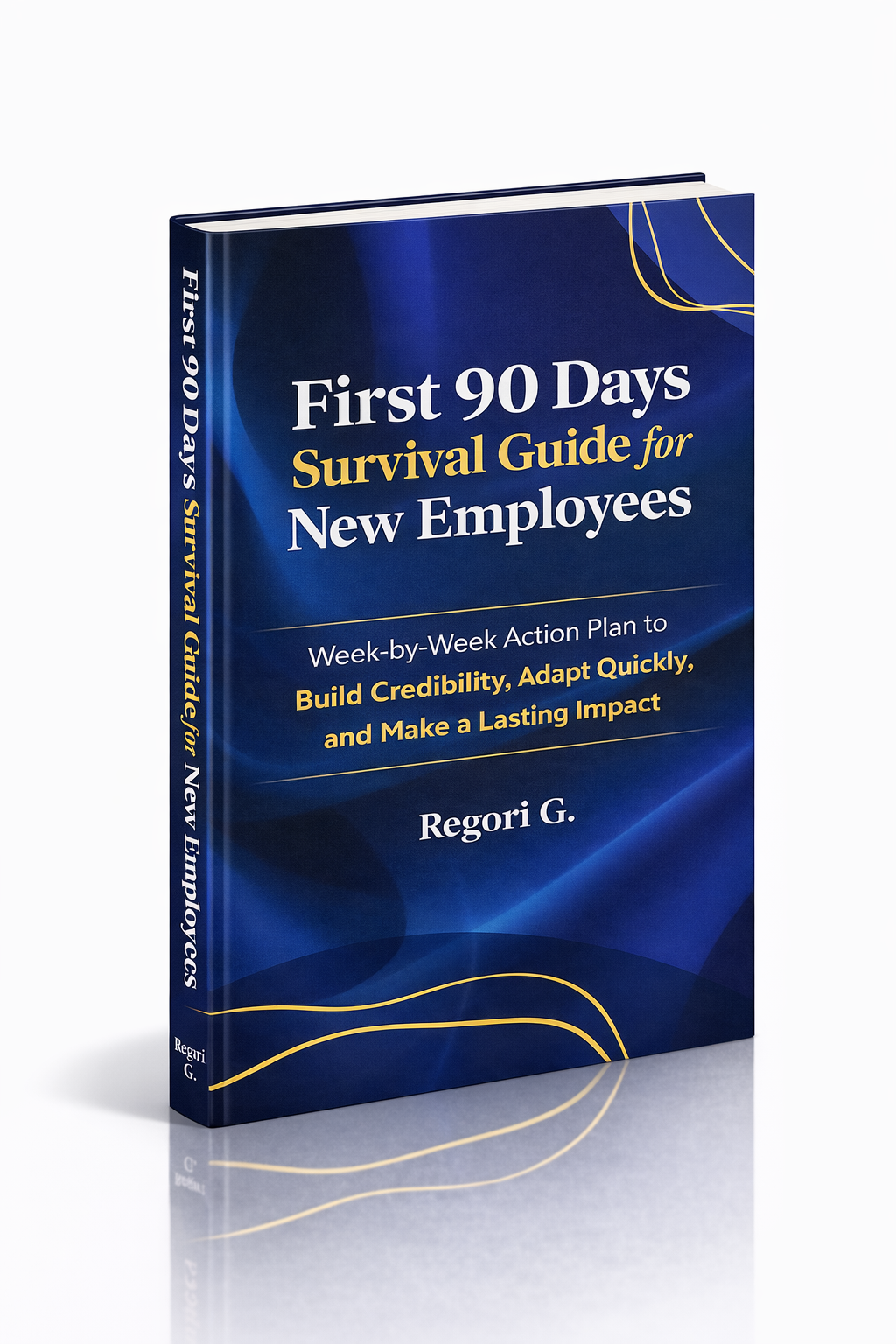
Guide 02
First 90 Days Survival Guide
Hit the ground running and make your mark from day one.
Get it →
Guide 03
Interview Success for Introverts
7 proven steps to shine in interviews — even if you hate the spotlight.
Get it →