

The 5 Interview Mistakes That Cost You the Job
What's silently killing your chances — and what top candidates do instead. Delivered instantly to your inbox.
No spam. Unsubscribe anytime. Privacy Policy & Terms
- Why "I'm a hard worker" destroys your chances
- What interviewers decide in the first 90 seconds
- How to handle tough questions with confidence
- The salary mistake almost every candidate makes
How to Move Into Recruitment and Talent Acquisition: Key Steps to Transition
Are you considering a shift in your career towards recruitment and talent acquisition? This exciting field is not just about filling vacancies; it’s about finding the right fit for both the organization and the candidate. To make a successful transition, you’ll need a strategic approach and a focus on the essential skills and knowledge needed to excel in this area.
Understanding the Basics
First, it’s crucial to understand what recruitment and talent acquisition entail. Recruitment typically refers to the process of filling immediate job openings, while talent acquisition is a more strategic approach that focuses on long-term workforce planning and ongoing talent needs. Familiarizing yourself with these concepts is an important first step.
Identify Transferable Skills
Many skills you already possess can be advantageous in recruitment. Here are some key skills to consider:
- Communication: Effective communication is vital, as you’ll often need to convey information quickly and clearly to candidates and hiring managers.
- Networking: The ability to build relationships is crucial in attracting top talent and engaging with potential candidates.
- Salesmanship: Think of recruitment as a sales role where you’re selling opportunities to job seekers and convincing employers of a candidate’s fit.
- Analytical Skills: Assessing candidates’ qualifications and fits is essential, making your analytical abilities a key asset.
Gain Relevant Experience
To move into recruitment and talent acquisition, consider the following steps:
- Volunteer or Intern: Seek internships or volunteer positions in HR departments or recruitment agencies. This hands-on experience can provide valuable insights.
- Job Shadowing: Arrange to shadow a recruitment professional. Understanding their daily tasks can offer firsthand knowledge of the role.
- Part-Time Roles: Look for part-time opportunities in recruitment firms to build experience and know-how.
Educational Opportunities
While formal education isn’t always necessary, specific training can enhance your knowledge and credibility in recruitment. Explore options like:
- Certifications: Consider certifications such as Certified Recruitment Professional (CRP) or Professional in Human Resources (PHR) to boost your qualifications.
- Online Courses: Platforms like Coursera or Udemy offer courses in HR and recruitment strategies.
- Networking Events: Attend industry conferences and workshops to learn from experienced professionals and expand your contact list.
Build a Personal Brand
In recruitment and talent acquisition, your personal brand matters. Here are some strategies to strengthen it:
- LinkedIn Profile: Optimize your LinkedIn profile with relevant keywords to attract attention from hiring managers and recruiters.
- Blogging or Content Creation: Share insights about recruitment trends or job market analysis to establish yourself as a knowledgeable resource.
- Engage in Online Communities: Participate in forums and groups related to recruitment to demonstrate your expertise and engage with others in the field.
Networking and Relationship Building
A successful recruitment career is rooted in strong relationships. Here’s how to enhance your network:
- Join Professional Associations: Organizations like the Society for Human Resource Management (SHRM) can provide valuable networking opportunities.
- Attend Networking Events: Regularly attend job fairs and recruitment expos to connect with industry professionals.
- Utilize Social Media: Platforms like Twitter and LinkedIn are excellent for connecting with industry leaders and other recruiters.
Stay Informed About Industry Trends
Recruitment is constantly evolving. It’s essential to stay updated on the latest industry trends, tools, and best practices. Regularly read articles, subscribe to recruitment blogs, and join webinars to enhance your knowledge.
Make the Leap
Once you’ve prepared yourself with the right skills, experience, and network, it’s time to apply for recruitment positions. Tailor your resume to highlight your transferable skills and relevant experiences. Use specific keywords related to recruitment in your application to grab the attention of potential employers.
Transitioning to recruitment and talent acquisition can be a fulfilling journey. By following these steps, you can position yourself for success and make a positive impact in your new role.
Essential Skills Required for Success in Recruitment
Success in recruitment requires a unique blend of skills that enables professionals to navigate the complexities of finding and hiring the right talent. If you’re interested in this field, understanding these essential skills will help you thrive.
Communication Skills
One of the most critical skills in recruitment is effective communication. You must be able to articulate job descriptions clearly to candidates while also listening to their concerns. This fosters trust and opens up a two-way dialogue. Strong verbal and written communication skills ensure that information is conveyed accurately, both in interviews and in emails.
Interpersonal Skills
As a recruiter, you will interact with various individuals, making interpersonal skills vital. Building relationships is crucial for sourcing candidates and maintaining a positive reputation for your organization. Cultivating a warm, approachable demeanor allows candidates to feel more comfortable during the recruitment process.
Detail-Oriented Approach
A keen eye for detail can set you apart in recruitment. From screening resumes to conducting background checks, the ability to notice small but significant details can impact the hiring decision. Checking references thoroughly and confirming qualifications can prevent costly hiring mistakes.
Analytical Skills
Recruitment involves analyzing data, evaluating candidate profiles, and understanding market trends. You should be adept at using tools and platforms that provide insightful metrics about job performance, candidate engagement, and hiring processes. An analytical approach helps in making informed decisions and adapting recruitment strategies as needed.
Networking Abilities
Building a robust network is key in recruitment. A large network allows you to tap into a diverse talent pool. Attend industry events, join professional associations, and actively engage in online networking platforms. Discovering hidden talent becomes easier when your network is extensive. Check out LinkedIn for professional networking opportunities related to recruitment.
Time Management Skills
Recruitment can be a fast-paced environment with tight deadlines. Effective time management ensures that you meet the necessary timelines for filling positions while maintaining quality. Prioritize your tasks, use technology to streamline your workflow, and monitor your progress to make the most of your time.
Negotiation Skills
Once you have identified a suitable candidate, negotiation skills come into play. You’ll need to discuss salary, benefits, and other terms effectively. A successful recruitment professional can advocate for both the candidate and the employer, ensuring a win-win outcome.
Tech-Savvy Approach
As technology continues to reshape the recruitment landscape, being tech-savvy is non-negotiable. Familiarize yourself with applicant tracking systems (ATS), online assessment tools, and virtual interview platforms. Staying updated on technological trends will help you streamline processes and enhance the candidate experience.
Emotional Intelligence
Emotional intelligence (EI) plays a vital role in recruitment. Understanding and managing your emotions, while recognizing the emotions of others, will improve your interactions. High EI helps in reading between the lines during interviews and establishing rapport with candidates.
Resourcefulness
The ability to think creatively to solve problems is invaluable in recruitment. When facing challenges, such as hard-to-fill roles or stiff competition for talent, being resourceful allows you to explore alternative approaches. Whether it’s using social media for sourcing candidates or hosting innovative recruitment events, being resourceful can yield fruitful results.
| Skill | Description |
|---|---|
| Communication Skills | The ability to clearly convey information and listen effectively. |
| Interpersonal Skills | Building rapport and relationships with candidates and stakeholders. |
| Detail-Oriented Approach | A keen eye for detail in candidate evaluation and processes. |
| Analytical Skills | Using data to inform recruitment strategies and decisions. |
| Networking Abilities | Establishing and maintaining professional contacts for talent sourcing. |
| Time Management Skills | Effectively managing time and priorities to meet deadlines. |
| Negotiation Skills | Advocating for both candidate and employer to reach mutually beneficial agreements. |
| Tech-Savvy Approach | Utilizing technology to streamline recruitment processes. |
| Emotional Intelligence | Understanding and managing emotions to enhance interactions. |
| Resourcefulness | Thinking creatively to solve recruitment challenges. |
Excelling in recruitment demands a mix of interpersonal, analytical, and technical skills. Whether you’re connecting with candidates or navigating through the recruitment process, honing these skills will guide you toward success in the field. For more resources on recruitment strategy, explore SHRM and Recruitment Manager for industry insights and tools.
The Role of Technology in Modern Talent Acquisition
In today’s fast-paced world, technology plays a crucial role in shaping talent acquisition strategies across various industries. Modern recruitment tools have revolutionized how organizations connect with potential candidates, streamlining processes and enhancing efficiency. Whether you are a seasoned HR professional or someone looking to dive into the recruitment field, understanding the technological landscape is essential for successful talent acquisition.
Applicant Tracking Systems (ATS)
One of the most vital technology components in modern talent acquisition is Applicant Tracking Systems (ATS). These systems automate the initial stages of recruitment by sorting through resumes, screening candidates, and managing applications. Here are some advantages of using ATS:
- Efficiency: ATS speeds up the hiring process by quickly filtering out unqualified candidates.
- Enhanced Collaboration: ATS enables team members to comment, rate, and share feedback on candidates in real-time.
- Data-Driven Decisions: These systems provide analytical reports that help HR professionals track recruitment metrics, allowing for informed decision-making.
Artificial Intelligence
Artificial Intelligence (AI) is increasingly becoming a game-changer in recruitment. By harnessing AI, organizations can improve candidate sourcing and screening processes. Here’s how AI contributes to talent acquisition:
- Smart Matching: AI algorithms analyze resumes against job descriptions to identify strong candidates quickly.
- Chatbots: AI chatbots can engage with applicants, answering their questions and guiding them through the application process 24/7.
- Predictive Analytics: AI can analyze historical hiring data to predict hiring needs and trends, enabling more strategic planning.
Video Interviewing Platforms
The rise of remote work has amplified the demand for video interviewing technologies. These platforms allow employers to conduct interviews without needing to meet candidates in person. Key benefits of video interviewing include:
- Convenience: Candidates can participate in interviews from any location, easing scheduling challenges.
- Wider Reach: Organizations can tap into a global talent pool, reaching candidates who may not be able to travel.
- Time Savings: Video interviews often take less time than traditional ones, making the recruitment process faster.
Social Media Recruiting
Social media has transformed how companies interact with potential employees. Platforms like LinkedIn, Facebook, and Twitter have become valuable tools for talent sourcing. Opportunities include:
- Brand Building: Companies can showcase their workplace culture and values, attracting like-minded individuals.
- Networking: Recruiters can connect directly with candidates, building relationships before formal applications.
- Targeted Advertising: Social media platforms allow for targeted job postings based on users’ profiles and interests.
Data-Driven Recruitment
The use of data analytics in recruitment offers insights that enhance the hiring process. Tracking metrics like time to hire, candidate source effectiveness, and employee retention rates can improve talent acquisition strategies. Consider these data-driven methods:
- Performance Metrics: Analyze which recruitment channels yield the best candidates and adjust strategies accordingly.
- Candidate Experience: Gather feedback from candidates to continuously improve the recruitment process.
- Diversity Metrics: Use data to monitor diversity hiring goals and implement strategies to achieve them.
By embracing technology, organizations can vastly improve their talent acquisition processes. From enhancing candidate experience to streamlining operations, the right tools lead to better outcomes for both employers and job seekers.
| Technology | Benefits |
|---|---|
| Applicant Tracking Systems | Efficiency, Enhanced Collaboration, Data-Driven Decisions |
| Artificial Intelligence | Smart Matching, Chatbots, Predictive Analytics |
| Video Interviewing Platforms | Convenience, Wider Reach, Time Savings |
| Social Media Recruiting | Brand Building, Networking, Targeted Advertising |
| Data-Driven Recruitment | Performance Metrics, Candidate Experience, Diversity Metrics |
For more insights on recruitment technology and trends, you can visit SHRM or explore resources from Recruiter.com.
Building a Personal Brand for a Career in Recruitment
In the competitive field of recruitment, building a strong personal brand is crucial. Your personal brand helps differentiate you from other talents and showcases your unique strengths. It also establishes your credibility and demonstrates your expertise in recruitment strategies. Here are some steps to effectively build your personal brand for a career in recruitment.
Define Your Niche
Start by identifying the specific areas within recruitment that interests you the most. This could be anything from technology recruitment to healthcare hiring. Defining your niche allows you to tailor your brand and appeals to a specific audience. Focus on aspects like:
- Your preferred industry or sector
- Your target demographic (e.g., entry-level candidates, executives)
- Your desired company culture and values
Develop Strong Online Presence
Your online presence is often the first impression potential employers have of you. Make sure it’s polished and professional:
- LinkedIn Profile: Create a comprehensive LinkedIn profile detailing your skills, achievements, and experiences. Use keywords relevant to recruitment and talent acquisition to enhance visibility.
- Personal Blog or Website: Consider starting a blog that focuses on recruitment trends, tips, or your insights into the hiring process. This showcases your expertise and passion.
- Social Media: Use platforms like Twitter and Instagram to share industry news, engage with other professionals, and show your personality.
Network Effectively
Connecting with other professionals in the recruitment industry is vital for expanding your reach. Here’s how you can network effectively:
- Attend industry conferences and seminars to meet potential contacts face to face.
- Join professional groups and associations, such as the Recruiting Association.
- Participate in webinars and virtual networking events to broaden your reach beyond your local area.
Showcase Your Skills and Achievements
Share specific success stories that highlight your recruitment skills. You can use various formats:
- Case Studies: Write about successful recruitment campaigns you’ve managed.
- Testimonials: Request feedback from previous employers or colleagues to add credibility to your brand.
- Certifications: Obtain certifications from recognized organizations. This adds weight to your resume and builds trust.
Engage with Your Community
Being active in your local or online recruitment community can help you build trust and recognition. Here are some engaging activities:
- Volunteer for recruitment-related events or workshops.
- Mentor aspiring recruiters. This creates goodwill and extends your network.
- Contribute to online forums and groups dedicated to recruitment discussions.
Stay Informed and Adaptable
The recruitment landscape is constantly changing. To maintain a strong personal brand, keep abreast of industry trends, tools, and technologies. Consider the following:
- Subscribe to industry newsletters and sites like HR Technologist for updates.
- Follow thought leaders and organizations in your niche on social media.
- Participate in training or online courses to upgrade your skills.
Consistency is Key
Ensure that the message you convey through different platforms is consistent. Your voice, style, and branding elements (like your logo and color palette) should align across all channels. This builds familiarity and trust. Make it a point to regularly post content relevant to recruitment to keep your audience engaged.
| Platform | Purpose | Frequency |
|---|---|---|
| Professional networking and thought leadership | Weekly updates | |
| Personal Blog | Showcase expertise and share insights | Monthly posts |
| Social Media | Engage with community and share news | Daily interactions |
Building a personal brand in recruitment takes time and effort, but the rewards are substantial. Focus on presenting yourself authentically while focusing on the needs and values of those you aim to serve. Embracing these strategies will not only help you in forging a strong professional identity but also in connecting with opportunities that align with your career aspirations.
Networking Strategies for Aspiring Recruiters
As you aspire to move into recruitment and talent acquisition, mastering networking strategies can be your key to success. Networking opens doors to many possibilities, including job opportunities, mentorship, and industry insights that can significantly enhance your career.
One effective method to build your network is by attending industry-related events. Conferences, workshops, and local meetups are excellent platforms to meet experienced recruiters and HR professionals. Engaging in discussions at these events allows you to learn about the latest trends in talent acquisition while showcasing your enthusiasm for the field. Ensure you have a set of questions prepared and don’t hesitate to share your own insights as well.
Joining professional organizations like the Society for Human Resource Management (SHRM) or the Recruitment & Employment Confederation (REC) can provide you with access to extensive resources and valuable networking opportunities. Membership in these organizations often gives you access to workshops, seminars, and online forums where you can connect with industry leaders.
Utilizing social media platforms, particularly LinkedIn, is also crucial in today’s digital age. You should create a professional profile that highlights your skills, experiences, and aspirations in the field of recruitment. Regularly sharing relevant content, such as articles about best hiring practices or discussions about talent trends, positions you as a thought leader in the industry. Engage with other professionals by commenting on their posts to establish rapport.
Consider setting up informational interviews with experienced recruiters. This practice allows you to gain insider knowledge about the industry while expanding your network. Prepare thoughtful questions that can help you understand their career paths and any advice they may offer to someone entering the field. Following up with a thank-you note is also a courteous gesture that keeps the lines of communication open.
To effectively navigate your networking journey, follow these structured strategies:
- Attend Industry Events: Look for conferences, workshops, and meetups in your area that focus on recruitment.
- Join Professional Organizations: Become a member of relevant groups, like SHRM or REC, for resources and networking opportunities.
- Use LinkedIn Wisely: Create a compelling LinkedIn profile and actively connect with others in the field.
- Conduct Informational Interviews: Reach out to professionals to learn about their experiences and insights.
- Volunteer for Relevant Projects: Gain hands-on experience in recruitment through internships or volunteer opportunities.
In addition to these core strategies, consider specializing in a niche area of recruitment. Focusing on a specific industry, such as technology or healthcare, can differentiate you from general recruiters. Networking within that niche will help you connect with highly relevant professionals who can offer specialized advice and opportunities tailored to your interests.
Networking does not only stop at meeting others; follow-ups are necessary to solidify those connections. Send follow-up emails to people you meet, thanking them for their time and insights. Make it a habit to check in on your contacts periodically to nurture those relationships. A simple message asking how they are or sharing an article relevant to their interests can keep you top-of-mind.
Consider using platforms designed for connecting professionals. Websites like Meetup can help you find local events, while tools like Eventbrite can help you discover industry conferences and networking events. Tap into these resources to expand your network further.
By implementing these networking strategies, you can create a strong foundation for your career in recruitment and talent acquisition. Each connection can lead to new opportunities, rich insights, and advancements in your professional journey.
Understanding the Different Types of Recruitment Models
Recruitment is a vital process for every organization, and understanding different recruitment models can greatly enhance the effectiveness of talent acquisition strategies. Each model presents unique benefits and challenges, allowing businesses to tailor their approach to fit their specific needs.
Traditional Recruitment Model
The traditional recruitment model involves a linear approach, where roles are filled through established procedures. Here, the focus lies primarily on in-house recruiting efforts. Organizations advertise open positions through various channels, collect applications, conduct interviews, and select candidates. This model is often time-consuming but allows for thorough vetting of applicants.
Advantages:
- Deep understanding of company culture and values.
- Personalized interactions with candidates.
- Stronger employer branding efforts.
Challenges:
- Can be slow, especially for high-volume roles.
- Requires significant resources and staff time.
Contingency Recruitment Model
In the contingency recruitment model, external recruiters are engaged to find candidates for open positions. These recruiters work on a commission basis and only receive payment when a candidate is successfully placed. This model is particularly popular in industries that face talent shortages.
Advantages:
- Access to a larger pool of candidates.
- Minimal upfront costs for companies.
Challenges:
- Potential for a mismatch between candidates and company culture.
- Less control over the recruitment process.
Retained Recruitment Model
The retained recruitment model involves partnering with recruiters to fill higher-level or specialized positions. Companies pay a retainer fee upfront, and the recruiter dedicates time and resources to find the ideal candidate. This model is often more strategic, focusing on quality over quantity.
Advantages:
- Greater alignment with company goals and values.
- Thorough vetting process that prioritizes candidate fit.
Challenges:
- Higher financial commitment for companies.
- Longer timelines to fill positions.
In-House Recruitment Model
With the in-house recruitment model, human resources professionals manage the entire recruitment process within the organization. This approach emphasizes building internal teams that thoroughly understand the organization’s needs and culture.
Advantages:
- More direct communication and collaboration.
- Ability to build long-term relationships with candidates.
Challenges:
- Potentially limited reach for finding diverse talent.
- Requires a dedicated team and resource allocation.
Online Recruitment Model
The online recruitment model leverages digital platforms and social media to attract and engage candidates. Organizations use job boards, professional networks like LinkedIn, and social media channels to promote job opportunities and connect with potential hires.
Advantages:
- Wide reach and access to global talent.
- Cost-effective compared to traditional methods.
Challenges:
- High volume of applications can be overwhelming.
- Risk of unqualified applicants flooding the process.
Employer Branding and Recruitment
No matter the recruitment model used, employer branding plays a significant role. A strong employer brand can attract top talent and improve overall recruitment outcomes. Showcase your workplace culture, benefits, and employee experience through various platforms.
To learn more about enhancing your recruitment and talent acquisition strategies, visit SHRM and Recruitment Industry.
Choosing the right recruitment model depends on your organization’s needs, the roles to be filled, and the available resources. Understanding each model’s benefits and challenges will allow you to create a more effective and efficient recruitment strategy that aligns with your business goals.
Common Challenges Faced in Talent Acquisition and How to Overcome Them
In the ever-evolving landscape of talent acquisition, professionals encounter several challenges. To thrive in this competitive field, understanding these hurdles and knowing how to overcome them is crucial. The following are some of the most common obstacles faced in talent acquisition, along with strategies for addressing them effectively.
High Competition for Talent
As the job market becomes increasingly competitive, attracting top talent can be a daunting task. Companies often compete for a limited pool of qualified candidates, making it essential to stand out.
- Employer Branding: Build a strong employer brand to showcase your organization’s culture and values. Highlighting employee experiences and offering unique benefits can attract candidates.
- Networking: Leverage professional networks to reach passive candidates who may not currently be seeking new opportunities but could be interested in your organization.
- Flexible Work Options: Offering flexible working arrangements can give you an edge. Many candidates now prioritize work-life balance, making remote work or flexible hours appealing.
Unclear Job Descriptions
A common challenge in recruitment is poorly defined job descriptions. When descriptions are vague or overly complicated, it can deter potential applicants.
- Specificity: Clearly outline the roles, responsibilities, and qualifications required for the position.
- Collaborative Input: Engage with team leaders and current employees to gather insights and ensure that the job description is comprehensive and accurate.
- Regular Updates: Review and update job descriptions regularly to reflect any changes in job responsibilities or requirements.
Applicant Tracking System (ATS) Challenges
Many organizations use ATS to streamline their hiring processes. However, some face challenges related to these systems, which can create barriers for applicants.
- Customizable Filters: Ensure that filters in your ATS reflect the necessary qualifications without being overly restrictive. This can help avoid excluding suitable candidates.
- Ease of Application: Make the application process straightforward and user-friendly. A complicated application can frustrate applicants and lead them to abandon the process.
- Data-Driven Decisions: Utilize analytics within your ATS to assess hiring workflows and identify areas for improvement.
Diversity and Inclusion Goals
Fostering a diverse workforce is a priority for many organizations. However, achieving these goals can present unique challenges.
- Broaden Recruiting Channels: Engage with diverse job boards and community organizations to reach underrepresented candidates.
- Unconscious Bias Training: Implement training for hiring managers to recognize and mitigate biases during the recruitment process.
- Set Clear Diversity Goals: Establish specific, measurable diversity objectives in alignment with your company’s values.
Long Hiring Processes
Lengthy hiring processes can result in losing out on top talent. Candidates often receive multiple offers, making speed crucial.
- Streamlined Interview Processes: Reduce the number of interview rounds while ensuring that each round is productive and informative.
- Clear Communication: Keep candidates informed throughout the hiring process. Update them on their application status to maintain their interest.
- Use of Technology: Consider using video interviews and automated scheduling tools to expedite the hiring process.
Skills Gap
As industries evolve, there can be a noticeable gap in the skills required for particular jobs. Understanding and bridging this gap is vital for talent acquisition teams.
- Continuous Learning: Encourage ongoing education and training among your current employees to fill skill gaps internally.
- Partnerships with Educational Institutions: Collaborate with colleges and universities to create tailored internship programs and training opportunities.
- Upskilling Programs: Invest in programs that allow candidates to gain the skills they need through mentorship or workshops.
To effectively tackle these challenges in talent acquisition, organizations must adopt strategic approaches tailored to their unique needs. For additional insights and resources on overcoming recruitment challenges, consider visiting SHRM and TalentLyft.
Key Takeaway:
Transitioning into recruitment and talent acquisition can be a fulfilling career move, especially if you enjoy connecting with people and facilitating their career paths. Here are key takeaways that encapsulate the essential aspects covered in the article.
First, to effectively move into recruitment, you should follow specific steps to make your transition smoother. Identifying your motivations for this career change, researching the industry, and gaining relevant experience through internships or entry-level roles are vital. Equipping yourself with the right skills is equally important. Key skills include strong communication abilities, attention to detail, and an understanding of human behavior. These attributes will not only improve your performance but will also help you build relationships with both candidates and hiring managers.
The role of technology in modern talent acquisition cannot be overstated. Tools like applicant tracking systems (ATS) streamline the hiring process and improve efficiency. Becoming familiar with these technologies can set you apart from other candidates and help you adapt to the industry’s evolving landscape.
Building a personal brand is crucial. Your online presence should reflect your professional persona as someone who understands the recruitment landscape. Sharing insights, participating in relevant discussions on platforms like LinkedIn, and showcasing your expertise can elevate your visibility in this field.
Networking is another critical component. Attend industry events, connect with seasoned professionals, and engage in online communities. These relationships can open doors to opportunities and provide valuable insights into the recruitment process.
Understanding different recruitment models and frameworks is also essential. Whether you aim to join an agency or work in-house, knowing how these models function will guide your career path.
Be aware of the common challenges in talent acquisition, such as high competition for talent and candidate ghosting. Learning strategies to overcome these hurdles will bolster your ability to thrive in the recruitment environment.
By focusing on these essential aspects, you can navigate your journey into recruitment and talent acquisition with confidence and purpose. The blend of skills, technology, personal branding, networking, and adaptability will equip you for success in this dynamic field.
Conclusion
Transitioning into recruitment and talent acquisition offers an exciting career path filled with opportunities for growth and impact. By following the key steps outlined earlier, you can successfully make this shift. It’s essential to cultivate skills such as communication, negotiation, and organizational abilities, which are crucial for thriving in this field. Embracing technology can streamline processes and enhance your effectiveness as a recruiter, so staying updated on the latest tools and platforms is vital.
Building a personal brand is equally significant. It helps you stand out in a competitive market and showcases your expertise and personality to potential employers and candidates. Networking strategies play a pivotal role too; connecting with industry professionals can open up job opportunities and lead to valuable insights that can guide your career.
Understanding different recruitment models enables you to choose the right approach for various situations, helping you to meet both employer and candidate needs effectively. while challenges in talent acquisition are common, having a proactive mindset and problem-solving skills can help you navigate and overcome these hurdles.
As you embark on this journey, remember that success in recruitment and talent acquisition largely hinges on your commitment to continuous learning and adaptation. By fostering various strategies, embracing technology, and building meaningful relationships, you can carve out a rewarding career path that makes a lasting impact on both organizations and individuals. Embrace the journey ahead, and your efforts will undoubtedly lead to a fulfilling career in this vital field.
visit The Job Interview System for Job Seekers on Gumroad. A practical guide built for people who are serious about landing the job they want. For more interview guides, career tips, and job search resources, visit the Love PDF Guides home page.
Your Next Chapter
Starts with the Right Guide
Three straight-talking PDF guides to help you win interviews, beat the first 90 days and thrive as an introvert. Instant download on Gumroad.
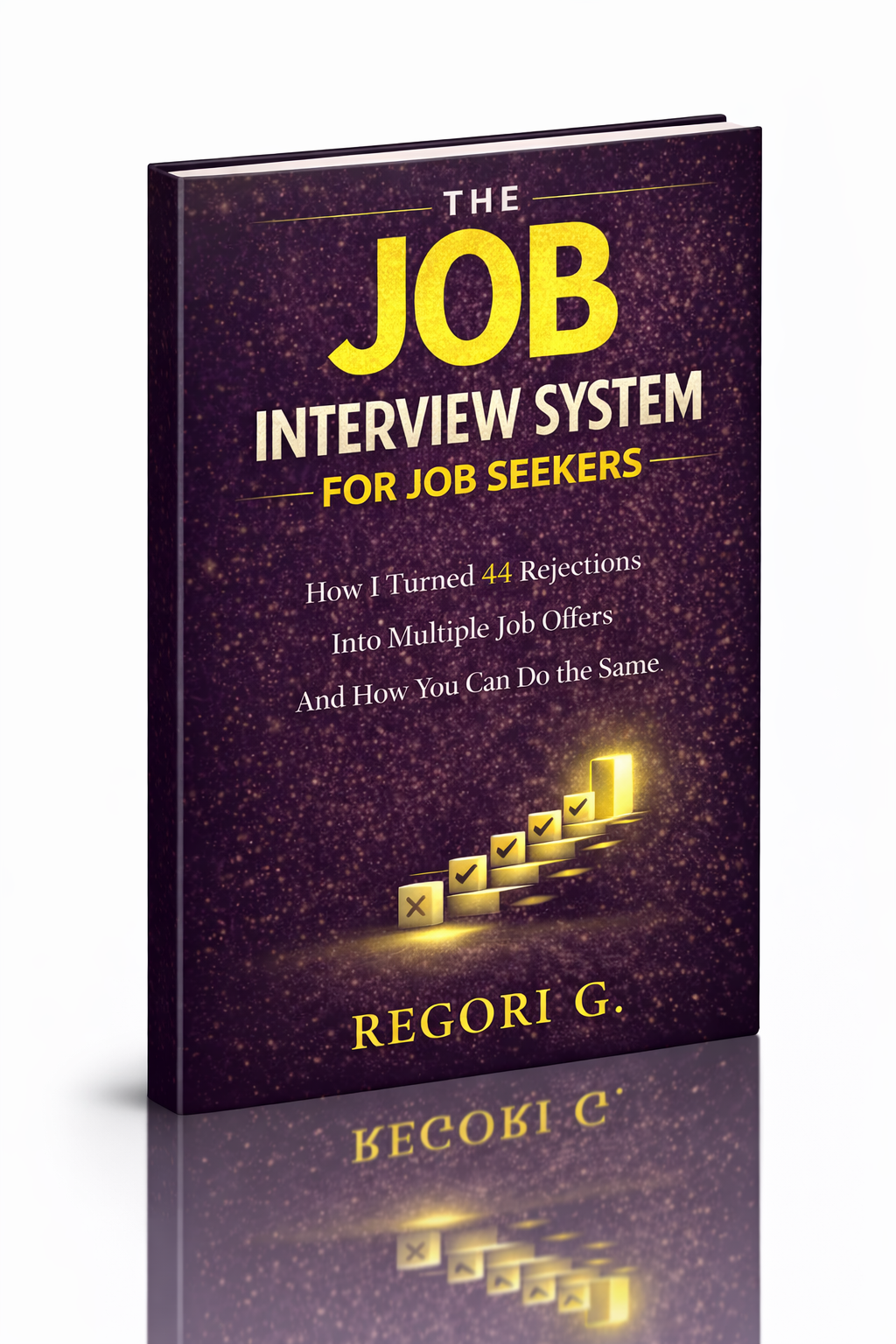
Guide 01
The Job Interview System
Step-by-step interview prep that turns nerves into confidence.
Get it →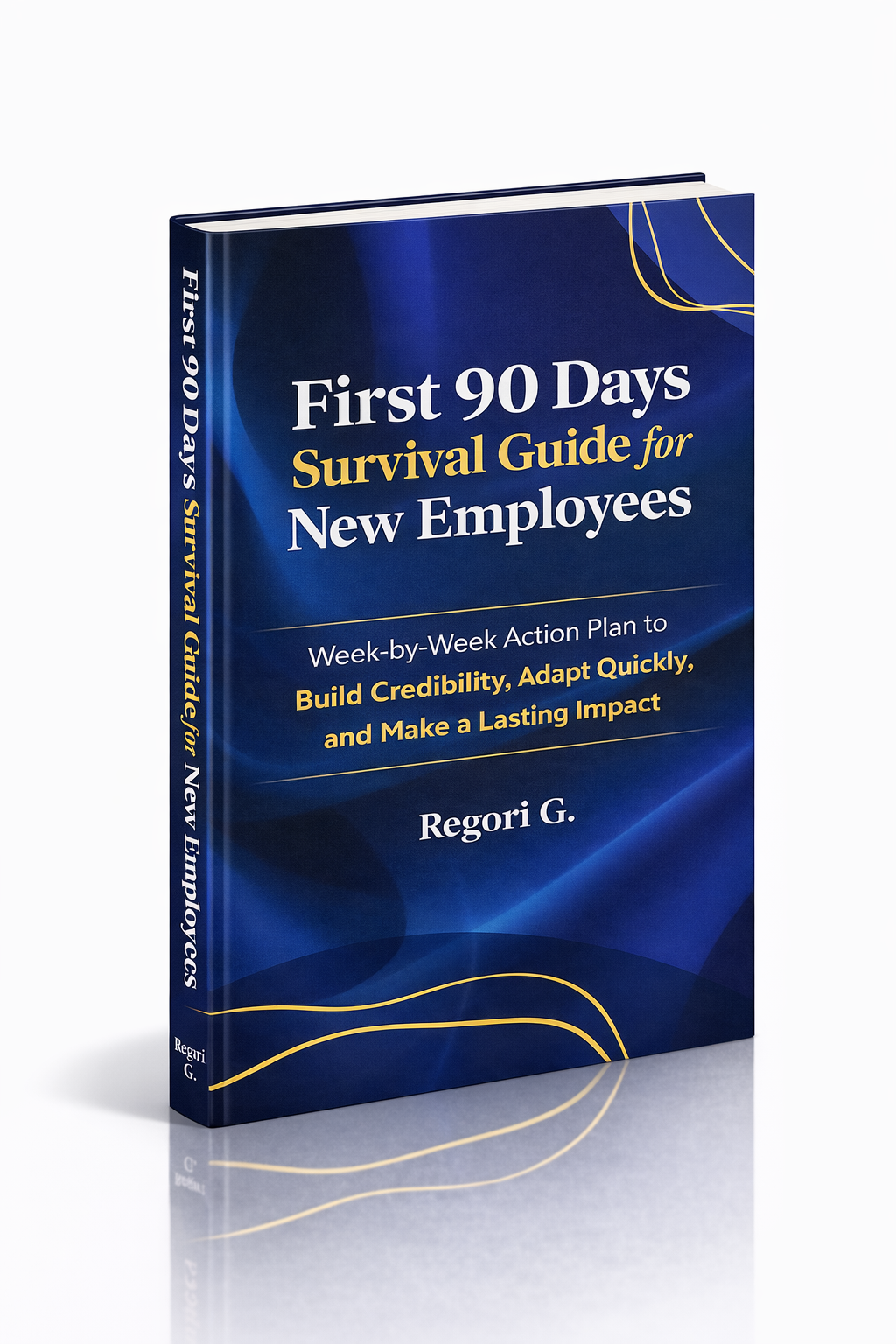
Guide 02
First 90 Days Survival Guide
Hit the ground running and make your mark from day one.
Get it →
Guide 03
Interview Success for Introverts
7 proven steps to shine in interviews — even if you hate the spotlight.
Get it →