

The 5 Interview Mistakes That Cost You the Job
What's silently killing your chances — and what top candidates do instead. Delivered instantly to your inbox.
No spam. Unsubscribe anytime. Privacy Policy & Terms
- Why "I'm a hard worker" destroys your chances
- What interviewers decide in the first 90 seconds
- How to handle tough questions with confidence
- The salary mistake almost every candidate makes
How to Save for a Pension When You Are Self-Employed
Being self-employed has its perks—flexibility, autonomy, and the ability to do what you love. However, one of the significant challenges is planning for the future, especially when it comes to saving for retirement. Without an employer pension plan, figuring out how to save for a pension can feel daunting. But with some strategies at your disposal, you can create a solid retirement plan that works for you.
First things first, it’s crucial to understand that as a self-employed individual, you have a range of retirement savings options. Each has its own benefits and requirements. Here’s a breakdown of the most common options:
- Solo 401(k): This retirement plan is specifically designed for self-employed individuals and small business owners. It allows you to save both as an employee and an employer, which can significantly increase your savings.
- SEP IRA: A Simplified Employee Pension (SEP) IRA is another good choice. It is easy to set up and allows contributions that are higher than a traditional IRA, making it attractive for self-employed individuals.
- Traditional IRA: A standard individual retirement account (IRA) lets you save money with tax advantages, though the contribution limits will be lower compared to a Solo 401(k).
- Roth IRA: This option allows you to contribute after-tax dollars, meaning withdrawals during retirement are tax-free. It’s a great option if you expect to be in a higher tax bracket when you retire.
Once you have chosen the right retirement plan for your needs, the next step is to determine how much you can realistically save. Setting a budget for your pension contributions is essential. Follow these steps to create a practical saving plan:
- Assess Your Income: Look at your monthly and yearly income to understand how much you can set aside for retirement.
- Track Your Expenses: Keep a close eye on your business and personal expenses. Eliminating unnecessary spending can free up more money for retirement savings.
- Set a Savings Goal: Aim to save a certain percentage of your income. A common recommendation is 15% of your yearly income, but adjust this based on your personal financial situation.
One of the benefits of being self-employed is that if your income fluctuates, you can adjust your contributions accordingly. In months with higher earnings, consider contributing more to your retirement account.
As you save, remember to take advantage of tax deductions. Contributions to retirement accounts like a SEP IRA or Solo 401(k) are tax-deductible, which can lower your taxable income for the year. This means you can actually save now and potentially pay less in taxes. For more detailed information about the tax benefits of self-employed retirement accounts, check out the IRS website.
Another vital aspect is consistent contributions. Setting up automatic transfers to your retirement account can help ensure you don’t forget to save each month. Automating your savings removes the need to think about it, making the process simple and effortless.
It’s also beneficial to review your savings regularly. Schedule time each year to evaluate how much you’ve contributed and adjust your goals as necessary. Changes in your financial situation, like a significant increase in income, might mean it’s time to increase your contributions. Additionally, staying informed about changes in tax laws and retirement contribution limits can help you optimize your savings. For updates on tax laws, visit NerdWallet.
With the right plan in place, saving for a pension while self-employed doesn’t have to feel overwhelming. By choosing the appropriate retirement account, setting realistic savings goals, and staying disciplined with your contributions, you can build a solid financial foundation for your retirement.
Remember that planning for your future is a journey. By taking proactive steps today, you can enjoy a comfortable and secure retirement tomorrow. Don’t wait until it’s too late—start saving for your pension now!
Understanding Different Retirement Account Options for the Self-Employed
When you’re self-employed, planning for retirement can feel overwhelming. Unlike traditional employees who have access to employer-sponsored retirement plans, you have to take matters into your own hands. Fortunately, several retirement account options are designed specifically for self-employed individuals. Understanding these options will help you secure your financial future and make the best choices for your retirement savings.
Solo 401(k)
A Solo 401(k) is a popular retirement plan for self-employed individuals and business owners with no employees (except spouse). It allows you to contribute as both an employer and an employee, maximizing your savings.
- Employee Contribution: You can contribute up to $22,500 in 2023, or $30,000 if you’re age 50 or older.
- Employer Contribution: As an employer, you can contribute an additional 25% of your net earnings, up to a total limit of $66,000 (or $73,500 for those aged 50 and older).
This plan allows for significant growth potential through investments while offering tax-deferred growth.
Simplified Employee Pension (SEP) IRA
Another excellent option is the SEP IRA, which is easy to set up and maintain. A SEP IRA allows you to contribute a portion of your income into a traditional IRA with tax advantages.
- Contribution Limits: You can contribute up to 25% of your net earnings, with a maximum limit of $66,000 for 2023.
- Tax Advantages: Contributions are tax-deductible, and investments grow tax-deferred until withdrawals begin.
This option suits solo practitioners and small business owners who want a simple way to save for retirement.
Traditional IRA
If you’re self-employed and want a flexible option, a Traditional IRA might be for you. This retirement account allows you to save money before taxes, with potential tax deductions based on your income.
- Contribution Limits: You can contribute up to $6,500 in 2023, or $7,500 if you’re aged 50 or older.
- Tax Benefits: Contributions may be tax-deductible, lowering your taxable income for the year.
A Traditional IRA is perfect for individuals who prefer more control over their investments and want to diversify their retirement savings.
Roth IRA
A Roth IRA is another option worth considering, especially if you anticipate being in a higher tax bracket in retirement. With a Roth IRA, contributions are made with after-tax income, allowing for tax-free withdrawals in retirement.
- Contribution Limits: Similar to a Traditional IRA, you can contribute up to $6,500 ($7,500 if over 50).
- Income Limits: Eligibility for direct contributions begins to phase out at certain income levels (for 2023, it starts at $138,000 for single filers).
This option provides excellent flexibility, especially for long-term tax planning.
Health Savings Accounts (HSAs)
While primarily designed for medical expenses, HSAs also provide excellent long-term savings potential. If you are enrolled in a high-deductible health plan, you can open an HSA.
- Contribution Limits: You can contribute up to $3,850 for individual coverage or up to $7,750 for family coverage in 2023.
- Tax Benefits: Contributions reduce taxable income, and money spent on qualified medical expenses is not taxed.
HSAs can serve as an additional vehicle for retirement savings, particularly for medical costs in retirement.
Choosing the Right Option
Determining the best retirement account depends on various factors, including your income, financial goals, and desired retirement lifestyle. It’s often advisable to consult a financial advisor to tailor a retirement strategy that works for you.
By understanding the various retirement options available, you can effectively plan for your future and enjoy peace of mind during your retirement years.
For further reading on retirement accounts, visit IRS Retirement Plans or check resources from NerdWallet.
Effective Budgeting Strategies to Boost Your Pension Savings
If you’re self-employed, planning for retirement and boosting your pension savings can feel daunting. However, with effective budgeting strategies, you can secure your future while managing your current financial landscape. Let’s explore some practical steps you can take.
Evaluate Your Current Financial Situation
The first step to effective budgeting is understanding your current financial health. You’ll want to take a close look at your income, expenses, and any existing savings. Keep track of your cash flow for a few months to see where your money goes. This will help you identify areas where you can cut back.
Track Your Income and Expenses
Use tools like spreadsheets or budgeting apps to maintain an accurate record. Be meticulous about categorizing your expenses into fixed and variable costs:
- Fixed Costs: Rent, utilities, insurance.
- Variable Costs: Food, entertainment, discretionary spending.
Set Clear Savings Goals
Once you have a firm grasp on your financial snapshot, set clear and achievable savings goals for your pension. Aim for a percentage of your income to save monthly. The general recommendation is to save at least 10-15% of your earnings toward retirement.
Make Your Goals SMART
To make your pension savings goals effective, apply the SMART criteria:
- Specific: Define the exact amount you wish to save.
- Measurable: Ensure you can track progress.
- Achievable: Set realistic targets based on your income.
- Relevant: Align your goals with your overall life ambitions.
- Time-bound: Set deadlines for your objectives.
Utilize Retirement Accounts
As a self-employed individual, you have several retirement account options to choose from. Consider the following:
- Solo 401(k): Allows you to save a significant amount, reducing taxable income.
- Simplified Employee Pension (SEP) IRA: Excellent for those with irregular income. It has a higher contribution limit.
- Traditional or Roth IRA: Provide additional avenues for retirement savings, with potential tax benefits.
Research these options and choose one that best suits your financial situation. For more information on retirement accounts, check out NerdWallet’s guide to retirement accounts.
Automate Your Savings
Set up automatic transfers from your checking account to your pension savings account. Automating this process means you won’t have to think about making contributions actively. This “pay yourself first” approach allows you to save consistently without the temptation to spend that money.
Adjust Your Spending Habits
Look for areas in your budget where you can cut back, enabling you to save more. Consider these adjustments:
- Limit eating out; cook meals at home more often.
- Reduce discretionary spending, such as shopping for clothes or gadgets.
- Explore alternatives for your regular expenses, like using coupons or switching service providers for better rates.
Review and Adjust Your Budget Regularly
Every few months, revisit your budget to assess your progress. Make adjustments based on your income fluctuations or changes in expenses. This will help ensure that you’re on track to meet your savings goals and can adapt to any financial hurdles that may arise.
Consider Professional Financial Advice
Consulting a financial planner can provide personalized strategies tailored to your unique situation. They can guide you through complex investment options and help you make informed decisions about your pension savings. Check out the Financial Planning Association for resources on finding a financial advisor.
Effective budgeting strategies are crucial for self-employed individuals looking to boost their pension savings. By evaluating your financial situation, setting clear goals, automating savings, and being conscious of your spending, you can work towards a secure retirement. Stay proactive, and your financial future will be brighter.
The Role of Tax Deductions in Self-Employed Retirement Savings
Understanding the role of tax deductions is vital for self-employed individuals who want to save for retirement effectively. The tax code offers unique opportunities for self-employed workers to reduce their taxable income and boost their retirement savings simultaneously. Here’s how tax deductions can play a significant role in helping you secure your financial future.
Why Tax Deductions Matter
For self-employed individuals, every dollar saved can make a difference in retirement planning. Tax deductions help to lower your taxable income, which means you pay less in taxes overall. This is significant because the money you save on taxes can be redirected into retirement accounts. Here are some key tax deductions to consider:
- Business expenses: Any necessary and ordinary expenses that are directly related to your work can be deducted.
- Health insurance premiums: If you are self-employed and pay for your health insurance, you can deduct 100% of your premiums.
- Home office deduction: If you use part of your home for business, you can deduct a portion of your housing costs.
- Retirement contributions: Contributions to retirement accounts may also be deductible, depending on the type of account.
Types of Retirement Accounts for the Self-Employed
Choosing the right retirement account is crucial when you’re self-employed. Different accounts offer varying tax benefits. Here are a few popular options:
- Simplified Employee Pension (SEP) IRA: This option allows you to contribute a significant portion of your income (up to 25% or $66,000 for 2023, whichever is lower).
- Solo 401(k): Ideal for those without employees, you can contribute both as an employer and employee, allowing for contributions up to $66,000 in 2023.
- Traditional IRA: This account offers tax-deductible contributions, though the max limit is lower than both the SEP and Solo 401(k).
- Roth IRA: Contributions are made with after-tax dollars, but qualified withdrawals are tax-free in retirement.
How to Maximize Tax Deductions for Retirement Savings
To make the most of your tax deductions while saving for retirement, consider the following strategies:
- Track your expenses: Keep detailed records of all business-related expenses as they can significantly lower your taxable income.
- Contribute early: Contributing to your retirement accounts as soon as possible can lead to higher growth over time due to compounding interest.
- Consult a tax advisor: A professional can help you navigate complex tax regulations and identify additional deductions you may qualify for.
- Review your contributions: Regularly assess how much you’re contributing to your retirement accounts to ensure you are maximizing your allowable deductions.
Example of Tax Benefits
Here’s a simple table to illustrate the potential tax savings through retirement contributions:
| Retirement Account Type | Max Contribution (2023) | Tax Savings (Assuming 24% Tax Bracket) |
|---|---|---|
| SEP IRA | $66,000 | $15,840 |
| Solo 401(k) | $66,000 | $15,840 |
| Traditional IRA | $6,500 | $1,560 |
| Roth IRA | $6,500 | $0 (not deductible) |
Resources to Explore
To further enhance your understanding, consider looking into reputable resources that delve into self-employed retirement planning:
- IRS Retirement Plans – Find official guidance on different retirement plans.
- SBA Tax Information – Learn about different taxes affecting your business.
- NerdWallet Retirement Options – A comprehensive guide on retirement accounts available for the self-employed.
The role of tax deductions in your retirement planning cannot be overstated. By understanding available deductions and choosing the right retirement accounts, you can effectively secure your future financial well-being.
Investment Choices for Building a Strong Self-Employed Pension Fund
When you are self-employed, building a robust pension fund is crucial for your future financial security. Without the structure of an employer-sponsored plan, you must take responsibility for your retirement savings. This can seem daunting, but with the right investment choices, you can create a strong self-employed pension fund that will support you in your later years. Here are some investment options to consider.
Retirement Accounts Tailored for the Self-Employed
One of the first steps to consider is establishing a retirement account specifically designed for self-employed individuals:
- Solo 401(k): This is an excellent option if you are self-employed with no employees. It allows you to save up to $66,000 in 2023 if you are under 50, and $73,500 if you are 50 or older. You contribute both as an employee and an employer, which maximizes your savings potential.
- SEP IRA: A Simplified Employee Pension (SEP) IRA is another great choice. It allows you to contribute up to 25% of your net earnings or a maximum of $66,000 for 2023. This type of account is easier to manage than a Solo 401(k) and is ideal for those who may not want the complexities of other retirement plans.
- SIMPLE IRA: A Savings Incentive Match Plan for Employees (SIMPLE) IRA is designed for smaller businesses and self-employed individuals. You can contribute up to $15,500 annually, with an additional catch-up contribution of $3,500 if you’re 50 or older.
Investing in Stocks
Another vital investment choice for growing your pension fund is investing in stocks. By purchasing shares in businesses, you have the potential to enjoy significant returns. Keep these points in mind:
- Diversification: Spread your investments across different industries to reduce risk. A diverse portfolio can weather market fluctuations more effectively.
- Index Funds: Consider investing in index funds, which track a specific market index. They generally have lower fees and provide more stable returns over time compared to actively managed mutual funds.
- Individual Stocks: While riskier, investing in individual stocks can yield high rewards if you choose wisely. Research and select companies with proven growth potential.
Bonds as a Stable Choice
Bonds can offer stability in your self-employed pension fund. They provide fixed interest payments over time and can help mitigate risks associated with stock market volatility. Consider the following:
- Government Bonds: These are generally low-risk investments. They offer steady interest payments and are backed by the government.
- Corporate Bonds: While they carry more risk than government bonds, corporate bonds also provide higher returns, especially when investing in established companies.
Real Estate as a Long-Term Investment
Investing in real estate can be an effective strategy for building wealth for your pension fund. Here are some ways to get started:
- Rental Properties: Purchasing properties and renting them out can generate passive income while also appreciating in value over time.
- Real Estate Investment Trusts (REITs): If you prefer a hands-off approach, consider investing in REITs. They allow you to invest in real estate without the need to manage properties directly.
Alternative Investments
In addition to traditional investments, you may want to explore alternative assets. These can add diversity to your portfolio and potentially enhance your returns:
- Peer-to-Peer Lending: This allows you to lend money to individuals or businesses through online platforms, earning interest on your loan.
- Cryptocurrencies: While highly volatile and risky, a small allocation in cryptocurrencies might be beneficial. Make sure to do thorough research before investing in this space.
It’s essential to consider your financial goals and risk tolerance when selecting investment choices. A balanced approach that includes different types of assets can help you achieve a solid foundation for your pension fund. For expert insights and management, consider consulting with a financial advisor familiar with self-employment scenarios. Also, for more information about retirement plans and self-employed investment strategies, visit Investopedia and IRS Retirement Plans.
Remember, starting early and staying consistent with your contributions will significantly impact your financial security in retirement. Make your pension fund work for you! With the right steps, you can build a robust financial future.
Common Mistakes to Avoid When Saving for Retirement as a Freelancer
Saving for retirement can be challenging, especially for freelancers. The freedom of self-employment also means that you bear the full responsibility for your financial future. Avoiding common pitfalls is crucial to ensuring a secure retirement. Here are key mistakes to steer clear of as you plan your financial future.
Failing to Set a Retirement Plan
Many freelancers neglect to create a comprehensive retirement plan. Without a strategy, it’s easy to drift and lose track of savings. Consider your long-term goals and set a clear plan. You can utilize resources such as NerdWallet to guide the development of your retirement savings strategy.
Not Establishing an Emergency Fund
Your income as a freelancer may fluctuate, which can lead to months of low earnings. Failing to set up an emergency fund can leave you vulnerable in tough times. Aim to save three to six months’ worth of living expenses in a high-yield savings account. This buffer allows you to continue saving for retirement, even during lean periods.
Ineffective Use of Retirement Accounts
Taking full advantage of retirement accounts is vital. Here are some popular options for freelancers:
- Simplified Employee Pension (SEP) IRA: This allows you to contribute up to 25% of your income, up to a maximum amount annually.
- Solo 401(k): This provides higher contribution limits, especially for high-earning freelancers, allowing you to save for retirement effectively.
- Traditional and Roth IRAs: These can be beneficial additions to your savings. A traditional IRA offers tax-deferred growth, while a Roth IRA allows for tax-free withdrawals in retirement.
Choosing the right retirement account is crucial to maximizing your savings. Explore your options through Investopedia for more insights.
Neglecting to Diversify Investments
Putting all your savings in one investment is risky. Diversifying helps spread out risk. Consider a mix of stocks, bonds, and other assets. You may also want to research robo-advisors, which can offer automated investment strategies tailored to your risk appetite.
Ignoring Tax Implications
Self-employment comes with unique tax considerations. Understanding how retirement contributions affect your tax bill is essential. Contribute to tax-advantaged accounts like a Solo 401(k) or SEP IRA, which can lower your taxable income. Always consult a tax professional for tailored advice.
Underestimating Retirement Needs
Freelancers sometimes underestimate the amount needed for retirement. Take the time to calculate your anticipated living expenses in retirement. Consider factors such as healthcare costs and inflation. Planning tools like Bankrate’s retirement calculator can provide valuable insights into how much you should aim to save.
Not Reviewing Your Plan Regularly
Your financial situation and goals may change over time. Regularly reviewing your retirement savings plan ensures you stay on track. Schedule annual check-ins to assess your progress and make adjustments as needed. This proactive approach keeps you aligned with your financial objectives.
Overlooking the Importance of Professional Advice
Many freelancers skip consulting with a financial advisor, thinking they can manage their retirement savings independently. Professional advisors can offer personalized strategies and insights that enhance your savings approach. Websites like BrightScope can help you find qualified financial advisors.
Setting Unrealistic Savings Goals
Ambitious goals can be motivating, but setting unattainable targets may lead to frustration. Assess your current situation and establish achievable benchmarks. Start with a percentage of your income, like 10-15%, and adjust as needed.
Saving for retirement as a freelancer comes with unique challenges. By avoiding these common mistakes, you will put yourself on a solid path toward a secure and comfortable retirement.
The Importance of Creating a Retirement Plan as a Self-Employed Individual
As a self-employed individual, crafting a retirement plan is essential to ensure your future financial security. Unlike traditional employees, self-employed individuals do not have access to employer-sponsored retirement plans, making it crucial to develop a strategy that fits your unique circumstances. Establishing a solid retirement plan gives you peace of mind and allows you to approach the golden years with confidence.
Understanding Your Retirement Needs
Before setting up a retirement plan, you need to assess your needs. Consider the following questions:
- What lifestyle do you envision during retirement?
- How much money will you require monthly to maintain that lifestyle?
- What other sources of income will you have, such as Social Security or rental income?
By answering these questions, you can create a clear picture of what your financial needs will be as you transition into retirement.
Choosing the Right Retirement Account
As a self-employed worker, you have several retirement account options available. Each plan provides unique benefits, and choosing the right one is key to maximizing your savings:
- Simplified Employee Pension (SEP) IRA: This is ideal for self-employed individuals. Contributions are tax-deductible, and you can contribute up to 25% of your income or a maximum of $66,000 for 2023.
- Solo 401(k): If you plan to contribute more, a Solo 401(k) allows for higher contributions than a SEP IRA. You can contribute up to $22,500 as the employee and an additional 25% of your net profit as the employer, with a total cap of $66,000.
- Traditional IRA: You can open a traditional IRA, which allows you to set aside pre-tax income. The contribution limit is currently $6,500, with an additional $1,000 catch-up for those over 50.
- Roth IRA: This account is funded with after-tax money but offers tax-free withdrawals in retirement. If you expect to be in a higher tax bracket during retirement, a Roth IRA may be beneficial.
Regular Contributions are Key
Building a robust retirement plan relies heavily on consistent contributions. Here are some strategies to ensure you remain disciplined:
- Set up automatic transfers to your retirement accounts. This way, you can invest without having to think about it monthly.
- Determine a percentage of your income that you will regularly allocate to retirement savings. Many financial experts recommend saving at least 10-15% of your gross income.
- During prosperous years, consider increasing your contributions to take advantage of upward earnings.
Tracking Your Progress
Regularly monitor your retirement savings to keep yourself on track. Review account statements at least once a year and make adjustments if necessary. Key factors to focus on include:
- Your investment mix (stocks, bonds, mutual funds)
- The performance of your retirement accounts
- Changes in your income level or expenses
This proactive approach can help ensure you are achieving your retirement goals effectively.
Consult an Expert
Consider seeking advice from a financial advisor who specializes in retirement planning for self-employed individuals. They can help tailor a retirement plan to your unique financial situation and provide insights into tax strategies that can enhance your savings even further. Resources like the National Association of Personal Financial Advisors can be beneficial in finding qualified professionals.
Benefits of Creating a Retirement Plan
| Benefit | Description |
|---|---|
| Financial Security | A well-structured plan prepares you for unforeseen circumstances during retirement. |
| Tax Benefits | Many retirement accounts provide tax advantages that can enhance your overall savings. |
| Control Over Investments | As the person responsible for your retirement, you have the freedom to choose where to invest your money. |
Investing time and effort into creating a retirement plan is not just a smart choice; it is essential for self-employed individuals. By understanding your financial needs, choosing the right retirement account, and making regular contributions, you can build a solid foundation for your future. For more information on self-employed retirement options, visit IRS Retirement Plans for the Self-Employed as a valuable resource.
Key Takeaway:
Saving for a pension as a self-employed individual can seem daunting, but with the right strategies and insights, you can build a strong retirement foundation. One key takeaway from the discussion on how to save for a pension when you are self-employed is the importance of understanding your retirement account options. Options like a Simplified Employee Pension (SEP) IRA, Solo 401(k), or a Traditional or Roth IRA provide avenues to save effectively, each with its own benefits and limits. Choosing the right account for your situation can significantly affect your savings growth and tax strategy.
Effective budgeting is another critical factor in boosting your pension savings. By carefully tracking income and expenses, you can allocate additional funds towards your retirement. Establishing a clear budget not only helps in saving more but also ensures that you’re prepared for any fluctuations in your income, which is common among freelancers and self-employed professionals.
Additionally, understanding the role of tax deductions is essential. Contributions to retirement accounts are often tax-deductible, which means you can reduce your taxable income while saving for the future. Maximizing these deductions can provide you with more money to contribute to your pension fund.
When it comes to investment choices, diversifying your portfolio can lead to better long-term growth. Explore different investment vehicles such as stocks, bonds, and mutual funds to build a robust pension fund that can withstand market fluctuations.
It’s also crucial to be aware of common mistakes that freelancers often make, such as underestimating their retirement needs or failing to start early. Creating a comprehensive retirement plan is vital to avoid these pitfalls. This roadmap not only keeps you focused but also motivates you to consistently contribute towards your pension fund.
In essence, saving for a pension as a self-employed individual involves knowledge of retirement accounts, effective budgeting, utilizing tax advantages, wise investment choices, and the avoidance of common errors. By prioritizing these elements, you can secure a comfortable and financially stable retirement.
Conclusion
Building a solid pension plan as a self-employed individual may seem daunting, but with the right strategies and knowledge, it becomes an achievable goal. By understanding the various retirement account options available, like Solo 401(k)s and SEP IRAs, you can choose a plan that aligns with your financial goals. Effective budgeting plays a pivotal role in boosting your savings; allocating a specific percentage of your income each month can lead to significant growth over time.
Taking advantage of tax deductions can also give you a noticeable edge. Contributions to retirement accounts are often tax-deductible, providing you with immediate savings that can further enhance your retirement contributions. Additionally, diversifying your investment choices can help you build a robust self-employed pension fund that withstands market fluctuations.
Being mindful of common mistakes—such as underestimating the amount needed for retirement or neglecting to regularly review your savings plan—will help you stay on track. Crafting a detailed retirement plan tailored to your unique situation is essential. It will not only serve as a roadmap but also motivate you to remain committed to your long-term financial health.
By integrating these strategies into your financial routine, you empower yourself to save wisely for retirement and secure your future. The journey may require diligence and persistence, but taking these steps can provide peace of mind and stability as you transition into retirement. Start today, invest in your future, and watch your hard work pay off as you pave the way for a financially secure retirement.
visit The Job Interview System for Job Seekers on Gumroad. A practical guide built for people who are serious about landing the job they want. For more interview guides, career tips, and job search resources, visit the Love PDF Guides home page.
Your Next Chapter
Starts with the Right Guide
Three straight-talking PDF guides to help you win interviews, beat the first 90 days and thrive as an introvert. Instant download on Gumroad.
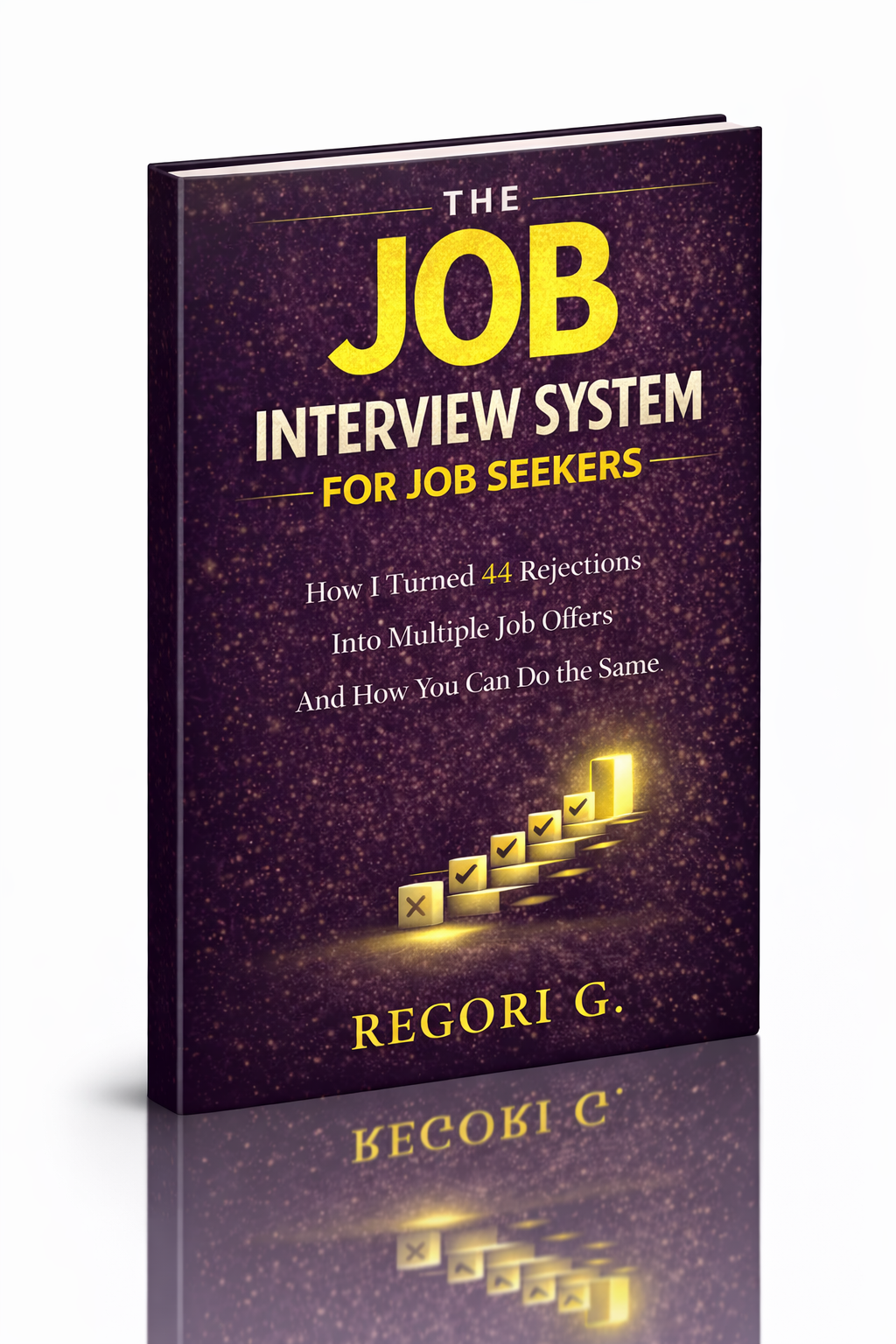
Guide 01
The Job Interview System
Step-by-step interview prep that turns nerves into confidence.
Get it →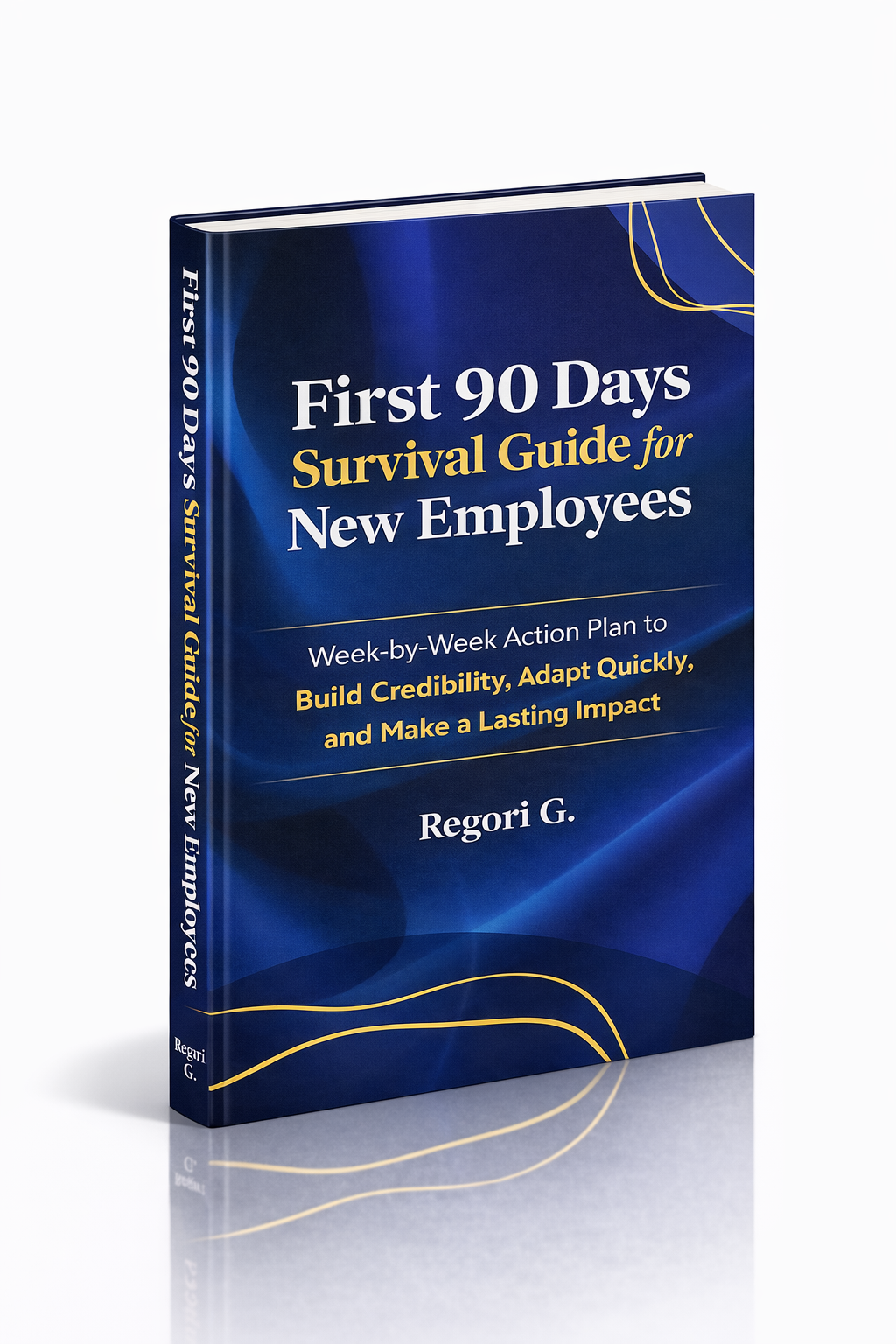
Guide 02
First 90 Days Survival Guide
Hit the ground running and make your mark from day one.
Get it →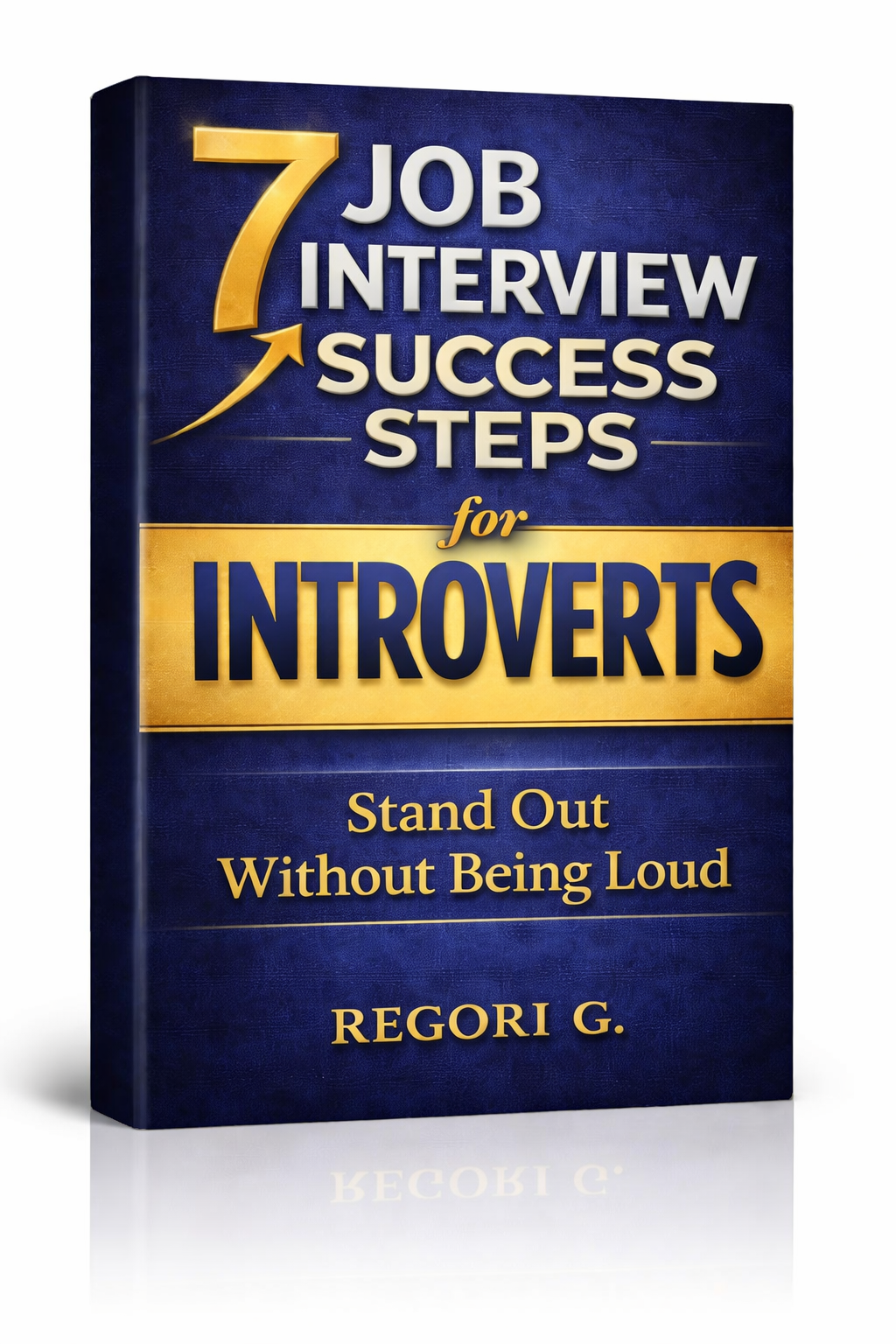
Guide 03
Interview Success for Introverts
7 proven steps to shine in interviews — even if you hate the spotlight.
Get it →