

The 5 Interview Mistakes That Cost You the Job
What's silently killing your chances — and what top candidates do instead. Delivered instantly to your inbox.
No spam. Unsubscribe anytime. Privacy Policy & Terms
- Why "I'm a hard worker" destroys your chances
- What interviewers decide in the first 90 seconds
- How to handle tough questions with confidence
- The salary mistake almost every candidate makes
visit The Job Interview System for Job Seekers on Gumroad. A practical guide built for people who are serious about landing the job they want. For more interview guides, career tips, and job search resources, visit the Love PDF Guides home page.
How to Speak Up in Meetings Without Feeling Overwhelmed
Feeling anxious about speaking up in meetings is a common challenge. Whether you’re worried about being judged, interrupting others, or simply struggling to find the right words, it’s easy to feel overwhelmed. Fortunately, with some practical techniques, you can confidently express your ideas without getting stressed. Here are some tips to help you effectively speak up in meetings.
Prepare Your Thoughts in Advance
Preparation is key. Before the meeting, take time to outline your ideas or points you want to bring up. Consider these steps:
- Identify Key Points: What do you want to contribute? Keep a few essential messages in mind.
- Rehearse: Practice how you want to say it. This can make you feel more confident.
- Use Notes: Bring a small notepad to jot down thoughts if needed. This helps you stay focused and organized.
Start with Small Contributions
Instead of feeling like you need to make a grand statement, begin by contributing small comments or questions. This allows you to ease into the conversation. Consider trying out the following:
- Agree or Comment: Start by agreeing with someone else’s point or adding a simple comment.
- Ask Questions: If you’re unsure, asking relevant questions can boost your engagement without feeling pressured to have all the answers.
Practice Active Listening
Being an active listener can help you become more comfortable speaking up. Pay attention to the discussions happening around you. Here’s how:
- Stay Engaged: Focus on the speaker and their points. This shows that you value their input.
- Take Mental Notes: Jot down thoughts or ideas that come to mind while others are speaking. This can help you formulate your responses later.
Use Simple Language
When it’s your turn to speak, aim for clarity. Use straightforward language to express your ideas. Here’s how to keep your language simple:
- Avoid Jargon: Unless you are sure everyone understands specific terminology, stick to simple phrases.
- Be Concise: Don’t feel the need to explain every detail. Focus on the essential part of your point.
Manage Anxiety with Breathing Techniques
Meeting anxiety can lead to overwhelming feelings. Practicing breathing techniques can help calm your nerves. Consider the following tips:
- Deep Breathing: Take a few deep breaths before speaking. Inhale through your nose, hold for a moment, and exhale slowly.
- Grounding Exercises: Focus on your feet touching the ground or the texture of your notebook to help you feel present.
Encouraging a Supportive Environment
A supportive team or workplace culture can ease the pressure of speaking up. Here are some ways you can encourage a welcoming environment:
- Engage in Team-Building Activities: These can break down barriers and make you feel more connected with your colleagues.
- Offer Praise: Acknowledge others’ contributions. This promotes a positive atmosphere where everyone feels valued.
Seek Feedback
After meetings, seek feedback from trusted colleagues about your contributions. This can help you understand your strengths and areas for improvement. Try asking:
- What did you think of my input?
- How can I improve my communication for next time?
Remember that everyone feels nervous at times. With practice and these strategies, you’ll find your voice and speak up in meetings comfortably. For more resources on communication skills, visit Mind Tools or Harvard Business Review. You’re not alone in this journey, and every step you take builds your confidence.
Overcoming Anxiety: Tips for Confident Communication
Feeling anxious when you need to communicate can often leave you feeling overwhelmed. The good news is that there are practical steps you can take to overcome this anxiety and speak confidently. Here are some tips to help you communicate more effectively, even in high-pressure situations.
Understand Your Anxiety
The first step in overcoming anxiety is to identify what triggers it. For some, it may be the fear of judgment, while others might worry about saying the wrong thing. Understanding your anxiety can help you address the root cause rather than just the symptoms.
Practice Mindfulness Techniques
Mindfulness can be a powerful tool. When you feel anxious, take a moment to ground yourself. You can do this by:
- Taking deep breaths: Inhale deeply through your nose, hold for a few seconds, and exhale slowly through your mouth.
- Focusing on your senses: Identify three things you can see, two things you can touch, and one thing you can hear.
These techniques will help calm your mind and prepare you for effective communication.
Prepare and Rehearse
Preparation can significantly reduce anxiety. Before a meeting or a presentation, take the time to prepare what you want to say. Try these methods:
- Outline your main points: Write down what you want to communicate in a clear outline.
- Practicing in front of a mirror: This engages your body language and gives you a sense of how you appear to others.
- Role-playing with a friend: Having mock conversations can help you feel more comfortable.
Start Small
If the idea of speaking in front of a large group feels intimidating, start small. Share your thoughts with a trusted friend or a smaller group. Gradually build up to larger audiences as your confidence grows. Every successful communication experience, regardless of the audience size, can boost your self-esteem.
Body Language Matters
Your body language can convey confidence, even if you don’t feel it. Practice these techniques:
- Maintain eye contact: This shows you are engaged and confident.
- Stand or sit up straight: Good posture not only projects confidence but can help you feel more confident too.
- Use hand gestures: They can help emphasize your point and make you appear more dynamic.
Engage with Active Listening
Active listening is more than just hearing what someone says; it involves understanding and responding appropriately. When you focus on listening, it can reduce anxiety. You can express your ideas when it’s your turn to speak, making you feel less pressure to contribute at all times.
Learn from Feedback
After you’ve spoken, seek constructive feedback. This will not only improve your skills but also help you recognize your strengths. Consider asking for feedback from a trusted friend or colleague. Their perspective can provide valuable insights and reinforce your confidence.
Use Resources and Support
Consider seeking resources and communities that focus on effective communication. Websites like Toastmasters International offer training and a supportive environment to help you improve your public speaking skills. Additionally, exploring literature on overcoming anxiety can provide further strategies.
Utilizing apps designed for public speaking practice can also be beneficial. They can offer exercises and track your progress as you become more comfortable communicating.
Stay Perspective-Oriented
When feeling anxious, remember the bigger picture. Most people in a meeting are focused on their own contributions and may be less engaged in critiquing yours. Remind yourself that it’s okay to make mistakes. Each experience helps you learn and grow.
Consider keeping a positive mantra or affirmation to repeat before speaking. Phrases like “I am prepared and capable” can serve as motivational boosts. Staying positive can significantly shift your mindset.
Overcoming anxiety in communication is a journey that requires patience and practice. By applying these tips, you will find yourself speaking more confidently. With practice, the pressure will lessen, enabling you to be an effective communicator in any situation.
The Role of Active Listening in Meeting Dynamics
Effective communication in meetings is essential for driving team success and achieving business objectives. One key aspect that often gets overlooked is the role of active listening. Active listening enhances meeting dynamics, ensuring that everyone feels heard and valued. When participants genuinely listen to each other, they can share ideas, clarify misunderstandings, and build a collaborative environment.
Active listening involves more than simply hearing words. It requires focus and attention, as well as responding appropriately to demonstrate understanding. Here are some critical components that highlight the importance of active listening in meeting dynamics:
- Engagement: By actively listening, you show your colleagues that their input is valuable. This fosters a sense of belonging and encourages others to share their thoughts.
- Improved Understanding: Listening attentively can reduce misunderstandings. When you consider the speaker’s perspective, it helps in forming coherent responses.
- Conflict Reduction: Many conflicts arise from miscommunication. By encouraging active listening, teams can minimize tensions and focus on constructive feedback.
- Empathy Development: Understanding different viewpoints boosts empathy among team members, which strengthens team bonds and promotes cooperation.
To reap the benefits of active listening, there are several strategies you can employ in meetings:
- Maintain Eye Contact: This shows your speaker that you are engaged and interested in what they have to say.
- Summarize Key Points: Repeat back what you heard to confirm understanding. This can help clarify any confusion.
- Ask Open-Ended Questions: Encourage deeper discussions by posing questions that require thoughtful responses rather than simple yes or no answers.
- Be Mindful of Non-Verbal Cues: Body language can convey as much information as words. Pay attention to facial expressions and gestures.
The impact of active listening extends beyond individual meetings. It creates a culture where everyone feels empowered to contribute. This empowerment can lead to more fruitful discussions and innovative solutions. Teams that practice active listening are likely to experience:
- Higher Productivity: Clear communication often results in direct actions, reducing time spent on clarifying issues.
- Enhanced Relationships: Trust builds when team members feel appreciated and valued.
- Increased Engagement and Morale: An inclusive atmosphere motivates team members to participate more actively in discussions.
Here is a table outlining some statistics supporting the benefits of active listening:
| Benefit | Statistic |
|---|---|
| Improved Team Performance | Teams that practice active listening see a 50% increase in effectiveness. |
| Employee Satisfaction | 80% of employees report feeling more satisfied in workplaces that prioritize open communication. |
| Conflict Reduction | Active listening can reduce workplace conflicts by 75%. |
Active listening into meeting dynamics is an ongoing process. It involves training and practice, both individually and as a team. Consider setting up workshops or team-building exercises focusing on communication skills. Many organizations, such as Mind Tools, provide resources on developing active listening and communication skills.
Remember, meetings are a joint effort, and everyone’s input is crucial. By prioritizing active listening, you create an environment where all team members can thrive. This ultimately leads to more productive outcomes and a more positive workplace culture.
In the end, active listening is not just a skill but a vital component of effective communication in meetings. The more you practice, the easier it becomes to create a collaborative atmosphere where everyone can contribute and feel included. To learn more about enhancing communication in your organization, visit Forbes for additional insights.
Strategies for Preparing Effective Meeting Contributions
In today’s fast-paced business environment, contributing effectively in meetings is essential. Speaking up can be intimidating, but with the right strategies, you can prepare to make meaningful contributions that resonate with your audience. Understanding how to present your ideas confidently will not only help you stand out but also enhance the overall productivity of meetings.
Understand the Meeting Objectives
Before attending any meeting, take time to review the agenda. Understanding the goals and expected outcomes will guide your contributions. Here’s how to align your thoughts with the meeting’s purpose:
- Identify key topics that you can contribute to.
- Research background information about those topics.
- Prepare specific questions or insights related to the objectives.
Practice Active Listening
Active listening is crucial in any meeting. Pay attention to what is being said to seize the right moments to input your thoughts. Here’s how active listening can enhance your contributions:
- Helps you understand the context of the discussion.
- Allows you to respond appropriately to others’ comments.
- Encourages you to build on others’ ideas creatively.
Organize Your Thoughts
Before the meeting, jot down your ideas and points you want to share. Organizing your thoughts will make it easier for you to articulate them clearly. Consider using bullet points for clarity:
- Key points you want to discuss.
- Examples that illustrate your viewpoints.
- Data or statistics to support your claims.
Utilize Technology
In many cases, meetings are now held virtually. Familiarize yourself with the technology being used. This will allow you to share your screen or lead presentations if needed. Always test your equipment beforehand to avoid technical glitches.
Practice Speaking Up
If you often feel overwhelmed when speaking up, practice is vital. Role-play with a friend or in front of a mirror. This will help you gain confidence before the actual meeting. Here are a few techniques:
- Speak slowly and clearly.
- Make eye contact, even in virtual settings.
- Breathe deeply to calm your nerves.
Set Goals for Contributions
Before each meeting, set realistic goals. This could be speaking up at least once or sharing a specific insight. Knowing what you want to achieve will keep you focused.
Know When to Pause
Timing is crucial in meetings. Knowing when to pause can create space for others to engage more meaningfully. If you feel overwhelmed, take a moment to collect your thoughts. Pausing not only helps you but also encourages participation from others.
Follow Up After Meetings
After contributing in a meeting, it’s beneficial to follow up. Send an email to reaffirm your thoughts, share additional resources, or thank participants for their input. This reinforces your presence and opens channels for further conversation.
Seek Feedback
After meetings, ask for feedback from trusted colleagues. This will help you improve your contributions for future meetings. Encourage honest opinions about how you presented your ideas and engaged with others.
Continuous Learning and Development
Engage in continuous learning to improve your communication skills. Attend workshops, read articles, or take courses related to effective communication. The more you learn, the more confident you will feel in meetings. Consider visiting resources like Mind Tools for skill-building workshops.
Effective contributions in meetings don’t come overnight. However, with careful preparation and practice, you can share your insights without feeling overwhelmed. Focus on the meeting objectives, organize your thoughts, and engage confidently. Over time, you will become an influential voice in your team.
Body Language Techniques to Enhance Your Presence
Enhancing your presence in any setting is crucial for effective communication and building relationships. One of the most impactful ways to achieve this is through body language techniques. By understanding and mastering these techniques, you can significantly improve how others perceive you and how you interact with them. Here are some key methods to enhance your presence using body language.
Establish a Strong Posture
Your posture communicates a lot about your confidence level. Standing tall with your shoulders back not only projects confidence but also helps you feel more assured. Try to:
- Stand or sit up straight with your feet grounded.
- Keep your head up and face forward.
- Avoid slumping or crossing your arms, as these can appear closed off.
A strong posture makes you appear more approachable and authoritative. This is particularly important in meetings, where your confidence can impact discussions and decisions.
Use Eye Contact Effectively
Eye contact is one of the most powerful tools in body language. It shows that you are engaged and interested. To maximize your effect:
- Maintain eye contact for about 50-70% of the conversation.
- Use gentle glances around the room while speaking to include everyone.
- Avoid staring, as it can make others uncomfortable.
Effective use of eye contact builds trust and helps you connect with your audience, making your presence more noticeable.
Facial Expressions Matter
Your face is a canvas that displays your emotions. To enhance your presence, make sure your facial expressions align with your message. Here are some tips:
- Smile genuinely when greeting or engaging with others.
- Use appropriate expressions that match the tone of the conversation.
- Practice relaxed expressions to avoid looking tense or unapproachable.
By being aware of your facial expressions, you can convey warmth and authenticity, which draws people in.
Master Hand Gestures
Hand gestures can help clarify your message and make your presence more impactful. Consider the following techniques:
- Use open-handed gestures to appear more inviting.
- Point usefully to emphasize key points while avoiding accusatory pointing.
- Keep gestures within the space of your body to maintain control.
Gestures can break the monotony of your speech and add emphasis, making your presentation more dynamic and engaging.
Be Mindful of Personal Space
Understanding personal space is essential for effective communication. Every individual has a comfort zone, and invading it can create discomfort. Here are some guidelines:
- Observe the other person’s body language to gauge their comfort level.
- Maintain a respectful distance, especially in initial meetings.
- Adjust your distance based on the relationship and context.
Being mindful of personal space shows respect and empathy, thus enhancing your overall presence.
Project Your Voice
While body language is non-verbal, how you use your voice also plays an important role in enhancing your presence. Focus on these aspects:
- Speak clearly and at a steady pace.
- Vary your tone to hold interest.
- Use pauses effectively for emphasis and to allow key points to resonate.
A strong, clear voice can command attention and reinforce your confident body language.
Practice Mindfulness and Relaxation Techniques
To display confident body language, it’s essential to be relaxed. Techniques such as deep breathing, visualization, or even short meditative exercises can help. Consider:
- Taking a few deep breaths before entering a meeting.
- Visualizing a positive outcome to boost your overall mindset.
- Practicing mindfulness to stay present during discussions.
Being calm and centered empowers you to communicate more effectively, enhancing your overall presence.
By implementing these body language techniques, you can significantly improve how you are perceived in various settings. For more insights on body language, visit Business News Daily or MindTools. Remember, enhancing your presence begins with awareness and practice. By consistently applying these techniques, you’ll find that speaking and interacting in any setting becomes more natural and effective.
The Importance of Clarifying Ideas Before Speaking
In any conversation or discussion, whether at work or in social situations, having clear ideas before speaking is crucial. Clarifying your thoughts helps you communicate effectively and confidently. Here are some reasons why this practice is important and tips on how to implement it.
First, when you clarify your ideas, you eliminate confusion. Clear thoughts translate to clear communication. When you express your ideas poorly, others might misunderstand your point. To avoid this, take a moment to gather your thoughts before speaking. This helps ensure everyone understands your message.
Next, clarifying your ideas before speaking makes you sound more professional. When you communicate clearly, others see you as competent and trustworthy. This is particularly important in meetings or presentations. People respect those who articulate their thoughts well. They are more likely to listen and consider your opinions seriously.
Another key benefit is that it reduces anxiety. Many people feel overwhelmed during discussions, especially in larger groups. By taking time to clarify your thoughts, you feel more prepared and less nervous. You can engage with others confidently, knowing you have a solid understanding of your points.
- Gather your thoughts: Before speaking, take a moment to think about what you want to say.
- Write it down: If you’re anxious, jotting down your points can help organize your ideas.
- Practice out loud: Speaking your ideas aloud, even if it’s just to yourself, can boost your confidence.
Moreover, preparing your ideas allows for better feedback. When you present your thoughts clearly, others can provide constructive feedback more easily. This exchange can lead to improved ideas and a better outcome. Everyone involved can benefit from this collaborative interaction, increasing overall productivity and positivity in the group.
| Benefits of Clarifying Ideas | Description |
|---|---|
| Eliminates confusion | Clear communication ensures everyone understands your message. |
| Enhances professionalism | Articulate individuals are seen as more competent and trustworthy. |
| Reduces anxiety | Being prepared helps you feel more confident and less nervous. |
| Encourages feedback | Clear ideas facilitate constructive feedback and collaboration. |
Additionally, when you take the time to clarify your thoughts, you pave the way for more in-depth discussions. This practice encourages dialogue rather than debate. When you clearly communicate your ideas, others are more likely to offer their thoughts and perspectives rather than simply rebuffing yours.
Being clear in your communication fosters a culture of openness. Team members are likely to feel more comfortable sharing their thoughts when they see others articulating theirs well. This environment creates a positive feedback loop, where effective communication leads to more communication, enhancing team cohesion.
To improve your skill in clarifying ideas before speaking, consider these strategies:
- Identify your core message: What is the main point you want to convey? Focus on this.
- Use simple language: Complicated jargon can confuse your audience. Choose words that are easy to understand.
- Engage in active listening: Pay attention to others during discussions. This helps you adjust your ideas based on their inputs.
Taking the time to clarify your ideas before speaking can significantly impact your effectiveness in communication. By reducing confusion, enhancing professionalism, reducing anxiety, encouraging feedback, fostering open dialogue, and creating a cohesive environment, you can improve not only your personal interactions but also the overall dynamics of your team. Explore more about enhancing communication skills through resources available at Mind Tools and Toastmasters.
Creating a Supportive Environment for Team Discussions
Creating a supportive environment for team discussions is essential for effective collaboration and innovation. In such an atmosphere, team members can express their ideas freely, leading to better decision-making and a more engaged workforce. Here are some strategies to foster an open and inclusive environment in your workplace.
Encourage Open Communication
Open communication forms the bedrock of a supportive environment. Here are effective ways to promote it:
- Active Listening: Ensure everyone feels heard by practicing active listening. Acknowledge their points before moving on.
- Nonjudgmental Atmosphere: Encourage team members to voice their thoughts without fear of criticism. Set the tone that all ideas are valuable.
- Feedback Loops: Create opportunities for constructive feedback. Regular check-ins can help sustain communication.
Foster Inclusivity
An inclusive environment motivates team members to participate. To create this space:
- Diverse Voices: Promote diversity by including various backgrounds and perspectives in discussions.
- Rotate Meeting Roles: Assign different roles like facilitator to various team members. This practice encourages different contributions.
- Recognize Contributions: Celebrate everyone’s input, regardless of the outcome. Recognition boosts morale and encourages participation.
Provide Resources and Training
Equip your team with the necessary tools and knowledge to feel confident in discussions:
- Workshops: Conduct workshops on effective communication and presentation skills.
- Guidelines: Provide clear guidelines on how to engage constructively in team discussions.
- Access to Information: Ensure that all team members have access to relevant data and resources to back their ideas during discussions.
Establish Clear Objectives
Establishing clear objectives for discussions can help team members stay focused and engaged. Consider the following:
- Set Meeting Goals: Clearly outline the purpose of each meeting. This clarity helps team members prepare effectively.
- Time Management: Allocate specific time slots for each agenda item to help keep discussions concise and productive.
- Follow-Up Actions: Assign clear action items after meetings to ensure accountability and follow through.
Utilize Technology
In today’s digital age, leveraging technology can enhance team discussions. Here’s how:
- Virtual Collaboration Tools: Use platforms like Slack or Microsoft Teams to facilitate ongoing conversations outside formal meetings.
- Video Conferencing: For remote teams, video calls provide a personal touch that emails or chats cannot match.
- Survey Tools: Tools like SurveyMonkey can help gather opinions or feedback before team discussions, ensuring everyone’s input is considered.
Create a Safe Space
A safe space fosters trust. Here are strategies to create one:
- Establish Ground Rules: Set ground rules for discussions, emphasizing respect and collaboration.
- Encourage Vulnerability: Allow team members to share challenges or uncertainties. This practice builds deeper connections.
- Provide an Anonymous Channel: Create a way for team members to share their thoughts anonymously for sensitive issues.
| Strategy | Benefits |
|---|---|
| Active Listening | Enhances team cohesion and validates each member’s input. |
| Inclusive Practices | Encourages participation and enriches discussions with diverse ideas. |
| Clear Objectives | Increases productivity and maintains focus during meetings. |
By implementing these strategies, you cultivate a supportive environment that encourages team members to participate actively. This environment not only enhances the quality of discussions but also contributes to overall workplace satisfaction.
For more insights on creating a supportive team environment, consider exploring articles on websites such as Forbes and Harvard Business Review.
Key Takeaway:
Key Takeaway: Empowering Yourself to Speak Up in Meetings
Speaking up in meetings can often feel daunting, but with the right strategies, you can overcome feelings of overwhelm and contribute meaningfully to discussions. The first step is overcoming anxiety. This might involve deep breathing exercises or visualizing positive scenarios where your voice is heard, helping you to build confidence. Remember, your ideas are valuable, and everyone brings unique perspectives to the table.
Active listening plays a vital role in effective communication during meetings. By truly focusing on what others are saying, you can better understand the discussion points, identify when it is appropriate to contribute, and ensure that your input is relevant. This attentiveness also fosters engagement from others and enhances the overall team dynamic.
Preparation is key. Before a meeting, take the time to clarify your ideas. Write down your key points and practice articulating them. This preparation will empower you to communicate clearly and confidently without feeling lost or overwhelmed when the moment to speak arises.
Body language is another crucial aspect. Maintaining eye contact, sitting up straight, and using open gestures can enhance your presence in the room. Nonverbal cues help convey confidence and can make you feel more self-assured in expressing your thoughts.
Creating a supportive environment is equally important. Whether it’s encouraging everyone to share their views or ensuring that all ideas are welcomed, fostering a positive atmosphere can significantly reduce anxiety levels. If you’re part of the management team or have influence, advocate for a culture where team members feel safe to voice their opinions.
Speaking up in meetings requires practice, preparation, and a supportive atmosphere. By addressing anxiety, engaging in active listening, and using effective body language, you can enhance your communication skills. Remember, your voice matters, and by implementing these strategies, you’ll not only find your voice but also inspire others to do the same.
Conclusion
Navigating the challenges of speaking up in meetings can be daunting, but with the right strategies, you can transform those moments of anxiety into opportunities for growth and collaboration. By overcoming anxiety through preparation and practice, you set the stage for confident communication that resonates with your audience. Active listening plays a crucial role in this process, ensuring you not only express your thoughts clearly but also stay engaged with others’ ideas, fostering meaningful discussions.
Preparing effective contributions ahead of time helps you gather your thoughts, leading to clearer and more insightful input. Moreover, mastering body language techniques enhances your presence and reinforces your message, making it easier for your colleagues to connect with you. Clarifying your ideas before speaking empowers you to articulate your viewpoints more effectively, reducing the fear of miscommunication.
Creating a supportive environment is vital for team discussions, allowing everyone to feel valued and encouraged to share their perspectives. When team members feel secure, the entire group can benefit from diverse insights and innovative solutions. Remember that every voice matters, and fostering an inclusive atmosphere helps build trust and strengthens collaboration.
Embracing these practices will not only help you speak up more confidently in meetings but will also create a positive dynamic within your team. By focusing on these strategies, you can turn overwhelming situations into productive conversations, ensuring that your contributions are both heard and respected. Take a deep breath, trust your preparation, and remember that your insights are an essential part of the team’s success.
Your Next Chapter
Starts with the Right Guide
Three straight-talking PDF guides to help you win interviews, beat the first 90 days and thrive as an introvert. Instant download on Gumroad.

Guide 01
The Job Interview System
Step-by-step interview prep that turns nerves into confidence.
Get it →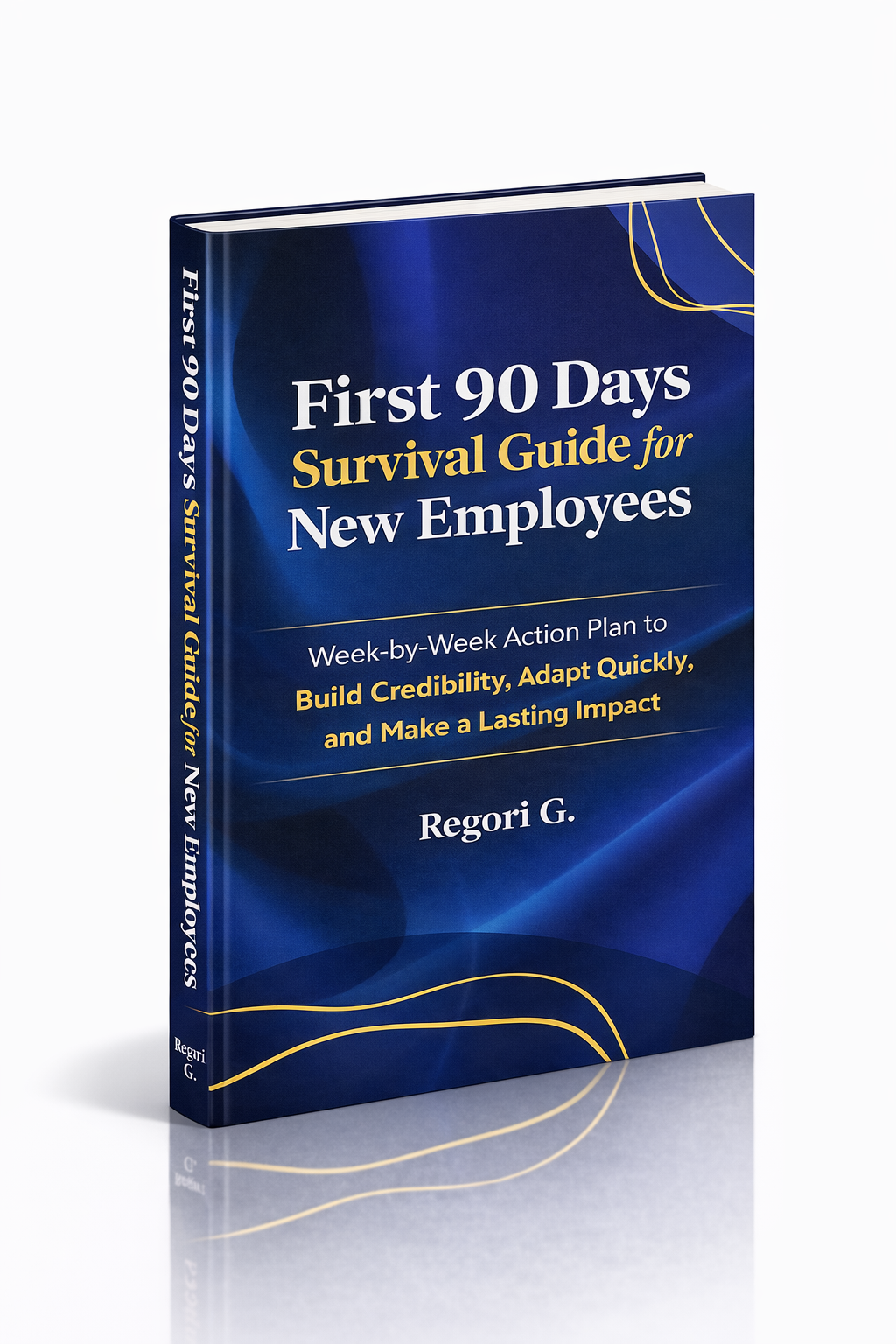
Guide 02
First 90 Days Survival Guide
Hit the ground running and make your mark from day one.
Get it →
Guide 03
Interview Success for Introverts
7 proven steps to shine in interviews — even if you hate the spotlight.
Get it →