

The 5 Interview Mistakes That Cost You the Job
What's silently killing your chances — and what top candidates do instead. Delivered instantly to your inbox.
No spam. Unsubscribe anytime. Privacy Policy & Terms
- Why "I'm a hard worker" destroys your chances
- What interviewers decide in the first 90 seconds
- How to handle tough questions with confidence
- The salary mistake almost every candidate makes
How to Stay Visible at Work When You Are Remote
Working remotely offers flexibility, but it can also make you feel invisible in a large team. Staying visible at work while remote requires intentional efforts. You can maintain your professional presence, showcase your contributions, and keep communication open. Here are some effective strategies to help you shine in a remote work environment.
Communicate Regularly
Consistent communication is vital when you’re working from home. Reach out to your colleagues and supervisors regularly. Consider implementing these methods:
- Email Updates: Keep your team informed by sending brief updates on your progress.
- Daily Check-ins: Participate in daily or weekly video calls to discuss ongoing projects.
- Chat Platforms: Utilize tools like Slack or Microsoft Teams to maintain continuous, informal communication.
Regular communication not only keeps you visible but also fosters stronger relationships with your coworkers.
Show Your Work
To stay visible, it’s crucial to showcase your contributions. Share your work widely. Here’s how:
- Weekly Reports: Provide a summary of your tasks and accomplishments.
- Create Highlights: Use visual aids or presentations to highlight key achievements during team meetings.
- Share Success Stories: Don’t hesitate to share when you or your team reaches a goal.
This transparency builds trust and helps everyone recognize your hard work.
Be Proactive in Meetings
When attending video calls, be proactive. Here are several tips to ensure you stand out:
- Prepare Ahead: Familiarize yourself with the agenda and come with questions or comments.
- Engage Actively: Participate in discussions and voice your opinions confidently.
- Use Video: Keep your video on during meetings to create a personal connection.
Proactively engaging gives your team a sense of your presence, even from a distance.
Create a Work-Life Balance
Maintaining a clear work-life balance can also enhance your visibility. When you manage your time effectively, you can dedicate the necessary focus to your job. Try to:
- Set Clear Hours: Stick to a routine that lets others know when you are available.
- Establish a Dedicated Workspace: Create a professional setup to enhance productivity.
- Take Regular Breaks: Use short breaks to recharge; this will improve your engagement when you return to work.
A clear separation can improve your output and visibility.
Network Virtually
Networking can play a significant role in staying visible. Use online networking tools to connect with colleagues in your field. Here’s how to do it:
- Join Online Communities: Participate in forums related to your profession to expand your connections.
- Attend Webinars: Engage in industry webinars to meet like-minded professionals.
- Social Media: Follow industry leaders on LinkedIn and engage with their content.
Connecting with others in your field opens doors and keeps your name fresh in people’s minds.
Seek Feedback
Asking for feedback shows that you value input and are committed to your role. Consider this approach:
- Request Regular Check-ins: Schedule one-on-one sessions with your manager to discuss your performance.
- Peer Reviews: Collaborate with colleagues to give and receive constructive feedback.
- Implement Suggestions: Act on the feedback received to demonstrate your growth.
Actively seeking feedback ensures that your work remains aligned with company goals and expectations.
Staying visible in a remote work setting is achievable with consistent effort. By communicating, showcasing your work, engaging in meetings, networking, and seeking feedback, you will enhance your presence in the workplace.
For more strategies on remote work success, visit Forbes HR Council or explore insights at Harvard Business Review.
The Importance of Communication in a Remote Setting
Effective communication holds a pivotal role in a remote setting. With more companies adapting to work-from-home arrangements, the ways in which team members interact have dramatically transformed. Proper communication not only fosters a sense of belonging but also enhances productivity, clarity, and collaboration among remote teams. Here’s why communication matters and how to improve it in a remote environment.
In remote work scenarios, the absence of in-person interactions can lead to feelings of isolation and disengagement. Team members may miss the informal conversations that occur naturally in an office setting. To combat this, establishing regular communication practices is vital. Here are some effective methods:
- Daily Standups: Encourage team members to participate in daily check-ins to discuss their achievements and hurdles. This keeps everyone informed and engaged.
- Dedicated Communication Tools: Leverage platforms like Slack or Microsoft Teams for daily messaging and collaboration. This helps maintain open lines of communication.
- Video Conferencing: Schedule regular video meetings via Zoom or Google Meet to enhance personal connections and improve clarity through visual cues.
Another significant aspect of communication in a remote setting is clarity. Clear communication helps prevent misunderstandings and promotes efficiency. Here are some strategies to ensure clarity:
- Be Concise: Avoid long-winded messages. Aim to be direct and to the point, ensuring your main ideas are easily understood.
- Use Visuals: Incorporate diagrams, screenshots, or graphs to support your communication. Visual aids can make complex information more digestible.
- Follow Up: After discussions, send a summary or action items to confirm understanding and accountability. This step solidifies what was agreed upon.
Equally important is the role of feedback in remote communication. Providing constructive feedback fosters growth and improvement within teams. Implementing a feedback process can look like this:
- Regular Check-Ins: Schedule one-on-one meetings to discuss performance and areas for improvement.
- Anonymity in Feedback: Use anonymous surveys to encourage honest reviews without fear of backlash.
- Recognition: Acknowledge team members’ achievements publicly, which can contribute to increased morale and motivation.
Maintaining an inclusive environment in remote teams is also essential. everyone into discussions ensures all voices are heard, regardless of geographical location. Here are ways to foster inclusivity:
- Rotate Meeting Roles: Assign different team members to lead meetings or share updates. This encourages participation and leadership development.
- Invite Ideas: Use brainstorming sessions to encourage everyone to contribute ideas or solutions, ensuring diverse perspectives are considered.
- Encourage Social Interactions: Arrange virtual social events, like online games or coffee breaks, to strengthen relationships.
Utilizing the right tools is critical in a remote setting. Here’s a table of recommended tools that can enhance communication:
| Tool | Purpose | Link |
|---|---|---|
| Slack | Team messaging and collaboration | Visit Slack |
| Zoom | Video conferencing | Visit Zoom |
| Trello | Project management and task tracking | Visit Trello |
| Miro | Collaborative whiteboard tool | Visit Miro |
In a remote work environment, fostering strong communication practices is not just beneficial, it’s necessary. Prioritizing daily interactions, maintaining clarity, providing feedback, encouraging inclusivity, and utilizing effective tools can create a more cohesive and productive team dynamic. By employing these strategies, teams will not only stay connected but will also function more effectively, reaping the many rewards that come with clear and consistent communication.
Leveraging Technology for Better Visibility in Remote Work
Working remotely offers flexibility and convenience, but it can pose challenges for visibility within your team and organization. Leveraging technology effectively can enhance your presence and ensure you are recognized for your contributions. Here are some strategies to utilize technology for better visibility while working remotely.
Regular Communication is Key
Consistent communication helps maintain a sense of connectedness with your team. Use various tools to keep the lines of communication open:
- Instant Messaging Platforms: Use tools like Slack or Discord for quick interactions and updates.
- Video Conferencing: Schedule regular check-in meetings using Zoom or Microsoft Teams to foster face-to-face communication.
- Email Updates: Send out weekly or bi-weekly emails summarizing your progress on projects and sharing important updates.
Document Your Work
Keeping accurate records of your work can significantly enhance your visibility. Here’s how to do it:
- Use Project Management Tools: Utilize platforms like Trello or Asana to track tasks, deadlines, and accomplishments. This way, others can easily see your contributions.
- Maintain a Work Journal: Document your daily activities, achievements, and challenges. This will help you keep track of your performance and be useful during appraisals.
Engage on Social Media and Professional Networks
Being active on professional platforms can enhance your visibility tremendously. Consider the following:
- LinkedIn Activity: Regularly post updates about your projects, share insights, and engage with industry-relevant content. This shows you are active and knowledgeable in your field.LinkedIn
- Networking: Attend webinars and virtual networking events. These are great opportunities to meet others in your field and share your expertise.
Utilize Your Company’s Intranet and Collaborative Tools
Many organizations have platforms for sharing information and collaboration. Here’s how to maximize those:
- Post Updates: Share your work and successes on your company’s intranet. This makes your contributions visible to everyone in the organization.
- Collaborate on Documents: Use tools like Google Docs to work collaboratively with teammates. This enhances your engagement and demonstrates your teamwork skills.
Seek Feedback and Recognition
Being proactive about seeking feedback not only helps you improve but also makes your efforts visible. You can do this through:
- Regular Check-In Meetings: Use these meetings to ask for constructive feedback and discuss any challenges you’re facing.
- Recognition Requests: Don’t hesitate to request acknowledgment from your supervisor during team meetings to highlight your achievements.
Balance Productivity Tools with Presence
| Tool Type | Examples | Best For |
|---|---|---|
| Task Management | Trello, Asana | Tracking Tasks |
| Communication | Slack, Teams | Quick Interactions |
| Video Conferencing | Zoom, Google Meet | Face-to-Face Interaction |
By combining productivity and communication tools, you can maintain a presence that promotes visibility at work. Staying engaged and connected not only enhances your professional image but also creates opportunities for collaboration.
By implementing these strategies, you can ensure that you remain visible and valued, even in a remote work setting. Use technology wisely, and it can bridge the gap between you and your team, keeping you front and center, no matter where you are.
Building Relationships with Colleagues from a Distance
In today’s hybrid work environment, building strong relationships with colleagues from a distance is essential for professional success. Whether you’re working from home or in a flexible office setup, the way you connect with your peers can significantly impact your collaboration and job satisfaction. Below are practical strategies that can help you establish and maintain these vital connections.
Utilize Technology for Communication
Technology plays a critical role in remote work. To cultivate relationships, make the most of various communication tools available. Here are some popular options:
- Video Calls: Platforms like Zoom and Microsoft Teams allow you to have face-to-face interactions without being in the same room.
- Instant Messaging: Tools like Slack or Microsoft Teams’ chat feature enable quick conversations, helping to replicate office interactions.
- Email: While more formal, email can also be a great way to share updates and keep in touch with your colleagues.
Make it a habit to check in with your colleagues regularly through these platforms. A simple message asking how their day is going can make a significant difference.
Participate in Virtual Team-Building Activities
Many companies organize virtual team-building events, which can be fun ways to bond with colleagues. Participating in these activities can help you connect on a more personal level and build rapport. Examples include:
- Online quizzes and trivia games.
- Virtual lunch or coffee breaks.
- Workshops and educational sessions.
Engaging in these activities not only allows you to learn more about your colleagues but also fosters a sense of community within your organization.
Network within Professional Communities
Expanding your network outside your company can also support relationship-building. Engage in online forums or webinars related to your industry. This could help you meet people with similar interests and expand your professional network. Some platforms to consider include:
- LinkedIn – Connect and follow industry leaders.
- Meetup – Join groups based on your interests.
- Eventbrite – Look for online workshops and networking events.
Share Your Knowledge and Offer Help
An effective way to nurture relationships is to offer assistance to your teammates. Sharing your expertise can make you a go-to person, fostering trust and dependence. Here’s how you can offer help:
- Volunteer to mentor new hires.
- Share resources that might be beneficial to others.
- Write articles or create content based on your expertise and share it with your team.
When you provide value to your colleagues, you build a strong network that can lead to mutually beneficial relationships.
Be Mindful of Time Zones
When working remotely with a global team, it’s essential to be mindful of different time zones. Schedule meetings at times convenient for all participants. Use tools like World Time Buddy to help coordinate. Being considerate shows that you value your colleagues’ time, which is vital for fostering respect and trust.
Regular Feedback and Check-Ins
Establishing a feedback loop is crucial for maintaining strong relationships. Regular check-ins, both formal and informal, can provide opportunities for open communication. Discuss what’s working and what may need improvement. This practice builds trust and can help strengthen professional ties. Consider implementing the following:
- Schedule bi-weekly catch-ups to discuss ongoing projects.
- Provide constructive feedback to help colleagues grow.
- Ask for feedback on your work to demonstrate your willingness to improve.
By implementing these strategies, you can effectively build strong relationships with your colleagues, even from a distance. Remember, the key to successful remote collaboration lies in consistent communication and a willingness to engage with your team.
Additionally, for deeper insights related to building remote relationships, you might find the following resources helpful: Forbes and Harvard Business Review.
Strategies to Enhance Your Online Presence and Reputation
In today’s digital world, enhancing your online presence and reputation is essential for professional success. Whether you’re an entrepreneur, freelancer, or employee, how you present yourself online can significantly impact your career opportunities. Here are strategies to help you build and enhance your online presence.
Optimize Your Social Media Profiles
Social media platforms are vital for establishing your online identity. To make the most of these platforms, consider the following:
- Consistent Branding: Use the same profile picture, bio, and tagline across all platforms. This consistency helps people recognize you easily.
- Engage Regularly: Post content relevant to your field, respond to comments, and engage with others by sharing their content.
- Join Professional Groups: Participate in LinkedIn groups or Facebook communities related to your industry. This engagement can help you connect with peers and decision-makers.
Create Valuable Content
Producing high-quality content is one of the best ways to establish credibility. Your content should resonate with your target audience. Here are some formats to consider:
- Blog Posts: Writing articles on platforms like Medium allows you to showcase your expertise.
- Videos: Share your knowledge through tutorials or webinars on platforms like YouTube. Video content often receives higher engagement.
- Infographics: These visual tools help simplify complex information and are highly shareable on social media.
Network Strategically
Networking remains vital, even more so in a digital realm. Building and maintaining professional relationships can propel your reputation. Consider these tips:
- Attend Virtual Events: Participate in webinars, online conferences, and workshops. These events can help you connect with like-minded professionals.
- Reach Out: Don’t hesitate to send a direct message to people you admire in your industry. A simple compliment or a question can open doors.
- Follow Up: If you’ve met someone online, follow up with a message or an email to keep the connection alive.
Seek Recommendations and Endorsements
Positive reviews and endorsements can significantly boost your credibility. Here’s how to gather them effectively:
- Ask for Recommendations: On LinkedIn, kindly ask colleagues and clients to write recommendations. Be specific about what you want them to highlight.
- Give Back: Write recommendations for others. Often, they will reciprocate, enhancing your profile’s visibility.
- Display Testimonials: If you have a personal website, create a testimonials section where positive feedback can be showcased.
Monitor and Manage Your Online Reputation
Keeping track of your online reputation is crucial. You can utilize various tools for this purpose:
- Google Alerts: Set alerts for your name to be notified when new content is published about you.
- Reputation Management Tools: Platforms like Reputation.com can help you monitor and manage your online presence effectively.
- Social Listening: Use tools like Hootsuite to monitor what’s being said about you on social media.
Leverage SEO Techniques
Search Engine Optimization (SEO) is vital for boosting your online visibility. Implement these techniques:
- Keyword Strategy: Research keywords related to your industry and incorporate them into your website and content.
- Quality Backlinks: Collaborate with other reputable sites for guest posting opportunities. Backlinks can enhance your site’s authority.
- Optimize Your Website: Ensure your website is mobile-friendly and easy to navigate, as user experience plays a significant role in SEO.
By adopting these strategies, you can enhance your online presence and reputation effectively. Remember, the digital landscape is always evolving, so stay updated with trends and adjust your strategies accordingly. Keeping your online interactions professional and engaging will create a lasting and positive impression.
Setting Boundaries to Maintain Productivity While Staying Visible
In today’s remote work environment, productivity and visibility go hand in hand. Setting boundaries is crucial to ensure you maintain your tasks while also staying visible to your team and management. Here are some effective strategies to help you achieve this balance.
Establishing Work Hours
One of the first steps in setting boundaries is to establish clear work hours. When working remotely, it can be tempting to work outside of traditional hours, but this often leads to burnout. Here’s how to do it:
- Define Your Availability: Clearly communicate your working hours to your team. This helps in managing expectations.
- Stick to a Schedule: Consistently start and finish work at the same time each day.
- Use Calendar Tools: Share your calendar to show when you’re available for meetings and focused work time.
By setting clear work hours, you signal to others when you’re engaged and reduce the chances of interruptions during your productive hours.
Creating a Dedicated Workspace
Your physical workspace can significantly affect your productivity and visibility. Here are some tips to create a focused environment:
- Choose the Right Spot: Find a quiet place in your home where you can work uninterrupted. This helps to separate work from personal life.
- Keep It Organized: Maintain an organized workspace. A tidy area can help you focus better and appear more professional in video calls.
- Invest in Equipment: Having a good chair and desk can enhance comfort and productivity.
A dedicated workspace not only boosts your productivity but also gives colleagues a professional impression when you’re on video calls.
Utilizing Project Management Tools
To stay visible while working remotely, leverage project management tools. These tools allow team members to track progress and collaborate in real-time. Consider using:
- Asana – Task and project management tool that allows teams to communicate effectively.
- Trello – A visual tool to organize projects using boards, lists, and cards.
- Slack – A messaging platform for team collaboration that keeps everyone updated.
These tools enhance visibility by showing your contributions, deadlines met, and project updates. Regularly updating your tasks keeps you on the radar and demonstrates your commitment to the team’s goals.
Communicating Effectively
Regular communication is vital in a remote work setting. It helps build relationships and maintain a level of visibility. Here are a few communication practices to adopt:
- Schedule Regular Check-Ins: Weekly meetings with your manager or team can keep everyone aligned.
- Provide Updates: Send brief updates on your progress through emails or chat applications to keep everyone informed.
- Be Available: Make sure your team knows when and how to reach you. Use status updates in communication tools to signal your availability.
Effective communication fosters collaboration and ensures that you stay connected with your team, enhancing both your visibility and productivity.
Setting Personal Boundaries
It’s crucial to set personal boundaries to maintain a healthy work-life balance. Here are some personal boundaries to consider:
- Turn Off Notifications: During work hours, limit distractions by turning off non-essential notifications.
- Designate Break Times: Schedule regular breaks to recharge. Stepping away can help maintain a high level of performance.
- Practice Saying No: Politely decline tasks that may overload your schedule to avoid diminishing your productivity.
By setting these personal boundaries, you can better manage your time and maintain productivity while allowing for visibility at work.
In the remote work landscape, staying visible while being productive requires intentional actions around boundaries. Use tools and strategies that work best for you, and don’t forget to communicate actively with your team. For more insights on productivity in remote work, visit Remote.co or Harvard Business Review.
Effective Networking Tactics for Remote Workers
Networking as a remote worker can feel different than in-person interactions, but with the right tactics, you can build strong, professional relationships from wherever you work. Here are some effective strategies to enhance your networking game while working remotely.
Leverage Social Media Platforms
Social media is a powerful tool for networking. Platforms like LinkedIn, Twitter, and even Facebook can help you connect with colleagues and industry leaders. Here are some tips:
- Create a Strong Profile: Ensure your profile is polished, highlighting your skills and experience.
- Engage Regularly: Share updates, comment on posts, and participate in discussions to stay visible.
- Join Groups: Many platforms offer groups related to your industry. Join and contribute to these communities.
Participate in Online Events
Virtual conferences, webinars, and networking events provide excellent opportunities to meet new people.
- Attend Relevant Events: Look for events that match your interests or professional goals. Websites like Eventbrite often list virtual gatherings.
- Engage with Speakers: Don’t hesitate to reach out to speakers after their presentations. A simple message can open doors.
- Follow-Up: After attending an event, follow up with anyone you connected with. A friendly message can help solidify that relationship.
Utilize Video Calls Wisely
Video calls can enhance your personal touch in networking. Use these tips to maximize their effectiveness:
- Be Prepared: Have a clear agenda for your call. This not only shows respect for their time but also makes the most of your interaction.
- Dress Professionally: Even though you’re remote, dressing smartly indicates that you value the meeting.
- Follow-Up: After a video call, send a thank-you email summarizing key points discussed. This helps reinforce connections.
Engage with Your Colleagues
If you’re part of a remote team, take advantage of internal opportunities to build relationships:
- Participate in Team Chats: Regularly engage in team chats, using tools like Slack or Microsoft Teams.
- Be Social: Use casual channels for non-work chat; bonding over shared interests can strengthen professional relationships.
- Offer Help: Be available to assist others when they face challenges. This builds trust and respect.
Follow Industry Trends
Staying informed demonstrates your passion for your work, which can attract connections:
- Subscribe to Industry Newsletters: Websites like Harvard Business Review provide insightful articles relevant to many fields.
- Engage in Discussions: Bring up recent trends in conversations. This shows that you are proactive and engaged.
- Share Relevant Content: Posting interesting articles on your social media can spark conversations and attract like-minded professionals.
Tap into Alumni Networks
Your school’s alumni network can be a valuable resource. Here’s how to make the most of it:
- Join Alumni Groups: These often have their own online communities for networking.
- Attend Alumni Events: Engage in virtual meetups to expand your network.
- Reach Out for Informational Interviews: If you find alumni in roles or companies of interest, ask for 15 minutes of their time to learn more about their experiences.
Stay Organized
Keeping track of your networking efforts can help ensure you’re making connections effectively:
| Date | Contact Name | Method of Contact | Follow-Up Date |
|---|---|---|---|
| 01/01/2023 | Jane Doe | 01/08/2023 | |
| 01/05/2023 | John Smith | Video Call | 01/12/2023 |
By using this table or similar methods, you can manage your relationships and ensure you’re keeping in touch with valuable contacts.
Networking as a remote worker is about building relationships that take time and effort. By using these tactics, you’ll be able to stay connected and visible within your professional community, even from a distance.
Key Takeaway:
In today’s digital landscape, staying visible at work is crucial, especially for remote employees. This article covers several key strategies that can help you maintain your presence and reputation while working from home. First and foremost, effective communication is vital. Regularly engaging with your teammates through video calls, instant messaging, and emails fosters connections and ensures your voice is heard. By maintaining clear channels of communication, you enhance collaboration and demonstrate your commitment to the team.
Leveraging technology is another way to increase visibility in a remote setting. Utilize collaboration tools like Slack, Zoom, and project management software to ensure you are actively participating in discussions and projects. These platforms not only help you stay in the loop but also allow you to showcase your contributions.
Building relationships with colleagues is essential, even from a distance. Invest time in virtual coffee breaks or informal chats to get to know your peers better. Strong relationships lead to better teamwork, which can bolster your visibility in the workplace.
You should also employ strategies to enhance your online presence and reputation. Share your accomplishments and insights on professional networking sites like LinkedIn. Regularly updating your profile and participating in relevant discussions can showcase your expertise and make you more visible to other professionals in your field.
Setting boundaries is crucial to maintaining productivity while staying visible. It’s easy to get distracted when working from home, so establish a designated workspace and a clear work schedule. This helps you stay focused and present in your work, allowing colleagues to notice your dedication.
Effective networking tactics are vital for remote workers. Attend virtual industry events, webinars, or online forums to expand your professional circle. Networking helps you stay connected and can lead to new opportunities that enhance your visibility.
Staying visible while working remotely involves a blend of communication, technology usage, relationship building, and effective personal branding. By implementing these strategies, you can cultivate a strong presence in your virtual workplace, ensuring your contributions and skills are recognized and valued.
Conclusion
Staying visible while working remotely is crucial for your career growth and professional relationships. By prioritizing communication, you ensure that your ideas and contributions are heard and acknowledged. Regular check-ins and updates keep you on your team’s radar, fostering a collaborative spirit even from afar.
Embracing technology can significantly enhance your visibility. Utilize video calls, project management tools, and instant messaging platforms to stay connected with your team. These tools not only facilitate communication but also help you showcase your work effectively, enhancing your individual reputation within the organization.
Building meaningful relationships with colleagues is key when working remotely. Take time to interact on a personal level—check in on their work, celebrate achievements, and offer support where needed. A strong network not only enhances your visibility but also creates a support system that can help you navigate challenges.
Additionally, strategically enhancing your online presence through social media and professional platforms can open doors and keep you top of mind. Share your knowledge and successes to position yourself as a valuable asset in your field.
Setting boundaries is essential. Balancing visibility with productivity can be challenging, but developing a routine that includes defined work hours and breaks can help you maintain focus while being active and present in your work environment.
Effective networking tactics, such as attending virtual conferences or participating in online forums, can expand your professional reach and facilitate connections. By proactively engaging and nurturing your work relationships, you not only enhance your visibility but also pave the way for future opportunities in your career.
visit The Job Interview System for Job Seekers on Gumroad. A practical guide built for people who are serious about landing the job they want. For more interview guides, career tips, and job search resources, visit the Love PDF Guides home page.
Your Next Chapter
Starts with the Right Guide
Three straight-talking PDF guides to help you win interviews, beat the first 90 days and thrive as an introvert. Instant download on Gumroad.

Guide 01
The Job Interview System
Step-by-step interview prep that turns nerves into confidence.
Get it →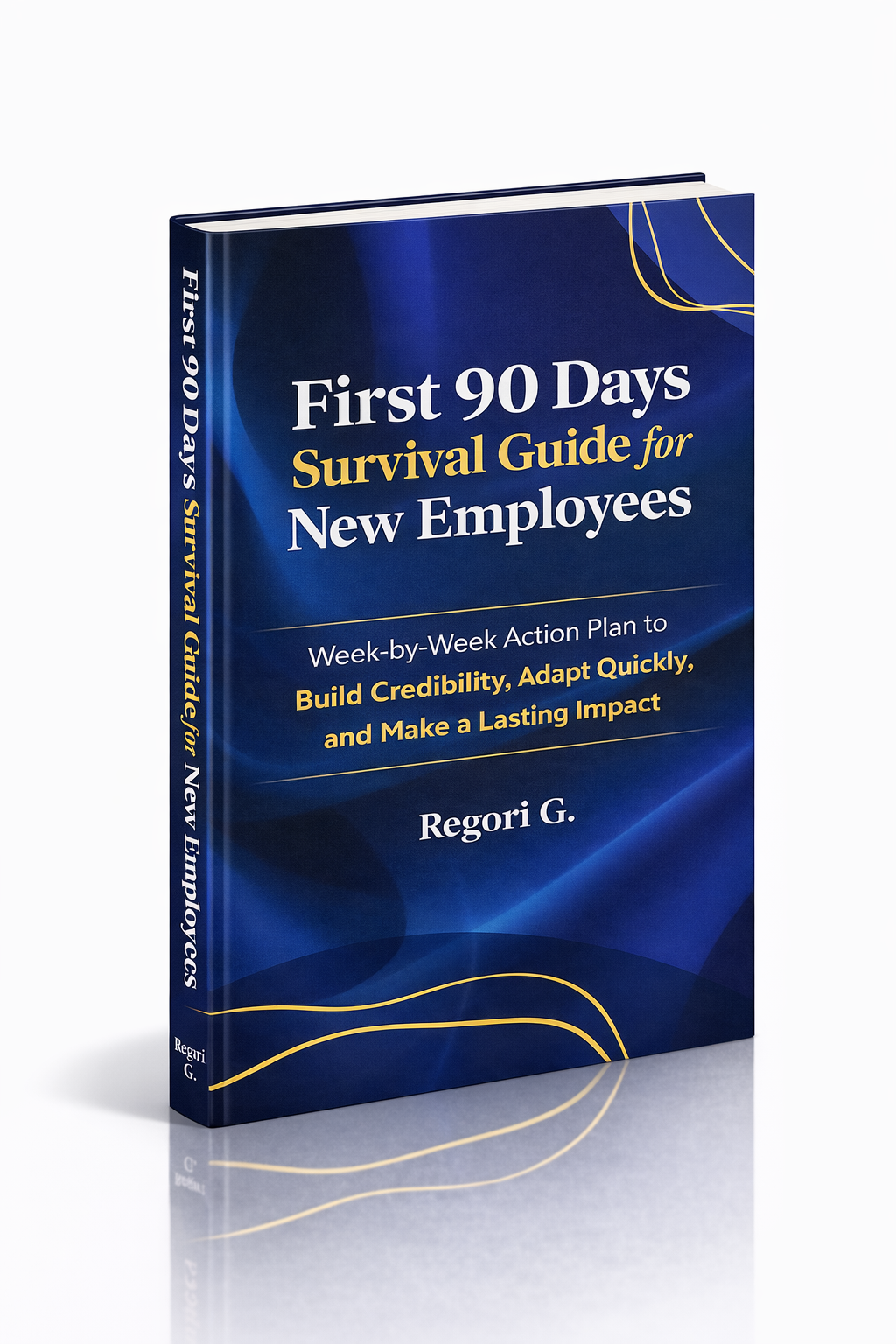
Guide 02
First 90 Days Survival Guide
Hit the ground running and make your mark from day one.
Get it →
Guide 03
Interview Success for Introverts
7 proven steps to shine in interviews — even if you hate the spotlight.
Get it →