

The 5 Interview Mistakes That Cost You the Job
What's silently killing your chances — and what top candidates do instead. Delivered instantly to your inbox.
No spam. Unsubscribe anytime. Privacy Policy & Terms
- Why "I'm a hard worker" destroys your chances
- What interviewers decide in the first 90 seconds
- How to handle tough questions with confidence
- The salary mistake almost every candidate makes
How Mentorship Can Accelerate Your Career Growth
Mentorship is more than just advice; it can be a powerful tool that shapes your career path and accelerates your growth. Having a mentor means having a seasoned guide who can provide insights, feedback, and connections that can help you navigate the often complex world of professional development. If you want to fast track your career success, exploring the advantages of mentorship is crucial.
The Power of Mentorship
Mentorship involves a relationship in which an experienced individual supports the professional growth of a less experienced person. A mentor can offer invaluable life lessons and a wealth of knowledge. Research shows that mentoring relationships can lead to improved job satisfaction, better performance, and enhanced career advancement.
Benefits of Having a Mentor
When you embark on a mentoring relationship, you stand to gain many benefits. Here are key advantages:
- Personalized Guidance: A mentor can provide specific advice tailored to your career goals, helping you to avoid common pitfalls.
- Networking Opportunities: Mentors often have extensive networks and can introduce you to important industry connections.
- Skill Development: By working with a mentor, you can refine your skills and fill gaps in your expertise, making you a more competitive candidate.
- Accountability: Having someone to check in with can keep you focused and motivated on your career journey.
- Long-Term Vision: Mentorship encourages you to think long-term, often revealing pathways you might not have considered.
Finding the Right Mentor
Finding the right mentor can be a challenge, but it’s crucial for establishing a successful relationship. Here are steps to help you in your search:
- Identify Your Goals: Before searching for a mentor, clarify what you want to achieve. Having specific objectives can help you find someone who aligns with your aspirations.
- Seek Out Potential Mentors: Look for professionals in your field whose work you admire. Platforms like LinkedIn can be great for identifying potential mentors.
- Build a Relationship: Start by engaging with your potential mentor. You can do this through networking events, social media, or mutual contacts.
- Be Clear About Your Needs: When you approach a mentor, clearly communicate why you value their expertise and what you hope to learn.
How to Maximize Your Mentorship Experience
Once you have secured a mentor, maximizing that relationship is key to achieving your career goals. Follow these strategies:
- Be Receptive to Feedback: Be open to constructive criticism and take notes on the insights your mentor shares.
- Set Regular Meetings: Consistency is important. Schedule regular check-ins to maintain momentum in your learning process.
- Be Proactive: Show initiative by coming to meetings prepared with questions or topics to discuss.
- Express Gratitude: Always thank your mentor for their time and insights. Building rapport fosters a more fruitful mentorship.
Mentorship into Your Career Plan
Mentorship into your career plan can ensure continuous learning. Consider the following:
- Explore Formal Programs: Look for structured mentorship programs in your industry or organization that match you with experienced professionals.
- Join Networking Events: Attend industry conferences or networking events where mentorship is often a focal point.
- Utilize Online Platforms: Websites like Mentoring.org offer resources and connections for finding mentors.
- Engage in Peer Mentoring: Don’t overlook the benefits of peer mentoring. Learning from one another can be just as valuable.
The Lasting Impact of Mentorship
The benefits of mentorship often extend beyond immediate career advancements. Relationships built through mentorship can lead to lasting friendships and professional opportunities. Whether you’re just starting in your career or looking to make a change, a mentor can be a game changer.
With the right mentor, you can gain a new perspective, broaden your horizon, and find pathways that can catapult your career forward. Embrace mentorship, and watch as your career blossoms.
Identifying the Right Mentor for Your Professional Journey
Finding the right mentor can be a game-changer for your career. A mentor not only provides guidance but can also open doors to opportunities you never knew existed. However, identifying a mentor who aligns with your professional goals requires careful thought and consideration. Here are some key steps to help you identify the best mentor for your journey.
Define Your Goals
Before seeking a mentor, take a moment to outline your career objectives. Ask yourself a few key questions:
- What skills do I want to develop?
- What industries or roles am I interested in?
- Am I looking for short-term guidance or long-term professional support?
Your answers will shape who you should approach for mentorship, making it essential to have clear goals in mind.
Look Within Your Network
Your existing network is a great starting point for finding a mentor. Consider people you already know, such as:
- Colleagues or supervisors
- Professors or academic advisors
- Friends or family members in your industry
By leveraging relationships you already have, you increase the chances of finding a mentor who understands your context and can provide personalized advice.
Assess Qualities of Potential Mentors
Once you have a list of potential mentors, it’s time to assess the qualities that make a good mentor. Here are some traits to look for:
- Experience: A good mentor should have significant experience in the field you aspire to enter.
- Communication Skills: Look for someone who explains concepts clearly and listens attentively.
- Approachability: Your mentor should be someone you feel comfortable reaching out to with questions or concerns.
- Investment in Development: A mentor should be genuinely invested in your growth and success.
Choosing someone who exemplifies these qualities can enhance the mentoring relationship.
Research Potential Mentors
Don’t hesitate to conduct some research on potential mentors. A simple Google search can reveal valuable information about their professional background. Here are a few ways to gather insights:
- Check their LinkedIn profiles for work history and endorsements.
- Look for articles or interviews they’ve participated in.
- Follow them on social media platforms to observe their thoughts and interactions.
Gaining deeper insights into their career can help you assess if they align with your ambitions.
Reach Out Thoughtfully
Once you’ve identified someone who seems like a good fit, it’s time to make your move. When reaching out:
- Be concise in your messaging and clearly state your intentions.
- Mention any mutual connections or shared interests to establish rapport.
- Respect their time; a few questions or a coffee chat can go a long way.
Remember, this initial contact can set the tone for your potential mentoring relationship.
Be Open to Multiple Mentors
Mentorship doesn’t have to come from only one individual. Having multiple mentors can provide diverse perspectives and areas of expertise. Consider seeking mentors in:
- Your current job for workplace guidance.
- Your field of interest for industry-specific advice.
- Your personal life to balance work and personal well-being.
This variety can accelerate your learning and expose you to a range of experiences.
Build a Relationship
Once you’ve secured a mentor, prioritize nurturing that relationship. Regular check-ins and open communication can enhance your mentoring experience. It’s crucial to be proactive, show gratitude, and be receptive to feedback.
As you navigate your professional journey, finding the right mentor can significantly impact your success. Their insights and experience can help you avoid common pitfalls and fast-track your career. For more information on mentorship strategies, check out Mentoring.org or Forbes.
Building a Productive Mentor-Mentee Relationship
Building a productive mentor-mentee relationship is key to achieving your career goals and fast-tracking your success. When you find the right mentor, you can tap into their experience, knowledge, and network. Here’s how to foster a meaningful mentorship experience with actionable steps and strategies.
Identify the Right Mentor
Start by looking for someone who shares your professional interests and values. A good mentor is not only knowledgeable but also approachable. Consider the following criteria when identifying a mentor:
- Experience: Seek someone with a wealth of experience in your field.
- Availability: Ensure they have enough time to invest in a mentoring relationship.
- Compatibility: Look for someone whose communication style you resonate with.
- Reputation: A mentor well-respected in your industry can provide valuable connections.
Establish Clear Goals
Once you’ve chosen a mentor, it’s important to set clear expectations and goals for the relationship. This paves the way for aligned efforts and mutual understanding.
- Define Objectives: What specific skills or knowledge do you want to gain?
- Set Milestones: Create a timeline to achieve these objectives.
- Frequency of Meetings: Determine how often you’ll meet. Regular touchpoints will keep the momentum going.
Create an Open Dialogue
Communication is the cornerstone of any successful relationship, including mentor-mentee dynamics. Here are some tips to maintain an open line of communication:
- Be Honest: Share your concerns and aspirations openly.
- Seek Feedback: Regularly ask for constructive criticism to improve yourself.
- Be Receptive: Be open to new ideas and perspectives from your mentor.
Show Initiative and Effort
Your mentor is there to provide guidance, but the responsibility to learn and grow is yours. Here’s how to take initiative:
- Come Prepared: Before meetings, think about what you want to discuss.
- Follow Up: If you’ve been given tasks or resources, follow through on them.
- Respect Their Time: Stay punctual and value the time your mentor invests in you.
Build Trust and Respect
Trust and respect are vital in any mentor-mentee relationship. They create a safe environment for growth and honest feedback.
- Be Reliable: Follow through on your commitments.
- Practice Confidentiality: Respect the private conversations you have with your mentor.
- Express Gratitude: Acknowledge their time and commitment; a simple “thank you” can go a long way.
Leverage Your Mentor’s Network
Your mentor can act as a bridge to new opportunities. They often have an extensive network and can introduce you to key industry players.
Consider asking your mentor for introductions to:
- Industry Conferences and Events
- Networking Opportunities
- Relevant Workshops and Seminars
Monitor Your Progress
As you navigate your professional path, regularly check in with your mentor regarding your progress. This can be accomplished by:
- Creating Progress Reports: Document your accomplishments and areas for improvement.
- Soliciting Ongoing Feedback: Regularly ask for your mentor’s input on your evolution.
A well-built mentor-mentee relationship can significantly boost your career success. By taking the initiative to foster communication, trust, and action, you can maximize the mentorship experience. For more insights on mentorship, you may visit Forbes or explore resources at Mentoring.org. By leveraging these strategies, you will be well on your way to establishing a productive and rewarding mentorship that fast-tracks your career success.
The Role of Mentorship in Skill Development and Networking
Mentorship plays a pivotal role in skill development and networking, shaping the future of individuals in various fields. When you connect with a mentor, you unlock a wealth of knowledge, experience, and insights that can significantly enhance your career. Many professionals attribute their success to effective mentorship, as it provides guidance, encouragement, and invaluable connections.
One of the first benefits of mentorship is skill development. Working alongside an experienced mentor allows you to:
- Learn Real-World Skills: Mentors provide practical advice and approaches tailored to your career goals. This guidance can improve both technical and soft skills that are crucial for success.
- Receive Constructive Feedback: Having someone review your work and provide feedback helps you identify strengths and weaknesses. This constructive criticism can motivate you to enhance your capabilities.
- Gain Industry Insights: Mentors often have extensive knowledge of industry trends and developments. They can share this information to keep you informed and ahead of the curve.
Beyond skill improvement, mentorship is essential for creating networking opportunities. Engaging with a mentor frequently leads to connections with others in your field. Here’s how mentorship actively contributes to networking:
- Access to Professional Circles: Mentors are typically well-connected individuals. They can introduce you to their professional network, opening doors for collaborations, partnerships, or job opportunities.
- Enhanced Reputation: Being associated with an established mentor can elevate your profile in the industry. Their endorsement can lead to increased credibility among peers and potential employers.
- Community Engagement: Many mentors encourage their mentees to participate in industry-related events or groups. This involvement can broaden your network significantly and immerse you in professional circles.
Research shows that mentorship significantly increases career advancement. According to a study by The National Mentoring Partnership, mentees are more likely to receive promotions and raises than those without mentorship. This reinforces the idea that mentorship is not just about guidance but also about tangible career growth.
To make the most of your mentorship experience, here are some strategies to consider:
- Set Clear Goals: Define what you want to achieve through the mentorship. Whether it’s gaining specific skills or understanding the industry better, having clear goals will guide your mentoring sessions.
- Be Open to Feedback: Embrace constructive criticism and use it as an opportunity to grow. Receptiveness is key to learning from your mentor.
- Network Actively: Attend events, conferences, or workshops introduced by your mentor. Ensure you take the initiative to connect with others in these settings.
Building a strong relationship with your mentor can take your career to unprecedented heights. Regular communication and practice are essential for nurturing this connection. Consider scheduling consistent meetings or check-ins to evaluate your progress and share updates.
Furthermore, showing appreciation for your mentor’s efforts is crucial. A simple thank you or acknowledgment can go a long way. Mentors invest their time and energy into their mentees, and recognizing that effort reflects well on you.
If you’re looking for resources to enhance your mentorship experience, consider exploring online platforms like LinkedIn for connecting with potential mentors, or tune into webinars and forums that focus on mentorship and skill development. Additionally, organizations like The National Mentoring Partnership provide valuable resources for both mentors and mentees.
Mentorship is a powerful tool for skill development and fostering professional relationships. By actively engaging with a mentor, setting clear goals, and embracing networking opportunities, you can fast-track your career toward greater success. The wisdom and guidance garnered from a mentor can be the cornerstone of your professional journey, propelling you to achieve your aspirations.
Learning from Successful Mentorship Stories
Mentorship plays a critical role in shaping careers. Many successful individuals often credit their achievements to the guidance received from mentors. Learning from these mentorship stories can provide you with insights into how to upscale your career effectively. Let’s delve into some stories of successful mentorship and the lessons they impart.
One prominent story is that of Steve Jobs and Mark Zuckerberg. Steve Jobs, the co-founder of Apple, served as a mentor to Zuckerberg, the face behind Facebook. Jobs encouraged Zuckerberg to embrace his passion for innovation and to never shy away from taking risks. This mentorship taught Zuckerberg the importance of staying true to one’s vision, even when facing significant challenges. Through this relationship, Zuckerberg learned that mentorship can reveal new perspectives and reinforce confidence in one’s abilities.
Another inspiring example is Oprah Winfrey and Maya Angelou. Winfrey has often spoken about the pivotal role Angelou played in her life. Angelou, a celebrated author and civil rights activist, provided guidance and wisdom that helped shape Winfrey’s career. Winfrey learned about resilience and empowerment through Angelou’s teachings. This mentorship story emphasizes the value of emotional support and the impact a mentor can have on personal development.
Bill Gates and Warren Buffett also showcase the power of mentorship. Gates, the co-founder of Microsoft, sought guidance from Buffett, the CEO of Berkshire Hathaway. Through their relationship, Gates learned valuable lessons about investment, philanthropy, and leadership. Buffett encouraged Gates to think long-term and to always give back to society. This story is indicative of how mentorship can extend beyond professional knowledge to include life lessons that can enhance overall success.
In the tech world, Sheryl Sandberg, COO of Facebook, and Eric Schmidt, former CEO of Google, share a meaningful mentorship story. Sandberg, who faced career challenges as a woman in a male-dominated industry, received valuable advice from Schmidt. He helped her navigate difficult situations and encouraged her to embrace her leadership role. This mentorship illustrates the significance of guidance in overcoming obstacles and building confidence in the workplace.
As you consider how mentorship can fast-track your career success, here are practical steps to immerse yourself in a mentorship relationship:
- Identify Potential Mentors: Look for individuals whose careers you admire. This could be someone within your organization or industry. Understand their work and achievements.
- Establish a Connection: Reach out with genuine intent. Share why you admire their career path and your interest in learning from them.
- Set Clear Goals: Discuss what you hope to achieve through the mentorship. Having both parties on the same page will lead to a more productive relationship.
- Stay Open to Feedback: A mentor’s role includes providing constructive criticism. Embrace this feedback, as it is necessary for growth.
- Be Respectful of Their Time: Mentoring takes commitment. Acknowledge your mentor’s time and be prepared for your discussions.
- Show Gratitude: Always express appreciation for your mentor’s guidance. Recognizing their efforts can strengthen the relationship.
Additionally, consider exploring resources that can help you understand the dynamics of mentorship better. Websites like Forbes provide valuable articles on successful mentorship and career advice. Another excellent resource is Mentor.org, which offers tools and insights to connect mentors and mentees.
Mentorship is not merely about getting advice; it’s a mutual exchange that fosters personal and professional growth. By learning from stories of successful mentorship, you can gain invaluable insights that will guide your career path and open doors to new opportunities.
These lessons can help you build a robust network, encourage continuous learning, and ultimately fast-track your career success through effective mentorship.
Overcoming Challenges in Mentorship Dynamics
Mentorship can unlock powerful opportunities in personal and professional growth. However, navigating the dynamics of mentorship may sometimes present challenges. Recognizing and addressing these challenges is essential for maximizing the benefits of the mentorship relationship.
Identifying Common Challenges in Mentorship
Every mentorship relationship is unique, but several common challenges frequently arise. Understanding these hurdles can help you and your mentor avoid pitfalls:
- Lack of Clear Goals: Entering a mentorship without clear objectives can lead to unproductive sessions.
- Communication Gaps: Misunderstandings can arise when expectations and preferred communication styles are not articulated.
- Different Commitment Levels: Disparities in the dedication to the mentorship may cause frustration on either side.
- Feedback Resistance: Sometimes, mentees may struggle to accept constructive criticism, impacting growth.
- Personality Clashes: Competing personalities can create friction and hinder the learning process.
Strategies to Overcome Mentorship Challenges
To foster a productive mentorship experience, consider these strategies:
Set Clear Objectives
Start by discussing and defining specific goals. Both mentor and mentee should outline what they hope to achieve. This approach works as a roadmap to clarify expectations and success measurements. Regular check-ins can further help assess progress toward these goals.
Enhance Communication
Encouraging open dialogue is vital for a successful mentorship. Schedule regular meetings and create an agenda to ensure both parties have the opportunity to express ideas and concerns. Using tools like email or project management apps can facilitate communication outside scheduled meetings, allowing for a seamless exchange of feedback and insight.
Align Commitment Levels
Understanding each other’s availability and commitment level is crucial. If either party feels overwhelmed, adjusting the frequency of meetings can help maintain engagement. Establishing non-negotiable time slots for mentorship can improve accountability and ensure that the relationship remains a priority.
Cultivate a Growth Mindset
Fostering a culture of learning is essential. Both mentors and mentees should focus on keeping an open mind when receiving feedback. Embrace constructive criticism as a pathway for improvement rather than as a personal attack. Utilize techniques such as active listening to enhance receptiveness and understanding.
Navigate Personality Differences
Recognizing each other’s differences can help in addressing potential challenges. Conducting a personality assessment can provide insights into working styles and preferences. Each party can learn to adapt their approach to foster a more harmonious relationship.
Evaluating the Relationship
Frequent assessment of the mentorship journey is crucial. Periodically review the progress towards goals and the dynamics of the relationship. Both parties should feel comfortable discussing what is and isn’t working. This ongoing evaluation contributes to refining the mentorship experience.
Seek External Resources
Obtaining guidance from third-party resources can also be beneficial. Many organizations offer mentorship programs and workshops designed to enhance mentorship experiences. Links to useful resources include:
- Mentor.org – A comprehensive platform focused on improving mentorship experiences.
- Forbes on Mentorship – Insights and tips from experts and leaders in various fields.
- Harvard Business Review on Mentorship – Articles centering on effective mentorship techniques and challenges.
By being proactive and addressing challenges early on, you can create a more fruitful mentorship dynamic. Keep the relationship adaptable, open, and committed to growth.
Measuring the Impact of Mentorship on Career Success
Mentorship is often the silent force that can elevate a person’s career. It goes beyond just guidance; it plays a crucial role in shaping professional growth. Understanding how mentorship influences career success can inspire you to seek out strong mentors who align with your career goals.
Understanding the Role of Mentorship
Mentorship is a relationship where a more experienced individual helps guide a less experienced one. It provides substantial career advantages, from networking opportunities to insights on industry best practices. Studies show that professionals with mentors are more likely to find job satisfaction and achieve significant career milestones.
The Statistical Impact
Research consistently highlights the benefits of mentorship. For example:
- Increased Promotions: According to a study by the American Society for Training and Development (ASTD), mentees are promoted five times more often than those without mentors.
- Higher Salaries: A survey by the CareerBuilder platform found that individuals with mentors earn approximately 20% higher salaries over their careers.
- Job Retention: Companies with mentoring programs reportedly see a 50% increase in employee retention rates.
The Qualities of an Effective Mentor
Not all mentorship connections are created equal. Identifying a mentor who possesses the right qualities is essential. Look for mentors who:
- Have relevant experience in your field.
- Are willing to share their knowledge and network.
- Provide constructive feedback and support your growth.
- Have a genuine interest in helping you succeed.
Building a Mentorship Relationship
Once you identify a potential mentor, establishing a positive relationship is key. Here’s how to get started:
- Be Clear About Your Goals: When approaching a mentor, express your career objectives clearly. This enables them to tailor their guidance to your specific needs.
- Be Respectful of Their Time: Mentors often have busy schedules. When meeting, be punctual and come prepared with questions or topics for discussion.
- Show Appreciation: A simple thank you can go a long way. Acknowledge their guidance and provide updates on your progress.
Measuring the Impact of Your Mentorship
Evaluating the outcome of your mentorship experience is crucial for growth. Consider the following:
- Self-Assessment: Regularly assess your skills and knowledge. Are you advancing in areas where you sought mentorship?
- Feedback Loops: Seek feedback from your mentor on your progress. Constructive criticism will help you adapt and improve.
- Tracking Milestones: Keep a record of your professional achievements. This could involve promotions, salary increases, or successful project completions.
Success Stories
Many successful leaders attribute their achievements to mentorship. For instance, Sheryl Sandberg, the former COO of Facebook, credits her career growth to her mentor, Larry Summers. Similarly, Oprah Winfrey often speaks about the pivotal role mentorship played in her life, helping her navigate the media landscape.
Leveraging Technology for Mentorship
In today’s digital age, technology can enhance your mentorship experience. Here are some popular platforms:
- LinkedIn: This platform allows you to connect with industry professionals, join groups, and even request mentorship directly.
- MentorCity: An online platform designed to connect mentors and mentees based on shared interests.
- Chronus: A software solution that facilitates mentoring programs within organizations.
The impact of mentorship on career success is profound. By actively engaging in mentorship relationships, setting clear goals, and measuring your progress, you can accelerate your career trajectory. The journey to professional success is not a solo endeavor—why not leverage the expertise and insight of those who have already navigated the path?
Key Takeaway:
Key Takeaway: Harnessing Mentorship for Career Advancement
Mentorship is a powerful tool that can significantly accelerate your career growth. Engaging with a mentor provides invaluable insights and guidance that can shorten the learning curve in your professional journey. A good mentor can share experiences, offer advice, and help you navigate challenges that you may face in your career. By learning from someone who has already walked the path you aspire to follow, you can avoid common pitfalls and make informed decisions that align with your career goals.
Identifying the right mentor is crucial for ensuring a successful mentorship experience. Look for someone whose values, goals, and industry knowledge align with your own aspirations. A mentor should inspire and challenge you while providing constructive feedback. It’s essential to establish a solid rapport with your mentor, which often hinges on mutual respect and open communication. Building this productive mentor-mentee relationship demands commitment from both parties to engage regularly and maintain an open dialogue about expectations and objectives.
Mentorship also plays a vital role in skill development and networking. As you gain knowledge and insights from your mentor, you enhance your professional skills, which can give you a competitive edge in your field. A well-connected mentor can introduce you to a broader network, opening doors to new opportunities, collaborations, and relationships that can propel your career forward.
Experiencing successful mentorship stories can be incredibly motivating. These accounts showcase the transformative potential of mentorship and reinforce the idea that anyone can benefit from the guidance of someone more experienced. As you learn from these stories, consider how you can apply similar strategies or approaches in your own mentorship journey.
However, not all mentorship experiences are smooth sailing. Challenges may arise, such as mismatched expectations or communication barriers. Recognizing these challenges and addressing them proactively can lead to a more rewarding experience for both you and your mentor.
Measuring the impact of mentorship on your career success is vital. Regularly evaluating how mentorship contributes to your progress can help you stay aligned with your goals and make necessary adjustments to maximize benefits.
Leveraging mentorship can dramatically enhance your career trajectory. By finding the right mentor, cultivating a strong relationship, and remaining open to learning, you set yourself on a path toward professional success while overcoming challenges along the way. Embrace the journey of mentorship, and watch your career flourish.
Conclusion
Mentorship is a powerful tool that can significantly enhance your career trajectory. By understanding how mentorship accelerates growth, you take essential steps toward achieving your career objectives. Identifying the right mentor tailored to your professional journey sets the foundation for success. When you focus on building a productive mentor-mentee relationship, you cultivate an environment where trust and communication flourish, allowing you to take full advantage of your mentor’s insights and experiences.
Furthermore, mentorship plays a crucial role in your skill development and networking opportunities. Your mentor can introduce you to valuable connections, helping you expand your professional circle. Reflecting on successful mentorship stories showcases how others have leveraged these relationships to propel themselves forward, proving that the right guidance can lead to remarkable accomplishments.
While mentorship can be rewarding, challenges may arise in the dynamics between you and your mentor. Recognizing these obstacles and addressing them proactively can help you maintain a beneficial relationship. Regularly measuring the impact of mentorship on your career success allows you to evaluate your growth and identify areas for improvement.
Mentorship is not just a beneficial aspect of professional life; it is a strategic approach to achieving career success. By actively seeking out mentorship opportunities, building strong relationships, and overcoming challenges, you pave the way for lasting growth in your career. Embrace the mentorship path, and watch as your career flourishes beyond your expectations.
Your Next Chapter
Starts with the Right Guide
Three straight-talking PDF guides to help you win interviews, beat the first 90 days and thrive as an introvert. Instant download on Gumroad.

Guide 01
The Job Interview System
Step-by-step interview prep that turns nerves into confidence.
Get it →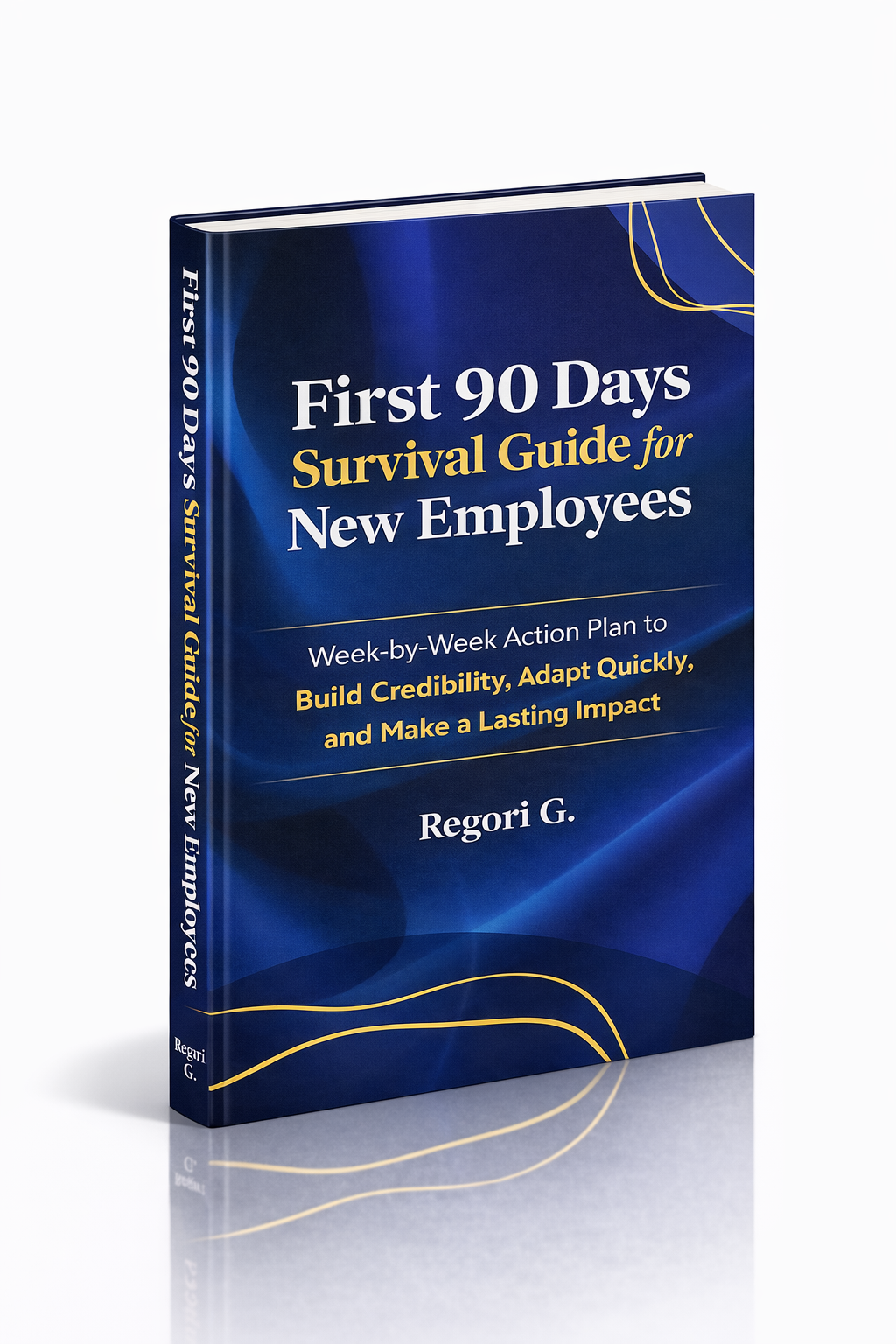
Guide 02
First 90 Days Survival Guide
Hit the ground running and make your mark from day one.
Get it →
Guide 03
Interview Success for Introverts
7 proven steps to shine in interviews — even if you hate the spotlight.
Get it →