

The 5 Interview Mistakes That Cost You the Job
What's silently killing your chances — and what top candidates do instead. Delivered instantly to your inbox.
No spam. Unsubscribe anytime. Privacy Policy & Terms
- Why "I'm a hard worker" destroys your chances
- What interviewers decide in the first 90 seconds
- How to handle tough questions with confidence
- The salary mistake almost every candidate makes
How to Use the STAR Method in a Job Interview
When preparing for a job interview, understanding how to effectively communicate your experiences is crucial. One powerful tool to help you articulate your qualifications is the STAR method. This technique guides you in framing your replies to behavioral questions, which seek to gauge your past experiences and how they may translate to future performance.
Understanding the STAR Method
The STAR method breaks down your response into four distinct components: Situation, Task, Action, and Result. This structure not only helps you tell a compelling story but also keeps your answers focused and relevant. Here’s a brief breakdown of each component:
- Situation: Describe the context within which you performed a task or faced a challenge at work. Be specific but concise.
- Task: Explain your responsibilities or the specific challenge you faced in that situation.
- Action: Talk about the actions you took to address the task or challenge. Highlight your thought process and the steps you followed.
- Result: Share the outcomes of your actions. It’s important to quantify these results when possible to showcase the impact of your efforts.
How to Prepare Using the STAR Method
Preparation is key to using the STAR method effectively in your job interview. Here are steps to help you get ready:
- Identify Potential Questions: Review common behavioral interview questions. Questions may include “Tell me about a time you faced a challenge” or “Describe a situation where you showed leadership.”
- Select Relevant Experiences: Choose a few impactful experiences from your work history that align with the potential questions. Ensure these experiences demonstrate your skills and abilities relevant to the job you’re applying for.
- Structure Your Answers: For each selected experience, outline your response using the STAR format. Write it down to refine wording and ensure clarity.
- Practice Your Responses: Rehearse your answers with a friend or in front of a mirror. This practice will help you become more comfortable and confident in delivering your responses smoothly.
Implementing the STAR Method During the Interview
When it’s time for your interview, follow these techniques to effectively implement the STAR method:
- Listen Actively: Pay attention to the questions being asked. Ensure you fully understand what the interviewer wants before responding.
- Stay Concise: While details are important, be mindful of the time. Keep your answers focused on the STAR components to avoid rambling.
- Maintain Eye Contact: This can help establish a connection with the interviewer and show your confidence.
- Encourage Follow-Up Questions: Be open to follow-up inquiries. This shows that you are engaged and willing to share more about your experiences.
Tips for Using the STAR Method Effectively
Here are additional tips to enhance your use of the STAR method during interviews:
- Use numbers and data where possible in your results to provide concrete evidence of success (e.g., “I increased sales by 30% in six months”).
- Practice a variety of scenarios to prepare for different types of questions. It’s helpful to have multiple STAR stories ready for different contexts.
- Showcase teamwork or collaboration when applicable, as employers value candidates who work well with others.
By mastering the STAR method, you position yourself to express your qualifications effectively and compellingly. If you want to enhance your job interview skills further, consider visiting resources like the Balance Careers or Big Interview for more tips and strategies.
Incorporate the STAR method into your interview preparation, and you’ll handle behavioral questions with confidence and clarity, increasing your chances of landing the job you desire. Don’t underestimate the power of storytelling in interviews. A structured narrative, grounded in real-life experiences, can make your qualifications stand out.
Understanding the Components of the STAR Method
The STAR Method is a powerful tool used in job interviews to help candidates provide structured and precise answers. Understanding its components can significantly improve how you communicate your experiences and skills. STAR stands for Situation, Task, Action, and Result, and each part plays a critical role in crafting your response. Familiarizing yourself with these components will enable you to present your qualifications in a compelling manner. Let’s break down each component to build your knowledge effectively.
Situation
The first step in the STAR Method is to set the scene. In the Situation component, you describe a specific event or challenge you faced. This part is crucial as it gives context to the interviewer. Think about a scenario where you encountered an obstacle that required problem-solving or decision-making. Here are some points to consider:
- What was the context of the situation?
- When and where did it happen?
- Who was involved?
For example, you might say, “At my previous job, our team was tasked with achieving sales goals over a quarter.” This gives the interviewer a clear picture of your working environment.
Task
Next, you need to discuss the Task. This part involves elaborating on your specific responsibility in the situation. It’s important to highlight your role and what was expected of you. Here are some essential aspects to include:
- What were your responsibilities?
- What challenges did you need to overcome?
- What goals were you aiming to achieve?
Continuing with the earlier example, you might say, “As the sales representative, my task was to develop a strategy to increase our sales by 20%.” This specifies your contribution to the scenario and sets the stage for your actions.
Action
The Action component is where you detail the steps you took to address the task. This is a chance for you to showcase your skills and decisions. Make sure to focus on what you did rather than what the team did. Highlight the techniques or strategies you implemented. Key points to consider are:
- What specific actions did you take?
- What methods or tools did you use?
- Did you face any obstacles and how did you handle them?
An example might be, “I organized a series of training sessions for the sales team and implemented new marketing tactics, including social media outreach.” This clearly establishes your initiative and leadership qualities.
Result
The last part of the STAR Method is the Result. Here, you will share the outcome of your actions and tasks. Provide quantifiable results if possible, as numbers create a stronger impact. Consider the following aspects:
- What was the outcome of your actions?
- Did you meet the goals set at the beginning?
- What did you learn from the experience?
For instance, you could conclude with, “As a result, we exceeded our sales target by 25%, which helped the company gain market share and bolster team morale.” Clear results not only demonstrate success but also underscore your contribution.
Using the STAR Method effectively can make a significant difference in your interview responses. Practice formulating answers using this method for common interview questions, such as, “Can you describe a challenge you overcame?” This structured approach not only makes your answers more compelling but also provides a clear path for the interviewer to follow.
For those interested in enhancing their interviewing skills further, resources are available. Websites like The Balance Careers provide in-depth insights into using the STAR Method effectively. Another great resource is Glassdoor, which offers guidance on preparing for interviews using this technique.
The STAR Method into your interview preparation can greatly enhance your ability to communicate your strengths and achieve your career goals. Understanding each component deeply will better equip you to narrate your achievements confidently and concisely.
Common Mistakes When Using the STAR Method
When preparing for a job interview, many candidates turn to the STAR method to structure their responses. While this approach can significantly enhance your storytelling, there are common mistakes that can undermine its effectiveness. Understanding these pitfalls can help you present your experiences more clearly and confidently.
One major mistake is failing to align your response with the job description. When you’re answering behavioral questions, it’s important to tailor your examples to the specific skills and competencies the employer is looking for. This means reviewing the job description carefully and selecting stories that emphasize relevant experiences. Without this alignment, your response may seem disconnected from what the interviewer wants, leaving them unsure about your fit for the role.
Another frequent error is providing insufficient detail in your answers. The STAR method consists of four components: Situation, Task, Action, and Result. When you skimp on the Situation or Action descriptions, your answer can become vague and unconvincing. For instance, instead of saying, “I led a project,” detail the project’s context, challenges faced, and specific actions you took. This not only showcases your capabilities but also allows the interviewer to understand your thought process and problem-solving abilities.
Additionally, many candidates neglect the importance of the Result. Sharing your outcomes is crucial, as it highlights the impact of your contributions. However, merely stating the results isn’t enough. Instead, quantify your achievements whenever possible. For example, rather than saying, “I improved sales,” try, “I increased sales by 30% over six months.” This will make your accomplishments more tangible and persuasive.
Furthermore, another mistake is being overly rehearsed. While practicing your answers is essential, delivering them robotically can lead to a lack of engagement. Interviewers appreciate authenticity, so ensure your responses come across as natural. One effective way to maintain a conversational tone is to practice your responses aloud with a friend or in front of a mirror. By doing so, you can find a comfortable rhythm and present your experiences in a way that feels genuine.
It’s also important to avoid using the same STAR story for multiple questions. While some of your experiences may overlap in their relevance, recycling the same example can make your responses seem monotonous. Try to prepare a variety of stories that can emphasize different skills, such as teamwork, leadership, or conflict resolution. This diversity will not only keep your answers fresh but also demonstrate your versatility to the interviewer.
Another common mistake is ignoring the role of reflection in your STAR responses. It’s essential to articulate what you learned from each situation and how it has shaped your professional development. When interviewers see that you can analyze your experiences critically, it reflects positively on your ability to grow and adapt in a work environment.
Remember to stay concise. The STAR method can lead to lengthy responses if not kept in check. Aim to keep your answers brief yet impactful, ideally within two to three minutes. Use your time wisely by focusing on the most critical points of the STAR structure. This will ensure you respect the interviewer’s time while making a powerful impression.
Effectively using the STAR method involves careful preparation and attention to detail. By steering clear of these common mistakes—misalignment with the job role, insufficient details, neglecting results, sounding rehearsed, recycling stories, ignoring reflection, and being overly verbose—you can significantly strengthen your interview performance. For more insights on interview techniques, consider visiting [The Muse](https://www.themuse.com/advice/how-to-use-the-star-method-in-job-interviews) and [MindTools](https://www.mindtools.com/pages/article/newLDR_90.htm), which provide further resources to help you excel.
By avoiding these pitfalls and focusing on clear, engaging responses, you’ll position yourself as a strong candidate who communicates effectively under pressure.
Crafting Compelling STAR Responses
When preparing for a job interview, using the STAR method can help you craft compelling responses to behavioral interview questions. This approach allows you to clearly illustrate your skills and experiences. The STAR method stands for Situation, Task, Action, and Result, making it a straightforward framework for sharing your professional stories. Understanding how to structure your answers is crucial for maximizing your impact during the interview.
To master the STAR method, think about various situations from your past experiences. You can pull from your work history, education, or even volunteer activities. The key is to choose examples that highlight your skills relevant to the position you are applying for.
The first step in the STAR method is defining the Situation. Set the scene by describing the context of your story. For example, if you were part of a team project, briefly explain the project’s goals and your role within that team. Make sure your situation is concise yet comprehensive enough for the interviewer to understand the background.
Next is the Task. Here, you need to specify what your responsibility was in that situation. It’s important to focus on your individual contributions rather than the team’s overall efforts. This will showcase your capability and ensure the interviewer sees how you fit into team dynamics.
The third component is the Action. This is where you detail the steps you took to address the task at hand. Highlight specific initiatives, strategies, or skills you applied to navigate your way through the challenge. This part of your response is critical as it demonstrates your problem-solving ability and willingness to take action.
The Result wraps up your answer. You should emphasize the outcome of your actions. Did you meet the project goals? Did you help increase sales or enhance customer satisfaction? Incorporate measurable results where possible to underscore your accomplishments. For example, mention a percentage increase or a specific dollar amount to make your claim more tangible.
Here’s a quick reference table to clarify the STAR method:
| STAR Component | Description |
|---|---|
| Situation | Briefly describe the context or background of your story. |
| Task | Outline your responsibilities and what you needed to achieve. |
| Action | Detail the steps you took to address the situation and complete the task. |
| Result | Share the outcomes of your actions, focusing on specific achievements. |
When you’re in the interview, practice delivering your STAR responses in a storytelling format. Using a natural tone can make your answers more engaging. Instead of simply listing facts or figures, share your experience as a story. This approach ensures that your examples are memorable and impactful.
Remember to prepare multiple STAR stories ahead of time. Interviewers often ask various behavioral questions that require different examples, so having a bank of stories ready will allow you to adapt and respond confidently. Make sure these stories reflect the skills and qualities that are most relevant to the job you are seeking.
While practicing your STAR responses, consider seeking feedback from friends or mentors. They can provide insights on how clear and engaging your answers are. Be open to their suggestions, as improving your delivery can significantly enhance your interview performance.
Additionally, it’s beneficial to research the company and understand what qualities they value most. Tailoring your STAR responses to align with the company’s core values and desired competencies will show that you’re not only a capable candidate but also a good fit for their culture.
For more in-depth insights on behavioral interviews and the STAR method, you can visit resources like The Balance Careers or check out Forbes for articles about effective interview strategies.
The STAR method is a powerful tool in your job interview preparation toolkit. By crafting compelling STAR responses, you can confidently showcase your skills and experiences, helping you stand out as a strong candidate in the competitive job market.
How the STAR Method Enhances Interview Confidence
Many job seekers feel nervous when approaching a job interview. You might be one of those candidates who worry about how to answer the challenging interview questions. The STAR method is an effective tool that not only helps you formulate your responses but also boosts your confidence significantly. Understanding how to use the STAR method effectively can transform your interview performance.
What is the STAR Method?
The STAR method stands for Situation, Task, Action, and Result. This structured approach allows you to present your experiences clearly and concisely. Each component plays a vital role:
- Situation: Describe the context within which you performed a task or faced a challenge.
- Task: Explain the specific responsibilities or challenges you had to deal with.
- Action: Talk about the steps you took to address the task or challenge.
- Result: Share the outcomes of your actions, highlighting any achievements or learnings.
Building Confidence Through Preparation
One of the greatest advantages of the STAR method is the way it encourages you to prepare effectively. By structuring your answers beforehand, you can reduce anxiety. When you’re prepared, it shows during your interview. Here’s how the STAR method can help you:
- Clarifies Your Experiences: By outlining your experiences using the STAR format, you clarify your thoughts. This practice helps you articulate your skills better during the interview.
- Boosts Recall: The structured nature of the STAR method aids in recalling significant experiences when you need them most. You’ll be less likely to draw a blank.
- Enhances Persuasiveness: A well-structured response is often more convincing. When you present clear evidence of your skills, you make a stronger case for your candidacy.
Phrasing Your Responses with Confidence
Using the STAR method allows you to practice your answers. As you rehearse, focus on using positive language. Rather than saying, “I tried to handle the situation,” say, “I successfully managed the situation by…” This subtle shift in phrasing emphasizes your competency and enhances how confident you sound.
Overcoming Anxiety with Practice
Practice is key to overcoming interview anxiety. Using the STAR method encourages you to rehearse your responses, which not only helps you internalize your experiences but also gives you a chance to refine your delivery. Simulation interviews with friends or mentors using the STAR structure can help you become more comfortable in an interview setting.
Examples of the STAR Method in Action
To illustrate, here are examples of using the STAR method effectively:
| Component | Description |
|---|---|
| Situation | At my previous job, our team was behind schedule on a major project. |
| Task | I was responsible for streamlining our workflow to meet the deadline. |
| Action | I introduced a new project management tool and trained my colleagues on its use. |
| Result | We finished the project a week early and received commendations from management. |
Final Thoughts on Using the STAR Method
The STAR method into your interview preparation not only helps you articulate your experiences but also significantly enhances your overall confidence. When you can respond to questions with clear, structured answers, you naturally feel more in control. Remember, you’re not just a candidate; you’re a qualified professional ready to showcase your skills.
Don’t leave your interview success to chance. Start practicing the STAR method today. For more insights on interview preparation, check out The Balance Careers or visit Indeed for additional resources.
Real-Life Examples of STAR Responses
The STAR method can be a powerful tool for responding to behavioral interview questions. By providing clear structure, it allows candidates to share their experiences in a way that showcases their skills and accomplishments. Here are some real-life examples of STAR responses that effectively demonstrate how to use this technique in various scenarios.
Example 1: Handling a Difficult Project
Situation: While working as a project manager at a software company, I was assigned to lead a project that was behind schedule and over budget.
Task: My goal was to bring the project back on track while ensuring we adhered to the client’s requirements and budget constraints.
Action: I organized daily stand-up meetings with team members to closely monitor progress. I also identified areas where we could cut costs without sacrificing quality, such as by leveraging existing software licenses. Additionally, I developed a revised timeline that allowed us to redistribute tasks among the team.
Result: By employing these strategies, we completed the project within the new timeline and saved 15% of the original budget. The client was pleased with the results and noted our ability to adapt under pressure.
Example 2: Improving Team Collaboration
Situation: In my role as a sales supervisor, I noticed communication gaps between the sales and marketing teams, leading to missed opportunities.
Task: I aimed to improve collaboration and ensure both teams worked towards common goals.
Action: I initiated a bi-weekly meeting for both teams to share ideas and updates. I proposed the use of a shared project management tool where we could track campaigns and customer feedback in real-time. Additionally, I encouraged informal team-building activities to strengthen our relationships.
Result: Within three months, we saw a 25% increase in lead conversion rates due to better alignment in our strategy. Both teams appreciated the new communication channels, leading to enhanced teamwork and efficiency.
Example 3: Conflict Resolution
Situation: As an HR specialist, I encountered a conflict between two employees that was affecting team morale.
Task: My objective was to resolve the conflict and restore a positive working environment.
Action: I met with both employees separately to understand their perspectives. After gathering all the facts, I facilitated a joint meeting where we could openly discuss their issues. I guided the conversation to focus on solutions rather than blame, using active listening techniques to ensure each person felt heard.
Result: The employees reached a mutual understanding and agreed to collaborate on future projects. Their productivity improved, contributing positively to overall team morale.
Example 4: Meeting Tight Deadlines
Situation: While working as a graphic designer, I was tasked with creating promotional materials for a major event on very short notice—just two days.
Task: My challenge was to deliver high-quality designs that met the event’s theme while still adhering to the strict deadline.
Action: I prioritized the project by creating a streamlined workflow. I set specific milestones to track my progress and enlisted the help of a colleague to brainstorm ideas and gather feedback quickly. I also made use of pre-existing templates to save time.
Result: I successfully delivered the materials on time, which not only pleased my manager but also resulted in increased attendees at the event. The visuals were well-received and helped enhance the company’s brand image.
Example 5: Learning from a Failure
Situation: As a digital marketing intern, I launched a campaign that failed to yield expected results.
Task: My goal was to analyze what went wrong and learn from the experience to avoid similar mistakes in the future.
Action: I conducted a detailed review of all campaign metrics and gathered feedback from peers. I identified that my target audience segmentation had been off, leading to poor engagement. I then created a revised strategy based on data-driven insights, adjusting the targeting and creative elements.
Result: The next campaign I executed saw a significant improvement, achieving a 40% increase in engagement. This experience taught me the importance of continuous learning and adapting my approach based on feedback.
Utilizing the STAR method in interviews can create a persuasive narrative that highlights your abilities. For more tips on effectively utilizing the STAR method, check out The Balance Careers and Forbes.
Comparing the STAR Method with Other Interview Techniques
The STAR method is a popular interview technique that helps candidates organize their responses in a structured way. STAR stands for Situation, Task, Action, and Result. This method allows interviewees to highlight their skills and experiences effectively, giving interviewers a clear picture of how they can handle challenges in the workplace. However, there are various other techniques used in job interviews that serve different purposes. By comparing the STAR method with these other strategies, you can better prepare for your next job interview.
Behavioral Interviewing
Behavioral interviewing is a technique that focuses on how a candidate has handled specific situations in the past. There is a significant overlap between behavioral interviewing and the STAR method. In fact, many employers use the STAR method to evaluate responses during a behavioral interview.
Here’s how the two match up:
- Focus: Both methods emphasize real past experiences rather than hypothetical scenarios. This approach allows interviewers to see demonstrated proof of skills and competencies.
- Structure: STAR provides a clear, concise framework to discuss past experiences, making it easier for candidates to showcase relevant skills.
- Outcome Orientation: Both techniques stress the importance of the results achieved, helping candidates to show the impact of their actions.
Situational Interviewing
Situational interviewing differs from behavioral interviewing in that it focuses on hypothetical scenarios. Interviewers will present a job-related situation, and candidates must explain how they would handle it. While the STAR method is not directly applicable in this scenario, there are elements you can borrow:
- Problem-Solving: Think through the problem presented and outline your plan of action clearly.
- Example Use: Even though the situation is hypothetical, using a STAR-like structure can help you communicate your thought process better. Articulate the Situation and possible Tasks, the Actions you would take, and the expected Results.
Using the STAR method is an excellent way to add structure to your answer, even in a situational interview. This approach makes your thoughts more coherent and easy to follow.
Competency-Based Interviewing
Competency-based interviewing is another approach that focuses on the specific competencies required for a job. Interviewers will ask questions designed to assess these competencies, often expecting detailed examples from candidates.
Much like behavioral interviewing, the STAR method complements this technique perfectly:
- Competency Alignment: When you prepare for competency-based questions, think about relevant experiences in your background. Use STAR to frame your responses.
- Skill Demonstration: The structured format of STAR allows candidates to clearly articulate how their experiences demonstrate specific competencies.
Panel Interviews
Panel interviews consist of multiple interviewers assessing a single candidate. While the interview structure may change due to the presence of multiple interviewers, utilizing the STAR method remains effective. Here’s how it helps:
- Consistent Responses: With more than one interviewer, you can maintain consistency by using the STAR method to answer questions.
- Addressing Varied Interests: Panel members may focus on different aspects of your profile; STAR helps you provide a comprehensive view of your abilities and achievements.
Which Method Should You Use?
Choosing which interview technique to use depends on the nature of the interview. The STAR method is particularly effective for behavioral and competency-based interviews. However, incorporating insights from situational and panel interviews enables you to adapt your responses flexibly.
By understanding the advantages and limitations of each approach, you can prepare more effectively. Here are some tips for implementation:
- Practice STAR responses for likely behavioral and competency-based questions.
- For situational interviews, think about how you would apply the STAR structure even when addressing hypothetical scenarios.
- In panel interviews, be aware of each interviewer’s focus and adjust your responses using STAR as needed.
Preparedness is key to successful interviews. For more in-depth strategies and guidelines, consider visiting The Balance Careers and Forbes.
Key Takeaway:
The STAR Method is a powerful technique for communicating your experiences effectively during job interviews, allowing you to present your skills and qualifications in a structured, impactful way. Understanding the components of the STAR Method—Situation, Task, Action, and Result—is crucial for successfully applying it in your responses. Each part serves a purpose, helping you frame your thoughts and deliver clear, coherent answers that resonate with interviewers.
However, many candidates make common mistakes when using the STAR Method, such as providing overly vague answers, failing to be concise, or neglecting to highlight the positive outcomes of their actions. To maximize the effectiveness of the STAR Method, it’s important to practice crafting compelling responses. Focus on specific examples from your experience that showcase your skills, and remember to illustrate the results in measurable terms. For instance, instead of saying you "improved sales," discuss how you "boosted sales by 20% in six months through a targeted marketing strategy."
As you prepare, using the STAR Method can greatly enhance your interview confidence. Familiarizing yourself with this structure takes the guesswork out of your responses, allowing you to focus on engaging with your interviewer rather than feeling anxious about how to answer questions. With practice, you’ll feel more equipped to tackle behavioral interview questions, presenting yourself as a polished candidate.
Additionally, real-life examples of STAR responses provide valuable insights into how to construct your answers effectively. You can learn from other candidates’ experiences and adapt their strategies to your unique situations. Moreover, by comparing the STAR Method with other interview techniques—like behavioral or situational interviews—you can choose the approach that aligns best with your strengths.
Mastering the STAR Method not only allows you to communicate your experiences clearly, but it also builds your confidence, helping you stand out in a competitive job market. With preparation and practice, you’ll be able to harness this technique to convey your value as a candidate effectively.
Conclusion
Using the STAR method effectively can transform your job interview experience from stressful to successful. By mastering its four components—Situation, Task, Action, and Result—you position yourself to convey your experiences in a clear and compelling manner. This structured format not only helps in organizing your thoughts but also ensures that your responses are relevant and impactful.
One of the key benefits of the STAR method lies in how it builds your confidence during interviews. By preparing compelling examples in advance, you walk into the interview room with a sense of assurance, ready to address any question that arises. Being aware of common mistakes, such as providing overly vague information or failing to connect your actions to a positive outcome, helps you avoid pitfalls that could undermine your presentation.
Real-life examples give depth to your responses, making them more relatable. Sharing personal stories makes an impact and resonates with interviewers, allowing them to see your skills in action. When compared to other interview techniques, the STAR method shines due to its clarity and effectiveness in demonstrating your qualifications.
By implementing the STAR method in your interview preparation, you equip yourself with a powerful tool to articulate your experiences and achievements. With practice, you’ll be able to respond confidently and leave a lasting impression, ultimately increasing your chances of landing the job you desire. Take the time to create tailored STAR responses, and watch how they elevate your performance during job interviews.
visit The Job Interview System for Job Seekers on Gumroad. A practical guide built for people who are serious about landing the job they want. For more interview guides, career tips, and job search resources, visit the Love PDF Guides home page.
Your Next Chapter
Starts with the Right Guide
Three straight-talking PDF guides to help you win interviews, beat the first 90 days and thrive as an introvert. Instant download on Gumroad.
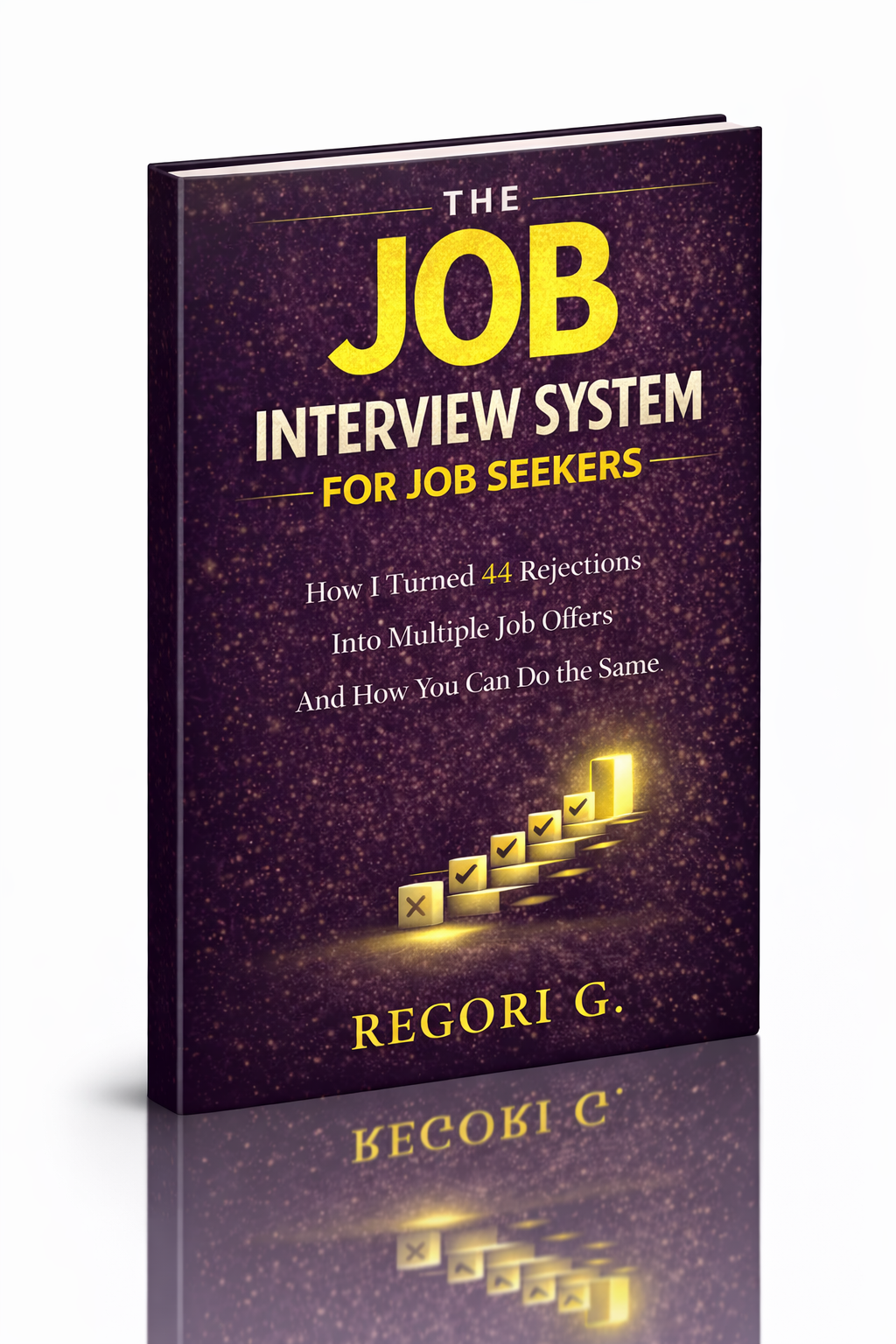
Guide 01
The Job Interview System
Step-by-step interview prep that turns nerves into confidence.
Get it →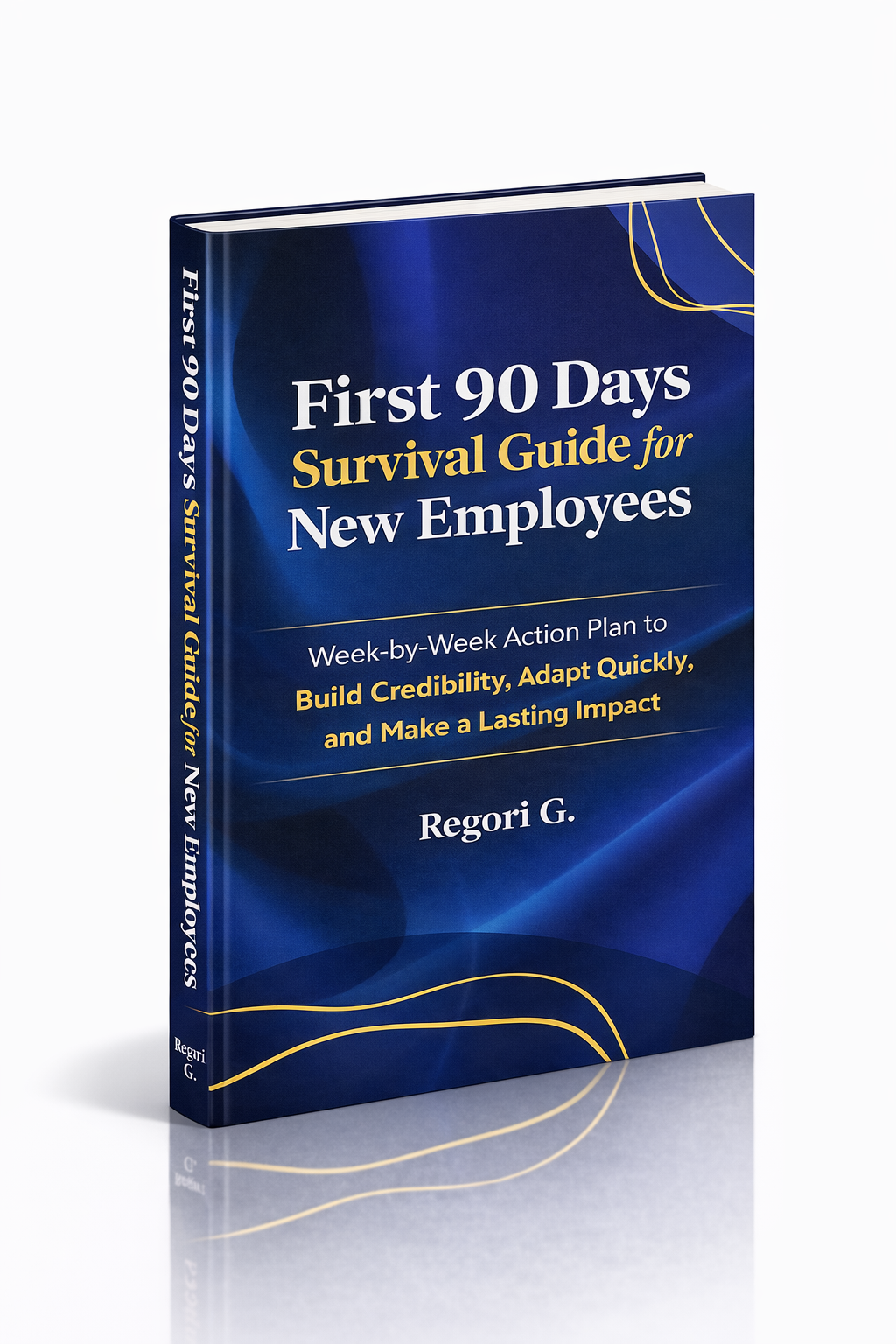
Guide 02
First 90 Days Survival Guide
Hit the ground running and make your mark from day one.
Get it →
Guide 03
Interview Success for Introverts
7 proven steps to shine in interviews — even if you hate the spotlight.
Get it →