

The 5 Interview Mistakes That Cost You the Job
What's silently killing your chances — and what top candidates do instead. Delivered instantly to your inbox.
No spam. Unsubscribe anytime. Privacy Policy & Terms
- Why "I'm a hard worker" destroys your chances
- What interviewers decide in the first 90 seconds
- How to handle tough questions with confidence
- The salary mistake almost every candidate makes
How to Write a Personal Statement for a Job Application
Writing a personal statement for a job application is a crucial step in presenting yourself to potential employers. This document acts as your first introduction, allowing you to showcase your skills, experiences, and personality. To create an impactful personal statement, you should focus on clarity, relevance, and authenticity. Here’s how you can craft a compelling personal statement that captures the attention of hiring managers.
Understand the Job Description
Before you write your personal statement, analyze the job description closely. Identify the key skills and attributes the employer is looking for. Pay special attention to:
- The technical skills required.
- The soft skills that complement these technical abilities.
- The company values and culture.
By understanding these elements, you’ll be better equipped to tailor your statement towards what the employer wants to see.
Structure Your Personal Statement
A well-structured personal statement should flow logically. Consider using these components:
- Introduction: Start with a strong opening that grabs attention. You could use an anecdote about your skills or experiences related to the job.
- Your Skills: Highlight the key skills you possess that are relevant to the position. Be specific and provide examples.
- Your Experience: Discuss relevant experiences that demonstrate your abilities. This could include previous jobs, volunteer work, or projects.
- Your Motivation: Explain why you are passionate about this particular role and how it aligns with your career goals.
- Closing: End with a statement that reiterates your interest in the position and your eagerness to contribute.
Be Authentic
Your personal statement should reflect your unique voice and personality. Here are tips to maintain authenticity:
- Share personal stories that exemplify your qualifications.
- Avoid overused phrases or jargon that might make your statement feel generic.
- Write as you would speak, using a conversational tone.
Optimize for Clarity
Use clear and concise language throughout your personal statement. Here are some techniques to ensure clarity:
- Use short sentences to present your ideas.
- Avoid complex vocabulary that may confuse the reader.
- Break up large chunks of text into smaller paragraphs to enhance readability.
Proofread and Edit
Once you’ve drafted your personal statement, don’t forget to proofread. Here’s a checklist to follow:
- Check for spelling and grammatical errors.
- Ensure that the tone is professional yet personal.
- Confirm it aligns with the job description.
- Get feedback from peers or mentors who can provide constructive criticism.
Remember, a polished personal statement reflects your attention to detail and professionalism.
Examples of Personal Statements
Here are a couple of examples to inspire your writing:
| Example | Description |
|---|---|
| Marketing Position | “Eager to leverage my background in digital marketing to amplify your brand’s online presence, I have successfully managed campaigns that increased engagement by over 30%…” |
| Software Developer | “As a software developer with five years of experience, I have designed user-friendly applications that improved customer satisfaction ratings significantly…” |
These examples demonstrate how to incorporate your unique experiences and goals into your personal statement effectively.
For further guidance on personal statements, you may find helpful resources at Prospects and National Careers Service.
Remember, a strong personal statement connects you with the employer and sets the stage for a successful application. Take your time crafting it, and let your personality shine through!
Common Mistakes to Avoid When Crafting Your Personal Statement
Crafting a personal statement can be a daunting task, but steering clear of common pitfalls is essential for creating a compelling narrative. Below are some frequent mistakes that applicants make, along with tips on how to avoid them. By learning what to watch out for, you can present a polished and persuasive personal statement.
Neglecting to Understand the Job
One of the biggest mistakes in personal statement writing is failing to align your skills and experiences with the job description. Many applicants simply rewrite their resume in paragraph form, but this won’t make you stand out. Take the time to research the company and understand its culture and values. Tailor your statement to show how your background and aspirations fit with what the organization is looking for.
Being Vague
Generalities may dilute your impact. Instead of saying you are “a great team player,” provide concrete examples that showcase your teamwork skills. Use specific anecdotes to illustrate your achievements and capabilities. This approach not only strengthens your narrative but also adds credibility to your claims.
Overloading with Jargon
While you want to demonstrate your knowledge of the industry, using too much jargon can alienate your reader. Keep your language clear and straightforward. If you must use technical terms, ensure that they are appropriate for the audience who will be reading your personal statement. Aim for clarity over complexity.
Neglecting Structure
- Paragraph Length: Avoid long paragraphs that can overwhelm the reader. Aim for concise, focused paragraphs that each convey a single idea.
- Transitions: Ensure smooth transitions between paragraphs. This improves the flow of your statement and helps the reader follow your narrative more easily.
- Logical Flow: Organize your thoughts in a logical order. Consider using the STAR method (Situation, Task, Action, Result) to narrate experiences effectively.
Ignoring the Importance of Editing
A common mistake is submitting a personal statement without revisions. Grammar and spelling errors can undermine your professionalism. Once you’ve written your initial draft, take a break before you edit. This will give you a fresh perspective to catch mistakes. Consider sharing your statement with a trusted friend or mentor who can provide constructive criticism.
Using a Generic Template
While templates can be a helpful starting point, relying too heavily on one can make your statement sound formulaic. Personal statements should reflect your unique voice, experiences, and aspirations. Customize every section, making a strong case for why you are the best fit for the position. A personal touch makes for a memorable statement.
Focusing Too Much on Academic Achievements
Although education is important, a personal statement should also highlight your soft skills and real-world experiences. Employers are often looking for well-rounded candidates who can adapt and thrive in various situations. Discuss your roles in extracurricular activities, community service, or internships that demonstrate valuable skills like leadership, communication, and problem-solving.
Neglecting to Show Passion
Don’t just list your qualifications; let your passion shine through! Explain why you are excited about the opportunity and how it aligns with your career goals. Enthusiasm can be contagious, and it may leave a lasting impression on your reader.
Failing to Follow Guidelines
Most job applications come with specific instructions. Ignoring these can cost you reconsideration. Pay close attention to word count, formatting requirements, and submission procedures. Following these details shows that you can follow directions and are genuinely interested in the role.
Not Reviewing Related Resources
There are many valuable resources that can guide you through writing a strong personal statement. Websites like The Balance Careers and Indeed provide tips, examples, and further insights on crafting effective personal statements.
Neglecting Formatting
Presentation matters. Ensure your personal statement is easy to read. Use a professional font, maintain proper alignment, and consider using bullet points for clarity where appropriate. Proper formatting reflects your organizational skills and attention to detail.
Remember that a personal statement is a reflection of you. Avoiding these common mistakes can help you create a powerful narrative that resonates with hiring managers. Take the time to create a thoughtful and engaging statement, and you’ll significantly improve your chances of landing that job interview.
Tailoring Your Personal Statement to Different Job Roles
When applying for a job, a personal statement can be your golden ticket to making a lasting impression. One crucial strategy is to tailor your statement to fit the specific job role you are targeting. Personalizing your approach can effectively highlight your skills and experiences, making them align closely with what the employer is seeking. Here’s how you can customize your personal statement based on different job roles.
First, research the job description thoroughly. Understand the skills, qualifications, and traits that the employer values. Use this information as a guiding framework for your personal statement. Consider these key points:
- Industry Terminology: Use terminology and jargon relevant to the industry. This demonstrates your familiarity with the field and shows that you are serious about the job.
- Required Skills: Identify the core skills mentioned in the job posting and weave them into your personal statement. Showcase specific examples of how you have demonstrated these skills in your previous roles.
- Company Culture: Research the company’s culture and values. Align your personal statement to resonate with these values. If you find that teamwork is important to them, discuss your collaborative achievements.
Next, adjust the tone of your personal statement based on the position. For example, a creative job might call for a more informal tone, showcasing your personality. Conversely, a corporate role may require a formal tone that underscores professionalism. Here’s a breakdown for different job roles:
| Job Role | Tone | Focus Points |
|---|---|---|
| Creative Positions | Conversational and Engaging | Innovation, motivation, and unique ideas. |
| Corporate Jobs | Formal and Professional | Experience, achievements, and work ethics. |
| Technical Roles | Direct and Specific | Skills, certifications, and technical achievements. |
| Customer Service | Friendly and Approachable | Communication skills, empathy, and problem-solving abilities. |
Another important aspect is structuring your personal statement to fit the role. Consider starting with a strong opening that captures the employer’s attention. Follow it with relevant experiences that highlight your qualifications and demonstrate your fit for the role. For instance:
- Leading with a Narrative: If you are applying for a management position, you could begin with a brief story about a successful project you led. This captures interest right away.
- Highlighting Impact: In technical roles, mention specific outcomes from your projects. Use numbers to quantify your achievements where possible, such as “increased efficiency by 30%.”
Always remember to encourage soft skills that are typically valuable across job roles. While technical skills might be job-specific, soft skills such as communication, adaptability, and teamwork are universally appreciated. When demonstrating these skills in your statement, be sure to tell stories or provide examples rather than just listing them.
Before submission, take the time to edit and proofread your personal statement. Errors can detract from your professionalism. Use professional platforms like The Balance Careers or College Scholarships for tips on polishing your statement.
Tailoring your personal statement for each job application may take more time, but the benefits can be substantial. A well-crafted, personalized statement not only showcases your suitability for the role but also demonstrates your commitment to joining that specific organization. When you genuinely align your personal statement with the job role, you create an engaging narrative that could set you apart from other candidates.
The Importance of Authenticity in Your Personal Statement
When applying for a job, your personal statement is a crucial element of your application. It provides an opportunity for you to showcase who you are and what you bring to the table. Authenticity is incredibly important in this context. Being genuine in your personal statement can set you apart from other candidates and resonate with hiring managers.
One of the main reasons authenticity matters is that it fosters trust. Employers seek candidates who are not only qualified but also honest. If you present yourself in a way that feels true to who you are, you’ll likely make a strong impression. Authenticity shows that you are self-aware and confident in your abilities. Here are some reasons why being authentic in your personal statement is advantageous:
- Builds Connection: A personal statement is more than just a list of skills; it should tell your story. When you share genuine experiences and insights, it creates a connection with the reader. They can see you as a person, not just a resume.
- Highlights Uniqueness: Every candidate has a unique journey. By being authentic, you highlight what makes you different. Employers appreciate candidates who offer diverse perspectives and experiences.
- Demonstrates Integrity: Authenticity implies honesty. If you present your qualifications and experiences truthfully, hiring managers will see you as trustworthy.
- Encourages Self-Reflection: Writing authentically requires introspection. You need to think about what you truly want and what you’ve achieved. This can help clarify your career goals.
Creating a personal statement rooted in authenticity involves more than simply stating facts. It means reflecting on your experiences and values. Here are some strategies to help you cultivate authenticity in your writing:
- Know Your Audience: Understand the company culture and the role you are applying for. Tailor your statements to reflect not just your unique qualities but also what aligns with the organization’s values.
- Be Honest About Your Experiences: Share your genuine experiences, including challenges and how you overcame them. Employers value resilience and problem-solving abilities.
- Use Your Voice: Write in a manner that feels natural to you. Don’t try to mimic someone else’s style. Your personal voice should shine through, making the statement more relatable and engaging.
- Focus on Your Passion: Include what you are passionate about in your personal statement. When you talk about what excites you, it adds energy and authenticity to your writing.
Structuring your personal statement is essential for clarity. Here’s a simple structure that maintains authenticity:
| Section | Description |
|---|---|
| Introduction | A brief introduction about who you are and what led you to apply for the position. |
| Your Journey | Discuss your background, experiences, and what makes you unique. |
| Passions and Values | Share what drives you and how your values align with the company. |
| A strong closing that reiterates your enthusiasm for the role and invites further discussion. |
After drafting your personal statement, take the time to seek feedback. Sharing your statement with trusted friends or mentors can provide valuable insights. They can help you identify parts that sound authentic and those that may feel artificial. Remember, a fresh set of eyes can spot areas for improvement.
Always edit and proofread your personal statement. Grammatical errors or awkward phrasing can detract from the authenticity of your message. Clean writing reinforces the dedication you have toward your application.
For additional tips and personal statement examples, you can visit The Balance Careers or check out Business Insider. These resources provide comprehensive guidance on creating an authentic personal statement that resonates with employers.
Being authentic is invaluable. A personal statement that reflects your true self can make all the difference in your job application journey. The more genuine you are, the more likely you are to attract roles that are the perfect fit for you.
Examples of Effective Personal Statements for Various Industries
Crafting a personal statement can feel overwhelming, especially when applying for a job in a highly competitive market. The personal statement serves as a vital part of your job application, allowing you to present your unique qualities, experiences, and career ambitions. Let’s explore some examples of effective personal statements tailored to various industries, highlighting key elements that will resonate with potential employers.
Healthcare
A strong personal statement in the healthcare field should showcase your empathy, commitment, and experience. For instance:
Example:
“As a dedicated nursing professional with five years of experience in both emergency and pediatric care, I thrive in fast-paced environments and excel in providing compassionate patient care. My ability to communicate effectively with both patients and families has been instrumental in reducing anxiety and improving patient satisfaction. I am eager to bring my skills to [Hospital Name], where I can continue to advocate for patient needs and contribute to a collaborative healthcare team.”
Technology
In the technology sector, personal statements should highlight your technical skills, problem-solving abilities, and passion for innovation. Here’s a sample:
Example:
“With a Bachelor’s degree in Computer Science and three years of experience developing mobile applications, I am passionate about leveraging technology to enhance user experience. At [Company Name], I developed an award-winning app that improved user engagement by 40%. My goal is to continue pushing the boundaries of technology while collaborating with an innovative team committed to excellence.”
Education
For educators, the focus of a personal statement should be on teaching philosophy, dedication to student success, and relevant experiences:
Example:
“As an enthusiastic educator with over ten years of teaching experience, I believe in fostering a learning environment that promotes curiosity and critical thinking. My recent initiative to integrate technology in the classroom resulted in a 30% increase in student engagement and performance. I am excited about the opportunity to join [School Name] and contribute to a school culture that values innovation and inclusivity.”
Marketing
A compelling marketing personal statement should demonstrate creativity, analytical skills, and an understanding of market trends:
Example:
“As a marketing specialist with a knack for strategic campaign development, I have successfully led projects that resulted in a 25% increase in brand visibility. My experience in digital marketing, combined with my analytical approach, allows me to evaluate market trends and consumer behavior effectively. I am particularly interested in the marketing role at [Company Name] because I admire their commitment to sustainability and ethical branding.”
Finance
In finance, your personal statement should convey your attention to detail, analytical skills, and understanding of financial markets:
Example:
“With a Master’s in Finance and three years of experience in investment analysis, I am skilled at evaluating financial risks and identifying profitable opportunities. At [Company Name], I successfully managed a portfolio that achieved an annual return of 15%. I am excited to leverage my skills to help [Company Name] strategically navigate market challenges and drive financial growth.”
Creative Arts
For roles in creative fields, personal statements should reflect your passion, style, and creative achievements:
Example:
“As a graphic designer with a degree in Visual Arts, I believe in the power of storytelling through design. My portfolio includes work for [Notable Clients], showcasing my ability to combine creative concepts with practical applications. I am keen to bring my innovative perspective to [Company Name] and create visually compelling stories that resonate with audiences.”
Key Elements to Include
- Personal Experiences: Share specific experiences that shaped your interests and career goals.
- Skills and Qualifications: Highlight relevant skills and qualifications that align with the job role.
- Career Ambitions: Clearly outline your professional goals and how the position you’re applying for aligns with them.
- Employer’s Values: Demonstrate knowledge of the company’s culture and values, and express how you fit within that framework.
Writing a personal statement for a job application is not just about listing experiences; it’s an opportunity to engage potential employers with your story. By drawing from specific examples and tailoring your statement to resonate with the industry, you can create a compelling narrative that showcases your qualifications and enthusiasm. For additional guidance on crafting your personal statement, resources like The Balance Careers and Glassdoor offer invaluable insights.
Embrace the opportunity to reflect on your career journey, and utilize these examples to inspire your own personal statement. With careful consideration and creativity, you can craft a statement that stands out and effectively communicates your value to prospective employers.
How to Highlight Your Skills and Experience in a Personal Statement
Crafting a compelling personal statement for a job application is a vital step in the hiring process. Your personal statement should not only reflect your passion for the role but also highlight your relevant skills and experience. Here’s how to do it effectively.
Understanding Your Audience
Before you begin writing, it’s essential to understand who will read your personal statement. Think about the job description and the company’s values. Tailoring your content to resonate with the hiring manager or the recruiters can significantly increase your chances of making a strong impression.
Identifying Key Skills and Experiences
Begin by listing your skills and experiences that align with the job you are applying for. Categorizing them can help you present them more strategically. Here are some steps to guide you:
- Review the Job Description: Identify keywords and skills that the employer values.
- Assess Your Own Experience: Reflect on past roles, projects, and accomplishments that relate to the job.
- Match Skills to Employer Needs: Identify how your skills can contribute to the organization’s success.
Structuring Your Personal Statement
A well-structured personal statement makes your skills and experiences easier to absorb. Follow this basic structure:
- Introduction: Start with a strong opening that captures attention. Mention the position you’re applying for and briefly state your motivation.
- Body Paragraphs: Use one or two paragraphs to detail your skills and experiences. Focus on specific examples that showcase your qualifications. Consider the STAR method (Situation, Task, Action, Result) for framing experiences.
- : End with a powerful closing that summarizes your interest and reinforces your suitability for the position.
Using Examples to Showcase Your Skills
Examples are crucial in demonstrating your skills effectively. Instead of merely stating that you possess a skill, provide concrete instances that illustrate your expertise:
| Skill | Example | Impact |
|---|---|---|
| Leadership | Managed a team on a project that resulted in a 30% increase in efficiency. | Increased team productivity and trust. |
| Communication | Presented a case study at an industry conference. | Enhanced the company’s reputation and attracted new clients. |
| Problem-Solving | Developed a new system that streamlined workflow. | Saved the company $10,000 annually. |
These examples not only show your skills but also the impact of your contributions.
Editing and Polishing Your Statement
Once you have a draft, take the time to edit and revise. Consider these tips:
- Check for Clarity: Ensure that your ideas flow logically and are easy to understand.
- Proofread: Look for grammatical errors and typos.
- Seek Feedback: Get a second opinion from trusted colleagues or mentors.
Final Thoughts
A well-crafted personal statement can set you apart from the competition. It’s your opportunity to shine by showcasing your skills and experiences in alignment with the job you want. Make sure to keep it professional, concise, and tailored to the role.
For more guidance on writing personal statements, you can visit The Balance Careers or Prospects for additional resources.
Tips for Editing and Polishing Your Personal Statement Before Submission
Submitting a personal statement is a vital part of standing out during a job application process. It’s your chance to showcase your best attributes, skills, and motivations. However, before hitting that send button, it’s crucial to edit and polish your personal statement thoroughly. Below are helpful strategies to refine your statement and leave a positive impression.
Start with a Clear Structure
Begin by organizing your thoughts and ensuring your personal statement has a logical flow. A well-structured statement not only makes it easier for the reader to follow your narrative but also highlights your strengths effectively. Aim to cover the following sections:
- Introduction: Briefly introduce yourself and your career goals.
- Professional Experiences: Discuss past experiences relevant to the job you’re applying for.
- Skills and Qualifications: Highlight specific skills that make you a strong candidate.
- : Finish with a strong closing statement that reiterates your enthusiasm for the position.
Read Aloud for Clarity and Flow
One effective way to catch errors and improve readability is by reading your personal statement out loud. This practice helps you identify awkward phrases or repetitive words that may strain the flow. When you hear your words, you’re more likely to notice parts that don’t sound right. As you read, take note of any sentences that feel cumbersome or unclear; revising them will enhance overall clarity.
Check for Clarity and Conciseness
After reading aloud, focus on clarity. Every sentence should convey your message clearly and directly. Avoid jargon that might confuse the reader. Simplified language can often strengthen your message. Aim for concise sentences that present your ideas without unnecessary fluff.
Utilize Active Voice
Using an active voice improves the readability of your personal statement. Sentences that employ active voice are usually more direct and impactful. For instance, instead of saying “The project was completed by me,” say “I completed the project.” This shift puts the spotlight on your actions and contributions.
Seek Feedback
It’s always beneficial to have a second set of eyes review your personal statement. Ask trusted friends, family members, or colleagues to read your statement and provide honest feedback. They can highlight parts that might be confusing or need more detail. Peer review can offer valuable insights and ensure your statement resonates well with a diverse audience.
Edit for Grammar and Style
Grammar errors can detract from the professionalism of your personal statement. Use tools like Grammarly or Hemingway to catch mistakes and improve your writing style. Additionally, pay attention to punctuation and formatting, ensuring your statement presents itself impeccably. Small errors can make a big difference in how you’re perceived.
Incorporate Specific Examples
To make your personal statement memorable, include specific examples that illustrate your abilities and achievements. Instead of general statements like “I am a team player,” describe a situation where you successfully collaborated with others. This storytelling approach not only highlights your skills but engages the reader, making your application stand out.
Proofread and Finalize
Before submitting, dedicate time to a final proofread. This means reading through your personal statement one last time, checking for any overlooked comments or mistakes. It might help to print out the document or change the font to spot issues more easily. Pay close attention to the consistency in your tone and ensure it aligns with the job you’re applying for.
Stay Authentically You
While it’s essential to polish your personal statement, don’t lose your unique voice in the process. Authenticity resonates well with employers, so allow your personality to shine through. Being genuine will help create a personal connection with the reader, making your application more compelling.
For further guidance, you may find resources on job applications at Mayo Clinic’s career page and tailored advice from The Muse.
These strategies into your editing process will greatly enhance your personal statement, paving the way for your success in job applications. With diligence and attention to detail, you can craft a standout personal statement that leaves a lasting impression.
Key Takeaway:
Writing a personal statement for a job application is a crucial step in the job-seeking process that can set you apart from other candidates. The key takeaway from this article is to approach your personal statement as an opportunity to showcase your unique personality, skills, and experiences. By doing so, you can create a compelling narrative that aligns with both the job role and the company culture.
First, it’s essential to avoid common mistakes that can weaken your statement. Failing to tailor your document to the specific job role can convey a lack of effort and interest. Every job is different, and understanding the role’s requirements is vital. Take the time to research the company and the position, which allows you to highlight relevant experiences and skills that make you an ideal candidate for that specific role.
Authenticity is another critical factor in crafting your personal statement. Employers appreciate genuine voices that reflect real enthusiasm and commitment. When you write in an authentic manner, it not only captures attention but also builds trust with potential employers. Showcasing your true motivations and values can make your statement resonate more deeply, allowing hiring managers to imagine you as a part of their team.
Additionally, illustrating your skills and experiences with clear and relevant examples is fundamental. Use achievements that quantify your successes and relate them to the job you are applying for, making the connection explicit.
Don’t forget the importance of polishing your statement before submission. Editing and revising your content can dramatically improve clarity and professionalism. Look out for grammatical errors, repetitive phrases, and complex wording. A well-edited statement demonstrates attention to detail, an essential skill in almost any role.
To write an effective personal statement, you must personalize it for each application, maintain authenticity, use strong examples, and thoroughly edit your work. By following these guidelines, you can craft a personal statement that not only reflects your qualifications but also leaves a lasting impression on potential employers.
Conclusion
Crafting a compelling personal statement for your job application is a vital step in showcasing your unique qualifications to potential employers. By focusing on the specific requirements of the role and aligning your skills and experiences with the company’s values, you can create a powerful narrative that stands out. Avoid common pitfalls by steering clear of clichés, vague statements, and generic language; these can detract from the authenticity of your message.
Tailoring your statement to different job roles not only demonstrates your understanding of the position but also reflects your commitment to that particular opportunity. Authenticity is key, as employers appreciate genuine enthusiasm and insight into who you are as a candidate. Use the stories and examples relevant to your industry to illustrate your journey and the skills you’ve acquired.
Highlighting your skills and experiences effectively will resonate more with hiring managers and show them why you are the ideal fit for their team. Before hitting send, devote time to polishing your statement, checking for clarity, grammar, and overall flow, which ensures that your submission is not just accurate but also engaging.
By following these guidelines, you can elevate your job application through a personal statement that truly represents your professional identity. Remember, this is your chance to make a memorable impression, so take the time to invest in this critical component of your application process. With careful attention and thoughtful reflection, you can craft a statement that opens doors to exciting career opportunities.
Your Next Chapter
Starts with the Right Guide
Three straight-talking PDF guides to help you win interviews, beat the first 90 days and thrive as an introvert. Instant download on Gumroad.
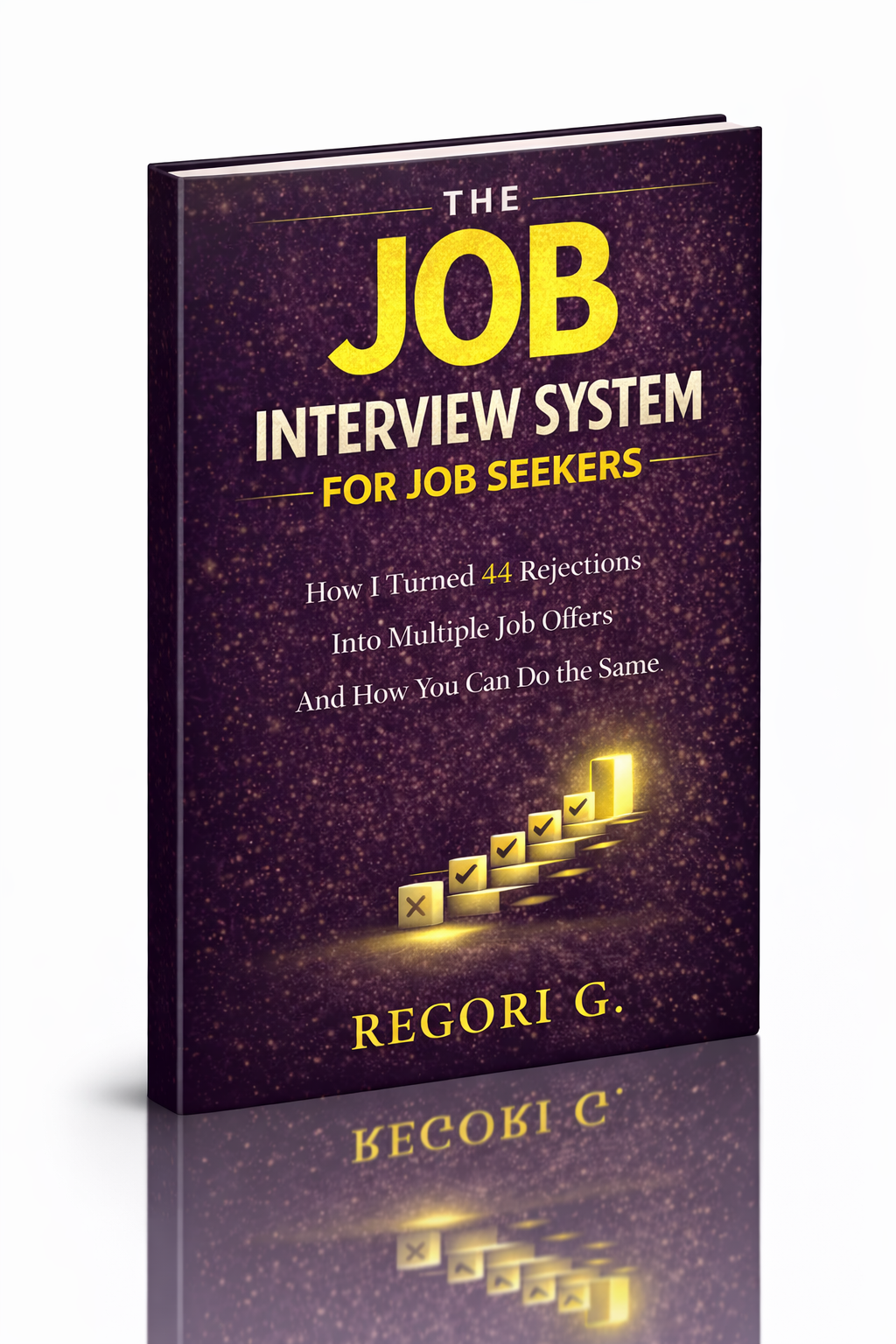
Guide 01
The Job Interview System
Step-by-step interview prep that turns nerves into confidence.
Get it →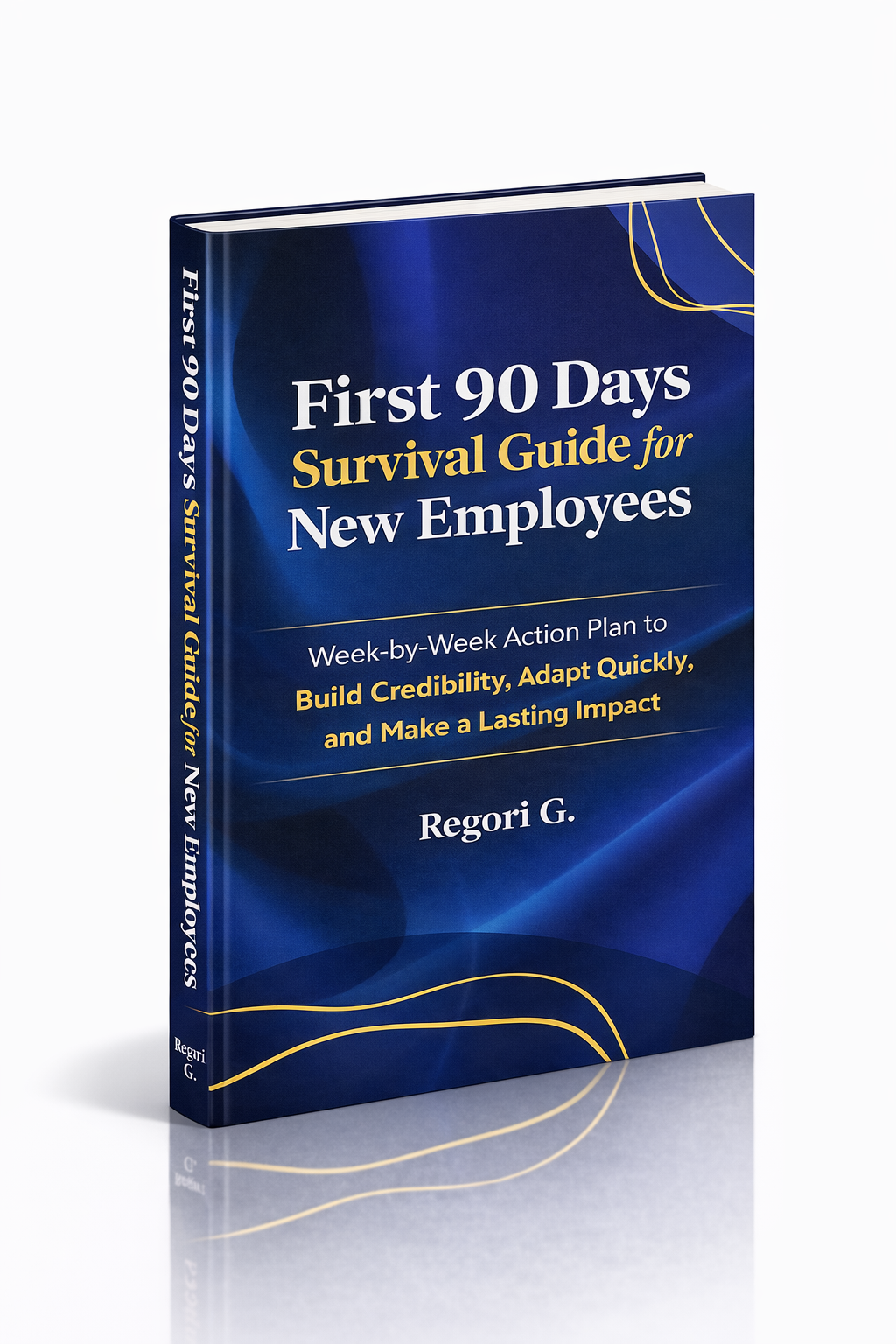
Guide 02
First 90 Days Survival Guide
Hit the ground running and make your mark from day one.
Get it →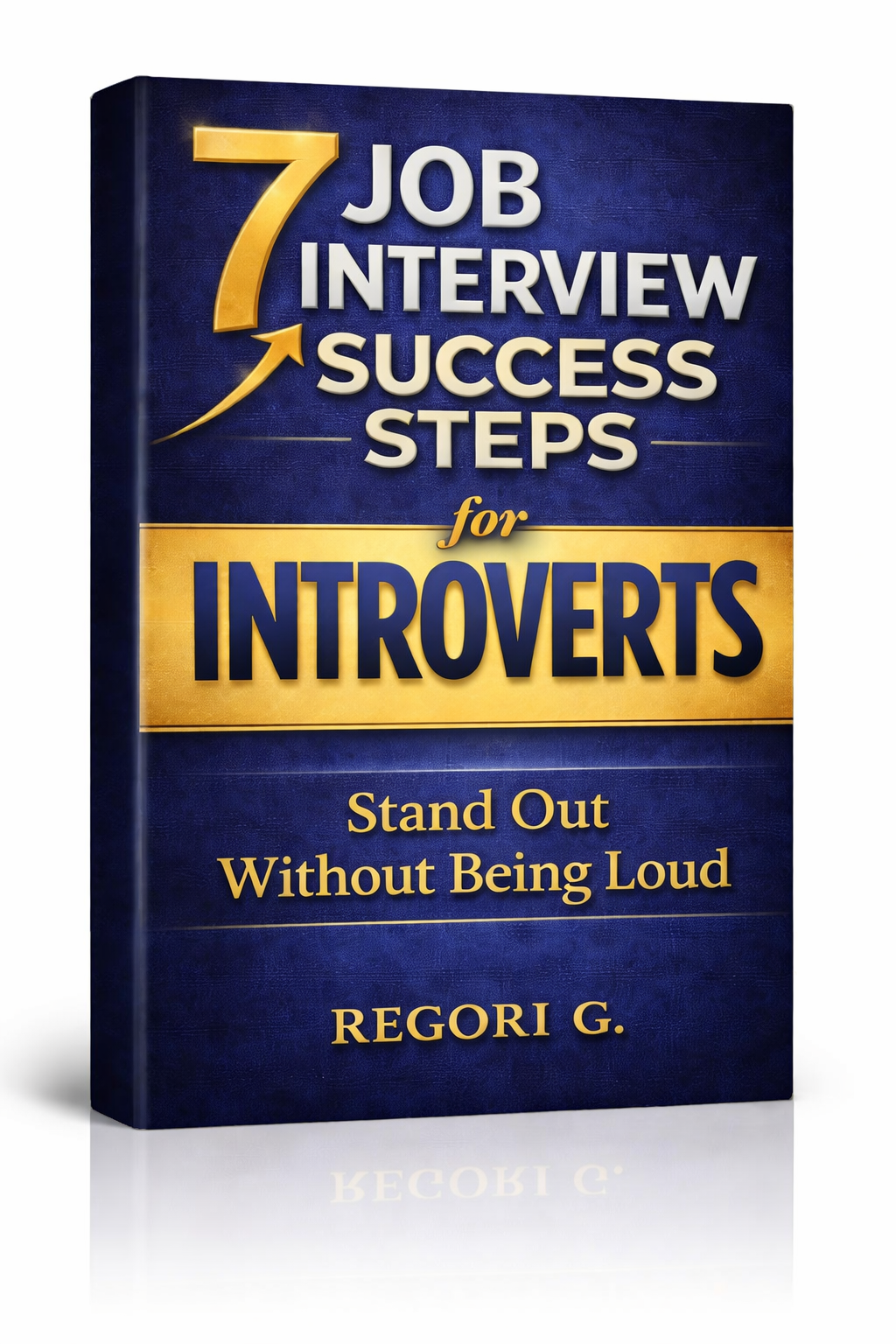
Guide 03
Interview Success for Introverts
7 proven steps to shine in interviews — even if you hate the spotlight.
Get it →