

The 5 Interview Mistakes That Cost You the Job
What's silently killing your chances — and what top candidates do instead. Delivered instantly to your inbox.
No spam. Unsubscribe anytime. Privacy Policy & Terms
- Why "I'm a hard worker" destroys your chances
- What interviewers decide in the first 90 seconds
- How to handle tough questions with confidence
- The salary mistake almost every candidate makes
Signs You Are Doing Well in Your New Job: Early Signals to Recognize
Starting a new job can be both exciting and nerve-wracking. As you settle into your role, it’s essential to recognize the signs that indicate you are doing well. Early signals can help boost your confidence and reinforce that you are on the right track. Here are several indications to watch out for as you embark on your new professional journey.
Positive Feedback from Colleagues
One of the key signs you are doing well in your new job is receiving positive feedback from your coworkers. If your team members frequently acknowledge your contributions, it shows they value your work. Look out for:
- Compliments on your ideas during meetings.
- Direct praise for your completed tasks.
- Informal check-ins from colleagues wanting to collaborate with you.
Getting Invited to Meetings
If you’re finding yourself invited to important team meetings or decision-making discussions, it’s a strong indicator that your input is appreciated. Being included suggests that your managers and peers consider you a valuable asset. This inclusion often means that your performance has impressed those around you. Pay attention to:
- Your manager requesting your opinions on projects.
- Opportunities to present your ideas to the team.
Taking on New Responsibilities
Another early signal that you are performing well is when you are entrusted with additional responsibilities. This often means your supervisors see your potential and are confident in your abilities. Consider these points:
- You are asked to lead a small project.
- Colleagues reach out to you for assistance on tasks.
Building Relationships
Establishing a rapport with your coworkers can signal that you are integrating well into the workplace culture. If you feel comfortable socializing with your team during breaks or after hours, it’s a positive sign. Watch for:
- Invitations to lunch or coffee chats.
- Team members seeking advice or sharing personal stories with you.
Receiving Constructive Feedback
When your manager provides feedback that helps you improve, it demonstrates investment in your growth. Constructive feedback, rather than criticism, indicates that they believe in your potential. Make note of:
- Specific examples of areas to improve with solutions.
- Discussions about your career path within the company.
Your Contributions Are Visible
Pay attention to whether your work is visible to higher management. Are your accomplishments recognized? Being acknowledged for your contributions can be highly motivating. Signs include:
- You are highlighted in team meetings.
- Your work is shared in company newsletters or reports.
Rapid Learning and Adaptation
As you acclimate to your new job, notice your learning curve. If you find that you are adapting quickly and mastering tasks faster than you anticipated, it’s a good sign. Look for:
- Increased comfort level with your responsibilities.
- Ability to solve problems independently.
Feeling Enthusiastic
If you find yourself excited about the work you’re doing each day, it’s a significant indication that you are doing well. An enthusiastic mindset often reflects a positive workplace experience. Signs of enthusiasm include:
- Looking forward to new projects and challenges.
- Eagerly engaging in discussions about your role.
Identifying these early signs can help you gauge your performance and offer insights into how well you are integrating into your new job. Remember to stay positive and open-minded as you build your career. For more insights and resources related to job performance, visit Forbes or Harvard Business Review.
With patience and dedication, you’ll not only thrive but also enjoy your new workplace environment. Acknowledging these early signals will assist you in navigating the transitions that come with starting anew. Take note, stay engaged, and progress will follow.
Understanding Your Workplace Culture: A Key to Success
Understanding workplace culture is crucial for your success and well-being in a new job. It shapes how you interact with colleagues, approach your tasks, and adapt to your environment. Knowing the ins and outs of your company’s culture can significantly enhance your job satisfaction and performance. Here’s a closer look at some aspects of workplace culture that can impact your success.
What is Workplace Culture?
Workplace culture refers to the shared values, beliefs, and behaviors that shape how work gets done in an organization. It encompasses a variety of factors, including:
- Communication Styles: How information is shared and discussed.
- Work Environment: The physical and emotional climate of the office.
- Company Values: The core principles that guide decision-making.
- Management Style: The approach leaders take to guide and mentor their teams.
- Dress Code: Formality and expectations regarding appearance.
Why It Matters
A positive workplace culture fosters collaboration, boosts morale, and enhances overall productivity. Understanding the culture can also help you navigate challenges more effectively. If you are aware of how to fit in and contribute, you can make your transition smoother. Here are several reasons why grasping your workplace culture is essential:
- Better Relationships: By understanding the social dynamics, you can build better relationships with your colleagues.
- Increased Job Satisfaction: Aligning your values with the company’s will help you feel more fulfilled in your role.
- Effective Conflict Resolution: Knowing the unspoken rules can help you resolve disagreements with ease.
- Improved Career Growth: When you fit in well, you are more likely to get recognized for promotions and advancement opportunities.
How to Assess Your Workplace Culture
Every workplace is unique, and how you assess the culture will depend on several factors. Here are some strategies to better understand your new workplace culture:
- Observe: Take note of how people interact, the tone of conversations, and general attitudes in the office.
- Ask Questions: Don’t hesitate to ask colleagues about their experiences and views on the company culture.
- Participate: Get involved in team meetings, social events, and group projects to gain firsthand experience.
- Utilize Resources: Access internal resources such as company handbooks or training materials that explain cultural norms.
Recognizing Your Fit
To truly thrive, you need to recognize whether your values align with your workplace’s culture. Here are some signs that you are fitting in:
| Signs You’re Fitting In | Explanation |
|---|---|
| You feel comfortable sharing ideas. | Your opinions are valued, and you can contribute without fear. |
| People seek your input. | Colleagues respect your views and often ask for your perspective. |
| Team activities feel inclusive. | You enjoy participating in group activities and feel welcomed. |
| You embrace company values. | Your work reflects the values of the organization, making you feel connected. |
Resources for Deepening Your Understanding
To further expand your knowledge of workplace culture, consider the following resources:
- Forbes on Workplace Culture
- Harvard Business Review: What is Company Culture?
- SHRM Toolkit on Culture
In sum, understanding workplace culture is essential for your success in any organization. Making an effort to learn about your company’s norms can help you navigate your professional landscape more effectively, fostering relationships, improving job satisfaction, and paving the way for your career growth.
Building Positive Relationships with Colleagues and Supervisors
Building positive relationships with colleagues and supervisors is essential for creating a healthy work environment. These relationships not only contribute to job satisfaction but also enhance team productivity and collaboration. Here are some key strategies to help you cultivate strong connections at work.
Communicate Openly and Honestly
Effective communication is the foundation of any successful relationship. Here are some tips to improve your communication skills:
- Listen Actively: Show genuine interest in what others are saying. Nod, maintain eye contact, and ask questions for clarity.
- Be Clear and Concise: When expressing your thoughts, keep your message straightforward to avoid misunderstandings.
- Provide Constructive Feedback: Share your thoughts in a way that encourages growth and improvement.
Be Approachable and Friendly
Creating a friendly atmosphere can significantly boost rapport among colleagues. Consider these approaches:
- Smile and Greet: A simple smile and greeting can set the tone for positive interactions.
- Be Available: Make time to listen to your colleagues’ concerns or ideas. Being approachable fosters trust.
- Engage in Small Talk: Casual conversations during breaks can strengthen bonds and promote a sense of belonging.
Show Appreciation and Recognition
Recognition of efforts is a powerful way to build positive relationships in the workplace. Here are ways to express appreciation:
- Say Thank You: Acknowledge your colleagues’ contributions, no matter how small.
- Celebrate Successes: Recognize team achievements in meetings or through company-wide communications.
- Encourage Peer Recognition: Foster an environment where team members feel comfortable praising each other.
Get Involved in Team Activities
Participating in team-building exercises can greatly enhance your relationships. Consider:
- Join Social Events: Attend parties, outings, or team lunches to bond outside of formal settings.
- Support Community Initiatives: Engage in volunteer activities that allow you and your colleagues to work towards a common goal.
- Start a Team Project: Collaborate on projects that interest you. This enhances teamwork and helps develop mutual respect.
Invest in Professional Development
Investing in your career growth can show your commitment to your job and your colleagues. Here’s how:
- Attend Workshops: Learn new skills together with your colleagues. This fosters collaboration and shared learning.
- Share Resources: Recommend articles, books, or training sessions you find valuable for your team’s growth.
- Seek Mentorship: Connect with supervisors or seasoned colleagues for guidance and support.
When you focus on building positive relationships, both you and your colleagues benefit. The workplace becomes more enjoyable and productive, leading to better outcomes for the entire organization. Establishing these connections doesn’t have to be complex and can make a significant difference in your everyday work life. For further guidance on maintaining healthy workplace relationships, consider checking out resources from Mind Tools or Harvard Business Review.
Transitioning into a new role can be challenging, but by cultivating meaningful relationships, you are more likely to thrive in your position and contribute positively to your team’s dynamic. Remember, every conversation and interaction is an opportunity to strengthen your network and enhance your workplace experience.
The Importance of Feedback in Your Early Days at Work
Starting a new job can be both exciting and challenging. One critical aspect that can make this transition smoother is feedback. You might wonder why feedback is crucial during your early days at work. It’s simple: feedback helps you learn and grow as you adapt to your new environment.
The importance of feedback in your early days at work can be summarized in several key areas:
- Understanding Expectations: In your first weeks, it’s vital to know what is expected of you. Feedback helps clarify roles, responsibilities, and performance standards. Regular check-ins with your supervisor can ensure you are on the right track.
- Identifying Strengths and Weaknesses: Feedback highlights what you’re doing well and areas needing improvement. This insight allows you to focus on developing your skills effectively.
- Building Relationships: Seeking feedback encourages open communication. It fosters a stronger relationship with colleagues and supervisors, creating a more supportive work environment.
- Boosting Confidence: Positive feedback can boost your morale. Knowing that your efforts are recognized helps you feel more confident in your abilities, prompting you to take on new challenges.
- Encouraging Adaptability: Every workplace has its culture. Feedback guides you in adapting to this culture and understanding “the unwritten rules” that govern daily interactions.
Receiving feedback, however, isn’t just about listening; it’s also about how you respond. Here are strategies to maximize the value of feedback:
- Be Open-Minded: Accepting feedback with an open mind shows your willingness to learn. Avoid being defensive, and instead, view feedback as an opportunity for growth.
- Ask Questions: If you don’t understand the feedback, do not hesitate to ask for clarification. This not only shows you’re engaged but helps ensure you fully grasp the essence of the comments.
- Act on Feedback: Implement the suggestions provided. This demonstrates your commitment to improvement and your role within the team.
- Follow-Up: After making adjustments, check in with your supervisor or peers to discuss any progress. This reinforces your interest in developing your skills further.
- Provide Feedback to Others: Engaging in a mutual feedback exchange can deep your relationships and improve team dynamics.
Utilizing feedback effectively can speed up your acclimatization to your new role. It’s not just about adjusting your work methods; it’s also about integrating yourself into the company culture. The importance of feedback cannot be overstated—it’s a roadmap to navigating the often complicated landscape of a new workplace.
Many organizations recognize the value of providing structured feedback systems for newcomers. According to a Forbes article, establishing feedback processes can enhance employee performance and satisfaction. Companies may implement various feedback methods, such as 360-degree feedback, peer reviews, or regular one-on-one meetings.
Even outside of formal structures, the culture of feedback within your team influences your experience. If your workplace encourages regular feedback, engage fully. Ask for suggestions from colleagues or request feedback on your contributions. Even casual conversations can offer insights into performance and expectations.
Remember that feedback isn’t only about receiving it. As you gain more experience, learn to give feedback constructively. Offering your perspective not only helps your colleagues but also positions you as a valued team member.
Embracing feedback in your early days at work is vital to your success. It helps you understand your role, builds confidence, and encourages professional growth. By actively seeking and gracefully accepting feedback, you lay a strong foundation for your career journey.
For further reading on this topic, you may explore resources such as Mind Tools, which provides strategies and tools for effective feedback in the workplace, and The Balance Careers, covering various aspects of feedback in different work scenarios.
How to Stay Proactive and Engaged in Your Role
In today’s fast-paced work environment, staying proactive and engaged in your role is essential for both personal satisfaction and professional growth. Taking initiative can lead to new opportunities and can positively impact your team and organization. Here are practical strategies to help you remain engaged and proactive in your job.
Understand Your Role Clearly
The first step to staying proactive is understanding your responsibilities and expectations. Take time to review your job description and clarify any doubts with your supervisor. Here’s how you can achieve a solid grasp of your role:
- Ask questions: Don’t hesitate to reach out to your manager or colleagues.
- Set goals: Identify short-term and long-term goals related to your position.
- Seek feedback: Regularly request constructive feedback on your performance.
Develop Strong Relationships
Building relationships with your colleagues can foster a collaborative environment. Positive interactions can lead to enhanced teamwork and job satisfaction. Here are ways to cultivate relationships:
- Be approachable: Keep an open-door policy and encourage others to share their thoughts.
- Engage in team activities: Participate in team-building exercises and social events.
- Offer support: Be willing to help your teammates when they need assistance.
Show Initiative
Being proactive often means going above and beyond the standard expectations. Here are ways to showcase your initiative:
- Identify problems: Propose solutions to issues that may arise in your team.
- Volunteer for projects: Step up to take on additional tasks or responsibilities.
- Continuously improve: Look for ways to enhance processes within your role.
Prioritize Learning and Development
Staying engaged requires a commitment to learning. The workplace is continually evolving, and being open to new ideas is crucial. Here are some suggestions:
- Pursue training opportunities: Attend workshops and seminars relevant to your field.
- Read industry-related literature: Stay informed by reading books, articles, or following [reputable blogs](https://www.thebalancecareers.com/).
- Network: Connect with industry professionals through platforms like [LinkedIn](https://www.linkedin.com/) to learn from their experiences.
Utilize Technology and Tools
Leverage technology to streamline your tasks and enhance productivity. There are various tools available that can aid in managing your workload efficiently. Some useful tools include:
| Tool | Purpose |
|---|---|
| Trello | Project Management |
| Slack | Team Communication |
| Asana | Task Tracking |
Maintain a Positive Mindset
Your mindset significantly influences your engagement at work. Cultivating a positive attitude can boost not only your productivity but also the morale of your team. Here are ways to nurture a positive outlook:
- Practice gratitude: Acknowledge the aspects of your job that you enjoy.
- Visualize success: Imagine achieving your goals and the steps you’ll take to get there.
- Manage stress: Engage in activities outside of work that help you recharge, such as exercise or hobbies.
Request Regular Check-Ins
Having scheduled check-ins with your manager can provide clarity and motivate you to stay engaged. Consider making these meetings productive by:
- Preparing an agenda: Outline topics you want to discuss.
- Setting personal milestones: Share your goals and progress with your manager.
- Asking for development opportunities: Inquire about potential pathways for career advancement.
By implementing these strategies, you can actively engage in your role and positively impact your workplace. Remember that staying proactive not only benefits your career but also enriches your overall work experience. For more insights on career advancement and staying engaged, visit [Career Contessa](https://www.careercontessa.com/) or [MindTools](https://www.mindtools.com/) to explore a wealth of resources available.
Managing Expectations: Setting Goals for Early Success
Starting a new job can feel like stepping into a whole new world. You’re eager to impress and establish yourself, but managing expectations is crucial for success. Setting clear, achievable goals from the outset helps you navigate this transition smoothly. Here’s how to set those goals effectively and pave the way for early success.
Understanding Your Role
Before diving into goal-setting, take time to understand your new position. Familiarize yourself with the job description and identify key responsibilities. It’s also beneficial to grasp the company culture, values, and expectations of your supervisor. This foundational knowledge will help you align your goals with what’s needed.
SMART Goals Framework
A popular method for setting effective goals is the SMART criteria, which stands for:
- Specific: Make your goals clear and defined.
- Measurable: Ensure that you can track your progress.
- Achievable: Set realistic goals that challenge you but are still attainable.
- Relevant: Align your goals with the broader objectives of your team and organization.
- Time-bound: Set a deadline to encourage timely completion.
For example, rather than saying, “I want to improve my skills,” you might set a goal like, “I will complete an online course related to my job within the next month.” This goal is specific, measurable, achievable, relevant, and time-bound.
Communicating with Your Supervisor
Establishing open lines of communication with your supervisor is essential for setting and managing expectations. Schedule a meeting in your first week to discuss your role and any immediate expectations. Use this opportunity to share your proposed goals and seek feedback.
During this conversation, consider asking the following questions:
- What are the most important projects on your radar right now?
- How can I best support the team in achieving these goals?
- What metrics will be used to assess my performance in this role?
These discussions not only provide valuable insight but also demonstrate your proactive approach and commitment to the team.
Finding a Mentor
A mentor can play a critical role in your early success within the company. Look for someone in your organization who has experience in your field and understands the dynamics of your role. This person can offer guidance, support, and constructive feedback.
Consider asking them to help you set practical, short-term goals that align with your development. A mentor can also provide insider knowledge about what is expected in your position and assist you in navigating any challenges.
Regularly Evaluating Progress
Once you’ve set your goals, continuously assess your progress. Schedule weekly or bi-weekly check-ins with yourself or your supervisor to discuss how you’re doing. Are you achieving your goals? If not, what obstacles are in your way? This self-reflection is crucial for adjustment and keeps you accountable.
Celebrating Small Wins
As you reach your goals, no matter how small, take the time to celebrate these achievements. Recognizing your progress can boost your confidence and motivate you to tackle further challenges. A simple acknowledgment, whether by yourself, your team, or your supervisor, reinforces positive strides and keeps the momentum going.
Resources for Goal-Setting
There are numerous tools and resources to assist you in setting and achieving your goals. Consider exploring the following:
- MindTools – Offers insights into SMART goals and other practical advice.
- Verywell Mind – Provides helpful information about goal-setting psychology.
- Smartsheet – A comprehensive guide to creating and managing goals in the workplace.
These strategies for managing expectations and setting goals can significantly enhance your performance in your new job. By remaining focused, communicative, and adaptable, you’ll find yourself on the path to early success, positioning you well for your future within the organization.
Celebrating Small Wins: Acknowledging Your Progress in a New Job
Embracing Your Achievements
The journey in a new job can be both exhilarating and daunting. As you settle in, it’s essential to recognize and celebrate your small wins. These wins not only motivate you but also solidify your confidence in your new role. Celebrating your progress helps you appreciate how far you’ve come, reinforcing your sense of belonging in your new workplace.
Understanding the Importance of Small Wins
Small wins can provide numerous benefits as you acclimate to your new position. Here are a few reasons why acknowledging these victories is vital:
- Boosts Confidence: Every small win serves as a reminder of your capabilities. Celebrating them boosts your self-esteem and encourages you to face future challenges.
- Creates Momentum: Recognizing your progress fosters a sense of achievement. This helps create momentum, pushing you to pursue more substantial goals with increased motivation.
- Fosters a Positive Work Environment: Sharing your small victories can inspire your colleagues. A culture of celebration can transform the workplace into a more collaborative and supportive environment.
Identifying Your Small Wins
Not every achievement needs to be monumental. Here are some examples of small wins to consider:
- Completing your first project, no matter how small.
- Building rapport with your team members.
- Receiving positive feedback from a colleague or supervisor.
- Learning a new skill or mastering a tool unique to your job.
- Contributing ideas during team meetings.
Recognizing these wins requires you to adopt a mindful approach. You may find it helpful to keep a diary of your successes. Write down each accomplishment, no matter how minor it may seem at the time. This log will serve not only as a reminder of your growth but also as a valuable resource during performance reviews or meetings.
Strategies to Celebrate Your Wins
Celebrating your accomplishments doesn’t need to be extravagant. Here are practical ways to acknowledge your small wins:
- Share with Colleagues: Let your team know when you’ve accomplished something. It could be as simple as a shoutout in a meeting or a quick message in your team chat.
- Set Personal Rewards: Treat yourself with small rewards. It could be taking a break, enjoying your favorite snack, or spending time on something you love.
- Practice Gratitude: Acknowledge the people who supported you along the way. A simple thank-you note can go a long way.
- Reflect and Journal: Take regular moments to reflect on your achievements. Journaling helps in tracking your growth and recognizing patterns in your success.
The Impact of Acknowledgment on Your Growth
Remember, recognizing even the smallest wins can significantly impact your long-term career journey. It aligns your mindset toward growth and resilience. By engaging in a culture of acknowledgment, you become more prepared to face larger challenges within your job.
Building a Supportive Network
Creating connections with your colleagues and supervisors can make celebrating small wins more meaningful. Consider these strategies to develop supportive relationships:
- Engage in team-building activities.
- Request regular feedback to facilitate growth.
- Participate actively in workplace discussions.
Alongside these tips, consider visiting sites that offer insights on workplace culture, such as Forbes – Workplace Culture or Harvard Business Review – Workplace Culture.
Acknowledging your progress ultimately ensures that you embrace every part of your new role. Taking the time to celebrate these small wins will set a positive tone for your future journey in the organization.
In essence, recognizing and celebrating small victories are crucial aspects of thriving in a new job. By embracing your achievements, you cultivate a sense of progress, build confidence, and inspire those around you. So, take those moments to pause and appreciate how far you’ve come, as each step contributes to your overall success. Your small wins today can help pave the way for larger successes tomorrow.
Key Takeaway:
Key Takeaway: Recognizing Success in Your New Job
Starting a new job can be both exciting and nerve-wracking. However, identifying the signs that you are doing well early on can help ease your transition and boost your confidence. Recognizing these early signals is essential for your professional growth and can steer you towards long-term success.
One of the first signs you are thriving in your new job is your understanding of the workplace culture. Every organization has its own unique dynamics, and quickly grasping the norms and values shows you’re adapting well. This adaptability not only makes you more comfortable but also allows you to contribute meaningfully.
Building positive relationships with colleagues and supervisors is another crucial sign of success. If you find yourself engaging in friendly conversations, collaborating on projects, and receiving warm interactions from your team, you’re on the right track. Establishing these connections fosters a supportive environment that encourages further learning and growth.
Receiving feedback during your early days is also an important indicator. Positive reinforcement from supervisors or constructive criticism helps you understand your performance and areas for improvement. If you find yourself seeking guidance and getting helpful responses, you are likely making a great impression.
Staying proactive and engaged in your role reflects your commitment and enthusiasm for your new position. Meeting deadlines, volunteering for tasks, and suggesting improvements demonstrate initiative and align you with the organization’s goals.
Moreover, managing expectations by setting realistic goals can provide clarity and direction. Celebrate small wins along the way, as these milestones can build momentum and enhance your motivation. Recognizing your progress, no matter how minor, reinforces a positive mindset.
Signs that indicate you are doing well in your new job often involve adaptability, relationship-building, feedback, and proactive engagement. By focusing on these aspects and celebrating your achievements, you can position yourself for continued success and fulfillment in your career journey.
Conclusion
Recognizing the signs that you are doing well in your new job is crucial for your professional growth and satisfaction. Early signals, such as your adaptability to the workplace culture, can set the tone for a successful career ahead. Embracing the dynamics of your work environment not only helps you integrate better but also allows you to align your contributions with the team’s goals.
Building positive relationships with colleagues and supervisors is another key indicator of your success. When you connect well with those around you, you create a support network that can enhance both collaboration and productivity. Open communication fosters a sense of belonging, where your ideas and concerns are valued.
Feedback is crucial in these initial days. Regular check-ins with your supervisor provide an opportunity to gauge your performance and understand your strengths and areas for improvement. Embracing feedback allows you to refine your skills, making you more effective in your role.
Staying proactive and engaged is essential for achieving your goals. By taking the initiative and seeking new challenges, you demonstrate your commitment to personal and team growth. Managing expectations helps you set realistic goals that keep you motivated and focused.
Celebrating small wins is vital. Acknowledging your progress, no matter how minor, boosts morale and reinforces the positive steps you’ve taken in your new position. Remember, every success adds up, and in the journey of your career, these early signs of success will pave the way for even greater achievements in the future. Stay positive, keep learning, and embrace every opportunity that comes your way.
visit The Job Interview System for Job Seekers on Gumroad. A practical guide built for people who are serious about landing the job they want. For more interview guides, career tips, and job search resources, visit the Love PDF Guides home page.
Your Next Chapter
Starts with the Right Guide
Three straight-talking PDF guides to help you win interviews, beat the first 90 days and thrive as an introvert. Instant download on Gumroad.

Guide 01
The Job Interview System
Step-by-step interview prep that turns nerves into confidence.
Get it →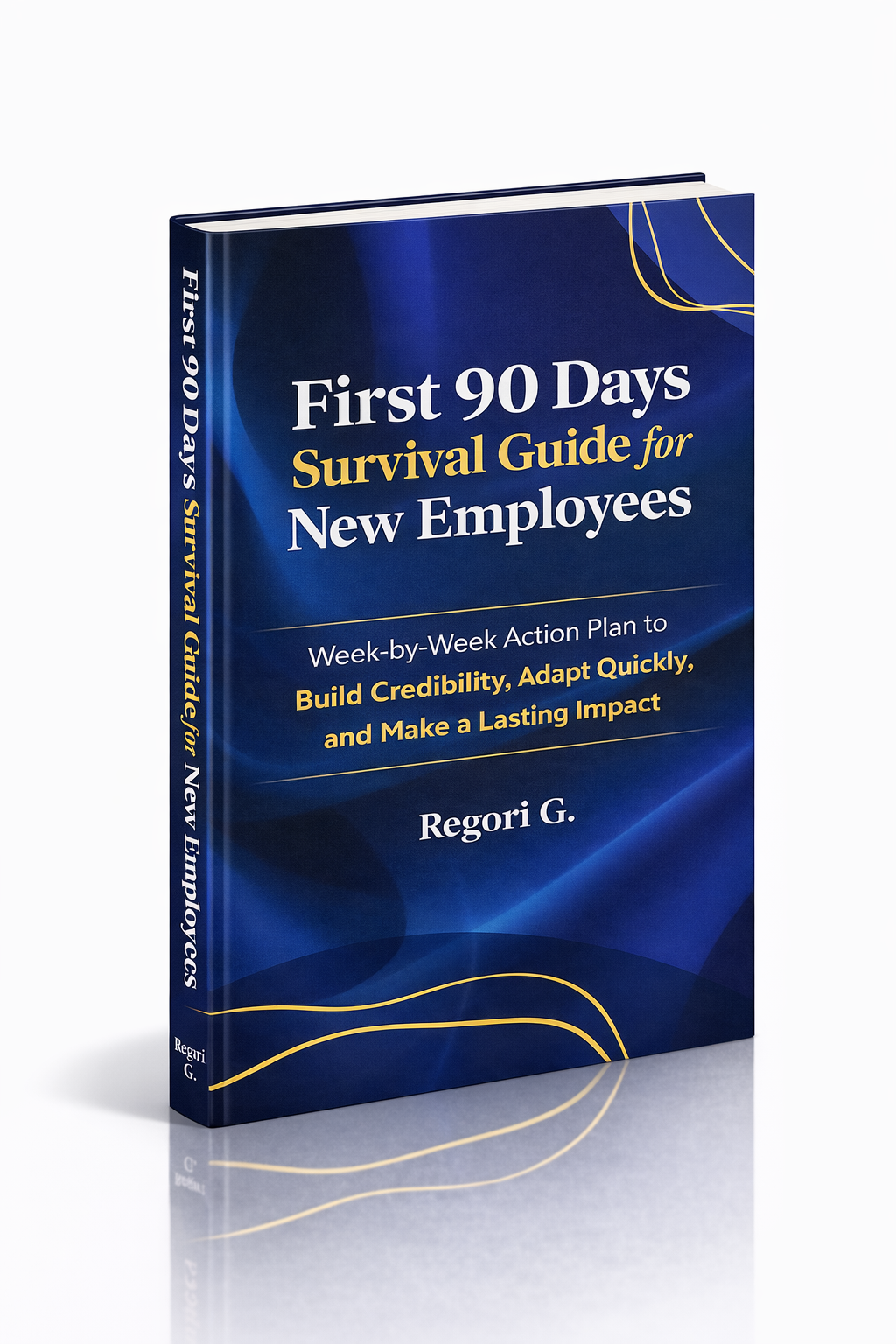
Guide 02
First 90 Days Survival Guide
Hit the ground running and make your mark from day one.
Get it →
Guide 03
Interview Success for Introverts
7 proven steps to shine in interviews — even if you hate the spotlight.
Get it →