

The 5 Interview Mistakes That Cost You the Job
What's silently killing your chances — and what top candidates do instead. Delivered instantly to your inbox.
No spam. Unsubscribe anytime. Privacy Policy & Terms
- Why "I'm a hard worker" destroys your chances
- What interviewers decide in the first 90 seconds
- How to handle tough questions with confidence
- The salary mistake almost every candidate makes
Essential Items to Bring to a Job Interview: A Comprehensive Checklist
Preparing for a job interview can be both exciting and nerve-wracking. Having the right items to bring can make a significant difference in your confidence and overall impression. Here’s a comprehensive checklist of essential items you should consider bringing to a job interview.
1. Personal Identification
Ensure that you have a valid form of identification. This could be your driver’s license, state ID, or passport. Check the employer’s requirements; some may request specific documents at the entrance.
2. Copies of Your Resume
Always carry several copies of your resume. Even if you sent one in prior, you may need to hand one to your interviewer or other staff members.
Consider how many interviewers you might encounter and have a few extra copies just in case.
3. Reference List
Bring a printed list of references, preferably 3-5 individuals who can vouch for your skills and character. Include their names, job titles, and contact information. Make sure to ask their permission beforehand.
4. Cover Letter
If applicable, having a copy of your cover letter can reinforce your application and demonstrate your professionalism. This allows you to reference it during the interview, showcasing your enthusiasm for the position.
5. Portfolio of Work
If you work in a creative field, a portfolio is essential. Include examples of your best work to provide context for your skills. This can be a physical portfolio or a digital version on a tablet.
6. Pen and Notepad
A pen and notepad are useful for taking notes during the interview. Jotting down key points or questions can show your interest and engagement. Opt for a professional-looking notepad and a quality pen.
7. Questions to Ask
Prepare a list of insightful questions to ask your interviewer. This demonstrates your interest in the company and helps you determine if it’s a good fit for you. Focus on topics like company culture, growth opportunities, and job responsibilities.
8. Professional Attire
Your clothing should match the company culture, but always lean toward business professional unless stated otherwise. Ensure your outfit is clean, wrinkle-free, and comfortable. Appropriate shoes that allow for confident walking are equally important.
visit The Job Interview System for Job Seekers on Gumroad. A practical guide built for people who are serious about landing the job they want. For more interview guides, career tips, and job search resources, visit the Love PDF Guides home page.
9. Breath Mints or Gum
Fresh breath can make a good impression. Carry mints or gum to ensure your breath remains fresh without an overpowering scent. Make sure to dispose of any gum before entering the interview.
10. Smartphone
While your phone shouldn’t be an attention hog during interviews, it can be important in case you need to verify any information or check important messages. Ensure it’s fully charged, and silence notifications to avoid distractions.
11. Directions and Contact Details
Know how to get to your interview location. Have printed directions or a written-down address. It’s also wise to have the contact details of your interviewer handy in case you need to call or text if you’re running late.
12. Insurance Information (if relevant)
If you’re interviewing for a position that requires background checks or health insurance enrollment, bring any necessary insurance documents.
13. Additional Documents
Be prepared for any specific requests the employer might have, such as certifications or work samples. Having additional documents can help clarify your qualifications.
Bringing the right items to your job interview can ease your nerves and demonstrate that you are organized and prepared. Make sure to tailor your checklist to the specific job and company culture. For more tips on preparing for interviews, you can check out resources from sources like The Balance Careers or Indeed Career Advice.
Remember: confidence is key. Being prepared with these essential items can help you focus on showcasing your skills and personality in the best possible light. Good luck!
Tips for Organizing Your Interview Materials
Preparing for a job interview can be a nerve-wracking experience, but organizing your interview materials can make a significant difference. By gathering all necessary items in advance, you can enter the interview with confidence. Here are some effective strategies for making sure everything you need is in order:
Essential Documents
Your resume is the centerpiece of your interview materials. Bring multiple copies of your resume to share with interviewers if needed. Include updates that reflect your most recent experiences and skills. Additionally, consider these documents:
visit The Job Interview System for Job Seekers on Gumroad. A practical guide built for people who are serious about landing the job they want. For more interview guides, career tips, and job search resources, visit the Love PDF Guides home page.
- Cover Letter: Even if you submitted one, bring a copy. It can help you remember key points to discuss.
- References: Prepare a list of professional references, along with their contact information.
- Portfolio: If relevant, showcase your work samples to highlight your expertise.
Interview Preparation Materials
Understanding the company and the role is crucial for showcasing your enthusiasm and knowledge during the interview. Organize your research materials to refer to them easily:
- Company Research Notes: Jot down information about the company’s mission, values, and recent news. This will enable you to ask informed questions.
- Job Description: Keep a printed copy at hand. Highlight key qualifications which you can reference during the interview.
- Questions to Ask: Prepare relevant questions that demonstrate your interest in the role and the company.
Practical Items
Aside from documents, there are practical items to help you present yourself well and feel comfortable:
- Professional Attire: Choose an outfit that aligns with the company culture. Ensure it is clean and wrinkle-free before the interview day.
- Notepad and Pen: Take notes during the interview. It shows you’re engaged and can help you remember important points afterwards.
- Business Cards: If you have a personal card, that’s an excellent way to leave a personal touch.
Technology Essentials
If your interview is virtual, make sure your technology is in order:
- Device Setup: Ensure your computer, tablet, or phone is fully charged and operational.
- Internet Connection: Test your Wi-Fi speed and reliability before the interview. A strong connection is crucial for seamless communication.
- Headphones: Consider using headphones for better audio clarity.
Mindset and Logistics
After gathering all necessary materials, focus on your mindset:
- Practice: Conduct mock interviews to practice your responses and gain comfort with the material.
- Plan Your Route: If it’s an in-person interview, plan your journey ahead of time. Allow extra time in case of delays.
- Stay Calm: Take deep breaths before entering the interview to keep nerves at bay.
Final Checklist
Create a final checklist to ensure you have everything ready to go. Here’s a simple table to help you keep track:
| Item | Status |
|---|---|
| Resume Copies | ✔️ |
| Cover Letter | ✔️ |
| References List | ✔️ |
| Portfolio | ✔️ |
| Professional Attire | ✔️ |
| Notepad & Pen | ✔️ |
| Business Cards | ✔️ |
| Device for Virtual Interview | ✔️ |
| Mock Interview Practice | ✔️ |
Being organized for a job interview is essential to your success. By compiling these materials and doing your research, you enhance your chances of making a positive impression. For more resources on job planning, you can visit The Balance Careers and Indeed Career Advice.
The Importance of Researching the Company Before Your Interview
When preparing for a job interview, one of the most critical steps you can take is to thoroughly research the company. Understanding the organization you hope to join not only boosts your confidence but also demonstrates your genuine interest in the position. This proactive approach can significantly impact your interview success.
By researching the company, you can engage more meaningfully with the interviewer. You will gain insights into the company’s culture, values, products, and recent developments. Being informed allows you to tailor your responses and questions, aligning them with the company’s mission and goals. Here are some key areas to focus on during your research:
- Company History: Familiarize yourself with the company’s background, such as its founding date, key milestones, and growth trajectory. This context can help you understand its journey and how it has evolved.
- Mission and Values: Knowing the mission statement and core values will allow you to connect your personal beliefs with those of the company. You can highlight aspects of your experience that align with these values during the interview.
- Products and Services: Having in-depth knowledge about the company’s offerings will enable you to speak intelligently and ask insightful questions. Consider what makes their products or services unique and how you can contribute to their success.
- Industry Standing: Investigate how the company positions itself within its industry. Understanding its competitors can also provide you with talking points and deeper insights into market trends.
- Recent News: Stay updated on any recent developments or news articles related to the company. This can show your engagement and may open up a conversation during the interview about current events or future opportunities.
Understanding the team dynamics within the company can also be beneficial. Reviewing team structure through LinkedIn or the company’s website can give you insight into who will be part of your working environment. Acknowledge their professional experiences and roles, as discussing shared interests or backgrounds can serve as an excellent icebreaker during the interview.
visit The Job Interview System for Job Seekers on Gumroad. A practical guide built for people who are serious about landing the job they want. For more interview guides, career tips, and job search resources, visit the Love PDF Guides home page.
Furthermore, it is wise to consider the company’s culture and employee reviews. Websites like Glassdoor showcase testimonials from current and former employees, revealing insights into work-life balance, management style, and overall satisfaction. This can help frame your expectations and approach to answering questions that may touch on company culture.
| Aspect | Importance |
|---|---|
| Company History | Provides context for the company’s current strategies and future goals. |
| Mission and Values | Helps align your personal characteristics with the company’s ethos. |
| Industry Standing | Enables discussions about competitive advantages and market positioning. |
| Recent News | Demonstrates knowledge of the company’s current situation and future prospects. |
| Company Culture | Prepares you for questions about team dynamics and workplace preferences. |
Keep in mind that your research should also guide your questions during the interview. Asking intelligent questions can set you apart from other candidates. It indicates your engagement and curiosity about the role and the company. Here are a few examples:
- What are the most important qualities you seek in an ideal candidate for this position?
- How does the company support employee growth and development?
- Can you share more about the team’s current projects and objectives?
As you prepare, remember that hiring managers appreciate candidates who come in well-prepared. It shows you respect their time and are genuinely interested in becoming part of the company. Investing time in research not only prepares you for questions you may face but also positions you as a thoughtful and proactive candidate.
For further tips on interview preparation, visit The Balance Careers for reliable insights or explore The Ladders for specific advice about job searching and career advancement.
Thorough research translates to increased confidence and a more compelling interaction during your interview. As you learn about the company, think of how your skills and experiences will align with their objectives. By doing so, you are not only preparing yourself but also paving the way to a successful career transition.
Dress Code: What to Wear to Make a Lasting Impression
When you’re preparing for a job interview, the first impression you make is often influenced by your appearance. The right outfit can boost your confidence and show that you take the opportunity seriously. Understanding the dress code for the company will help you choose the best attire. Here’s a guide to help you decide what to wear to create a lasting impression during your interview.
Understanding the Company Culture
Before selecting your outfit, it’s essential to research the company’s culture. Different industries have varied expectations regarding attire. Here are some general guidelines:
- Corporate Environment: If you are interviewing for a position in a corporate setting, opt for formal attire. Men should wear a suit and tie, while women can choose a tailored dress or a suit.
- Business Casual: In a business casual setting, you can wear slacks or khakis with a collared shirt or blouse. Women can wear skirts or dress pants with a professional top.
- Casual Environment: Some start-ups or creative industries may have a more relaxed dress code. Nice jeans and a fashionable top are acceptable, but avoid anything too casual, like t-shirts or sneakers.
Key Attire Elements
Regardless of the specific dress code, ensure your attire is neat and appropriate. Here are key elements to consider for your outfit:
- Fit: Properly fitting clothes look more polished. Avoid anything too tight or too loose.
- Colors: Stick to neutral or professional colors like navy, black, and gray. A pop of color is acceptable but keep it subtle.
- Fabric: Choose high-quality fabrics that don’t wrinkle easily. Cotton, wool, and blends are great choices.
Accessories and Footwear
Accessories and footwear can enhance your overall appearance. Consider the following tips:
visit The Job Interview System for Job Seekers on Gumroad. A practical guide built for people who are serious about landing the job they want. For more interview guides, career tips, and job search resources, visit the Love PDF Guides home page.
- Shoes: Wear closed-toe shoes that are polished and in good condition. For men, loafers or dress shoes are ideal. Women can opt for flats or low heels.
- Jewelry: Keep jewelry minimal and professional. Avoid overly flashy or distracting pieces.
- Grooming: Personal grooming matters. Ensure your hair is tidy, nails are clean, and makeup is professional if you choose to wear it.
Preparing for the Interview Day
On the day of the interview, ensure your outfit is ready the night before. This will help reduce stress and give you more time to prepare. Here are some last-minute checks:
- Check for wrinkles and lint on your clothes.
- Prepare your outfit with appropriate undergarments.
- Don’t forget a professional-looking bag to carry your resume and other materials.
Dress Code Examples by Industry
Here’s a quick reference table to give you an idea of what to wear based on different industries:
| Industry | Recommended Attire |
|---|---|
| Finance | Formal Suit (Men) / Professional Dress or Suit (Women) |
| Technology | Business Casual (Collared Shirt / Blouse) |
| Creative | Smart Casual (Nice Jeans and Stylish Top) |
| Healthcare | Professional Attire (Suit or Dress Pants with a Collared Shirt) |
Remember that the goal is to present yourself as someone who fits the company’s image while also feeling comfortable in your attire. If you’re unsure, it’s better to be slightly overdressed than underdressed. This can demonstrate your seriousness about the opportunity.
Check out The Balance Careers for additional insights on dressing for interviews and enhancing your overall presence.
By choosing the right outfit, you not only help yourself feel more confident but also make a strong first impression that can set a positive tone for the rest of the interview. Remember to leave a lasting impression with your outfit as much as with your knowledge and skills.
How to Prepare for Common Interview Questions
Preparing for common interview questions can make the difference between a good interview and a great one. You want to showcase your skills and qualifications while feeling confident and relaxed. Here’s how to effectively prepare for those frequent inquiries you can expect during an interview.
Understand Common Interview Questions
Gain insight into the types of questions that usually arise in interviews. Here are some typical examples:
- Tell me about yourself. This question often kicks off the interview and gives you the chance to summarize your background.
- What are your strengths and weaknesses? Employers are looking for self-awareness and honesty in your response.
- Why do you want to work here? Show that you’ve done your research and align your values with the company’s mission.
- Where do you see yourself in five years? This question gauges your career ambitions and suitability for growth within the company.
- Can you describe a challenge you’ve faced at work and how you handled it? Prepare for behavioral questions that assess your problem-solving abilities.
Research the Company
Understanding the company’s culture, values, and goals is vital. Study their website, social media profiles, and recent news articles. Pay attention to their core values and mission statement.
visit The Job Interview System for Job Seekers on Gumroad. A practical guide built for people who are serious about landing the job they want. For more interview guides, career tips, and job search resources, visit the Love PDF Guides home page.
Some effective methods to learn about the company include:
- Reading recent press releases
- Following their social media for updates
- Considering reviews from previous employees on platforms like Glassdoor
Identify Your Key Messages
Before the interview, outline the key points you want to communicate regarding your skills, experiences, and achievements. This table can help summarize your messages:
| Key Messages | Examples |
|---|---|
| Skills | Leadership, Communication, Time Management |
| Experiences | Previous job roles, Major projects |
| Achievements | Award nominations, Successful campaigns |
Practice Answering Questions
Once you understand the common questions and messages you want to convey, practice answering them aloud. This will help you sound natural during the interview. Here’s how to approach this:
- Use the STAR method (Situation, Task, Action, Result) for behavioral questions.
- Practice with a friend or record yourself to evaluate your answers.
- Focus on clarity and maintaining a conversational tone.
Stay Authentic
It’s essential to be yourself during the interview. Authenticity can help build rapport with your interviewers. Share personal anecdotes that reflect your values and experiences. Make sure to express enthusiasm for the role and company culture.
Prepare Questions for the Interviewer
At the end of most interviews, you’ll have the chance to ask questions, which is equally important. Thoughtful questions show your interest and engagement. Consider asking about:
- Growth opportunities within the company
- The team structure and company culture
- Next steps in the hiring process
Follow Up After the Interview
Don’t forget to send a thank-you email after the interview. This reinforces your interest in the position and leaves a positive impression. In your message, mention specific topics you discussed to personalize your note.
For more tips and resources on preparing for interviews, you might find these websites helpful:
By following these strategies, you are bound to feel more prepared and confident for your next interview. Remember, preparation is the key to making a lasting impression and moving forward in your career.
visit The Job Interview System for Job Seekers on Gumroad. A practical guide built for people who are serious about landing the job they want. For more interview guides, career tips, and job search resources, visit the Love PDF Guides home page.
The Role of Non-Verbal Communication in Job Interviews
In today’s competitive job market, securing your dream position involves more than just your resume and interview responses. Non-verbal communication plays a pivotal role in how you present yourself to potential employers. Understanding the subtleties of your body language, facial expressions, and overall demeanor can significantly enhance your interview performance.
When you walk into an interview, your first impression matters greatly. Research shows that it takes just seconds for an interviewer to form a judgment about you based on your appearance and non-verbal cues. Here are some key aspects of non-verbal communication that you should consider:
- Posture: Standing tall with a straight back conveys confidence. Slouching can signal insecurity or disinterest. Make sure to sit up straight during the interview and maintain an open posture.
- Eye Contact: Making consistent eye contact demonstrates engagement and honesty. However, be careful not to stare, as this can be intimidating. Aim for a balanced approach that shows you are focused and interested in the conversation.
- Gestures: Controlled hand gestures can enhance your storytelling and emphasize key points. Avoid fidgeting or crossing your arms, as these can be seen as signs of nervousness or defensiveness.
- Facial Expressions: A genuine smile can go a long way in creating a positive atmosphere. Ensure your expressions match your message; if you’re discussing something exciting, let that emotion show in your face.
- Mirroring: Subtly mimicking the interviewer’s body language can create rapport. This should be natural and not forced, as people often connect better with those who reflect their own behaviors.
Your attire also falls under the realm of non-verbal communication. Dressing appropriately for the role you’re applying for can communicate professionalism and seriousness about the opportunity. Research the company’s culture, and choose your outfit accordingly. Often, it’s safer to dress a level higher than the everyday attire of current employees.
Another aspect to consider is the context of your movements. Be mindful of how you enter and exit the interview room. A firm handshake can convey confidence and friendliness, while hesitance can signal uncertainty. Pay attention to your movements, and ensure they remain purposeful throughout the conversation.
| Non-Verbal Cues | Positive Signals | Negative Signals |
|---|---|---|
| Posture | Open and upright | Slouching or closed-off |
| Eye Contact | Engaging and friendly | Avoidance or excessive staring |
| Gestures | Controlled and expressive | Fidgeting or over-the-top |
| Facial Expressions | Welcoming and enthusiastic | Flat or disinterested |
| Context of Movements | Purposeful and fluid | Erratic or hesitant |
Practice makes perfect. Consider conducting mock interviews with friends or family where you can focus on your non-verbal communication. They can provide invaluable feedback on your posture, eye contact, and overall presence. Another great resource is using video recordings of yourself during practice sessions to review and improve your non-verbal cues.
In addition to in-person interviews, video interviews have grown increasingly popular. Here, non-verbal communication also plays a vital role, as your physical presence and demeanor are still visible. Ensure your background is minimal and free of distractions while maintaining eye contact with the camera, similar to how you would look at the interviewer in person.
For further insights on mastering non-verbal communication in job interviews, consider visiting The Balance Careers and Forbes. These platforms offer additional strategies to enhance your interview techniques.
With all these elements in mind, remember that non-verbal communication is an essential part of how you present yourself in an interview. It’s not just about what you say, but how you say it. Focus on conveying confidence and positivity through your body language, and you’ll be well on your way to making a lasting impression.
Following Up After the Interview: Best Practices and Timing
Following up after a job interview is a crucial step in the hiring process. It demonstrates your enthusiasm for the role and your desire to maintain communication with the potential employer. Executing this step correctly can set you apart from other candidates. Here are the best practices and optimal timing for sending follow-up messages after your interview.
Understanding the Importance of a Follow-Up
A follow-up serves several purposes. It allows you to express gratitude for the opportunity, reiterate your interest in the position, and gently remind the interviewer of your strengths as a candidate. Most importantly, it can keep you fresh in their mind as they make their decision. Research shows that nearly 70% of job seekers don’t follow up, which may make your message even more impactful.
visit The Job Interview System for Job Seekers on Gumroad. A practical guide built for people who are serious about landing the job they want. For more interview guides, career tips, and job search resources, visit the Love PDF Guides home page.
When to Follow Up
Timing is vital when it comes to follow-ups. Sending your message too early can seem pushy, while waiting too long may imply a lack of interest. Here are some bullet points to consider:
- 24-48 Hours After the Interview: This is generally the best time to send a follow-up message. It keeps you at the top of the interviewer’s mind while still being respectful of their time.
- After a Specific Event: If the interviewer mentioned that they would reach a decision by a specific date, consider following up one or two days afterward if you haven’t heard back.
- After Additional Conversations: If you conversed with anyone else in the company, such as an HR rep, consider acknowledging them in your follow-up as well.
Crafting Your Follow-Up Message
Your follow-up email should be concise and to the point. Here’s a simple structure to help you:
1. Subject Line
Make the subject line clear, such as “Thank You for the Interview” or “Follow-Up on [Job Title] Interview.”
2. Opening
Start with a thank you. Mention the interview date and the specific role you were interviewed for.
3. Body
Reiterate your interest in the position. Include a key point or two from the interview that you connected with, emphasizing how your skills align with the role.
4. Closing
End with an expression of gratitude and a polite request for any updates regarding your application status. Here’s an example of a follow-up message:
Subject: Thank You for the Interview Opportunity
Dear [Interviewer’s Name],
visit The Job Interview System for Job Seekers on Gumroad. A practical guide built for people who are serious about landing the job they want. For more interview guides, career tips, and job search resources, visit the Love PDF Guides home page.
Thank you for the opportunity to interview for the [Job Title] position on [Date]. I truly enjoyed our conversation about [specific topic discussed] and believe my skills in [relevant skills] align well with the goals of your team.
I am enthusiastic about the possibility of contributing to [Company Name] and eagerly await any updates regarding my application status. Thank you again for your time.
Best regards,
[Your Name]
Additional Follow-Up Considerations
While email is the standard method for follow-ups, consider these additional tips:
- Personalize Your Message: Tailor your follow-up based on the particular interview. Reference specific conversations or insights shared during your meeting.
- Follow Up on LinkedIn: If you connected on LinkedIn, you can also send a brief message thanking them for the interview through the platform.
- Be Patient: After your follow-up, give the employer some time before reaching out again. Generally, wait at least a week.
Common Mistakes to Avoid
When following up, it’s easy to make missteps that can harm your chances:
- Being Overzealous: Avoid sending multiple follow-ups in a short time frame.
- Lack of Professionalism: Ensure your follow-up is free from grammatical errors and casual language.
- Failing to Personalize: Generic messages can come off as ungrateful. Always make an effort to personalize your engagement.
Following up after your interview showcases your professionalism and interest in the job. By adhering to the best practices and maintaining respect for the employer’s timeline, you can make a strong, positive impression. For more tips and guidance, visit The Balance Careers and Indeed’s career advice section for more expert insights.
Key Takeaway:
When preparing for a job interview, a structured approach to your preparation can significantly impact your success. This article provides a wealth of insights that can help you navigate the interview process effectively. Here are the key takeaways based on the topics highlighted.
First and foremost, having the right essential items on hand is crucial. A comprehensive checklist will ensure you don’t forget important materials like copies of your resume, a list of references, and a notebook for jotting down notes during the interview. Organizing these materials will not only make you feel more prepared but will also showcase your commitment and professionalism.
Next, the importance of researching the company cannot be overstated. Understanding the company’s values, culture, and recent developments will equip you to tailor your responses and ask informed questions. This knowledge demonstrates your genuine interest in the role and can set you apart from other candidates.
visit The Job Interview System for Job Seekers on Gumroad. A practical guide built for people who are serious about landing the job they want. For more interview guides, career tips, and job search resources, visit the Love PDF Guides home page.
What you wear to an interview can also play a significant role in making a lasting impression. Adhering to the company’s dress code reflects your respect for the organization and helps establish a positive first impression. Dressing appropriately not only boosts your confidence but also shows that you take the opportunity seriously.
Preparation for common interview questions is another vital aspect. Knowing how to articulate your skills and experiences in response to potential inquiries reinforces your suitability for the job. Furthermore, emphasizing non-verbal communication, such as eye contact and body language, can leave a lasting impact on your interviewer. These subtle cues often speak volumes about your confidence and engagement.
Never underestimate the power of following up after your interview. Sending a thank-you note within 24 hours can keep you at the forefront of the interviewer’s mind and reaffirm your interest in the position.
Effective interview preparation involves a blend of organization, company research, appropriate dressing, preparation for questions, non-verbal communication skill, and timely follow-up. By embracing these strategies, you position yourself as a confident and well-prepared candidate, ready to make a positive impression and enhance your chances of landing the job.
Conclusion
Preparing for a job interview can feel overwhelming, but with the right approach, you can navigate it successfully. By bringing essential items such as multiple copies of your resume, a portfolio of your work, and a list of references, you position yourself as a well-prepared candidate. Organizing these materials ahead of time not only eases your stress but also demonstrates your professionalism.
Researching the company is vital. Understanding its values, culture, and recent developments allows you to tailor your responses and show genuine interest. Coupling this knowledge with the appropriate dress code creates a lasting first impression. Aim for attire that aligns with the company’s culture while remaining polished and professional.
Being ready for common interview questions is equally important. Practicing your responses can boost your confidence and clarity during the interview. Don’t forget that non-verbal communication plays a significant role; maintaining eye contact and a firm handshake can greatly influence how you are perceived.
The follow-up process is crucial. Sending a thank-you note shortly after the interview not only shows your appreciation but reinforces your interest in the position. By integrating these strategies and tips into your preparation, you enhance your chances of making a positive impression and progressing to the next stage of your career journey. Embrace this process as a valuable opportunity to showcase your skills and connect with potential employers.
Your Next Chapter
Starts with the Right Guide
Three straight-talking PDF guides to help you win interviews, beat the first 90 days and thrive as an introvert. Instant download on Gumroad.
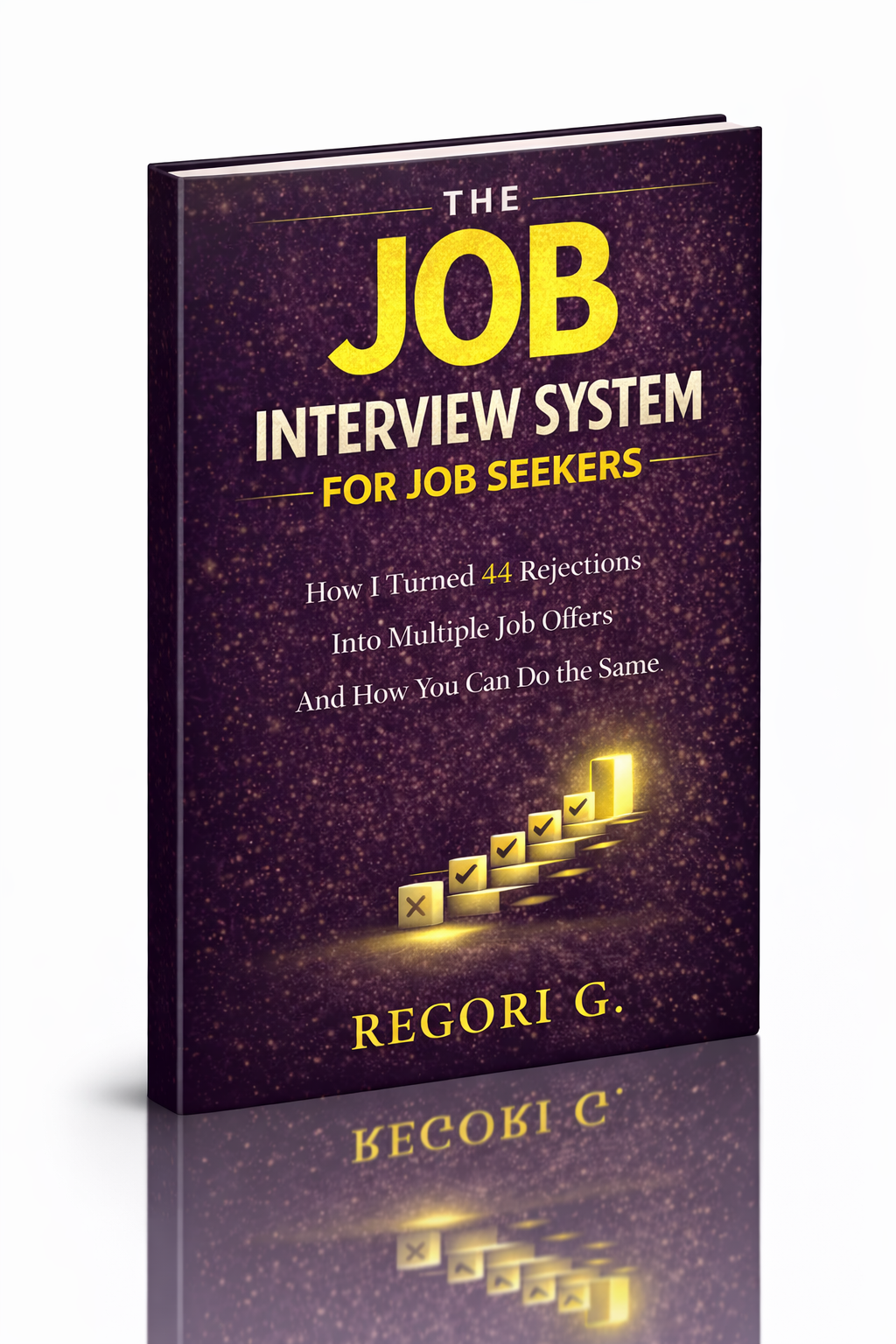
Guide 01
The Job Interview System
Step-by-step interview prep that turns nerves into confidence.
Get it →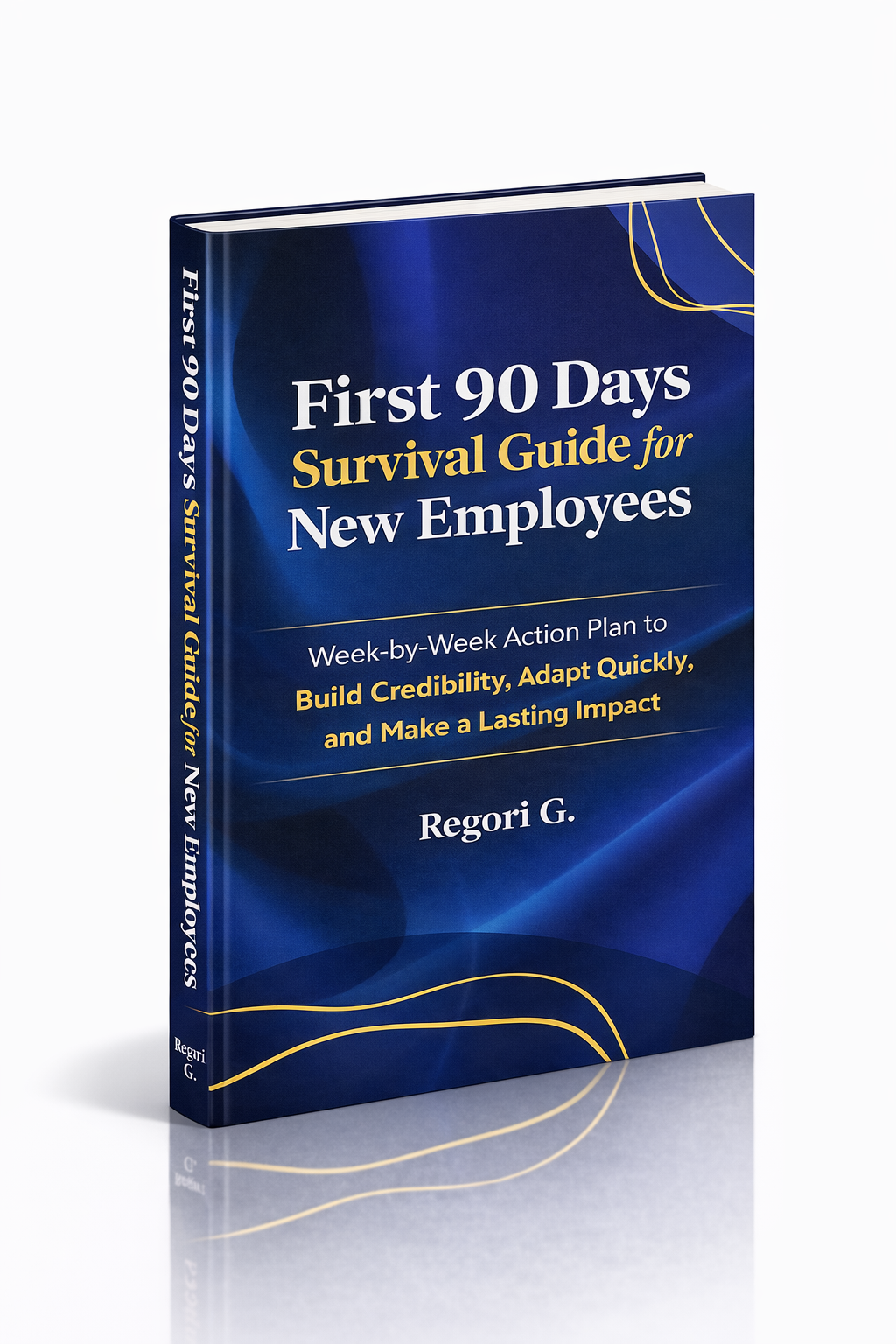
Guide 02
First 90 Days Survival Guide
Hit the ground running and make your mark from day one.
Get it →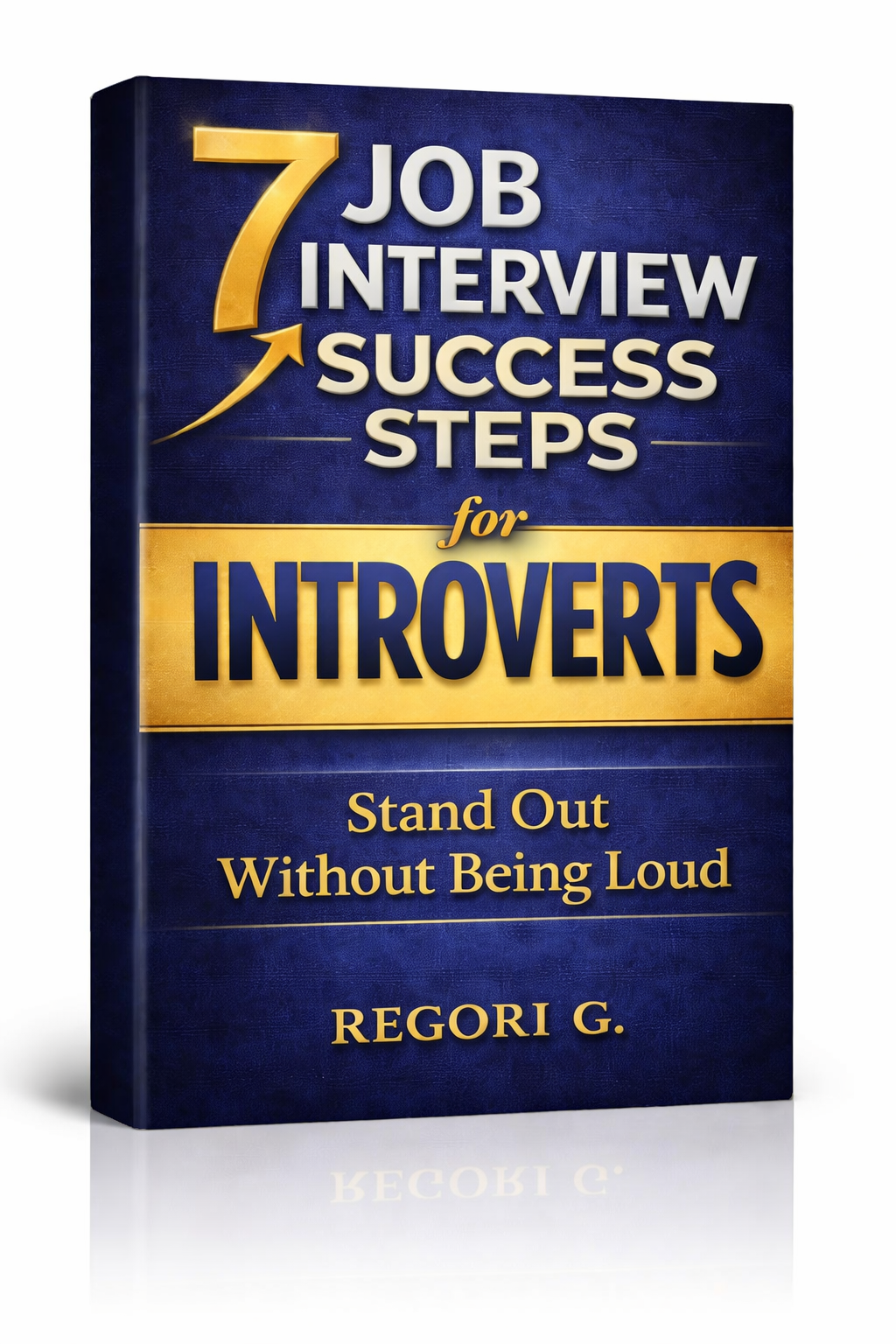
Guide 03
Interview Success for Introverts
7 proven steps to shine in interviews — even if you hate the spotlight.
Get it →