

The 5 Interview Mistakes That Cost You the Job
What's silently killing your chances — and what top candidates do instead. Delivered instantly to your inbox.
No spam. Unsubscribe anytime. Privacy Policy & Terms
- Why "I'm a hard worker" destroys your chances
- What interviewers decide in the first 90 seconds
- How to handle tough questions with confidence
- The salary mistake almost every candidate makes
How to Answer Tell Me About Your Biggest Achievement
When preparing for an interview, one common question you might encounter is about your biggest achievement. This question is your golden opportunity to showcase your skills, experiences, and personality. Crafting the perfect response requires thought and strategy. Here’s how you can effectively answer this question.
The first step is to choose the right achievement. Think about moments that made a significant impact on your career or personal growth. It could be a project you led, a problem you solved, or even a lesson learned that transformed your perspective. Your choice should reflect qualities that align with the role you’re applying for, such as leadership, teamwork, or innovation.
Once you have your achievement in mind, you should structure your answer using a simple formula known as the STAR method: Situation, Task, Action, and Result. By following this structure, you ensure your response is clear and engaging.
- Situation: Describe the context. What was happening at the time?
- Task: What was your specific responsibility or challenge?
- Action: What steps did you take to address the task?
- Result: What was the outcome of your actions? Include metrics or feedback if possible.
Here’s a breakdown of how to use the STAR method effectively:
| Component | Description | Example |
|---|---|---|
| Situation | Set the scene for your achievement. | “At my previous job, the sales team was struggling to meet targets.” |
| Task | Explain your role in this situation. | “I was tasked with developing a new strategy to increase leads.” |
| Action | Detail the specific actions you took. | “I organized a workshop to train the team on effective sales techniques.” |
| Result | Share the positive outcomes from your actions. | “As a result, we saw a 30% increase in sales over the next quarter.” |
Don’t just list the achievement; tell a story. This will capture the interviewer’s attention and make your answer memorable. Use emotive language and express the significance of the achievement to you personally. This helps convey passion, which is often highly valued by employers.
It’s also beneficial to connect your achievement to the prospective role. Draw parallels between what you’ve accomplished and what you aim to achieve in the new position. For example, if you’re interviewing for a managerial position, highlighting leadership experiences will demonstrate you have what it takes to lead a team effectively.
Practice your answer beforehand, but ensure it sounds natural. Avoid memorizing it word for word, as this can come off as robotic. Instead, familiarize yourself with the key points and focus on delivering them conversationally. Remember, you want to engage the interviewer with your enthusiasm and authenticity.
Be prepared to answer follow-up questions. Interviewers may delve deeper into your achievement, asking for more details or clarification. Always be ready to elaborate on your story and provide further insights. This demonstrates your depth of knowledge and confidence in what you’ve accomplished.
For those looking for more extensive preparation for interviews, you can find additional tips and resources at The Balance Careers and Glassdoor. These sites offer valuable advice and examples that can help you shine in your interviews.
visit The Job Interview System for Job Seekers on Gumroad. A practical guide built for people who are serious about landing the job they want. For more interview guides, career tips, and job search resources, visit the Love PDF Guides home page.
When asked about your biggest achievement, choose wisely, structure your answer using the STAR method, make it engaging, and connect it to the role you’re applying for. Through practice and preparation, you will be able to effectively communicate your impact and potential in future positions.
The Importance of Highlighting Achievements in Interviews
When attending an interview, one of the key aspects candidates often overlook is the power of showcasing their achievements. Highlighting what you have accomplished in your previous roles can set you apart from other candidates. Recruiters are not just assessing your skills; they are looking for tangible proof of how you’ve made an impact in your past positions. Demonstrating your achievements effectively can bolster your candidacy.
Why should you focus on your achievements during an interview? Here are several compelling reasons:
- Evidence of Capability: When you share specific achievements, you provide concrete evidence of your skills and abilities. This helps interviewers see that you can deliver results.
- Showcasing Problem-Solving Skills: Many achievements stem from overcoming challenges. By discussing how you tackled issues, you highlight your problem-solving abilities, which are valuable in any position.
- Demonstrating Value: Employers want to know what value you will bring to their organization. Your past achievements can illustrate the potential contributions you can make moving forward.
- Engaging Storytelling: Sharing your successes allows you to tell a compelling story. Engaging narratives about your work can captivate your audience and make you a memorable candidate.
To effectively communicate your achievements, follow these strategies:
- Use the STAR Method: Structure your answers using the Situation, Task, Action, Result format. This method provides clarity and ensures that you cover all essential points.
- Select Relevant Achievements: Choose achievements that are most pertinent to the role you’re applying for. Tailoring your examples makes them more impactful.
- Quantify Whenever Possible: Numbers add credibility. Whenever you can, quantify your achievements. For example, “Increased sales by 30% within six months” is more powerful than simply stating, “I increased sales.”
- Practice Your Delivery: Rehearse your examples to present them smoothly and confidently. This preparation will help you communicate your achievements effectively.
Your achievements can encompass various aspects of your professional experience, from project successes to leadership roles. Always be prepared to discuss how these experiences align with the job you seek. Consider these typical accomplishments:
| Type of Achievement | Example |
|---|---|
| Sales Growth | Increased sales by 25% in one quarter through targeted marketing strategies. |
| Leadership | Led a team of five to complete a project two weeks ahead of schedule, resulting in a cost saving of $10,000. |
| Process Improvement | Designed a new workflow that improved efficiency by 15% and reduced errors by 40%. |
Using stories that highlight these achievements can transform a typical interview into a dynamic conversation about your value. The way you communicate these successes can resonate strongly with hiring managers.
In addition to preparing your examples, consider researching common interview questions related to achievements. Websites like The Balance Careers provide insights into what employers typically ask, helping you formulate your responses accordingly.
Engaging with resources on the topic can further enhance your approach. Reading insightful articles on platforms such as Forbes can offer valuable tips and real-world examples of success strategies.
Ultimately, effectively discussing your achievements can significantly improve your chances of making a lasting impression during interviews. By showcasing your success stories, you not only highlight your capabilities but also display your readiness to contribute positively to a new organization. Take time to reflect on your past victories and think of ways to showcase them that align closely with the job you desire.
Strategies for Identifying Your Key Accomplishments
Identifying your key accomplishments can significantly impact your career, especially when preparing for interviews or updating your resume. Understanding your personal milestones not only builds your confidence but also allows you to articulate your value to potential employers effectively. Here are strategies to help you uncover and define your most meaningful accomplishments.
visit The Job Interview System for Job Seekers on Gumroad. A practical guide built for people who are serious about landing the job they want. For more interview guides, career tips, and job search resources, visit the Love PDF Guides home page.
Reflect on Your Career Journey
Take the time to look back on your career path. Consider these points:
- What roles have you held?
- What challenges did you face in those roles?
- What goals did you achieve or surpass?
- What projects made you feel proud?
This reflection can lead to a clearer vision of your accomplishments that align with your career aspirations.
Utilize the STAR Method
One effective technique to uncover your achievements is by using the STAR method, which stands for Situation, Task, Action, and Result. Breaking down your experiences in this way helps underscore your contributions:
- Situation: Describe the context or challenge you faced.
- Task: Explain your responsibility in that situation.
- Action: Discuss the steps you took to address the task.
- Result: Share the outcome of your actions and how it impacted the organization.
This structured approach can reveal your achievements in a concise and impactful way.
Consider Feedback and Recognition
Feedback from supervisors, colleagues, and clients can provide valuable insights into your accomplishments. Here are ways to leverage this feedback:
- Review performance appraisals and acknowledgment emails.
- Ask coworkers for their perspective on your contributions.
- Reflect on any awards or honors you’ve received.
Understanding how others perceive your work can highlight strengths and decisions that showcase your value to employers.
Assess Your Skills and Strengths
Your achievements are often reflective of your skills and strengths. Take a moment to identify what you do best and where these skills have led to achievements:
- Technical skills: How have your technical abilities led to successful outcomes?
- Interpersonal skills: Have you built relationships that advanced team projects?
- Problem-solving skills: What complex issues have you resolved?
By connecting your skills to concrete achievements, you can create a robust narrative about your professional journey.
visit The Job Interview System for Job Seekers on Gumroad. A practical guide built for people who are serious about landing the job they want. For more interview guides, career tips, and job search resources, visit the Love PDF Guides home page.
Quantify Your Achievements
Whenever possible, quantify your achievements. Numbers make your accomplishments more tangible. Consider these approaches:
- Increased sales by X% within a year.
- Managed a team of X members successfully.
- Achieved project completion under budget by $X.
Quantifying accomplishments provides a visceral sense of your contributions, making your achievements stand out.
Seek External Resources
There are numerous resources available if you need additional guidance on identifying your key accomplishments. Websites like The Balance Careers offer excellent articles. Similarly, Monster provides interview tips that can help you think critically about your past successes.
Create a Master List of Achievements
Once you’ve reflected on your experiences and outcomes, compile a master list of your key achievements. This list will serve as a valuable tool:
| Achievement | Skills Used | Impact |
|---|---|---|
| Led a marketing campaign | Leadership, Communication | Increased brand awareness by 40% |
| Developed new software tool | Technical Expertise | Reduced processing time by 50% |
Documenting your achievements will help you articulate your value in resumes, interviews, or networking opportunities.
By utilizing these strategies, you can effectively recognize and articulate your key accomplishments. This self-awareness not only prepares you for job interviews but can also inspire your professional development. So take the time to reflect, analyze, and document your achievements; they are crucial to your career growth.
Using the STAR Method to Frame Your Achievements
When you’re asked to discuss your biggest achievements in a job interview, using the STAR method can help you frame your responses in a compelling way. This technique focuses on structuring your answers to highlight your accomplishments effectively. It stands for Situation, Task, Action, and Result. By following this framework, you can showcase your achievements clearly and persuasively to the interviewer.
Here’s how to apply the STAR method when answering questions about your biggest achievement:
Situation
Start by setting the stage. Describe the context or background of your achievement. Explain where you were working, the challenges your organization faced, or the specifics of the project you were involved in. This helps the interviewer understand the environment and stakes involved.
visit The Job Interview System for Job Seekers on Gumroad. A practical guide built for people who are serious about landing the job they want. For more interview guides, career tips, and job search resources, visit the Love PDF Guides home page.
- What was the project or challenge?
- Who was involved?
- What were the goals or expectations?
For example, you might say, “In my previous role at XYZ Corporation, our team was tasked with increasing sales by 20% in a highly competitive market within six months.” This introduction provides a clear backdrop for your story.
Task
Next, define your specific role or responsibilities in that situation. What was your task? Clarifying your duties will help demonstrate your active involvement and ownership of the situation. This part shows what you were expected to achieve.
- What challenges were you responsible for addressing?
- What was your specific goal?
Continuing with our previous example, you could say, “As the sales team leader, it was my responsibility to develop a strategic plan to meet these sales targets, involving refining our marketing strategies and training staff.” This establishes your direct involvement in pursuing the achievement.
Action
Now comes the most critical part: the action you took. Describe the steps you personally undertook to tackle the task. Be specific and focus on your contributions. What strategies did you implement? Did you lead a team, streamline a process, or introduce new technology?
- What specific actions did you take?
- What innovative approaches did you introduce?
For instance, “I organized several brainstorming sessions with the team to develop new sales techniques and initiated a customer feedback program that helped us identify areas for improvement.” This shows that you were proactive in your approach and sought creative ways to achieve the aim.
Result
The last component is the result of your actions. Quantify your achievements where possible. Did you reach the target? What was the impact of your actions on the team or the organization? Be sure to convey the positive results, whether they are numerical, like increased revenue or percentage growth, or qualitative, like improved customer satisfaction.
- What was the outcome of your actions?
- How did it benefit the organization?
Wrapping up the story, you might say, “As a result of our efforts, sales increased by 25% within the six-month timeframe, and we received positive feedback from clients, leading to a boost in our market reputation.” This clearly communicates the success of your actions and demonstrates the value you brought to the organization.
Utilizing the STAR method not only keeps your responses organized, but it also encourages you to focus on your strengths and abilities in a cohesive manner. Practicing this framework allows you to articulate your achievements succinctly and confidently, making you a more compelling candidate during interviews.
visit The Job Interview System for Job Seekers on Gumroad. A practical guide built for people who are serious about landing the job they want. For more interview guides, career tips, and job search resources, visit the Love PDF Guides home page.
For more helpful tips on preparing for job interviews and discussing your achievements, consider visiting The Balance Careers or Forbes Human Resources Council. These resources provide valuable insights on how to effectively position yourself in interviews.
Remember to keep your stories engaging and relevant. With practice, you can become adept at using the STAR method to convey your biggest achievements and present yourself as the ideal candidate.
Common Mistakes to Avoid When Discussing Achievements
When you’re asked to discuss your achievements, it can feel like a daunting task. You want to effectively showcase your success without falling into common pitfalls. Avoiding several typical mistakes can help you present your accomplishments in the best light. Here are crucial tips to ensure you don’t derail your message when discussing your achievements.
Many people make the mistake of being either too humble or overly boastful. Striking a balance is vital. Let’s consider the following:
- Avoid Downplaying Your Success: While humility is commendable, it’s essential to recognize and articulate your achievements. You’ve worked hard, and it’s okay to express pride in your accomplishments.
- Don’t Brag: While confidence is necessary, presenting your achievements in a boastful manner can alienate your audience. Focus on the impact and significance of your achievements rather than making it all about you.
Another common mistake is failing to provide context. Achievements can appear less impressive without a proper backdrop. Here’s how to approach this:
- Explain the Situation: When discussing your achievement, provide a brief context. What was the challenge you faced? Why was it significant? This background will help others appreciate the extent of your accomplishment.
- Quantify Your Results: Use numbers to emphasize your achievements effectively. For instance, if you increased sales, specify the percentage. Concrete data helps solidify your claims and makes them more relatable.
Another error is using vague language. Being specific will resonate more with your audience. Consider the following tips:
- Use Clear Examples: Instead of saying, “I improved customer satisfaction,” describe how you implemented a new feedback system that led to a 20% increase in positive responses.
- Focus on the ‘How’: Detailing the steps you took to achieve your goal adds depth to your narrative. People want to know the process behind the outcomes.
Emotional engagement is often overlooked. Connecting with your audience on an emotional level can significantly enhance your presentation. Here are ways to create that connection:
- Share Your Feelings: Talk about how achieving your goal made you feel. Sharing emotions can help humanize your story and create a connection with your listener.
- Highlight Team Efforts: If your achievement involved a team, acknowledge their contributions. This not only shows humility, but also demonstrates your ability to work collaboratively.
Speaking too technically can alienate your audience. If your achievements are in a specialized field, tailor your language to ensure clarity. Here’s what you can do:
- Avoid Jargon: Using terms only known within your industry may confuse others. Use simple language and explain any necessary technical terms.
- Gauge Your Audience: Be mindful of who you’re speaking to. Adjust your explanations based on their level of familiarity with your field.
Moreover, getting sidetracked can dilute the impact of your message. Stick to a clear narrative when sharing your achievements:
visit The Job Interview System for Job Seekers on Gumroad. A practical guide built for people who are serious about landing the job they want. For more interview guides, career tips, and job search resources, visit the Love PDF Guides home page.
- Stay on Topic: If you’re discussing a specific achievement, keep the focus there. Avoid veering off into unrelated stories that can confuse or bore your audience.
- Practice Your Delivery: Rehearse how you’ll present your achievement. This will help you stay concise and on track during your discussion.
Feedback is crucial after discussing your achievements. Consider these steps to refine your approach:
- Ask for Input: Solicit feedback from trusted colleagues or mentors. Understanding how others perceive your presentation can provide valuable insights.
- Reflect on Responses: Pay attention to the reactions of your audience and adjust accordingly in future discussions.
By sidestepping these common mistakes, you’ll enhance your ability to communicate your achievements effectively. Avoiding situations where you may undervalue your accomplishments or come across as arrogant can lead to more meaningful conversations about your success.
Remember, sharing your stories of achievement isn’t just about you; it enriches the experience of those listening, providing inspiration and insight. If you want more tips on presenting your achievements and honing your interview skills, consider checking out resources like The Muse or Forbes. These platforms offer a wealth of information on personal branding and communication techniques.
The Role of Achievements in Building Your Personal Brand
The ability to showcase achievements is vital in building a personal brand. Your achievements tell your story, demonstrating your skills, dedication, and what you can offer to the world. They act as proof of your capabilities and help you stand out in a crowded marketplace. When done correctly, they can elevate your personal brand and open doors to new opportunities.
Achievements can take many forms. They might be educational credentials, professional successes, awards, or notable projects. Here are several ways to utilize these accomplishments to strengthen your personal brand:
Showcasing Achievements on Social Media
Social media platforms are great places to highlight your successes. Regularly post about your accomplishments, whether they are large or small. Consider using platforms like LinkedIn, where professionals share career milestones.
- Create Engaging Posts: Use images or infographics to make your achievements visually appealing.
- Tag Relevant People: Recognize those who helped you along the way; it builds relationships and can boost your visibility.
- Use Hashtags: Hashtags relevant to your industry can help your posts reach a wider audience.
Building a Personal Website
A personal website serves as a centralized location for showcasing your achievements. You can create a dedicated section for your accomplishments where potential employers or clients can easily view your qualifications.
Here are some elements to consider including:
- Portfolio: Showcase projects that highlight your skills.
- Testimonials: Include quotes from colleagues or clients praising your work.
- Achievements Section: List awards, certifications, and recognitions you’ve earned.
Networking and Conversations
As you engage in networking, your achievements can serve as talking points. When discussing your background, mentioning a significant achievement can spark interest and lead to deeper conversations about your skills and experiences.
visit The Job Interview System for Job Seekers on Gumroad. A practical guide built for people who are serious about landing the job they want. For more interview guides, career tips, and job search resources, visit the Love PDF Guides home page.
- Be Prepared: Have a concise summary of your achievements ready to share.
- Connect the Dots: Relate your achievements to the people you are speaking with. How can your experience benefit them?
- Practice Confidence: Share your achievements confidently but avoid sounding arrogant.
Achievements as Indicators of Value
Each achievement adds to your value proposition. By articulating what you’ve accomplished, you help potential employers or clients understand why they should choose you over others. This not only establishes credibility but also demonstrates your drive to succeed.
Consistency in Messaging
As you build your personal brand, consistency is crucial. Make sure that your achievements are represented accurately across various platforms. This helps to create a cohesive image of who you are and what you stand for.
Additionally, updating your achievements regularly is important. As you grow, your accomplishments will evolve, and reflecting that in your online presence keeps your brand fresh and relevant.
Leveraging Achievements for Career Advancement
Your achievements can be powerful tools during job interviews or performance reviews. Be prepared to discuss them in detail:
- Articulate Impact: Explain how your achievements have benefitted your previous employers or projects.
- Quantify Success: Use numbers and stats to back up your claims.
- Connect to the Future: Demonstrate how your past achievements prepare you for future challenges.
Building your personal brand takes time, but leveraging your achievements effectively can set you apart. By communicating your successes, you create a narrative that resonates with your target audience and builds trust over time. Remember, being proud of what you’ve accomplished is part of developing a lasting personal brand. Start today and reflect on your achievements, as they are more than just milestones—they are the foundation of who you are professionally.
For more resources on personal branding, you might find this Forbes article insightful. Additionally, consider visiting Business News Daily for expert advice on personal branding strategies.
How to Tailor Your Achievement Story for Different Job Roles
When you embark on a job interview, one of the most common questions you might face is, “Tell me about your biggest achievement.” This question provides a platform for you to showcase your skills and qualifications uniquely. However, not every achievement fits every job role. Tailoring your achievement story enhances your chances of making a lasting impression on interviewers. Here’s a guide on how to shape that story based on the job you’re pursuing.
Understand the Job Requirements
The first step in tailoring your achievement story is to thoroughly understand the job requirements. Review the job description closely. Identify the key skills, experience, and attributes the employer values. You can do this by:
- Highlighting specific skills mentioned in the listing.
- Looking for repeated phrases or qualifiers.
- Researching the company culture and values through their website or platforms like Glassdoor.
By mapping your achievements to these requirements, you’ll find it easier to link your experiences during the interview.
visit The Job Interview System for Job Seekers on Gumroad. A practical guide built for people who are serious about landing the job they want. For more interview guides, career tips, and job search resources, visit the Love PDF Guides home page.
Match Your Achievements
Once you’ve identified the job requirements, the next step is to choose which of your achievements resonate most with those qualities. Achievements can vary greatly; consider the following types:
- Quantifiable Success: Numbers speak volumes. If the job emphasizes meeting sales targets, discuss an achievement where you exceeded sales numbers.
- Problem-Solving: If the role requires critical thinking, share a time where you effectively resolved a complex issue.
- Teamwork: For roles that highlight collaboration, share an achievement that showcases your ability to work well with others.
Structuring Your Story
A well-structured answer can keep the interviewer engaged. The STAR method (Situation, Task, Action, Result) is widely recommended for crafting achievement stories. Here’s how to apply it:
- Situation: Describe the context within which you accomplished your achievement.
- Task: Explain your specific role or responsibilities in this scenario.
- Action: Detail the steps you took to achieve the goal.
- Result: Share the outcome and accomplishments that resulted from your actions.
Keeping your response clear and concise, around 1-2 minutes, will make a stronger impact.
Adapt Your Tone
Matching your tone to the company culture can enhance your delivery. For instance, a tech startup may appreciate a relaxed, informal tone, while a corporate firm may expect a level of professionalism. Pay attention to how employees communicate in company videos or on social media platforms.
Practice and Be Authentic
Before your interview, practicing your achievement story can help you present it confidently. Consider running through it with a friend or family member. Request feedback on clarity and engagement. Authenticity is key — it’s important that you genuinely relate to your achievement and feel proud as you discuss it. Often, employers can sense if you are faking enthusiasm or passion.
Examples of Tailored Achievements
Below are a few example scenarios for tailoring achievements:
| Job Role | Achievement | How to Tailor |
|---|---|---|
| Sales Representative | Exceeded sales target by 20% in one quarter. | Focus on quantifiable results, illustrating how your efforts significantly contributed to company profit. |
| Project Manager | Successfully completed a project under budget and ahead of schedule. | Highlight your organizational and leadership skills in managing team dynamics. |
| Software Developer | Developed an application that improved user engagement by 30%. | Emphasize your technical skills and user-centric approach. |
Taking the time to tailor your achievement story for different job roles can vastly improve your chances of success in interviews. Remember to connect your achievements to the job requirements, use the STAR method for structure, and practice your delivery to enhance clarity. Being genuine in your storytelling will resonate with interviewers and leave a strong, positive impression.
For more insights on job interviews and career development, visit The Balance Careers for valuable resources.
Key Takeaway:
When preparing for interviews, one fundamental question that often stands out is, "Tell me about your biggest achievement." This question not only assesses your past performance but also provides insight into your values, commitment, and potential contributions to the company. Therefore, knowing how to effectively answer this question is crucial for making a positive impression on interviewers.
visit The Job Interview System for Job Seekers on Gumroad. A practical guide built for people who are serious about landing the job they want. For more interview guides, career tips, and job search resources, visit the Love PDF Guides home page.
Highlighting achievements in interviews plays an essential role in showcasing your skills, determination, and problem-solving capabilities. It gives you a chance to demonstrate how your previous successes relate to the job you are pursuing. Thus, reflecting on and presenting your key accomplishments in a structured manner can significantly enhance your credibility as a candidate.
To identify your standout achievements, consider past projects, roles, or initiatives where you experienced notable success. This necessitates introspection and an evaluation of both qualitative and quantitative results, giving you clarity on what to share during the interview. Additionally, employing the STAR method (Situation, Task, Action, Result) allows you to present your achievements in a compelling and organized way. This approach helps you articulate not just what you accomplished but also how you faced challenges and delivered results, making your narrative more engaging.
While recounting your successes, watch out for common mistakes such as bragging or being overly vague. Keep your answers concise and focused on the value you brought to your team or organization. Moreover, ensure your discussion connects your achievements to the role you are applying for, tailoring your stories accordingly to resonate with the specific job requirements.
Your achievements are a crucial component of your personal brand. They illustrate who you are professionally and what you can achieve. By presenting your biggest achievements thoughtfully, you position yourself as a compelling candidate ready to contribute to the company’s success, thereby enhancing your overall career trajectory. Remember, your achievements are more than just history; they are a reflection of your potential future successes.
Conclusion
Mastering how to answer "Tell me about your biggest achievement" can significantly impact your interview success. Highlighting your accomplishments not only showcases your skills but also demonstrates your potential value to potential employers. By recognizing strategies to identify key accomplishments, you can present a compelling narrative that resonates with your audience.
Utilizing the STAR method—outlining the Situation, Task, Action, and Result—can help you present your achievements clearly and effectively. This structured approach ensures that your story is engaging and easy to follow, allowing interviewers to grasp the significance of your achievements quickly. However, be cautious and avoid common pitfalls such as exaggerating your role or using jargon that might confuse your listeners.
Your achievements play a critical role in building your personal brand. By articulating them well, you help others understand your unique value proposition. Tailoring your story to suit different job roles also enhances your appeal. Crafting specific narratives that align with the job you are applying for can set you apart from other candidates and reinforce your suitability for the position.
Engaging effectively with your accomplishments can transform an interview from a mere question-and-answer session into an opportunity to shine. Remember, your achievements are reflections of your capabilities and potential. By preparing to share them thoughtfully, you not only answer the question effectively but also create a lasting impression that speaks volumes about your abilities and aspirations.
Your Next Chapter
Starts with the Right Guide
Three straight-talking PDF guides to help you win interviews, beat the first 90 days and thrive as an introvert. Instant download on Gumroad.
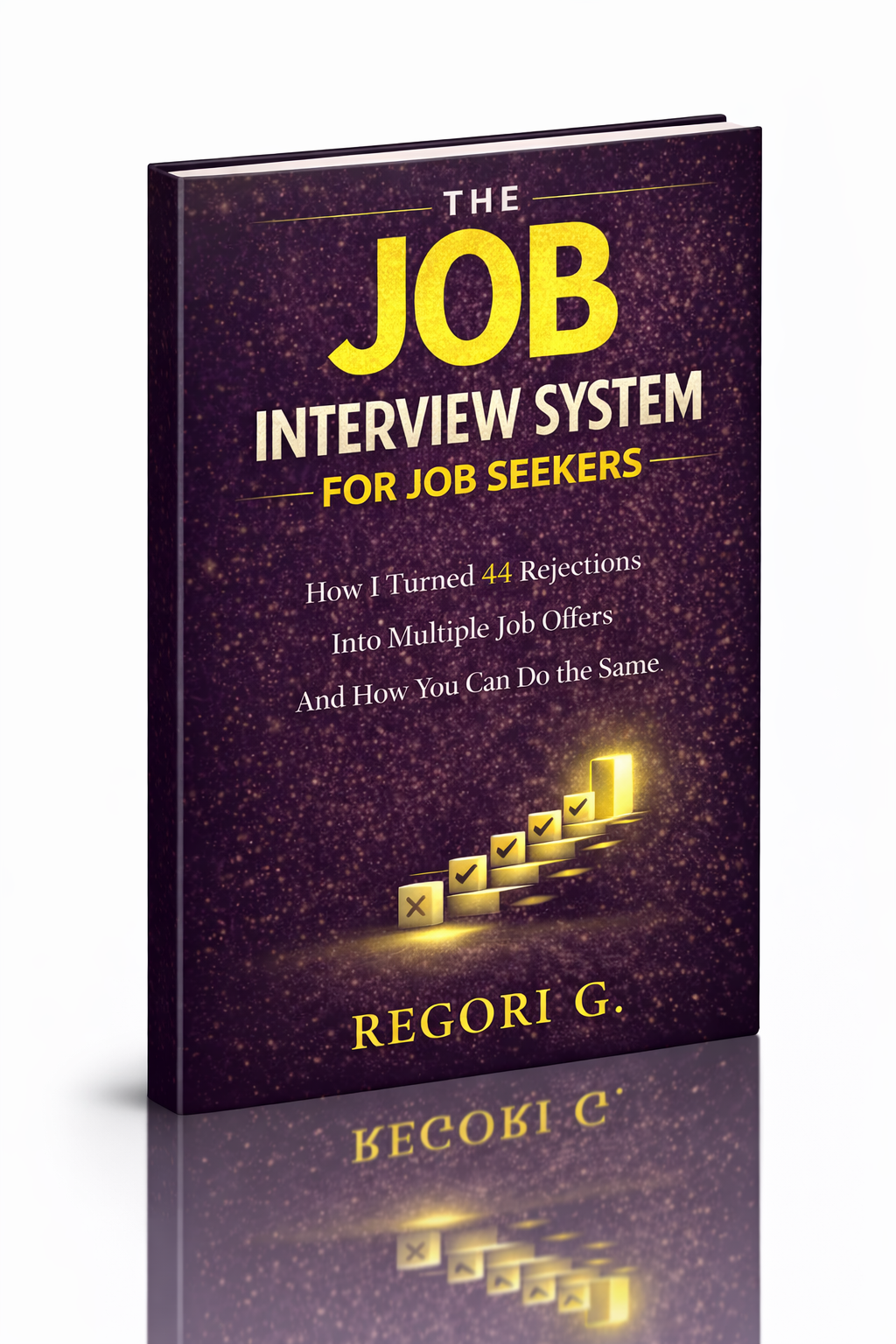
Guide 01
The Job Interview System
Step-by-step interview prep that turns nerves into confidence.
Get it →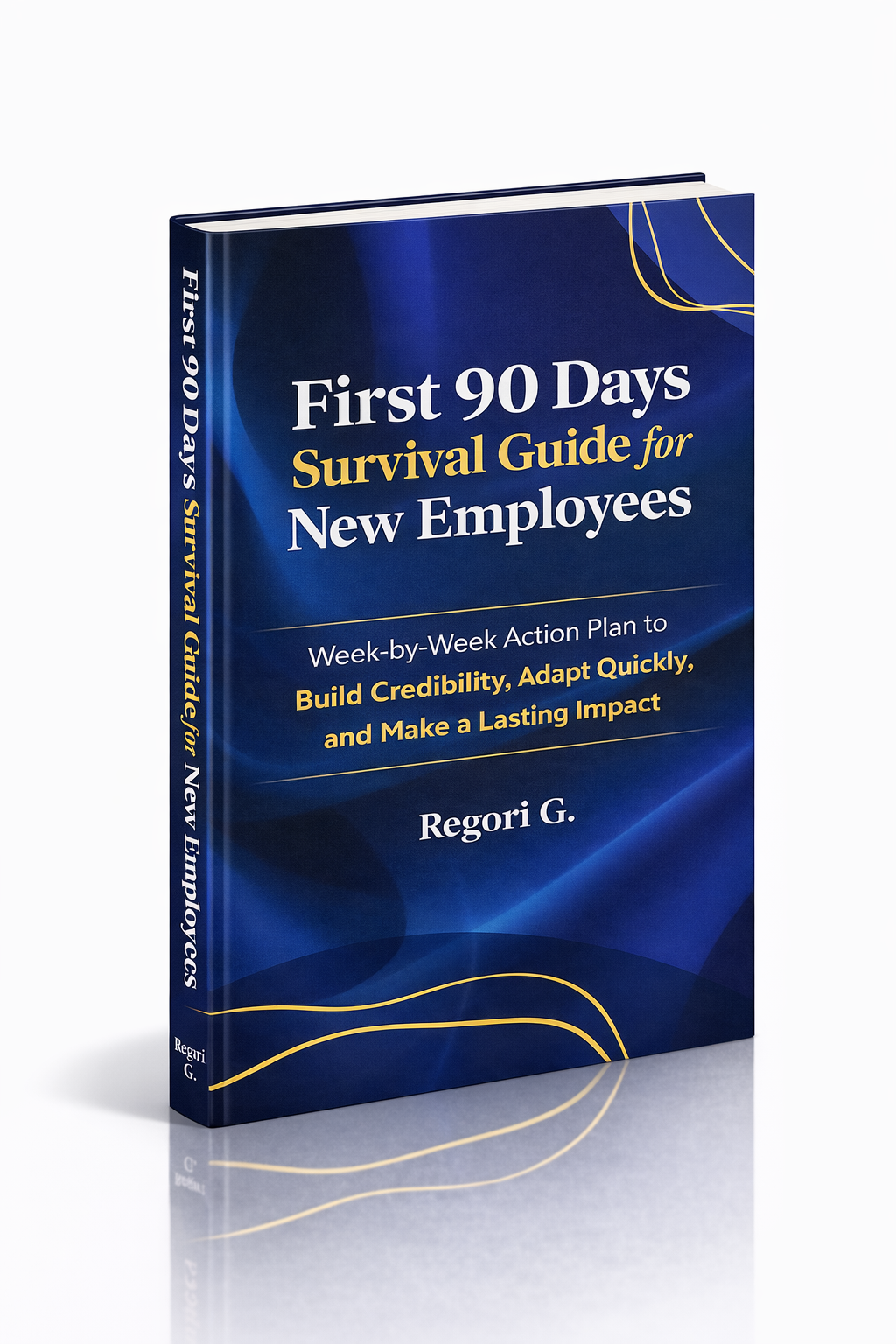
Guide 02
First 90 Days Survival Guide
Hit the ground running and make your mark from day one.
Get it →
Guide 03
Interview Success for Introverts
7 proven steps to shine in interviews — even if you hate the spotlight.
Get it →