

The 5 Interview Mistakes That Cost You the Job
What's silently killing your chances — and what top candidates do instead. Delivered instantly to your inbox.
No spam. Unsubscribe anytime. Privacy Policy & Terms
- Why "I'm a hard worker" destroys your chances
- What interviewers decide in the first 90 seconds
- How to handle tough questions with confidence
- The salary mistake almost every candidate makes
How to Build Better Relationships With Your Colleagues
Building strong relationships with your colleagues is essential for creating a positive work environment. When you connect well with your coworkers, you enhance teamwork, increase productivity, and foster a sense of belonging. Here are some effective strategies to help you build better relationships with your colleagues.
Communicate Openly
Effective communication is the foundation of any strong relationship. Make it a point to share your thoughts and ideas openly. Additionally, listen actively when your colleagues speak. Here’s how to improve your communication:
- Use clear and simple language.
- Ask questions to show you are engaged.
- Provide feedback in a constructive manner.
- Be respectful during disagreements.
Be Approachable
An approachable demeanor encourages your colleagues to connect with you easily. Consider these tips to appear more welcoming:
- Maintain open body language.
- Smile and greet your coworkers.
- Keep your office door open whenever possible.
- Make small talk in common areas, like the break room.
Offer Help and Support
Supporting your colleagues can strengthen your bonds. When you’re able to offer help, do so without hesitation. Here are effective ways to provide support:
- Volunteer to assist with projects.
- Share resources and knowledge that can benefit others.
- Encourage them during challenging times.
- Help celebrate their achievements, big or small.
Get to Know Your Colleagues
Building relationships involves personal connections. Take time to learn about your coworkers beyond work tasks. Here are some ways to break the ice:
- Engage in casual conversations during breaks.
- Ask about their interests and hobbies.
- Participate in team-building activities or events.
- Share your own interests to create a bond.
Respect Differences
Every colleague has their unique experiences and backgrounds. Embracing diversity can help you understand and appreciate your coworkers better. To do this, consider the following:
- Be open to different viewpoints.
- Learn from cultural differences.
- Practise empathy in discussions.
- Avoid assumptions based on appearances or stereotypes.
Give Acknowledgment
Recognizing the hard work of your colleagues can build trust and camaraderie. Small gestures of acknowledgment go a long way in strengthening relationships. Here are some suggestions:
- Send a thank-you note after collaboration.
- Give shout-outs in team meetings.
- Celebrate milestones or achievements publicly.
Participate in Team Activities
Be active in group events and team-building exercises. This participation can foster team spirit and collaboration. Here are some activities to engage in:
- Attend team lunches or after-work gatherings.
- Join a work-related club or committee.
- Engage in volunteer opportunities together.
It is essential to actively practice these strategies regularly to see progressive improvements in your workplace relationships. By building trust and respect, you contribute to a better overall atmosphere.
For more tips on workplace relationships, visit LinkedIn Learning.
If you want to explore conflicts and solutions more deeply, check out Mind Tools for guidance on handling workplace dynamics.
Investing time in developing stronger workplace relationships pays off in improved cooperation, happier teams, and increased job satisfaction. Remember, building great relationships is a continuous process that requires commitment from both sides. Be genuine, and you’ll see the positive impacts unfold.
The Importance of Active Listening in the Workplace
Communication shapes workplace dynamics, and one of the strongest tools you can bring into any professional encounter is active listening. This essential skill fosters trust, resolves misunderstandings, and enhances collaboration among colleagues. Active listening means fully concentrating, understanding, responding, and remembering what others are saying. By practicing this technique, you create deeper connections with your peers.
When you engage in active listening, it involves more than just hearing words. It’s about understanding emotions, tones, and the context behind the words spoken. Here’s how active listening can benefit your workplace relationships:
- Enhances Empathy: When you actively listen, you open up to the perspectives of others. This enables you to empathize with their feelings and viewpoints, making discussions more productive.
- Reduces Miscommunication: Misunderstandings often stem from inattentive listening. By paying attention, you minimize the chances of errors and ensure that the right message is conveyed.
- Builds Trust: People feel valued and respected when they know their words matter. Listening actively conveys that you honor their input, which helps build trust in your relationships.
- Encourages Open Communication: Active listening creates an environment where colleagues feel safe to express their thoughts and concerns. This openness fosters creativity and problem-solving.
To practice active listening effectively, consider using the following strategies:
- Focus Completely: Eliminate distractions by putting away your phone, avoiding multitasking, and maintaining eye contact.
- Show That You’re Listening: Use nonverbal cues, such as nodding, to indicate attentiveness. Verbal affirmations like “I see” or “Go on” encourage the speaker.
- Provide Feedback: Once they finish speaking, paraphrase or summarize what they said. For instance, “So what you’re saying is…,” clarifies your understanding and reassures the speaker.
- Defer Judgment: Avoid forming your conclusions while the other person is speaking. Allow them to express their full thoughts before you respond.
- Respond Appropriately: After truly hearing their message, provide thoughtful responses that acknowledge their feelings or opinions. Be respectful even if you disagree.
Creating an active listening environment might also require establishing better communication norms in your workplace. For example, consider introducing “listening circles,” where team members can voice their thoughts without interruption. This method not only enriches collaboration but also cultivates an atmosphere of mutual respect. Tools such as Mind Tools offer tips on improving listening skills, which can be advantageous to both personal and professional growth.
Moreover, active listening fosters a culture of appreciation. Here are some approaches to integrate the importance of listening into your workplace culture:
| Strategy | Description |
|---|---|
| Training Sessions | Conduct workshops on listening skills to build awareness among team members. |
| Feedback Mechanism | Implement regular feedback sessions where listening is highlighted as a key component. |
| Recognition Programs | Acknowledge individuals who demonstrate excellent listening skills in their interactions. |
Remember, developing active listening is a continuous process. It takes practice and patience, but the rewards are worth the effort. When everyone in the workplace is committed to listening actively, interpersonal relations improve, leading to a more cohesive and proactive work environment. For more tips and insights, you might explore resources like Holonis or Skills You Need.
In essence, mastering active listening can transform your workplace dynamics. By making an effort to understand your colleagues genuinely, you pave the way for enhanced teamwork, better problem-solving, and ultimately a more enjoyable work atmosphere.
Strategies for Effective Communication with Team Members
Effective communication is essential for fostering strong relationships with team members. The way we convey information can significantly impact collaboration and productivity. Here are some high-impact strategies that can help you communicate better with your colleagues.
Active Listening
Effective communication starts with active listening. Instead of just hearing what your team members say, actively engage in the conversation. Here’s how to practice active listening:
- Make eye contact to show you are focused.
- Nod to indicate understanding.
- Summarize what has been said to ensure clarity.
- Avoid interrupting and allow others to finish their thoughts.
Clear and Concise Messaging
When communicating with team members, clarity is key. Be direct and avoid jargon that might confuse. Here are some tips for crafting clear messages:
- Use simple language that everyone understands.
- Be specific about the topic or task at hand.
- Keep messages short; stick to one main idea per message.
- Avoid vagueness to reduce misunderstandings.
Use of Various Communication Channels
Different situations call for different communication methods. Here is a breakdown of effective channels you can utilize:
| Channel | Best Use |
|---|---|
| For detailed updates and formal communication. | |
| Instant Messaging | For quick questions or informal chats. |
| Video Calls | For meetings requiring visual engagement or discussions. |
| Face-to-Face Meetings | For critical discussions or team bonding. |
Encouraging Feedback
Encouraging feedback within your team not only builds trust but also helps identify areas for improvement. To effectively solicit feedback:
- Create an open-door policy for communication.
- Ask specific questions about what can be improved.
- Show appreciation for the feedback received.
- Act on the feedback to demonstrate its value.
Cultural Sensitivity
In diverse teams, being culturally sensitive is crucial. Understanding cultural differences can avoid miscommunication. To build an inclusive environment:
- Be aware of cultural norms that may influence communication styles.
- Be patient and understanding towards different perspectives.
- Encourage sharing of cultural backgrounds to foster bonding.
Building Trust Through Transparency
Transparency can help build stronger relationships among team members. Ensure that you share pertinent information openly. Here are ways to promote transparency:
- Provide regular updates about team projects.
- Be honest about issues and challenges the team is facing.
- Involve team members in decision-making processes.
Utilize Collaborative Tools
Leverage technology by using collaborative tools. Platforms like Slack and Trello can enhance communication and organization. Consider these benefits:
- Centralize discussions to keep information organized.
- Facilitate real-time communication among team members.
- Enable task management for improved accountability.
Improving communication with your colleagues is vital for a productive workplace. By implementing strategies like active listening, utilizing various communication channels, and encouraging feedback, you can strengthen your relationships and enhance collaboration. For more resources on this topic, consider visiting sites like Forbes or MindTools to gain additional insights on effective communication strategies.
The Role of Empathy in Strengthening Workplace Bonds
Building better relationships with your colleagues can significantly enhance your workplace experience and boost overall productivity. One powerful way to strengthen those connections is through the practice of empathy. By understanding and sharing the feelings of others, you can nurture a positive and harmonious work environment. Here’s how empathy plays a vital role in creating stronger workplace bonds.
Understanding Empathy
Empathy is the ability to recognize, understand, and share the feelings of another person. It differs from sympathy, which is merely feeling pity for someone. In a workplace setting, fostering empathy can lead to a more supportive atmosphere where team members feel valued and understood. Here are some key components of empathy:
- Cognitive Empathy: Understanding someone else’s perspective.
- Emotional Empathy: Feeling what another person feels emotionally.
- Compassionate Empathy: Taking action to help someone based on your understanding of their feelings.
Benefits of Empathy in the Workplace
Empathy offers numerous benefits in a work environment, including:
- Improved Communication: When you empathize with your colleagues, you listen better and communicate more effectively.
- Greater Team Collaboration: Empathy fosters trust and cooperation among team members, which encourages collaboration.
- Enhanced Creativity and Innovation: Understanding different perspectives can lead to more creative solutions and ideas.
- Increased Employee Satisfaction: A workplace that values empathy tends to have happier employees who feel supported.
How to Cultivate Empathy
Here are some strategies to help you cultivate empathy in your workplace:
- Practice Active Listening: Focus on what your colleague is saying without interrupting. Show that you value their opinion.
- Ask Questions: Inquire about their feelings and opinions to gain a deeper understanding of their perspective.
- Express Understanding: Acknowledge their feelings, even if you don’t necessarily agree. This shows you respect their emotions.
- Share Your Own Experiences: Relate on a personal level by sharing your thoughts and feelings. This helps to create a deeper connection.
Empathy in Conflict Resolution
Conflicts are inevitable in any workplace. However, applying empathy during these challenging moments can lead to more effective resolutions. Here’s how:
| Conflict Stage | Empathetic Action |
|---|---|
| Identifying the Conflict | Listen to all parties involved to understand their perspectives. |
| Discussing Solutions | Encourage open dialogue and facilitate discussions that respect everyone’s feelings. |
| Implementing Solutions | Show acknowledgment of pain points and ensure that implemented solutions consider all viewpoints. |
Empathy and Leadership
Leadership plays a crucial role in fostering a culture of empathy. Leaders who demonstrate empathy tend to inspire their teams and create a more inclusive environment. Some effective empathetic leadership practices include:
- Modeling Behavior: Show empathy in your interactions, setting an example for your team.
- Encouraging Feedback: Create a safe space for team members to express themselves openly.
- Providing Support: Offer assistance in both professional and personal challenges when appropriate.
Empathy into your daily workplace interactions can lead to stronger, more effective relationships with your colleagues. By showing that you care about their feelings and experiences, you’re not just improving morale; you’re actively contributing to a healthier work environment.
To learn more about the importance of empathy in workplace effectiveness, check out resources from Forbes and Harvard Business Review.
Activities to Foster Team Collaboration and Unity
Creating a workplace where team collaboration and unity thrive is essential for any organization. Engaging your colleagues in activities that foster collaboration can improve communications, spark creativity, and develop strong relationships. Below are some effective activities you can implement to encourage teamwork and build unity among your coworkers.
Team-Building Workshops
Team-building workshops are a fantastic way to bring employees together. These structured activities can range from problem-solving exercises to trust-building initiatives. Here are some popular options:
- Workshops focused on conflict resolution
- Creative brainstorming sessions
- Role-playing scenarios to enhance empathy
Outdoor Retreats
Taking the team away from the office for an outdoor retreat allows for relaxation and bonding in a natural setting. Here are some activities to consider:
- Group hiking or nature walks to promote health and teamwork
- Camping trips that encourage collaboration through group tasks
- Outdoor games such as tug-of-war for a fun, competitive spirit
Volunteer Projects
Working together for a noble cause can strengthen the bond between colleagues. Arrange for your team to participate in community service or charity events. Consider the following:
- Food bank drives
- Park clean-up days
- Fundraising events for local charities
Regular Team Meetings
Frequent team meetings are essential for maintaining open lines of communication. Make these gatherings more interactive by incorporating the following:
- Rotate meeting leaders among team members
- Begin meetings by highlighting team accomplishments
- Include a ‘team spotlight’ segment to celebrate individual contributions
Fun Social Events
Integrating social events into the work culture can enhance camaraderie. Some ideas for social activities include:
- Themed office parties for holidays or celebrations
- Game nights to encourage friendly competition
- Lunch and learn sessions where team members share knowledge
Collaborative Projects
Assigning collaborative projects that require teamwork can improve synergy. Ensure to:
- Mix different departments for a wider perspective
- Encourage cross-functional collaboration to break down silos
- Allow team members to take ownership of their roles within projects
Monthly Recognition Programs
Recognizing achievements fosters a positive work environment. Implement a recognition program that can include:
- Employee of the month awards to highlight contributions
- Peer recognition initiatives to cultivate appreciation among coworkers
- Celebrating milestones, such as work anniversaries, as a team
Feedback Sessions
Encourage open feedback among team members to promote a culture of growth and unity. Tips for effective feedback sessions include:
- Create a safe space for sharing thoughts without judgment
- Utilize structured formats, such as 360-degree feedback
- Incorporate actionable steps to improve based on feedback received
Interactive Technology Tools
Utilizing technology can enhance team collaboration, especially for remote teams. Consider tools like:
- Slack or Microsoft Teams for instant communication
- Trello or Asana for project management
- Zoom for video calls and virtual team-building exercises
Getting started with these activities requires commitment from leadership and participation from the entire team. By investing time and resources into fostering collaboration and unity, you create a workplace that not only boosts morale but also encourages productivity. For further ideas and resources, you can explore teambuilding.com or visit mindtools.com for helpful insights.
Overcoming Workplace Conflict to Enhance Relationships
Workplace conflict is not uncommon, and while it can feel stressful, it also presents an opportunity to enhance relationships. Learning how to manage and overcome disputes in a professional setting can lead to stronger bonds with colleagues. Here are some effective strategies to help navigate conflicts and improve team dynamics.
Understanding the Root Cause
Before addressing conflict, it’s crucial to understand the underlying issue. Conflict often arises from differences in:
- Communication styles: Misunderstandings can lead to disagreements.
- Work styles: Different approaches to tasks can cause friction.
- Values and goals: Conflicting priorities can create tension in a team.
By identifying the source of conflict, you can take steps to address the issue more effectively.
Open Communication
Effective communication is key to overcoming any workplace conflict. Here are ways to enhance your communication skills:
- Listen actively: Give your colleagues your full attention. Acknowledge their concerns and feelings.
- Avoid assumptions: Don’t jump to conclusions. Ask clarifying questions to get a better understanding.
- Use “I” statements: Focus on your feelings rather than placing blame. For example, say “I feel overlooked when my suggestions aren’t considered” instead of “You never listen to me.”
Stay Professional
Keeping a calm and professional demeanor can help diffuse conflicts. Here are tips to maintain professionalism:
- Stay calm: Take deep breaths and keep your emotions in check.
- Avoid personal attacks: Focus on the issue at hand, not the person.
- Document the discussion: Keeping records of what has been said can help clarify misunderstandings later on.
Seek Common Ground
Conflict resolution often involves finding a compromise that satisfies everyone involved. You can achieve this by:
- Identifying shared goals: Focus on what you all want to achieve as a team.
- Being open to new ideas: Consider alternative solutions that may not have been discussed previously.
- Encouraging collaboration: Work together to come up with a plan that addresses everyone’s concerns.
Involve a Neutral Third Party
Sometimes, conflicts can be difficult to resolve on your own. Involving a neutral third party can help:
- Provide perspective: A mediator can see the situation with fresh eyes and offer unbiased opinions.
- Facilitate discussion: They can help guide the conversation to ensure everyone is heard.
- Suggest solutions: A mediator can often help you brainstorm new ideas to resolve the conflict.
Follow Up
After resolving a conflict, it’s essential to follow up with your colleague. This shows that you care about maintaining a positive relationship. Here’s how to follow up effectively:
- Check in: Ask how they’re feeling about the situation after some time has passed.
- Reaffirm your commitment: Let them know you value their contributions to the team.
- Discuss future expectations: Talk about how you both can handle similar situations better in the future.
By focusing on these strategies, you can turn workplace conflicts into opportunities for growth and collaboration. Building better relationships with your colleagues will lead to a more harmonious work environment, where teamwork thrives.
For more insights on workplace relationships and conflict resolution, you can visit Mind Tools or explore resources from Forbes.
Celebrating Small Wins: Building Positive Workplace Culture
Creating a positive workplace culture is essential for employee engagement and productivity. One key aspect of fostering this culture is celebrating small wins. Recognizing achievements, no matter how minor, helps to build a supportive atmosphere where team members feel valued and motivated. Here’s how celebrating small wins can transform your workplace.
Understanding Small Wins
Small wins refer to the minor accomplishments that occur daily within a work environment. They can include completing a challenging task, reaching a specific milestone in a project, or even positive feedback from a colleague. By focusing on these milestones, organizations can create an environment that encourages ongoing progress and collaboration.
The Impact of Celebrating Small Wins
When you celebrate small wins, it has a profound impact on workplace morale. Here are some benefits:
- Boosts Motivation: Acknowledging achievements, no matter how small, fosters a sense of accomplishment and encourages employees to set and achieve new goals.
- Enhances Team Cohesion: Celebrating together creates shared experiences that can strengthen relationships among colleagues.
- Increases Productivity: When employees feel their efforts are recognized, they are more likely to remain engaged and productive in their work.
- Reduces Stress: Celebrating accomplishments can serve as a positive break from routine work, allowing employees to unwind and recharge.
How to Celebrate Small Wins Effectively
To make the most of celebrating small wins in your workplace, consider implementing the following strategies:
- Public Recognition: Share accomplishments in team meetings or through company newsletters. This not only acknowledges the individual’s efforts but also encourages others to strive for their wins.
- Team Celebrations: Host small get-togethers or virtual celebrations when a team project reaches a milestone. This could be as simple as a 15-minute coffee break to acknowledge progress.
- Personal Acknowledgment: A handwritten note or a simple email from management can go a long way in making an employee feel appreciated.
- Incentives: Consider a rewards program that recognizes small achievements, such as gift cards, extra time off, or even simple tokens of appreciation like a company mug.
- Feedback Loop: Encourage team members to share their own small wins. This can foster an environment of recognition where everyone feels comfortable celebrating their achievements.
Creating a System for Recognition
Establishing a structured approach to recognizing small wins ensures that these efforts become a part of your workplace culture. Here are steps to consider:
| Step | Description |
|---|---|
| Identify Metrics | Determine what constitutes a small win in your organization. |
| Set a Schedule | Decide how often you will recognize these wins, whether weekly, monthly, or quarterly. |
| Train Leaders | Equip team leaders with tools and knowledge to recognize small wins effectively. |
| Utilize Social Platforms | Use platforms like Slack or internal social media for shout-outs and recognition. |
Examples of Celebrating Small Wins
Here are some practical examples to inspire your efforts in celebrating small wins:
- Sharing a “kudos” section in your company newsletter featuring staff achievements.
- Creating a “wall of fame” in the office where employees can pin their accomplishments.
- Organizing a monthly lunch where each team member shares one accomplishment from that month.
Celebrating small wins is essential in building a positive workplace culture. It encourages teamwork, boosts motivation, and enhances overall employee satisfaction. For further insights on fostering workplace culture, visit Harvard Business Review or check out Forbes for expert strategies.
Key Takeaway:
Building better relationships with your colleagues is essential for creating a positive and productive work environment. A key takeaway from exploring this topic is that fostering strong workplace bonds relies heavily on communication, empathy, and teamwork. By prioritizing these elements, you can enhance not only your relationships but also overall team performance.
Active listening is a vital component of effective communication. When you truly listen to your colleagues, you show respect for their opinions and ideas. This practice encourages open dialogue and lets team members feel valued. Remember, when you acknowledge their contributions, you lay the groundwork for trust and collaboration.
Empathy is another crucial factor in building workplace relationships. By putting yourself in your colleagues’ shoes, you can better understand their experiences and challenges. This connection fosters a supportive atmosphere where individuals can share their feelings without fear of judgment. Demonstrating that you care about your colleagues’ emotional well-being creates a culture where everyone feels safe and motivated to work together.
Team collaboration is further enriched by engaging in activities designed to strengthen bonds among coworkers. These activities can include team-building exercises, brainstorming sessions, or informal gatherings that promote a sense of unity. When colleagues connect on a personal level, they are more likely to communicate effectively and support each other’s goals.
Conflict is an inevitable reality in any workplace; however, how you handle it can make a significant difference in the strength of colleague relationships. Addressing disagreements directly and with empathy can transform potential tensions into opportunities for growth. Focusing on solutions rather than assigning blame can help rebuild trust and respect.
Celebrating small wins can significantly impact workplace culture. Acknowledging individual and team achievements fosters a sense of community and encourages ongoing motivation. When everyone feels appreciated, morale improves, creating an environment where collaboration flourishes.
In essence, to build better relationships with your colleagues, focus on active listening, foster empathy, promote teamwork through engaging activities, tackle conflicts constructively, and celebrate accomplishments. These strategies can transform your workplace into a thriving hub of collaboration and support, ultimately leading to higher job satisfaction and productivity.
Conclusion
Building better relationships with your colleagues is not just about improving the work atmosphere; it is essential for driving team performance and job satisfaction. By embracing active listening, you show your team members that their opinions and feelings matter, which lays a foundation of trust. Effective communication strategies will guide your interactions, ensuring clarity and reducing misunderstandings. Remember, when you practice empathy, you are fostering a deeper connection that can transform simple work relationships into genuine partnerships.
Engaging in team-building activities is another powerful way to encourage collaboration and unity. These experiences can help break down barriers and promote a sense of belonging among team members. Additionally, addressing conflicts openly can lead to richer discussions and ultimately strengthen the bonds within your team. Conflict does not have to be a barrier; rather, it can be an opportunity for growth.
Don’t underestimate the value of celebrating small wins. Recognizing achievements, no matter how minor, contributes to a positive workplace culture and motivates everyone to strive for success. By focusing on these strategies, you can create a supportive environment that not only enhances relationships but also enriches your entire team dynamic. Building better relationships with your colleagues takes time and effort, but the rewards—enhanced collaboration, increased job satisfaction, and a thriving work culture—are well worth it.
visit The Job Interview System for Job Seekers on Gumroad. A practical guide built for people who are serious about landing the job they want. For more interview guides, career tips, and job search resources, visit the Love PDF Guides home page.
Your Next Chapter
Starts with the Right Guide
Three straight-talking PDF guides to help you win interviews, beat the first 90 days and thrive as an introvert. Instant download on Gumroad.

Guide 01
The Job Interview System
Step-by-step interview prep that turns nerves into confidence.
Get it →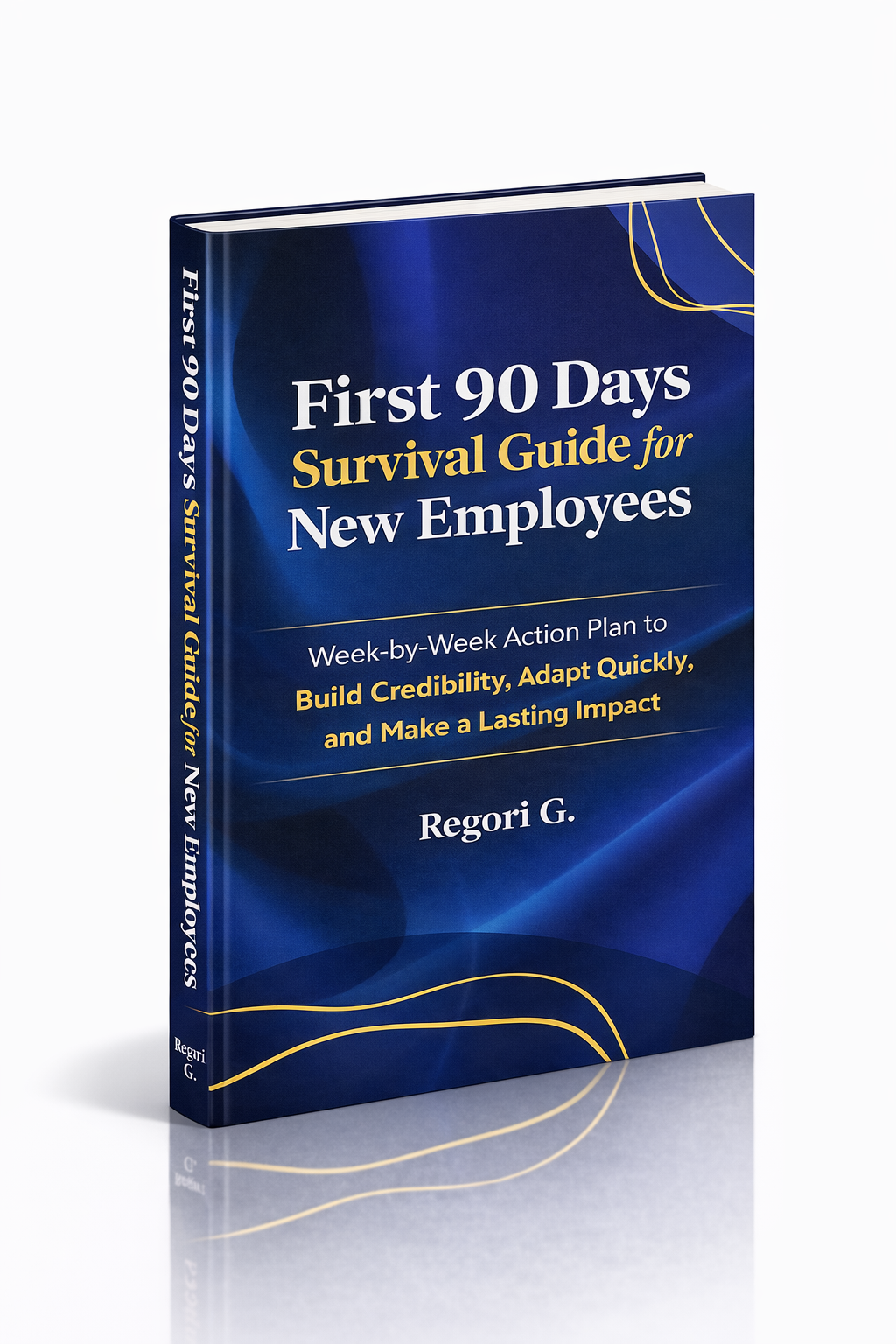
Guide 02
First 90 Days Survival Guide
Hit the ground running and make your mark from day one.
Get it →
Guide 03
Interview Success for Introverts
7 proven steps to shine in interviews — even if you hate the spotlight.
Get it →