

The 5 Interview Mistakes That Cost You the Job
What's silently killing your chances — and what top candidates do instead. Delivered instantly to your inbox.
No spam. Unsubscribe anytime. Privacy Policy & Terms
- Why "I'm a hard worker" destroys your chances
- What interviewers decide in the first 90 seconds
- How to handle tough questions with confidence
- The salary mistake almost every candidate makes
How to Answer What Do You Know About This Industry
When preparing for an interview, a common question you may face is related to your knowledge about the industry. This question aims to gauge your understanding of the field you wish to join and demonstrate your commitment to the job. Answering effectively can set you apart from other candidates. Here are some steps to help you prepare and respond convincingly.
Research the Industry
Before you walk into an interview, it’s essential to gather information about the industry. Here are some ways you can do that:
- Read industry reports and studies to get a sense of current trends.
- Follow prominent industry news websites to stay updated with recent developments.
- Engage with thought leaders on platforms like LinkedIn to see what topics are trending.
- Listen to podcasts that focus on the industry for insights and expert opinions.
Understand Key Players
Every industry has key companies and competitors. Learn about the significant players and their role in the market. Knowing the competition not only shows your awareness but also your readiness to engage with them in your new role. You can include:
- Name of key companies in the industry
- Their market share
- Innovations and trends they are following
Identify Current Trends
Understanding current trends will strengthen your response. Here are some critical trends to consider:
| Trend | Description |
|---|---|
| Sustainability | Many industries focus on environmentally friendly practices. |
| Technological Advances | Development in AI and automation are transforming various fields. |
| Remote Work | The rise of remote jobs is redefining workplace culture and dynamics. |
Demonstrate Passion
Employers appreciate candidates who are not just knowledgeable but also passionate about their industry. Convey your genuine interest by discussing:
- What draws you to this industry
- Your aspirations and how they align with industry growth
- Any personal experiences or projects that deepened your interest
Prepare Your Answer
When formulating your answer, structure it clearly. Start by mentioning your research findings, then discuss key players and trends. Make sure to include any personal passion for the industry. A sample answer might look like this:
“I understand that this industry is currently undergoing significant changes, particularly with advancements in technology and sustainability efforts. For instance, companies like [insert company name here] are leading the way in innovation. My passion for this field stems from a personal project where I explored [insert brief personal story]. I believe my background aligns well with the direction the industry is heading.”
Practice Your Answer
Practice makes perfect. Rehearse your answer multiple times, but ensure it doesn’t sound scripted. Maintain a conversational tone as if you are sharing your knowledge with a friend. This approach helps you sound more natural and confident.
Additionally, utilize online platforms like [Indeed](https://www.indeed.com) or [LinkedIn](https://www.linkedin.com) to find industry-specific articles and networking opportunities that can further enhance your understanding.
Stay Updated
The industry landscape can shift rapidly. Regularly revisiting your knowledge and keeping up with updates is important. Follow websites dedicated to your industry for real-time information. Some useful sources include:
- Forbes – Industries (opens new window)
- Business Insider – Industries (opens new window)
Answering the question, “What do you know about this industry?” effectively is crucial in making a good impression. By researching thoroughly, understanding industry dynamics, showing your passion, and practicing your response, you can boost your chances of landing the job. Remember, it’s not just about knowing facts; it’s also about showing your enthusiasm for the position and the field.
Key Trends Shaping the Industry Today
Staying updated with key trends in your industry is crucial for both professionals and businesses alike. Understanding these trends can help you adapt and thrive in a competitive landscape. Here are some of the most significant trends shaping various industries today.
Digital Transformation
Digital transformation is at the forefront of industry changes. Organizations are embracing technology to streamline operations and enhance customer experiences. This involves adopting cutting-edge tools, platforms, and automated solutions to improve efficiency and productivity.
Key aspects of digital transformation include:
- Cloud Computing: More businesses are shifting to cloud-based solutions, allowing for more flexibility and scalability.
- Data Analytics: Companies are leveraging big data to gain insights and make informed decisions that drive growth.
- Cybersecurity: With increased digital operations comes the necessity for robust cybersecurity measures to protect sensitive information.
Remote Work
The pandemic accelerated the trend toward remote work, and it remains a prominent feature in the business world. Many organizations are shifting towards hybrid work models that blend in-office and remote work options. This flexibility not only boosts employee satisfaction but also helps businesses tap into a wider talent pool.
Some benefits include:
- Cost Savings: Companies save on overhead costs associated with physical office spaces.
- Increased Productivity: Many employees report higher productivity levels when working remotely.
- Work-Life Balance: This new model fosters better work-life balance, which can lead to improved employee retention rates.
Sustainability Initiatives
Sustainability has emerged as a priority for businesses across various sectors. Companies are increasingly being held accountable for their environmental impact. Embracing sustainability can enhance brand image and customer loyalty. Here are some areas of focus:
- Renewable Energy: Organizations are investing in renewable energy sources, reducing their carbon footprint.
- Eco-friendly Products: More businesses are developing sustainable products to meet consumer demand.
- Corporate Social Responsibility (CSR): Companies are adopting CSR practices that emphasize community engagement and environmental stewardship.
Customer Experience Enhancement
In today’s market, customer experience (CX) is a key differentiator. Businesses are increasingly focusing on improving interactions at every customer touchpoint. Companies that provide exceptional experiences often see a boost in customer loyalty and sales.
Strategies for enhancing customer experience include:
- Personalization: Tailoring experiences and offers based on customer preferences ensures engagement.
- Omnichannel Support: Providing seamless support across various channels (social media, chat, phone) enhances convenience for customers.
- Feedback Systems: Actively seeking and incorporating customer feedback helps identify areas for improvement.
Health and Wellness Focus
Health and wellness trends have taken center stage, reflecting a broader societal shift toward well-being. Organizations are recognizing the importance of prioritizing employee health, leading to various initiatives.
Notable trends include:
- Mental Health Support: Companies are offering mental health resources, including counseling and wellness programs.
- Health Benefits: Flexible health benefits packages help employees maintain physical fitness.
- Work Environment: Enhancements to the workplace, like ergonomic furniture and wellness spaces, contribute to employee well-being.
Technological Innovations
The rapid pace of technological advancements is another trend reshaping industries. Staying ahead in technology can give organizations a competitive edge. Key innovations to watch include:
- Artificial Intelligence: AI applications in various sectors enhance efficiency through automation and data analysis.
- Augmented and Virtual Reality: AR and VR technologies are transforming customer experiences and employee training.
- Internet of Things (IoT): Increasing connectivity between devices is enabling smarter operations and improved monitoring.
Understanding these key trends is essential for navigating the current industry landscape. By recognizing and adapting to these shifts, businesses can stay competitive and respond effectively to changes. For more insights on industry trends, visit PwC Consulting Insights or explore Forbes Industry Trends.
As these trends continue to evolve, companies that remain agile and responsive will likely succeed in maintaining relevance and fostering growth in an ever-changing marketplace.
Essential Skills for Success in This Industry
In today’s competitive job market, acquiring essential skills for success in any industry is crucial. Individuals aiming to excel must understand what’s needed to thrive, whether they are just starting or looking to advance in their careers. Below are some indispensable skills required for success.
Communication Skills
Effective communication is one of the cornerstones of success. You need to express your ideas clearly and listen to others attentively. Strong verbal and written communication helps build relationships and foster collaboration.
Tips for Improving Communication Skills
- Engage in active listening by maintaining eye contact and providing feedback.
- Practice writing regularly to enhance your clarity and conciseness.
- Join public speaking clubs like Toastmasters to gain confidence in verbal communication.
Technical Proficiency
Being tech-savvy is essential, regardless of your industry. Familiarity with the latest tools and technologies enhances productivity and efficiency. Staying updated with industry-specific software can give you a significant advantage.
Key Technical Skills to Consider
- Proficiency in industry-specific software (e.g., CRM systems, project management tools).
- Basic proficiency in data analysis and reporting tools.
- Understanding of coding basics or digital marketing techniques, depending on your industry.
Adaptability
The ability to adapt to changing circumstances is vital for success. Industries evolve due to technological advancements and market trends. Being flexible allows you to seize new opportunities and tackle challenges head-on.
Strategies to Enhance Adaptability
- Embrace change by seeking feedback and adjusting your strategies accordingly.
- Take on new responsibilities that push you out of your comfort zone.
- Participate in continuous education programs to stay knowledgeable about industry advancements.
Teamwork and Collaboration
Working well with others is crucial in nearly every field. Collaboration fosters creativity, innovation, and efficiency. You should be prepared to share ideas, offer help, and provide constructive feedback.
Building Effective Teamwork Skills
- Engage in team-building activities to strengthen relationships.
- Practice conflict resolution techniques to manage differences effectively.
- Value each person’s contributions and promote a positive team culture.
Problem-Solving Abilities
Every industry faces challenges. Being a strong problem-solver sets you apart from your peers. You should not only identify issues but also propose innovative solutions that benefit your organization.
Enhancing Your Problem-Solving Skills
- Analyze past challenges to understand what worked and what didn’t.
- Engage in brainstorming sessions with colleagues to generate new ideas.
- Utilize critical thinking exercises to sharpen your analytical abilities.
Networking Opportunities
Building relationships within your industry can lead to potential job opportunities and collaboration. Networking allows you to connect with others who share your interests and can offer guidance and support.
Ways to Expand Your Network
- Attend industry events, seminars, and workshops to meet like-minded professionals.
- Utilize platforms like LinkedIn to connect and engage with industry experts.
- Participate in professional associations related to your field.
| Skill | Description | Importance |
|---|---|---|
| Communication | Verbal and written expression. | Fosters collaboration. |
| Technical Proficiency | Familiarity with industry tools. | Enhances productivity. |
| Adaptability | Ability to adjust to changes. | Seizes opportunities. |
| Teamwork | Working effectively with others. | Encourages innovation. |
| Problem-Solving | Identifying and addressing issues. | Drives progress. |
Developing these essential skills will greatly enhance your chances of success in your chosen industry. Embrace opportunities to learn and grow, and always keep an eye out for new trends and technologies. For further details about industry skills and professional growth, visit Skills You Need or CareerFoundry.
Common Misconceptions About the Industry
When it comes to various industries, there are several common misconceptions that may cloud judgment. Understanding these myths can help you make informed decisions, whether you’re looking to invest, work, or simply engage with a particular sector. Let’s examine these misconceptions in detail.
Myth 1: The Industry Always Offers High Salaries
While it’s true that some sectors provide lucrative salaries, not all jobs within an industry pay well. For instance, in the technology sector, CEO positions can command high salaries, but entry-level positions may offer modest compensation. It’s essential to research specific roles rather than just the industry as a whole.
Myth 2: Industry Knowledge Is Only for Experts
Many people believe that only seasoned professionals need to have vast industry knowledge. However, understanding the basics of an industry can significantly benefit anyone interested in career transitions, investments, or developing skills for personal growth. Resources like Forbes provide valuable insights for beginners.
Myth 3: Industries Always Thrive
Many think that certain industries are immune to downturns. However, every sector experiences ups and downs due to various factors such as economic changes, consumer preferences, and global events. For instance, the travel industry faced severe challenges during the pandemic, highlighting its vulnerability.
Myth 4: All Roles Are Alike in an Industry
People often assume that jobs in a particular sector share similar responsibilities. While there may be overlapping skills, each role typically has its unique challenges and focuses. For example, the roles of a software developer and a project manager in tech have very different day-to-day tasks and skill requirements.
Myth 5: Education Determines Success
While formal education can help, it isn’t the sole factor for success within a sector. Many successful professionals possess hands-on experience and have developed skills through internships, online courses, or self-study. Platforms like Coursera offer affordable options for skills development that can rival traditional education.
Myth 6: Technology Will Replace All Jobs
There’s a belief that automation and AI will obliterate job opportunities. While technology will change the nature of work, it will also create new jobs that didn’t exist before. In sectors like healthcare and education, human interaction remains irreplaceable. Understanding the impact of technology can help contextualize its role in your chosen industry.
Myth 7: Networking Isn’t Necessary
Some individuals believe that they can succeed without establishing a professional network. However, networking remains one of the most effective tools for career advancement. Engaging with industry peers can lead to mentorship opportunities, collaborations, and job offers. Websites like LinkedIn provide excellent platforms for building these connections.
Myth 8: Industry Trends Are Static
Another misconception is that once an industry establishes itself, it won’t change much. Industries evolve due to technological advancements, emerging trends, and shifts in consumer behavior. Keeping up-to-date through resources like BBC Business News can help you stay informed about significant shifts.
Debunking Common Myths
Here’s a quick overview of the misconceptions discussed:
| Myth | Truth |
|---|---|
| The industry always offers high salaries | Compensation varies across roles. |
| Industry knowledge is only for experts | Basic knowledge benefits anyone. |
| Industries always thrive | Every sector faces challenges. |
| All roles are alike in an industry | Roles have unique responsibilities. |
| Education determines success | Experience can be as valuable. |
| Technology will replace all jobs | New jobs will also be created. |
| Networking isn’t necessary | Connections lead to opportunities. |
| Industry trends are static | Trends are ever-evolving. |
By debunking these misconceptions, you can gain a clearer vision of what to expect within any industry. Continuous learning and awareness are key to navigating the complexities of the job market effectively.
The Importance of Networking in the Industry
In today’s fast-paced world, the significance of networking in various industries cannot be overstated. Building a robust network can be a game-changer in your career, providing you with opportunities and insights that are not readily available elsewhere. Whether you’re a real estate agent, an IT professional, or an entrepreneur, forging genuine connections can help propel you forward.
Benefits of Networking
- Access to Opportunities: Networking opens doors to job opportunities that you may not find through conventional channels. Many positions are filled through referrals, underscoring the importance of having a wide network.
- Knowledge Sharing: Engaging with professionals in your industry allows you to share and gather valuable insights and trends. This knowledge can be a powerful tool to stay ahead in your field.
- Mentorship: Networking provides you with the chance to connect with experienced individuals who can offer advice and mentorship. Learning from their experiences can help you navigate your own career path more effectively.
- Business Growth: For entrepreneurs, having a strong network means potential clients, partners, and collaborators. Effective networking can lead to business expansion and increased revenue.
Just building a network isn’t enough; you have to nurture these connections. Regular follow-ups and engaging in conversations can keep the relationships alive. If you see an article that may interest a contact, share it with them. This approach shows that you value the relationship beyond just professional gain.
Strategies to Network Effectively
Engaging in networking can be an intimidating process, but specific strategies can make it easier and more effective:
- Leverage Social Media: Platforms like LinkedIn provide an excellent avenue for professional networking. Regularly update your profile and connect with industry leaders.
- Attend Industry Events: Conferences and workshops are great opportunities to meet professionals from your field. Make sure to prepare a brief introduction about yourself to make a memorable first impression.
- Join Professional Organizations: Participating in trade associations can help you connect with peers and industry stakeholders. Many organizations host events that offer networking opportunities.
- Follow Up: A simple ‘thank you’ email or a follow-up message after meeting someone can go a long way in solidifying your connection. Referencing previous conversations can make your outreach more personal.
Building Relationships
Networking isn’t solely about exchanging business cards; it’s about forming genuine relationships. Some effective ways to build these relationships include:
- Be Authentic: People appreciate authenticity. Share your honest experiences and challenges.
- Listen Actively: Pay attention to what others are saying. Ensure you’re not just waiting for your turn to speak but genuinely engaging in the conversation.
- Offer Help: Networking is reciprocal. If someone asks for assistance, offer your help, and you’ll likely receive help in return.
Staying Connected
Once you’ve established your network, maintaining connections is just as vital. Regularly engage with your contacts by:
- Sending out newsletters or updates about your own career advancements.
- Inviting them to events that may interest them (whether they are professional or social).
- Joining them in activities outside work to deepen your relationship.
Keeping your network active and engaged cultivates a supportive community that can help during challenging times or when looking for opportunities. The relationships you build today may pave the way for your future success.
Utilizing Online Resources
There are various platforms and resources that can enhance your networking efforts. Websites such as Meetup allow you to find networking events in your area. Additionally, Eventbrite lists professional events where you can connect with key players in your field.
The importance of networking in the industry cannot be overstated. It is not just a skill but an essential strategy for career growth and development. By implementing effective networking strategies and actively engaging with your network, you can unlock numerous opportunities for yourself and others. Remember, your network is one of your most valuable assets.
How to Stay Updated with Industry Developments
To succeed in any industry, staying updated with the latest trends, technologies, and practices is crucial. With rapid changes occurring across sectors, maintaining awareness helps you make informed decisions and remain competitive. Below are some effective ways to keep yourself updated with industry developments.
Follow Industry News Websites
Regularly visit reputable industry news websites. These platforms provide daily or weekly updates on significant advancements, trends, and changes in regulations. Some top sites to consider include:
- Forbes – Offers insights into various sectors, including finance, technology, and healthcare.
- Business Insider – Delivers daily news and trends affecting different industries.
- TechCrunch – Focuses on technology and startup news.
- The Hustle – Provides business insights and news with a focus on entrepreneurship.
Join Industry Associations
Becoming a member of professional associations can amplify your understanding of industry trends. These organizations often provide access to exclusive resources, training, and networking opportunities. Consider associations like:
- Institute for Defense Analyses (IDA) – Offers insight for defense industries.
- American Institute of CPAs (AICPA) – For accountants looking to stay ahead in regulations and standards.
- Scientific American – Great for those in research-driven industries.
Subscribe to Newsletters and Podcasts
Newsletters and podcasts are convenient ways to digest information. Subscribing to daily or weekly newsletters can help you monitor recent advancements while you are on the go. Similarly, industry-related podcasts can offer expert insights in an easily digestible format. Find recommendations such as:
- Podchaser – Find industry-focused podcasts tailored to your interests.
- Harvard Business Review Podcasts – Offers expert insights into business trends.
- NPR Business – Provides updates on various sectors through quality journalism.
Utilize Social Media and LinkedIn
Social media platforms are excellent tools for real-time updates. Follow industry leaders, experts, and businesses on platforms like Twitter and LinkedIn. Here are some tips:
- Join LinkedIn groups in your sector to engage in discussions and gain insights from peers.
- Utilize Twitter lists to curate thought leaders and industry news outlets for instant updates.
- Engage with posts by commenting or sharing your insights to grow your network.
Attend Conferences and Webinars
Industry events are invaluable for networking and learning. Conferences and webinars allow you to hear from experts about the latest trends and innovations. Look for upcoming events on websites like:
- Eventbrite – A platform to find a variety of industry-related events.
- Meetup – Connect with local professionals in your field.
Engage in Continuous Learning
Consider online courses or certifications to enhance your skills and knowledge. Websites like Coursera and Udacity offer courses tailored to various industries. These platforms allow you to learn from experts and gain certification that adds value to your resume.
Network with Industry Peers
Building connections with professionals in your field can provide unique insights. Networking allows you to share knowledge and learn from others’ experiences. Attend local meetups or engage in discussions on professional forums to expand your contacts.
By incorporating these strategies, you can stay informed and engaged with developments in your industry. Regularly absorbing new information will not only enhance your skills but also establish you as a knowledgeable professional in your field.
The Role of Technology in Transforming the Industry
In today’s fast-paced world, technology plays a crucial role in reshaping industries across the globe. From manufacturing to healthcare and finance, the integration of advanced technologies has transformed traditional processes, improved efficiency, and enhanced customer experiences. Understanding how technology impacts various sectors can help professionals stay ahead in their respective fields.
The Impact of Automation
Automation has become a pivotal factor in modern industries. By utilizing automation technologies, businesses can streamline their operations and reduce human error. Here are some major benefits:
- Increased Efficiency: Routine tasks can be completed faster, allowing employees to focus on more complex issues.
- Cost-Effectiveness: Automation often reduces labor costs and increases output.
- Improved Accuracy: Machines can perform repetitive tasks with precision, minimizing mistakes.
Data Analytics and Decision Making
Data analytics has become an essential tool for businesses looking to gain insights into their operations and customer behavior. By analyzing large amounts of data, companies can make informed decisions. Key aspects include:
- Identifying Trends: Data can reveal patterns that help businesses understand market dynamics.
- Customer Insights: Analyzing consumer behavior enables personalized marketing strategies.
- Performance Evaluation: Companies can track their progress through metric analysis and adjust strategies accordingly.
Organizations utilizing platforms like Tableau can visualize data effectively, making it easier to interpret and act upon.
Digital Communication and Connectivity
Technology has revolutionized the way businesses communicate with their customers and within their teams. With digital communication tools, companies can operate more efficiently:
- Real-Time Collaboration: Tools like Slack and Zoom allow teams to work together from anywhere.
- Customer Interaction: Social media and online chat have opened new avenues for customer support and engagement.
Artificial Intelligence (AI) and Machine Learning
AI and machine learning are at the forefront of technological transformation. These advanced technologies are helping businesses to:
- Enhance Products: Companies are using AI to improve product features based on user feedback and data.
- Automate Customer Service: Chatbots can handle customer queries, providing immediate responses and freeing human agents for complex issues.
For further insights, you can explore this Forbes article which outlines how AI is currently reshaping various sectors.
Cybersecurity Measures
As industries embrace digital transformation, they also face increased security threats. Companies must invest in robust cybersecurity measures to protect their data:
- Data Encryption: Protecting sensitive information from unauthorized access.
- Employee Training: Ensuring staff are aware of cybersecurity best practices.
- Regular Security Audits: Identifying vulnerabilities through ongoing assessments.
Creating a Competitive Advantage
Ultimately, leveraging technology not only helps companies improve operational efficiency but also creates a significant competitive advantage. Businesses that adapt quickly to technological changes can meet customer needs more effectively and stay ahead of their competitors.
on Industry Transformation
The role of technology in transforming industries cannot be underestimated. Embracing digital innovations is necessary for businesses aiming to thrive in today’s economy. Companies should continuously assess emerging technologies to remain relevant and competitive.
For more information on how technology is reshaping various industries, consider visiting Gartner for industry reports and insights.
Key Takeaway:
When preparing for an interview or a professional conversation, it’s vital to understand how to answer the question, "What do you know about this industry?" Your response not only reveals your knowledge but also reflects your enthusiasm for the field. To craft a compelling answer, consider key trends shaping the industry today, as these will demonstrate your awareness of current developments. For instance, identifying recent innovations or shifts in consumer behavior showcases that you are engaged with the industry’s evolution.
Additionally, recognizing the essential skills required for success is crucial. Highlighting capabilities such as effective communication, problem-solving, and adaptability will reassure your audience that you are well-equipped to navigate challenges within the industry. Nonetheless, it’s important to address common misconceptions about the industry to provide a well-rounded perspective. This could involve dispelling myths such as the idea that the industry is stagnant or overly technical, thus revealing your depth of understanding.
Networking plays a significant role in any industry, and acknowledging its importance in your answer can set you apart. Discuss how building connections with industry professionals can lead to new opportunities and insights, reinforcing your commitment to growth. Furthermore, staying updated with industry developments is essential. Mention reliable sources, like industry publications and online forums, that you follow to keep your knowledge current.
Recognize the role of technology in transforming the industry. Highlight how advancements such as automation and data analytics are reshaping traditional practices, illustrating your forward-thinking approach.
To effectively respond to "What do you know about this industry?", integrate insights on these topics to create a robust, engaging answer that showcases your expertise and passion. By covering trends, skills, misconceptions, networking, ongoing education, and technological advancements, you will present yourself as a well-informed and proactive candidate, ready to contribute meaningfully to your prospective field.
Conclusion
Successfully answering the question, "What do you know about this industry?" requires a well-rounded understanding of its current landscape. Familiarizing yourself with key trends shaping the industry today, such as emerging technologies and shifting consumer behaviors, positions you as an informed candidate. Equally important are the essential skills for success, ranging from technical abilities to interpersonal communication, all of which can enhance your relevance in a competitive market.
Addressing common misconceptions about the industry is crucial, as it demonstrates critical thinking and a deeper awareness of its complexities. Engaging in discussions and fostering relationships through networking can open doors and provide invaluable insights that textbooks may overlook. Additionally, staying updated with industry developments is vital; subscribing to relevant publications and joining professional organizations can keep you informed about the latest news.
Recognizing the role of technology in transforming the industry adds a layer of depth to your knowledge. Understanding how innovations impact business models can make a significant difference in your dialogue with potential employers. By preparing thoroughly with these insights, you can confidently articulate your understanding of the industry, showcasing your commitment and readiness to contribute effectively in your desired role. This comprehensive approach not only answers the question but also positions you as a knowledgeable and proactive candidate ready to make a meaningful impact.
Your Next Chapter
Starts with the Right Guide
Three straight-talking PDF guides to help you win interviews, beat the first 90 days and thrive as an introvert. Instant download on Gumroad.

Guide 01
The Job Interview System
Step-by-step interview prep that turns nerves into confidence.
Get it →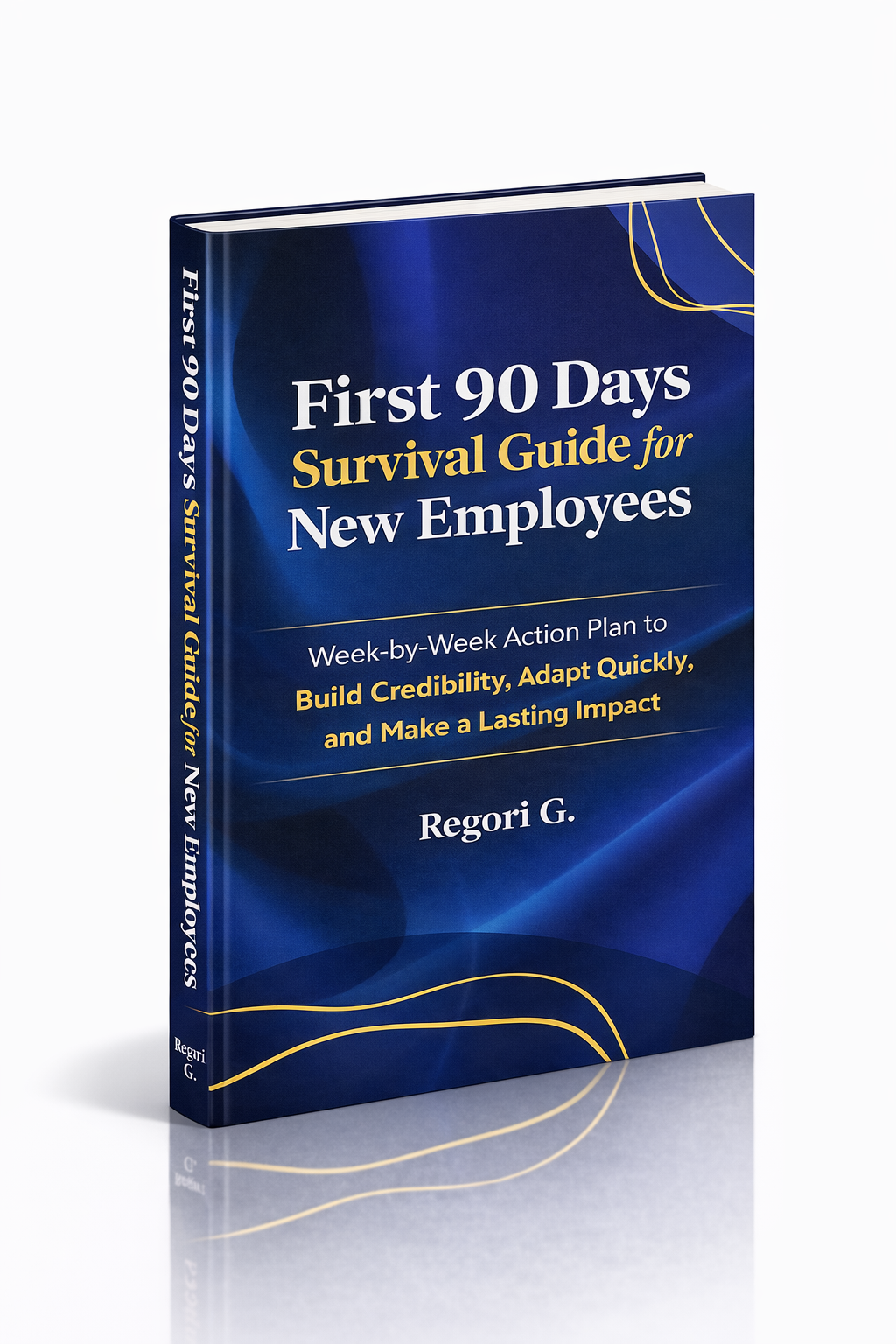
Guide 02
First 90 Days Survival Guide
Hit the ground running and make your mark from day one.
Get it →
Guide 03
Interview Success for Introverts
7 proven steps to shine in interviews — even if you hate the spotlight.
Get it →