

The 5 Interview Mistakes That Cost You the Job
What's silently killing your chances — and what top candidates do instead. Delivered instantly to your inbox.
No spam. Unsubscribe anytime. Privacy Policy & Terms
- Why "I'm a hard worker" destroys your chances
- What interviewers decide in the first 90 seconds
- How to handle tough questions with confidence
- The salary mistake almost every candidate makes
You left the interview feeling reasonably good. You said what you wanted to say, you asked some decent questions, you shook hands at the door. And now you are home, staring at your inbox, wondering — how long is this actually going to take?
It is one of the most searched questions in the entire job hunting process, and for good reason. The post-interview silence is genuinely uncomfortable. Every day without a response feels loaded with meaning. You start reading into everything. Did they take long because they are deciding between me and someone else? Did they go quiet because they have already moved on? Was that one answer I fumbled a deal-breaker?
Here is the truth: in most cases, the silence has nothing to do with you. It has everything to do with the hiring process on their side, which is almost always slower, more complicated, and more bureaucratic than candidates realise.
In this guide I am going to give you the real timelines — broken down by company type, industry, and hiring stage — along with exactly when to follow up, what different signals mean, and how to protect your mental health and your job search during the waiting period.
The Honest Answer: There Is No Universal Timeline
If you have been googling “how long after interview to hear back” hoping for a clean answer like “five days,” the reality is more nuanced than that. Response times vary enormously depending on several factors:
- The size of the organisation
- The seniority of the role
- How many candidates are being interviewed
- Whether internal approvals are required before an offer
- Whether reference checks are part of the process
- The time of year — holidays and busy periods slow everything down
- Whether the hiring manager is dealing with other priorities
What this means in practice is that the same type of job at two different companies could have wildly different response timelines — one might call you the next day, the other might take three weeks. Neither timeline necessarily reflects your performance in the interview.
With that caveat established, here are the realistic timeframes you can expect based on the type of employer.
Real Timelines by Company Type and Industry
Startups and Small Businesses: 2 to 5 Business Days
Smaller organisations tend to move fastest. There are fewer decision-makers involved, less bureaucracy, and often a more urgent need to fill the role. If you interviewed at a startup or a small business, you can reasonably expect to hear something within two to five working days.
If a week passes with no contact, it is absolutely fine to send a brief follow-up email. In a small company, a slow response often simply means the founder or manager has been pulled in other directions, not that they have lost interest.
Mid-Sized Companies: 1 to 2 Weeks
Companies with between 50 and 500 employees typically take one to two weeks to respond after an interview. There are more stakeholders to consult — HR, line managers, department heads — and decisions often require sign-off from more than one person.
It is also common at this size of company for the hiring manager to still be interviewing other candidates when you leave your interview. Until all interviews are complete, no shortlisting can begin. Factor that into your expectations.
Large Corporations and Enterprise Businesses: 2 to 4 Weeks
The bigger the company, the more layers of process. Large organisations typically have formal hiring procedures that include scoring matrices, internal review panels, and multiple approval stages. Even after a preferred candidate is identified, the offer may need to be approved by HR, a senior director, or even a finance team before it can be formally made.
Two to four weeks is a realistic and common timeframe at this level. Some large companies have been known to take six weeks or more, particularly for senior or specialist roles. If you interviewed at a FTSE 100 company or a multinational and have not heard back after three weeks, a follow-up is appropriate — but patience is especially important here.
Public Sector and Government Roles: 4 to 8 Weeks or Longer
Public sector hiring is typically the slowest of all. Councils, NHS trusts, government departments, universities, and similar organisations operate under strict procurement and HR policies that can extend the decision-making process significantly.
It is not unusual to wait four to six weeks after a public sector interview. In some cases — particularly for senior or regulated roles — the process can take two to three months from interview to offer. If you are applying for public sector roles, set your expectations accordingly and do not interpret slow communication as a negative signal.
Recruitment Agencies: 2 to 7 Business Days
If you interviewed through a recruitment agency rather than directly with the employer, the agency typically acts as the intermediary. They will chase feedback from the client on your behalf, which adds a layer but can also speed things up. Most agencies will try to get feedback within two to seven business days of your interview. If your recruiter is not updating you regularly, it is entirely reasonable to chase them — that is literally their job.
Retail, Hospitality, and Entry-Level Roles: 1 to 5 Business Days
High-turnover industries like retail, hospitality, and customer service tend to hire quickly out of necessity. If you interviewed for this type of role, you will usually hear back within a week. In some cases, a decision is made the same day or the day after. If more than five working days pass with no contact, a follow-up is warranted.
Finance, Legal, and Professional Services: 2 to 4 Weeks
Professional services firms — accountancy practices, law firms, financial institutions — tend to be thorough and methodical in their hiring. Expect two to four weeks, with potential for longer if the role is senior or specialised. Reference and background checks are standard in these sectors and can add time to the process even after a decision has been made.
Tech and Digital Companies: 1 to 3 Weeks
Technology companies vary widely. Fast-growing scale-ups often move quickly — sometimes within days. Larger tech firms can take two to three weeks or more, particularly if the role involves technical assessments or multiple interview rounds. If you are going through a multi-stage interview process, the timeline between each stage can itself take one to two weeks.
What Different Signals Might Mean
While no signal after an interview is definitive, here are some patterns that candidates commonly experience and what they may indicate:
The Interviewer Said “We Will Be in Touch”
This is a standard, non-committal close to the interview. It does not mean you did well or badly. It simply means they will contact you with a decision. Take it neutrally and do not read anything into it. Continue your job search as normal.
They Asked About Your Notice Period or Availability
This is a positive signal. Employers generally only ask about start dates and availability when they are seriously considering a candidate. It does not guarantee an offer, but it suggests you are in their thinking.
They Mentioned Next Steps in Detail
If the interviewer spent time explaining the next stages of the process — a second interview, a task, a panel review — and made it sound as though you would be included, that is encouraging. Employers tend not to walk unsuccessful candidates through the rest of the process in detail.
The Interview Ran Significantly Over Time
Interviewers who are engaged with a candidate tend to ask more questions and explore answers more deeply. If your interview ran noticeably longer than the scheduled time, that is often — though not always — a positive indicator.
You Were Introduced to Other Team Members
If you were walked around the office, introduced to colleagues, or asked to meet someone beyond the original interviewer, that suggests the company was assessing cultural fit at a broader level — which typically only happens with candidates they are genuinely interested in.
Radio Silence After a Positive Interview
This is the scenario that causes the most anxiety. You felt it went well, they seemed engaged, and now nothing. In most cases, this is simply the hiring process taking its course. They may still be interviewing other candidates. Approvals may be pending. The hiring manager may have been pulled into something else.
Radio silence after a positive interview is not evidence that you failed. Give it the appropriate time, follow up professionally, and resist the urge to catastrophise.
When and How to Follow Up
If They Gave You a Specific Timeline
If the interviewer told you when to expect a decision — for example, “we will be back to you by the end of next week” — wait until that deadline has passed, plus one additional business day. Then send a brief, polite follow-up email.
If No Timeline Was Given
Wait seven to ten business days from the date of your interview before reaching out. This gives the employer enough time to complete interviews, have internal discussions, and begin the decision-making process without feeling pressured.
The Follow-Up Email: What to Write
Keep it short, warm, and professional. Here is a template that works well:
Subject: Follow-Up — [Job Title] Interview, [Date]
Dear [Name], I hope you are well. I am writing to follow up on my interview for the [Job Title] position on [Date]. I remain very enthusiastic about the role and would love to hear how things are progressing. Please let me know if you need any further information from me in the meantime. I look forward to hearing from you. Kind regards, [Your Name]
That is all it needs to be. No desperation. No pressure. Just a professional, timely nudge that keeps you visible without being pushy.
How Many Times Should You Follow Up?
Send your first follow-up after the expected timeline has passed. If you receive no response, you can send one final brief email five to seven business days later. After two unanswered follow-ups, redirect your energy to other opportunities. Continuing to chase at that point is unlikely to help and may harm your professional reputation.
Should You Call Instead of Email?
Generally, email is preferable for post-interview follow-up. It is less intrusive, gives the recipient time to respond, and creates a written record. Calling is appropriate only if you have an existing phone relationship with the recruiter or hiring manager, or if you were explicitly told to call with any questions.
How to Manage the Waiting Period Productively
The hardest part of waiting to hear back is the psychological weight of it. Here are practical strategies that genuinely help:
Keep applying for other roles. This is the single most effective thing you can do. Having other active applications in progress keeps your mindset focused on the future rather than fixated on one outcome. It also means that if this role falls through, you have not lost weeks of momentum.
Set a ‘check email’ schedule. Compulsively checking your inbox every few minutes increases anxiety without changing the outcome. Set specific times — morning, midday, and late afternoon — to check for updates, and close your email app between those times.
Prepare for the next stage. If a second interview or task is a possibility, use the waiting time to prepare for it. Review your notes from the first interview. Think about what deeper questions they might ask. Research the company further. Candidates who prepare in advance always perform better than those who scramble when they get the call.
Reflect on your performance. Use the notes you wrote immediately after the interview to honestly assess what went well and what you would do differently. This reflection makes you a stronger interviewer regardless of this particular outcome.
Do not put your life on hold. One of the subtle traps of the waiting period is that people unconsciously pause other decisions until they know the outcome. Continue making plans. Continue living your life. The interview outcome does not need to be the centre of your world.
Talk to someone you trust. If the anxiety is genuinely affecting your wellbeing, talking it through with a friend, family member, or mentor can provide perspective. The job search process is emotionally demanding. You do not have to carry it alone.
What to Do When You Finally Hear Back
If You Receive Good News
Whether it is an invitation to a second interview or a job offer, respond promptly and professionally. For a job offer, it is perfectly acceptable to ask for time to review the offer formally before accepting. Most employers will allow 24 to 48 hours, and some will give you longer. Use that time to carefully review the salary, terms, and conditions before committing.
If You Receive a Rejection
A rejection after an interview always stings, even when you were not entirely sure you wanted the role. Allow yourself a moment to feel disappointed — that is a normal and healthy response. Then reply to the rejection email graciously. Thank the interviewer for their time and ask if they are able to share any feedback on your performance.
Not all employers provide feedback, but many do — and even a brief comment can be genuinely valuable. It might confirm something you already suspected, or it might reveal a gap you did not know existed. Either way, it helps you improve.
Do not burn bridges. The person who rejected you today may remember you positively if another suitable role comes up. The professional world is smaller and more interconnected than it appears.
If You Hear Nothing at All
Being ghosted after an interview is unfortunately common. It is poor practice and deeply frustrating. After two unanswered follow-ups, treat it as a rejection and move on. Your time and energy are valuable. Invest them in opportunities where the employer respects the process enough to communicate with candidates.
People Also Ask
Is one week too long to wait after an interview?
Not at all. One week is within the normal range for most companies. Mid-sized and large organisations routinely take one to two weeks or longer. If a week has passed and the original timeline given to you has expired, a follow-up email is appropriate. If no timeline was given, wait the full seven to ten business days before reaching out.
Does a quick response after an interview mean good news?
Not necessarily. A fast response can mean they loved you — but it can also mean they made a quick decision in favour of another candidate. Similarly, a slow response does not mean bad news. Try not to read too much into the speed of the response either way.
Is it bad to follow up too soon after an interview?
Yes — following up within a day or two of your interview, unless a deadline has passed, can come across as impatient or anxious. Wait the appropriate amount of time based on what was discussed in the interview, or seven to ten business days if nothing was mentioned. One well-timed follow-up is professional. Multiple premature ones are not.
What does it mean if they are still interviewing other candidates?
It simply means the process is ongoing. This is completely normal. Most companies interview multiple candidates for each role before making a decision. Being told they are still interviewing does not mean you are out of the running.
Should I keep applying for jobs while waiting to hear back?
Absolutely — always. Until you have a signed offer in your hand, you do not have a job. Keep your search active. The best outcome is having options. The worst outcome is having waited for one role, been unsuccessful, and lost weeks of job search momentum in the process.
How do I know if I got the job after an interview?
The only reliable way to know is to receive a formal offer in writing. Positive signals — being asked about your start date, being introduced to the team, the interview running over time — are encouraging but not definitive. Do not assume you have the job until you have something in writing.
Final Thoughts
Waiting to hear back after an interview is one of the genuinely difficult parts of job searching. Not because anything is required of you, but because you are temporarily out of control of something that matters a great deal.
The best thing you can do is accept that reality, follow up professionally at the right time, and pour your remaining energy into keeping your job search moving. The candidates who handle the waiting period best are the ones who stay busy, stay positive, and do not allow one pending outcome to become the whole story of their job search.
Your timeline is not a reflection of your worth. It is a reflection of someone else’s process. Trust the timing, follow up once, and keep going.
For a complete step-by-step system that covers every stage of the interview process — including how to follow up professionally and handle every possible outcome — visit The Job Interview System for Job Seekers on Gumroad. A practical guide built for people who are serious about landing the job they want.
For more interview guides, career tips, and job search resources, visit the Love PDF Guides home page.
Disclaimer: The content in this article is for informational and educational purposes only. It does not constitute professional career guidance. Results vary based on individual circumstances. Always consult a qualified career professional or employment specialist for guidance specific to your situation.
Your Next Chapter
Starts with the Right Guide
Three straight-talking PDF guides to help you win interviews, beat the first 90 days and thrive as an introvert. Instant download on Gumroad.
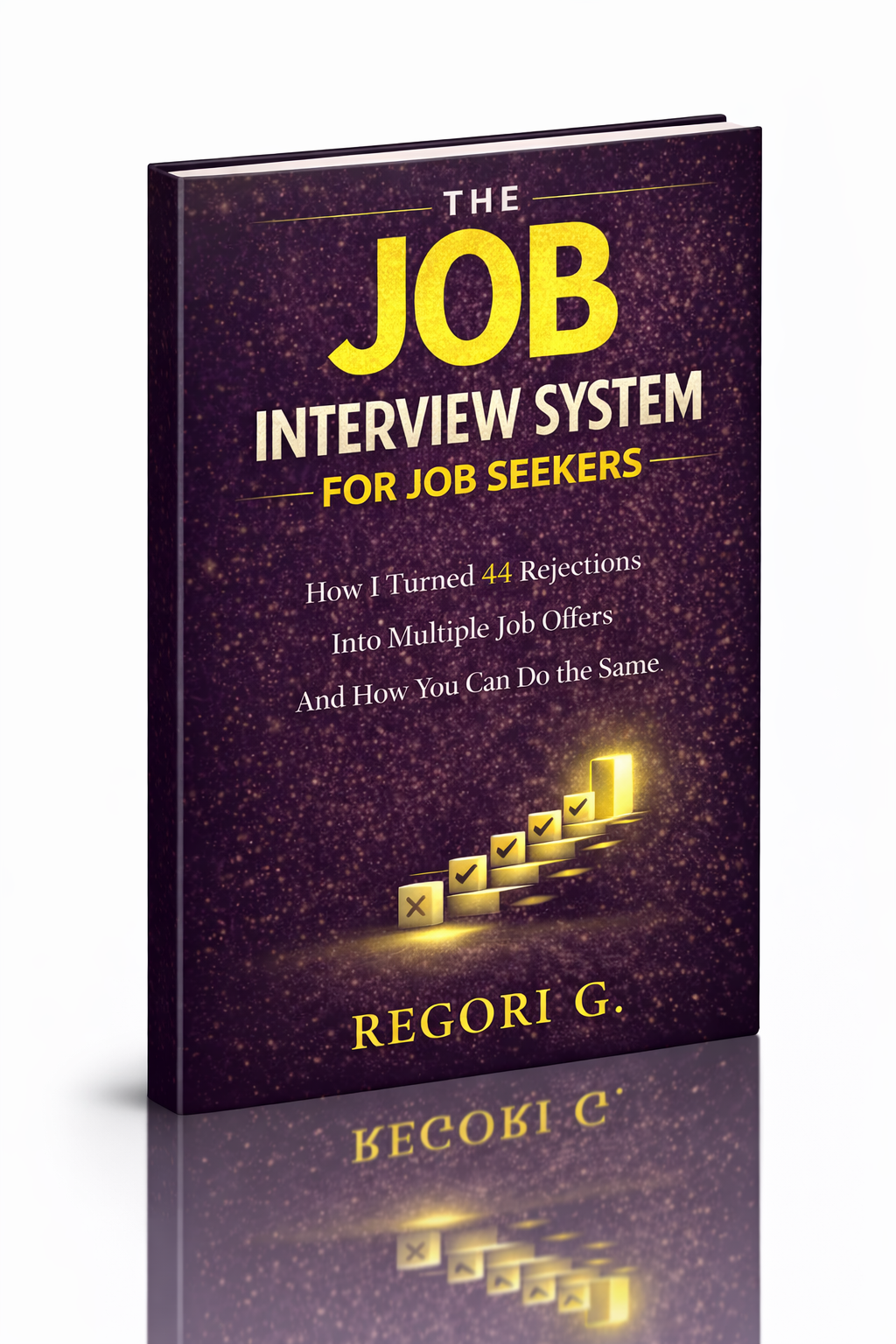
Guide 01
The Job Interview System
Step-by-step interview prep that turns nerves into confidence.
Get it →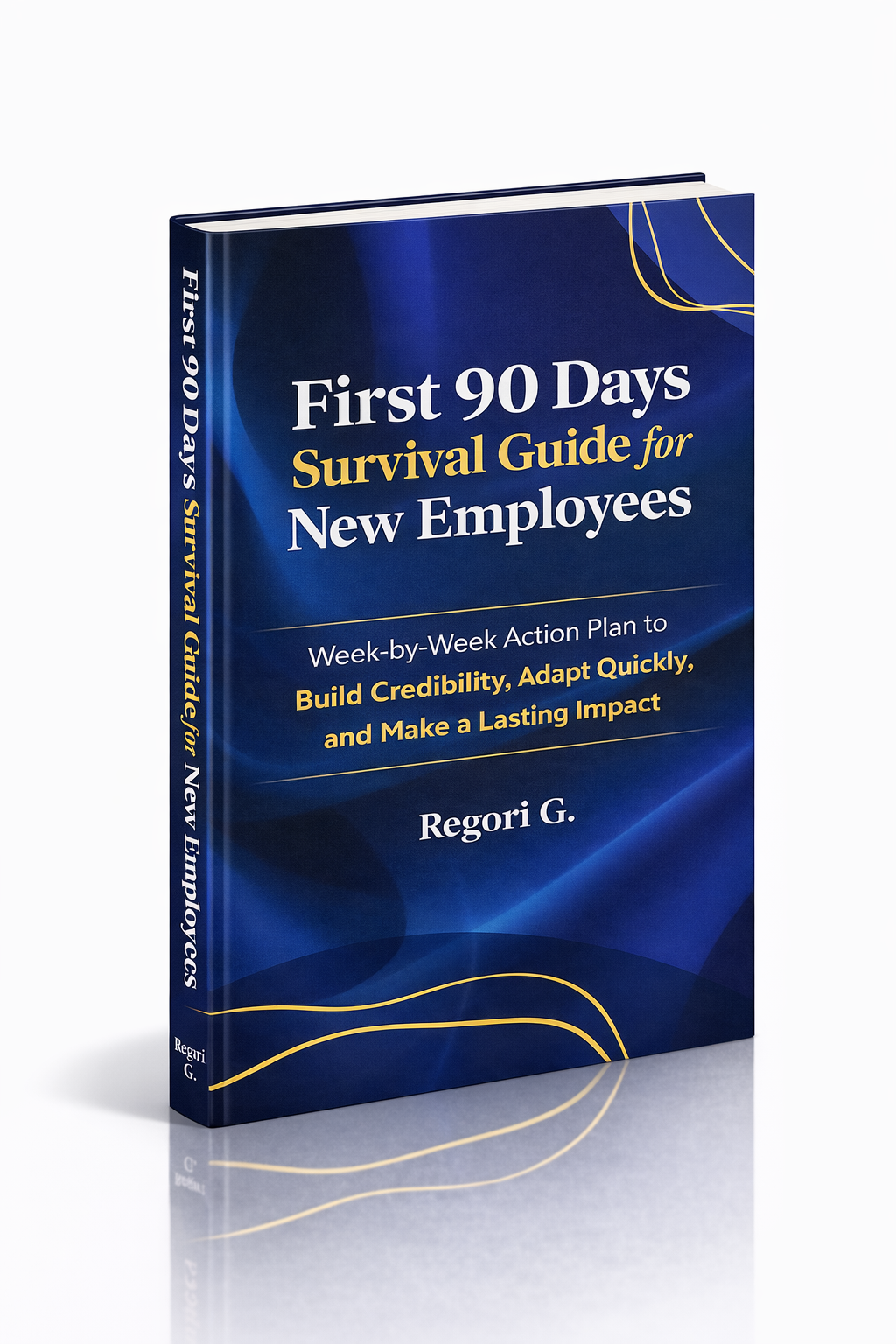
Guide 02
First 90 Days Survival Guide
Hit the ground running and make your mark from day one.
Get it →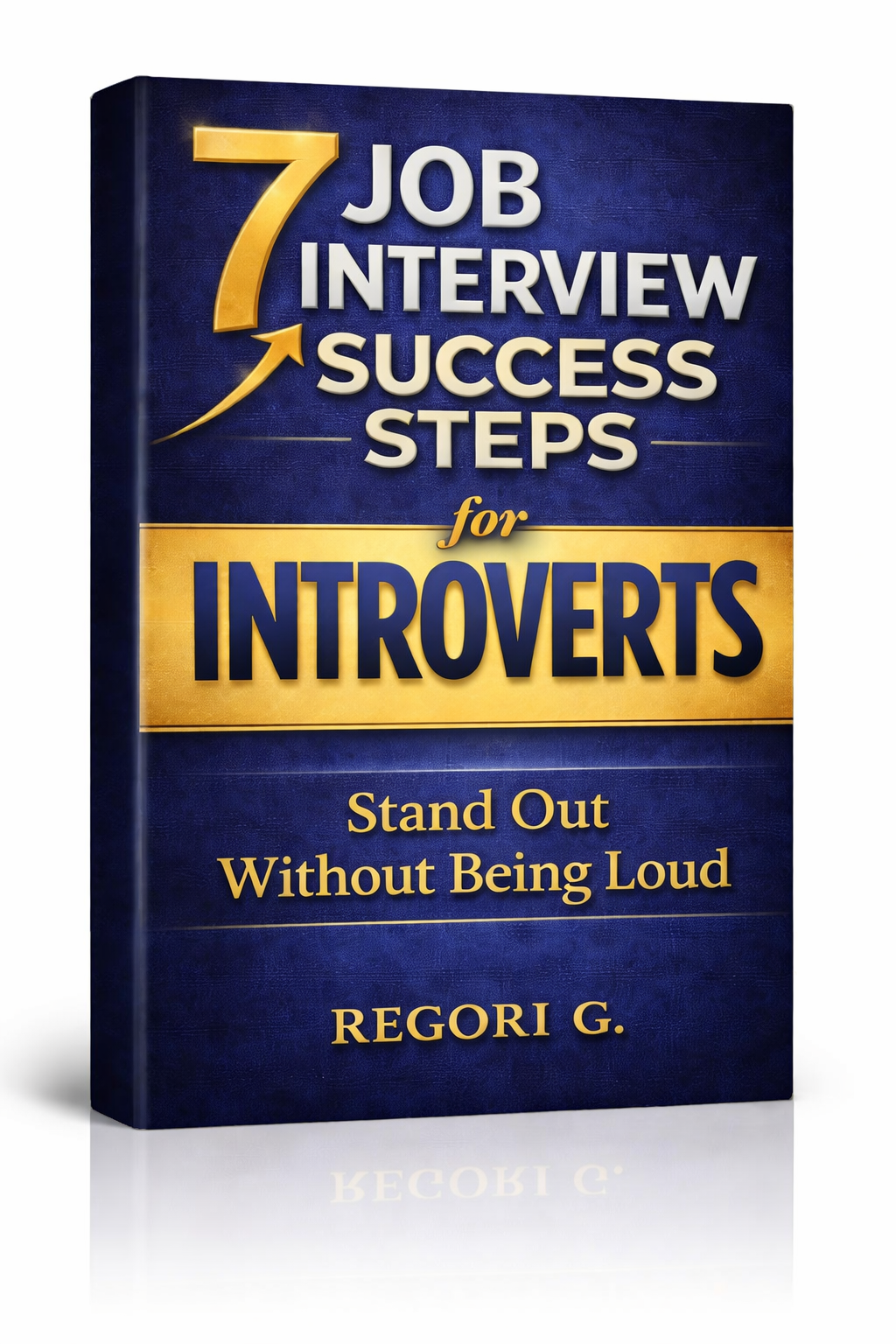
Guide 03
Interview Success for Introverts
7 proven steps to shine in interviews — even if you hate the spotlight.
Get it →