

The 5 Interview Mistakes That Cost You the Job
What's silently killing your chances — and what top candidates do instead. Delivered instantly to your inbox.
No spam. Unsubscribe anytime. Privacy Policy & Terms
- Why "I'm a hard worker" destroys your chances
- What interviewers decide in the first 90 seconds
- How to handle tough questions with confidence
- The salary mistake almost every candidate makes
visit The Job Interview System for Job Seekers on Gumroad. A practical guide built for people who are serious about landing the job they want. For more interview guides, career tips, and job search resources, visit the Love PDF Guides home page.
How to Answer Tell Me About a Time You Showed Resilience
When an interviewer asks you to describe a time when you showed resilience, they are seeking insight into how you manage adversity and bounce back from challenges. Resilience is a critical trait that can demonstrate your problem-solving abilities and your capacity to thrive under pressure. Crafting an effective response to this type of question can set you apart from other candidates. Here are some strategies to help you frame your answer effectively.
Start by reflecting on your past experiences. Think of a specific instance where you faced a significant challenge. Ensure it is a situation where you struggled but ultimately overcame the difficulty. Here are some examples that might stimulate your thinking:
- A work project that encountered unexpected complications
- Balancing demanding academic assignments with personal responsibilities
- Facing criticism and learning from feedback
- Overcoming personal struggles that affected your work performance
Once you’ve identified a valuable experience, use the STAR method to organize your response. STAR stands for Situation, Task, Action, and Result. This structured approach helps ensure your story is both clear and compelling. Here’s how to apply it:
- Situation: Describe the context of the situation, giving enough detail for the interviewer to understand the challenge.
- Task: Specify what your responsibility was in that scenario. What goal were you trying to achieve?
- Action: Explain the steps you took to address the issue. Highlight the skills and strategies you utilized.
- Result: Share the outcome of your actions. What did you learn, and how did it impact you or your team?
For instance, if you faced a significant challenge at work, your response could look like this:
Situation: “Last year, my team was tasked with delivering a software project on a tight deadline. Halfway through, we encountered serious technical issues that threatened to delay our timeline.
Task: As a project coordinator, it was my responsibility to ensure we stayed on track while resolving the problems.
Action: I organized daily check-ins with the team to monitor progress and motivation. I also reached out to external experts for guidance and delegated tasks effectively.
Result: By prioritizing communication and collaboration, we not only met our deadline but also received compliments from our stakeholders for the product’s quality.”
This example illustrates how you can show resilience through your actions and highlight your ability to work under pressure. As you prepare your answer, remember that authenticity is key. Choose a situation that genuinely reflects your experience and growth.
Moreover, practicing your response can help you deliver it with confidence during the interview. Rehearse out loud, focusing on maintaining a conversational tone. You want your answer to sound natural and engaging. Make sure to include the lessons learned and how they can apply to the new role you’re seeking.
It’s also important to expect follow-up questions. Interviewers may want to know what you would do differently in a similar situation or how this experience shapes your approach to challenges today. Be prepared to articulate your thoughts clearly.
As you prepare for your interviews, visiting resources like The Muse or Glassdoor can provide additional insights and tips on crafting your responses.
Keep in mind, showing resilience is about more than just sharing a story; it’s about demonstrating how you’ve grown and what you can bring to the table. Make your experiences about your journey and how they relate to the job you are applying for. Focus on highlighting your skills, adaptability, and determination to succeed. With these strategies in mind, you’re well on your way to confidently answering the question about resilience in your next interview.”
The Importance of Resilience in Personal Development
Resilience is a vital trait that plays a significant role in personal development. It empowers individuals to navigate challenges, overcome setbacks, and emerge stronger. Building resilience allows you to handle adversity and enhances your ability to adapt to life’s various pressures.
Understanding resilience is the first step toward harnessing its power for your growth. Resilience can be defined as the capacity to recover quickly from difficulties. This means that when faced with challenges—whether personal, professional, or emotional—you can bounce back rather than succumb to stress or despair. Cultivating resilience offers various benefits that can significantly impact your overall wellbeing.
Benefits of Developing Resilience
- Improved Emotional Wellbeing: When you develop resilience, you improve your emotional health. You become more equipped to recognize and manage your feelings, reducing the impact of stress and anxiety.
- Enhanced Problem-Solving Skills: Resilient individuals are better problem-solvers. They view obstacles as challenges that can be overcome rather than insurmountable barriers.
- Greater Flexibility: Life can be unpredictable. Resilience allows you to adapt to change more easily, whether it’s a shift in your personal life or career.
- Building Stronger Relationships: Resilient people tend to have stronger social connections. They engage in more meaningful interactions, contributing to healthier relationships.
Steps to Cultivate Resilience
Building resilience isn’t an overnight process; it requires effort and practice. Here are ways you can strengthen your resilience:
1. Foster Positive Relationships
Strong, supportive relationships are essential. Friends, family, and mentors can provide guidance and comfort in tough times. Nurturing these connections strengthens your emotional support network.
2. Practice Optimism
Adopting a positive mindset is crucial. Focus on the good aspects of situations, no matter how bleak they seem. This can help shift your perspective and encourage you to find hope.
3. Embrace Change
Recognize that change is a part of life. Embracing change rather than resisting it allows you to adapt and grow. View changes as opportunities for personal development.
4. Set Realistic Goals
Establish achievable goals for yourself. Break them down into small steps and celebrate your accomplishments along the way. This fosters motivation and builds confidence.
5. Practice Self-Care
Taking care of your body and mind is essential. Engage in activities that promote wellness, such as exercise, adequate rest, and mindfulness practices.
Resilience in Action
To see how resilience translates into personal development, consider these real-life examples where individuals showed remarkable perseverance:
| Individual | Challenge Faced | Resilience Shown |
|---|---|---|
| Thomas Edison | Numerous failed attempts at inventing the light bulb | Persisted through over a thousand failures before success |
| J.K. Rowling | Rejection from multiple publishers | Continued to write and eventually published the Harry Potter series |
| Oprah Winfrey | Overcoming a challenging childhood | Used her experiences to inspire others and build a media empire |
Your journey toward building resilience doesn’t have to be a solitary one. There are many resources available to support you. For more insights into life skills and personal growth, consider exploring resources like Psychology Today or Verywell Mind. These platforms offer valuable information on mental health and strategies for fostering resilience.
As you pursue personal development, remember that resilience is not just about enduring; it’s about thriving. By implementing strategies to nurture this key trait, you are taking significant strides toward leading a more fulfilling and successful life.
Real-Life Examples of Resilience in the Workplace
Resilience is often cited as a key factor for success in the workplace. Real-life examples of resilience in various professional settings can inspire us to tackle challenges and navigate tough times effectively. Here are some compelling instances that showcase how resilience plays a vital role in both personal and organizational success.
Leaders Overcoming Crisis
One notable example of resilience can be found in leaders who face crises head-on. A well-known case is that of Howard Schultz, the former CEO of Starbucks. When Schultz returned to lead the company in 2008, it was facing a significant downturn due to the economic recession. Rather than surrender to the challenges, he made tough decisions, including closing underperforming stores and refocusing on the core values of customer experience and quality products.
Key Actions Taken:
- Conducted a thorough evaluation of the company’s operations.
- Revised the training program for baristas to enhance customer service.
- Introduced new product lines to attract diverse customers.
Schultz’s resilience not only brought Starbucks back on track but also turned it into one of the most recognizable brands globally.
Employees Facing Personal Challenges
Resilience isn’t just for leaders; it also emerges in employees’ personal journeys. Consider the story of a marketing manager, Maria, who was faced with the sudden loss of a close family member. Despite her grief, Maria continued to fulfill her professional duties while seeking support from her team. Her ability to remain focused encouraged her colleagues to rally around her, fostering a culture of camaraderie and understanding.
Strategies Maria Used:
- Communicated openly with her team about her situation.
- Set realistic goals to manage her workload without overwhelming herself.
- Engaged in self-care activities, which helped her maintain a positive mindset.
Maria’s resilience not only helped her cope with loss but also strengthened her team’s bond.
Organizations Bouncing Back from Setbacks
Companies too exhibit resilience during tough times. For instance, Delta Air Lines faced a major setback after a massive computer outage in 2016, which grounded flights worldwide. Instead of backing down, the management team adopted a resilient approach by quickly assessing the situation, communicating transparently with customers, and implementing a recovery plan.
Actions Taken by Delta:
- Provided real-time updates via social media and their website.
- Offered compensation and travel credits to affected passengers.
- Reviewed operational protocols to prevent future issues.
Delta’s swift response and commitment to customer care repaired the company’s image and restored trust among its passengers.
Resilience in Customer Service
The customer service industry often requires a high degree of resilience. Consider the example of a customer service representative, John, who dealt with an irate customer. Instead of becoming defensive, John practiced active listening and empathy. He took the time to understand the customer’s perspective and, with perseverance, resolved the issue to the customer’s satisfaction.
John’s Techniques:
- Used calming techniques to manage his stress during the call.
- Asked clarifying questions to understand the customer’s needs better.
- Followed up with the customer to ensure satisfaction post-resolve.
John’s resilience not only defused the situation but also turned an unhappy customer into a loyal advocate for his company.
Real-world Impacts of Resilience
Resilience has far-reaching implications in the workplace. A recent study found that organizations with resilient employees experienced 30% higher productivity and lower turnover rates. Here’s how resilience can shape a workplace culture:
| Impact Areas | Benefits |
|---|---|
| Team Collaboration | Strengthened relationships among colleagues as they support each other. |
| Problem-Solving | Enhanced ability to tackle challenges creatively and effectively. |
| Employee Well-being | Increased overall morale and job satisfaction. |
Organizations and individuals alike can learn from these real-life examples of resilience, using them as blueprints to build stronger, more adaptive work environments.
For further insights on workplace resilience, consider checking Forbes or Harvard Business Review.
Key Traits That Contribute to Resilience
Resilience is the ability to bounce back from challenges, setbacks, and adversity. While some individuals seem to possess this trait naturally, resilience can also be cultivated through specific behaviors and mindsets. Here are key traits that contribute to building resilience, enabling you to face life’s difficulties with strength and determination.
Adaptability
One of the main traits of resilient individuals is adaptability. The ability to adjust to new circumstances easily is vital when faced with unexpected changes. This means being open to new ideas and flexible enough to modify plans when necessary. People who embrace adaptability are more likely to find solutions to problems rather than dwell on the negatives. Studies have shown that adapting to change can lead to better emotional health and improved coping mechanisms.Source
Strong Social Connections
Resilient people often have strong social networks. These connections provide emotional support, practical assistance, and a sense of belonging. By maintaining healthy relationships, you increase your ability to handle stress and recover from hardships. Additionally, sharing experiences with friends or family can offer new perspectives that guide you through tough times. Make it a priority to nurture these relationships, and you’ll find strength during your struggles.
Positive Mindset
A positive mindset is essential for resilience. This trait helps individuals maintain hope and optimism, even when faced with difficulties. By focusing on the potential for growth and learning, you empower yourself to overcome obstacles. Consider practicing gratitude, mindfulness, or positive affirmations to cultivate a more optimistic outlook on life. Research indicates that people who engage in these practices tend to exhibit higher levels of resilience.Source
Emotional Regulation
The ability to manage emotions effectively is another crucial trait of resilient individuals. Those who can regulate their feelings can respond to stress more constructively. Instead of becoming overwhelmed by anxiety or anger, they acknowledge their emotions and choose appropriate actions. Techniques like deep breathing, journaling, or speaking with a trusted friend can enhance emotional regulation, making it easier to cope with difficult situations.
Setting Realistic Goals
Resilient people set achievable goals. They understand that progress often takes time and is not always linear. By breaking larger objectives into smaller, manageable tasks, you increase your chances of success. Celebrate each small victory along the way, as this boosts motivation and fosters resilience. Setting realistic goals allows you to create a clear path forward, even in challenging circumstances. Learning the skill of effective goal-setting together with perseverance can significantly enhance your resilience.
Sense of Purpose
Having a sense of purpose can drive resilience. Those who understand what they want to achieve in life tend to navigate challenges with a strong determination. This purpose acts as a solid foundation that guides decisions and inspires action, even during tough times. You can nurture a sense of purpose by identifying your values and passions and aligning your actions with them. Engaging in activities that resonate with you strengthens your resolve and fosters resilience.
Self-Compassion
Practicing self-compassion is another important trait linked to resilience. This involves treating yourself with kindness and understanding, especially when you face setbacks. Instead of criticizing yourself harshly, acknowledge that everyone makes mistakes. By nurturing self-compassion, you create an inner environment that promotes recovery and growth. Techniques such as self-reflection and mindfulness can help enhance this trait, allowing you to bounce back more robustly.
Cultivating resilience is vital for navigating life’s ups and downs effectively. By developing traits like adaptability, strong social connections, a positive mindset, effective emotional regulation, realistic goal-setting, a sense of purpose, and self-compassion, you can boost your resilience. Not only will these traits help you tackle challenges, but they will also empower you to thrive even in adversity. To explore more about resilience and related content, visit Psychology Today or Mind Tools.
Strategies to Build Your Resilience Skills
Building resilience is essential for navigating life’s challenges and bouncing back from setbacks. It involves developing skills that help you manage stress, adapt to change, and remain focused on your goals. Here are several strategies that can help you strengthen your resilience skills.
1. Develop a Positive Mindset
Adopting a positive mindset can significantly impact your resilience. Here are some ways to nurture positivity:
- Practice gratitude daily by writing down three things you’re thankful for.
- Challenge negative thoughts with positive affirmations.
- Surround yourself with supportive and optimistic people.
2. Build Strong Relationships
Having a solid support network is vital for resilience. To enhance your relationships:
- Invest time in building connections with family and friends.
- Seek out mentors who can provide guidance and encouragement.
- Join community groups or clubs that share your interests.
3. Learn to Manage Stress
Effective stress management is key in fostering resilience. Here are techniques to consider:
- Practice mindfulness meditation to stay present and centered.
- Engage in regular physical activity to release endorphins and reduce stress.
- Utilize breathing exercises to calm your mind during stressful moments.
4. Set Achievable Goals
Setting and accomplishing goals can enhance your confidence and resilience. To set effective goals:
- Break larger objectives into smaller, actionable steps.
- Establish timelines to keep yourself accountable.
- Celebrate your achievements, no matter how small.
5. Embrace Flexibility
Flexibility allows you to adapt to changing circumstances. To cultivate flexibility:
- Practice open-mindedness by considering various perspectives.
- Stay curious and welcome change as an opportunity for growth.
- Learn to let go of the need for control in every situation.
6. Find Purpose and Meaning
Having a sense of purpose can fuel your resilience. To discover your purpose:
- Reflect on your values and passions.
- Engage in activities that align with your sense of purpose.
- Volunteer for causes that matter to you to create a positive impact.
7. Stay Healthy
Your physical health plays a crucial role in your emotional resilience. Here are some ways to maintain good health:
- Ensure you get enough sleep to recharge your body and mind.
- Consume a balanced diet rich in nutrients.
- Avoid excessive consumption of alcohol and caffeine, which can heighten anxiety.
8. Seek Professional Help When Needed
If you’re struggling with resilience, consider reaching out to professionals. They can help you develop coping strategies and provide support during difficult times. Don’t hesitate to contact mental health services or counselors who specialize in resilience training.
9. Practice Self-Reflection
Regular self-reflection helps you understand your emotions and reactions, enabling you to adapt in future situations. Techniques include journaling about your experiences and assessing your responses to challenges.
Building resilience is an ongoing process that requires effort and commitment. By implementing these strategies, you can develop a stronger, more resilient mindset. For further reading on resilience, check out resources like American Psychological Association and Mindful.
Remember, resilience isn’t about never failing; it’s about how you bounce back when life throws obstacles your way. By honing these skills, you can face adversity with a greater sense of strength and purpose.
How Resilience Impacts Mental Health
Resilience plays a critical role in shaping your mental health. It allows you to navigate through life’s challenges and setbacks while maintaining a sense of well-being. Resilience is not an innate trait; it can be developed and strengthened over time. By understanding how resilience impacts mental health, you can work towards improving your own resilience skills, leading to a healthier mindset.
When faced with stress, whether from work, relationships, or personal issues, resilient people tend to cope more effectively. They are better equipped to manage stress, which in turn positively affects their mental health. Here’s how resilience can impact your mental well-being:
- Enhanced Stress Management: Resilient individuals typically exhibit better coping mechanisms. They can approach stress more positively, leading to lower anxiety levels and reducing the risk of mental illness.
- Better Problem-Solving Skills: When setbacks occur, resilient people embrace challenges as opportunities to learn. This proactive approach fosters a mindset geared towards solutions rather than dwelling on problems.
- Improved Emotional Regulation: Those who are resilient can manage their emotions effectively. They are less likely to experience extreme mood swings, which contributes to overall emotional stability.
- Stronger Support Networks: Resilience often encourages individuals to seek help and cultivate relationships. Building a support system can strengthen mental health by providing necessary emotional support during tough times.
The impact of resilience on mental health is significant. Research shows that resilient individuals often enjoy lower rates of depression and anxiety. According to the American Psychological Association, nurturing resilience can lead to a more optimistic perspective on life. In contrast, when people struggle with resilience, they may find themselves feeling overwhelmed, which can lead to various mental health issues.
To build your resilience, consider these practical strategies:
- Practice Self-Care: Engage in activities that enhance your physical and mental wellness. Regular exercise, healthy eating, and sufficient sleep can have substantial effects on your mood.
- Develop a Growth Mindset: Embrace challenges as opportunities for growth. Reflect on past experiences and appreciate how you have overcome difficulties.
- Build Relationships: Cultivate a supportive network. Be open with friends and family about your struggles and don’t hesitate to ask for help when needed.
- Set Realistic Goals: Break down larger objectives into manageable tasks. Achieving small goals can provide a sense of accomplishment and motivate you to keep going.
Resilience is also linked to your ability to adapt to change. Life is unpredictable, and having a resilient mindset helps you to face surprises and adjust your plans accordingly. This adaptability is crucial for maintaining mental health in changing circumstances.
Building resilience isn’t a one-size-fits-all process; different strategies work for different people. Engage in activities that inspire hope and motivate you, such as volunteering or joining community groups, which can also enhance your sense of belonging and purpose.
| Factors Contributing to Resilience | Impact on Mental Health |
|---|---|
| Social Support | Mitigates anxiety and depression; fosters emotional stability. |
| Positive Self-Image | Encourages self-worth, leading to greater confidence in challenging situations. |
| Realistic Planning | Promotes effective problem-solving skills, enhancing coping abilities. |
| Adaptability | Facilitates smoother transitions in life, leading to lower stress levels. |
Improving your resilience can have profound effects on your mental health. Small, consistent efforts to develop resilience can lead to significant improvements in your ability to cope with life’s demands. For actionable insights and resources, consider visiting American Psychological Association or Psychology Today. These platforms offer valuable information on how to enhance resilience and its benefits for your mental well-being.
Resilience is a vital component of mental health. By working on your resilience skills, you can better navigate life’s ups and downs and improve your emotional well-being. Embrace the journey of building resilience, knowing that each step forward contributes to a healthier mindset.
Overcoming Obstacles: The Role of Resilience in Success
Success isn’t merely a straight path; it’s often a winding road filled with challenges. In many situations, individuals face hurdles that may seem insurmountable. However, understanding and developing resilience can drastically improve your ability to overcome these obstacles.
Resilience is the capacity to recover quickly from difficulties. It’s about bouncing back from setbacks and continuing to move forward toward your goals. Building resilience is crucial not only in personal life but also in professional settings. Here’s how resilience interfaces with success:
Understanding Resilience
Resilience isn’t an innate trait but rather a skill that can be cultivated over time. By adopting certain habits, individuals can significantly enhance their resilience. Here are key elements that contribute to fostering resilience:
- Positive Perspective: Maintaining a positive outlook can help you look at challenges as opportunities for growth.
- Emotional Awareness: Being conscious of your feelings allows you to manage stress and make informed decisions.
- Social Support: Surrounding yourself with supportive friends, family, and colleagues can provide the necessary encouragement during tough times.
- Problem-Solving Skills: Developing strong analytical and creative problem-solving skills enables you to navigate obstacles effectively.
Practical Steps to Build Resilience
So, how can you build resilience in your life? Here are some practical steps:
- Set Realistic Goals: Break down your larger objectives into smaller, manageable tasks. Celebrate small wins that contribute to your success.
- Adaptability: Be flexible in your approach. If one method doesn’t work, try another. Adaptability is key to overcoming challenges.
- Establish Routine: Routines can create a sense of normalcy, especially during turbulent times. Stick to a schedule that encourages productivity and balance.
- Practice Self-Care: Take care of your physical and mental health through exercise, a healthy diet, and adequate sleep. A healthy mind and body can enhance your resilience.
Real-Life Examples of Resilience Leading to Success
History is replete with examples of individuals who overcame significant obstacles through resilience. Consider these inspiring stories:
| Name | Challenge Faced | Outcome |
|---|---|---|
| Thomas Edison | Over 1,000 unsuccessful attempts to create the light bulb. | Invented the practical electric light bulb and holds over 1,000 patents. |
| J.K. Rowling | Rejected by multiple publishers before finding success with Harry Potter. | Created a multi-billion dollar franchise and became one of the best-selling authors. |
| Oprah Winfrey | Overcame a troubled childhood and numerous professional setbacks. | Became a media mogul and philanthropist, inspiring millions around the world. |
The Role of Resilience in the Workplace
In a professional context, resilience is vital for navigating stress, particularly in fast-paced environments. Organizations that promote resilience among their employees tend to see higher levels of engagement, improved performance, and lower turnover rates. Here are some ways to encourage a resilient workplace:
- Encourage Open Dialogue: Create a culture where employees feel safe to discuss their challenges and seek support.
- Provide Training and Resources: Offer workshops focused on stress management and resilience building.
- Recognize Efforts: Acknowledge employees’ hard work and perseverance through recognitions and rewards.
Resilience plays a pivotal role in overcoming obstacles and achieving success. By embracing challenges and viewing them as opportunities, you can foster resilience in your life. For more insights on resilience and personal growth, visit Psychology Today or explore American Psychological Association.
Key Takeaway:
Key Takeaway: Embracing Resilience for Personal and Professional Growth
In today’s dynamic world, resilience is more than a buzzword; it’s a crucial skill that can significantly enhance your personal and professional life. When preparing for a job interview, you may often face the question, "Tell me about a time you showed resilience." This question is an excellent opportunity to showcase your ability to persevere through challenges, adapt to setbacks, and emerge stronger. Providing a well-thought-out answer not only demonstrates your problem-solving skills but also highlights your capacity to thrive in high-pressure situations.
Understanding the importance of resilience in personal development is vital. It allows you to face life’s unpredictability and fosters emotional strength. Adopting resilience traits can help you cope better with stress and improve your overall well-being. Recognizable traits that contribute to resilience include optimism, adaptability, and a support network. Developing these characteristics can better equip you to navigate obstacles and reduce feelings of helplessness.
Real-life examples of resilience in the workplace serve to inspire others. Whether it’s bouncing back from failure or managing a difficult project under tight deadlines, witnessing resilience in action can motivate those around you. This not only creates a more engaged work environment but encourages others to share their experiences and learn from one another.
Building resilience isn’t solely about facing challenges; it includes implementing strategies that contribute to long-term success. Techniques such as mindfulness, effective problem-solving, and maintaining a healthy work-life balance can strengthen your resilience skills. Moreover, resilience has a profound impact on mental health, as it empowers individuals to handle stress more effectively and reduces anxiety levels.
Ultimately, resilience plays a pivotal role in overcoming obstacles and achieving success. By developing a resilient mindset, you increase your chances of navigating through life’s adversities successfully. Embrace challenges as opportunities for growth, and remember that the skills you cultivate today will lay the foundation for your future accomplishments. Resilience is not just a one-time feat; it is an ongoing journey toward continuous improvement and achievement.
Conclusion
Resilience is undeniably a crucial trait that plays a significant role in both personal and professional development. Learning how to answer the question, "Tell me about a time you showed resilience," not only prepares you for interviews but also reinforces your understanding of how to embrace challenges. By sharing real-life examples of resilience in the workplace, you illuminate the power of perseverance and adaptability, inspiring those around you.
Building your resilience skills is a journey that requires practice and reflection. The key traits contributing to resilience, such as optimism, emotional regulation, and problem-solving, can be cultivated through intentional strategies. These strategies can help you frame setbacks as opportunities for growth, significantly enhancing your mental health. When you learn to approach adversity with a resilient mindset, you’re better equipped to manage stress and maintain a positive outlook.
As you explore how resilience impacts success, remember that overcoming obstacles is often a stepping stone to greatness. The path may not always be straightforward; however, with resilience, you can navigate through difficulties and emerge stronger. Whether it’s in your career, personal life, or mental well-being, embracing resilience leads to profound growth and success. By honing this essential skill, you take charge of your narrative, transforming challenges into achievements and setbacks into stepping stones on your journey toward a fulfilling life.
Your Next Chapter
Starts with the Right Guide
Three straight-talking PDF guides to help you win interviews, beat the first 90 days and thrive as an introvert. Instant download on Gumroad.
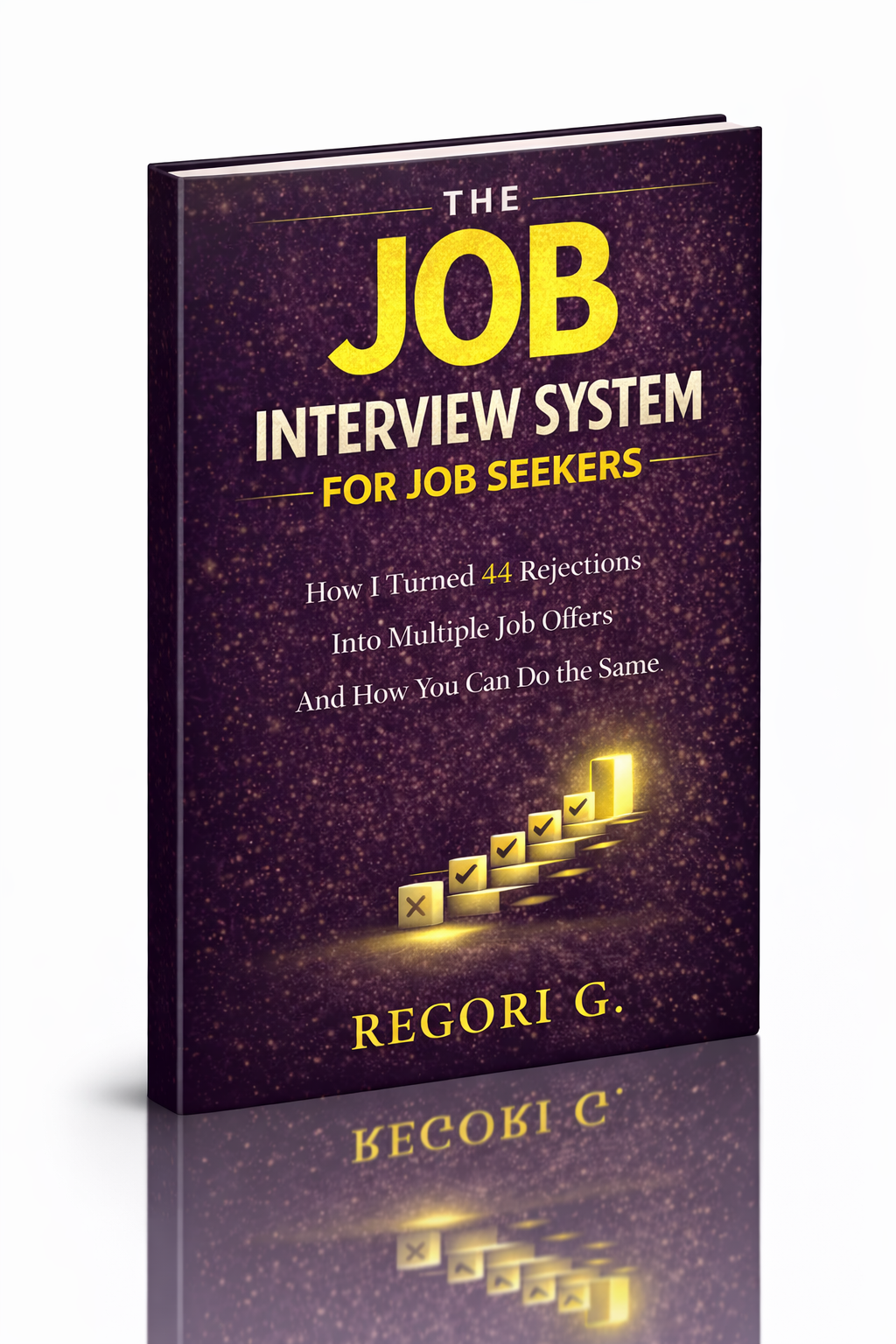
Guide 01
The Job Interview System
Step-by-step interview prep that turns nerves into confidence.
Get it →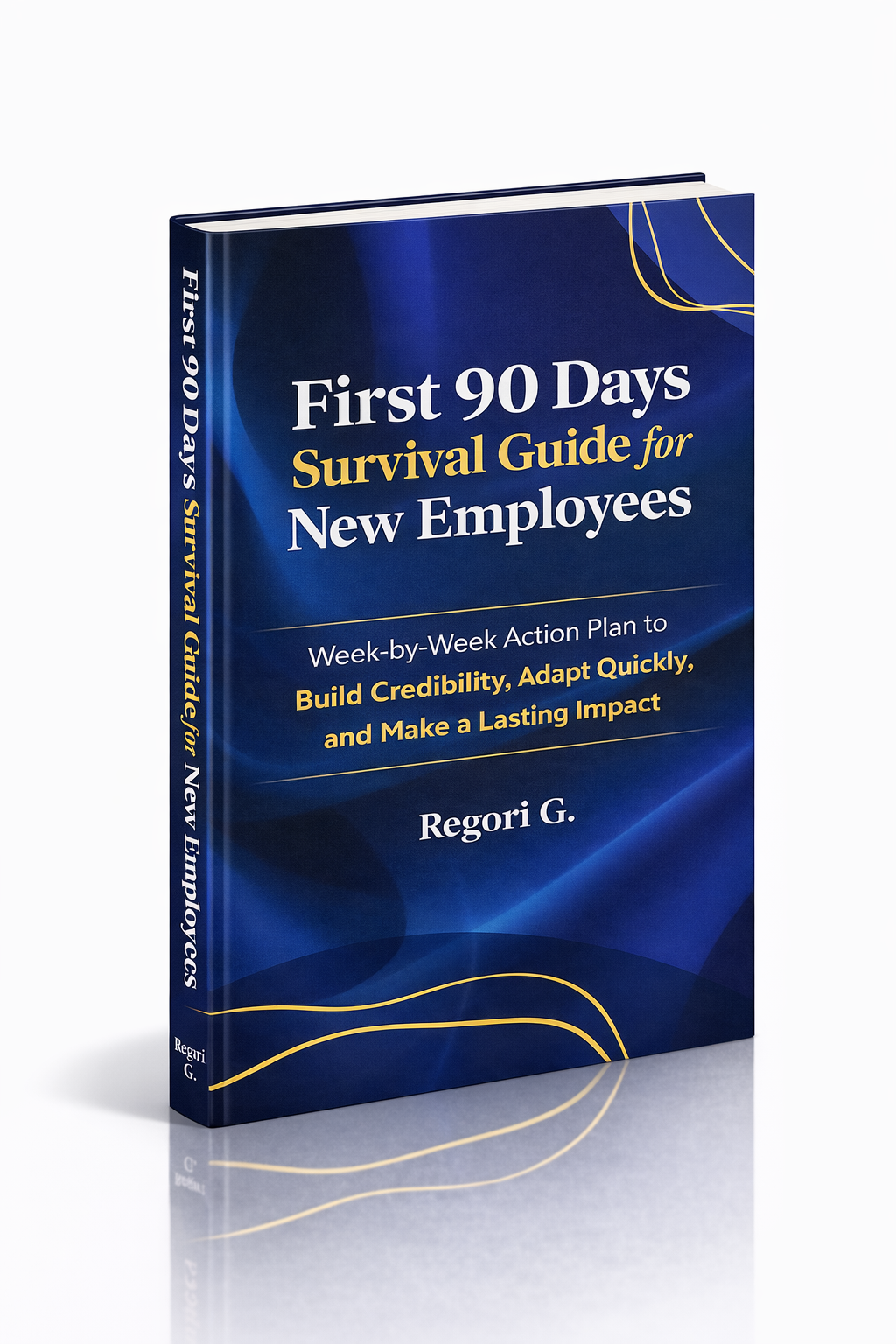
Guide 02
First 90 Days Survival Guide
Hit the ground running and make your mark from day one.
Get it →
Guide 03
Interview Success for Introverts
7 proven steps to shine in interviews — even if you hate the spotlight.
Get it →