

The 5 Interview Mistakes That Cost You the Job
What's silently killing your chances — and what top candidates do instead. Delivered instantly to your inbox.
No spam. Unsubscribe anytime. Privacy Policy & Terms
- Why "I'm a hard worker" destroys your chances
- What interviewers decide in the first 90 seconds
- How to handle tough questions with confidence
- The salary mistake almost every candidate makes
visit The Job Interview System for Job Seekers on Gumroad. A practical guide built for people who are serious about landing the job they want. For more interview guides, career tips, and job search resources, visit the Love PDF Guides home page.
How to Build Executive Presence as an Introvert
Building executive presence as an introvert can seem challenging, but it is entirely achievable with the right strategies. Executive presence is about how you project your leadership qualities and persona. It involves your confidence, communication style, and demeanor. Here are several actionable ways to enhance your executive presence without losing your natural introverted strengths.
Understand Your Strengths
As an introvert, you possess unique qualities that can contribute to your executive presence. These may include:
- Deep Listening: Introverts are often great listeners. This ability can help you build strong relationships and gain trust.
- Thoughtful Communication: You can offer clear, concise thoughts when you do speak, which is impactful in meetings.
- Reflection: Introverts tend to think before they act or speak, allowing for well-considered decisions.
Recognizing and leveraging these strengths can significantly enhance your presence in professional settings.
Enhance Your Communication Skills
Strong communication skills are essential for building executive presence. Here are some tips to improve your communication:
- Practice Public Speaking: Seek opportunities to speak in front of small groups—as your comfort grows, challenge yourself with larger audiences.
- Engage in Active Listening: Show engagement by nodding and providing feedback. This will help others see your confidence.
- Master Nonverbal Cues: Use eye contact and body language to communicate confidence even when feeling shy.
These communication skills can enhance your interactions and make a lasting impression.
Network Strategically
Networking is crucial for building executive presence. Here’s how to network effectively as an introvert:
- Set Clear Goals: Determine what you want from networking, whether it’s meeting new people or gathering insights.
- Use Social Media: Platforms like LinkedIn can be great for connecting with industry leaders without the pressure of face-to-face interaction.
- Attend Smaller Events: Participate in workshops or seminars with fewer participants to ease your networking process.
Successful networking can provide influential connections that enhance your executive presence.
Invest in Professional Development
Continual learning can elevate your executive presence. Consider the following:
- Seek Mentorship: Find mentors who can guide you in honing your leadership skills.
- Enroll in Leadership Programs: Look for programs that focus on building confidence and public speaking skills. Institutions like Coursera offer various courses on leadership.
- Read Leadership Books: Delve into books by successful leaders. They can provide insights on mastering executive presence.
Investing in your development will further boost your confidence and presence in organizations.
Cultivate a Personal Brand
Your personal brand reflects your values and strengths. To build it:
- Identify Your Unique Voice: What makes you distinct? Clarifying this can help strengthen your brand.
- Be Authentic: Stay genuine in your interactions. Authenticity attracts others.
- Showcase Your Expertise: Share knowledge through blogs or speaking engagements. Platforms like Medium can be an ideal place for sharing insights.
A strong personal brand can significantly contribute to your executive presence.
Building executive presence as an introvert is about leveraging your natural strengths while developing essential skills. By focusing on effective communication, strategic networking, professional development, and cultivating a personal brand, you can project confidence and leadership qualities. Remember, being an introvert is not a barrier but a unique trait that can enrich your executive presence.
The Importance of Non-Verbal Communication in Leadership
Effective leadership is not just about articulating a vision or developing strategies; it also heavily relies on non-verbal communication. This crucial aspect of communication encompasses body language, facial expressions, posture, and eye contact. Together, these elements convey confidence, authority, and empathy without requiring words. Understanding the importance of non-verbal communication can empower leaders to enhance their influence and foster a positive work environment.
Non-verbal cues often communicate more than verbal messages. For instance, a leader’s posture can significantly impact how they are perceived by their team. Standing tall, with shoulders back, exudes confidence and readiness to engage. On the other hand, slouching may indicate insecurity or lack of interest. Leaders must be conscious of their body language and ensure it aligns with their intended message. Here are some vital non-verbal communication elements that all leaders should master:
- Eye Contact: Engaging in eye contact helps build trust and establishes rapport. Leaders who make eye contact show attentiveness and respect for their audience.
- Facial Expressions: Appropriate facial expressions can enhance a leader’s message. A genuine smile can foster connection, while furrowed brows may signal concern or disapproval.
- Gestures: Hand movements can emphasize points, but they should be used sparingly. Overly animated gestures may distract from the message.
- Posture: How a leader carries themselves speaks volumes. Open posture, such as arms uncrossed, invites collaboration and openness.
- Proximity: The physical distance a leader maintains can convey different messages. Being too close may invade personal space, while being too far can signal detachment.
The impact of non-verbal communication extends beyond individual interactions. It plays a vital role in how leaders create and maintain organizational culture. In a workplace where leaders actively employ positive body language, employees often feel more valued and engaged. A study by the Harvard Business Review emphasized that charismatic leaders who exhibit confident non-verbal behavior can significantly motivate their teams and improve overall performance.
Moreover, leaders must also be aware of cultural differences in non-verbal communication. What may be accepted behavior in one culture might be considered offensive in another. For instance, maintaining eye contact is generally viewed as a sign of respect in many Western cultures, while it can be seen as confrontational in some Asian cultures. Thus, cultural sensitivity is crucial for effective communication in a diverse workplace.
| Cultural Differences in Eye Contact | Western Cultures | Asian Cultures |
|---|---|---|
| Respect and Engagement | Encouraged | Avoided |
| Confrontation | Neutral | Negative |
To develop robust non-verbal communication skills, leaders can take several actionable steps:
- Practice active listening. Focus on the speaker while maintaining an open posture.
- Record yourself during presentations to analyze body language and facial expressions.
- Solicit feedback from peers or mentors about your non-verbal cues.
- Engage in role-playing exercises to improve emotional expression through your body language.
- Educate yourself on cultural differences regarding non-verbal communication.
Ultimately, non-verbal communication is crucial for successful leadership. By mastering this skill, leaders not only enhance their ability to convey messages but also empower their teams to thrive in a positive environment. Resources such as Forbes provide valuable insights into non-verbal communication practices and tips for enhancing your leadership presence. Nurturing these skills can transform the way you lead, inspire, and connect with those around you.
Mastering Public Speaking: Strategies for Introverted Leaders
Public speaking can feel daunting, especially for introverted leaders. However, mastering this skill is crucial for effective leadership. Introverts often possess unique strengths, such as deep thinking and strong listening skills, that can enhance their public speaking abilities. Here are strategies to help you become a more confident and engaging speaker.
Understand Your Audience
One of the keys to successful public speaking is understanding your audience. Take time to learn who they are, what they care about, and what knowledge they seek. This knowledge can help you tailor your message, making it more engaging and relevant. Here are a few ways to gather audience insights:
- Surveys: Create surveys to gauge interests and knowledge levels.
- Social Media: Use platforms like LinkedIn to connect and observe their discussions.
- Networking: Engage in conversations to get a sense of what matters to them.
Leverage Your Strengths as an Introvert
Embrace the qualities that make you a strong candidate for public speaking. Introverts often have a wealth of knowledge and thoughtful ideas. Here’s how you can leverage these strengths:
- Deep Knowledge: Spend time researching your topic thoroughly. This will ensure you speak with authority.
- Empathy: Use your listening skills to connect emotionally with your audience.
- Clear Messaging: Focus on delivering concise and clear messages rather than trying to impress with complex vocabulary.
Practice Makes Perfect
One of the most effective ways to become a more confident public speaker is through consistent practice. Here are some methods you can use to hone your skills:
- Rehearsals: Practice your speech in front of a mirror or record yourself to identify areas for improvement.
- Public Speaking Groups: Join groups like Toastmasters International to gain valuable experience and receive constructive feedback.
- Small Gatherings: Begin by speaking in small, comfortable settings and gradually increase the group size.
Work on Your Body Language
Non-verbal communication plays a significant role in public speaking. Here are some body language tips for introverted leaders:
- Posture: Stand tall and open to project confidence.
- Eye Contact: Engage with your audience by making eye contact with different sections of the room.
- Gestures: Use natural hand gestures to emphasize points and keep the audience engaged.
Embrace Silence
Don’t rush through your presentation. Embracing silence can make a significant impact on your delivery. Pausing allows the audience to absorb your points and gives you a moment to collect your thoughts. Here’s how you can effectively use pauses:
- After Key Points: Pause briefly after making a significant statement to let it resonate.
- During Transitions: Use pauses to signal a shift in topics, guiding your listeners clearly.
- For Emphasis: A pause before a powerful statement can heighten its impact.
Seek Feedback
After any speaking engagement, seek constructive feedback to improve your skills. Here’s how to gather it effectively:
- Ask Colleagues: Gather insights from trusted individuals who attended your speech.
- User Feedback Forms: Create simple forms to understand audience takeaways.
- Self-Reflection: Review recordings of your speeches and note areas for personal improvement.
Utilize Online Resources
There are many valuable resources available online to assist you in honing your public speaking skills. Websites like Toastmasters and Inc. offer tips, videos, and forums that can guide you as you grow.
By implementing these strategies, you can navigate the challenges of public speaking with ease. Remember, every great speaker was once a beginner. Let your unique strengths as an introvert shine through, and you’ll connect with your audience in ways that profoundly impact your leadership journey.
Crafting Your Personal Brand as a Thought Leader
Establishing yourself as a thought leader requires a blend of authenticity, strategic communication, and proactive engagement. Your personal brand plays a crucial role in how others perceive you and, subsequently, how you influence your industry. Here are key strategies to help you craft a compelling personal brand.
Define Your Niche
The first step in building your personal brand is to identify your niche. Focus on what you are passionate about and where you possess deep knowledge. Ask yourself:
- What topics excite you the most?
- What unique perspective can you offer?
- Who is your target audience?
By clearly defining your niche, you will position yourself as an expert in that area. This targeted approach allows you to attract the right audience and engage meaningfully.
Develop Your Voice
Your voice is an essential component of your personal brand. It’s how you communicate your thoughts and ideas to the world. To cultivate a unique voice:
- Be authentic: Share your true self and experiences.
- Be consistent: Use the same tone across all platforms.
- Be relatable: Make your content accessible to your audience.
Your voice should resonate with your audience, drawing them in and inviting them to engage with your content.
Create Valuable Content
Content creation is fundamental to establishing yourself as a thought leader. Consider writing articles, producing videos, or participating in podcasts to share your insights. When creating content, focus on:
- Originality: Offer fresh perspectives rather than rehashing common ideas.
- Relevance: Ensure your content addresses current issues in your industry.
- Actionability: Provide practical tips that your audience can implement.
For inspiration on innovative content creation, check out Forbes for valuable insights.
Leverage Social Media
Social media platforms are powerful tools for expanding your reach and building your personal brand. To make the most of social media:
- Choose the right platforms: Focus on sites where your target audience is most active.
- Engage regularly: Respond to comments and participate in conversations.
- Share industry news: Position yourself as a go-to source for relevant updates.
Use platforms such as LinkedIn, Twitter, or Instagram to showcase your expertise and connect with your audience.
Network Strategically
Networking is critical in crafting your personal brand. Engage with other thought leaders in your field to broaden your influence. This can be achieved through:
- Attending industry events and conferences.
- Joining professional organizations related to your niche.
- Collaborating on projects or content with other influencers.
These connections not only provide you with support but also help you become more visible within your industry.
Be a Lifelong Learner
The landscape in every industry is constantly evolving. To maintain your status as a thought leader, commit to lifelong learning. This can include:
- Taking online courses in your area of expertise.
- Reading books and articles regularly to stay informed.
- Participating in webinars and workshops.
Your dedication to self-improvement will be evident to your audience, reinforcing your credibility.
Measure Your Impact
It’s essential to track the effectiveness of your branding efforts. Utilize tools to assess engagement, audience growth, and content performance. Consider these metrics:
- Website traffic and feedback.
- Social media engagement rates.
- Subscriber growth to newsletters or channels.
Regularly review this data and adjust your strategy accordingly to enhance your influence.
For additional strategies and resources on personal branding, explore Harvard Business Review. They offer in-depth insights into building a robust personal brand.
Leveraging Listening Skills to Enhance Influence
Listening is more than just a skill; it’s an art that can enhance your influence in both personal and professional environments. When you truly listen, you create an atmosphere of trust and respect, which in turn elevates your ability to persuade and connect with others. Here’s how you can leverage listening skills to broaden your impact.
Understanding Active Listening
Active listening involves fully concentrating on the speaker, understanding their message, responding thoughtfully, and remembering what was said. This practice not only helps you comprehend the information shared but also shows the speaker that you value their contributions. Here are the elements of active listening:
- Pay Attention: Show that you are interested through your body language. Nodding and maintaining eye contact encourages open communication.
- Show That You’re Listening: Use verbal affirmations such as “I see,” or “Go on,” to encourage the speaker.
- Provide Feedback: Reflect on what has been said by paraphrasing or summarizing key points to validate the speaker.
- Defer Judgment: Listen without making immediate judgments. This allows for an honest exchange of ideas.
- Respond Appropriately: Give constructive feedback and ask questions to encourage deeper discussion.
The Role of Empathy in Listening
Empathy is a vital component of effective listening. When you empathize with someone, you allow them to feel heard and understood. This can build emotional connections that make it easier for them to see your point of view. Here’s how empathy can enhance your influence:
- Builds Trust: When people feel understood, they are more likely to trust your opinions and advice.
- Encourages Honesty: An empathetic listener creates an environment where others feel safe to share their true thoughts and feelings.
- Facilitates Collaboration: Understanding different viewpoints can help teams work more effectively toward a common goal.
Asking Insightful Questions
Effective listeners don’t just hear words; they also ask the right questions to delve deeper into the conversation. By asking insightful questions, you demonstrate that you’re engaged and interested in understanding the speaker’s perspective. Here are examples of powerful questions to ask:
- What led you to this conclusion?
- Can you tell me more about that?
- How does this impact our goals?
Improving Your Emotional Intelligence
Your emotional intelligence plays a critical role in how you listen. Higher emotional intelligence can help you read non-verbal signals, manage your reactions, and respond more effectively. Consider the following strategies to enhance your emotional intelligence:
- Self-Awareness: Recognize your emotional triggers and responses to become a better listener.
- Self-Regulation: Practice controlling your reactions, especially during emotionally charged conversations.
- Social Skills: Work on developing rapport, which can enhance your ability to listen and influence.
The Benefits of Good Listening Habits
Embracing good listening habits can lead to numerous advantages. Not only does it make communication smoother, but it also enhances your influence in various situations. Consider these benefits:
- Improved Relationships: Strong listening fosters better interpersonal relationships.
- Greater Team Cohesion: Listening encourages collaboration, making teams more effective.
- Increased Credibility: When you listen well, people view you as a credible source of advice.
- Enhanced Problem Solving: Better understanding leads to more effective solutions.
To further explore the power of listening in enhancing influence, consider visiting Verywell Mind for insights on emotional intelligence and listening. Additionally, the Forbes HR Council provides valuable tips on workplace listening strategies that can elevate your influence.
Mastering the art of listening not only enriches your understanding but also significantly boosts your capacity to influence those around you. By incorporating these skills into your daily routine, you create a more engaging, collaborative, and trusting environment. Remember, the more you invest in listening, the greater your influence will become.
Building Confidence to Share Your Ideas Effectively
Effective communication is crucial in any setting, whether at work, in social situations, or during presentations. However, many people struggle to share their ideas confidently. If you’re looking to build confidence and effectively share your thoughts, you’re in the right place. Here are some tested strategies to boost your confidence when presenting your ideas.
Understanding Your Ideas
The first step to sharing your ideas effectively is to fully understand them. Take the time to clarify your thoughts before presenting them. Ask yourself:
- What is the main message I want to convey?
- Why is this idea important?
- Who will benefit from this idea?
When you have a clear understanding of your ideas, you will feel more confident in communicating them. Consider jotting down your thoughts on paper or discussing them with a trusted friend or colleague to gain further clarity.
Practice Makes Perfect
One of the most effective ways to build confidence is through practice. Prepare yourself by:
- Rehearsing your message multiple times.
- Practicing in front of a mirror.
- Gathering a small group to present your idea and soliciting their feedback.
Using these methods, you can identify areas that need improvement and strengthen your delivery. The more you practice, the more comfortable you will become.
Body Language and Non-Verbal Cues
Your body language plays a significant role in how your message is received. Good posture, eye contact, and appropriate hand gestures can enhance your confidence and the clarity of your ideas. Try to:
- Maintain an open posture; avoid crossing your arms.
- Make eye contact with your audience to engage them.
- Use hand gestures to emphasize key points, but ensure they enhance rather than distract.
Being aware of your non-verbal cues can deeply influence your ability to convey ideas effectively.
Managing Anxiety
It’s normal to feel anxious before sharing your ideas. To manage this anxiety, consider the following techniques:
- Practice deep-breathing exercises before your engagement.
- Visualize a successful presentation where your ideas are well-received.
- Shift your focus from yourself to your audience and their needs.
Understanding that some level of anxiety is expected can help you regain control and express your ideas with confidence.
Seek Feedback and Learn
After sharing your ideas, seek constructive feedback. Use a feedback form or have informal discussions with your colleagues. Asking questions like:
- What did you think of my presentation?
- How could I improve next time?
This will not only help you identify your strengths and weaknesses but also show that you’re committed to continuous improvement. Embrace the feedback with an open mind and apply what you learn moving forward.
Celebrate Your Wins
Each time you share an idea, celebrate that accomplishment, no matter how big or small. This could involve treating yourself to something you enjoy or reflecting on how far you’ve come in building your confidence. Recognizing your achievements reinforces your ability to share ideas and motivates you to push further.
Consider Professional Resources
To further improve your skills in sharing ideas, consider leveraging various resources:
- Books about communication can provide valuable insights.
- Online courses, such as those found on Coursera, can enhance your skills.
- Workshops focusing on public speaking can allow for hands-on practice.
Utilizing these resources can provide guided instruction as you work to develop your confidence.
Building confidence to share your ideas effectively is a gradual process that requires patience and persistence. By following these strategies, you can improve not only your communication skills but also your overall confidence in both personal and professional settings. Remember, every step taken is progress made, and your voice deserves to be heard.
For further information and resources, you can explore Toastmasters, a platform dedicated to enhancing public speaking skills through supportive environments.
Networking Tips for Introverts in Corporate Environments
Networking can feel daunting for many, especially introverts who thrive in quieter environments. Yet, building connections is key to career success in corporate settings. Here are some practical tips tailored for introverts to navigate networking efficiently and effectively.
Start Small
When approaching networking, begin with smaller gatherings. Choose events with fewer attendees or those that focus on specific interests relevant to your job. This creates a more manageable environment. You might want to consider:
- Team meetings.
- Lunch-and-learn sessions.
- Industry workshops.
These settings allow for meaningful interactions without overwhelming social dynamics.
Utilize Online Platforms
In today’s digital age, online networking can be less intimidating. Platforms like LinkedIn provide opportunities to connect professionally without the pressures of face-to-face communication. Here are some steps to leverage online networking:
- Create a polished LinkedIn profile that highlights your skills and experiences.
- Join relevant industry groups and participate in discussions.
- Engage with posts by commenting thoughtfully.
This online presence can lead to invitations for offline meetings when you’re ready.
Prepare Conversation Starters
Having a few conversation starters ready can make interactions smoother. Think of questions or topics that are both interesting and related to your field. Here are some effective examples:
- “What projects are you currently excited about?”
- “How did you get started in this industry?”
- “What do you think about the recent trends in our field?”
These prompts can ignite meaningful conversations and help ease the pressure of coming up with spontaneous topics.
Practice Active Listening
As an introvert, you might find it easier to listen rather than dominate conversations. Use this to your advantage. When engaging with others, focus on their words and ask follow-up questions. This shows that you’re invested in their thoughts and can foster stronger connections.
Set Networking Goals
Having clear objectives can assist in managing your networking efforts. Start with achievable targets, such as:
- Attend two networking events each month.
- Connect with one new person each week on LinkedIn.
- Schedule monthly coffee chats with colleagues or industry contacts.
These goals will give you a framework to build your network progressively.
Leverage One-on-One Meetings
One-on-one settings can be less overwhelming, allowing you to establish deeper connections. Aim to arrange meetings with colleagues or industry professionals either over coffee or via video calls. This approach is often more comfortable and can lead to fruitful discussions about shared interests and career aspirations.
Follow Up, Don’t Hesitate
After meeting someone, send a warm follow-up email or message to express your appreciation for the conversation. Mention something specific you discussed to jog their memory. A thoughtful follow-up can leave a lasting impression and open the door for future interactions.
Build on Existing Relationships
Knowing someone already makes networking easier. Use your current connections to expand your network. Ask your colleagues to introduce you to their contacts, and vice versa. Attending social events together can help bridge the gap between you and potential new connections.
Practice Regularly
Like any other skill, networking takes practice. Set aside time to work on your networking abilities regularly. Participate in workshops or join clubs that encourage networking. The more you practice, the more comfortable you will become.
Becoming an effective networker as an introvert is entirely possible. By utilizing these strategies, you will find that building relationships can be a rewarding experience, enhancing both your professional growth and personal development. For more insights tailored to introverts seeking networking tips, visit Forbes Coaches Council.
Your voice matters. As you hone your networking skills, remember that your unique approach and perspectives can add valuable insights to any conversation. Embrace your strengths, and let your connections flourish.
Key Takeaway:
Building executive presence as an introvert can seem daunting, but it is entirely achievable with the right mindset and strategies. The essence of executive presence lies not just in what you say, but how you communicate it. Non-verbal cues—like body language, eye contact, and facial expressions—play a crucial role in leadership. These cues help convey confidence and authenticity. For introverts, mastering these non-verbal elements can create a stronger impact when presenting ideas or leading teams, helping to establish their leadership style that resonates with others.
Public speaking can be a significant hurdle for introverted leaders, but employing practical strategies can make it less intimidating. Practicing in low-pressure environments can enhance your comfort level, while techniques such as storytelling can help engage your audience. Prioritizing clarity and brevity will also ensure that your points come across powerfully without overwhelming yourself or the listeners.
Personal branding is key to establishing yourself as a thought leader. Define what you stand for, your expertise, and how you wish to be perceived. Consistently sharing insights through various platforms can elevate your visibility and position you as an authority in your field. It’s essential for introverts to embrace their unique perspectives as they contribute significantly to the dialogue in their organizations.
Listening skills are a secret weapon for introverts. By actively listening, you can better understand others’ perspectives, fostering deeper connections and encouraging open dialogue. This not only enhances your influence but also positions you as a thoughtful leader who values the input of team members.
Building confidence is pivotal to sharing ideas effectively. Start with small, manageable steps, and gradually increase your exposure in social settings. As you engage more, you’ll cultivate a sense of belonging and assurance in your contributions.
Networking doesn’t have to be overwhelming. Introverts should focus on quality over quantity. Building meaningful relationships with a few key individuals can lead to more valuable connections than superficial exchanges. Attend events that align with your interests and approach networking as a chance to learn rather than merely as a task.
Introverts can build a strong executive presence by leveraging their unique traits, mastering non-verbal communication, honing public speaking skills, crafting a personal brand, and engaging meaningfully with others. By embracing these strategies, introverts not only enhance their own leadership aura but contribute to a more diverse and robust leadership landscape.
Conclusion
Building executive presence as an introvert is not only possible but can be a distinct advantage in today’s leadership landscape. Embracing your unique qualities while enhancing your skills in non-verbal communication and public speaking can set you apart as a leader. Remember, leadership isn’t just about speaking loudly; it’s also about conveying confidence and clarity through body language, tone, and demeanor.
As you craft your personal brand as a thought leader, focus on authenticity. Your passion and expertise will naturally attract others, and sharing your insights can inspire and influence your colleagues. Effective listening is another essential skill; it fosters deeper connections and demonstrates your respect for others’ viewpoints, which can exponentially increase your influence in both formal and informal settings.
Building confidence takes time, but you can start by preparing thoroughly for discussions and presentations. Small achievements can reinforce your self-esteem, helping you find your voice. Networking may feel daunting, but by approaching it with an open mindset, you can make meaningful connections that can help elevate your career. Use your natural strengths as an introvert to form genuine relationships that go beyond the surface.
Ultimately, executive presence is about being authentic, confident, and impactful in all your interactions. By honing these skills, introverts can not only thrive in leadership roles but also redefine what it means to be influential in corporate environments. Remember, your introverted nature can be your superpower. Embrace it, and step boldly into your role as a leader.
Your Next Chapter
Starts with the Right Guide
Three straight-talking PDF guides to help you win interviews, beat the first 90 days and thrive as an introvert. Instant download on Gumroad.

Guide 01
The Job Interview System
Step-by-step interview prep that turns nerves into confidence.
Get it →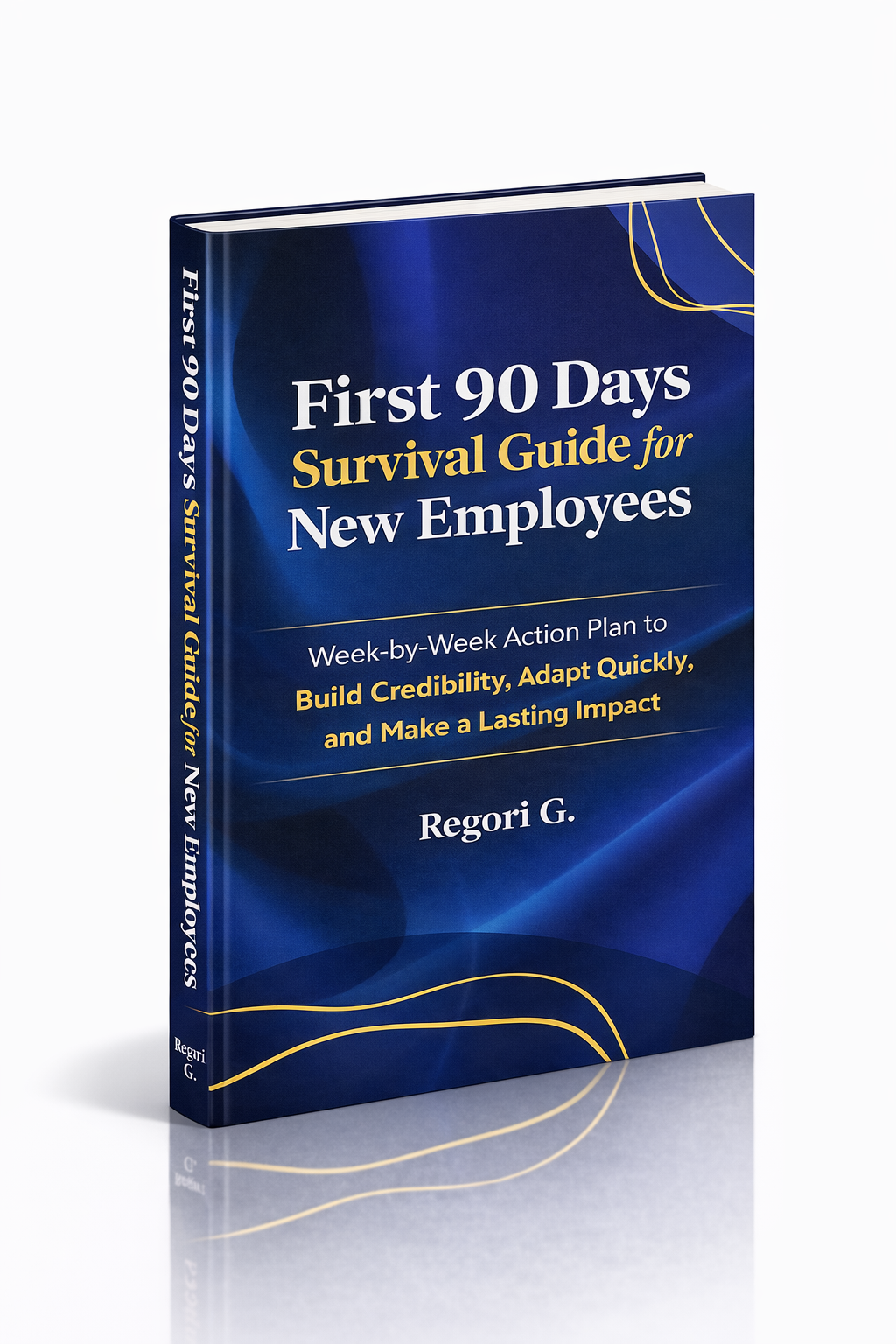
Guide 02
First 90 Days Survival Guide
Hit the ground running and make your mark from day one.
Get it →
Guide 03
Interview Success for Introverts
7 proven steps to shine in interviews — even if you hate the spotlight.
Get it →