

The 5 Interview Mistakes That Cost You the Job
What's silently killing your chances — and what top candidates do instead. Delivered instantly to your inbox.
No spam. Unsubscribe anytime. Privacy Policy & Terms
- Why "I'm a hard worker" destroys your chances
- What interviewers decide in the first 90 seconds
- How to handle tough questions with confidence
- The salary mistake almost every candidate makes
How to Handle Not Knowing What Career You Want After University
Finishing university can be a thrilling yet confusing time in your life. You’ve achieved a significant milestone, but the next step can feel daunting, especially if you don’t know what career you want. Here are some strategies to help you navigate this uncertainty and find a fulfilling path.
Reflect on Your Interests and Skills
The first step is to take a moment to reflect. What subjects did you enjoy most during your studies? What skills did you excel at? Think about activities you’re passionate about outside of school. Identifying your interests can lead to potential career paths that suit you.
Consider a Gap Year or Internships
If you’re uncertain about diving into a career immediately, consider taking a gap year. This time can be used for travel, volunteering, or gaining work experience through internships. Internships can provide valuable insights into various industries and roles, helping you determine what you enjoy.
- Travel to gain cultural experience and broaden your perspective.
- Volunteer to explore different fields and meet new people.
- Pursue internships that align with potential career interests.
Network and Seek Mentorship
Connecting with professionals in fields that intrigue you can offer a wealth of information. Attend career fairs, alumni events, and networking sessions. These interactions can clarify what career roles exist and how to prepare for them. Finding a mentor can also provide guidance and support as you navigate your options.
Conduct Informational Interviews
Consider reaching out to professionals for informational interviews. These are casual conversations where you can learn about their career paths, daily tasks, and industry insights. This strategy can help you gather valuable information about various careers without the pressure of applying for jobs.
Utilize Career Services at Your University
Your university likely offers career services, including counseling, resume workshops, and job search assistance. Take advantage of these resources. They can provide tailored advice to help you explore career options based on your academic background and interests.
Some services may even offer personality assessments that can guide you towards suitable career options. Using tools such as the Myers-Briggs Type Indicator or Holland Code can provide insight into what professions might align with your personality and skills.
Consider Further Education or Certifications
If you have a specific career in mind but lack certain qualifications, further education may be necessary. Research programs that align with your interests and goals. Certifications can also boost your resume and show potential employers you’re committed to professional growth. Websites like Coursera and edX offer online courses that can enhance your skills.
Explore Different Industries
Sometimes, the career you envision may not exist in the way you think. Explore various industries that interest you. Look into roles in sectors you may not have considered, as many skills are transferable. Your unique combination of education and interests can fit into niche job markets you hadn’t thought of before.
Stay Flexible and Open-Minded
As you navigate the job market, it’s essential to remain flexible and open-minded. The world of work is ever-changing, and being adaptable can lead to unexpected opportunities. Accept that it’s okay to shift gears if something isn’t a fit. Embrace the journey of discovering what career will suit you best.
Set Realistic Goals
When you don’t know what career you want, setting small, manageable goals can help keep you motivated. Consider the following:
| Goal | Action Steps |
|---|---|
| Research potential careers | Spend 30 minutes a week exploring roles online |
| Network with professionals | Attend one networking event a month |
| Gain more experience | Apply for at least three internships |
Finding the right career may take time and experimentation. Be patient with yourself as you explore various options. Your unique skills and interests will lead you to a fulfilling career path.
Remember, you are not alone in this journey. Many graduates feel the same way, and there are resources and people ready to support you. For more advice on career exploration, consider visiting The Balance Careers or Fastweb.
Exploring Your Interests: Finding Your Passion
Finding your passion can feel like a daunting task, especially when you’re faced with the pressure to choose a career path after university. However, exploring your interests is a great way to identify what truly excites you and eventually leads to a fulfilling career. This journey of self-discovery is not only crucial for your job satisfaction but also enhances your overall quality of life. Here are several actionable steps to help you pinpoint your interests and discover your passion.
Self-Reflection
The first step to understanding your interests is self-reflection. Consider the following questions to guide your thinking:
- What subjects did I enjoy in school or university?
- What activities make me lose track of time?
- What do I like to do in my free time?
- When have I felt proud of my accomplishments?
- What challenges have I enjoyed overcoming?
Take time to write down your answers. This way, you can identify patterns that reveal your major interests.
Experiment with New Activities
Sometimes, you may not know what really excites you until you try new activities. Engage in different hobbies, volunteer, or attend workshops in various fields. Here are a few ideas:
- Join a coding boot camp to explore technology.
- Partner with local charities for community service opportunities.
- Enroll in a painting or music class to unleash your creativity.
By stepping out of your comfort zone, you may stumble upon a hidden passion that guides your career choice.
Networking and Seeking Guidance
Connecting with professionals in various industries can provide you with insights into different careers. Reach out to alumni from your university, attend career fairs, or engage with professionals on platforms like LinkedIn. Consider conducting informational interviews to gain a deeper understanding of what a day in the life of different jobs looks like. Be sure to ask about:
- Their journey to their current position
- Skills they think are essential for success
- Challenges they faced along the way
These conversations can significantly widen your perspective.
Personality Assessments and Interest Inventories
Consider taking personality assessments such as MBTI or interest inventories like the Holland Code. These tools are designed to help you understand your strengths, preferences, and suitable career paths. Websites like 16 Personalities offer free tests that can clarify your inclination toward certain careers.
Learning About Different Fields
Research various industries to see what aligns with your personal interests. Understanding emerging trends can also open doors to careers you might not have considered. Explore sectors like:
- Technology
- Healthcare
- Creative arts
- Education
- Non-profit organizations
Many fields offer diverse opportunities, so look into them thoroughly to identify those that resonate with you.
Setting Realistic Goals
After identifying potential interests and passions, start setting realistic short-term and long-term goals. Construct a plan to bridge the gap between where you are now and where you want to be. Your goals might include:
- Securing internships in fields of interest
- Joining related clubs or associations
- Taking online courses for skill development
Breaking down your ambition into smaller, manageable goals makes the larger goal less intimidating.
Stay Open to Change
It’s essential to remember that finding your passion is often a dynamic process. Your interests can evolve over time, and that’s perfectly okay. Regularly assess your progress and adapt your goals as necessary. Being flexible allows you to embrace new opportunities, making your journey richer and more fulfilling.
Your path to discovering your passions is uniquely your own. By engaging in self-reflection, trying new activities, and seeking guidance, you can gain clarity about your interests. Don’t hesitate to explore various fields and remember that your career is a marathon, not a sprint.
For additional resources on exploring interests and career options, visit Career Exploration for comprehensive guides and assessments. You can also find helpful information on The Balance Careers to further guide your journey.
Building Transferable Skills During University
Transitioning from university to the workforce can be a daunting experience for many students. While academic knowledge is important, building transferable skills is equally crucial. These skills not only enhance your employability but also prepare you for various roles in multiple fields. Here are various strategies to help you develop these essential skills during your time at university.
Communication Skills
Effective communication is vital in nearly every career. Whether it’s writing reports or delivering presentations, honing your ability to express ideas clearly is key. You can enhance your communication skills through:
- Group Projects: Collaborating on group assignments helps you practice clear communication.
- Public Speaking: Join clubs like Toastmasters or participate in class debates to gain confidence in sharing your thoughts.
- Writing Workshops: Attend workshops through your university writing center to sharpen your writing abilities.
Problem-Solving Skills
In any job, you’ll likely face challenges requiring critical thinking. Developing strong problem-solving skills can set you apart. Here’s how you can improve in this area:
- Case Studies: Engage with case studies from your coursework to analyze and propose solutions.
- Internships: Work experiences provide real-world scenarios where you can practice solving practical problems.
- Extracurricular Activities: Join clubs that require strategizing and finding solutions to challenges.
Time Management
Balancing coursework, social life, and possibly a job can be overwhelming. Mastering time management is essential for success. Here are some tips:
- Use a Planner: Keep track of deadlines, meetings, and events in a planner to stay organized.
- Set Priorities: Identify your most important tasks daily to tackle what matters most first.
- Break Tasks Down: Decompose large projects into smaller, more manageable tasks to avoid feeling overwhelmed.
Adaptability
The work environment is continuously evolving, and your ability to adapt can make a significant difference. To cultivate adaptability, consider:
- Embrace New Technologies: Stay updated with tech tools relevant to your field to enhance your adaptability.
- Seek Diverse Experiences: Engage in internships or volunteer work in different settings to broaden your perspective.
- Be Open to Feedback: Accepting constructive criticism will help you adjust your methods and improve your skills.
Networking Skills
Building a professional network is vital for career growth. It opens doors to opportunities and valuable insights. Here’s how to network effectively:
- Attend University Events: Join campus career fairs and networking events to meet industry professionals.
- Connect on Social Media: Use platforms like LinkedIn to reach out to alumni and professionals in your field.
- Informational Interviews: Request meetings with professionals to learn about their career paths and insights.
Leadership Skills
Even if you don’t hold a formal leadership position, you can still develop leadership skills. Here are some strategies:
- Take Initiative: Volunteer to lead group projects to build confidence and experience.
- Join Student Organizations: Participate in clubs and societies where you can take on leadership roles.
- Mentorship: Seek mentorship opportunities to learn from leaders and develop your own style.
Focusing on building transferable skills during university doesn’t just prepare you for your first job; it equips you for your entire career. The hard and soft skills you develop will serve as a foundation for success throughout your professional journey.
For more insights on transferable skills and career development, visit The Balance Careers or CareerCast for additional resources.
The Importance of Networking in Career Exploration
In today’s job market, the advantages of networking during career exploration are significant. Building connections can give you insights into various industries, assist you in discovering job opportunities, and ultimately guide you toward your ideal career path. Understanding why networking is essential can empower you to leverage relationships for your professional growth.
The Benefits of Networking
Networking isn’t just about finding a job; it offers numerous advantages that can aid in your career exploration:
- Access to Hidden Job Markets: Many positions are never advertised. By networking, you can learn about opportunities before they become public knowledge.
- Industry Insights: Engaging with professionals in your fields of interest allows you to gain invaluable insights into industry trends, demands, and challenges.
- Mentorship Opportunities: Networking can connect you with seasoned professionals who can provide guidance, advice, and share their experiences.
- Skill Development: Attending industry events and workshops can help you improve your professional skills and stay current.
How to Build Your Network
Starting your networking journey doesn’t have to be intimidating. Here are some actionable strategies to help you build an effective network:
1. Attend Networking Events
Look for industry conferences, seminars, or local meetups relevant to your career interests. Platforms like Eventbrite can help you find events in your area. Engage in conversations and exchange contact information.
2. Utilize Social Media Platforms
LinkedIn is one of the most powerful tools for professional networking. Create a strong profile that showcases your skills, interests, and experiences. Join relevant industry groups and participate in discussions to expand your visibility and connect with like-minded individuals.
3. Informational Interviews
Request informational interviews from professionals in fields you’re interested in. This not only provides insights into various careers but also strengthens your networking connections. Use email or LinkedIn to reach out, and express your admiration for their work while asking for a brief chat.
4. Follow Up
After meeting someone new, always send a thank-you note or email. This simple gesture reinforces the connection and keeps the door open for future communication.
Networking Etiquette
Understanding and applying proper networking etiquette can make a significant difference in how you are perceived by others. Below are some tips to keep in mind:
| Etiquette Tip | Description |
|---|---|
| Be Genuine | Always approach networking as an opportunity to learn and connect, rather than just as a means to an end. |
| Listen Actively | Pay attention when others speak; this builds rapport and shows you value their time and insights. |
| Be Respectful of Time | Whether in person or virtual meetings, be concise and respectful of others’ time limits. |
| Share Knowledge | Don’t hesitate to share your own insights or resources that could benefit your connections. |
Maintaining Your Network
Building a network is just the beginning; maintaining those relationships is equally important. Regularly check in with your contacts, share relevant articles, or invite them to events to keep your connection alive. By nurturing these relationships, you’ll create a strong support network that aids you throughout your career exploration.
Networking provides an invaluable avenue for career exploration after university. It’s about creating a community of individuals who can support and guide you as you navigate the uncertain waters of the job market. For more insights on career networking, check out this Forbes article, which discusses the extensive benefits of networking during and after your education.
Taking the time to network effectively can set you apart in a competitive job market. Don’t hesitate – start building those connections today!
Taking Career Assessments: Tools to Discover Your Path
Choosing the right career path can feel overwhelming, especially after finishing university. Many graduates find themselves unsure about their next steps. Taking career assessments can be an effective way to clarify your interests and guide you toward the right job for you.
Career assessments come in various forms, including personality tests, skills evaluations, and interest inventories. Each tool serves to highlight your strengths and likes, helping you to identify suitable career options. Below are some of the most popular career assessment tools:
- Myers-Briggs Type Indicator (MBTI): This assessment categorizes you into one of 16 personality types. Understanding your type can help you see how you relate to others and in what environments you thrive. More on MBTI can be found at myersbriggs.org.
- Strong Interest Inventory: This tool compares your interests with those of people working in various professions. It suggests careers you might enjoy based on your responses. Visit apa.org for more details.
- CliftonStrengths: Focused on your strengths rather than weaknesses, this assessment can provide insights into areas where you excel, allowing you to pursue careers that harness these strengths. You can learn more at gallup.com.
- Holland Code (RIASEC): This assessment identifies your dominant career interests within six categories: Realistic, Investigative, Artistic, Social, Enterprising, and Conventional (RIASEC). By identifying your primary categories, you can explore careers that align with your personality.
While taking any of these assessments, it’s essential to approach the results with an open mind. The outcome is not a definitive answer, but rather a guide. Here are some tips to make the most out of your assessment results:
- Reflect on Your Results: Spend some time thinking about how the results resonate with your experiences and feelings. Do they highlight aspects of yourself you hadn’t considered before?
- Research Suggested Careers: Use your results as a starting point. Research the careers that align with your interests and strengths to get a better idea of what they entail.
- Network with Professionals: Reach out to people in the careers you’re exploring. Ask them about their daily tasks, challenges, and rewards in their roles. This firsthand knowledge can be very enlightening.
- Consider Further Education or Training: Depending on your assessments, you may find that certain careers require additional certifications or skills. Investigate what you need to achieve your goals.
While career assessments can provide valuable guidance, remember that they are just one piece of the puzzle. Personal experiences, internships, and even your hobbies can offer insight into what you might enjoy. It can also be helpful to gain hands-on experience through internships or part-time jobs related to your fields of interest.
Another important aspect to remember is that career paths can change. What you find exciting and fulfilling now may evolve over time as your interests and skills develop. Keeping an open mind and staying adaptable will serve you well in your journey. Additionally, many universities offer career counseling services where professionals can help interpret your assessment results more closely. This can be a beneficial step for gaining clarity on your direction.
| Assessment Tool | Focus Area | Where to Find More |
|---|---|---|
| Myers-Briggs Type Indicator | Personality Types | myersbriggs.org |
| Strong Interest Inventory | Interests | apa.org |
| CliftonStrengths | Strengths | gallup.com |
| Holland Code (RIASEC) | Career Interests | N/A |
Taking career assessments can be a powerful step in determining your career path post-university. By understanding your personality, interests, and strengths, you can navigate your options more effectively and confidently explore the career choices that will bring you fulfillment.
Gaining Work Experience Through Internships and Volunteering
Gaining work experience is vital for students and recent graduates navigating their career paths. You might wonder how to stand out in a competitive job market or figure out what interests you in your field. Internships and volunteering can be powerful tools for personal and professional growth that can make a significant difference.
Internships provide a unique opportunity to gain hands-on experience and a deeper understanding of your desired industry. These positions, often temporary, can be paid or unpaid and typically involve working closely with professionals to learn about daily operations. By participating in an internship, you not only build your resume but also network with industry insiders who can offer guidance and potential job leads in the future.
Volunteering can complement internships by allowing you to explore different sectors while doing meaningful work. Through volunteering, you gain experience without the pressure of a traditional job, offering a chance to try various roles or industries. Moreover, it provides valuable insights that can help you determine what you enjoy and excel at.
Benefits of Internships
- Real-World Experience: Internships allow you to apply what you’ve learned in class to real-world situations, reinforcing your knowledge.
- Networking Opportunities: Building relationships with professionals in your field can lead to future job offers or recommendations.
- Skill Development: Interns develop essential skills, whether technical, administrative, or interpersonal, which are critical for any career.
- Resume Boost: Employers often prefer candidates with practical experience, making internships an attractive addition to your resume.
Benefits of Volunteering
- Broadened Perspectives: Volunteering exposes you to different cultures and communities, broadening your understanding of diverse perspectives.
- Soft Skills Enhancement: Communication, teamwork, and problem-solving are often honed through volunteer work, beneficial no matter the career.
- Industry Exploration: Volunteering in various sectors can help you identify your passions, guiding you to your ideal career path.
- Community Impact: You make a positive difference in your community while gaining experience, which adds depth to your professional profile.
Now that you understand the benefits of internships and volunteering, how can you find these opportunities? Here are some effective strategies to consider:
Finding Opportunities
- University Career Services: Many universities offer resources to connect students with internship and volunteer opportunities.
- Networking: Reach out to professionals in your field via platforms like LinkedIn. Attend industry events or informational interviews to discover hidden opportunities.
- Online Job Boards: Websites such as Internships.com and Idealist.org list numerous opportunities for internships and volunteer work.
- Social Media: Follow organizations you are interested in on social media. Many companies post internship and volunteer openings there.
Making the Most of Your Experience
Once you’ve secured an internship or volunteer position, maximizing the experience is key. Here are some tips:
- Set Goals: Before starting, set clear goals for what you want to achieve during your internship or volunteer stint.
- Ask Questions: Don’t hesitate to seek clarity or insights from supervisors and colleagues. This shows eagerness to learn.
- Seek Feedback: Regularly ask for feedback to improve and understand areas where you excel or need more work.
- Document Your Achievements: Keep a record of your accomplishments and skills gained to showcase in future job applications.
Ultimately, internships and volunteering are fantastic ways to prepare for your career. Don’t shy away from these opportunities just because you’re unsure of your path. Instead, dive in, learn, and flourish. This experience will not only guide you toward your future career but also make you a more well-rounded candidate when it comes time to apply for jobs.
For more resources on internships and volunteering, you can explore sites like CareerBuilder and VolunteerMatch to discover additional opportunities relevant to your interests.
Creating a Flexible Career Plan for Uncertainty
Graduating from university is an exciting milestone, but it can also be a confusing time, especially if you’re uncertain about your career path. It’s essential to create a flexible plan that allows you to explore your options without feeling trapped by decision-making. Here’s a roadmap to help you navigate this period of uncertainty and craft a career direction that suits your interests and skills.
Self-Assessment: Understand Your Interests and Values
Start your journey by assessing your skills, interests, and values. This awareness can guide you toward careers that resonate with you. Here are several steps to help you with self-assessment:
- Identify Your Strengths: Write down things you excel at or enjoy doing. Think about both academic and extracurricular activities.
- Consider Your Passion: What subjects or projects excite you? Your passions can be clues to potential career paths.
- Values Matter: Define what is essential for you in a job (e.g., flexibility, social impact, creativity). This will help narrow down your options.
Explore Career Options: Research and Network
Once you have a clearer sense of your interests, the next step is to research potential careers. This discovery process can be enlightening. Consider these methods:
- Conduct Informational Interviews: Reach out to professionals in industries of interest. Asking them about their daily tasks can provide valuable insights.
- Attend Career Fairs: These events are excellent opportunities to connect with employers and learn about various roles available in the market.
- Utilize Online Resources: Websites like Bureau of Labor Statistics offer extensive information on different professions, including job outlooks and salary ranges.
Building Skills: Gain Experience and Knowledge
It’s essential to build a solid skill set that can adapt to various career routes. Here are some practical ways to gain experience:
- Internships: Completing internships allows you to gain hands-on experience in a field while also building your resume.
- Volunteer Work: This can be a great way to explore potential careers and meet new people in your area of interest.
- Online Courses: Platforms like Coursera or Udemy offer courses that can be beneficial for skill-building.
Creating a Flexible Career Plan
With insights and skills in hand, it’s time to formulate a career plan that is adaptable. Follow these steps to ensure your plan caters to your evolving interests and opportunities:
- Set Short-Term Goals: Focus on immediate objectives, like securing an internship or completing a course within the next six months.
- Develop Long-Term Aspirations: Think about where you want to be in five or ten years, but stay open to altering these goals as you gain experience.
- Regularly Review and Adjust: Your career plan should be a living document. Schedule regular check-ins to reflect on your progress and modify your goals as needed.
Stay Open-Minded: Embrace Uncertainty
It’s crucial to embrace the unexpected in your career journey. Not having a fixed job title right after university doesn’t mean you can’t be successful. Here are a few tips to cultivate an adaptable mindset:
- Be Curious: Explore new opportunities and industries. Sometimes the best careers are those you never considered initially.
- Practice Resilience: Rejection and setbacks are part of the process. Staying resilient will push you to continue searching for the right fit.
- Stay Flexible: Be willing to pivot your plan or explore industries that you didn’t think of initially.
Navigating the career landscape after university requires patience and adaptability. By assessing your strengths, networking, building necessary skills, and creating a flexible plan, you can successfully tackle uncertainties. Remember, your career path is not always linear, and that’s perfectly okay. The key is to remain curious and open to opportunities as they arise, allowing you to create a fulfilling career journey that reflects your values and interests.
Key Takeaway:
Navigating life after university can feel daunting, especially when you find yourself in a situation where you don’t know what career path to pursue. It’s perfectly normal to feel lost at this point, as many graduates share similar experiences. However, understanding how to handle not knowing what career you want can help you move forward with confidence and clarity.
First and foremost, take the time to explore your interests. This is your opportunity to reflect on what truly excites you. Engage in activities that spark your enthusiasm, join clubs, or delve into projects related to your hobbies. Assessing your passions can ultimately guide you toward a career that aligns with your values and interests.
While exploring options, remember to build transferable skills during your university years. Skills such as communication, teamwork, and problem-solving are vital in nearly every profession. Look for courses, workshops, or extracurricular activities that help you develop these skills, giving you a competitive edge in the job market.
Networking plays a crucial role in career exploration. Connect with classmates, alumni, and industry professionals. Attend career fairs or seminars related to fields that intrigue you. Networking not only helps you learn about potential careers but may also open doors to job opportunities that align with your interests.
Additionally, consider taking career assessments. These tools can provide valuable insights into your strengths, preferences, and potential career paths. They can help you clarify your direction and identify areas worth exploring further.
Gaining work experience through internships or volunteering is another effective strategy. Such experiences not only enhance your resume but also allow you to experiment in different fields without requiring a long-term commitment. This can be invaluable in figuring out what you enjoy and where you want to go.
Creating a flexible career plan can help you confront uncertainty. Recognize that your career path may not be linear and be open to adjusting your plan as your interests and circumstances evolve.
Ultimately, it’s essential to embrace this period of exploration as part of your journey. With determination and the right strategies, you will find a career that resonates with you. Remember, it’s not about having all the answers right away—it’s about discovering your path step by step.
Conclusion
Navigating the uncertain waters of post-university life can feel daunting, especially when you’re still figuring out your career path. It’s essential to embrace this phase as an opportunity for growth and self-discovery. Start by exploring your interests and passions; understanding what you enjoy can lead you toward a fulfilling career. While you’re at it, focus on building transferable skills during your time in university. This will enhance your employability and open doors to various job opportunities.
Networking plays a crucial role in your career exploration. Connecting with professionals in your fields of interest not only provides insights but can also lead to mentorship and job openings. Don’t hesitate to leverage networking events and platforms like LinkedIn to grow your circle. Additionally, taking career assessments can serve as a valuable tool to help align your skills and personality with potential career paths.
Gaining work experience is key. Consider internships and volunteer positions as stepping stones to gain real-world insights and develop your skills further. These experiences are invaluable; they not only enhance your resume but also help clarify what types of roles you enjoy.
In a world full of uncertainties, creating a flexible career plan is vital. Understand that your path may evolve over time, and that’s perfectly okay. Embrace exploration and continuous learning as you build a career that reflects your evolving interests and strengths. By taking a thoughtful and proactive approach, you can turn uncertainty into a powerful catalyst for a rewarding career journey.
visit The Job Interview System for Job Seekers on Gumroad. A practical guide built for people who are serious about landing the job they want. For more interview guides, career tips, and job search resources, visit the Love PDF Guides home page.
Your Next Chapter
Starts with the Right Guide
Three straight-talking PDF guides to help you win interviews, beat the first 90 days and thrive as an introvert. Instant download on Gumroad.
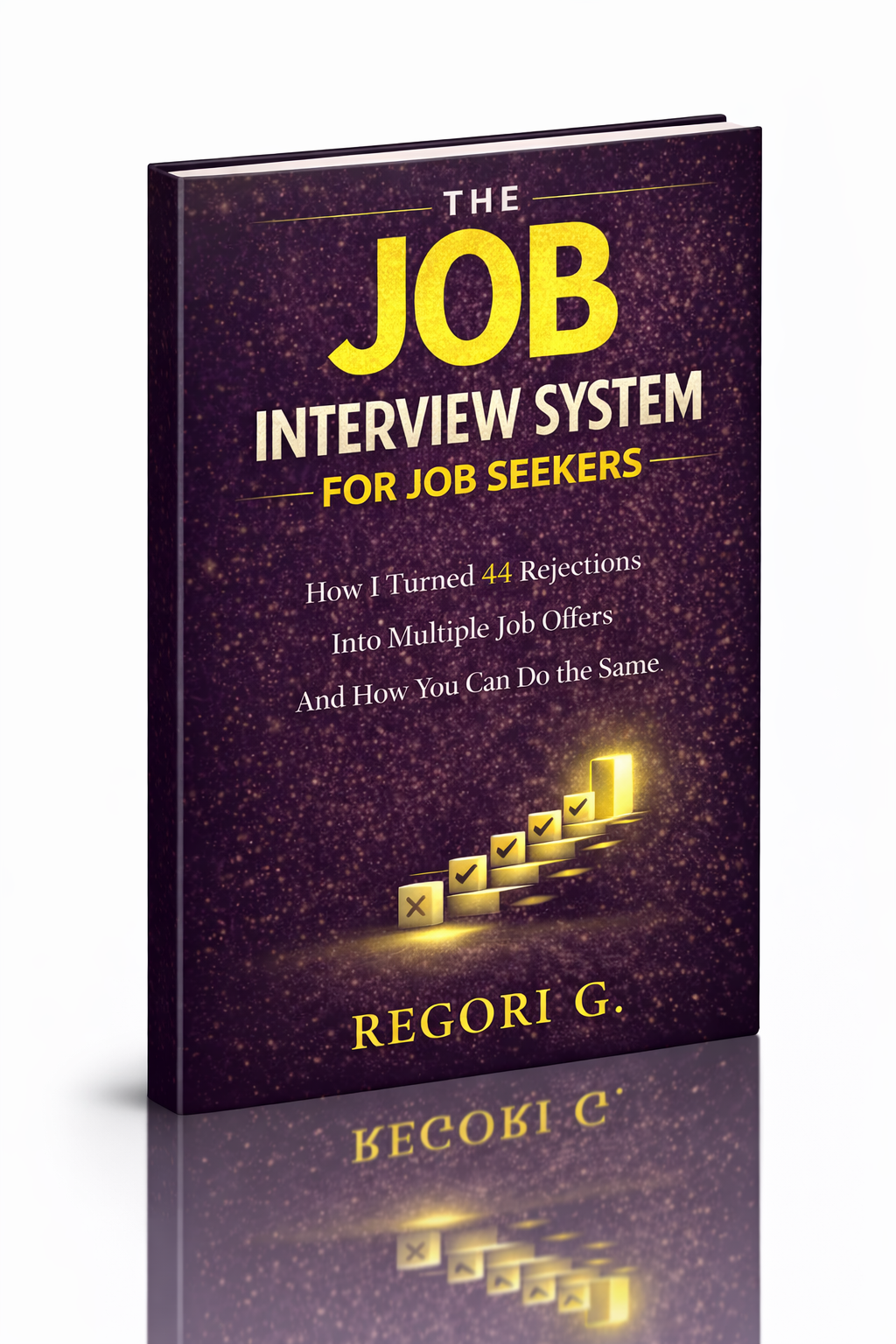
Guide 01
The Job Interview System
Step-by-step interview prep that turns nerves into confidence.
Get it →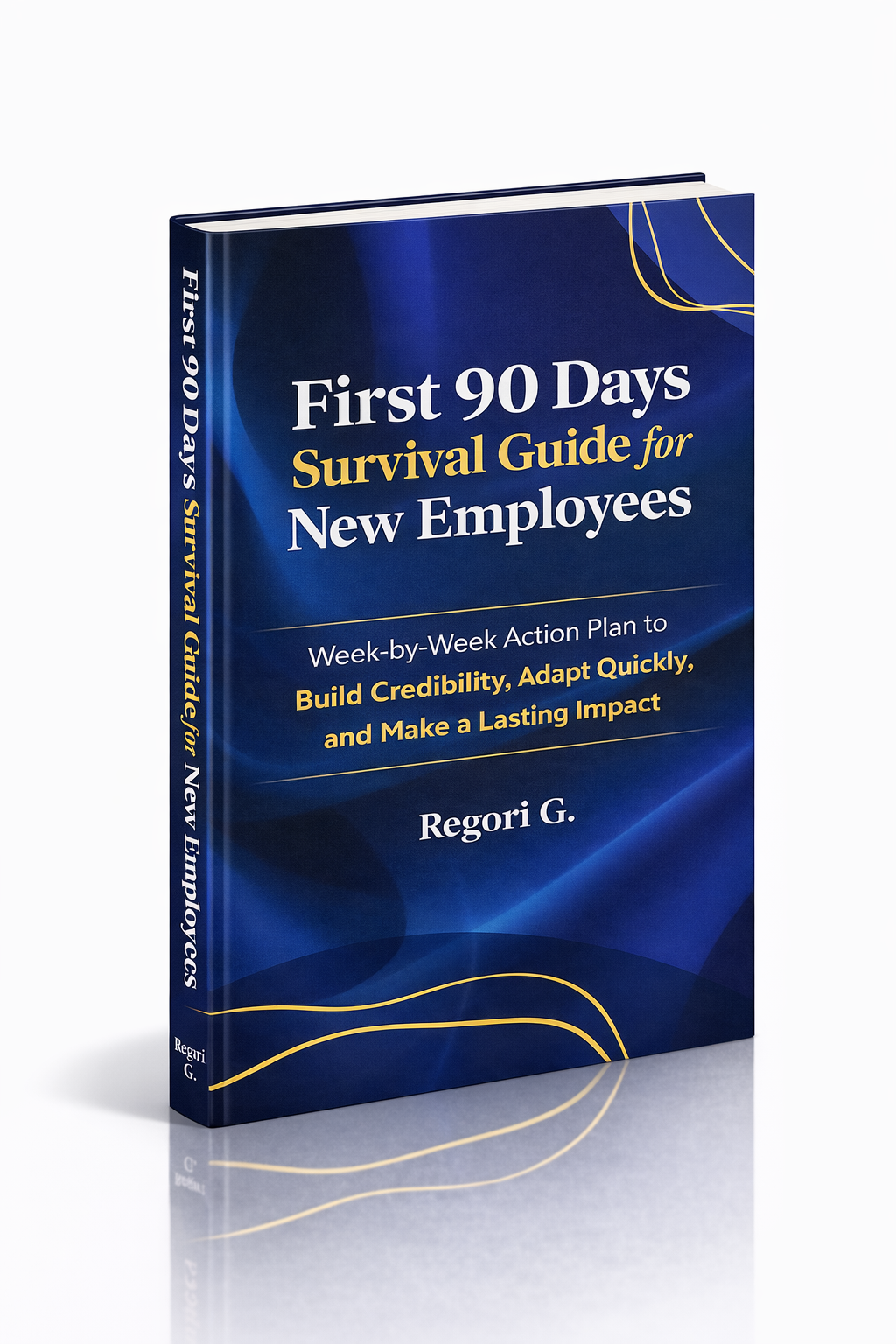
Guide 02
First 90 Days Survival Guide
Hit the ground running and make your mark from day one.
Get it →
Guide 03
Interview Success for Introverts
7 proven steps to shine in interviews — even if you hate the spotlight.
Get it →