

The 5 Interview Mistakes That Cost You the Job
What's silently killing your chances — and what top candidates do instead. Delivered instantly to your inbox.
No spam. Unsubscribe anytime. Privacy Policy & Terms
- Why "I'm a hard worker" destroys your chances
- What interviewers decide in the first 90 seconds
- How to handle tough questions with confidence
- The salary mistake almost every candidate makes
Strategies to Get a Job Faster When the Market Is Competitive
In a competitive job market, finding a job quickly can feel daunting. However, with the right strategies, you can enhance your chances of landing a role faster. Start by identifying your strengths and skills that make you a valuable candidate, and then implement these actionable strategies to speed up your job search.
Network Effectively
Your network is one of your most valuable assets. Reach out to friends, family, and former colleagues. Attend industry meetups, seminars, and job fairs. When you let others know you are job hunting, they might recommend you for opportunities. This personal connection can lead to referrals, which often have a higher success rate than cold applications. Don’t forget to utilize online platforms like LinkedIn to connect with industry professionals.
Refine Your Resume
Your resume is your first impression, so make it count. Tailor your resume for each job application, highlighting relevant skills and experience that align with the job description. Use strong action verbs and quantify your achievements when possible. Consider using online tools like Canva for visually appealing formats that stand out to hiring managers.
Leverage Online Job Boards
Job boards are a great way to discover job openings. Use sites like Indeed, Monster, and Glassdoor to search for jobs in your field. Set up alerts for specific job titles or companies to receive notifications of new postings. This proactive approach can help you apply as soon as jobs become available.
Prepare for Interviews
When you get called for an interview, preparation is crucial. Research the company thoroughly, and understand their mission, values, and culture. Practice common interview questions and formulate answers that showcase your expertise and fit for the role. Additionally, prepare thoughtful questions to ask the interviewer about the position and the company.
Utilize Social Media
Social media platforms can be powerful tools in your job search. Use them to follow companies you’re interested in and engage with their posts. Share your thoughts on industry news and insights to create an online presence as a knowledgeable professional. Twitter and Facebook are particularly effective for networking and job leads.
Consider Temporary or Contract Work
If you need a job fast, consider applying for temporary or contract positions. These roles can provide immediate income and valuable experience. They may also lead to full-time opportunities. Companies often hire contractors for skills they need urgently, which can help you get your foot in the door.
Follow Up
After submitting a job application or attending an interview, always follow up. A simple email expressing gratitude for the opportunity can set you apart from other candidates. It shows your genuine interest in the position and keeps you on the employer’s radar.
Keep Learning and Upskilling
Staying relevant in your field is essential, especially in a competitive market. Consider taking online courses to upgrade your skills or learn new ones related to your industry. Websites like Coursera or Udemy offer a range of courses that you can complete at your own pace.
Optimize Your Online Presence
Ensure that your online presence reflects your professional brand. Update your profiles on platforms such as LinkedIn and ensure they are consistent with your resume. Potential employers often search for candidates online, so a positive digital footprint can work in your favor. Additionally, consider creating a personal website or portfolio to showcase your work and talents.
Create a Job Search Schedule
Set aside dedicated time each day for your job search. Creating a schedule helps you stay organized and focused. Use this time to research companies, apply for jobs, and engage with your network. Consistency is key in a competitive job market.
It’s essential to be proactive and strategic in your approach to finding a job in a competitive market. By leveraging your network, refining your resume, and utilizing various online platforms, you can increase your chances of landing a job faster. Remember to stay positive and persistent as you navigate your job search journey.
The Importance of Networking in a Competitive Job Market
In today’s competitive job market, having a strong network can significantly influence your job search success. Building relationships with professionals not only exposes you to new opportunities but provides valuable insights and support. Whether you’re actively seeking a job or planning for future opportunities, effectively utilizing your network is essential.
Networking goes beyond casual conversations. It’s about creating authentic connections with individuals who can support or guide you in your career. Here’s why networking is crucial in a tight job market:
The Power of Connections
Connections can open doors that may otherwise remain closed. When you reach out and engage with professionals in your field, you gain access to information about job openings and industry trends. Often, jobs are filled through referrals, meaning your chances of landing a position increase when someone vouches for you. Here are several ways connections can benefit your job search:
- You gain access to hidden job opportunities that are not advertised.
- You build credibility through personal recommendations.
- You can gathered insights on company cultures and interview processes.
Building Authentic Relationships
To make the most of networking, focus on building genuine relationships. Instead of just looking to gain from your contacts, think about how you can add value to them. Here are effective strategies for creating meaningful connections:
- Attend Industry Events: Conferences, workshops, and meet-ups are excellent opportunities to meet like-minded professionals.
- Engage on Social Media: Platforms like LinkedIn are powerful tools for connecting with industry leaders. Share content, comment on posts, and participate in discussions.
- Follow Up: Maintain your connections by sending a quick message or email to check in after meeting someone new.
Leveraging Social Media
Social media is a vital resource for networking. Use platforms like LinkedIn to showcase your skills, experience, and professional accomplishments. You can also:
- Join relevant groups in your industry to expand your network.
- Share articles or insights that resonate with your field, attracting others to engage.
- Utilize the “Open to Work” feature to let connections know you are seeking new opportunities.
Networking for Career Development
Networking is not only useful for job searching but also for professional development. Here’s how to ensure your networking efforts contribute to your growth:
- Seek Mentorship: Connect with mentors who can offer guidance and share their experiences.
- Attend Workshops: Participate in skill-building workshops or training sessions to enhance your knowledge and meet new professionals.
- Stay Informed: Engage with industry news to spark conversations and stay connected with current trends.
The Virtual Edge
In a post-pandemic landscape, virtual networking has become more common and acceptable. Here’s how to effectively network online:
- Participate in Virtual Conferences: Attend online events and webinars to connect with speakers and attendees.
- Utilize Video Platforms: Use Zoom or Google Meet to set up virtual coffee chats with connections.
- Join Online Communities: Look for forums and groups tailored to your industry where you can interact with others.
Networking is an art that requires time and effort. The more actively you engage, the stronger your network will become. Remember, building a network is not a one-time event; it’s an ongoing process that pays dividends throughout your career.
For additional resources on networking strategies, consider checking sites like Forbes and Harvard Business Review. These platforms offer valuable insights and tips to help you navigate your career journey more effectively.
In a competitive job market, effective networking can distinguish you from other candidates. By building and nurturing relationships, you can uncover opportunities and gain insights that greatly enhance your career prospects.
How to Optimize Your Resume for Quick Hiring
In a competitive job market, having an optimized resume is essential for standing out and getting noticed by employers quickly. You want your qualifications, skills, and experiences to shine through the clutter. Here are some strategies to enhance your resume.
Tailor Your Resume for Each Job Application
Every job is unique, and your resume should reflect that. Make sure to:
- Use Specific Keywords: Analyze the job description and include relevant keywords that match the required skills and qualifications. This will help your resume pass through Applicant Tracking Systems (ATS).
- Highlight Relevant Experience: Focus on the experiences that best align with the job you’re applying for. Adjust bullet points to showcase your most related accomplishments.
Showcase Your Achievements
Employers are interested in what you have accomplished, not just your job duties. Consider the following:
- Quantify Your Success: Use numbers to illustrate your impact. For instance, instead of saying you “increased sales,” say you “increased sales by 20% in six months.”
- Utilize Action Verbs: Start each bullet point with dynamic action verbs such as “led,” “developed,” “managed,” or “achieved” to create a strong impression.
Keep It Concise and Readable
Your resume should be easy to read at a glance. Follow these guidelines:
- Limit to One Page: Especially for early-career professionals, one page is often sufficient. Keep only the most relevant experiences.
- Use Clear Formatting: Ensure that fonts are readable, bullet points are consistent, and there’s ample white space. This makes it easier for hiring managers to skim your resume.
Include a Professional Summary
A concise and impactful professional summary at the top of your resume can pique the employer’s interest. If done correctly, it will highlight your qualifications in just a few sentences. Make sure to:
- Be Specific: Mention your career goals and how they align with the company’s mission.
- Show Enthusiasm: Convey your passion for the industry and the position you are applying for.
Optimize for Applicant Tracking Systems (ATS)
Many companies use ATS to filter resumes. Here’s how to ensure your resume is ATS-friendly:
- Use Standard Headers: Stick to conventional section titles like “Experience,” “Education,” and “Skills.” Avoid creative titles that may confuse the ATS.
- Save in the Right Format: Save your resume as a .docx or PDF, depending on what the employer requests.
Include Relevant Skills
Your skills section is vital. Focus on both hard and soft skills relevant to the job. Hard skills might include specific software proficiencies, while soft skills could encompass communication and leadership abilities. Make sure to:
- Align Skills with Job Description: Extract skills mentioned in the job posting and include them in your resume where applicable.
- Prioritize Key Skills: List the most critical skills at the top of your skills section to make them stand out.
Get Feedback and Proofread
Once you have drafted your resume, it is essential to get feedback. Here’s what to do:
- Ask for Reviews: Share your resume with trusted colleagues or mentors for constructive criticism.
- Proofread for Errors: Ensure there are no typos or grammatical mistakes. Such errors can detract from your professionalism.
By following these steps, you can create a resume that not only showcases your qualifications but also increases your chances of landing a job faster in a competitive market. For more detailed resources on how to enhance your resume, check [The Balance Careers](https://www.thebalancecareers.com/resume-writing-4075376) and [Indeed](https://www.indeed.com/career-advice/resumes/resume-tips). These websites provide extensive insights and examples to help you prepare your application.
Leveraging Social Media for Job Opportunities
In today’s digital world, social media is more than just a platform for sharing photos and updates; it’s a powerful tool for networking and job hunting. If you’re looking to harness the power of social media to uncover job opportunities, there are several strategies that can help you stand out and make meaningful connections.
To begin with, it is essential to create a professional online presence. Your social media profiles should reflect your career goals and highlight your skills effectively. Ensure that your profile picture is clear, your bio is concise, and your work experience is displayed prominently. LinkedIn is particularly important, as it serves as a digital resume. Fill out all sections, including skills, endorsements, and recommendations from colleagues or supervisors.
A well-optimized profile can make a difference in whether recruiters find you. Here are some key points to focus on:
- Use a professional headshot.
- Write a compelling summary that showcases your strengths.
- List relevant skills and experiences.
- Engage with connections to build relationships.
Engagement is crucial on platforms like LinkedIn. Sharing industry-related articles, commenting on posts, and joining relevant groups can elevate your visibility. Contributing thoughtfully to discussions can draw attention from potential employers. Additionally, don’t hesitate to create original content. Writing articles or sharing insights relevant to your field can position you as a thought leader, attracting opportunities your way.
Networking through social media should also not be overlooked. Reach out to industry professionals, alumni, and even friends who can help you find openings. Personalized messages can significantly increase your chances of getting a response. Instead of sending generic requests, try to tailor your messages by commenting on their work or expressing mutual interests.
Participating in online discussions can provide you with leads and contacts. Follow companies you’re interested in, and engage with their posts. Many companies announce job openings on their social media channels before they post them on job boards. Being active in these spaces can give you a head start on your job search.
It’s also important to stay current with trends in your field. Follow thought leaders and relevant organizations that provide insights into industry changes or job opportunities. Make a list of key influencers and companies to monitor closely. This way, you will ensure you’re informed and ready to seize chances as they arise.
Utilizing hashtags effectively can also broaden your reach. Search for popular hashtags within your industry or specific job titles. Examples include:
- #JobOpening
- #NowHiring
- #CareerOpportunities
- #JobHunt
- #Networking
When you engage with posts using these hashtags, your visibility increases, which may lead you to relevant job postings. Additionally, be sure to participate in Twitter chats or Facebook groups related to your industry. These platforms provide valuable networking opportunities and insights that can fast-track your job search.
Your social media presence can also include following job boards and career sites. Websites such as Indeed, Glassdoor, and SimplyHired often have social media accounts that share job postings and career advice. Engaging with these accounts can alert you to opportunities quickly.
Track job applications you encounter through social media. Create a simple table to monitor key details, such as the job title, company, applicable deadlines, and follow-up dates. This system will keep you organized and ensure you do not miss any crucial opportunities.
| Job Title | Company | Application Deadline | Follow-Up Date |
|---|---|---|---|
| Marketing Specialist | ABC Corporation | 2023-11-30 | 2023-12-05 |
| Software Developer | XYZ Solutions | 2023-12-10 | 2023-12-15 |
By leveraging social media effectively, you position yourself at the forefront of job opportunities. Being proactive, engaging with industry peers, and maintaining a polished online presence can significantly enhance your chances of landing a job in a competitive market.
Preparing for Interviews in a Tight Labor Market
In a tight labor market, the stakes are high, and preparations for interviews become crucial. Knowing how to present yourself effectively can make all the difference between landing a job and missing out in fierce competition. Here are key strategies to prepare for interviews that will help you stand out.
Understand the Job Description
The first step in effective interview preparation is understanding the job description thoroughly. Carefully read through the qualifications and responsibilities. Here’s how you can tackle this:
- Highlight Key Skills: Identify the skills and qualifications that are emphasized and match them with your experiences.
- Research Industry Standards: Understand what skills are relevant in your field and be ready to discuss them.
- Prepare STAR Responses: Use the STAR technique (Situation, Task, Action, Result) to prepare for competency-based questions.
Research the Company
A well-informed candidate stands out in a competitive market. Research the company thoroughly by:
- Visiting the Website: Gain insight into the company’s mission, values, and recent news.
- Exploring Social Media: Follow the company on LinkedIn, Twitter, and Facebook to capture their personality and culture.
- Reading Reviews: Websites like Glassdoor and Indeed can provide valuable insights into employee experiences.
Practice Interview Questions
Practicing for potential interview questions not only boosts your confidence but also enhances your delivery. Focus on:
- Common Interview Questions: Prepare answers for frequently asked questions like “Tell me about yourself,” or “What are your strengths and weaknesses?”
- Behavioral Questions: Prepare for questions that ask for examples of past performance, such as “Describe a time you overcame a challenge.”
- Ask Your Own Questions: Prepare thoughtful questions to ask the interviewer. It shows your interest and helps you gauge the company fit.
Dress for Success
Your appearance matters, especially when job competition is tight. Dressing appropriately can enhance your confidence. Consider the following:
- Research Dress Code: Tailor your attire based on the company’s culture. Is it formal or casual?
- Invest in Quality Clothes: Ensure your outfit is clean, well-fitting, and professional.
- Groom Yourself: Pay attention to personal hygiene and grooming details.
Utilize Networking
Networking can give you an edge. Engaging with industry professionals can lead to valuable opportunities:
- Connect with Alumni: Use platforms like LinkedIn to reach out to alumni in your desired field.
- Attend Networking Events: Local job fairs or industry seminars can introduce you to potential employers.
- Engage in Informational Interviews: Reach out to professionals in your network for insights and advice on breaking into the industry.
Prepare for Virtual Interviews
In the current job market, virtual interviews are increasingly common. Ensure you are well-prepared by:
- Choosing a Quiet Environment: Find a quiet, well-lit space with minimal distractions.
- Testing Your Technology: Ensure your internet connection, camera, and microphone are functioning well ahead of time.
- Practicing Eye Contact: Look at the camera while speaking, rather than at the screen, to create a connection.
Finalizing your interview preparation will mean practicing self-care. Manage stress through exercise, deep breathing techniques, and plenty of rest before the interview day. Each step, from preparation to execution, plays a vital role in your journey to securing a job in a competitive labor market.
For additional resources on navigating the job market, visit The Balance Careers and Forbes Careers.
The Role of Skill Development in Accelerating Job Placement
The competitive job market poses a significant challenge for job seekers. In such an environment, focusing on skill development can make a notable difference in landing a position quickly. Many job candidates overlook the importance of constantly upgrading their skills, but in a fast-evolving work landscape, it’s critical to stay relevant.
The Importance of Skills in Hiring Decisions
Employers look for candidates who not only meet the qualifications but also possess the skills required to thrive in their roles. Here are reasons why skill development is crucial:
- Increased Employability: The more skills you have, the more attractive you become to potential employers.
- Adaptability: Skill development helps you adapt to new technologies and methodologies relevant to your field.
- Competitive Edge: Developers, marketing specialists, and other professionals with specialized skills often stand out among applicants.
Identifying Essential Skills
Before embarking on the journey of skill development, it’s vital to understand what skills are in demand in your industry. A good strategy is to analyze job postings that interest you. Common essential skills often include:
- Technical Skills: Proficiency in software, platforms, or technologies specific to your field.
- Soft Skills: Abilities like communication, teamwork, and problem-solving.
- Industry-Specific Certifications: Credentials that validate your expertise and knowledge in your domain.
Effective Ways to Develop Skills
Here are some effective strategies for skill development:
- Online Courses: Websites like Coursera or Udemy offer affordable courses on various topics.
- Networking: Joining industry-related groups can provide insights and learning opportunities. Platforms like LinkedIn are ideal for connecting with professionals.
- Workshops and Webinars: Participate in local workshops or virtual webinars to gain knowledge and meet peers.
Creating a Skill Development Plan
To streamline your efforts, a skill development plan can guide your learning process. Follow these steps:
- Assess Your Current Skills: Identify your strengths and weaknesses.
- Set Clear Goals: Determine what skills you want to acquire in a specific timeframe.
- Allocate Time for Learning: Dedicate a few hours each week to practice and grow your skillset.
How Skill Development Boosts Job Placement
Here’s how focusing on skill development can lead to quicker job placements:
- Improved Confidence: As you strengthen your abilities, your confidence in interviews and networking situations increases.
- Better Resume: A skills-rich resume captures recruiters’ attention and highlights your qualifications effectively.
- Engaging in Professional Development: Continuous learning implies dedication to your career and whether it’s through volunteering or taking on extra projects, showcasing initiative gives you an edge.
Staying Motivated During Skill Development
Skill development can be a lengthy process, and staying motivated is essential. Consider these tips:
- Join Study Groups: Learning in groups can provide support and accountability.
- Track Your Progress: Keep a record of what you’ve learned to visualize your development journey.
- Celebrate Small Wins: Acknowledge your accomplishments, no matter how small.
The Role of Skill Development Resources
Utilize various resources available to aid in your skill development. Websites like Skillshare provide online classes across numerous fields. Additionally, professional organizations often offer training relevant to specific industries, fostering both skills and necessary networking connections.
Honing your skills in today’s competitive job market is more necessary than ever. By actively engaging in skill development, you pave the way for quicker job placement and a successful career trajectory.
Understanding Employer Needs to Stand Out in Applications
When you’re applying for jobs, understanding what employers truly need can set you apart from the competition. As the job market becomes more competitive, it’s vital to tailor your application by aligning it with the organization’s requirements and goals. This strategy not only helps your application stand out but also shows employers that you are attentive and invested in their objectives.
One of the first steps is to analyze the job description carefully. Look for the key skills and qualifications listed. Employers often highlight the must-haves and preferred qualifications. Make a list of these requirements and reflect on your experiences that align with each item. This not only prepares you for tailoring your resume, but also for discussions during an interview.
Next, consider performing some research on the company. Understand their culture, mission, and values. Websites such as Glassdoor or LinkedIn can provide insights into company reviews and employee feedback which can help you get a feel for the workplace environment. Knowing this information allows you to customize your application to show how you would be a cultural fit.
Employers are increasingly looking for candidates who can demonstrate problem-solving skills. Your application should clearly illustrate how you have tackled challenges in previous roles. Use specific examples that highlight your critical thinking abilities and how your actions have led to positive outcomes. To show your problem-solving prowess:
- Map out a challenge you faced.
- Explain your thought process.
- Detail the steps you took to address the challenge.
- Share the results or improvements that followed.
Additionally, consider the skills that may not be explicitly listed in the job posting but are still valuable to the employer. Soft skills, such as communication, teamwork, and adaptability, are often just as critical as hard skills. Make sure to highlight these abilities within your application. You could frame them within your work experience or include them in a skills summary section.
Another critical aspect to consider is the importance of networking. Engaging with current employees through networking can provide you with a unique edge. Reach out using platforms like LinkedIn to connect with people already working at the company. Ask insightful questions about the organization and workload. Sometimes, employee referrals carry weight in the hiring process, increasing your chances of getting noticed.
A well-crafted cover letter is also a tool you shouldn’t overlook. Use the cover letter to elaborate on your resume while directly addressing the employer’s needs. By pinpointing how your experiences relate to what the employer is seeking, you can make a strong case for why you would be a valuable addition to their team. Make sure to keep your cover letter concise, focusing on your most impressive accomplishments.
The following table outlines key employer needs that you can integrate into your application materials:
| Employer Need | Your Related Skills/Experience |
|---|---|
| Specific technical skills | Detail certifications or experiences that demonstrate your proficiency. |
| Team collaboration | Provide examples where teamwork led to success. |
| Problem-solving abilities | Share significant achievements demonstrating critical thinking. |
| Cultural fit | Discuss shared values or experiences that resonate with the company. |
Furthermore, follow-up is essential. After submitting your application, consider sending a polite follow-up email a week later. This shows your enthusiasm and keeps you on their radar. It also allows you to further express your interest and may prompt them to take a second look at your application.
Never underestimate the significance of personal branding. Having a professional online presence can enhance your appeal to employers. Share industry-related content or showcase your work on platforms like LinkedIn. This engagement can position you as an informed candidate while demonstrating your enthusiasm for your field.
By focusing on these strategies, you can better understand employer needs, ensuring that your application resonates with them. When you tailor your approach, you not only enhance your chances of standing out in a competitive job market but also position yourself as a compelling candidate who is ready to contribute effectively to their organization.
Key Takeaway:
In today’s competitive job market, standing out and securing employment quickly can feel daunting. However, several effective strategies can boost your chances of landing a job faster. This comprehensive approach encompasses networking, optimizing your resume, utilizing social media, interview preparation, skill development, and understanding employer needs.
One of the most critical strategies is networking. Building relationships within your industry can open doors to job opportunities that may not be publicly advertised. Attend networking events, join professional groups, or reach out to connections on platforms like LinkedIn. The more people who know you are looking for a job, the more likely they are to assist you with leads and recommendations.
Next, your resume must capture attention immediately. Tailoring your resume for each job application is vital and includes using keywords from the job description. Highlight your most relevant experiences and skills at the top, ensuring that your resume is not only eye-catching but also easy to read. A streamlined, professionally formatted resume can significantly speed up your hiring chances.
Leveraging social media platforms can also enhance your job search. LinkedIn, in particular, allows you to showcase your skills and connect with recruiters. Share industry-related content, engage with others, and keep your profile updated. Many employers use social media to screen candidates, so a polished online presence can be advantageous.
Additionally, being well-prepared for interviews in a competitive market is vital. Research common interview questions and practice your answers. Tailor your responses to align with the specific job you’re applying for, showcasing why you are the ideal candidate.
Moreover, continuous skill development is essential. Take courses or certifications that align with your career goals. Employers often prioritize candidates who demonstrate a commitment to learning and growing within their field.
Understand what employers seek in a candidate. Conduct research to identify their needs and expectations. This strategy allows you to tailor your applications effectively, showing how you can solve their specific problems.
By employing these strategies cohesively, you can significantly increase your chances of getting a job faster, even in a competitive market. Focusing on networking, optimizing your resume, engaging on social media, preparing for interviews, developing skills, and understanding employer needs will position you ahead of the competition.
Conclusion
Navigating a competitive job market can be daunting, but employing the right strategies can greatly enhance your chances of landing a position quickly. Focus on building a strong network; connections are invaluable in finding opportunities that might not be advertised. Tap into social media platforms to broaden your reach and showcase your skills. A polished, tailored resume is essential—emphasizing relevant skills and experiences to match what employers are seeking will catch their eye.
Prepare thoroughly for interviews by anticipating common questions and customizing your responses to reflect the specific needs of each employer. Demonstrate how your skills align perfectly with their goals. Additionally, continuously enhance your skill set; staying relevant in your field not only increases your appeal but also shows your commitment to growth.
Understanding what employers are looking for can help you craft applications that resonate with them. Use job descriptions to identify keywords and desirable traits, ensuring they feature prominently in your submissions.
When you combine these strategies—effective networking, an optimized resume, leveraging social media, thorough interview preparation, skill development, and a clear understanding of employers’ needs—you position yourself as a strong candidate. Entering the job market with this comprehensive mindset will not only enable you to secure a job faster but also set the stage for a successful and fulfilling career. Focus on making meaningful connections and consistently improving yourself, and you’ll find that opportunities will begin to unfold.
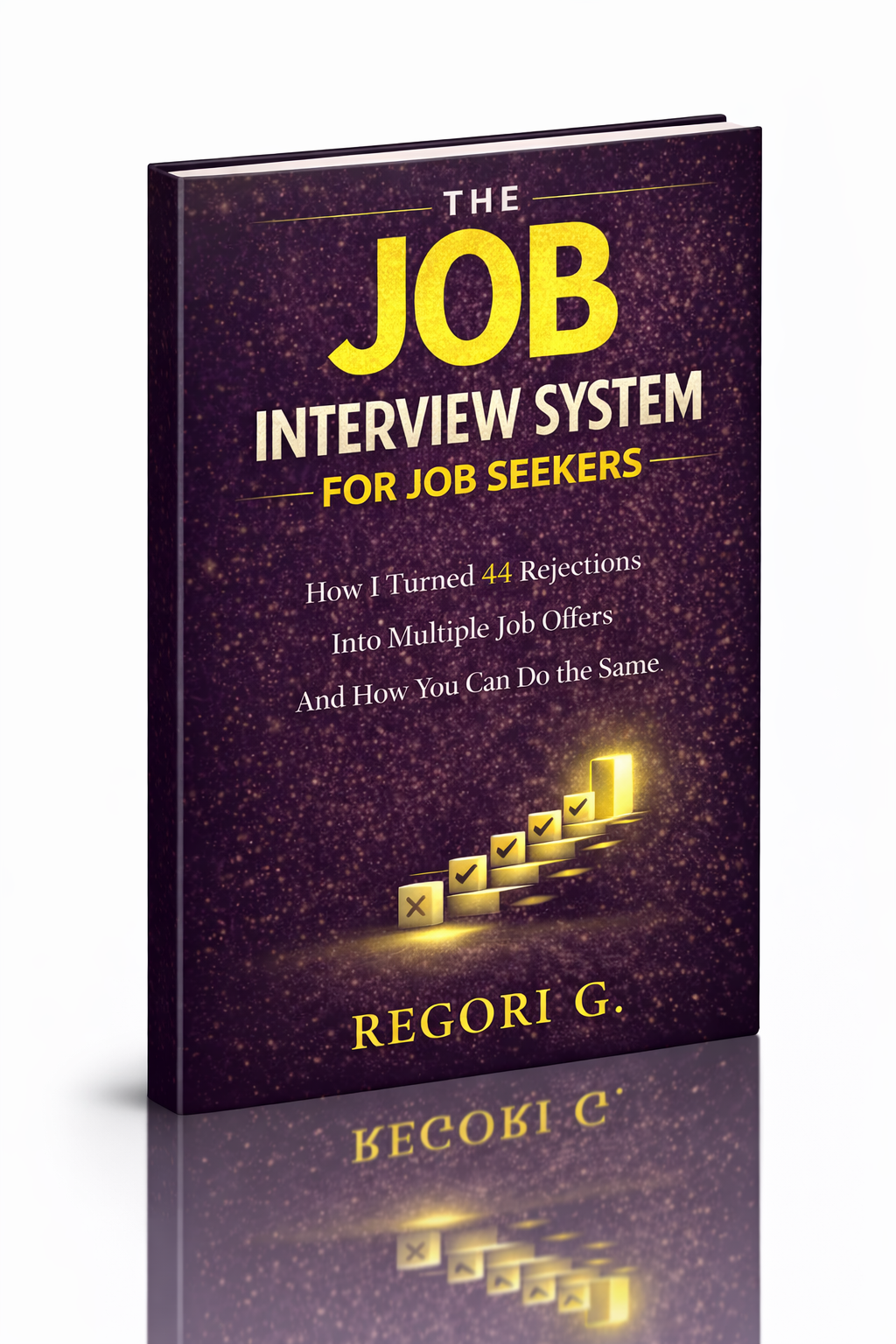
visit The Job Interview System for Job Seekers on Gumroad. A practical guide built for people who are serious about landing the job they want. For more interview guides, career tips, and job search resources, visit the Love PDF Guides home page.
Your Next Chapter
Starts with the Right Guide
Three straight-talking PDF guides to help you win interviews, beat the first 90 days and thrive as an introvert. Instant download on Gumroad.
Guide 01
The Job Interview System
Step-by-step interview prep that turns nerves into confidence.
Get it →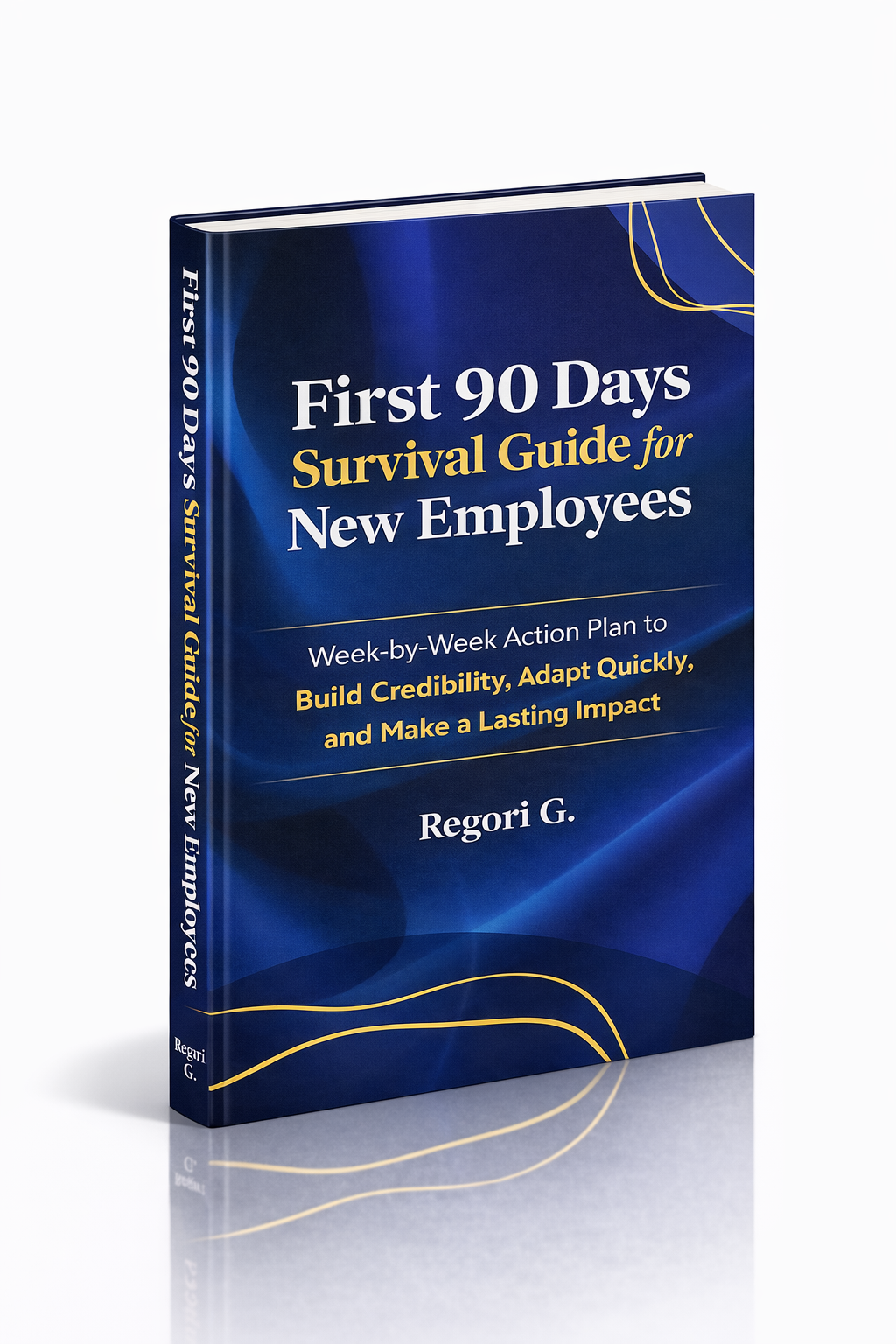
Guide 02
First 90 Days Survival Guide
Hit the ground running and make your mark from day one.
Get it →
Guide 03
Interview Success for Introverts
7 proven steps to shine in interviews — even if you hate the spotlight.
Get it →