

The 5 Interview Mistakes That Cost You the Job
What's silently killing your chances — and what top candidates do instead. Delivered instantly to your inbox.
No spam. Unsubscribe anytime. Privacy Policy & Terms
- Why "I'm a hard worker" destroys your chances
- What interviewers decide in the first 90 seconds
- How to handle tough questions with confidence
- The salary mistake almost every candidate makes
Strategies to Get Promoted at Work Faster Than Your Peers
Getting promoted at work is a goal many strive for, and understanding the right strategies can make a significant difference. To get promoted faster than your peers, the road involves a combination of hard work, networking, and smart planning. Here are some effective strategies to consider.
Understand Your Company’s Promotion Criteria
Every organization has its own set of criteria for promotions. Take the time to understand what factors influence these decisions. Engage in discussions with your supervisor or HR to gather insights. This information can guide you to align your efforts with the expectations of the management.
Build Strong Relationships
Forming strong connections with colleagues can play a crucial role in your advancement. Networking internally allows you to get noticed and support from others. Here are a few ways to build those relationships:
- Be approachable and friendly.
- Engage in team-building activities.
- Offer assistance to peers when needed.
- Participate in meetings actively.
Strong relationships help you gain visibility in the workplace, which is vital when promotions come up.
Develop Specific Skills
Identify skills that are in demand in your organization and work on mastering them. This might include leadership, project management, or technical skills. By enhancing your skill set, you not only increase your value but also position yourself as a candidate for promotions. Consider taking relevant courses or seeking mentorship for professional development.
Show Initiative and Take on Extra Responsibilities
Being proactive can set you apart from others. If you consistently take on additional work or lead special projects, it demonstrates your commitment and capability. Here’s how you can show initiative:
- Volunteer for challenging projects.
- Propose new ideas or solutions to existing problems.
- Offer to lead team meetings or presentations.
Taking these steps showcases your eagerness to grow within the company, increasing your chances for advancement.
Request Constructive Feedback
Feedback is invaluable in your quest for a promotion. Regularly seek constructive criticism from your supervisors and peers. This practice enables you to recognize your strengths and areas which may need improvement. When you act on the feedback received, it demonstrates your willingness to grow and adapt.
Document Your Achievements
Keeping track of your accomplishments is vital. Maintain a record of your contributions, projects completed, and any positive feedback you receive. This documentation is not only beneficial for self-reflection but also helpful during performance reviews. Ensure you can clearly articulate your value to the organization when it’s time for promotion discussions.
Be Professional and Positive
Maintain professionalism in all interactions and cultivate a positive attitude. A can-do approach is infectious, and it helps to create a favorable impression among your peers and superiors. Remember to celebrate others’ successes, which can place you as a supportive team player in the workplace culture.
Align With Company Goals
Understanding and aligning your work with the company’s goals shows that you are invested in its success. Take the time to learn about your company’s objectives and demonstrate how your role contributes to them. When your efforts directly support the business, it significantly boosts your chances of being seen as a leader worthy of promotion.
Seek Mentorship
Find a mentor within your organization who can offer insights and guidance. A mentor can be a sounding board for your ideas and career aspirations, as well as provide valuable advice based on their experiences. They can also advocate for you when promotion opportunities arise.
Stay Updated on Industry Trends
Staying informed about trends in your industry enhances your expertise and makes you a valuable asset. Regular reading of industry publications and participating in webinars can help you stay ahead. Consider visiting websites like Forbes, Harvard Business Review, and Inc. for insightful articles and resources.
To get promoted at work faster than your peers, focus on building relationships, developing skills, and showcasing your achievements. Use these strategies effectively, and you’ll place yourself on a fast track to career advancement.
Building a Personal Brand Within Your Company
Understanding Personal Branding
Creating a personal brand within your company can elevate your career to new heights. Personal branding allows you to make a name for yourself, showcasing your unique skills and qualities. It is not just about self-promotion; it’s about building trust and credibility within your organization. Here’s how you can start establishing a strong personal brand that sets you apart from your colleagues.
Identify Your Unique Value Proposition
To build an impactful personal brand, begin by identifying what makes you unique. This might include your skills, work ethic, or special insights. Consider the following:
- Skills: What are the specific skills that set you apart from others?
- Experience: Do you have unique experiences that can add value to your team?
- Personality: How does your personality contribute to your workplace environment?
By identifying these elements, you can begin to position yourself as an expert in your area, earning recognition for your contributions.
Network with Purpose
Networking is not just about making connections; it’s about building relationships that can support your career goals. Here are ways to effectively network within your company:
- Attend Company Events: Engage in social events, workshops, and training sessions. These are excellent opportunities to meet new people.
- Engage with Different Teams: Collaborate with other departments. This will help you gain visibility and show others your diverse skill set.
- Seek Mentorship: Find a mentor who can guide you and provide insight into your professional growth.
Share Knowledge and Ideas
Position yourself as a thought leader by sharing your expertise. This can be done through:
- Presentations: Volunteer to present new ideas or strategies in team meetings.
- Internal Blogs: Write for the company newsletter or intranet to share your insights on industry trends.
- Workshops: Organize workshops to train others on skills where you excel.
By sharing your knowledge, you build a reputation as a go-to person within your company.
Utilize Social Media Strategically
Social media can be a powerful tool to enhance your personal brand. Utilize platforms like LinkedIn to showcase your achievements and connect with colleagues. Here’s how to do it right:
- Update Your Profile: Ensure your LinkedIn profile is polished, current, and reflects your professional brand.
- Engage with Content: Share relevant articles, comment on posts from industry leaders, and interact with company updates.
- Join Professional Groups: Participate in groups related to your industry to expand your network and learn from others.
Maintain a Positive Reputation
Your reputation is a key component of your personal brand. To maintain a positive image:
- Be Reliable: Consistently meet deadlines and exceed expectations in your work.
- Support Colleagues: Lift others up and be a team player. A supportive colleague is often remembered favorably.
- Communicate Effectively: Be clear, concise, and respectful in all forms of communication.
Seek Feedback and Iterate
Regularly seeking feedback is essential for growth. Ask for insights from trusted colleagues or supervisors about how you can improve your personal brand. Utilize constructive criticism to refine your approach and adjust your strategies accordingly.
Resources to Build Your Brand
For more information on building a personal brand, consider visiting the following resources:
The Importance of Networking for Career Advancement
Building a strong network is crucial for anyone looking to advance their career. Networking isn’t just about collecting business cards or connecting on LinkedIn; it’s about building relationships that can lead to opportunities. Engaging with others in your field or industry opens doors and lays the groundwork for career growth. Here are several reasons why networking is essential for your professional journey.
The Power of Connections
Developing a wide range of connections allows you to tap into various resources. The people you meet can provide information about job openings, industry trends, and potential partnerships. For instance, according to a survey by LinkedIn, 85% of positions are filled through networking. It highlights the importance of connecting with others and showcases how relationships can lead to new opportunities.
Accessing Hidden Job Markets
Many job openings are not advertised to the public. When companies need to hire, they often turn to their networks first. This means that knowing the right people can increase your chances of hearing about these roles. Engaging with your network provides you with insights that you wouldn’t find in job postings, giving you a competitive edge.
Enhancing Your Skills
By interacting with professionals from various backgrounds, you expand your knowledge and skill set. Attend industry conferences or local networking events to meet experts who can offer insights into new tools or strategies. You can even establish mentoring relationships, where you learn directly from someone more experienced in your field.
Building Your Personal Brand
Your network plays a vital role in shaping your professional image. When you regularly share insights and contribute to discussions, you position yourself as a knowledgeable expert. Over time, this enhances your reputation and makes you a go-to person in your field. Engage actively on platforms like LinkedIn to showcase your expertise and stay visible.
Networking Strategies
To make the most of your networking efforts, consider the following strategies:
- Be Genuine: Focus on building authentic relationships rather than just seeking immediate benefits.
- Follow Up: After meeting someone, send a follow-up note to express your appreciation and keep the lines of communication open.
- Join Professional Groups: Engage with professional organizations related to your field to meet like-minded individuals.
- Attend Events: Make it a habit to attend workshops, seminars, and networking events to broaden your connections.
Utilizing Online Platforms
Online networking is equally important. Platforms like Meetup and event-based sites offer excellent opportunities to connect with professionals and community members with similar interests. You can find local events tailored to your industry, allowing you to network without geographical barriers.
Leveraging Social Media
Social media platforms have revolutionized networking. You can join groups on Facebook or participate in discussions on Twitter. Building a presence on platforms where your target audience is active can significantly enhance your networking capabilities. Regularly post content relevant to your field to engage more effectively with your audience.
Networking Etiquette
Keeping proper etiquette while networking can set you apart. Here are some key points to consider:
- Always be polite and respectful to others.
- Listen more than you speak; show interest in others’ experiences.
- Offer assistance or resources whenever you can, fostering a give-and-take dynamic.
Measuring Your Networking Success
Consider keeping a record of your networking efforts. Track how many new connections you make each month, the number of events attended, and any opportunities that arise from these relationships. Regularly evaluating your connections will help you understand what is working and what isn’t, allowing you to refine your approach.
Networking is not just nice to have; it is necessary for career advancement. By building meaningful relationships, you access opportunities and gain insights that can uniquely position you in your industry. Regular engagement with your network must be part of your professional routine, enabling you to tap into the many benefits that come with having a robust professional network.
Mastering Effective Communication Skills for the Workplace
Effective communication skills are essential in today’s workplace. Mastering how to convey your thoughts, ideas, and feelings can make a significant difference in your professional relationships and career growth. Whether you are collaborating with a team or presenting to higher-ups, your communication style impacts how others perceive you. Here are some strategies to help you improve your communication skills.
Understanding the Importance of Communication
Communication is more than simply exchanging information; it is about ensuring that your message is understood. Strong communicators can:
- Build trust and rapport with colleagues.
- Enhance teamwork and collaboration.
- Minimize misunderstandings and conflicts.
- Influence and persuade others effectively.
Active Listening
One of the cornerstones of effective communication is active listening. This involves fully focusing on the speaker, understanding their message, and responding thoughtfully. To practice active listening:
- Make eye contact, and show you are engaged.
- Avoid interrupting the speaker.
- Provide feedback by summarizing what you heard.
- Ask questions to clarify any misunderstandings.
Clear and Concise Language
Using clear and concise language helps ensure your message is understood without confusion. Here are some tips:
- Use simple words and sentences.
- Avoid jargon unless you’re sure everyone understands it.
- Be direct and get to the point quickly.
Nonverbal Communication
Your body language, facial expressions, and tone of voice play a significant role in how your message is received. Mind your nonverbal cues by:
- Maintaining an open posture.
- Using gestures to emphasize points.
- Paying attention to your voice tone and pitch.
Adapting Your Communication Style
Different situations call for different communication styles. Adapt your approach based on your audience. Here’s how:
| Situation | Recommended Style |
|---|---|
| Team Meetings | Collaborative and Inclusive |
| Presentations | Engaging and Persuasive |
| One-on-One Conversations | Empathetic and Supportive |
Constructive Feedback
Giving and receiving feedback is critical in the workplace. Providing constructive feedback allows you to express your opinions respectfully and thoughtfully. When giving feedback:
- Focus on specific behaviors, not the person.
- Be honest but tactful.
- Encourage dialogue and invite responses.
Continuous Improvement
Improving communication skills is an ongoing effort. To maintain growth:
- Seek feedback from colleagues about your communication style.
- Participate in workshops or training sessions.
- Practice in real-life situations, whether in meetings or through written communication.
For resources on building effective communication skills, you can visit MindTools or check out Toastmasters International, which offer invaluable tools and techniques.
Mastering effective communication in the workplace isn’t just about exchanging words. It involves a comprehensive approach where listening, clarity, nonverbal cues, adaptability, and feedback play pivotal roles. By honing these skills, you can foster a better work environment and position yourself for greater success.
Setting and Achieving Personal Goals for Professional Growth
To grow in your career, setting and achieving personal goals is crucial. Clear goals give you direction and a sense of purpose, making your journey to professional growth more meaningful. Here are essential steps to help you formulate and attain your personal goals for professional advancement.
Identify Your Career Aspirations
Understanding where you want to go is the first step. Ask yourself these questions:
- What is my ultimate career goal?
- What skills do I need to develop to reach that goal?
- What roles or companies excite me?
Reflecting on these questions helps you create a clear vision of your professional future. Once you have a vision, you can set specific and measurable goals around it.
SMART Goals Framework
Utilizing the SMART criteria can make goal setting more effective:
| Criteria | Description |
|---|---|
| Specific | Define your goal clearly. |
| Measurable | Ensure your goal can be tracked. |
| Achievable | Set realistic goals that can be attained with effort. |
| Relevant | Align your goals with your values and long-term objectives. |
| Time-bound | Give yourself a deadline. |
By making your goals SMART, you enhance your chances of achieving them. For example, instead of saying, “I want to improve my skills,” try, “I want to complete a course in digital marketing by the end of this quarter.” This clarity keeps you focused and motivated.
Create an Action Plan
Once your goals are clear, generate an action plan detailing how you’ll achieve them. Break down your larger goal into smaller, actionable steps. Here’s how:
- List necessary resources (courses, books, workshops).
- Schedule milestones in your calendar.
- Find mentors or colleagues who can guide you.
Mapping out these steps brings structure to your ambitions and allows you to track your progress effectively.
Seek Feedback and Adjust
Regular feedback is vital for growth. Share your objectives with a trusted mentor or supervisor who can provide valuable insights. Use their feedback to better your approach.
If you’re not moving toward your goal as planned, don’t hesitate to adjust your action steps or timelines. Flexibility can often lead to better outcomes.
Build a Support Network
Having a supportive team around you can significantly enhance your professional development. Consider these ways to build your network:
- Join professional associations relevant to your field.
- Attend workshops, seminars, or webinars.
- Engage with peers on social media platforms like LinkedIn.
Your network can offer encouragement, accountability, and collaboration opportunities, which are invaluable for reaching your goals.
Monitor Your Progress
Having a clear understanding of your progress will keep you motivated. Set regular intervals, such as weekly or monthly, to review what you’ve achieved and where you stand in relation to your goals. Consider keeping a journal to document your journey. It allows you to reflect and make necessary adjustments.
Celebrate Achievements
Taking the time to acknowledge your accomplishments, no matter how small, is essential. This celebration can range from a simple personal acknowledgment to sharing your success with your peers. Celebrating brings joy and reinforces your motivation for your ongoing journey.
Setting and achieving personal goals for professional growth is a joint effort of planning, action, and reflection. By understanding your aspirations, utilizing the SMART criteria, creating actionable plans, and fostering a supportive environment, you pave a rewarding path toward growth. Remember, the journey is just as vital as the destination, so enjoy each moment.
For more detailed guidance on personal and professional development, you may want to visit Forbes or MindTools.
The Role of Continuous Learning in Career Progression
In today’s fast-paced job market, the ability to learn continuously is crucial for those looking to advance their careers. You might wonder why some colleagues seem to climb the corporate ladder faster than others. One key factor is often their commitment to learning new skills and acquiring knowledge that keeps them relevant and valuable in their roles.
Continuous learning involves ongoing, voluntary, and self-motivated pursuit of knowledge for personal and professional development. Here’s how it plays a significant role in career progression:
| Benefits of Continuous Learning | Impact on Career |
|---|---|
| Enhanced Skill Set | Improves performance and increases job prospects. |
| Adaptability | Increases flexibility in dealing with new challenges. |
| Networking Opportunities | Expands professional connections through courses and workshops. |
| Increased Confidence | Boosts self-esteem and competence in the workplace. |
Learning is not just about formal education; it also includes workshops, online courses, webinars, podcasts, and even reading industry-related books and articles. Each of these activities can deepen your understanding of your field and help you stay ahead.
Furthermore, companies value employees who actively engage in continuous learning. When you show a dedication to learning new skills, you demonstrate to your employer that you are serious about your role and career progression. This can make you a preferred candidate for promotions and special projects.
Here are some effective strategies to integrate continuous learning into your career routine:
- Set Clear Learning Goals: Define what skills or knowledge you need to advance and create a timeline for accomplishing them.
- Leverage Online Courses: Platforms like Coursera and Udemy offer courses that can help you gain new certifications relevant to your field.
- Join Professional Groups: Engage with professional organizations or local meetups where you can learn from others and share knowledge.
- Seek Feedback: Regularly ask for feedback from supervisors and peers to identify areas for improvement.
- Read Regularly: Stay updated with the latest trends and best practices in your industry by reading articles, journals, or books.
Being proactive about your learning not only adds value to your skill set but also shows your commitment to your career. This commitment can set you apart from your peers as a candidate for upward mobility within your organization.
Another factor to consider is the act of sharing knowledge. Teaching others what you’ve learned is one of the best ways to reinforce your understanding and establish yourself as an expert in your field. Consider starting a blog, or a forum, or even offering to lead a workshop. This not only benefits your colleagues but also highlights your initiative and leadership potential to management.
Networking is another critical aspect of continuous learning. Engaging with peers in your industry can lead to mentorship opportunities and deepen your knowledge through shared experiences. Websites such as LinkedIn can be useful for connecting with professionals who can guide your learning journey.
To summarize, continuous learning is essential for anyone who wishes to accelerate their career progression. By actively seeking out opportunities to learn, you enhance your skills, adapt to changes, and increase your value as an employee. Whether through online courses or networking events, the commitment to learning can open doors to new job opportunities and fast-track your path to advancement.
Embrace the journey of continuous learning, and watch how it transforms your career trajectory.
Navigating Office Politics: Dos and Don’ts for Success
Navigating through the complexities of office politics can feel like walking through a maze. Understanding what to do, and what not to do, can make a significant difference in your workplace success. Here are some essential dos and don’ts to help you manage office dynamics effectively.
Key Dos for Navigating Office Politics
Embrace these strategies to enhance your professional relationships and grow your career potential:
- Build Relationships: Take the time to interact with your coworkers. Good relationships build trust and collaboration.
- Listen Actively: Show genuine interest in what your colleagues have to say. This will not only give you crucial insights but also strengthen bonds.
- Communicate Clearly: Ensure your messages are straightforward and direct, minimizing the chances of misunderstandings.
- Be Professional: Always maintain your professionalism, even when others may not. This sets a positive tone and encourages others to act similarly.
- Stay Informed: Keep abreast of company changes, projects, and team dynamics. Knowledge can be a powerful tool in navigating office politics.
- Support Your Team: Offer help when your colleagues are in need. Being a team player can enhance your reputation within the office.
- Establish Boundaries: Be clear about your work-life balance to avoid burnout and maintain your mental health.
Essential Don’ts to Avoid Common Pitfalls
Recognizing what behaviors to avoid is equally crucial for maintaining your professional integrity:
- Don’t Engage in Gossip: Avoid discussing other colleagues negatively. This can backfire and damage your reputation.
- Don’t Play Favorites: Treat all your coworkers fairly. Favoritism can create resentment and distrust.
- Don’t Make Assumptions: Avoid jumping to conclusions without understanding the full context of a situation.
- Don’t Burn Bridges: Always leave interactions and relationships on a positive note, even during conflicts.
- Don’t Isolate Yourself: Stay connected with your team and avoid becoming a loner. Isolation can hinder your career progression.
- Don’t Shy Away from Recognition: Acknowledge and celebrate the achievements of others. This fosters goodwill and collaboration.
Office Politics and Career Advancement
Effective management of office politics can play a pivotal role in your career advancement. Research shows that up to 70% of workplace issues stem from poor communication and misunderstandings. For instance, according to a report from Harvard Business Review, organizations with strong inter-team communication tend to outperform their competitors.
As you navigate your workplace, remember the vital role of perception. Colleagues who excel at showcasing their accomplishments while supporting others often find themselves in favorable positions for promotions and new opportunities. Therefore, it is essential to approach the workplace not just as a place for individual work, but as a community for collaboration.
Improving Your Office Presence
Your presence in the office can significantly affect the politics surrounding you. Here are some tips to improve your visibility in a positive manner:
- Participate in Meetings: Be an active contributor. Share ideas and feedback thoughtfully.
- Volunteer for Projects: Engaging in additional tasks showcases your capability and enthusiasm.
- Network:** Attend office social events, workshops, and seminars. Building connections outside of regular duties can pay off.
Also, consider investing in personal development. Courses in leadership, communication, or negotiation can enhance your skills for navigating office politics effectively. Websites like Coursera provide a wealth of resources to help you enhance these skills.
In your journey through office politics, keep in mind that being authentic and transparent will serve you well. Cultivate positive relationships and approach challenges with a collaborative mindset. As a result, you’ll not only navigate office politics more successfully but also position yourself for greater career success.
For more insights on workplace dynamics and career growth, check out other resources like Forbes and Business News Daily.
Key Takeaway:
To accelerate your promotion at work faster than your peers, it is essential to adopt a multifaceted strategy that combines personal branding, effective networking, communication skills, goal setting, continuous learning, and the ability to navigate office politics. By investing in each of these areas, you can create a powerful recipe for career advancement.
First, establishing a personal brand within your company sets you apart. Identify your unique strengths and showcase them consistently through your work, ensuring others recognize your potential. When people understand who you are and what you bring to the table, it becomes easier to gain support for your career aspirations.
Networking is another crucial component. Building strong relationships within your organization can open doors for mentorship opportunities and collaborative projects, both of which are valuable for gaining visibility among decision-makers. Engaging with colleagues from different departments can also provide insights into the broader goals of the company, allowing you to align your efforts with the organization’s objectives.
Effective communication skills are vital. The ability to articulate your ideas clearly and confidently can influence how others perceive your contributions and potential for leadership. Actively listen to your peers and supervisors, as this builds trust and demonstrates that you are a team player, ready for more responsibility.
Setting and achieving clear personal goals provides you with a roadmap for your career progression. Regularly assess your performance against these goals and be open to feedback, which can help you refine your approach and identify new opportunities for growth.
Continuous learning is key in today’s fast-paced work environment. Stay relevant by seeking out professional development courses or certifications. This not only enhances your skills but also signals your commitment to growth, making you a more attractive candidate for promotion.
Understanding the dynamics of office politics is vital for success. Knowing the dos and don’ts of workplace interactions can help you navigate challenges while building alliances. Approach workplace relationships with authenticity and respect, and avoid negative gossip that could undermine your reputation.
By strategically focusing on these areas, you can position yourself effectively for promotions and career advancement, ultimately outpacing your peers on the corporate ladder. Your proactive mindset and dedication to personal and professional development will make a significant difference in how your career unfolds.
Conclusion
Achieving a promotion faster than your peers requires a multifaceted approach rooted in both personal and professional development. Building a personal brand within your company can set you apart, as it demonstrates your unique value and contributions. Similarly, networking within your organization opens up doors to opportunities and allows you to form meaningful connections that can aid in your career advancement.
Mastering effective communication skills is also crucial; being able to express your ideas clearly can make a significant difference in how your work is perceived. Furthermore, setting and achieving personal goals ensures you stay focused on your path to success, providing motivation and a clear direction for your efforts.
Continuous learning plays a vital role in ensuring you remain competitive and adaptable in a rapidly changing work environment. Embracing opportunities for growth, whether through training or new challenges, not only enhances your skill set but also shows your commitment to your profession.
Navigating office politics with a strategic mindset involves knowing the dos and don’ts of workplace relationships. Building alliances while avoiding negative influences can position you favorably for promotion.
By integrating these strategies into your daily work life, you not only stand out as a top candidate for promotion but also foster a fulfilling career that can lead to greater achievements in the long term. With persistence and a proactive attitude, you can truly accelerate your climb up the career ladder.
visit The Job Interview System for Job Seekers on Gumroad. A practical guide built for people who are serious about landing the job they want. For more interview guides, career tips, and job search resources, visit the Love PDF Guides home page.
Your Next Chapter
Starts with the Right Guide
Three straight-talking PDF guides to help you win interviews, beat the first 90 days and thrive as an introvert. Instant download on Gumroad.

Guide 01
The Job Interview System
Step-by-step interview prep that turns nerves into confidence.
Get it →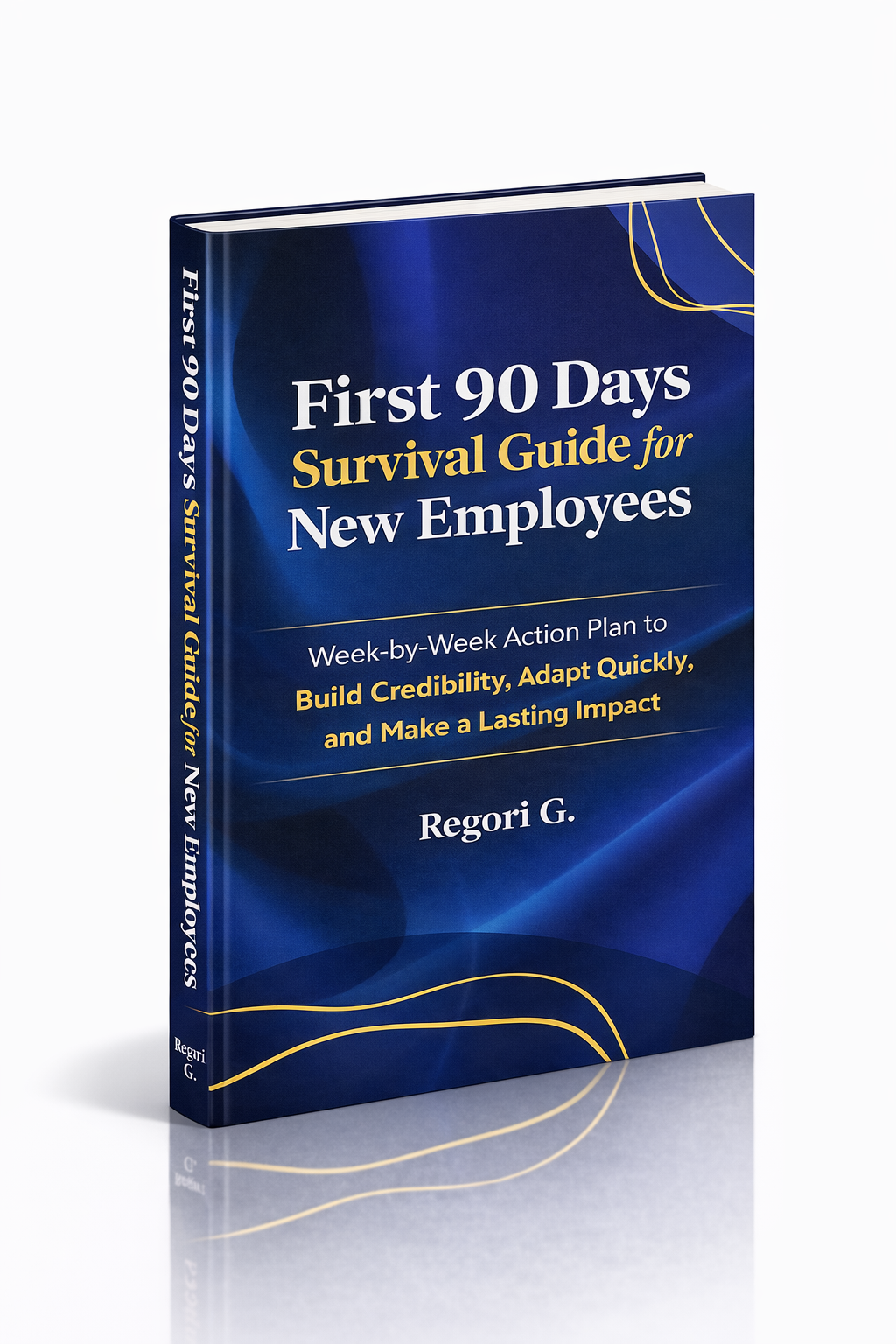
Guide 02
First 90 Days Survival Guide
Hit the ground running and make your mark from day one.
Get it →
Guide 03
Interview Success for Introverts
7 proven steps to shine in interviews — even if you hate the spotlight.
Get it →